“Goals are the fuel in the furnace of achievement.” Brian Tracy, Eat that Frog
END of the WEEK: Here you are, the end of week two. What are two things that you look at as having been successful in the development of your art? Consider the ideas of technique, composition, experimentation.
Q: What was your biggest success over these past two weeks working on the sculptural forms? What are 2 criteria you would set up for yourself as a GRADING criteria?
Painting: Encaustics – Let’s keep going! – BUT FIRST – Conversation!
Maybe you noticed the re-branding of the name of the site. Yes… I have changes the Day to Day to the name of the URL… Art With Korb. This is the name I’ve been using across many platforms and I realize that I need to make it all the same. Same types of information – newer name. Thanks for following – share it around. – Frank
“Unless you have a definite, precise, clearly set goals, you are not going to realize the maximum potential that lies within you.” — Zig Ziglar
Like us on Facebook.com/ArtWithKorb
Remind: text @artwithk to 81010 to get yourself on the list.
Subscribe to the Google Calendar to stay up to speed…
Class Reflections: As you look back on the week, what are 3 comments, questions, or concerns that you have and would like to ask? Also – is there anything in about your work that you would like to work on, specifically, as you head home for the weekend or think about first thing next week?
Studio Art 360: 3D Images / Sculpture Coming Up
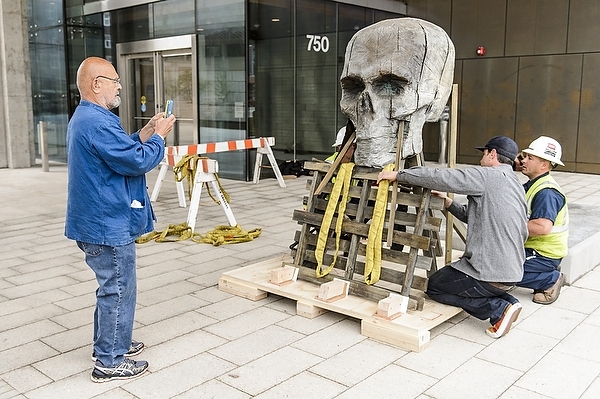
Waterford Lights Site Specific Sculpture from under the bridge – Waterford.
Waterford Lights Site Specific Sculpture over the bridge – Waterford.
Q: What can you use from DRAWING to Invent a sculpture that is PERSONAL, Site Specific, Collaborative and includes the ideas of a CUBE, CYLINDER, and / or PYRAMID? Do you want to work on ALL of them at the same time or are you going to finish one and then move onto the next? What was the most challenging form for you to create? What is ONE things that gave you such a hard time with it?
Q: How is your previous days work going? Will you be ready to run on Monday with the beginnings of the painting?
Drawing: 2Point / 3Point Perspective
Q: How are you defining the edges of forms DIFFERENTLY now than you have in the past? How are you thinking about the idea of COMPOSITION now that it has been spoken about?
AP Studio Art: Let’s get a small concentration started.
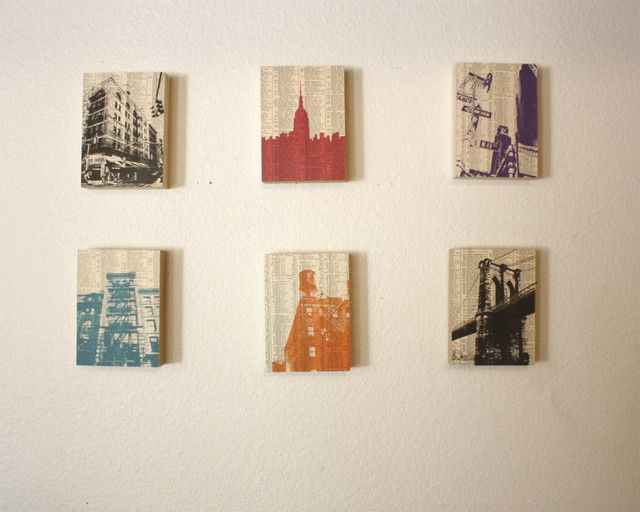
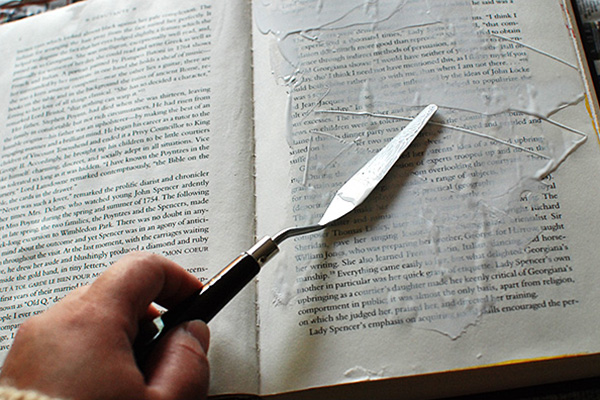
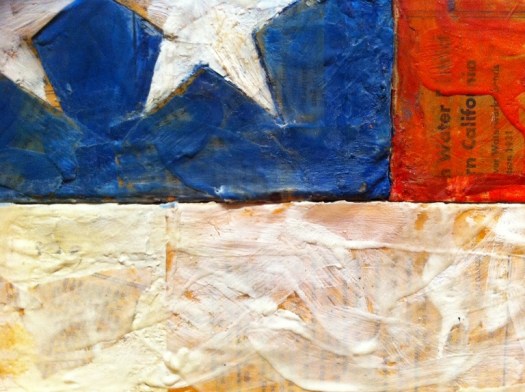
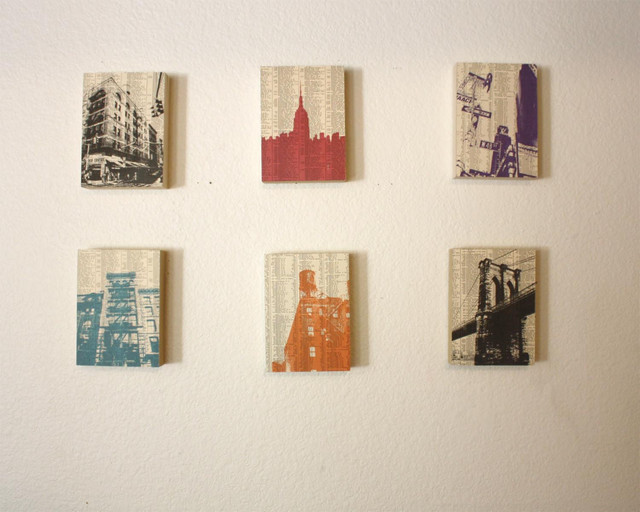
Q: How are you using the letters / numbers / underlying images (newspaper, etc…) to create a work that makes you look more carefully – observe the images you are creating / communicating?
Q: How are you defining the edges of forms DIFFERENTLY now than you have in the past? How are you thinking about the idea of COMPOSITION now that it has been spoken about?
AP Studio Art: Let’s get a small concentration started.
Q: What materials are you NOT using yet? Make sure that in the body of work you are making (about 1 object) you try things you are not comfortable with.
Subscribe to the Google Calendar to stay up to speed…
Class Reflections: What are YOUR reasons (please list 3) for taking this Art Course? We looked at this last week on a sticky note… are your ideas the same? Broader?
Studio Art 360: 3D Images / Sculpture Coming Up
Tony Smith
Tony Smith
Q: What are some of the new successes you had in Friday’s drawing? Ideas of: Shape and form? Techniques of: Thumbnails. Sighting In. Critique.
Q: What kinds of images did you come up with last week that you are happy with? What is a struggle that you see in some of them? What colors are you looking to use?
2.1Ac: Through experimentation, practice, and persistence, demonstrate acquisition of skills and knowledge in a chosen art form.
What is one thing you accomplished last week with your drawing? TODD FEELS it is coming along well… N: Silhouette drawing and Todd Mrozinski’s work.
Reflection: 7 minutes – share your classmates work… What is one thing your classmate / partner gave you feedback on – whether or not it was a part of the conversation – think about what was said… ONLINE RUBRIC! Don’t forget to fill it out before EXAM DAY!
Studio Art 360: The SCULPTURES! The RUBRIC! The CRITIQUE!
2.2P: Explain how traditional and non-traditional materials may impact human health and the environment and demonstrate safe handling of materials, tools, and equipment.
Do you remember your sculptures? We are READY to add color to them. What was your social commentary about? Look at your sculpture and see if you can remember. What are 3 things about the sculpture you are pleased with and WHY did it work out well for you?
Reflection: How did the adding of the STAIN help your sculpture or make it less strong? Make sure you have turned in your sculpture and the NEW RUBRIC!
4.2Ad: Critique, justify, and present choices in the process of analyzing, selecting, curating, and presenting artwork for a specific exhibit or event.
Look back on the past two weeks of OPENING QUESTIONS and REFLECTIONS to come up with three things you can use to talk about your finished collaborative work with the Waterford Senior Living residents.
Reflection: Well… what are your thoughts about the work you have hung in the gallery? Are you ready to TALK about it tomorrow? We certainly didn’t get to it today? What else do you need to
2.1Ad: Experiment, plan, and make multiple works of art and design that explore a personally meaningful theme, idea, or concept.
What has been YOUR largest struggle with the designing of YOUR series of works?
Reflection: How have you GROWN as an artists in the past few months to help you develop the skills you are using? ONLINE RUBRIC! Don’t forget to fill it out before EXAM DAY!
2.1Ac: Through experimentation, practice, and persistence, demonstrate acquisition of skills and knowledge in a chosen art form.
What is successful in your artwork? What is the color scheme you are using? Share this with your neighbor.
Reflection: What is the progress of the drawing thus far? What is your neighbor doing well? What is your neighbor not doing successfully? Share your thoughts with your neighbors.
1.2P: Shape an artistic investigation of an aspect of present-day life using a contemporary practice of art or design.
How does working in three-dimensions make you think differently about the making of art than working on the collage (2D work) did?
Reflection: What are you seeing in the works of others that you find successful? What are they doing that YOU could learn from? PAUSE 10 minutes before the end of class. GIVE COMMENTS on the sticky note in front of their work.
4.2Ad: Critique, justify, and present choices in the process of analyzing, selecting, curating, and presenting artwork for a specific exhibit or event.
Choose TWO of the QUALITY works and describe differences you see in the skills you are representing.
Reflection: By choosing the 5 BEST works you have made is important in presenting your skills to an AP reading board, how do you see this as a larger life skill in presenting yourself in the best possible light?
2.1Ad: Experiment, plan, and make multiple works of art and design that explore a personally meaningful theme, idea, or concept.
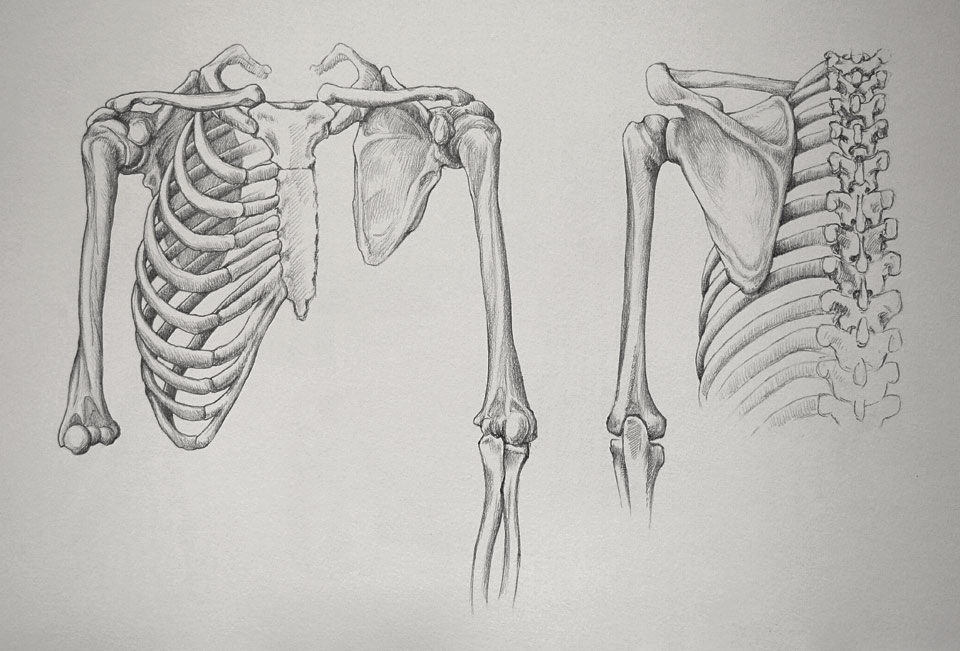
Back to the LONG BONE of the FEMUR – How can you use your understanding of the BONES of the ARMS and LEGS to help you make sure the DRAWING work – Look at the bending portions of the leg and arm… REALLY LOOK.
Reflection: How will you use the knowledge of the shapes and joints to help you make the proportions CORRECT? Give some technique and ideas in your answer.
2.1Ac: Through experimentation, practice, and persistence, demonstrate acquisition of skills and knowledge in a chosen art form.
Take a look at your previous week’s works – where did you struggle? How do you use the ideas of chiaroscuro to better define the ideas of form?
Reflection: What was the most challenging way to draw? Why was this most difficult way to go? What is most important about drawing when it comes to observation?
Studio Art 360: Clay
SKETCHBOOK DUE NEXT TUESDAY:Using a camera ON YOUR OWN TIME THIS WEEK – RECREATE a famous painting, sculpture, drawing… Print out the photograph that you have created and also include the famous work of art that you were inspired by. Here are a few examples: Student Examples: https://goo.gl/Tvwv4X
1.2P: Shape an artistic investigation of an aspect of present-day life using a contemporary practice of art or design.
What challenges did you have in getting started last week on Friday with the clay? REQUIREMENTS FOR THIS ARTWORK: Subtractive, Additive, and Manipulation to the clay. These techniques are REQUIRED in the FINAL Sculpture.
ALSO – Let’s Look at the DRAWINGS of Henry Moore Sculpture Ideas – HERE
Reflection: What was the largest success you have in today’s work? Take a look at the rest of the classes work BEFORE we clean up. PAUSE 10 minutes before the end of class.
4.2Ad: Critique, justify, and present choices in the process of analyzing, selecting, curating, and presenting artwork for a specific exhibit or event.
What are the best works you have in your portfolio and how do they represent the abilities that you possess? What have you said about the works that you have uploaded as your concentration?
Reflection: As last week – what do you need to complete so that you have a complete portfolio by Friday? List the them. Online too. Please REREAD your answers to the two AP online questions and review them for tomorrow. REALLY!
2.1Ad: Experiment, plan, and make multiple works of art and design that explore a personally meaningful theme, idea, or concept.
What is the longest bone in the body? How can you use your understanding of the figure to HELP you figure out proportions AS you are drawing?
Reflection: What aspect of the skull did you draw today that can help you understand the drawing of the head as you move forward in the idea of figure drawing?
1.1Ac: Individually or collaboratively formulate new creative problems based on student’s existing artwork.
Of ALL the features that you draw / relationships that you learned / ideas you have gained… what is something that you are still struggling with – are no LONGER struggling with – have learned… what is it and what about it?
Reflection: How was the final drawing in the past 40 minutes? What did you accomplish successfully? What did you struggle with?
Studio Art 360: Clay
SKETCHBOOK DUE NEXT TUESDAY:Using a camera ON YOUR OWN TIME THIS WEEK – RECREATE a famous painting, sculpture, drawing… Print out the photograph that you have created and also include the famous work of art that you were inspired by. Here are a few examples: Student Examples: https://goo.gl/Tvwv4X
Reflection: How are you going to keep the clay from drying out over the weekend? What techniques are REALLY important to be using to make sure any ADDITIVE clay really HOLD TIGHT to the clay you are adding it to?
4.2Ad: Critique, justify, and present choices in the process of analyzing, selecting, curating, and presenting artwork for a specific exhibit or event.
Choose one of the BEST works that you have in your collection… This is going to be the FIRST of your QUALITY works that we are MOUNTING for the portfolio. What is it about the work that makes it STAND OUT FROM the others as one of the BEST works?
Reflection: How does framing up the work raise the level of quality (visually) of your work? What does it to to make it more “finished?”
Advanced Drawing: Gesture
How can you use the GESTURE to create a unique and genuine drawing? http://www.studentartguide.com/wp-content/uploads/2015/02/line-drawings-wang-tzu-ting.jpg
Goals:
2.1Ad: Experiment, plan, and make multiple works of art and design that explore a personally meaningful theme, idea, or concept.
Look at the series of works from yesterday… how have you begun to see the figure differently? Are you thinking about the the FORM in a different fashion than you had earlier?
Reflection: Next week – LONGER FIGURE DRAWINGS – Be aware of the challenges you faced today? What was the BIGGEST CHALLENGE you faced today in the drawing?
7.1Ac: Recognize and describe personal aesthetic and empathetic responses to the natural world and constructed environments.
What techniques are working for you in this work? How will you talk about the the struggles and successes you are having?
Reflection: As you worked today, what are the major successes you found in your approach to the oil pastels today? How do you see this as being a drawing that can help you understand compositional relationships?
10.1P: Document the process of developing ideas from early stages to fully elaborated.
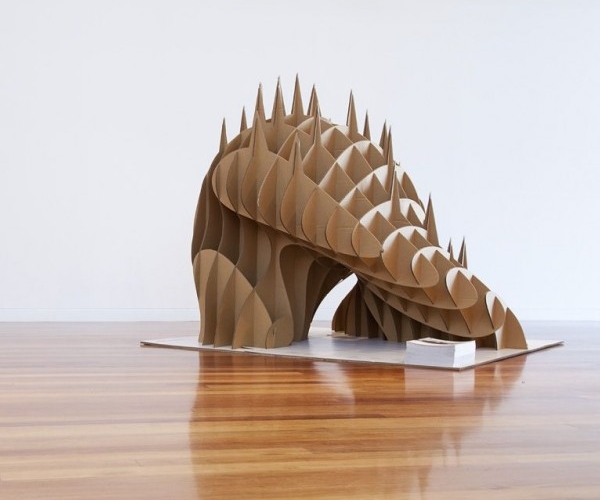
These forms may not be your MASTERPIECE of all time, but they did require focus, work, and attention to detail. Looking at ALL the FORMS you created, how you assembled the work, how you wrapped it up with color choices… explain 3 things that you feel were important about what you learned in the ease or difficulty about creating a work of art? TOMORROW WE ARE CRITIQUING! Make sure you are FOCUSED TODAY!
Reflection: If you are NOT done with the paper mache forms, what could you / should you have done over that past 2 weeks to make sure you DID get them finished by the end of the period? How do you see that you are going to be ready for the critique tomorrow?
2.1Ad: Experiment, plan, and make multiple works of art and design that explore a personally meaningful theme, idea, or concept.
To HELP YOU FULLY UNDERSTAND YOUR current concentration, what is the common thread that is chasing through all of your work? What do you SEE? What is the MEANING? Why is this work IMPORTANT?
Reflection: Thinking about the critiques from earlier this week, what are you in need of doing to make these end of the concentration works the best? We still have TONS of time to POLISH our concentrations… what else do you do?
7. Stretch & Explore: Learning to reach beyond one’s capacities, to explore playfully without a preconceived plan, and to embrace the opportunity to learn from mistakes.
TWO MORE DAYS this week… What are two things you are planning on doing TODAY to get a good deal of work done today? EXPLAIN IN DETAIL how you are working OBSERVATION into this drawing?
Reflection: Think about the conversation from Monday… what are THREE THINGS you heard about OTHER artists works that 1) Stuck with you and 2) are beneficial to you about your work?
G: 6.1Ac: Make, explain, and justify connections between artists or artwork and social, cultural, and political history.
What songs are you using to create your artwork and what is ONE things that STANDS OUT as OBVIOUS to connect the two works of art?
Reflection: SHARE YOUR THEORY AND DRAWING WITH YOUR CLASSMATE – Last 5 Minutes – CONVERSATION and write down what you have learned from your classmate.
1.1P: Use multiple approaches to begin creative endeavors.
What more do you need to do in order to be done with the sculpting of the form and then resolve the form to add the paper mache for Wednesday (might be a work day)?
Reflection: How do you feel the adding of the paper mache and color ENHANCES or MAKES THE WORK STRONGER than it was when it was just cardboard? Use your art terms from the back wall or on page 29 in the folder.
3.1Ad: Reflect on, re-engage, revise, and refine works of art or design considering relevant traditional and contemporary criteria as well as personal artistic vision.
How does your work for this week Re-Engage the ideas you have been using in the past while ALSO provide ideas of REVISION?.
Reflection: I try to get you to talk to one another and reflect. Look at each other’s work today and do that. Explain, listen, WRITE DOWN THOUGHTS for your own reflections.
6.1Ac: Make, explain, and justify connections between artists or artwork and social, cultural, and political history.
What pages are you using to satisfy the 50 pages? What is your imagery? Why are you using what you are using?
Reflection: What did your discussions during the first part of class do for you as you discussed and explained your ideas for 50 pages of paper? Give 3 ideas you shared and will carry forward.












 Art With Korb