Pip: Art With Korb is back, and apparently so is the second quarter — which, if the first quarter is any indicator, will arrive and vanish before the clay even dries.
Mara: fjkorb walks us through what every grade level is tackling right now — photography, digital image-making, and ceramics — plus some bigger-picture changes to how students assess their own work. Let's start with what second quarter actually looks like in the studio.
Week 10: Second Quarter Hits the Ground Running
Pip: The question this segment is really answering is: what does the shift into second quarter mean for each grade level, and why does the pacing feel so compressed the moment you walk back in?
Mara: The post sets up the ceramics unit for eighth grade with real specificity — here's the line on wheel throwing: "The biggest challenge is going to be the centering, then the opening, then the pulling, and don't forget to keep the arms locked and the hands in place, and don't forget to breathe."
Pip: So the upshot is that throwing on the wheel isn't a single skill — it's a sequence of interdependent steps where each one depends on the previous one landing correctly. Miss the centering and nothing downstream works.
Mara: And running simultaneously with wheel throwing is slab building — students are constructing architectural forms, their own homes or another building that matters to them. The post even mentions a personal preference for Brutalist architecture from the nation's capital, which tells you something about the range of reference being brought into the room.
Pip: That's a genuinely interesting constraint — you're not just building a box, you're making a case for why a particular structure is worth your hands and your clay. Architecture as an argument.
Mara: Meanwhile, seventh grade is moving into Photoshop and the Visual Biography project. The post describes it as "a high end artwork with some high end computer skills" — layers, masking, tracing, importing, resizing. Students are starting with their own silhouettes and building outward from there.
Pip: Which is a real ask. Photoshop layers can humble a professional on a slow afternoon.
Mara: Sixth grade is wrapping up photography with CampSnap cameras and then pivoting hard — the final session is dedicated to the Elements of Art, vocabulary, and definitions. The post flags file management and working in Apple Photos as skills that matter just as much as the images themselves.
Mara: And threading through all of it is a rubric update — grids are being added to the self-assessment section to make them easier to read, with the existing checkboxes staying in place. Small change, but it directly affects how students track their own progress.
Pip: Assessment infrastructure quietly doing its job. From vocabulary and self-assessment, the through-line here is really about students building the language to talk about what they're making — and that's worth sitting with.
Pip: Three grade levels, three very different materials, and one consistent push to make students fluent in the vocabulary of what they're doing — not just the doing itself.
Mara: The clay, the pixels, and the photographs are all just different ways into the same question. More from the studio next time.
Hello Friends of Art with Korb! Mr. KORB welcomes you!
Rubrics and Assessment are moving along and the changes are going to be helpful for you the artist. Grids have been (or are being implemented into he self assessment portion so that they are easier to read. The check boxes are still there so let’s keep making use of those.
In 6th grade the artists are wrapping up Photography this week and next. What kinds of images have you been able to come up with as we use the CampSnap cameras? More than the photographs, how are you able to work with the computers and file management? As strange as it seems, even us artists need to know how to manage files and work with technology! Our last day is going to be spent learning the ELEMENTS of Art. We will take some time to work through the words and the definitions so be ready to be thoughtful as you put on your thinking caps.
7th Grade Artists have wrapped up the pastel prints (well done) and the DIGITAL IMAGES are going to begin. We should have the portraits from the neurographic images still available so – unless we re-shoot we will be using those. The use of PHOTOSHOP is going to be our main goal – yes – digital images and technology. (From here we are going to go into clay so buckle up as we use the time machine to go way back after we are done here.) Photoshop and the Visual Biography with layers and layers masking. This will be fun. Take art they say. It’s easy they say.
8th Grade Artists have now moved into the realm that Mr. Korb spends most of his (and Mrs. Korb’s free time) CERAMICS! We are working on the wheel and the slab build sculpture called Bas-Relief (pronounced like what a sheep says – BAAA-relief). The wheel is going to challenge one with the steps of throwing (centering, coming up and down, poking, opening, pulling, trimming, patience, and craftsmanship. And do not forget about cleaning!). While we also look at the ideas of what a Bas (or low) relief sculpture is. Make sure you keep your clay sealed while you’re not using it. If it dries – you are starting over mi amigo!
Here are the 6th-grade semester Lesson Plans to show you what our day will look like.
Photography with the Camp Snap camera allows us to make photos and not worry about the results until we upload them. This is going to be a new challenge as well while we log into the Apple Computers in the digital lab and work through Apple Photos to do our editing and uploading. This is going to be FAST and FURIOUS! What kinds of new ideas have you come up with about cameras so far?
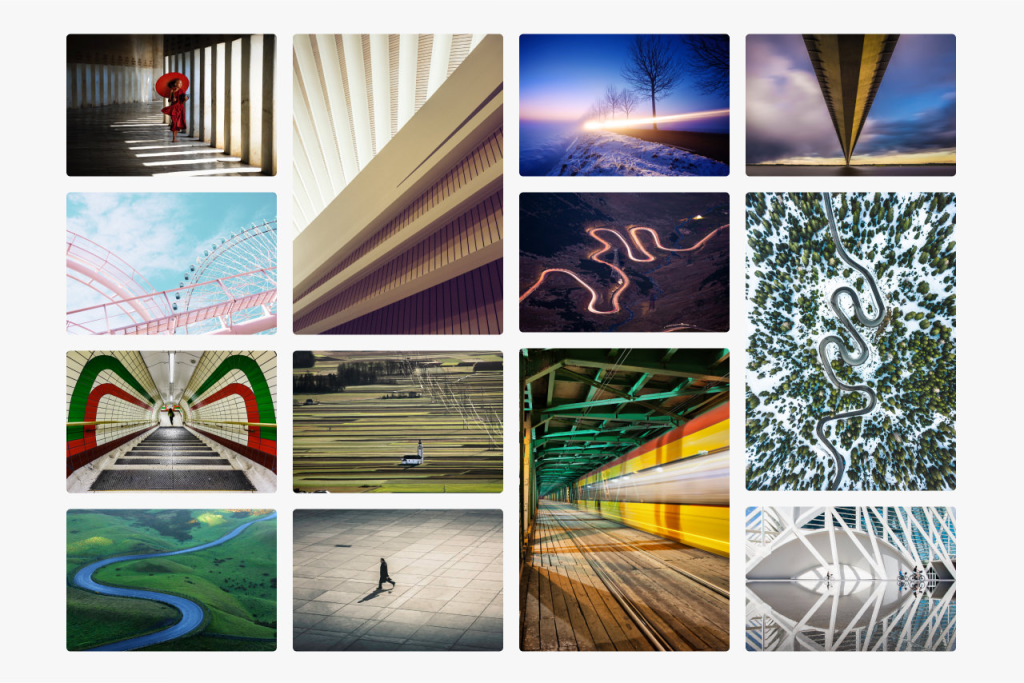
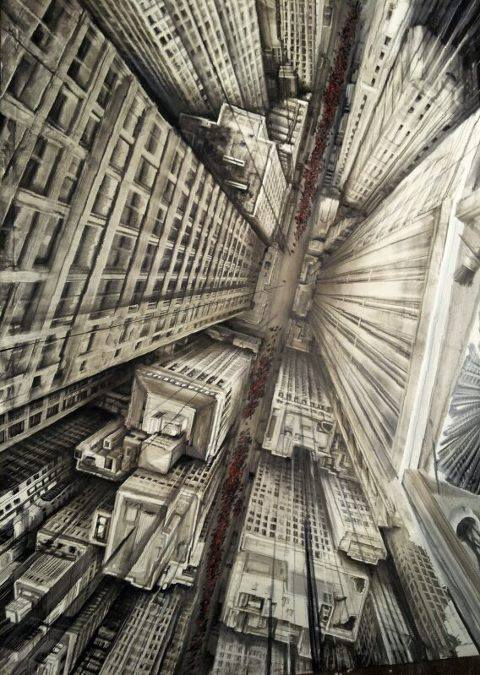
This is not one of my kids works but this is the direction we are going. How can you use an element of art as the focal point for your work? These artists are using line! Can you explain how that is the focal point? Let me know. One point perspective is a great use of a lot of the art vocabulary – this is another goal this year. VOCABULARY!
Here are the 7th-grade semester Lesson Plans to show you what our day will look like.
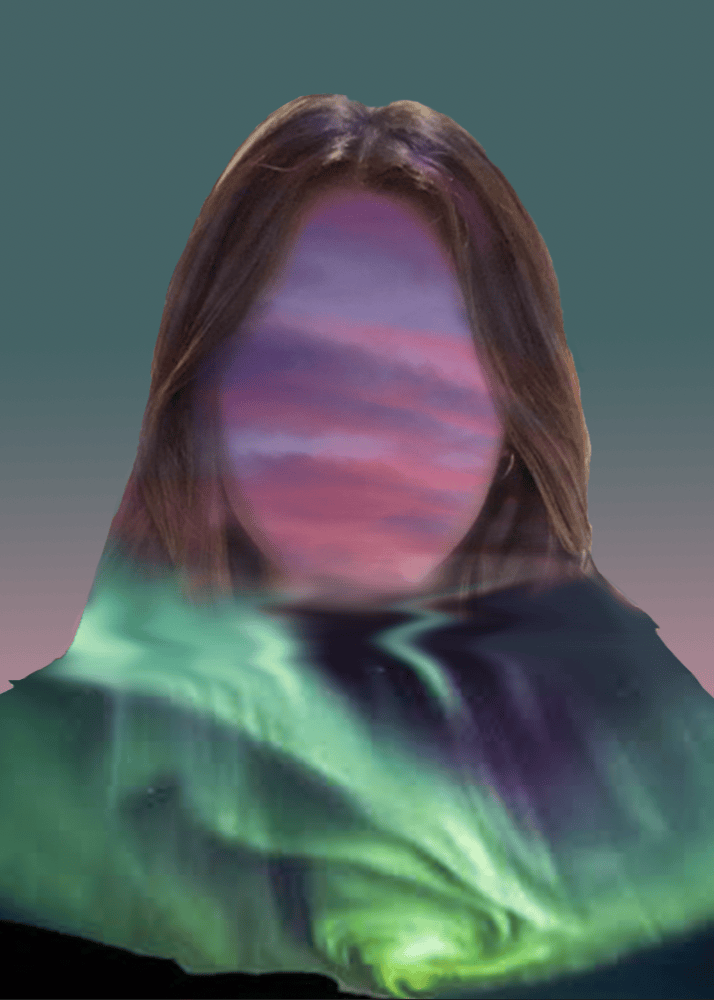
We all make photographs, we all have passions and interests, and we all have a silhouette. What can we do with those in PHOTOSHOP? We are about to find out.
Using Photoshop and the internet to gather images (or maybe you can gather some of your own) we are going to spend time working with layers and masking. This is a high end artowkr with some high end computer skills that you are going to learn (and master?)! Beginning with yourself we are going to trace and import and erase and layer and resize and the list goes on and on and on… excited? I hope so!
Not one of our artist’s works but this is an idea that can take you places! What do you think about this artist and what they are interested in?
8th Grade Sculpture: Wheel Throwing and Slab Building
Here are the 8th Grade Sculpture semester Lesson Plans for you to see what our day will look like.
This post is the same as last week – the only thing that has changed is that the standards for height in the cylinder and a 4 is now 4″ versus 5″
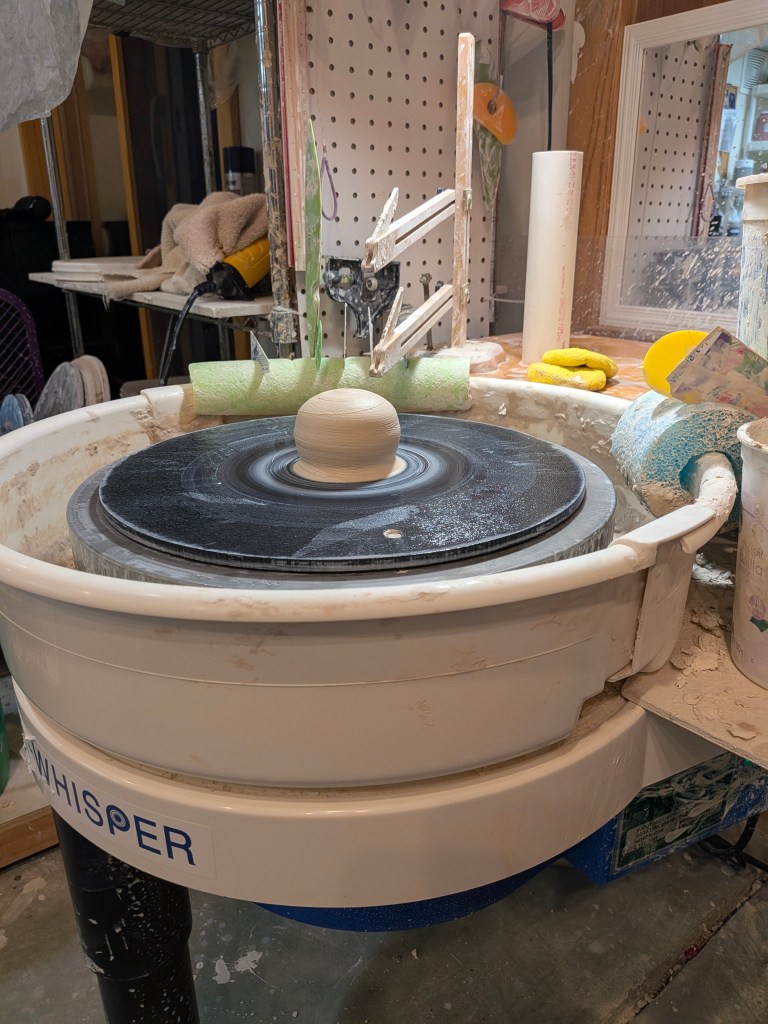
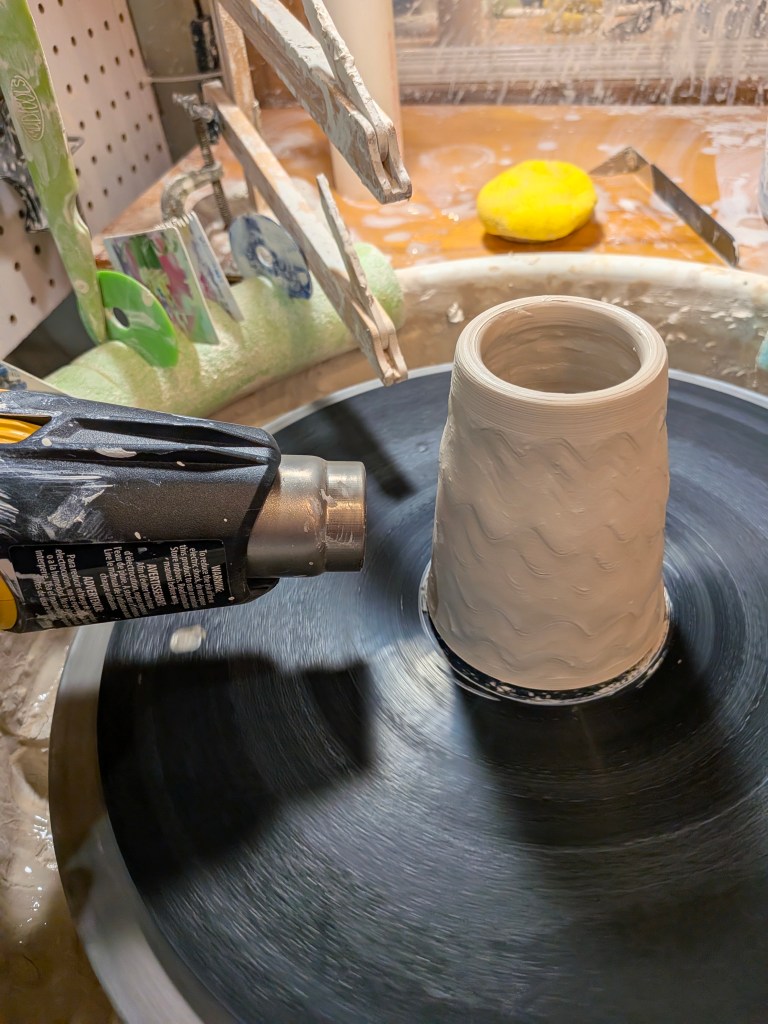
As an artist for my entire adult life, this is what I have landed on for the past 5 years. This is how I start my day and end my day. My life and business partner do this work together and keep our little potter up and running in Korb Pottery. What the artists in the studio will be doing is the same… but maybe not as much or as large.
Starting with one pound of clay and working to pull up a cylinder is the goal. How hard can that be right? Yeah – right! The biggest challenge is going to be the centering, then the opening, then the pulling, and don’t forget to keep the arms locked and the hands in place, and don’t forget to breath. Wedging? No way am I going to try and teach that – well maybe a little. One pound of clay kids…
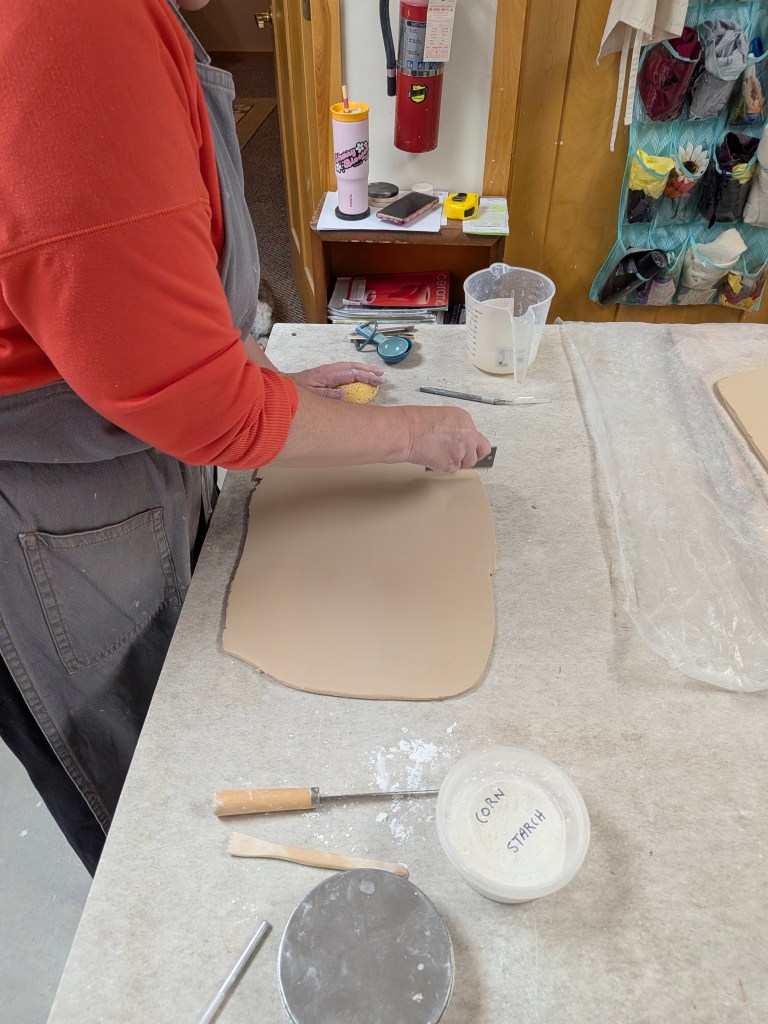
AND at the exact same time we are working on SLAB constructions of a work of architecture. Their homes or another work of architecture that is important to them. Maybe I’d choose a work of Brutalist Architecture from our nation’s capital – I LOVE that work. Basic techniques will be revisited AND the work will be on their own. Solve some problems, work it out, don’t let it dry out. Ugh. All that one has to remember.
Pip: Art With Korb, where the first quarter of the school year has apparently already happened, whether any of us were ready or not.
Mara: fjkorb's latest post covers a lot of territory — photography, soft pastels, printmaking, and clay — and the throughline is how much the process matters, not just the product. Let's start with what Week 9 actually looked like across the grades.
Week 9: A Quarter Down, Clay, Cameras, and Pastels
Pip: By the end of nine weeks, students have moved through watercolors, markers, portraits, cityscapes, and interiors — and now each grade is stepping into something that feels distinctly like a new phase. The question the post is really asking is: what does it mean to let the process lead?
Mara: The post is direct about that priority. On the subject of products versus process, it reads: "YES the products are important and so is the process (perhaps process is more important – YES – process IS more important – ALWAYS)."
Pip: That's not a throwaway line buried in the intro — it's the framing for everything that follows. Centering clay, running a print through a 1970s press, uploading photos for the first time: none of those go smoothly on the first try, and that's exactly the point.
Mara: The 6th graders are in the digital lab now, working with Camp Snap cameras — shooting close-ups of animals and the environment, then editing in Apple Photos on the Mac lab computers. The post notes the biggest challenge last week was simply logging in: remembering email addresses, capitalizations, spaces in passwords.
Pip: Which is a very honest thing to lead with. The art is almost secondary to the login screen, and somehow that's not discouraging — it's just accurate.
Mara: For 7th grade, the soft pastel unit wrapped up with something genuinely unusual: students laid their pastel drawings onto a 1970s printing press, placed dampened watercolor paper on top, and ran it through. The pressure transferred the pastels in reverse onto the watercolor paper.
Pip: A monoprint made from a drawing that was already finished — the press as a one-shot collaborator.
Mara: The post acknowledges the results were a surprise, and not always in the expected direction. Wolf Kahn's pastel landscapes are referenced as an inspiration for the color work, and the post is candid that some colors transferred better than others.
Mara: Then there's 8th grade, which has been waiting two years for this: the potter's wheel. The post lists the sequence — centering, opening, pulling, trimming — and adds that the real test of patience is what comes after: waiting for pieces to dry before firing and glazing.
Pip: Alongside the wheel work, 8th graders are also building slab bas-relief sculptures of their homes or another meaningful piece of architecture. Two simultaneous clay projects, both demanding, both new.
Mara: The post frames that combination as a deliberate departure from previous years — specific product goals alongside the open-ended process experience. It's a harder ask, and the post says the instructor is "just about as excited as they are."
Pip: Which tracks. Enthusiasm and mild terror are basically the same feeling at the start of a ceramics unit.
Mara: Process over product, across every grade, every material — that's the throughline the whole quarter keeps returning to.
Pip: Clay, cameras, and a printing press from 1970. Next time, we'll see what the second quarter brings.
Hello Friends of Art with Korb! Mr. KORB welcomes you!
We have created cityscapes and interiors, portraits, and movies that are entertaining to everyone. The skills that have been learned have been many in all of the Artmaking experiences and in each class. Watercolors and markers are the heavyhitters in 6th and 7th grade so far AND we brought in watersoluable materials in the 7th grade portraits also. The use of a lot of materials is what middle school art is about. YES the products are important and so is the process (perhaps process is more important – YES – process IS more important – ALWAYS).
6th Grade has moved into the digital lab and begun working with Camp Snap Digital cameras. FOCUSING (haha) on the close up, some fun with animals and the environment, ALL of the elements (and maybe we will incorporate the principles), and approving life and photography from a different point of view. We will be making photographs for the next few days and then uploading them in the MAC lab, editing them with Apple Photos and then moving along to the next work. ALWAYS having a solid crit at the end to remind them of the successes and challenges they had.
7th graders have learned all about the soft pastel and created some wonderful landscapes or floral drawings and now have made those into soft pastel prints. We took the drawings and laid them on the 1970’s printing press, laid dampened watercolor paper over the top, and then ran it through the press. The pressure of the press and the dampness of the paper transferred the pastels (lightly) onto the watercolor paper (in reverse). This was a GREAT experience and the first time many of these kids (all of them) have been in the driver’s seat with a wheeled vehicle… maybe.
The 8th grade artists are jumping out of their skins to get a hold of clay and the potter’s wheels. THIS is the event for many of them. They have been looking at the wheels for that past 2 years and are itching to get onto them. I do not blame them, the wheel is SO COOL! We are going to be working on developing some skills in centering, opening, pulling them up, trimming, and then the hard part starts… waiting for things to dry so we can fire and glaze. We are working on a specific set of PRODUCT GOALS as well as the experience here – this is a departure from the past years. In addition to the wheel, they are ALSO going to be working on a slab built bas relief sculpture of their homes or another work of architecture. This is a challenging set of artworks for the kids and I am just about as excited as they are.
Here are the 6th-grade semester Lesson Plans to show you what our day will look like.
Photography with the Camp Snap camera allows us to make photos and not worry about the results until we upload them. This is going to be a new challenge as well while we log into the Apple Computers in the digital lab and work through Apple Photos to do our editing and uploading. This is going to be FAST and FURIOUS! Looking back at last week, the biggest challenge we had was learning our email addresses and remembering the passwords. SPACES and CAPITALIZATIONS COUNT!
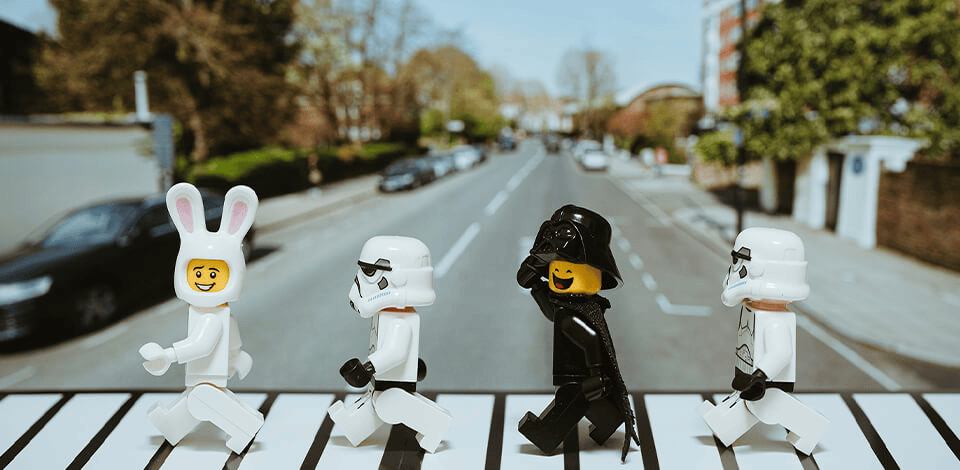
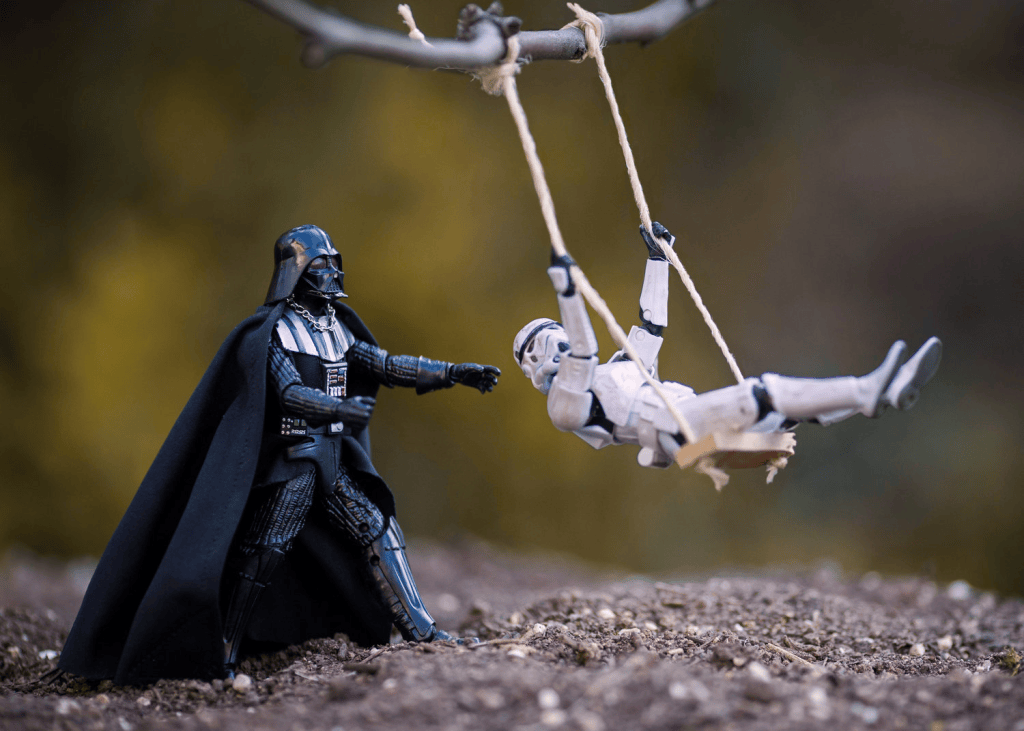
This is not one of my kids works but this is the direction we are goin. Toys and putting them in a place where we could believe it is happening (right, like Darth Vader would actually push a Storm Trooper – he would use the FORCE!). One point perspective is a great use of a lot of the art vocabulary – this is another goal this year. VOCABULARY!
7th Grade: SOFT PASTELS and PRINTMAKING as we wrap up the Neurographic Portraits and Color Schemes
Here are the 7th-grade semester Lesson Plans to show you what our day will look like.
We are wrapping up the printing and the editiopning this week – mounting and naming, hanging and critiquing are all a part of the upcoming studio time. Thanks for the hard and dedicated work artists. Some colors work better than others. That’s part of the process. I think the look on the faces for some was a bit of a surprise as to how the images turnedout. I was a bit surprised as well.
What can you do with SOFT PASTELS? We are going to be working on landscapes or floral drawings and then we are going to make MONO PRINTS from them – assuming it all works for us – AND FOR THE MOST PART IT DID!
This was new to us last year and the CRAYONS did not work out (cheap and not as good as the ones I have used int he past) so we are switching to SOFT PASTELS – MUCH BETTER! We will also take a look at Wolf Kahn’s pastel works! He was a contemporary artist who did landscapes in soft pastels – the colors are great! The Soft Pastel drawings are WONDERFUL and the Printmaking comes up this week. I feel like it is going to be ONE PRINT and that’s it. This was a GREAT experience – and it CAN open up a whole new direction for the making of art.
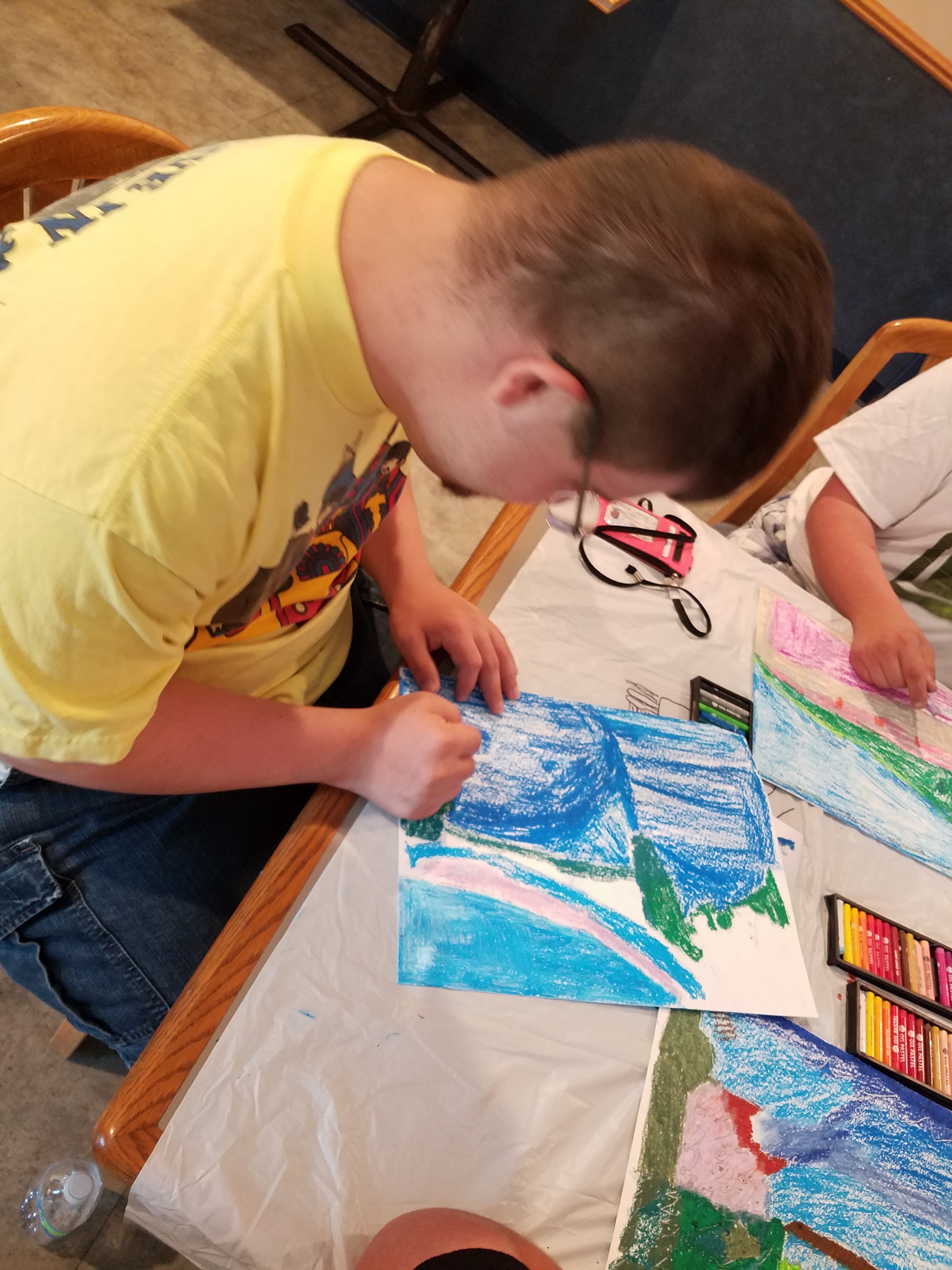
Ok. Above is NOT one of the middle schoolers, it is Mikey one of the Waterford 7+ artists I work with over the summer. We did not make prints but we DID work with Soft Pastels and BOY oh Mikey did they do a great job! Thanks for the hard work 7th graders (and Mikey).
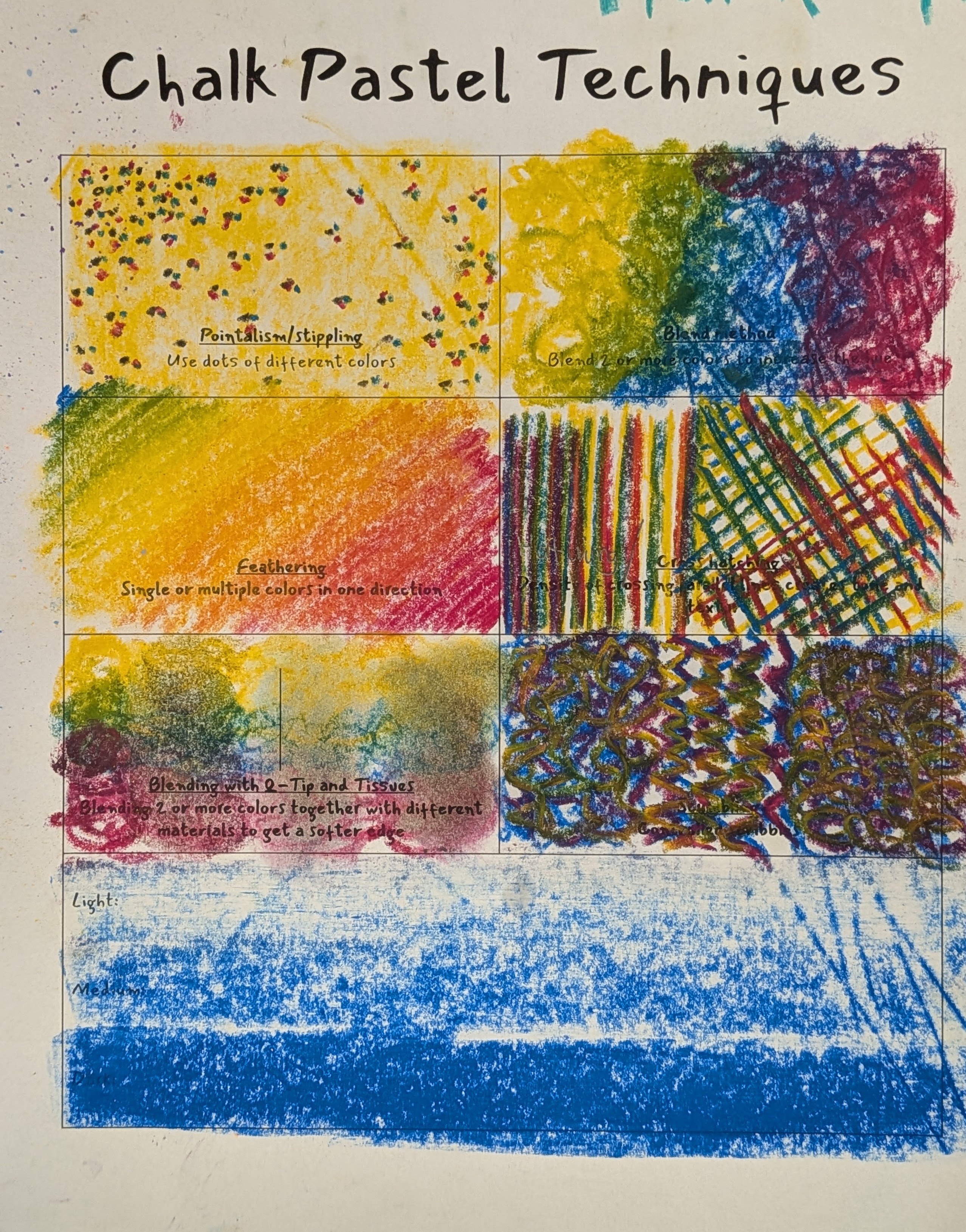
What do YOU remember about Soft Pastels? Here are some techniques to explore.
8th Grade Sculpture: Wheel Throwing and Slab Building
Here are the 8th Grade Sculpture semester Lesson Plans for you to see what our day will look like.
As an artist for my entire adult life, this is what I have landed on for the past 5 years. This is how I start my day and end my day. My life and business partner do this work together and keep our little potter up and running in Korb Pottery. What the artists in the studio will be doing is the same… but maybe not as much or as large.
Starting with one pound of clay and working to pull up a cylinder is the goal. How hard can that be right? Yeah – right! The biggest challenge is going to be the centering, then the opening, then the pulling, and don’t forget to keep the arms locked and the hands in place, and don’t forget to breath. Wedging? No way am I going to try and teach that – well maybe a little. One pound of clay kids…
AND at the exact same time we are working on SLAB constructions of a work of architecture. Their homes otr another work of architecture that is important to them. Maybe I’d choose a work of Brutalist Architecture from our nation’s capital – I LOVE that work. Basic techniques will be revisited AND the work will be on their own. Solve some problems, work it out, don’t let it dry out. Ugh. All that one has to remember.
Pip: Art With Korb — where the clay is wet, the pastels are dusty, and the first quarter is apparently sprinting toward the finish line whether we’re ready or not.
Mara: Frank Korb is checking in on all three grade levels this week, and we’ve got self-assessments, printmaking, and stop-motion films all landing at once. Let’s start with what’s actually happening in the studio right now.
Week 8: Three Grade Levels, One Very Full Week
Pip: The first quarter end is close, and every grade is either finishing something, starting something, or both simultaneously. The question is how you land three different projects at three different developmental moments without anyone losing a sheet of watercolor paper to a pastel-dusted hand.
Mara: On the 6th-grade side, the post sets up something genuinely new — their first ever self-assessment in the art studio, working through the standards of Art Making, Connecting, and Reflection. The framing is: “This might ALL be new to them so we are going to take it slow and work it together.”
Pip: That’s a real pedagogical choice — slowing down at the end of a quarter instead of rushing the finish. And pairing it with computer training and image insertion means the assessment itself is a skills exercise.
Mara: The photography unit has them working with Camp Snap cameras, then uploading and editing through Apple Photos. The goal isn’t just the image — vocabulary is called out explicitly as a year-long target, with one-point perspective as a concrete example of art language in action.
Pip: Meanwhile, 7th grade is navigating what might be a double first: soft pastels as a material and printmaking as a process, and the two are basically enemies in terms of cleanliness.
Mara: The post is direct about the tension: “NO FINGER BLENDING” is the rule for pastels, and then immediately the watercolor paper for printmaking “needs to be kept immaculately clean.” The soft pastel assignment connects to Wolf Kahn’s landscape work as a contemporary reference point.
Pip: So the medium teaches discipline by being inconvenient. Honestly, that tracks.
Mara: And 8th grade is closing the stop-motion film unit — modeling clay sets, collaboration, the whole production — and pivoting straight into handbuilding with slabs and wheel throwing on Skutt potter’s wheels. The claymation assignment emphasized open decision-making: group choice, story, set design, all student-driven.
Pip: Finishing one tactile medium and immediately picking up another. The hands never really get clean in this class, do they.
Mara: The through-line across all three grades is the same: wrapping one set of skills and stepping into the next, with the quarter mark as the natural hinge point.
Pip: Which means next week someone is going to be elbow-deep in clay. Let’s talk about what that looks like when the wheel starts spinning.
Mara: Self-assessment, printmaking, claymation, and wheel throwing — it’s a wide range of making for one week.
Pip: The quarter ends, the clay begins. We’ll see what comes off the wheel next time.
This week is full of great things. 6th Graders are completing their first ever self assessment in the art studio and we are going to talk ALL ABOUT the standards of Art Making, Connecting, and Reflection or Critiquing. This might ALL be new to them so we are going to take it slow and work it together. We are ALSO doing some computer training and inserting images into the document… let’s hopew this goes well.
Printmaking is on the 7th graders plate and we are using soft pastels to create our drawings. This might be a first for them in TWO WAYS. Soft pastels are a dusty and exciting material to work with and when done well – NO FINGER BLENDING – the results are wonderful. The second challenge is the opposite of the pastels and it is KEEPING OUR HANDS and PAPER CLEAN with the printmaking. The watercolor paper needs to be kept immaculately clean and this is a challenge. The process is challenging and will result in some great works.
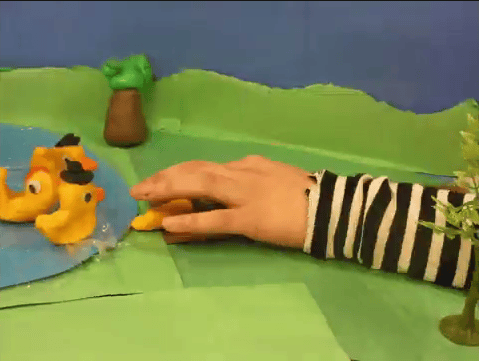
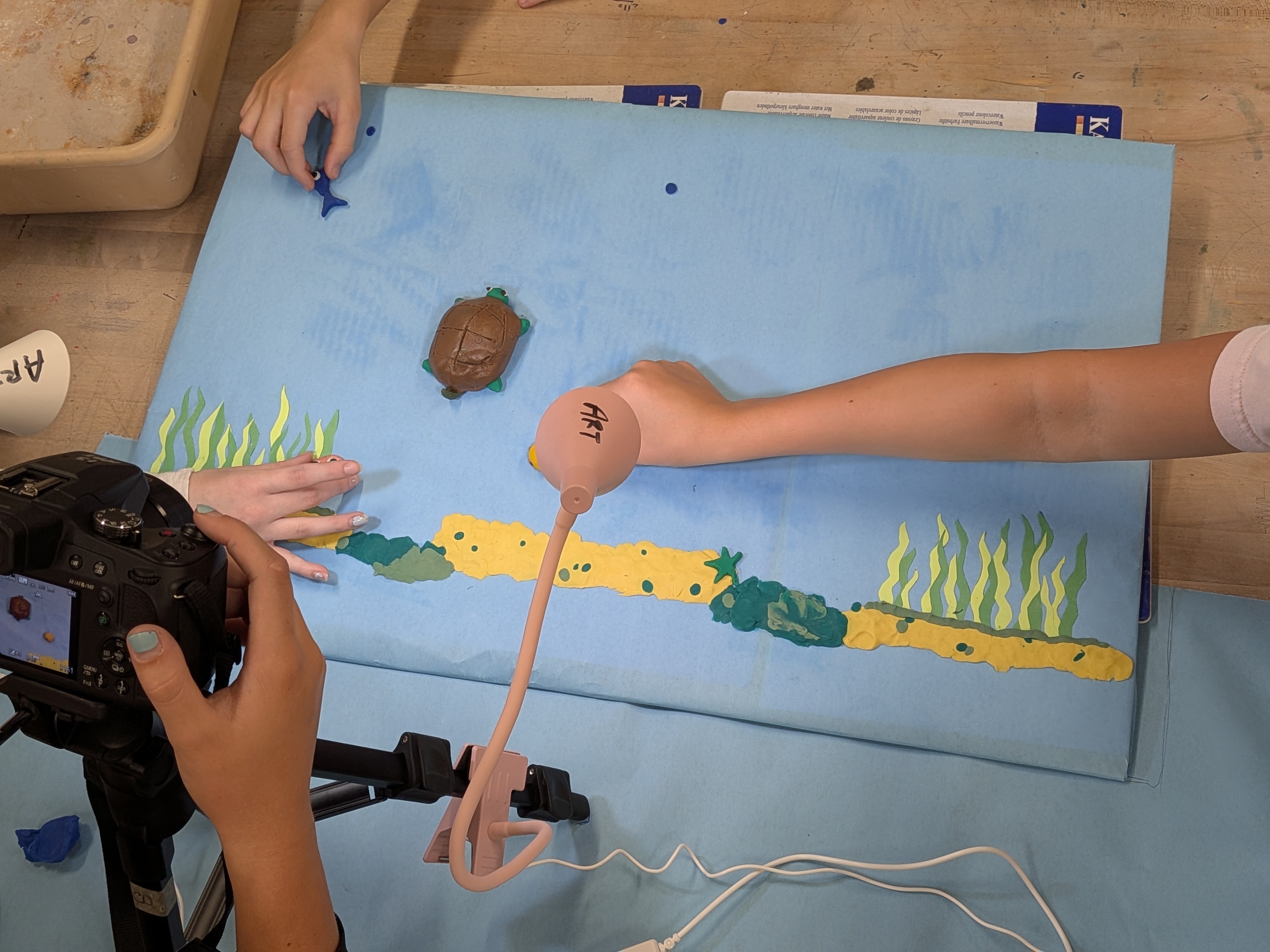
8th grade is wrapping up the film unit – a lot of weeks. We have finished editing the stop motion movies and we are ready to watch them. This was a lot of fun as the artists worked with modeling clay and a lot of unique approaches to building the sets. Maybe we have a future Tim Burton in our midtsts. Next up – CLAY and HANDBUILDING as well as WHEEL THROWING. A NEW set of skills to learn and work towards a lifetime of mastery.
We are going to leave the posts below as they are (for the most part) and we will update more as the projects develop along. Thanks.
Here are the 6th-grade semester Lesson Plans to show you what our day will look like.
Photography with the Camp Snap camera allows us to make photos and not worry about the results until we upload them. This is going to be a new challenge as well while we log into the Apple Computers in the digital lab and work through Apple Photos to do our editing and uploading. This is going to be FAST and FURIOUS!
This is not one of my kids works but this is the direction we are goin. Toys and putting them in a place where we could believe it is happening (right, like Darth Vader would actually push a Storm Trooper – he would use the FORCE!). One point perspective is a great use of a lot of the art vocabulary – this is another goal this year. VOCABULARY!
7th Grade: SOFT PASTELS and PRINTMAKING as we wrap up the Neurographic Portraits and Color Schemes
Here are the 7th-grade semester Lesson Plans to show you what our day will look like.
What can you do with SOFT PASTELS? We are going to be working on landscapes or floral drawings and then we are going to make MONO PRINTS and GHOST PRINTS from them – assuming it all works for us. This was new to us last year and the CRAYONS did not work out (cheap and not as good as the ones I have used int he past) so we are switching to SOFT PASTELS – MUCH BETTER! We will also take a look at Wolf Kahn’s pastel works! He was a contemporary artist who did landscapes in soft pastels – the colors are great! The Soft Pastel drawings are WONDERFUL and the Printmaking comes up this week. I feel like it is going to be ONE PRINT and that’s it. This was a GREAT experience – and it CAN open up a whole new direction for the making of art.
Ok. Above is NOT one of the middle schoolers, it is Mikey one of the Waterford 7+ artists I work with over the summer. We did not make prints but we DID work with Soft PAstels and BOY oh Mikey did they do a great job!
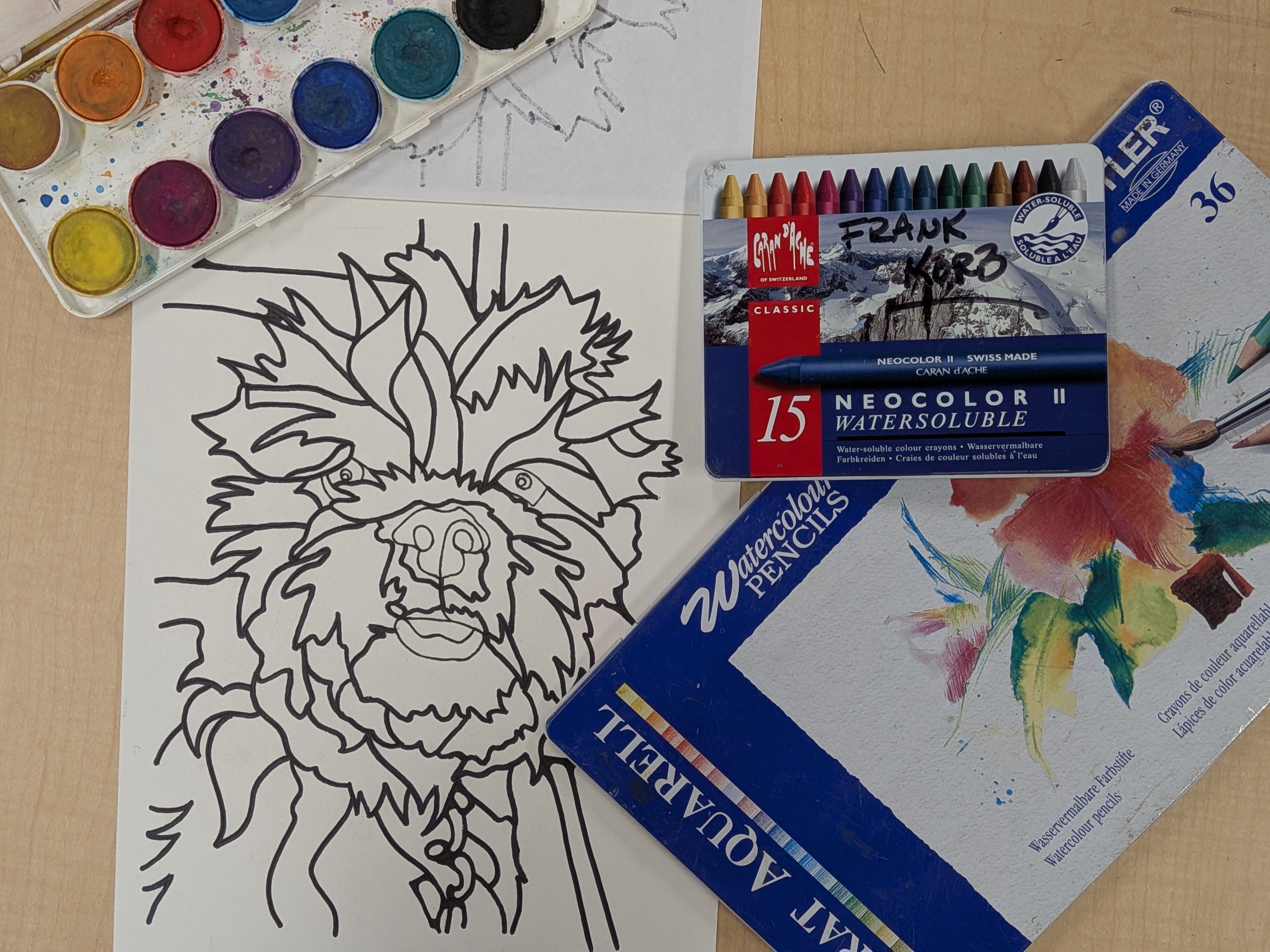
What do you look like? How do you see yourself? What are your favorite colors? What is a line exactly? Are all lines the same? What about watercolors? Is it as simple as putting water in the tray and taking the color out? Are there more things that can be done with the paints? YOU BET! We are also using Colored Pencils and crayons – all Water-Soluble.
What do YOU remember about Soft Pastels? Here are some techniques to explore.
8th Grade Sculpture: Claymation and Collaboration
Here are the 8th Grade Sculpture semester Lesson Plans for you to see what our day will look like.
DONE and READY TO WATCH! The rest of the week is taking apart the movie sets, packing up all the supplies, and prepping the glazes for the next unit – CLAY. We are doing a handbuilt unit with slabs and a contemporary artist and then we are also creating WHEEL THROWN work on our SKUTT POTTER’S WHEELS! Woo Hoo!
Stop Motion Film Making has been around for a long time. Collaboration has too. We are going to be taking some time to work on this assignment and we are going to also work through some new challenges that are going to be really open to you as you make decisions in how you plan it out. What MIGHT your ideas be? How are you going to work on the ideas together? This might be challenging in how you choose your groups and the stories and the set design and the approach and ALL SORTS of other ideas.
Pip: Art With Korb is back, and apparently so is the technology — which, if you’ve ever waited on IT to hard-wire anything, you know is its own kind of miracle.
Mara: Frank brings us into a week where every grade level is mid-project, assessments are landing, and the studio is genuinely humming. Let’s start with what’s actually happening in the classroom right now.
Week 7: The Studio in Full Swing
Pip: The throughline of this update is momentum meeting accountability — projects are maturing across all three grade levels at the same moment assessments arrive, and the question is whether the work holds up.
Mara: The post sets the tone early: “While we critiqued our works from 7th grade — the 6th graders are doing it this week. I will get the 7th grade done timely so that the 6th grade doesn’t fall behind.”
Pip: So the sequencing is deliberate — critique doesn’t pause just because another grade is mid-process. The assessment rhythm has to keep moving or everything stacks up.
Mara: For the 6th graders, that means one-point perspective is wrapping up — the Renaissance technique where all diagonal lines recede to a single vanishing point. The post frames it as a vocabulary-building exercise as much as a drawing one.
Pip: Which is a real pedagogical move. You learn the word “vanishing point” while you’re staring at the thing, not from a worksheet.
Mara: Seventh grade is pivoting from neurographic portraits and color schemes into soft pastels and printmaking — specifically monoprints and ghost prints. The post notes that crayons didn’t work last year, so soft pastels are the switch, with Wolf Kahn’s landscape work as a reference point.
Pip: And eighth grade is the one I’d most want to watch — stop motion films in iMovie, with the post flagging that some students are working “a bit avant garde,” and then immediately noting they probably don’t know what that means yet.
Mara: The post also mentions the new digital display, funded through a Walmart grant and hard-wired by IT, now looping student portrait work. The open question left hanging is how to keep it from drifting onto unrelated YouTube content.
Pip: A deeply relatable infrastructure problem.
Mara: The post closes on something quieter — a personal note that “being helpful and sincere is how I live my life,” alongside the reminder that staying in one’s lane has its own value. Then it’s straight back to the studio expectations.
Pip: Clay and potter’s wheels are next on the horizon — which means the 8th graders aren’t done surprising anyone yet.
Mara: Assessments, new materials, a display finally running — a lot of plates spinning at once.
Pip: Next week: find out if the potter’s wheels cooperate. They probably will. It’ll be fine.
With technology finally working and the artists now completing some MAJOR works of art – the assessment time comes up on us. While we critiqued our works from 7th grade – the 6th graders are doing it this week. I will get the 7th grade done timely so that the 6th grade doesn’t fall behind.
The digital display (thank you Wal-Mart for the Grant) is up and running (thank you IT for helping with the hard wiring). Now… how do I keep the images looping and NOT moving onto some other YouTube set of videos? Great work by the portrait artists and the 6th graders one point perspectives are coming along great as well. Watercolors was a huge part of the learning curve in both sets of classes with colored pencils and crayons (all Water-Soluble) being new to the 7th graders.
8th graders are wrapping up the stop motion photography films and the efforts are REALLY showing off. I have some kids working a bit AVANT GARDE (I wish they knew what that meant) and we will see how the efforts turn out. Effort and attitude is ALWAYS an issue and I am curious to see how the CLAY projects move along when we turn on the potter’s wheels. It will be fine.
If there is anything that I have learned over the past week it is that being helpful and sincere is how I live my life AND that keeping in my lane is sometimes a heck of a lot easier in the long run. Ok. Here we go!
We are going to leave the posts below as they are (for the most part) and we will update more as the projects develop along. Thanks.
6th Grade: One Point Perspective – looking up and WRAPPING UP!
Here are the 6th-grade semester Lesson Plans to show you what our day will look like.
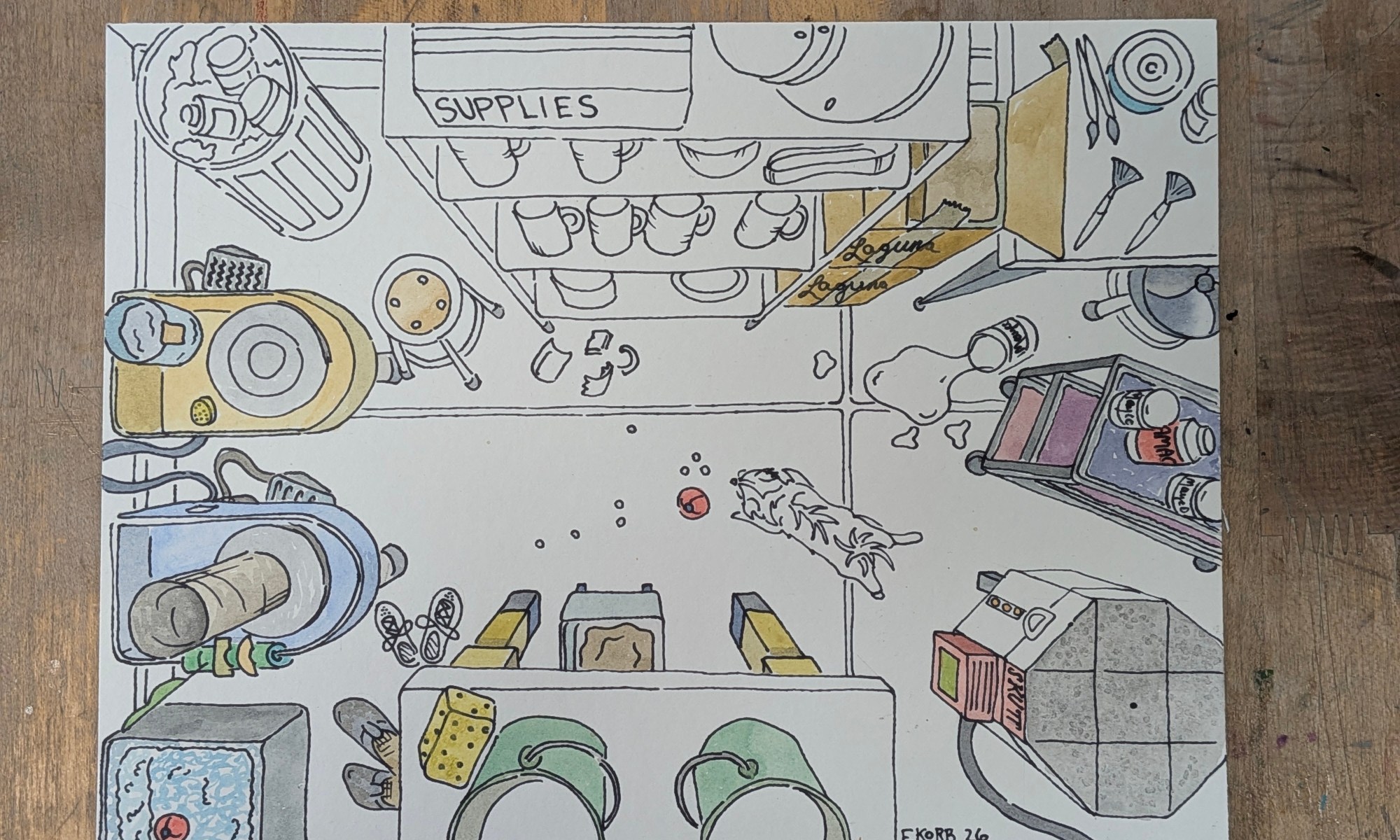
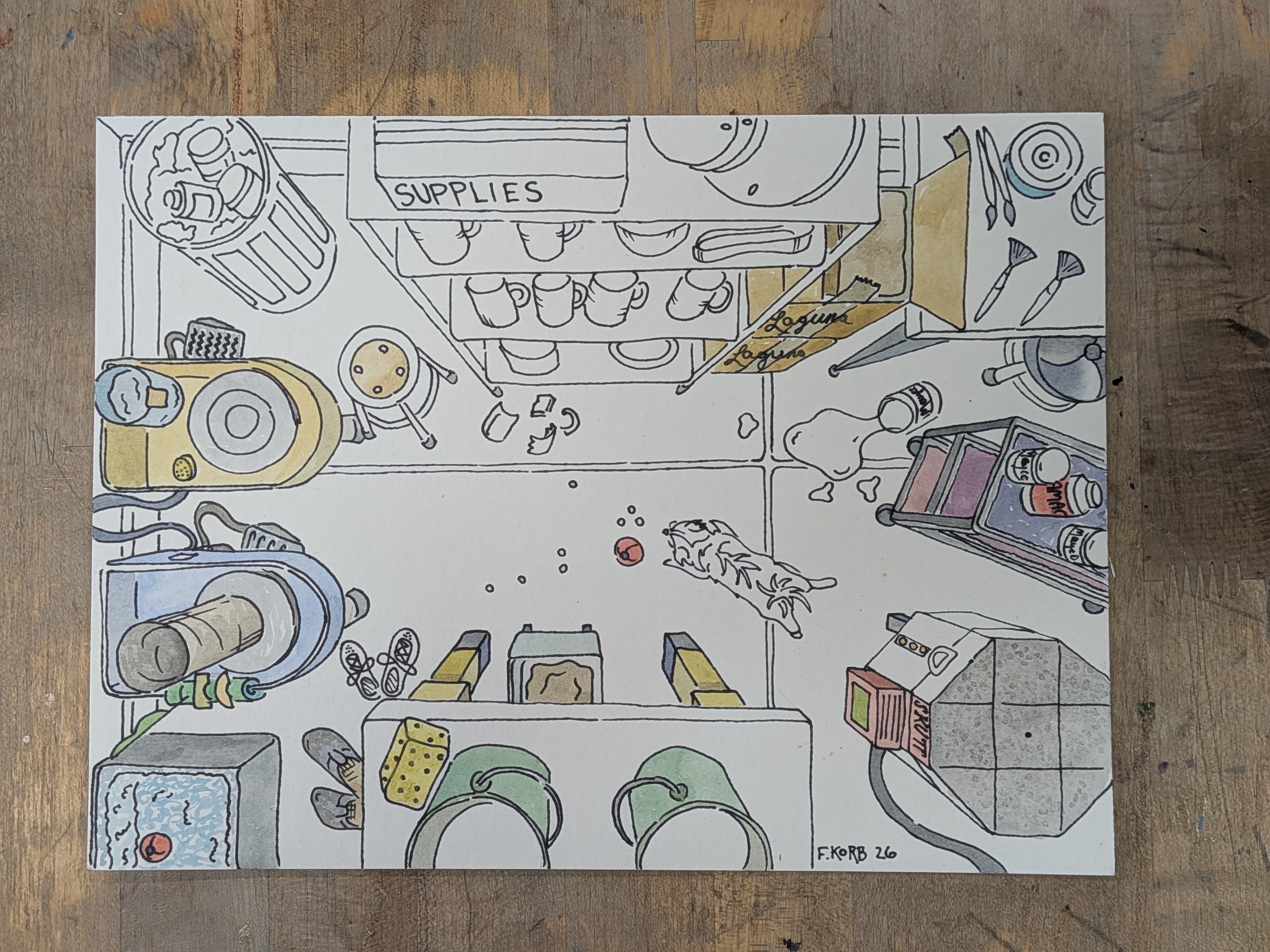
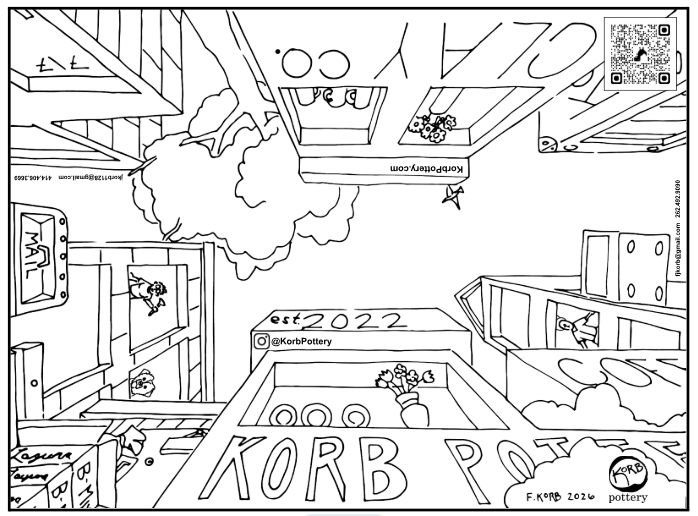
One point perspective is used and seen everywhere you find a single vanishing point with all diagonal lines receding to that point. Below is my example from last year. We are working collaboratively with our other art teacher in the 6th grade classes to learn how to draw using this Renaissance invented technique. I am looking down into my studio space – how would you approach this work?
This is not one of my kids works but this is the direction we are going – or looking up. One point perspective is a great use of a lot of the art vocabulary – this is another goal this year. VOCABULARY!
7th Grade: SOFT PASTELS and PRINTMAKING as we wrap up the Neurographic Portraits and Color Schemes
Here are the 7th-grade semester Lesson Plans to show you what our day will look like.
What can you do with SOFT PASTELS? We are going to be working on landscapes or floral drawings and then we are going to make MONO PRINTS and GHOST PRINTS from them – assuming it all works for us. This was new to us last year and the CRAYONS did not work out (cheap and not as good as the ones I have used int he past) so we are switching to SOFT PASTELS – MUCH BETTER! We will also take a look at Wolf Kahn’s pastel works! He was a contemporary artist who did landscapes in soft pastels – the colors are great!
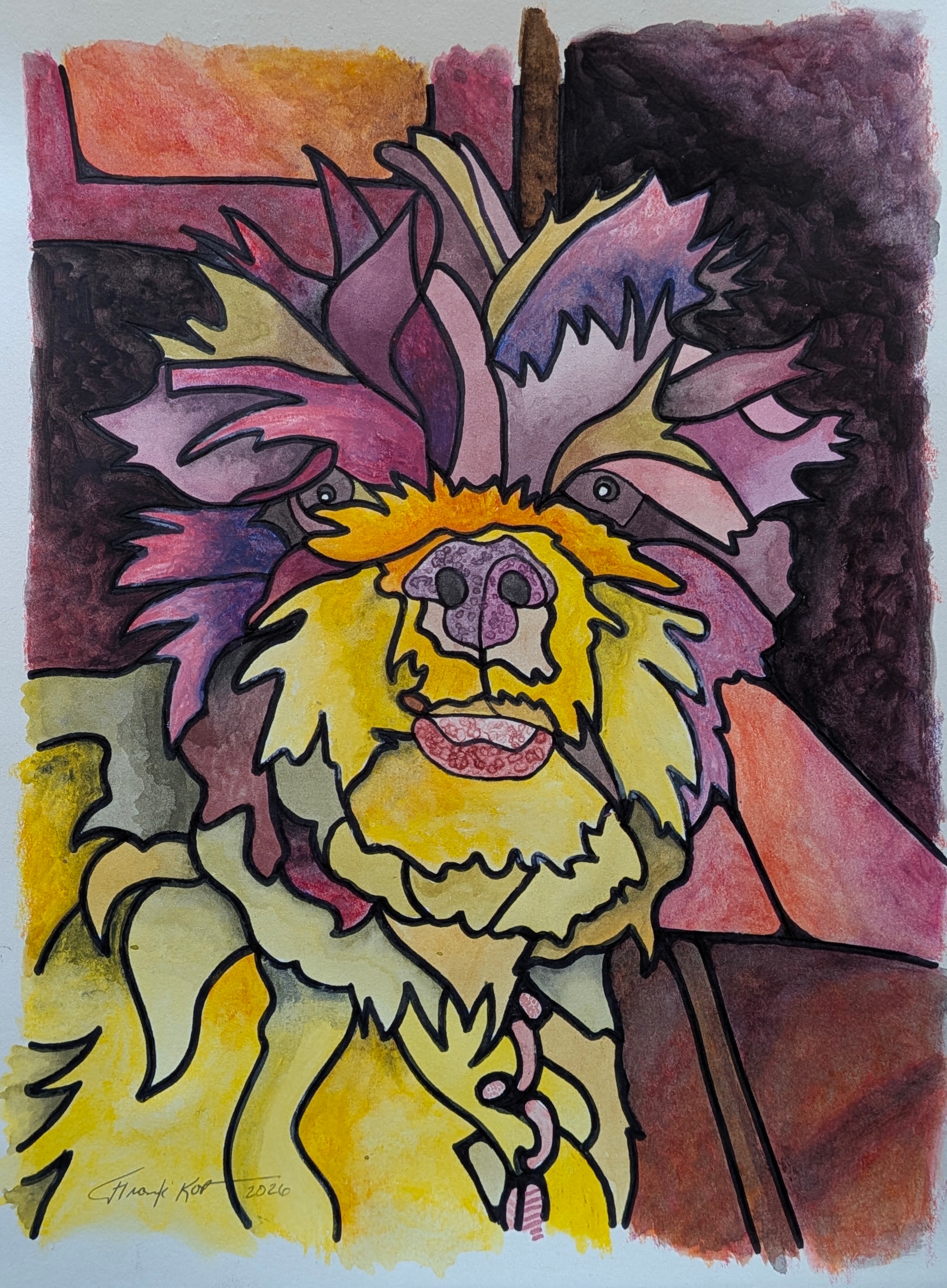
And from the first 6 weeks – my final image of BIRK:
What do you look like? How do you see yourself? What are your favorite colors? What is a line exactly? Are all lines the same? What about watercolors? Is it as simple as putting water in the tray and taking the color out? Are there more things that can be done with the paints? YOU BET! We are also using Colored Pencils and crayons – all Water-Soluble.
This artwork is going to help you explore ALL of those ideas AND it is going to give you the option of making your final artwork be as bright and colorful as you are! Below is my final work of art from last year and BIRK has never looked more colorful!
This portrait is using the watercolors and Caran-Dache crayons in the face and body and then the Stadtler Pencils in the background. HERE is a link to the midway rubric that the kids can work through all while they are working on the artwork.
AGAIN – HERE is a link to the midway rubric that the kids can work through all while they are working on the artwork.
8th Grade Sculpture: Claymation and Collaboration
Here are the 8th Grade Sculpture semester Lesson Plans for you to see what our day will look like.
We are moving from making photographs to the digital lab this week and exploring iMovie to begin the film making. This is a LOT to work on and the 8th graders are absolutely up to the challenge. STAY TUNED!
Stop Motion Film Making has been around for a long time. Collaboration has too. We are going to be taking some time to work on this assignment and we are going to also work through some new challenges that are going to be really open to you as you make decisions in how you plan it out. What MIGHT your ideas be? How are you going to work on the ideas together? This might be challenging in how you choose your groups and the stories and the set design and the approach and ALL SORTS of other ideas.
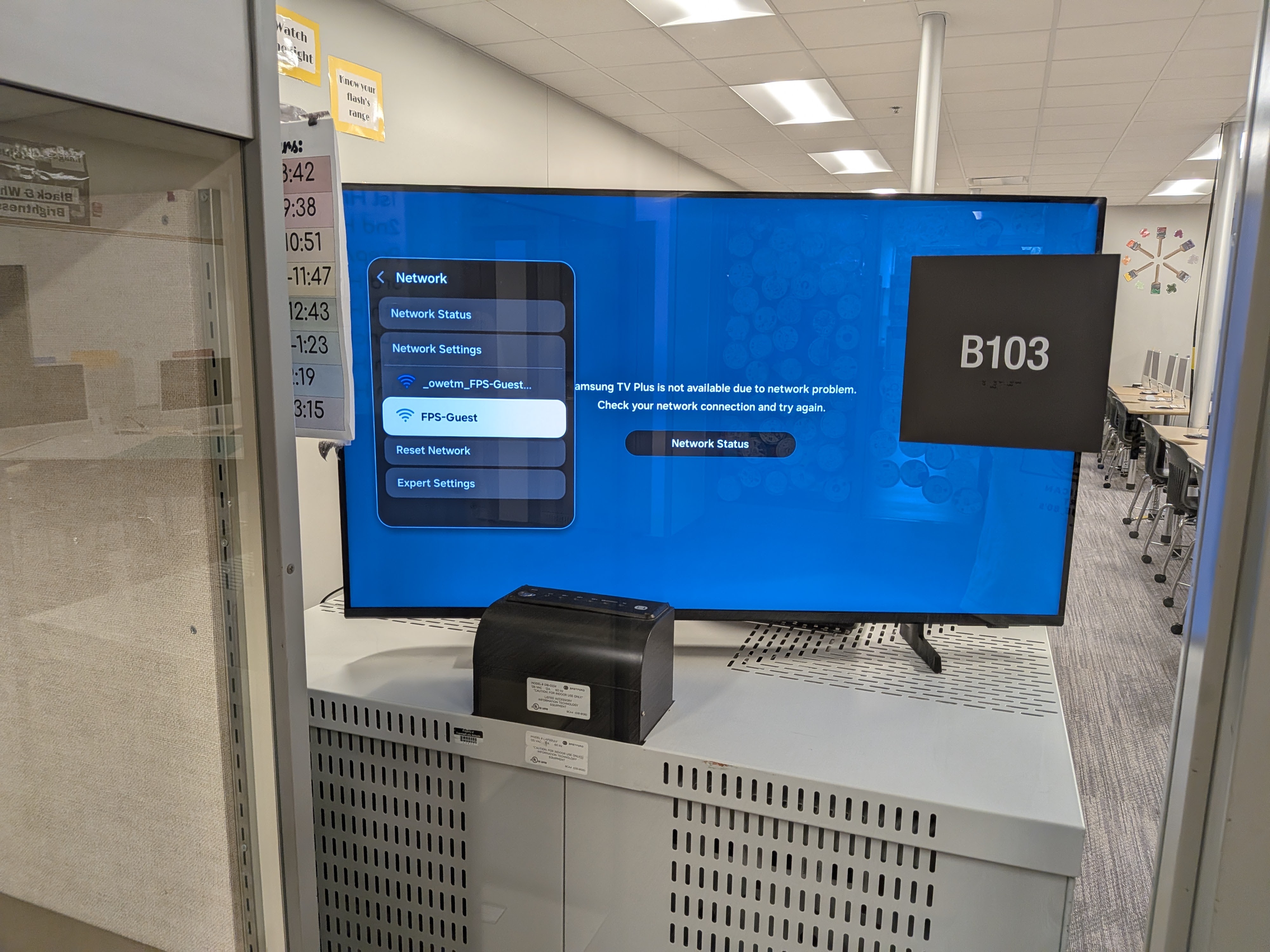
Hello – Welcome back to the classroom space. It has been a rewarding year so far with only technology getting in the way of greatness. We’ve gotten a grant from Wal*Mart for a flat screen smart TV to share the works (more-so the digital work that can’t be hung up) with everyone and it has found a small glitch in that the wi-fi isn’t staying connected all the time.
We are working around that problem this week. The top of a cabinet was pulled off to make it easier for the wi-fi to pass through but that didn’t seem to do it. We are still working through some issues.
The rest of the classes have been great and are making wonderful works. I need to make more photos of the hands at work so… that’s a goal for this week! How are things going in YOUR classroom studio space?
We are going to leave the posts below as they are (for the most part) and we will update more as the projects develop along. Thanks.
Here are the 6th-grade semester Lesson Plans to show you what our day will look like.
One point perspective is used and seen everywhere you find a single vanishing point with all diagonal lines receding to that point. Below is my example from last year. WE are going to work collaboratively with our other art teacher in the 6th grade classes to learn how to draw using this renaissance invented technique.
This is not one of my kids works but this is the direction we are going – or looking up. One point perspective is a great use of a lot of the art vocabulary – this is another goal this year. VOCABULARY!
7th Grade: Neurographic Portraits and Color Schemes
Here are the 7th-grade semester Lesson Plans to show you what our day will look like.
What do you look like? How do you see yourself? What are your favorite colors? What is a line exactly? Are all lines the same? What about watercolors? Is it as simple as putting water in the tray and taking the color out? Are there more things that can be done with the paints? YOU BET!
This artwork is going to help you explore ALL of those ideas AND it is going to give you the option of making your final artwork be as bright and colorful as you are! Below is my final work of art from last year and BIRK has never looked more colorful!
This portrait is using the watercolors and Caran-Dache crayons in the face and body and then the Stadtler Pencils in the background. HERE is a link to the midway rubric that the kids can work through all while they are working on the artwork.
AGAIN – HERE is a link to the midway rubric that the kids can work through all while they are working on the artwork.
8th Grade Sculpture: Claymation and Collaboration
Here are the 8th Grade Sculpture semester Lesson Plans for you to see what our day will look like.
Kids hands at work are a real example of what working through challenges and then onto actual collaboration looks like. I sent home 4 postcards that day to express how happy my heart felt.
We are moving from making photographs to the digital lab this week and exploring iMovie to begin the film making. This is a LOT to work on and the 8th graders are absolutely up to the challenge. STAY TUNED!
Stop Motion Film Making has been around for a long time. Collaboration has too. We are going to be taking some time to work on this assignment and we are going to also work through some new challenges that are going to be really open to you as you make decisions in how you plan it out. What MIGHT your ideas be? How are you going to work on the ideas together? This might be challenging in how you choose your groups and the stories and the set design and the approach and ALL SORTS of other ideas.
As we move forward in the art of the middle school, the hands are getting busy and the final products are starting to come forward. Continue to follow along with us – I’ve a feeling I am going to be making modifications to the posts but… not just yet. ALSO – the second season of Our Studio with Frank Korb will begin shooting again next week. I hope you follow along. Below is the end of last season.
We are going to leave the posts below as they are (for the most part) and we will update more as the projects develop along. Thanks.
Here are the 6th-grade semester Lesson Plans to show you what our day will look like.
One point perspective is used and seen everywhere you find a single vanishing point with all diagonal lines receding to that point. Below is my example from last year. WE are going to work collaboratively with our other art teacher in the 6th grade classes to learn how to draw using this renaissance invented technique.
7th Grade: Neurographic Portraits and Color Schemes
Here are the 7th-grade semester Lesson Plans to show you what our day will look like.
What do you look like? How do you see yourself? What are your favorite colors? What is a line exactly? Are all lines the same? What about watercolors? Is it as simple as putting water in the tray and taking the color out? Are there more things that can be done with the paints? YOU BET!
This artwork is going to help you explore ALL of those ideas AND it is going to give you the option of making your final artwork be as bright and colorful as you are! Below is my final work of art from last year and BIRK has never looked more colorful!
Here are the 8th Grade Sculpture semester Lesson Plans for you to see what our day will look like.
Stop Motion Film Making has been around for a long time. Collaboration has too. We are going to be taking some time to work on this assignment and we are going to also work through some new challenges that are going to be really open to you as you make decisions in how you plan it out. What MIGHT your ideas be? How are you going to work on the ideas together? This might be challenging in how you choose your groups and the stories and the set design and the approach and ALL SORTS of other ideas.
AND… This is an 18 minute video with Adam Savage and Laika’s Stop Motion photography in the science and patience of Stop Motion Photography and CORALINE specifically.