“Talent may get someone off the starting blocks faster, but without a sense of direction or a goal to strive for, it won’t count for much.” – David Bayles and Ted Orland
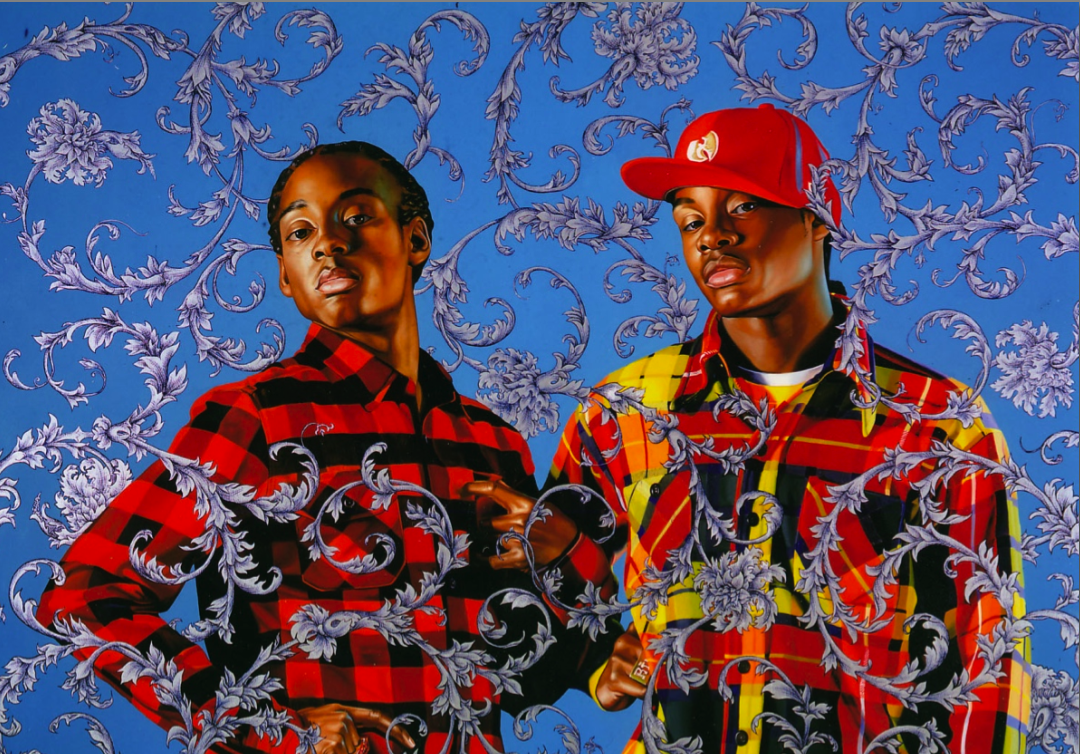
3.1 reflect on how your portraits and graffiti art differs and describe how it relates to your personal history and personal culture.
One more day to work. What do you need to look at tomorrow and think about – fix, change, clean up? WRITE THAT DOWN and make sure you deal with that first thing tomorrow!
1.4 create, define, and solve visual challenges using 1.4.1 analysis (breaking up the artwork / subject matter to basic elements), 1.4.2 synthesis (put all the parts of a work together to form a whole), 1.4.3 evaluation [critique] (formative and summative reflections about your artwork) – How are you using this project as a GROUP effort / COLLABORATIVE work to communicate BIGGER ideas than individual CONCENTRATION projects from your AP Work.
What happened today? Write down your best thoughts from today’s collaboration.
“Perseverance is failing nineteen times and succeeding the twentieth.” — Julie Andrews
Art Foundations: COLOR and YOU!
Goals:
1.4 Analyse (break it down) and Define color schemes and how you use color on a daily basis.
Review with neighbors the relationships of the colors on the color wheel? QUIZ one another on the names, types and labels of the colors. What three colors can you use to mix ALL THE OTHER colors? In your GOALS SHEET…
Drawing: Genius Day (a bit longer than a day).
Goals:
1.1 Define and consider your PASSIONS through the media, techniques, and processes that you want to consider. Don’t forget about the 1.1.1 skill , 1.1.2 confidence and 1.1.3 awareness that you have and will use so that your ideas are executed well.
Working with Mr. Korb “out of the way/” Here are your “24 hours” of doing what you want with who you want in the way you want with the idea of a product being the end result and presenting being the final evaluation. What have you accomplished today and what do you need to accomplish tonight so that you can present tomorrow? The presentation is a huge factor. What did you intend to do? What did you intend to learn? Why is this a GREAT experience for you? How is having an assignment easier or harder for you? Lots to think about…
AP Studio Art: MAT YOUR WORK – Consider Duchamp
Goals:
6.3 use the principles and techniques of art with those from other discipline to PREPARE your WORK for QUALITY!
What are you doing this weekend to PREPARE for the next 1 weeks of WORKING on ONE BREADTH work based on the figure drawings that we worked on this week. How can you look at the Marcel Duchamp work of the world and resolve the image you have in front of you. Next week… resolution – Pastels, Conte, Charcoal? Whatever…
Use Google Presentation and Docs (and the lab) to resolve your self evaluation and work collaboratively to support individual learning and to the learning of others.
BEGIN PLANNING FOR TOMORROW – GENIUS DAY – ALL WEEKEND to work – PRESENT on MONDAY! ?What? Yikes!
Working with Mr. Korb “out of the way” here are your “24 hours” of doing what you want with who you want in the way you want with the idea of a product being the end result and presenting being the final evaluation. What have you accomplished today and what do you need to accomplish… the presentation day on Monday…
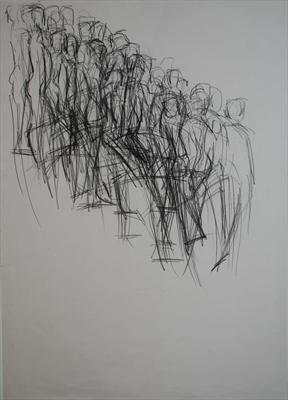
AP Studio Art: FIGURES… just figures.
Goals:
2.3 create artworks that solve visual challenges of a figurative nature… WHAT DO YOU WANT TO EMPHASIZE TODAY?
How did things go today? Look at everyone’s drawings and make comments about their figure drawings in their binders.
“Perseverance is failing nineteen times and succeeding the twentieth.” — Julie Andrews
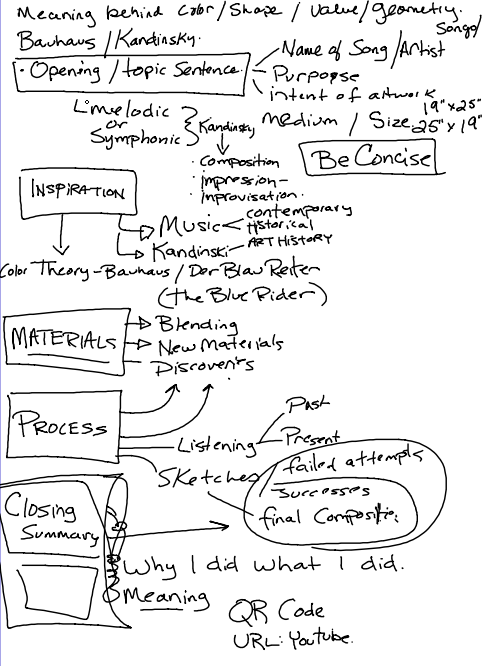
Art Foundations: Artist Statement
How are the ideas coming with the artist statement? This is a challenging process. Stay focused on the ideas we spoke about. Goals:
4.4 evaluate and interpret your oil pastel drawing for relationships in 4.4.1 form 4.4.2 context as it related to the original photographic image from the microscope.
How do you feel about the paper you have written? Does it fully describe your artwork? Does it partially describe your artwork? Does it fall flat? WHY?
Drawing: WRITE – SUMMARIZE – FINISH – INSPIRE!
Goals:
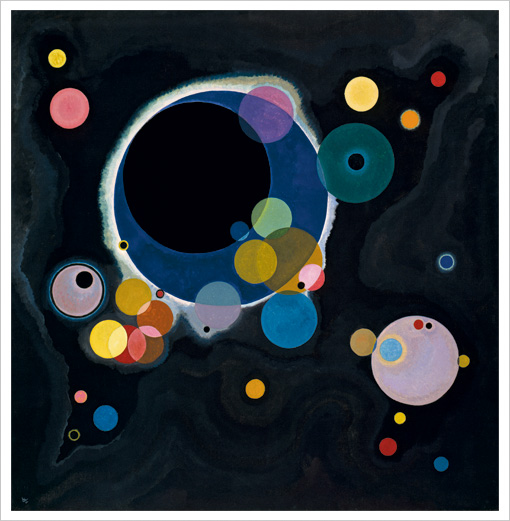
4.4 evaluate and interpret your oil pastel drawing for relationships in 4.4.1 form 4.4.2 context as it relates to the IDEAS of Wassily Kandinsky – Can you explain it concisely?
How do you feel that writing this artist statement has helped you to 1) better understand your art and 2) explained it to your audience, those interested in buying your art?
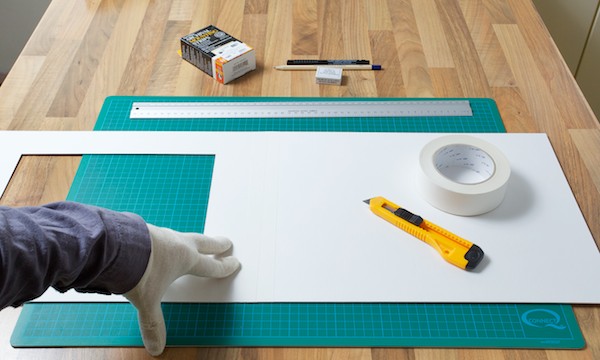
AP Studio Art: Art Mounting Time
Be CAREFUL as to how you use the tools. Make your lines STRAIGHT and CLEAN! Goals:
3.2 apply subjects, symbols, and ideas in art and use skill to solve visual challenges – What are the VISUAL CHALLENGES that you are faced with in this part of the art toolbox?
Well… how did you do? What do you need to FOCUS on as you mount MORE and MORE artworks? Is this as easy as MAKING art? Would you reconsider HOW you make your work so you can skip this step?
Shane Koyczan – TED Talk “To This Day”... for the Bullied and Beautiful… “If you can’t see anything beautiful about yourself, get a better mirror, look a little closer, stare a little longer, because there’s something inside you that makes you keep trying despite everyone who told you to quit.”
Join Mr. Korb’s Remind 101 Texting Service for the following classes for:
How are you communicating 5.5.1 rationale, 5.5.2 ideas and, 5.5.3 opinions. How does the drawing relate to the idea of PERSPECTIVE and making art inspired from SCIENCE and OTHER IDEAS?
Based on the ideas of science and microscopic images, is your work successful in creating a NEW and INTERESTING COMPOSITION? What is SUCCESSFUL? Composition? Technique with OIL PASTELS? Process with PERSPECTIVE?
Drawing: Kandinsky – What did you take from yesterday?
5.5 evaluate responses to works of art for communicating 5.5.1 rationale, 5.5.2 ideas and, 5.5.3 opinions. How does the drawing relate to the idea of COLOR / MEANING / EMOTION / Spirituality / YOU / Music?
What’s working? What’s not? What to do to wrap it up for next week?
1.1 apply whatever media you are choosing and use a variety of techniques, and processes with 1.1.1 skill and 1.1.3 and awareness so that your ideas are executed well.
What have you got to do this weekend to present your work? ANSWER The TWO QUESTIONS AGAIN… ONLINE!
Shane Koyczan – TED Talk “To This Day”... for the Bullied and Beautiful… “If you can’t see anything beautiful about yourself, get a better mirror, look a little closer, stare a little longer, because there’s something inside you that makes you keep trying despite everyone who told you to quit.”
Join Mr. Korb’s Remind 101 Texting Service for the following classes for:
2.4 compare Kandinsky’s points of view and your theory regarding composition and meaning in artwork
As this develops, how are your ideas and Kandinsky’s similar and how are they different? What might you take away from this experience? How can you share that idea with the world? WRITE this out from the beginning of the hour. Has it Changed?
Shane Koyczan – TED Talk “To This Day”... for the Bullied and Beautiful… “If you can’t see anything beautiful about yourself, get a better mirror, look a little closer, stare a little longer, because there’s something inside you that makes you keep trying despite everyone who told you to quit.”
Join Mr. Korb’s Remind 101 Texting Service for the following classes for:
“Don’t be intimidates by what you don’t know. That can be your greatest strength and ensure you do things differently from everyone else.” Sara Blakely (inventor of SPANX and youngest Self Made Female BILLIONAIRE – 10 Lessons I Learned from Sarah Blakely – Forbes Magazine)
Art Foundations: Negatively Positive! Drawing the Negative Space of the Branches
How do you see the NEGATIVE space in comparison to the Positive Space?
VIDEOS – Look back to FRIDAY’s post or the the RIGHT of this screen under VIDEOS!
Stanly Kubrics increcible use of 1 Point Perspective in his films… see how IMPORTANT perspective can be?
GOALS:
1.4 create, define, and solve visual challenges by analyzing the negative space of the branches. Think about COMPOSITION!
hat did you find as the most difficult aspect of the creation of the drawing? What was the hardest? What was the easiest? Are you able to see the negative space in the 1 – drawing, 2 – actual object?
2.2 PEER-evaluate the effectiveness of artworks and GET SOME REAL FEEDBACK!
What were the biggest impressions you had from the classmate’s works? What were the most difficult things you felt as you presented your work? Conversation between classmates about the 2 questions for your exam. How does this work relate to your concentration? Peer Consultation: What do you say to one another about your ideas?
“We’ve gotten to the point where we think the camera can capture anything at all…Well, it can’t really. The camera can’t compete with painting at all. The paintings are much more vivid about the place than photographs are.” – David Hockney
Art Foundations: Lets be POSITIVE about the NEGATIVE
1.4.1 analyze artwork into its basic elements of positive and negative space
6.2 compare characteristics of the visual arts from pre-Renaissance through the Renaissance to today.
DUE MONDAY – Two Point Perspective – The Cube
DUE TUESDAY – Two Point Perspective – Windows and Doors
What challenges did you feel as you worked through the ideas of Positive Negative Space? TWO POINT PERSPECTIVE VIDEOs for the Weekend. Come with TWO SUCCESSFUL PAGES from the Online video for Tuesday!
1.4.3 evaluation [critique] (formative and summative reflections about your artwork) of your artwork through digital media. (Technology Operations and Concepts and Communication and Collaboration)
Share with your neighbor the plans and advancements for this and the next pieces… Scary huh?
“We’ve gotten to the point where we think the camera can capture anything at all…Well, it can’t really. The camera can’t compete with painting at all. The paintings are much more vivid about the place than photographs are.” – David Hockney
“Modern Painters, “David Hockney, on his latest inspiration – Yorkshire, Into the Woods,” by: Marina Cashdan, April 2010, p. 66.
Art Foundations: REALLY wrap it up and then onto Form and Shape
1.4 create, define, and solve visual challenges using 1.4.1 analysis of SPACE!
What did you find as the most difficult aspect of the creation of the drawing? What was the hardest? What was the easiest? Are you able to see the negative space in the 1 – drawing, 2 – actual object?
Drawing: Shall we try to get the Google Dive fixed? Let’s move on AFTER we get the Google Fixed… LISTEN TO ME!
Technology Operations and Concepts – Update your AP Central Site… Introduction to the site.
1.3 communicate ideas clearly
What has been happening in your work that FITS with your statements? How can you continue to think about the statement you have written and refresh your ideas?













 Art With Korb