“In not stating the goal to the students and wording them so they are understandable… it is like a family going on a trip with Dad in the driver’s seat and him not sharing what the destination is or how long the trip is going to take. Dad knows where he’s going, but the rest of the family has no clue.” – Frank Korb
EXTRA CREDIT SURVEY BELOW!
~~~
Studio Art 360 – Color Schemes and POP Art – WRAP IT UP by FRIDAY!
4.1P: Analyze, select, and curate artifacts and/or artworks for presentation and preservation.
What are your initial thoughts of the works you see in front of you? The works are ALL OVER the room – What do you think? Give 3 comments in your answer here. SENTENCES… Talk about the work with a descriptor to the work (what is the image of?).
What did you learn about YOUR work today? What did you learn about the work of your classmates? How would you go and CHANGE something that you did?
Painting and AP Studio Art – CARTER SCHULTZ from Ai (the Art Institutes)
What school of the arts would you like to go to. Ai is good, and there are others also…
Goals:
Know about OPPORTUNITIES in the world for DESIGNERS and ARTISTS – Ai Presentation – Carter Schultz
What do you THINK about the prospects of becoming a PROFESSIONAL ARTIST – based on the knowledge that you currently have…
Questions for Carter – HAVE ONE by the end of the presentation. YOU WILL ALL RAISE YOUR HANDS!
Waterford Union High School’s Parent Teacher Conferences were Thursday and Friday and the NEW ART GALLERY had its first REAL gallery opening! Well, the doors were open as the parents and students walked through the front door for conferences. TONIGHT however the gallery will be staffed and visitors will be visiting. The Third Annual River’s Edge Art Walk is underway Friday night from 5 – 9pm in Historic Downtown Waterford, WI. 27 (or so) artists will be sharing their inspired works with the community of Southeastern WI. Come and join us all and see the hard work the student artists of Waterford Union High School (as well as the art teachers – your’s truly included) have brought together.
Frank Korb, Mixed Media – Thai-Italiana Restaurant
Lisa Dukowitz, Photography – Marty’s Banquet Hall
Brett Roberts, Ceramics – Riverside Chiropractic
Waterford High School Students – Waterford High School Gallery (Door #1)
For More Information visit Absolutely Waterford’s Website – HERE
AP – 4.2Ad: Critique, justify, and present choices in the process of analyzing, selecting, curating, and presenting artwork for a specific exhibit or event.
Painting – 3.1Ac: Engage in constructive critique with peers, then reflect on, re-engage, revise, and refine works of art and design in response to personal artistic vision.
Last Day of the Crit? Hope so… Of all the works you have seen so far, what has been the most successful aspect to that work? Be specific and thoughtful. OR Of the works you have seen what has been the weakest aspect of the work – BE SPECIFIC AND THOUGHTFUL!
10.1P: Document the process of developing ideas from early stages to fully elaborated.
These forms may not be your MASTERPIECE of all time, but they did require focus, work, and attention to detail. Looking at ALL the FORMS you created, what do you feel about the ease or difficulty about creating a work of art.
If you are NOT done with the paper mache forms, what could you / should you have done over that past 2 weeks to make sure you DID get them finished by the end of the period? YOU WILL COME TO CLASS TOMORROW with them done.
1.1Ac: Individually or collaboratively formulate new creative problems based on student’s existing artwork.
Looking over the work you have, what surprises do you see from where you started from two weeks ago? Stronger than you expected? Weaker? EXPLAIN! I will be asking you about Georgia O’Keefe’s work on Friday – anything stand out today? Keep an eye on her work as the week progresses.
What ELEMENT of art do you find being the strongest one that you are using? Color? Line? Shape? Form? Space? Tell me about it!
Painting: Painting this week – Starting to think about ACRYLICS – but CRIT first.
1.2Ad: Choose from a range of materials and methods of traditional and contemporary artistic practices, following or breaking established conventions, to plan the making of multiple works of art and design based on a theme, idea, or concept.
What are you most comfortable with? Pencil, Charcoal, Pastel, or Paint? Why? What medium are you struggling with? Why? how can you move forward in your work with the UNCOMFORTABLE medium? (1, 2, 3, 7)
What have you added to this composition that is NEW to you? Something that you have NOT done in the past. Anything that is new…
REMEMBER! Create a ONE PAGE PAPER – DUE LAST FRIDAY – I’m Calling you on it TODAY!
(TYPED! double spaced, 11 or 12 point Times New Roman, Palatino – Serif-ed type font) that discusses the artists and their works. Use ideas about the work as to what drew you to the work, what styles did you like, what techniques do you appreciate? A small history of the artist and personal reflection. How will you use similar ideas in your work as they did in theirs? Here are the artists to research: Winslow Homer, Charles Demuth, Thomas Eakins, Edward Hopper, Dong Kingman, Reginald Marsh, Charles Sheeler, J.M.W. Turner, Thomas Moran, Georgia O’Keefe, James Whistler, or Andrew Wyeth. PAPER IS DUE ON Friday, September 19, 2014.
7.1P: Hypothesize ways in which art influences perception and understanding of human experiences.
When you see the forms in a finished state, how do you see it as relating to your experience as a person – as part of the art making experience? How could you see it as a moving you forward in the art making experiences? What can you learn and practice with and from these forms?
What was your biggest success over these past two weeks working on the sculptural forms? What are 2 criteria you would set up for yourself as a GRADING criteria? How would you EVALUATE YOURSELF in completing these criteria? a – F and WHY?
10.1Ad: Synthesize knowledge of social, cultural, historical, and personal life with art-making approaches to create meaningful works of art or design.
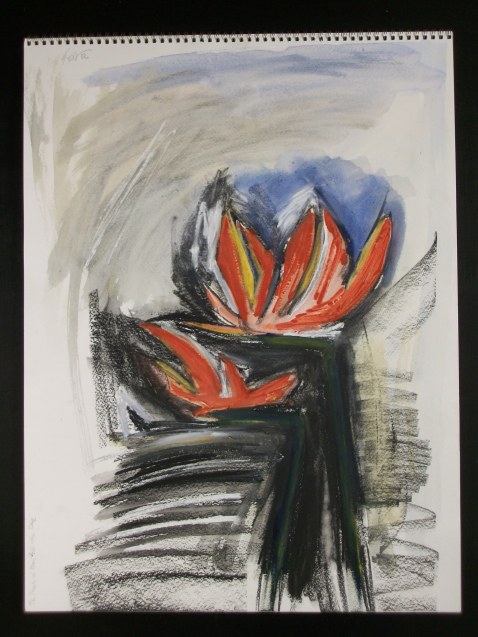
Working on the plants all week – look carefully and think about HOW ARE YOU GOING TO MOVE FORWARD WITH THE IMAGE? Do you have a PERSONAL STORY you could express WITH the work? Maybe not immediately recognizable, but through symbolism?
Do you find meaning in your work? Do you find something interesting in the plants? What is challenging you? Why’d you do what you did? Elements / Principles you are REALLY thinking about?
2.1Ac: Through experimentation, practice, and persistence, demonstrate acquisition of skills and knowledge in a chosen art form.
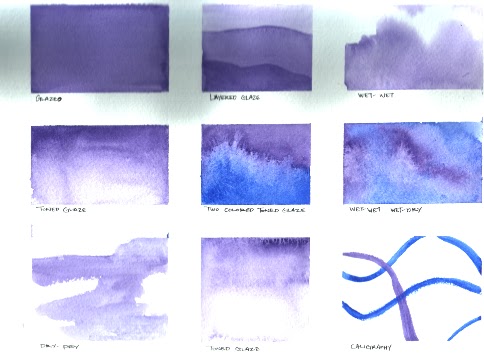
What would you say are some NEW SKILLS you have developed in the beginning of the painting process? Layering / Glazing? Wet on Wet Graded Washes? Observational Drawing? Collage Techniques? GRIT and Persistence?
What are the STRONGEST aspects of your work this week? What do you see as being ONE challenge you need to REALLY focus on next week?
REMEMBER! Create a ONE PAGE PAPER – DUE TOMORROW!(TYPED! double spaced, 11 or 12 point Times New Roman, Palatino – Serif-ed type font) that discusses the artists and their works. Use ideas about the work as to what drew you to the work, what styles did you like, what techniques do you appreciate? A small history of the artist and personal reflection. How will you use similar ideas in your work as they did in theirs? Here are the artists to research: Winslow Homer, Charles Demuth, Thomas Eakins, Edward Hopper, Dong Kingman, Reginald Marsh, Charles Sheeler, J.M.W. Turner, Thomas Moran, Georgia O’Keefe, James Whistler, or Andrew Wyeth. PAPER IS DUE ON Friday, September 19, 2014.
1.1P: Use multiple approaches to begin creative endeavors.
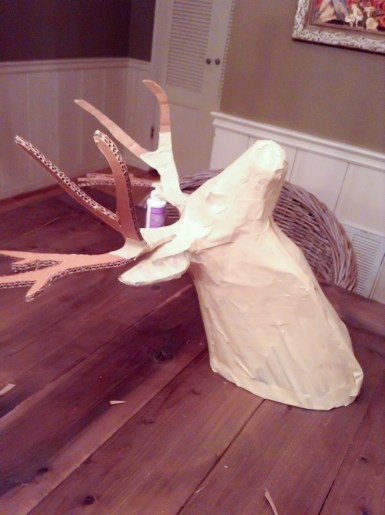
What more do you need to do wrap up the form (literally) with the paper mache and begin PAINTING? BE AWARE OF THE TIME YOU ARE WORKING AND THE TIME YOU ARE TALKING!
How do you feel the adding of the paper mache and color is going to make the work stronger than it was when it was just cardboard?
Synthesize and relate knowledge and personal experiences to make art
Knowing that you need to EXPERIMENT with a variety of materials and compositions… what are the variety of materials or experiments that you anticipate or plan on making? How is the COMPOSITION coming along? Open? Closed? Active? Busy? TOO BUSY?
What materials have you used today? How have you decided to arrange your composition? What are the elements you are looking at using / focusing on?
2.1Ac: Through experimentation, practice, and persistence, demonstrate acquisition of skills and knowledge in a chosen art form.
What were 3 things that you took away from yesterday’s critique? How will you apply that information as you move forward today? Why are you satisfied or frustrated with your work so far? MORE THAN A ONE WORD ANSWER – REFLECT!
How have you used persistence and grit to continue and work through the issues you are having? Explain in DETAIL!
REMEMBER! Create a ONE PAGE PAPER – DUE TOMORROW!(TYPED! double spaced, 11 or 12 point Times New Roman, Palatino – Serif-ed type font) that discusses the artists and their works. Use ideas about the work as to what drew you to the work, what styles did you like, what techniques do you appreciate? A small history of the artist and personal reflection. How will you use similar ideas in your work as they did in theirs? Here are the artists to research: Winslow Homer, Charles Demuth, Thomas Eakins, Edward Hopper, Dong Kingman, Reginald Marsh, Charles Sheeler, J.M.W. Turner, Thomas Moran, Georgia O’Keefe, James Whistler, or Andrew Wyeth. PAPER IS DUE ON Friday, September 19, 2014.
Click on the image above to follow a STRONG conversation with Teachers, Administrators, and Students about the direction, concerns, solutions, challenges that face everyone in the world of education! Join us on Wednesday nights on Twitter at 8:00CST using the hashtag – #WHSoc20
9.1P: Establish relevant criteria in order to evaluate a work of art or collection of works.
What are TWO IDEAS of PERSONAL criteria that you might set up for yourself as you work on an artwork?
Based on your initial thoughts about personal criteria, are you matching, exceeding, or just barely hitting the standards you would set up for yourself? WHY?
10.1Ad: Synthesize knowledge of social, cultural, historical, and personal life with art-making approaches to create meaningful works of art or design.
Not knowing what your thoughts are about plants / flowers, know that they have been and will be a large and important image in art. Working to make sure you have a REAL connection with the images you make, what are your personal connections to the art or the making of the art?
What materials have you used today? What were the focal points of the drawings for the day. What are you enjoying / hating about the ideas of drawing based on observation?
3.1Ac: Engage in constructive critique with peers, then reflect on, re-engage, revise, and refine works of art and design in response to personal artistic vision.
What do you feel about talking aloud when it comes to other’s works? What are your thoughts about why you may be apprehensive or confident when discussing other individual’s work?
What were 3 things that you took away from today’s critique? How will you apply that information as you move forward?
REMEMBER! Create a ONE PAGE PAPER(double spaced, 11 or 12 point Times New Roman, Palatino – Serif-ed type font) that discusses the artists and their works. Use ideas about the work as to what drew you to the work, what styles did you like, what techniques do you appreciate? A small history of the artist and personal reflection. How will you use similar ideas in your work as they did in theirs? Here are the artists to research: Winslow Homer, Charles Demuth, Thomas Eakins, Edward Hopper, Dong Kingman, Reginald Marsh, Charles Sheeler, J.M.W. Turner, Thomas Moran, Georgia O’Keefe, James Whistler, or Andrew Wyeth. PAPER IS DUE ON Friday, September 19, 2014.
2.2P: Explain how traditional and non-traditional materials may impact human health and the environment and demonstrate safe handling of materials, tools, and equipment.
What can you use from the process we went through YESTERDAY to continue to create a CUBE, CYLINDER, and a PYRAMID?
Do you want to work on ALL of them at the same time or are you going to finish one and then move onto the next? Cube, Cylinder, Pyramid… as well as the letter.
What was the most difficult part of the building today for YOU? How can you use those challenges to develop your skills?
G: 2.2Ad: Demonstrate understanding of the importance of balancing freedom and responsibility in the use of images, materials, tools, and equipment in the creation and circulation of creative work.
What are you most comfortable with? Pencil, Charcoal, Pastel, or Paint? Why?
What NEW materials have you used today? How are the LARGER ideas of the project coming along? What do you need to be doing tomorrow to make STRONG headway? (1, 3, 5
G: 2.3Ac: Redesign an object, system, place, or design in response to contemporary issues
How has the gathering of images HELPED or CHALLENGED you in the creation of a composition visually and / or telling a story – about yourself?
What does your composition say about you? How might others read the images you have gathered and assembled?
Create a ONE PAGE PAPER(double spaced, 11 or 12 point Times New Roman, Palatino – Serif-ed type font) that discusses the artists and their works. Use ideas about the work as to what drew you to the work, what styles did you like, what techniques do you appreciate? A small history of the artist and personal reflection. How will you use similar ideas in your work as they did in theirs? Here are the artists to research: Winslow Homer, Charles Demuth, Thomas Eakins, Edward Hopper, Dong Kingman, Reginald Marsh, Charles Sheeler, J.M.W. Turner, Thomas Moran, Georgia O’Keefe, James Whistler, or Andrew Wyeth. PAPER IS DUE ON MONDAY, September 15, 2014.
“Unless you have a definite, precise, clearly set goals, you are not going to realize the maximum potential that lies within you.” — Zig Ziglar
Welcome back to school! This is going to be a GREAT year and I am VERY excited to be back. I hope that all of you are too. There are a few things that we do in the art classroom that will happen everyday – Goal Setting (based on the National Visual Arts Standards), Work, and Reflection. This will all become second nature as the semester rolls along and I ask you to trust that what we do in class at the beginning and end of the class will help you in the middle portion of class as well as with the final artwork that we create. PLEASE subcribe to this website AND add your name to the TEXTING feature of REMIND – School Texting Services.
TEXTING with REMIND from Mr. Korb!
2014 – 15 Sign up for the REMOND TEXTING service for each of your classes…
Studio Art 360 (formerly Art Foundations): Text @14start360 to (262) 757-7491
Painting: Text @14painting to (262) 757-7491
AP Studio Art: Text @14APStudio to(262) 757-7491
~~~
Studio Art 360: Syllabus, Sketchbooks, and Artmaking
2.1P: Engage in making a work of art or design without having a preconceived plan.
What are you doing in your composition to FULLY ACTIVATE the background? Shapes, Texture, Color, Lines, Circles? Allow yourself to EXPERIMENT!
What is the strongest part of your artwork that you created this week? Use the ART TERMS you know.
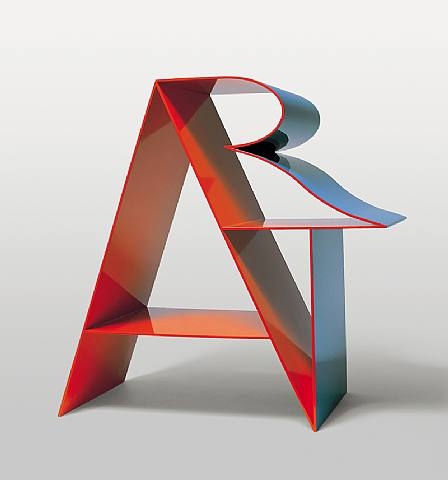
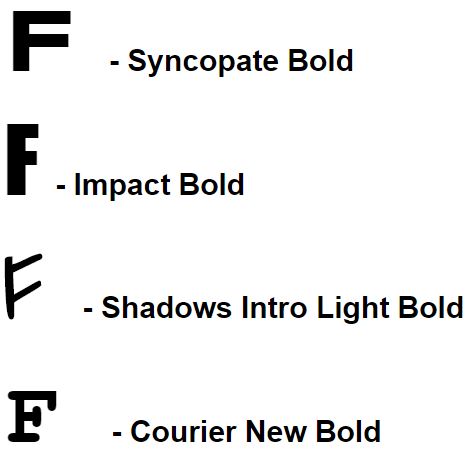
ASSIGNMENT for MONDAY: Look through your FONTS on your home computer or school computer and PRINT OUT 4 VERY different types of letters using the first letter of your FIRST or LAST name. TAPE THESE into your sketchbook. 72 Point Font at LEAST and label them – EXAMPLE BELOW! You will choose ONE of these to draw and then SCULPT! When you have chosen the font and letter you are happiest with, print it out as large as you can on a single sheet of paper – we will use this as a tracing for the final product.
~~~
AP Studio Art: Introductions, Expectations, and Art Making – ON YOUR OWN!
1.2Ad: Choose from a range of materials and methods of traditional and contemporary artistic practices, following or breaking established conventions, to plan the making of multiple works of art and design based on a theme, idea, or concept.
What makes your artwork based on a single object interesting or worthwhile? Why THIS object or idea?
What challenges do you have when you are working on more than one composition at a time? What is easy about the use of a common theme?
~~~
Painting: Introductions, Expectations, and Watercolors
1.2Ad: Choose from a range of materials and methods of traditional and contemporary artistic practices, following or breaking established conventions, to plan the making of multiple works of art and design based on a theme, idea, or concept.
What color schemes, techniques are you using to UNIFY the work as you develop it?
Describe the biggest successes and failures you have had with this first painting. What skills did you use that you remember from the earlier classes in art? Use BIG ART TERMS as you critique this work?
“Unless you have a definite, precise, clearly set goals, you are not going to realize the maximum potential that lies within you.” — Zig Ziglar
Welcome back to school! This is going to be a GREAT year and I am VERY excited to be back. I hope that all of you are too. There are a few things that we do in the art classroom that will happen everyday – Goal Setting (based on the National Visual Arts Standards), Work, and Reflection. This will all become second nature as the semester rolls along and I ask you to trust that what we do in class at the beginning and end of the class will help you in the middle portion of class as well as with the final artwork that we create. PLEASE subcribe to this website AND add your name to the TEXTING feature of REMIND – School Texting Services.
TEXTING with REMIND from Mr. Korb!
2014 – 15 Sign up for the REMOND TEXTING service for each of your classes…
Studio Art 360 (formerly Art Foundations): Text @14start360 to (262) 757-7491
Painting: Text @14painting to (262) 757-7491
AP Studio Art: Text @14APStudio to(262) 757-7491
~~~
Studio Art 360: Introductions, Syllabus, Sketchbooks, and Artmaking
Choose from a range of materials and methods of traditional and contemporary artistic practices, following or breaking established conventions, to plan the making of multiple works of art and design based on a theme, idea, or concept.
Q: Previous repetition of single object in drawings? What are topics / images that you frequently go to in your collection of imagery?
What new materials are you exploring? What techniques are you attempting that are new to you?
~~~
Painting: Introductions, Expectations, and Watercolors









 Art With Korb