May 4, 2013 – Tuesday – EXAM DAY

If we write our dreams and goals down, we dramatically increase our odds of realization. If we share them with others, they become potent and alive.” ―Kristin Armstrong

Write out those dreams… then share your dreams with others.

~~~ 

Art Foundations: Abstract Paintings – Link Here

1st Hour EXAMS: 7:25 – 8:55

2nd Hour EXAMS: 9:05 – 10:35

Drawing:

3rd hour EXAM: 10:45 – 12:15

~~~

10 Lessons the Arts Teach Children

  1. The arts teach children to make good judgments about qualitative relationships. Unlike much of the curriculum in which correct answers and rules prevail, in the arts, it is judgment rather than rules that prevail.
  2. The arts teach children that problems can have more than one solution and that questions can have more than one answer.
  3. The arts celebrate multiple perspectives. One of their large lessons is that there are many ways to see and interpret the world.
  4. The arts teach children that in complex forms of problem solving purposes are seldom fixed, but change with circumstance and opportunity. Learning in the arts requires the ability and a willingness to surrender to the unanticipated possibilities of the work as it unfolds.
  5. The arts make vivid the fact that neither words in their literal form nor numbers exhaust what we can know. The limits of our language do not define the limits of our cognition.
  6. The arts teach students that small differences can have large effects. The arts traffic in subtleties.
  7. The arts teach students to think through and within a material. All art forms employ some means through which images become real.
  8. The arts help children learn to say what cannot be said. When children are invited to disclose what a work of art helps them feel, they must reach into their poetic capacities to find the words that will do the job.
  9. The arts enable us to have experience we can have from no other source and through such experience to discover the range and variety of what we are capable of feeling.
  10. The arts’ position in the school curriculum symbolizes to the young what adults believe is important.

Eisner, E. (2002). The Arts and the Creation of Mind, In Chapter 4, What the Arts Teach and How It Shows. (pp. 70-92). Yale University Press. Available from NAEA Publications. NAEA grants reprint permission for this excerpt from Ten Lessons with proper acknowledgment of its source and NAEA.

June 3, 2013 – Monday of Exam Week!

If we write our dreams and goals down, we dramatically increase our odds of realization. If we share them with others, they become potent and alive.” ―Kristin Armstrong

Write out those dreams… then share your dreams with others.

~~~ 

10 Lessons the Arts Teach Children

  1. The arts teach children to make good judgments about qualitative relationships. Unlike much of the curriculum in which correct answers and rules prevail, in the arts, it is judgment rather than rules that prevail.
  2. The arts teach children that problems can have more than one solution and that questions can have more than one answer.
  3. The arts celebrate multiple perspectives. One of their large lessons is that there are many ways to see and interpret the world.
  4. The arts teach children that in complex forms of problem solving purposes are seldom fixed, but change with circumstance and opportunity. Learning in the arts requires the ability and a willingness to surrender to the unanticipated possibilities of the work as it unfolds.
  5. The arts make vivid the fact that neither words in their literal form nor numbers exhaust what we can know. The limits of our language do not define the limits of our cognition.
  6. The arts teach students that small differences can have large effects. The arts traffic in subtleties.
  7. The arts teach students to think through and within a material. All art forms employ some means through which images become real.
  8. The arts help children learn to say what cannot be said. When children are invited to disclose what a work of art helps them feel, they must reach into their poetic capacities to find the words that will do the job.
  9. The arts enable us to have experience we can have from no other source and through such experience to discover the range and variety of what we are capable of feeling.
  10. The arts’ position in the school curriculum symbolizes to the young what adults believe is important.

Eisner, E. (2002). The Arts and the Creation of Mind, In Chapter 4, What the Arts Teach and How It Shows. (pp. 70-92). Yale University Press. Available from NAEA Publications. NAEA grants reprint permission for this excerpt from Ten Lessons with proper acknowledgment of its source and NAEA.
~~~

Art Foundations: EXAM Review today. 4″ x 6″ Notecard. Textbook. Lecture. Pair / Share… what else do you need?

What can you remember about this past year? What are the essential aspects that you feel you are missing? Can you name anything that you feel will be needed?

GOALS:

  1. Standard #1: Understanding and applying media, techniques, and processes.
  2. Standard #2: Using knowledge of principles and functions.
  3. Standard #3: Choosing and evaluating a range of subject matter, symbols, and ideas.
  4. Standard #4: Understanding the visual arts in relation to art history and cultures.
  5. Standard #5: Reflecting upon and assessing the characteristics and merits of the visual arts.
  6. Standard #6: Making connections between visual arts and other disciplines.

What do you remember and have down pat? What elements / principles / theories are you struggling with? What do you need to make SURE you have on the 4″ x 6″ note card (one side)?

~~~

Drawing: Computer time in the lab – let’s get the COLLABORATIVE work done – AFTER WE CLEAN and ORGANIZE our stuff.

GOAL:

  1. Communication and Collaboration – Students use digital media and environments to communicate and work collaboratively, including at a distance, to support individual learning and to the learning of others.

What do you think about your images? how has this been different than paper… other drawings… ideas in your understanding of art?

~~~

AP Studio Art: Computer Lab… Collaborative work. Clean Studio. Thanks.

How’s the collaboration going? How’s your work?

GOALS:

  1. Communication and Collaboration – Students use digital media and environments to communicate and work collaboratively, including at a distance, to support individual learning and to the learning of others.

What has been the best / worst part of the year? How might you suggest changes take place for the following year? Bring these ideas to the exam day.

May 24, 2013 – Friday – Happy Birthday Abby!

“A dream only becomes overrated when not pursued by the dreamer.” ― Courtney Hickman

~~~

Art Foundations: Collage and build the ABSTRACT IMAGE based on your personal life and feelings…

Simplicity in the use of ELEMENTS of ART can make an abstraction – what are you doing? What are your textures?

GOALS:

  1. 1.3 communicate your thoughts on social topics clearly
  2. 4.3 compare relationships in visual art in terms of 4.3.3 your culture as it relates to your own art.

What have you learned about the creation of ABSTRACT ART? What have you learned about the important things in your life THROUGH the creation of your ABSTRACT ART PROCESS?

~~~

DRAWING: 1) Perspective and 2) Critiques… 6th hour is going to have to hustle ONE DAY tocatch up. PHOTOGRAPHS will HAVE TO BE a part of the process. THESE Photos are going to be UPLOADED to the FINAL CRITIQUE for the FINAL EXAM… make sure you are documenting the process.

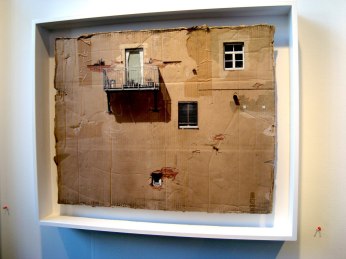
EVOL, “DRESDEN 09”, 2010 Spray paint on cardboard, 61 x 76 cm —> High Resolution… How can you do this… GOUACHE, GESSO, PENCIL!

GOALS:

  1. 5.1 Identify the rationale behind making art.
  2. 1.4 Create, define, and solve visual challenges using 1.4.1 Analysis (how do you see the perspective in your drawing?)

Where did you struggle in remembering perspective? How can you use the skills of sighting in to refresh your memory and heighten your skills? THIS IS A FAST PROJECT that IS the basis of the FINAL EXAM. If you do not finish the drawing in the time allotted – you will have a hard time passing the final exam. HOW can you make this YOUR own special drawing? Your locker? Your favorite hallway / doorway / classroom?

~~~

AP Studio Art: CONGRATULATIONS! Let’s get out there and be proud of the 9 months of ART MAKING!

This slideshow requires JavaScript.

GOALS:

  1. 2.5 defend personal evaluations
  2. 3.3 describe the creation of images and ideas and explain why they are of value Work at the (AP) Art Exhibition.

What did you contribute to the cultural end of the school day? What questions came up? What controversy came up? Who do you impress and why? What were your thoughts as the day / hour went by? Good job folks… One more week of Art Making and then the end…

May 23, 2013 – Thursday

WELCOME HOME MOM!
WELCOME HOME MOM!

“A dream only becomes overrated when not pursued by the dreamer.” ― Courtney Hickman

~~~

Art Foundations: Continue to develop the ABSTRACT IDEAS of your Social / Personal ideas and topics of importance. What is your social topic / personal idea and how can you use abstraction and texture to communicate the meaning.

GOALS:

  1. 1.3 communicate your thoughts on social topics clearly
  2. 4.3 compare relationships in visual art in terms of 4.3.3 your culture as it relates to your own art

What sorts of ABSTRACT imagery have you come up with to help communicate your message?

~~~

Drawing: This is, hopefully, the last day of the critique – we are going to get some FINAL words from the 3rd hour and maybe the 6th hour – 1 more day in 6th likely…

What’s to come? – I will show you tomorrow… we can’t spend a lot of time in it but… if you are interested – here is an AWESOME link to the inspiration that will take you to the halls… LINK HERE to the WILDE Gallery, Berlin, Germany.

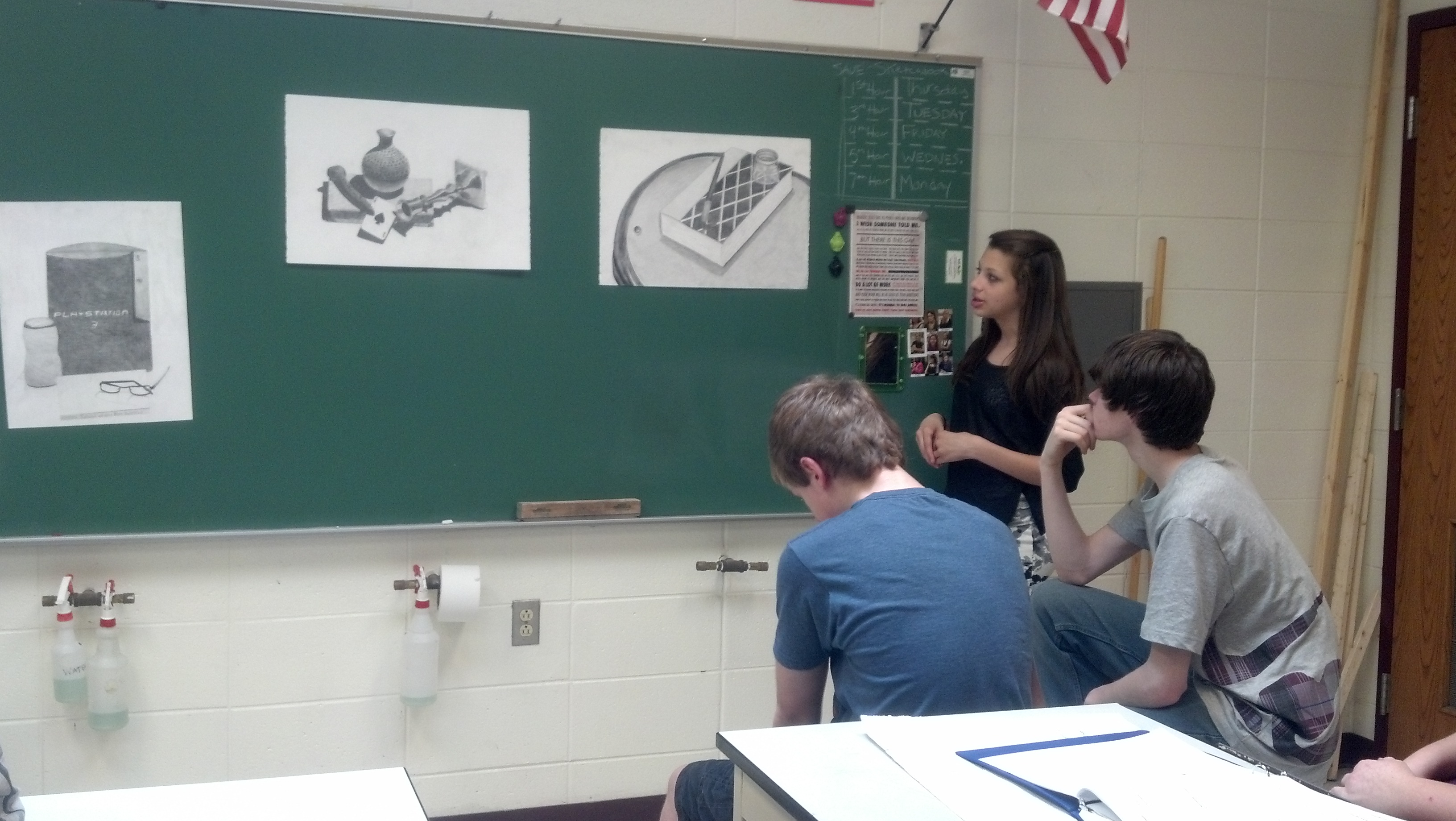
Crit of Still Life Drawings
Previous High school Classes Critiquing – ONE MORE DAY of confidence building!

GOALS:

  1. 5.1 Identify the rationale behind making art.
  2. 1.4 Create, define, and solve visual challenges using 1.4.1 Analysis (how do you see the perspective in your drawing?)

What is the most important thing you have taken away from the entire process of the critique? How can you use the information that you have learned and put it to use in the next works that you are going to create?

~~~

AP Studio Art – I like to Move it move it… MOVE IT TO THE CAFETERIA!

GOALS:

  1. Stand behind your criticism / creation of art
  2. 3.3 describe the creation of images and ideas and explain why they are of value

NEXT WEEK TUESDAY! We are in the Cafeteria – what do you need to have finished to be a completed display by then? Friday is a WASH – unless you all want to hang in the cafeteria tomorrow and then… I can work out passes for the half day – THIS MIGHT BE A GREAT IDEA!


May 22, 2013 – Wednesday

“A dream only becomes overrated when not pursued by the dreamer.” ― Courtney Hickman 

~~~

Art Foundations: Continue to develop the ABSTRACT IDEAS of your Social / Personal ideas and topics of importance.

Abstract art at its best… Vasilly Kandinsky…Localization of Graphic Motifs II. 1912–13

Abstraction – -Color Schemes – What can you do? What did Max Ernst do?

GOALS:

  1. 3.2 apply subjects, symbols, and ideas in art and use skill to solve visual challenges.
  2. 1.1 apply paint, crayon, and charcoal, through various texture making processes, using collage with 1.1.3 an awareness so that your ideas are executed well

What have you been able to do to help you SYMBOLIZE the larger concrete idea into an ABSTRACT visual representation? Which if the three categories does it fit under – Cosmology, Architecture, or Landscape? HOW?

~~~

Drawing: Critique your artwork and your classmates artwork?

I am so glad that I am back… thank you all.

GOALS:

  1. 2.1 form criticism about artworks that work to accomplish personal meanings (what are you trying to communicate?)
  2. 5.5 Evaluate responses to works of art for communicating rationale and ideas.

What did you accomplish with the critique today? How does this process help you with your artwork? What are you still struggling with regarding the process of the critique?

~~~

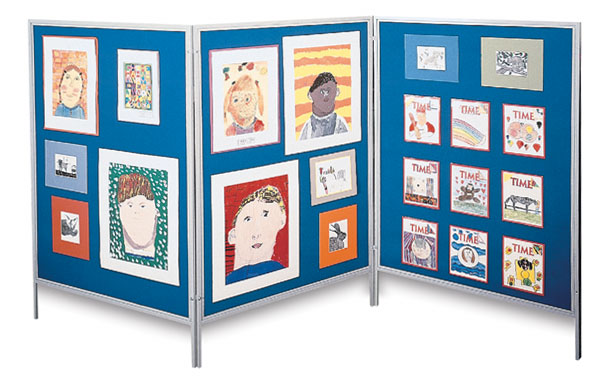
AP Studio Art: Installing your art exhibition and getting the space ready for your debut to the school.

  • YOU ARE ON YOUR OWN – Ms. Hanson and Mr. Roberts are watching you today. Please use the time and space wisely. We are walking the display boards to the CAFETERIA TOMORROW. 
  • Write Down your Goals for the day… end of the hour – look at the accomplishments you have done and respond to the questions below.
  • Bryan – you are in charge of time.
  • Mel – you are in charge of the Computer and the Technology.
  • Matt – you are in charge of music.
  • Make sure the room is CLEAN and ORGANIZED at the end of the hour and the walls are back in the corner.
Last day to adjust the lights and straighten the pictures, fix the artist statements and make sure your names are on the wall correctly.

GOALS:

  1. 2.5 defend personal evaluations
  2. 3.3 describe the creation of images and ideas and explain why they are of value

How does your artwork look? How have you put your best foot forward and represented yourself in the best light? What are the struggles you can see in your work? What are the successes that you see in your work?

May 21, 2013 – Tuesday

“A dream only becomes overrated when not pursued by the dreamer.” ― Courtney Hickman 

~~~

Art Foundations: We are going to be working in ABSTRACTION and reading about UNITY and that sort of stuff. If you are away… Check out the text online – Look to the right of the screen and click on the Foundations Page… REMEMBER that the exam is coming up shortly – begin to review! What are social topics that are important to you in life? We are going to create works over the next week that speak to the social topic that you feel is important enough in your life that you can make work to respond and comment on it.

ARTnews: The Golden Age of Abstraction: Right Now

Abstraction Worksheet / brainstorming sheet – HERE

Max Ernst (1891‑1976) Title The Entire City La Ville entière Date 1934 Medium Oil paint on paper on canvas Dimensions support: 502 x 613 mm frame: 696 x 798 x 47 mm Collection Tate Acquisition Purchased with assistance from the Knapping Fund 1941 Reference N05289

GOALS:

  1. 2.6 Work on creating multiple solutions to solve visual challenges.
  2. 3.2 apply subjects, symbols, and ideas in art and use skill to solve visual challenges.
How to ABSTRACT the idea of COSMOLOGY? Stars, planets, orbs, or orbits? What might you be able to do with this image?
What about the idea of a landscape? How could you abstract this idea with shape, line, texture, or / and color?
What about the idea of athletics as being important and how can you abstract this idea? The use of abstraction is hard, but when you think about simplifying the forms into shape and focus on the arrangement of the shapes, colors, textures, or other elements of art… it can become easier and more meaningful.

What is the social topic that you feel is important enough to make an artwork about? Why does it touch your life? How?

~~~

DRAWING:

Perspective… Remember this???

GOALS:

  1. Create multiple solutions to visual problems.

What were the biggest challenges you had today with perspective? What came back to you relatively easily?

~~~

AP Studio Art: Hang a show! Get the work up and out!

Make it even… make it straight… make it balanced!

GOALS:

  1. 2.5 defend personal evaluations
  2. 3.3 describe the creation of images and ideas and explain why they are of value

How many works have you chosen for your exhibition? Feedback from your neighbor about your display / wall.

May 20, 2013 – Monday

“A dream only becomes overrated when not pursued by the dreamer.” ― Courtney Hickman 

~~~

Art Foundations: We are going to be working in ABSTRACTION and reading about UNITY and that sort of stuff. If you are away… Check out the text online – Look to the right of the screen and click on the Foundations Page…

ARTnews: The Golden Age of Abstraction: Right Now

Abstraction – -Color Schemes – What can you do? What did Max Ernst do?

GOALS:

  1. 4.3 compare relationships of texture and meaning in visual art in terms of 4.3.2 aesthetics (how things look and how you respond to them)
  2. 2.6 Work on creating multiple solutions to solve visual challenges.

What is the topic that that you focused on today? How do you think that you are going to be able to create an abstract work of art based on the idea? Why does abstract art look so easy? Why do you feel it is going to be hard?

~~~

Drawing: Critique Day! What have you got? What are you going to be talking about? What are you going to be LISTENING FOR?

Romare Bearden gave critiques too, and his students listened and participated in the critiques as well. DO NOT LET one or two of your classmates dominate the room.

GOALS:

  1. 2.1 form criticism about artworks that work to accomplish personal meanings (what are you trying to communicate?)
  2. 5.5 Evaluate responses to works of art for communicating rationale and ideas.

What have you taken away from today’s critique? What came from this past week’s worth of work? What did you learn about the ideas of your own work / ideas / work from the instructor with specific goals and intentions in mind? Easy? Hard? What made it worthwhile?

~~~

AP Studio Art: Are you ready to go with your show? What have you done with your statement? What have you got for your name tags? Do you have your Art and Fear ready to go? PIZZA TIME!

GOALS:

  1. Evaluate the effectiveness of artwork. (P).
  2. Know about the use of symbolism, self-reflection, personal experiences, and feelings

What did you take away from today’s critique? What did you offer to your classmates? (2) Statement / Paper or Presentation DUE (last week – be ready to hang art today!)

May 17, 2013 – Friday – Really? Already? : (

“Talent may get someone off the starting blocks faster, but without a sense of direction or a goal to strive for, it won’t count for much.”
– David Bayles and Ted Orland
Art and Fear: Observations On the Perils (and Rewards) of Artmaking Thank you Ted and David – You have both been inspirations for the AP kids this past month. Pizza Party for a Critique? Sounds Good!

~~~

ASCD Webinar Participants – SEE BELOW FOR MORE INFORMATION

~~~

Art Foundations: TEXTURE – Brief Textbook (175?) and Note taking. What is the texture we spoke of yesterday and how can we gather it up? Did you go and gather it up with your classmates.

Max Ernst’s TEXTURE Surrealism… What can you do that Ernst has mastered?

GOALS:

  1. 1.1 apply media (acrylic paint), techniques (Grattage and Decalcomania), and processes (creating an series of textures) with an 1.1.3 awareness so that your ideas are executed well.

What, of the three texture making techniques, did you enjoy using the most? What do you think you can do with each of these textures?

~~~

DRAWING: Finish the pastel drawing… DO NOT FORGET to COLLABORATE with your partner!

Backgrounds… Culture… What does your drawing say about you?

GOALS:

  1. 2.2 evaluate the effectiveness of artworks
  2. NETS: Communication and Collaboration – Students use digital media and environments to communicate and work collaboratively, including at a distance, to support individual learning and to the learning of others.

What has been the most difficult part of this Self-Portrait for you? What has been the most rewarding part of this Self-Portrait for you? Please take a moment to reflect on why you felt this way. How have you GROWN through this process? I am SO proud of each and every one of you. You may not have worked at an A level, but each of you who challenged yourselves have succeeded in your own way.

~~~

AP Studio Art: FINISH ALL THAT I HAVE ASKED OF YOU! Holy Cow! There is a lot to do… Art Show goes up next week.

Woah! Let’s hang a show as good at the ideas these kids have created! Show your best work and put your best foot forward!

GOALS:

  1. 3.1 reflect on how art differs and describe how it relates to your history and your culture.

What have you created this year?What have you challenged yourself with? What have you accomplished that you did not think that you might have been able to accomplish? Take a moment and give yourself some credit for all that you have finished and think about what you were unable to finish… why were you unable to finish you were able to finish?

MAY 16, 2013 – Thursday

“Talent may get someone off the starting blocks faster, but without a sense of direction or a goal to strive for, it won’t count for much.”
– David Bayles and Ted Orland
Art and Fear: Observations On the Perils (and Rewards) of Artmaking

~~~

ASCD Webinar Participants – SEE BELOW FOR MORE INFORMATION

~~~

Art Foundations: TEXTURE – Textbook and Note taking. What is texture and how can we gather it up?

Jonathan Lasker REASONABLE LOVE, 2007 Oil on linen 81 x 108 inches 205.7 x 274.3 centimeters CR# LS.13939

GOALS:

  1. 1.1 apply media (crayon and acrylic paint), techniques (frottage, grattage, and decalcomania), and processes (EXPERIMENTATION) with an 1.1.3 awareness so that your ideas are executed well.

Where do you experience TEXTURE in your day to day activities? How does TEXTURE affect the way you experience some of the day to day events and happenings in your life?

~~~

Drawing: Draw, Critique, Fix, Correct, Draw, Discuss, FAUVISM – Upload and Edit your Rubric – Collaborate with your classmates!

How are you keeping it cultural and self-focused?

GOALS:

  1. 2.2 evaluate the effectiveness of artworks through self and collaborative critiques
  2. 1.1 apply pastel, layers, and Fauvist Drawing with an 1.1.3 awareness so that your ideas are executed well

Yesterday got away from us – late start and all… what are your biggest accomplishments today? What were your classmates biggest accomplishments today? Write out your thoughts about your classmates drawing in the COmments section so that you can then take it to the computer and make the thoughts there also. COLLABORATE!

~~~

AP Studio Art: Artist Statement, Gather Work for Show, Name Tags, Art and Fear Art Work

What is your Fear about Art?

GOALS:

  1. 3.1 reflect on how art differs and describe how it relates to your history and your cultures
  2. 1.1 apply mediums , techniques, and process with an 1.1.3 awareness so that your ideas are executed well

Homework? Cards for your artwork. Statements for the exhibition? Get it done? What are you proud of having accomplished this year?

~~~

ASCD Webinar Participants – Thanks for the time at the the webinar. I hope that my thoughts were of value and raised some good points and some challenging questions. I am always looking for feedback – so please pass it along to me. Take a tour, have a look, follow me and see how I effectively  use technology as a tool for interaction, content, resources, collaboration and communications tool in my classroom. If you would like to contact me – you can leave a message below or e-mail me at fjkorb@gmail.com. Enjoy!

May 15, 2013 – Wednesday – Late Start

“Talent may get someone off the starting blocks faster, but without a sense of direction or a goal to strive for, it won’t count for much.”
– David Bayles and Ted Orland
Art and Fear: Observations On the Perils (and Rewards) of Artmaking

~~~

ASCD Webinar Participants – Thanks for the time at the the webinar. I hope that my thoughts were of value and raised some good points and some challenging questions. I am always looking for feedback – so please pass it along to me. Take a tour, have a look, follow me and see how I effectively  use technology as a tool for interaction, content, resources, collaboration and communications tool in my classroom. If you would like to contact me – you can leave a message below or e-mail me at fjkorb@gmail.com. Enjoy!

~~~

Art Foundations 2D: ABSTRACTION – Let’s go out and look at MORE abstraction and see what interests us in the worlds that it offers.

Abstraction is NOT as easy or simple as you might think… what are you thinking about as you see this work by contemporary artist Jonathan Lasker’s The Quotidian and the Question, 2007, suggests anatomical structures. COURTESY CHEIM & READ, NEW YORK. ARTnews link to magazine article in the picture – go ahead… click it!

GOALS:

  1. Research and Information Fluency – Students apply digital tools to gather, evaluate, and use information. LAPTOPS!
  2. 2.6 create multiple solutions (sketches) to visual challenges (making abstract art with a meaning) that show understanding in relationships between composition and meaning of artwork.

What was the most interesting part of the ARTnews article that you read about the Golden Age of Abstraction? How has looking at contemporary abstract art changed your mind about the work that is available and out there? Do yo understand the ideas of ABSTRACTION better than you did before? Please write your thoughts down in your COMMENTS section of your GOALS SHEET.

~~~

Drawing: Work work work – Think think think. Pastels are in your hands and your mind is focused on the drawing. How are you breaking this space up? DUE – MONDAY! Critique – Monday – Wednesday of next week.

Hip-Hop… What does YOUR art say about YOU? Did your choice in COLOR SCHEME help you communicate your ideas and thoughts?

GOALS:

  1.  3.1 reflect on how art differs and describe how it relates to your history and your cultures.
  2. 1.1 apply pastel, layers, and Fauvist Drawing with an 1.1.3 awareness so that your ideas are executed well.

How are you moving forward with this drawing? What have you chosen to do with the background? Why? How have you divided it up and made sure it was working with the portrait? Is it?

~~~

AP Studio Art: How is the choice of your artwork going? How has your artists statement gone? Friday – it is due – POINTS for PARTICIPATION! Art and FEAR artwork… There is a lot of work you are working on… how can you keep up / keep it straight?

GOALS:

  1. 3.1 reflect on how art differs and describe how it relates to your history and your cultures
  2. 1.1 apply mediums, techniques, and process with an 1.1.3 awareness so that your ideas are executed well

Art and Fear, Name Tags, Art Show… there is a lot of work to get accomplished  Art and Fear is due Monday- Your Statement is due Friday, your Name Tags are due when you put the show up  – NEXT WEEK! What are you done with? Good work yesterday Bryan! Keep up the good work EVERYONE!