I had such a wonderful time meeting with all the parents and students who came out last night to talk about, explain, and share the opportunities and growth that the visual arts classes have offered. I am really looking forward to more of that this morning. We will be in the gymnasium until 10 so come on down to visit and talk about the artwork, progress, opportunities, future that your budding artist is working through… and we can talk grades too.
Next Week:
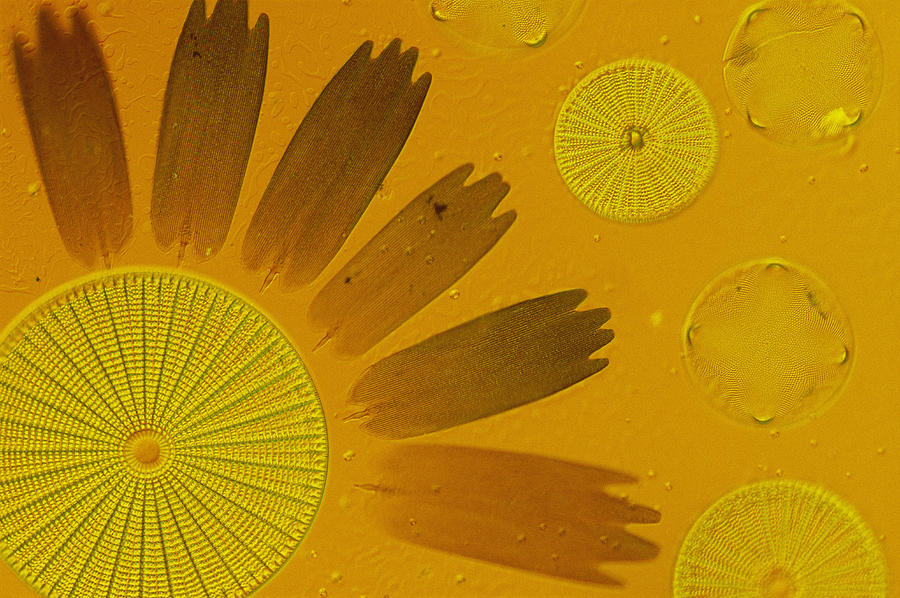
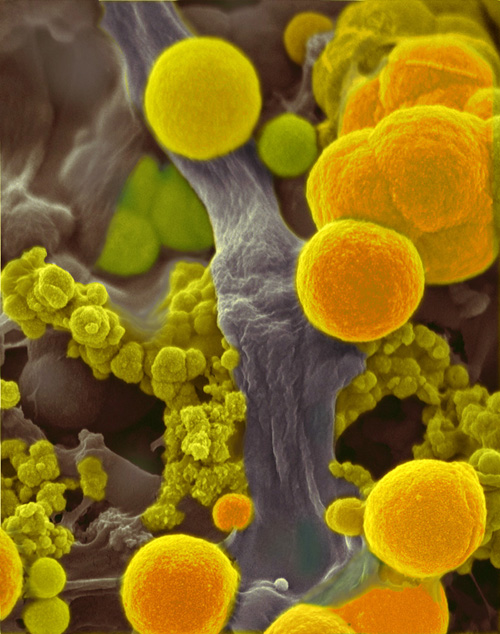
Art Foundations: Microbiology – Microscopic Images and 2 Point Perspective – Up To The LARGE PAPER and Oil Pastels!
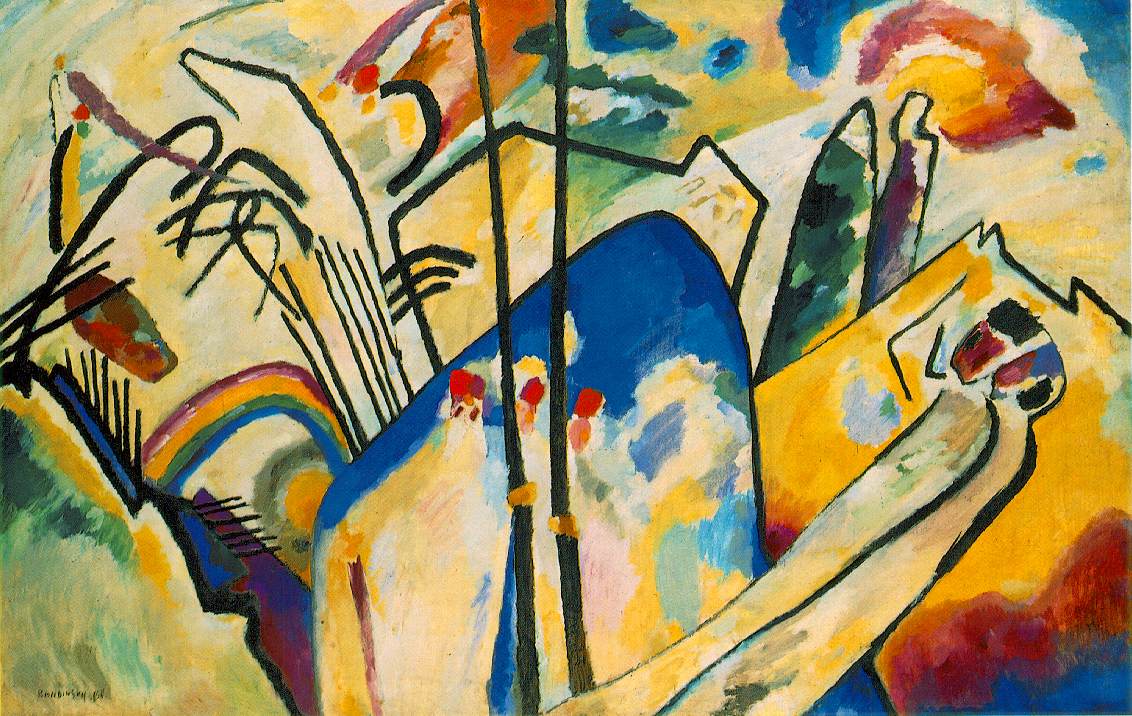
Drawing: Wassily Kandinski 2014 – What are you bringing to the theory of color and math?
AP Studio Art: One more week with your NEW concentration works – then FIGURE STUDIES!
All late work – let’s get that done! See me, call me, email me with any questions or concerns.
“If you can’t fly then run, if you can’t run then walk, if you can’t walk then crawl, but whatever you do you have to keep moving forward.”― Martin Luther King Jr.
Work on (1.2) concentration works that demonstrate how your ideas relate to the materials and techniques that you use.
Work on (2.6) creating multiple solutions to concentration works.
What bit of advice did you get from your classmates that you will be able to put to use? What bit of advice did you give that might be used elsewhere? What are your goals for the next work(s) that will show your development?
CALENDAR – Look to the side of the screen. This is there to help you know your due dates and assignments. Subscribe to the Google Calendar. This webpage is a TOOL for you to use – search through it – explore it – look under YOUR class… see what there is to see.
(2.6) Work on creating multiple solutions to your next set of works – Sketchbook PRELIMINARY – Collected on FRIDAY – WHAT ARE YOU COMMUNICATING WITH THIS?
Think about your exams – what were the biggest impressions you had from the classmate’s works? What were the most difficult things you felt as you presented your work? Conversation between classmates about the 2 questions for your exam.
“Never tell a young person that anything cannot be done. God may have been waiting centuries for someone ignorant enough of the impossible to do that very thing.” — John Andrew Holmes
3.2 Apply ideas in art and use skill to solve visual challenges.
6.1 compare aspects of the visual arts with aspects of other disciplines through Mathematical Ratios and Transferring images / blending colors.
What is the color scheme you are using – label on the bottom of the page. What is the reason you have chosen the image you have chosen? Share image with your classmate and explain the process of measuring and transferring image.
Advanced Drawing:Faces – Let’s begin with the Mouth
1.4 Initiate, define, and solve drawing the lips through using .4.1) analysis (.2) synthesis (.3) evaluation
. Identify the intentions and purposes behind making art.
What was the most challenging way to draw? Why was this most difficult way to go? How OFF were you from the original that you drew from your memory? What is most important about drawing when it comes to observation?
2.6 create multiple solutions to visual challenges that show understanding in relationships between composition and meaning of artwork
6.1 compare aspects of the visual arts with aspects of other disciplines by being inspired by music and text.
What is your plan for accomplishing this one work in the short time allowed? What was the struggle you had in the past 2 weeks creating 2 works? What struggled? What soared? What will you have to do to adjust your working schedule.
“When you do nothing, you feel overwhelmed and powerless. But when you get involved, you feel the sense of hope and accomplishment that comes from knowing you are working to make things better.” — Zig Ziglar
Art Foundations: Color Theory – Color Wheel – Color Schemes
What are the DOMINANT COLORS that were used in this magazine cover?
Goals:
1.4 Define color schemes using analysis (what are the colors that we, as painters / drawers use to make all the other colors?)
Review with your neighbors the relationships of the colors on the color wheel – what are the color schemes that we have discussed today?
Advanced Drawing: Gesture Drawing
Rembrandt used gesture drawings as preliminary idea drawings. How can you use them?
Lets begin with a drawing of the human form from MEMORY – 8 minutes… what do you remember a person looking like? GO!
Goals:
5.1 identify the rationale behind making gesture drawings
3.3 describe the creation of images and ideas and explain why they are of value
What was the most challenging way to draw? Why was this most difficult way to go? How OFF were you from the original that you drew from your memory? What is most important about drawing when it comes to observation?
AP Studio Art: What are you doing with Art and Fear? How goes the Website?
While Miley Cyrus is terrifying enough… this is really frightening. What make you fearful? Art?
Goals:
3.1 reflect on how your art differs and describe how it relates to the Breadth you have begun.
3.3 describe the creation of your images and ideas and how they work with your breadth work.
As we begin – stop and talk to your neighbors and discuss the Art and Fear Chapter – get FEEDBACK – and talk about the WEBSITE. How’s it going?
What did you accomplish today? What do you need to do tomorrow? What are your challenges as we progess forward with the
Beginning of the Open Canvas Night – 15 minutes in!
My Empty Wall
2 works beginning. Mixed Media of Coffee Filters, Coffee Grounds, Bible Pages.
Propped up and ready to begin painting.
First coats with a light blue in the sky. The ethereal side of things.
A little bit more paint.
And now the yellow, the spiritual side of life.
A detail of “In Our Confusion, It Can Always Be.”
My second work – I forgot to document this one as it progressed. “”Walking The Path of the Awakened.”
A detail of “Walking the Path of the Awakened.”
A detail of “In Our Confusion, It Can Always Be.”
The 2 works sold together for $275. All proceeds went to MIAD and the Peck School of the Arts, UWM.
The buyer and her friend, Thank you Tina Gallup. Ms. Gallup purchased my work LAST year too. Thanks! Good to see you again!
“You won’t be happy with more until you’re happy with what you’ve got.” – Viki King (author, writer, speaker)
What are YOU thankful for? Take 30 seconds and write out 3 things you are thankful for.
Art Foundations 2D: Intro to Critiquing, 2 Point Perspective
What are YOU incorporating into your city / neighborhood / interior?
Goals:
(1.2) Create 2 point perspective art that demonstrates how your ideas relate to the media, techniques (VALUE) and processes you use. (P)
(2.3) Create artworks that uses organization and function to solve specific visual challenges.
What was the success in today’s drawing? What was the challenge? What were the goals we have had over the past couple of weeks that you feel you have accomplished? WHY are you successful or unsuccessful with this artwork?
Advanced Drawing: Drawing and Evaluation
How are you using pastels? How did Degas?
Goals:
3.3 describe the creation of images and ideas and explain why they are of value
NETS: TONIGHT Use digital media to work collaboratively, including at a distance, to support individual learning (Begin your crit.)
What was the success in today’s first portion of the critique? What did you see when you ANALYZED your work? What was the surprising to you? What were the goals we have had over the past couple of weeks that you feel you have accomplished? WHY are you successful or unsuccessful with this artwork?
AP Studio Art: Still Life and Concentration (and WEB Design)
So… what are you worried about?
Goals:
3.1 reflect on how your art differs and describe how it relates to the CONCENTRATION you have begun.
3.3 describe the creation of your images and ideas and how they work with your concentration.
What did you accomplish today? What do you need to do tomorrow? Developing Still Life works, concentration work. How can you develop your OWN voice?
“Go and make interesting mistakes, make amazing mistakes, make glorious and fantastic mistakes. Break rules. Leave the world more interesting for your being here. Make. Good. Art.” ~ Neil Gaiman
Never fear – mistakes are near! Click to see WHY mistakes are REALLY important!
Art Foundations: 2 Point Perspective Drawings
What’s YOUR city got? Get drawing!
Goals
(1.2.2 and 3) Create 2 point perspective drawings that demonstrates an understanding of how your ideas relate to technique and process(P).
Create 2 point perspective and Value drawing that uses COMPOSITION to solve visual challenges. (P)
Review with neighbors the progress of the cityscape and the proper use of 2 point perspective. What are the big challenges you are facing with the buildings? What can you do with VALUE to make the buildings more realistic?
Advanced Drawing: Hallways and COLOR and OIL PASTELS
How did Tolouse-Lautrec handle the image of his friend van Gogh and the surrounding space? How are you finding similar or different approaches to your surroundings?
Goals
1.2 create art that demonstrates an understanding of how your ideas relate to the 1.2.1 materials and 1.2.2 techniques
What do you need to do tomorrow to continue being successful with these materials in the hallways? How did today go?
AP Studio Art: Presenting… Your Adventures!
Ok… Are you ready to shoot?
Goals
2.1 Form criticism about artworks that work to accomplish personal meanings.
NETS: use digital media and environments to communicate and work collaboratively.
What are you struggling with when it comes to PHOTOGRAPHY and WEBSITE design? Questions? What are the benefits of having this as a tool in your toolbox?
“Go and make interesting mistakes, make amazing mistakes, make glorious and fantastic mistakes. Break rules. Leave the world more interesting for your being here. Make. Good. Art.” ~ Neil Gaiman
It’s Ok…
Art Foundations 2D
“The Incredibles” in 2 Point Perspective. Thanks DISNEY animators for being so AWESOME in designing and representing the possibilities.
Goals
(1.2.2 and 3) Create 2 point perspective drawings that demonstrate an understanding of how your ideas relate to technique and process
Review with neighbors the progress of the chiaroscuro and the proper use of 2 point perspective. What are the big challenges you are facing with the buildings?
Advanced Drawing
Goals
2.1 Form criticism about artworks that work to accomplish personal meanings.
5.3 Describe meanings of artworks by analyzing 5.3.1 techniques
Self – evaluation of the writing for the day – What did you find NEW in your work that you forgot you did well or struggled with?
AP Studio Art
Goals
2.6 create multiple solutions to visual challenges that show understanding in relationships between composition and meaning of artwork.
NETS: use digital media and environments to communicate and work collaboratively
What skills are you lacking in the creation of art? Is your OBSERVATION strong? Is your use of SPACE strong? Is your VALUE strong? Materials? Mediums? Where do you need work?
“Never feel shame for trying and failing, for he who never failed is he who never tried.” – Og Mandino
He’s got the ONE POINT PERSPECTIVE house with a NICE RED LINE! Do NOT give up T-Rex!
Art Foundations: Drawing Staircases
Maybe not STAIRS, but how could you draw this?
GOALS
1.2 create 2 point perspective staircase that demonstrates an understanding of how your ideas relate to the 1.2.3 processes you use
Review with neighbors the RULES of THUMB of two point perspective and the basics of the staircases. How did you do today without my direct teaching? Struggle?
Advanced Drawing: Hallway ROUGH Drawings
Let’s Review Drawing Techniques / What is a ROUGH drawing?
One Versus Two Point Perspective
Sighting In
Thumbnail Drawings
Rough Drawings
Time Management
Value Studies
Mark Making
While I believe this is from a museum… what do you struggle with as you see this image? Do you struggle with anything about it?
GOALS:
1.1 apply media, techniques, and processes with 1.1.1 skill 1.1.3 and awareness so that your ideas are executed well. (What are you trying to describe in your artwork? How is it working for you?)
What was the success in perspective in today’s drawing? Where did you fall short? How are you able to demonstrate the idea of SPACE in the drawing… what are you going to do as it gets larger and in oil pastel?
AP Studio Art: concentration #2
Alexander Calder Video – let’s see it in action!
GOALS
4.4 evaluate and interpret art for relationships in 4.4.1 form 4.4.2 context
Looking back on the week, what are the thoughts you have had regarding your ideas for concentration? When you consider the ideas, what fears do you have? What is your plan for the next 2 works in the larger body of work?
And here I am HANG GLIDING… I love to use my abilities to really have fun in life. http://www.seekextreme.com
“The question for each man is not what he would do if he had the means, time, influence and educational advantages, but what he will do with the things he has.” — Frank Hamilton
~~~
Art Foundations: Space – Positive and Negative Space in your artwork and in life.
1.4.1 analysis (breaking up the artwork / subject matter to basic elements)
What did you find as the most difficult aspect of the creation of the drawing? What was the hardest? What was the easiest? Are you able to see the negative space in the 1 – drawing, 2 – actual object?
~~~
Advanced Drawing: Crit and PENCIL DRAWINGS.
Check out and SEE the GLASSES that Janet Fish Draws and Paints. How do you deal with TRANSPARENCY? http://2.bp.blogspot.com
GOALS:
2.6 Work on creating multiple solutions to solve visual challenges.
What are you drawn to? What is successful in your composition? What is it about the transparent glass that makes this a challenging or easy subject matter to work with? Share your preliminary work with your neighbor – write the thoughts down and share the challenges with your neighbors.
~~~
AP Studio Art: RESEARCH and begin the ideas for your CONCENTRATION
Vincent Van Gogh spent time LOOKING at and THINKING about the works that he focused his life on… what are you going to do to do the same? http://www.vggallery.com
GOALS:
Research and Information Fluency – Students apply digital tools to gather, evaluate, and use information.
Critical Thinking, Problem Solving, and Decision Making – Students use critical thinking skills to plan and conduct research, manage projects, solve problems, and make informed decisions using appropriate digital tools and resources.
Look over and SHARE your research about the artist that you have begun looking at and also share a bit about what your initial thoughts are regarding the idea of having a concentration.