What can you do? ANYTHING! (Except fly and turn into a robot.)

“Never tell a young person that anything cannot be done. God may have been waiting centuries for someone ignorant enough of the impossible to do that very thing.” — John Andrew Holmes
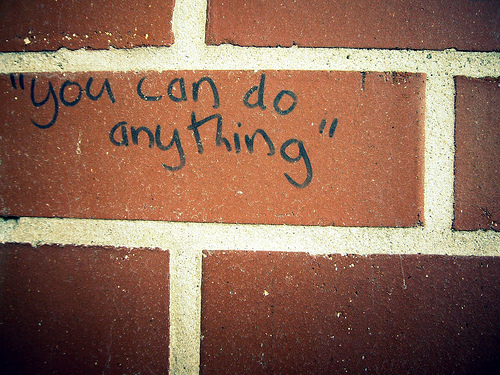
You CAN do anything… you just have to DO IT!

Art Foundations: Color Scheme Drawing and CHUCK CLOSE Video.

Goals:

  1. 1.4 Initiate, define, and solve challenging visual arts problems using skills of (1.4.1) analysis (.2) synthesis (.3) evaluation.
  2. Identify the intentions and purposes behind making art.

How do you feel that your abilities to make art, based on observation were helped by the process of using the grid? What has held you back… where do you see that you can focus on improving (how do you see that you can focus on improving, in the creation of your artwork?

Advanced Drawing: Interior / Exterior Portrait – Rubric online AND National Gallery of Art

Morning Sun… How can you use this idea to focus on YOUR ideas?

Goals:

  1. 1.4 Create, define, and solve visual challenges using 1.4.1 Analysis and 1.4.3 Evaluation.
  2. 6.1 compare aspects of the visual arts with aspects of other disciplines through Mathematical Ratios and Transferring images / blending colors.

What was the most challenging thing about buyilding your ideas? What drew you into the work by Edward Hopper? What challenges do you fear with this work? What is most important about drawing when it comes to observation and photographic references?

AP Studio Art: Art and Fear – Of Sailors and Whales

Now what do we do with it?

Review the CONCENTRATION works you have developed at this point and answer (online) the two questions for the PORTFOLIO. One on one discussions with me about the works.

Goals:

  1. 5.3 describe rationale of breadth works by analyzing 5.3.1 techniques (WHAT IS THE ELEMENT / PRINCIPLE that you are focused on?).
  2. What are YOUR PERSONAL GOALS?

What did you accomplish today? What was your biggest accomplishment this week

What’s your FEAR about Art? “Talent?” Ha! TRICK QUESTION! No such thing as “TALENT”

Welcome to GREEN DAY (Color day that is...)
Welcome to GREEN DAY (Color day that is…)

“We’ve gotten to the point where we think the camera can capture anything at all.” “Well, it can’t really. The camera can’t compete with painting at all. The paintings are much more vivid about the place than photographs are.” – David Hockney, “Modern Painters, “

David Hockney, on his latest inspiration – Yorkshire, Into the Woods,” by: Marina Cashdan, April 2010, p. 66.

Not outside, but check out David Hockney’s painting! Great Studio Space!

~~~

Art Foundations: Portrait Drawing AND Pattern Painting – PAIR SHARE YOUR PATTERNS AND YOUR DRAWINGS… Tell the story!

While this is NOT a continuous line portrait – check out the way the artist used the line to fill in the negative spaces. This is one way that we will be using line to help fill the space.

GOAL: BEFORE YOU WRITE THIS DOWN WITH NO THOUGHT… WHAT DO THEY MEAN TO YOU?

  1. (1.1.1) Apply art materials (markers, pencils, watercolors) being aware of your skills.
  2. (1.4) Solve visual challenges using synthesis (element of Line and putting the drawing together, shape and color with pattern).

What is the most challenging aspect of the portrait / pattern painting? What emotions have you chosen to represent yourself through the painting and the drawing? Why and HOW? Be Thoughtful and WRITE A STRONG ANSWER!

~~~

Advanced Drawing: Computer Lab to talk about the critique and take a day away from the drawing.

Chuck Close works being discussed. How would YOU talk about an artwork if you were asked to discuss it?

GOAL: BEFORE YOU WRITE THIS DOWN WITH NO THOUGHT… WHAT DO THEY MEAN TO YOU? WRITE IT OUT SO IT MAKES SENSE.

  1.  2) Use digital media and environments to communicate and work collaboratively, including at a distance, to support individual learning and to the learning of others.
  2. 3) Apply digital tools to gather, evaluate, and use information.

How has the process of observation and the “simple” objects challenged you in the creation of the compositions here? Considering the idea that this basic topic has “been done before” what have you done to take it up a notch, make it more impressive, stronger than what you may have done in the past? 

~~~

AP Studio Art: Photographs and WEB PAGE Design. ART AND FEAR BLOG!

What is your FEAR in ART? We are going to read ART and FEAR to get over some of your fears about being an artist and dealing with the arts.

GOAL: BEFORE YOU WRITE THIS DOWN WITH NO THOUGHT… WHAT DO THEY MEAN TO YOU?

  1. 5.3 describe meanings of artworks by analyzing 5.3.2 how they relate to history and culture (Art and Fear Readings)

What is the main point that you took away from David Bayles and Ted Orland’s Chapter 1 in “ART and FEAR”? We are going to use the ART and FEAR blog to have a REAL STRONG conversation about what it is to be an artist. I WISH I HAD THIS BOOK IN HIGH SCHOOL AND IN COLLEGE. A lot of this is ABOVE YOU and WILL BE for some time… read it – reread it – and do that again. I will be setting out deadlines online for the chapter responses.


Circle Square Circle Square Circle Square… Are you an Alternating Pattern?

LOOK DEEPLY INTO MY EYE! What are you LOOKING at? What are you Seeing?

“What difference does it make whether you’re looking at a photograph or looking at a still life in front of you? You still have to look.”

– Chuck Close

~~~

“In order to do the best you can at something, all the resources you have at that moment are the ones that will get you there.”— Frank Korb 

~~~

Art Foundations: Watercolor Techniques to wrap your skills up! What else can can you do?

LINK TO WATERCOLOR DEMONSTRATION VIDEOS HERE

Pattern is happening here. What mood / emotion do you feel or take away from this painting?

GOALS:

  1. (1.2) Create art that demonstrates an understanding of how your ideas relate to the technique of Watercolor Paint  line.
  2. (3.2) apply watercolors  art to solve visual challenges (pattern and line).

From all that we have done… pattern, watercolor techniques, continuous line contour drawing… you are going to create a self portrait. What typr of pattern do you feel you’d like to use? What colors might you use with the patterns? What sort of emotions do you think you will be expressing with your self portrait? Write out a 5 sentence paragraph in your REFLECTION section of today’s goals sheet.

~~~

Advanced Drawing: Critique informal… hang em’ up QUICKLY!

Where’s the mannequin, plant and paper bag? What is the strongest ELEMENT and how did the artist use the PRINCIPLES to compose this image?

GOALS:

  1. 5.3 describe meanings of artworks by analyzing 5.3.1 techniques
  2. 1.1 apply media, techniques, and processes with 1.1.1 skill 1.1.2 confidence 1.1.3 and awareness so that your ideas are executed well.

In your binder… What have been the techniques that you are developing in this drawing? What other skills are you using to compose a successful work? Write a 7 sentence statement in your weekly reflection portion of today’s goals sheet.

~~~

AP Studio Art: Plant Drawings… Jim Dine…

Notice how Dine ACTIVATED his BACKGROUND? How are you doing the same?

GOALS:

  1. 5.3 describe meanings of artworks by analyzing 5.3.1 techniques.

In your GOALS PAGE SUMMARY section, sit and look over your work from the week. I have lectured VERY LITTLE. WE have worked A LOT. What are your overall thoughts about the drawing you have begun? What emotions MIGHT a viewer take away from this? If you were trying to communicate a message with the work, what message was that? What struggles are you having? What successes are you having? Write out a 10 sentence statement about this weeks work. 2 days next week to work… then onto the next work.

Keep your eyes open! You never know what you might see.

What do you SEE? What do YOU see? WHAT do you see?

“What difference does it make whether you’re looking at a photograph or looking at a still life in front of you? You still have to look.”

– Chuck Close

~~~

Art Foundations: Watercolor Experiments

What is YOUR pattern?

GOALS:

  1. (5.3) Describe meaning of artwork by analyzing watercolor technique.
  2. (3.2) Apply ideas in art to solve visual challenges and create meaning.

Which of the watercolor techniques are you especially interested in trying a bit more? What about it is interesting to you?

~~~

Advanced Drawing: Work on your paper bag / mannequin drawings.

GOALS:

  1. 4.3 compare relationships in visual art in terms of 4.3.2 aesthetics 4.3.3 and culture as it relates to your own art.
  2. 4.4 evaluate and interpret art for relationships in 4.4.1 form.

How does your drawing relate to your ideas / your cultures / YOU in 2013? Your place in society is important and you need to make your mark in the world… in the arts.

~~~

AP Studio Art: Plant and Flower Drawings – Are you BREAKING THE RECTANGLE?

What’s the final destination for your drawings? Pace Gallery?

GOALS:

  1. 2.2 evaluate the effectiveness of artworks.
  2. 5.3 describe meanings of artworks by analyzing 5.3.1 techniques.

How are you TRULY challenging yourself? Biggest ISSUES today to learn from? Biggest successes to learn from?

What would the future you say to your current self? Let’s listen to Chuck Close!

“What difference does it make whether you’re looking at a photograph or looking at a still life in front of you? You still have to look.”

– Chuck Close

~~~

Do any of you have cowboy boots, women’s size 10, that my daughter could borrow for Wednesday? I’d need them Tuesday and will return them Thursday. Thanks.

~~~

Advanced Drawing: Continue to work on the Paper Bag / Figure Drawing?

Bags… How’s the Dark? How’s the light? how’s the composition?
and… what are you doing to incorporate your figure?

GOALS:

  1. 1.1 apply media, techniques, and processes with 1.1.1 skill 1.1.2 confidence 1.1.3 and awareness so that your ideas are executed well

  2. 1.2 create art that demonstrates an understanding of how your ideas relate to the 1.2.1 materials 1.2.2 techniques 1.2.3 and processes you use

What did you take away from the drawing today? What are you succeeding with?

~~~

Art Foundations: Portrait, Chapter 1: Lesson 3…

What types of Lines did this artist use in her Self-Portrait? Talk to your neighbors about it.

GOALS:

  1. (1.2) Create art that demonstrates an understanding of how your ideas relate to the technique of contour line.
  2. (1.4.1) Create and solve visual problems using analysis of the shape and form of the face.

What was the most fun part of dealing with contours? If you were to describe yourself in terms of lines, what lines would you use? Where are you successful in the contour drawings? Share the images with your classmates and discuss the success and failures.

~~~

AP Studio Art: Plant Drawings and self evaluation and Jim Dine – Self-Portrait on the Wall Video

Questions to Consider for Online / Digital Self-Evaluation: CLICK HERE

MAGAZINE ARTICLE Example: Korb Magazine Article

GOALS:

  1. 1.1 apply media, techniques, and processes with (1.1.3) an awareness so that your ideas are executed well.
  2. 3.3 describe the creation of images and ideas and explain why they are of value

What materials have you used today? How are the projects coming along? What do you need to be doing tomorrow to make STRONG headway?

May 13, 2013 – Monday

“Talent may get someone off the starting blocks faster, but without a sense of direction or a goal to strive for, it won’t count for much.” – David Bayles and Ted Orland

What do you to get off the starting blocks? What do you do to keep going?

~~~

Art Foundations: How are you using the grid to help you create your art? Is it helping you or is it making it too hard? This is something that some of you have spoken about… it being difficult… it being easy… Analysis!

Imagine using the grid as the basis for your artwork. How can you use the grid as the basis for an abstract work?

GOALS:

  1. 1.1 apply media (colored pencil), techniques (grid), and processes (one square at a time) with an 1.1.3 awareness so that your ideas are executed well.

What is the most successful aspect of your drawing? Did the slowing down and working one square at a time help you to better understand the image you were drawing? Why or why not?

~~~

Drawing: Fauvism – How much are you enjoying, hating, challenged by, made easier with the use of the WILD BEAST-like colors and REAL observation behind the image? I am THRILLED!

Mid Crit – DUE NEXT MONDAY – CRITIQUE 3 DAYS NEXT WEEK – PAPER DUE Thursday Beginning of class next week… COLLABORATIVE EFFORTS DUE WEDNESDAY OF THIS WEEK – WRITE OUT 10 sentences (one paragraph) about your partners work – good / bad / suggestions – make it worth their while.

3rd Hour MidCrit Artworks to UPLOAD by WEDNESDAY

6th Hour MidCrit Artworks to UPLOAD by WEDNESDAY

How does looking at the work at this stage help you? Help your classmates?

GOALS:

  1. 1.4.3 evaluation [critique] (formative and summative reflections about your artwork) 2.1 form criticism about artworks that work to accomplish
  2. 2.1.2 personal 2.1.3 communal (societal) 2.1.4 or other meanings

Write out what you have learned about the work you have produced. 4 minutes of SOLID writing – this will help you begin tomorrow and write your paper later this week (next week).

~~~

AP Studio Art – 

Get Ready for the Artist Statement.

 Writing an artist’s Statement: https://docs.google.com/document/d/1mgnr69bpmbrqCUk74QbNpEq8GCeFrXZTpX3I_MMs23E/edit#

GOALS:

  1. 2.1 form criticism about artworks that work to accomplish 2.1.1 commercial 2.1.2 personal

What hurdles are you facing that stop you from writing about your artwork? What gets in the way? Why are words so hard?

May 10, 2013

Welcome Home Mom? – For sure thought it was the 9th…

~~~

Please note the time change for publication… 6:30 am. I am looking for your feedback – parents, teachers, students, artists, leaders, and anyone else who is following my page. In addition, please share me with your friends and colleagues.

~~~

~~~

“Very often a change of self is needed more than a change of scene.”  — Arthur Christopher Benson

~~~

Art Foundations: 2 full class periods to work on the Grid Drawing – Today and Monday… then onto  MORE color – and PAINT and TEXTURE and more…

How else can an artist use GRIDS to make successful art? Next week we will be using grids as FORMATS for our work.

GOALS:

  1. Apply media (colored pencil), techniques (grid), and processes (one square at a time) with an 1.1.3 awareness so that your ideas (modifying the photo to one specific color scheme) are executed well .
  2. 2.2 evaluate the drawing with colored pencils and the technique of ONE SQUARE at a TIME in your artworks.

Knowing that you have 1 more day to work in class – what are you going to have to do in order to get this drawing done?

~~~

Drawing: WORK DAY – HUGE DAY TO WORK – LITTLE TO NO LECTURE – GET YOUR GOALS WRITTEN DOWN!

COLOR SCHEMES – CLICK HERE to review

Maurice Vlaminck “Portrait of a Woman” 1906

GOALS:

  1. 1.1 apply media, techniques, and processes with an 1.1.3 awareness so that your ideas are executed well
  2. 2.2 evaluate the drawing with pastels and the Fauvist technique in your drawings.

What has been your biggest sense of PROGRESS in the FAUVIST DRAWINGS for this week?

~~~

AP Studio Art: Well… Have you burned your finger making art this week? I did! Make sure you have ACCESS TO YOUR 72 DPI images for MONDAY! DEMO and then YOU ARE ON YOUR OWN! Lots more to do next week!

What is the work worth displaying? How are you preparing for this?

GOALS:

  1. With your ART and FEAR Book and IDEAS in your head – 3.5 evaluate and defend how 3.5.1 subject matter and 3.5.2 symbols are used in art.
  2. 1.3 As you create your ART and FEAR works make sure you communicate your ideas clearly.

What works have you been thinking about for the ART EXHIBITION? How are you planning to display them? We have not spoken about that yet… Which works are the MOST important to express your ideas and abilities? BEST WORKS – not favorites, not biggest, not most controversial – BEST. What makes it your BEST?

May 9, 2013 – Thursday

WELCOME HOME MOM!

~~~

Please note the time change for publication… 6:30 am. I am looking for your feedback – parents, teachers, students, artists, leaders, and anyone else who is following my page. In addition, please share me with your friends and colleagues.

~~~

“Very often a change of self is needed more than a change of scene.”  — Arthur Christopher Benson

~~~

Art Foundations – GRID – ONE SQUARE AT A TIME… Continue to consider the ANALYSIS of the PHOTOGRAPH and the PROCESS you are using to draw this image out ONE SQUARE AT A TIME!

What COLOR SCHEME are you using? Are you aware of the relationships that we, as artists, use to make work more unified?

GOALS:

  1. Apply media (colored pencil), techniques (grid), and processes (one square at a time) with an 1.1.3 awareness so that your ideas (modifying the photo to one specific color scheme) are executed well.
  2. 1.4 create, define, and solve visual challenges using 1.4.1 analysis (breaking up the photograph / subject matter to basic elements).

What has ANALYZING the original photograph done to help or challenge you in the process of making this COLOR SCHEME Drawing? Share your challenges with your classmates.

~~~

DRAWING: 

Kees Van Dongen – Fauvist “Portrait of a Woman” c. 1908

GOALS:

  1. 3.1 reflect on how your art differs from your classmates and describe how it relates to your history and your cultures
  2. 1.1 apply media (pastels), techniques (observations), and processes (Fauvist application of the pastels) with an 1.1.3 awareness so that your ideas are executed well.

What aspects of this drawing have caused you the most grief so far – and WHY do you think this… what has been the challenge? What solutions have you come up with to help your progress moving forward? With your drawings out in front of you – let’s take a moment to sit, think, and talk about the challenges.

~~~

AP Studio Art: We are working on the ideas for your Art and Fear projects – paper is out and you are ready to roll. What are your ideas? I’ll be around to check on you…

What works are YOU planning on using in an art exhibition for the end of the year? Please be thinking about this…

GOALS:

  1. With your ART and FEAR Book and IDEAS in your head – 3.5 evaluate and defend how 3.5.1 subject matter and 3.5.2 symbols are used in art.

What have you been considering the essential elements of the chapter you have been assigned? How are you able to make that message CLEAR and CONCISE to the viewer WITHOUT making the ideas seen too SIMPLE for them? Make the viewer work for understanding…. Share your ideas with us all…

May 8, 2013 – Wedneday

Please note the time change for publication… 6:30 am. I am looking for your feedback – parents, teachers, students, artists, leaders, and anyone else who is following my page. In addition, please share me with your friends and colleagues.

~~~

“Very often a change of self is needed more than a change of scene.”  — Arthur Christopher Benson

~~~

Art Foundations – GRID – ONE SQUARE AT A TIME

Why Portraits?

GOALS:

  1. Apply media (colored pencil), techniques (grid), and processes (one square at a time) with an 1.1.3 awareness so that your ideas (modifying the photo to one specific color scheme) are executed well .

Self – evaluation: What was the BIGGEST A-HA moment you had today! What did you do to help you get to that point?

~~~

Drawing: Fauvist Drawings – how is all that coming for you? Have you made photographs? Have you thought about the work that you are making? Are you struggling with the drawing?

Fauvist – but not Matisse, not Derain… GEORGES ROUALT

GOALS:

  1. 3.1 reflect on how your art differs and describe how it relates to your history and your cultures
  2. 1.1 apply pastels, through Fauvist color choices and placement, and observational skills with an 1.1.3 awareness so that your ideas are executed well.

What was the most challenging aspect of your drawing to get done today? How are you using OBSERVATION and COMPARISON – sighting in – to get your drawings set up correctly?

~~~

Happy Ice Cream - NOT made by Uncle Harry's : (
Happy Ice Cream – NOT made by Uncle Harry’s : (

AP Studio Art: Art and Fear – Let’s discuss some of the main topics that you have pulled from the chapter you are reading – Chapter 1 – 9…

Make it level, make it good… what works are you thinking about hanging for your art exhibition?

GOALS:

  1. By choosing 7 – 10 works AP Art Show you will 3.5 evaluate and defend how 3.5.1 subject matter and 3.5.2 symbols are used in art.
  2. Writing your artist statement 3.3 describe the creation of images and ideas and explain why they are of value. 

What situation in life is it important to present yourself in the best light possible? When does it not matter so much? How does the presentation of your artwork relate? (1, 3, 7)

May 7, 2103 – Tuesday

Good Morning! Please note the time change for publication… 6:30 am. I am trying a new time in hoping to get more feedback from you all (and a few more followers maybe). Please – I am looking for your feedback – parents, teachers, students, artists, leaders, and anyone else who is following my page… Also… share me with your friends and colleagues… I am always looking to get my voice out there.

~~~

“Very often a change of self is needed more than a change of scene.”  — Arthur Christopher Benson

What CHANGES are you making or are you just TALK?

~~~

Art Foundations: Grid drawing – how are you doing with the one square at a time grid drawing? Let us SHARE these ideas before we get started today.

Phillip Glass (composer) and Chuck Close (artist) and how the two have worked together and learned together.

GOALS:

  1. apply media (colored pencil), techniques (grid), and processes (one square at a time) with an 1.1.3 awareness so that your ideas are executed well .
  2. 3.1 reflect on how art differs and describe how it relates to history and cultures (i.e: Chuck Close and Philip Glass)

What have you discovered about the process in drawing? What are your challenges in the process? What are you doing better with your drawings that you might not have been doing prior?

~~~

Drawing: Fauvist Drawings – how is all that coming for you? Have you made photographs? Have you thought about the work that you are making? Are you struggling with the drawing?

GOALS:

  1. 3.1 reflect on how art differs and describe how it relates to history and cultures
  2. 1.1 apply media, techniques, and processes with an 1.1.3 awareness so that your ideas are executed well

What was the most challenging aspect of your drawing to get done today? How are you using OBSERVATION and COMPARISON – sighting in – to get your drawings set up correctly?

~~~

AP Studio Art: FINISH YOUR PORTFOLIO!

The AP Studio Art Portfolio Waiting Room – Where is YOUR box?

GOALS:

  1. Work on Quality Mounting of artworks.
  2. Work on final artist statement for your AP Exhibition

Ok ya’all –  How many artworks were you able to mount in one day, edit, photograph, prepare? Please consider the use of your time as we get back into the making of art? The time is important and I look forward to seeing more of the great ideas that you all come up with. Artwork… Preparing a Presentation… Plan an Exhibition… enjoy the rest of the year.