Week 7: Life was busy and we missed a week.

Hello Friends of Art with Korb

With technology finally working and the artists now completing some MAJOR works of art – the assessment time comes up on us. While we critiqued our works from 7th grade – the 6th graders are doing it this week. I will get the 7th grade done timely so that the 6th grade doesn’t fall behind.

The digital display (thank you Wal-Mart for the Grant) is up and running (thank you IT for helping with the hard wiring). Now… how do I keep the images looping and NOT moving onto some other YouTube set of videos? Great work by the portrait artists and the 6th graders one point perspectives are coming along great as well. Watercolors was a huge part of the learning curve in both sets of classes with colored pencils and crayons (all Water-Soluble) being new to the 7th graders.

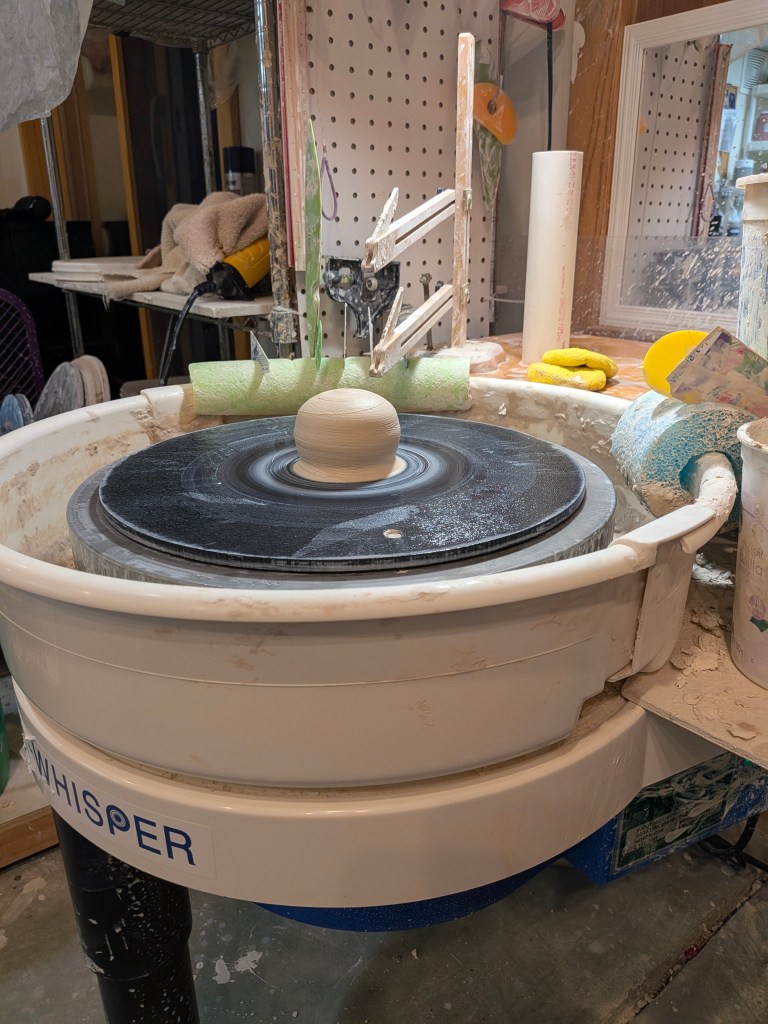
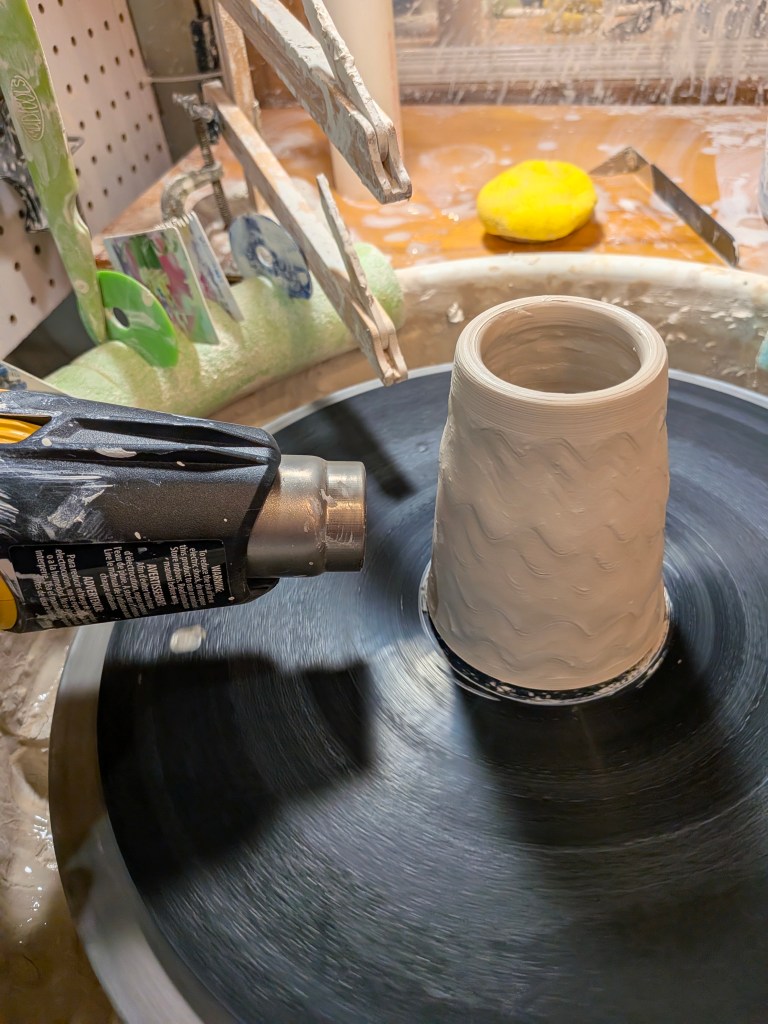
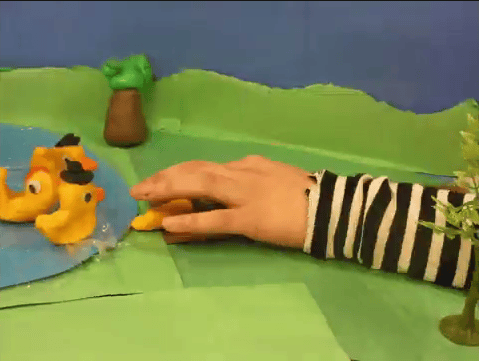
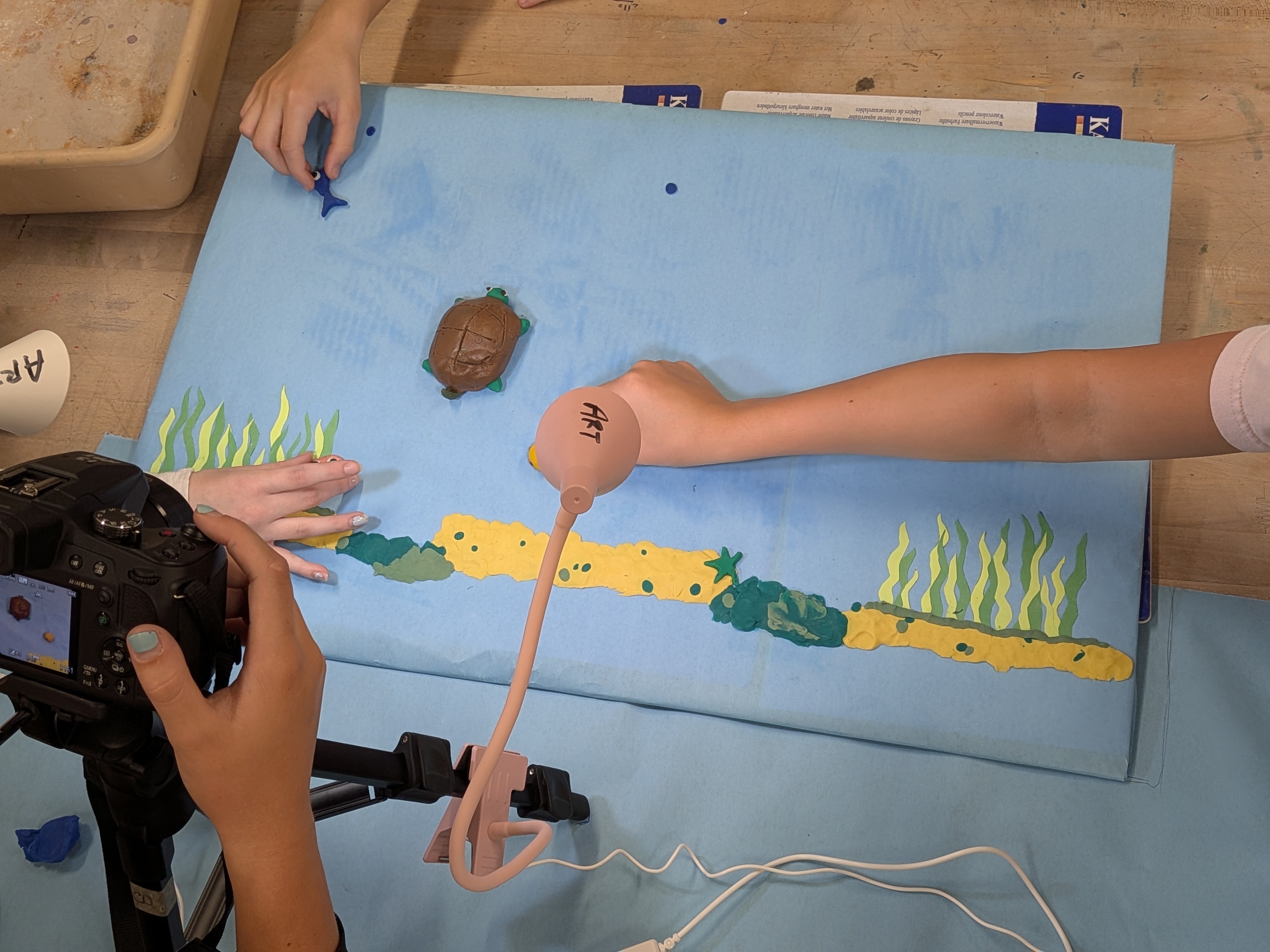
8th graders are wrapping up the stop motion photography films and the efforts are REALLY showing off. I have some kids working a bit AVANT GARDE (I wish they knew what that meant) and we will see how the efforts turn out. Effort and attitude is ALWAYS an issue and I am curious to see how the CLAY projects move along when we turn on the potter’s wheels. It will be fine.

If there is anything that I have learned over the past week it is that being helpful and sincere is how I live my life AND that keeping in my lane is sometimes a heck of a lot easier in the long run. Ok. Here we go!

We are going to leave the posts below as they are (for the most part) and we will update more as the projects develop along. Thanks.

Here are all of our Studio EXPECTATION


Here are the 6th-grade semester Lesson Plans to show you what our day will look like.

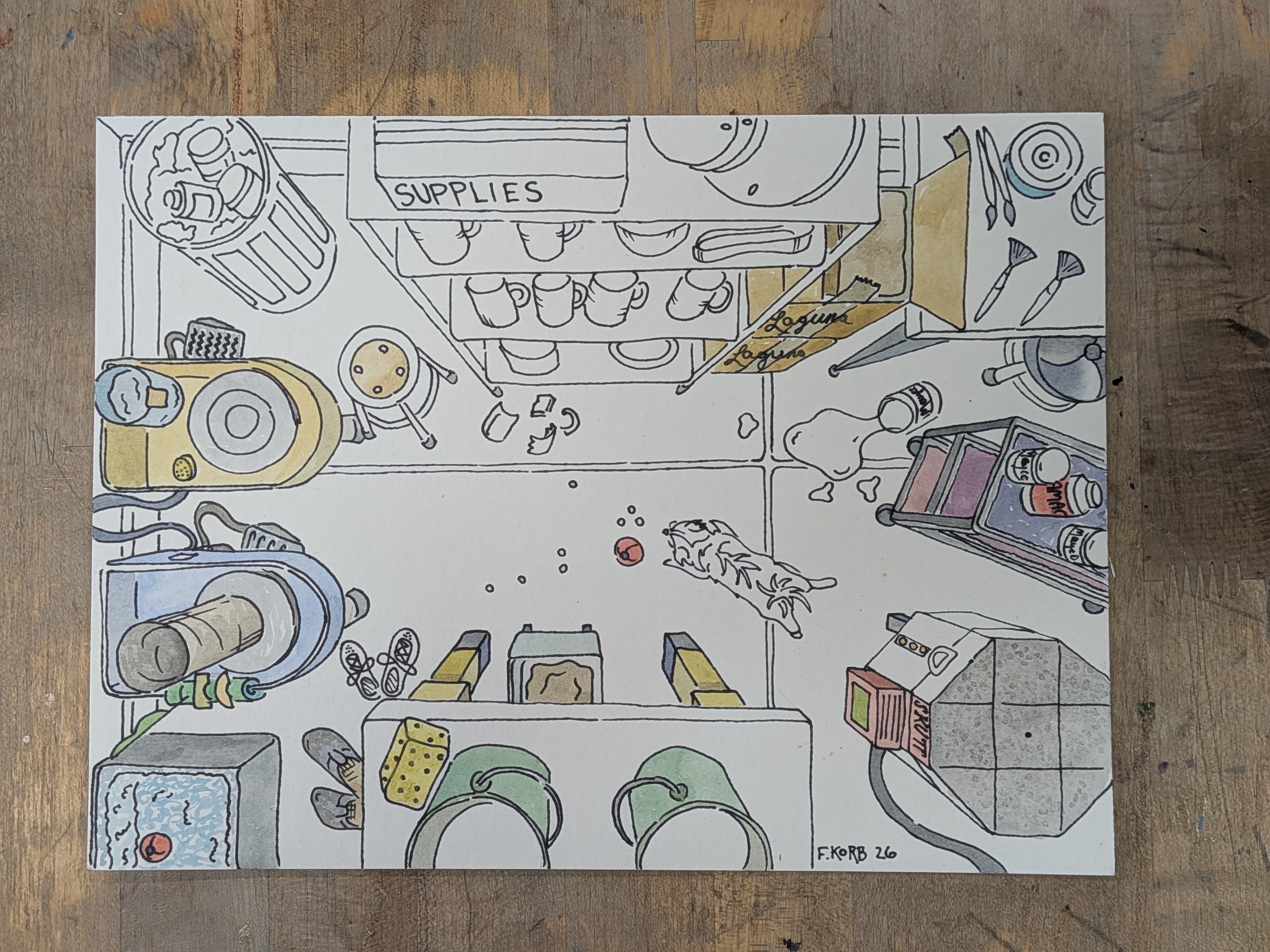
One point perspective is used and seen everywhere you find a single vanishing point with all diagonal lines receding to that point. Below is my example from last year. We are working collaboratively with our other art teacher in the 6th grade classes to learn how to draw using this Renaissance invented technique. I am looking down into my studio space – how would you approach this work?

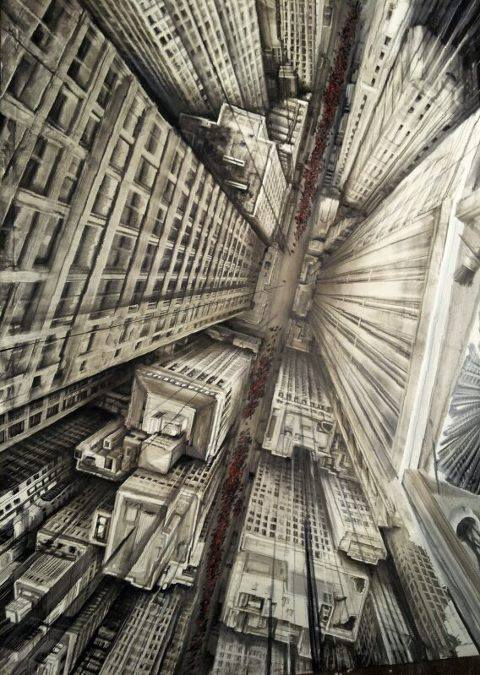
This is not one of my kids works but this is the direction we are going – or looking up. One point perspective is a great use of a lot of the art vocabulary – this is another goal this year. VOCABULARY!

Here is the assignment for One Point Perspective


Here are the 7th-grade semester Lesson Plans to show you what our day will look like.

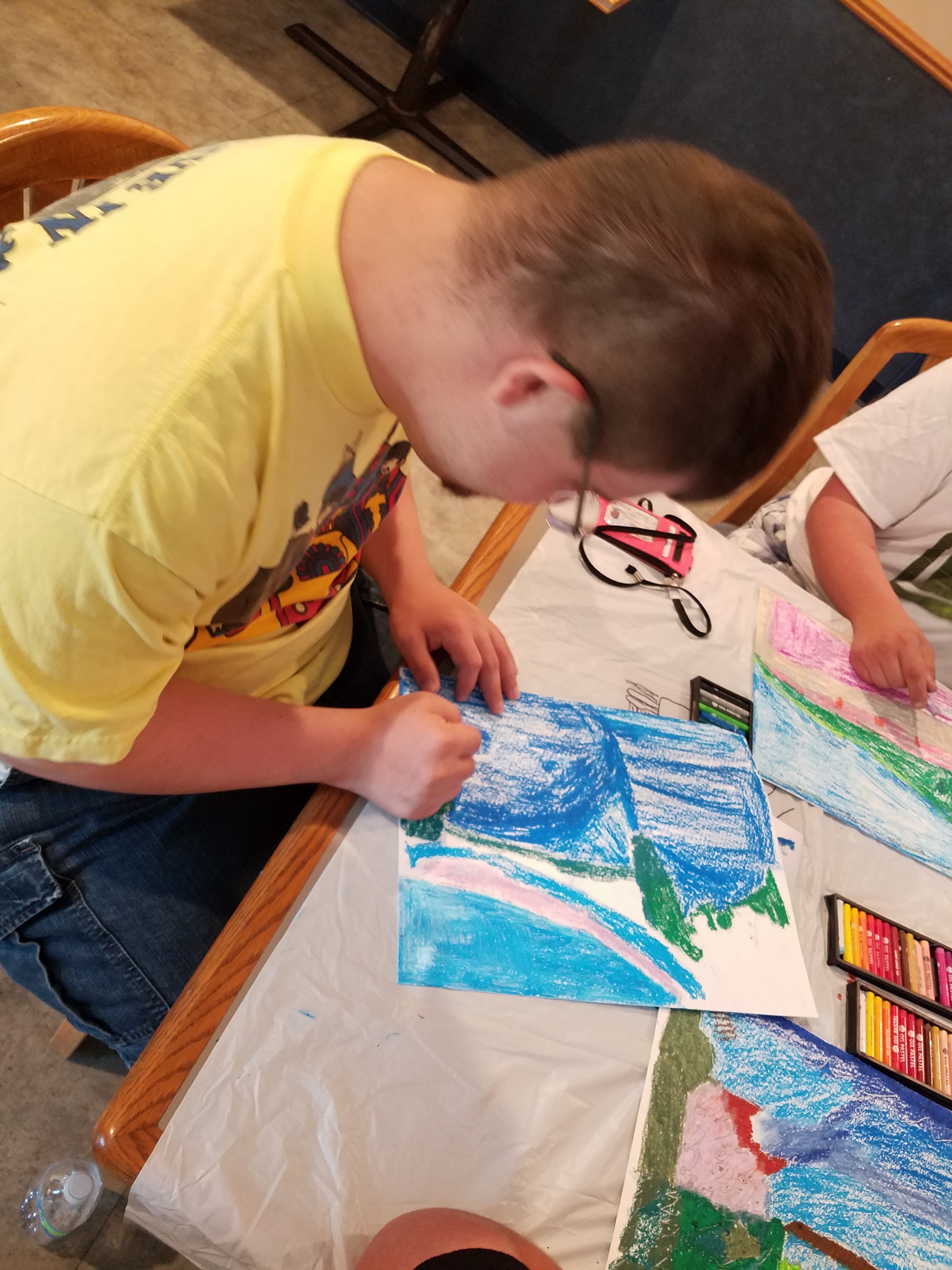
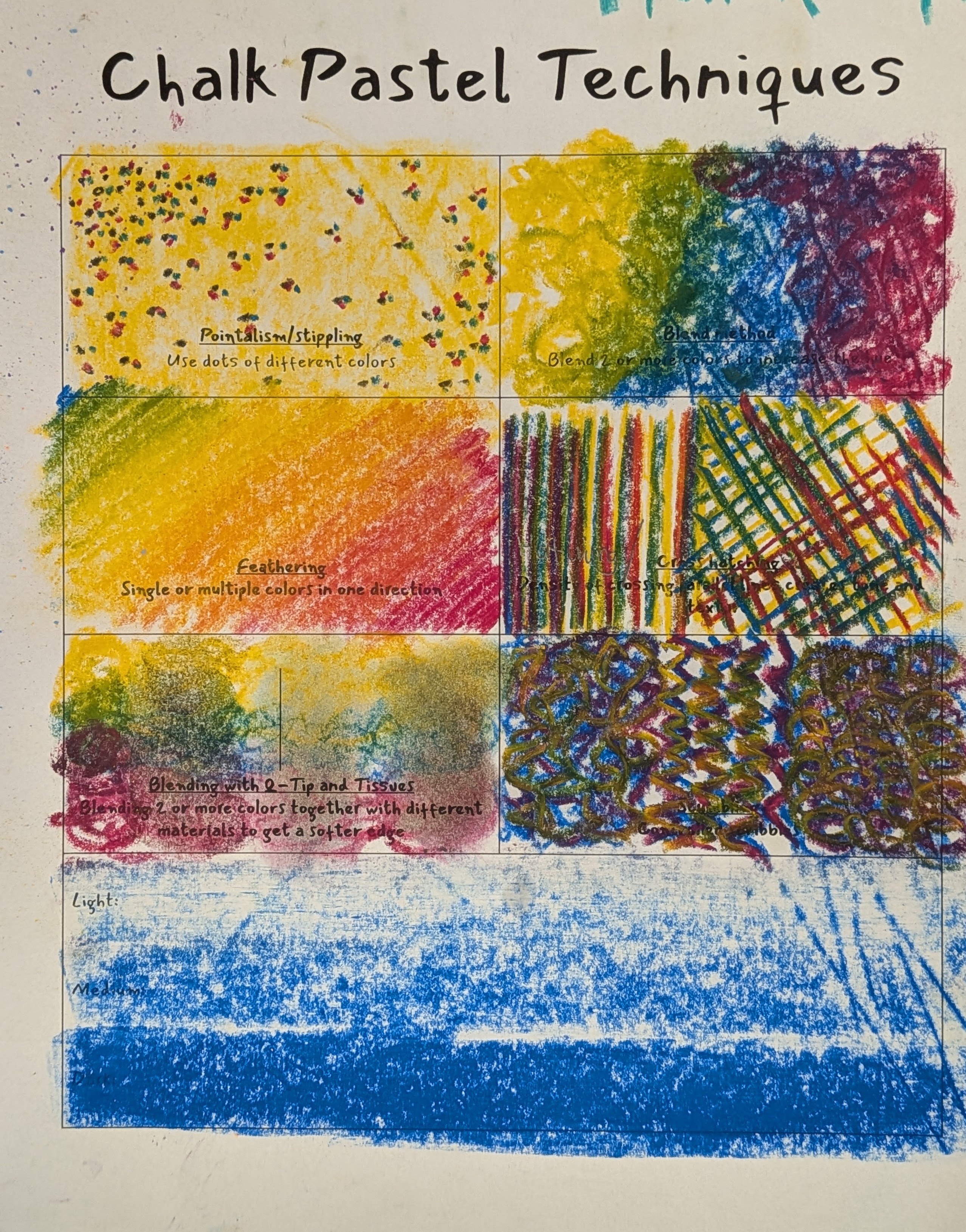
What can you do with SOFT PASTELS? We are going to be working on landscapes or floral drawings and then we are going to make MONO PRINTS and GHOST PRINTS from them – assuming it all works for us. This was new to us last year and the CRAYONS did not work out (cheap and not as good as the ones I have used int he past) so we are switching to SOFT PASTELS – MUCH BETTER! We will also take a look at Wolf Kahn’s pastel works! He was a contemporary artist who did landscapes in soft pastels – the colors are great!

Soft Pastel Assignment is HERE.

And from the first 6 weeks – my final image of BIRK:

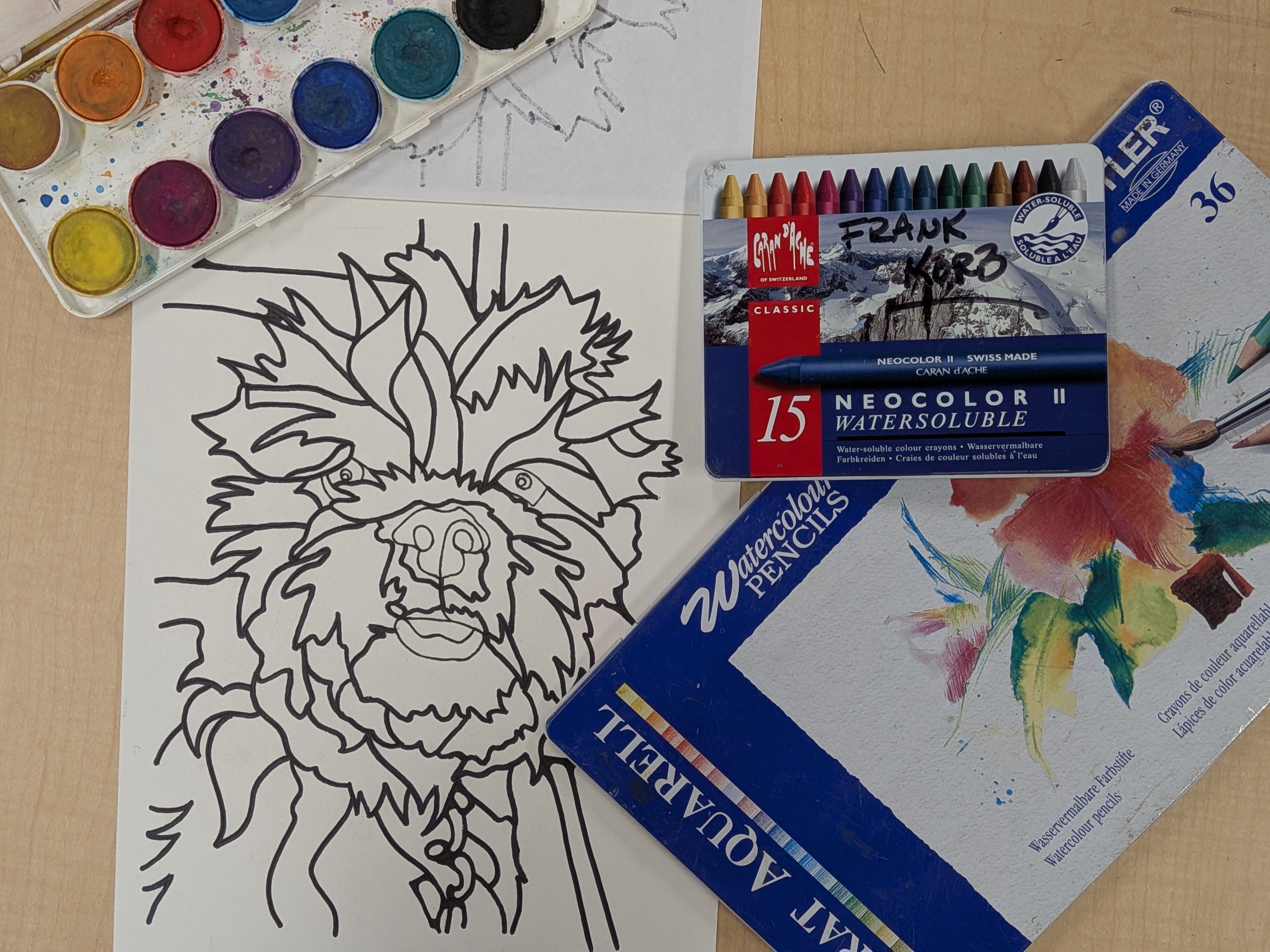
What do you look like? How do you see yourself? What are your favorite colors? What is a line exactly? Are all lines the same? What about watercolors? Is it as simple as putting water in the tray and taking the color out? Are there more things that can be done with the paints? YOU BET! We are also using Colored Pencils and crayons – all Water-Soluble.

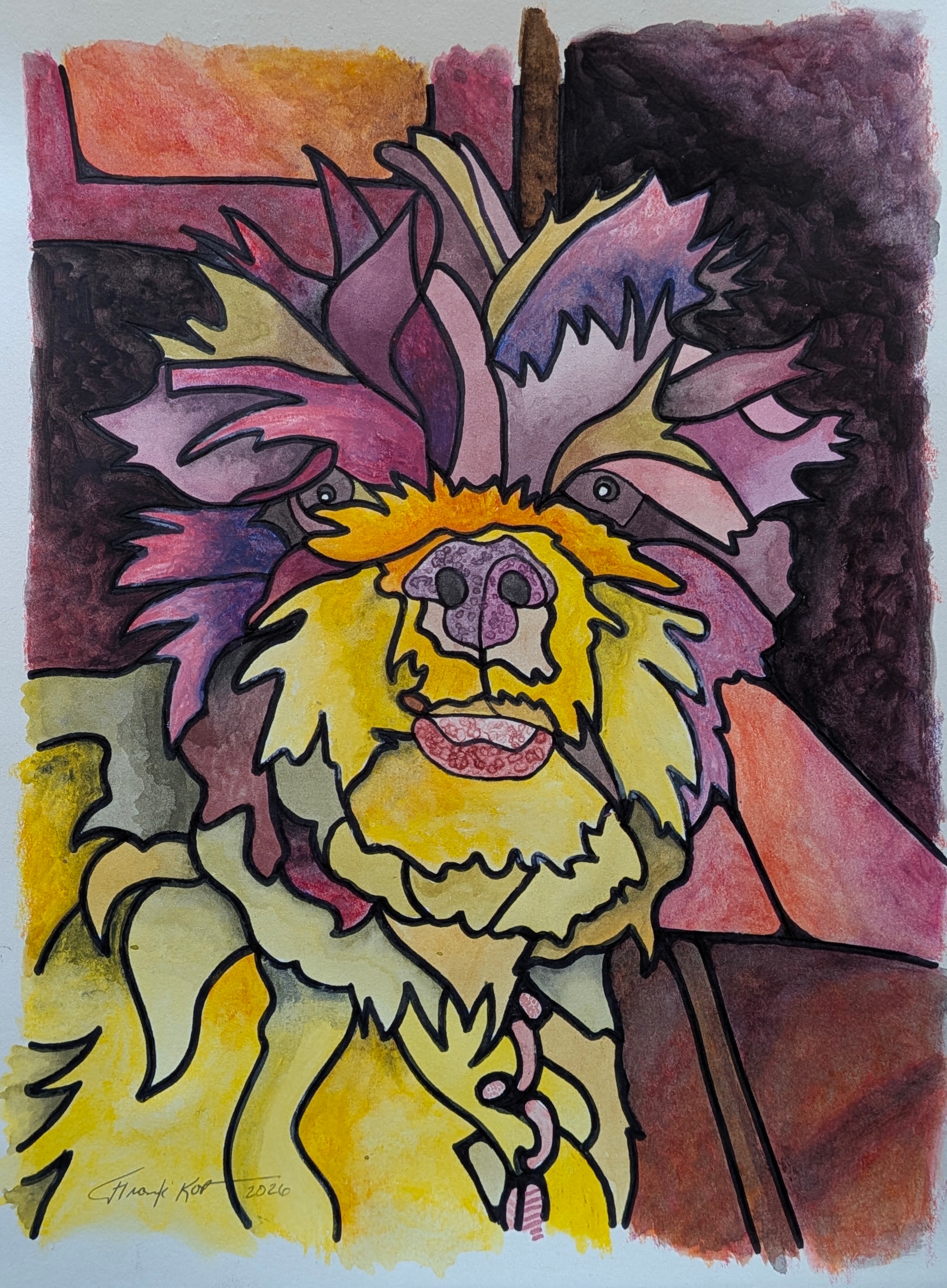
This artwork is going to help you explore ALL of those ideas AND it is going to give you the option of making your final artwork be as bright and colorful as you are! Below is my final work of art from last year and BIRK has never looked more colorful!

This portrait is using the watercolors and Caran-Dache crayons in the face and body and then the Stadtler Pencils in the background. HERE is a link to the midway rubric that the kids can work through all while they are working on the artwork.

Here is the Neurographic Assignment.

AGAIN – HERE is a link to the midway rubric that the kids can work through all while they are working on the artwork.


Here are the 8th Grade Sculpture semester Lesson Plans for you to see what our day will look like.

We are moving from making photographs to the digital lab this week and exploring iMovie to begin the film making. This is a LOT to work on and the 8th graders are absolutely up to the challenge. STAY TUNED!

Stop Motion Film Making has been around for a long time. Collaboration has too. We are going to be taking some time to work on this assignment and we are going to also work through some new challenges that are going to be really open to you as you make decisions in how you plan it out. What MIGHT your ideas be? How are you going to work on the ideas together? This might be challenging in how you choose your groups and the stories and the set design and the approach and ALL SORTS of other ideas.

HERE is the Claymation Assignment!

Week 5: Hands and minds are hard at work in the Art Studio

Hello – Welcome back to the classroom space. It has been a rewarding year so far with only technology getting in the way of greatness. We’ve gotten a grant from Wal*Mart for a flat screen smart TV to share the works (more-so the digital work that can’t be hung up) with everyone and it has found a small glitch in that the wi-fi isn’t staying connected all the time.

We are working around that problem this week. The top of a cabinet was pulled off to make it easier for the wi-fi to pass through but that didn’t seem to do it. We are still working through some issues.

The rest of the classes have been great and are making wonderful works. I need to make more photos of the hands at work so… that’s a goal for this week! How are things going in YOUR classroom studio space?

We are going to leave the posts below as they are (for the most part) and we will update more as the projects develop along. Thanks.

Here are all of our Studio EXPECTATION


Here are the 6th-grade semester Lesson Plans to show you what our day will look like.

One point perspective is used and seen everywhere you find a single vanishing point with all diagonal lines receding to that point. Below is my example from last year. WE are going to work collaboratively with our other art teacher in the 6th grade classes to learn how to draw using this renaissance invented technique.

This is not one of my kids works but this is the direction we are going – or looking up. One point perspective is a great use of a lot of the art vocabulary – this is another goal this year. VOCABULARY!

Here is the assignment for One Point Perspective


Here are the 7th-grade semester Lesson Plans to show you what our day will look like.

What do you look like? How do you see yourself? What are your favorite colors? What is a line exactly? Are all lines the same? What about watercolors? Is it as simple as putting water in the tray and taking the color out? Are there more things that can be done with the paints? YOU BET!

This artwork is going to help you explore ALL of those ideas AND it is going to give you the option of making your final artwork be as bright and colorful as you are! Below is my final work of art from last year and BIRK has never looked more colorful!

This portrait is using the watercolors and Caran-Dache crayons in the face and body and then the Stadtler Pencils in the background. HERE is a link to the midway rubric that the kids can work through all while they are working on the artwork.

Here is the Neurographic Assignment.

AGAIN – HERE is a link to the midway rubric that the kids can work through all while they are working on the artwork.


Here are the 8th Grade Sculpture semester Lesson Plans for you to see what our day will look like.

Kids hands at work are a real example of what working through challenges and then onto actual collaboration looks like. I sent home 4 postcards that day to express how happy my heart felt.

We are moving from making photographs to the digital lab this week and exploring iMovie to begin the film making. This is a LOT to work on and the 8th graders are absolutely up to the challenge. STAY TUNED!

Stop Motion Film Making has been around for a long time. Collaboration has too. We are going to be taking some time to work on this assignment and we are going to also work through some new challenges that are going to be really open to you as you make decisions in how you plan it out. What MIGHT your ideas be? How are you going to work on the ideas together? This might be challenging in how you choose your groups and the stories and the set design and the approach and ALL SORTS of other ideas.

HERE is the Claymation Assignment!

#Welcome Back #Mr.Korb! We REALLY Missed You (Really?)

#13 Each generation gets to reinvent art in its own image. Because art is an act of description, it is inevitable that what it describes will reflect every generationโ€™s bias of the moment. It is not a strict reflection of a time but an interpretation rendered in a language that is always in a state of transformation. Kit White 101 Things I Learned in Art School

PAGE 16 in HANDBOOK

As we end the quarter – please look at the skills and ideas you have developed (or may have already had) over these 8 weeks. Pretty impressive? I think so. One of the most common requests I get is to โ€œlet us do our OWN thing.โ€ Well… talk about that with your neighbors – What is ONE ARTWORK that you would like to pursue – Anything you want – the sky’s the limit!

Studio Art 360: A bit of still life and a bit of reflection.

As you examine this work of art, what are the larger SKILLS you have developed in the process?

image
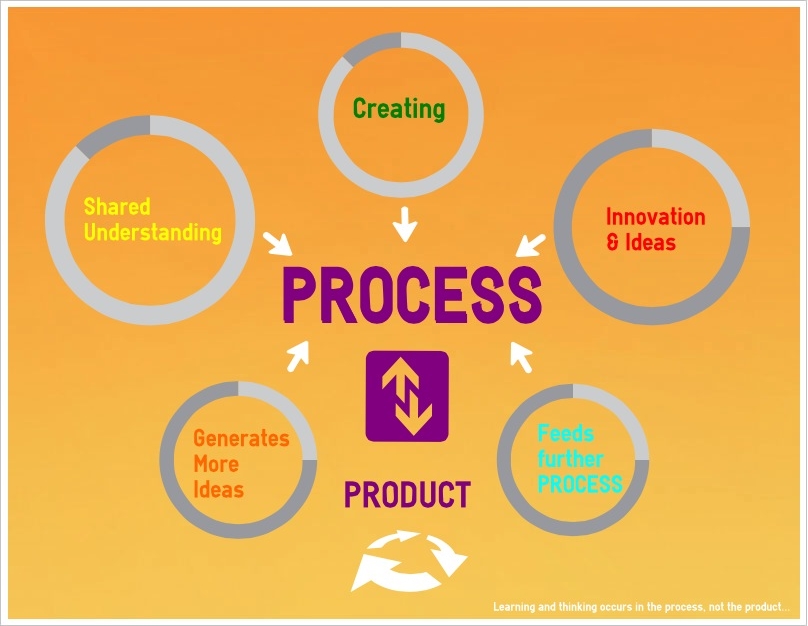
Process Over Product – This is a CHALLENGING concept: https://s3.amazonaws.com/easel.ly/all_easels/45467/Process_over_Product/image.jpg

As artists, we are in it for the process of MAKING ART, not necessarily worrying about the finished product. How do you feel about the idea of ย PROCESS versus PRODUCT?ย 

PAINTING: Watercolor CRITIQUE

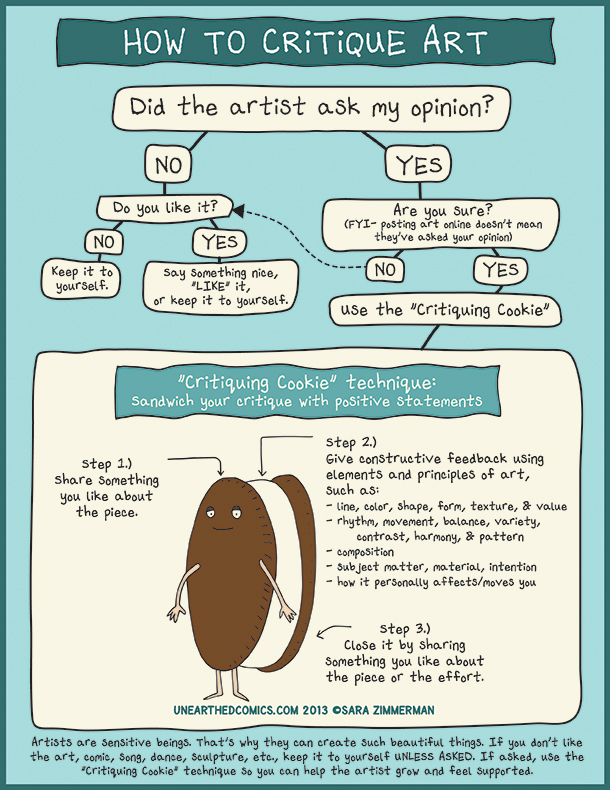
Critique with the AP Studio Art Class – As an individual, what do you think you are going to struggle with the most in todayโ€™s (and tomorrow – and maybe Wednesdayโ€™s) Critique.

-Unearthed-BLANK-1310-1

What one thing did you add to the critique that nobody else did?ย 


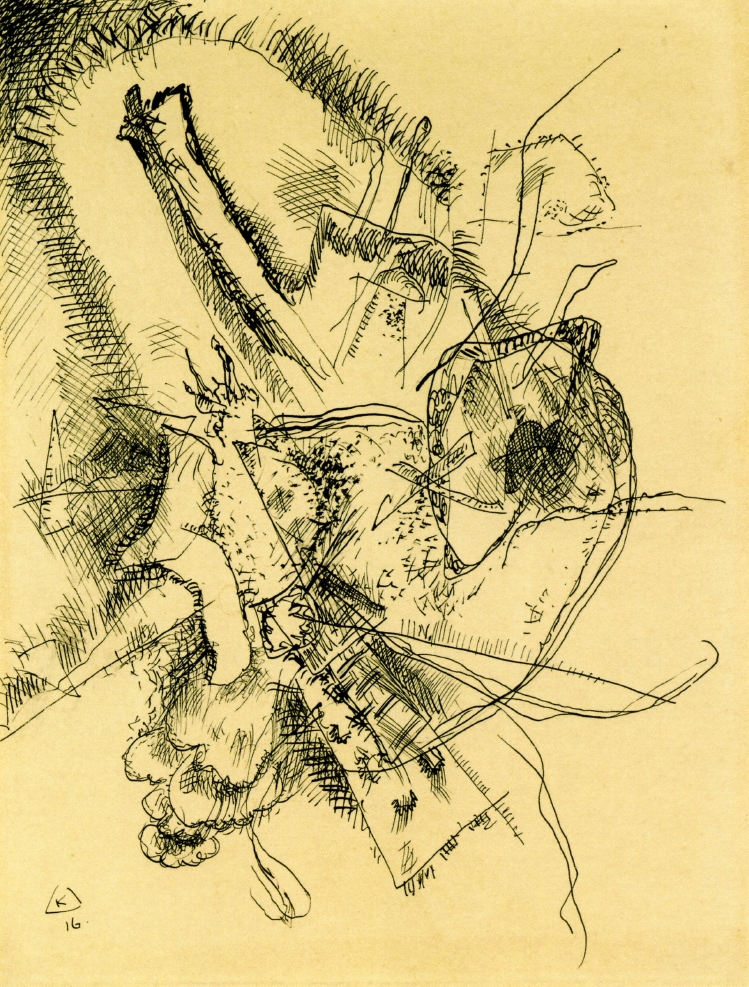
DRAWING: Kandinsky and Color Theory

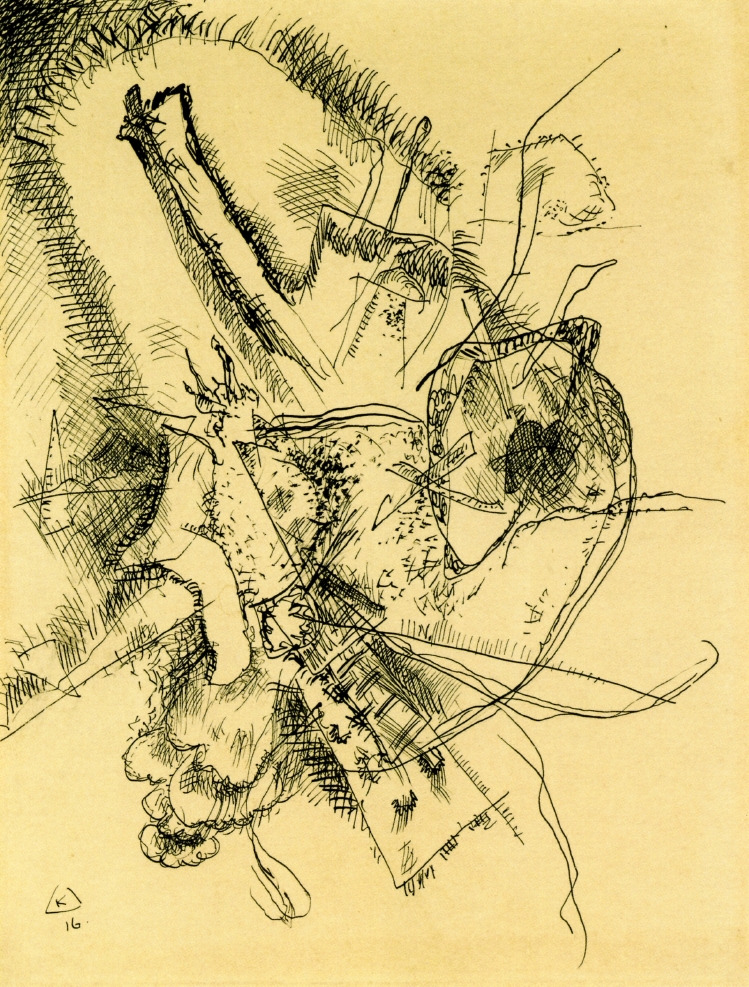
How are you using geometric shapes in your life? How do you relate meaning to them? What are some shapes that are dominant in your life?

drawing-for-etching-ii-1916
Wassily Kandinsky, Drawing for Etching II. 1916, https://uploads6.wikiart.org/images/wassily-kandinsky/drawing-for-etching-ii-1916.jpg

What NEW ideas might you have had about COLOR and Shape in the art you were creating?


AP Studio Art: Rubrics – 3 of them…

AP Judging Criteria is difficult. how didย the conversation go? I’ve included a link HERE to access the blank rubric. Did you, as aย group, work with it collaboratively? 3 versions? 2D Design, 3D Design, and Drawing. HERE is the link to the RUBRIC.

Beginning on the FIRST set of 3 works… What is the CENTRAL IDEA behind your concentration? Remember that you need to have a common thread / common theme / CENTRAL IDEA that ties your works together. Work on THISย with me – let’s explore our ideas!

1386711762-cbd8b
Michael Berryhill – Contemporary Artist WEBSITE

What did your conversation with your classmates help you do, help you explain / understand as you move your work forward?

ASSIGNMENT PART 1: 3 concentration works. DUE NOVEMBER 7.

Assignment Part 2: 200 Images – All On You Own.ย Due on NOVEMBER 6, 2016 at 11:59PM. You need to use the school based Google Drive: LINK HERE

How about you and your #community ? Are you a part of it?

โ€œA dream only becomes overrated when not pursued by the dreamer.โ€

โ€• Courtney Hickman

Art Foundations: Collage! Social Commentary – BULLYING!

WORKSHEETย andย Romare Bearden Foundation

Collage – Keep it clean and organized – PLAN IT OUT! http://graphics8.nytimes.com/images/2012/07/29/nyregion/29ARTSNJ2_SPAN/29ARTSNJ2_SPAN-articleLarge.jpg

Goals

  1. 1.3 communicate your thoughts on social topics of Bullying clearly – What is your MAIN IDEA? Write THAT down…
  2. 4.3 compare relationships in BULLYING COLLAGEย in terms of your culture. How are you creating a work that speaks to the topic of BULLYING in YOUR CULTURE – Let’s take a moment and REALLY Share!
  3. DUE ON TUESDAY of NEXT WEEK!

WHY is BULLYING anย important topic BESIDES Mr. Korb said we were doing this? What are you doing to EMPHASIZE and MAKE CLEAR the topic you have chosen? How is the imagery you are working on representing the work you are creating.

Drawing: Neighborhoods and OBSERVATION

Emil Kosa, Jr., Los Angeles (1933), graphite on paper, 12 x 15โ€ณ. Private collection. How are you planning on working?

Goals

  1. 5.1 identify the rationale behind making art. What are YOU saying about YOUR Community? Share these ideas with your classmates.

What advancements have you made in the work so far? The compositions and ideas behind the design? What are you doing to advance the project and make it work visually? What have you learned from TWO DAYS of drawing outside and how can you put that into the project next week?

AP Studio Art: Collaboration and WORK!

collaborative Work on MURAL Scale! http://www.handprintpress.com/wp-content/uploads/2010/12/mckinley1.jpg

Goals

  1. 1.2 create art that demonstrates an understanding of how your ideas relate to theย 1.2.1 materials,ย 1.2.2 techniques,ย 1.2.3 and processes you use through COLLABORATION – NOW we are rolling!

What has been the largest contribution that you have made to the work here? What are you going to be adding next week?

#Research and Art – Making art with a message

โ€œA dream only becomes overrated when not pursued by the dreamer.โ€

โ€• Courtney Hickman

Art Foundations: Collage and Research – Bullying – Deeper Thinking

What does Bullying mean to you? http://balancedlifeskills.com/wp-content/uploads/2011/08/bully-wordie1-1024×740.jpg

WORKSHEET HERE

WEBPAGEย HERE

GOALS:

  1. Research and Information Fluency – Students apply digital tools to gather, evaluate, and use information about the ideas and definitions, and examples of Bullying
  2. 2.6 Work on creating multiple solutions to solve visual challenges about bullying.

How are you using the idea of BULLYING In your artwork? What direction are you going with it? Share these ideas on paper and with your neighbor

Drawing: Working on American Regionalism – Who and Why are you interested? PROJECT INFORMATION

What do you see when you see your community? What do you ADD to your’s? What does it add to you? http://www.artcyclopedia.com/images/Curry.jpg

GOALS:

  1. Research and Information Fluency – Students apply digital tools to gather, evaluate, and use information about COMMUNITY and the artists. – What did the artists say about their community as they created their works? What can you do?

What did Thomas Hart Benton and Other Regionalists teach you about society, community, and Composition? How did they reflect their communities?

AP Studio Art: What is COLLABORATION and why are you struggling?

What is COLLABORATION and why are you struggling with it?

GOALS:

  1. 2.3 create artworks that solve visual challenges.

  2. WRITE THIS OUT (those of you who are REFUSING to participate in the REFLECTIVE part of this class) What are you struggling with as the ideas of the collaboration are you having? Why? WRITE IT OUT!

After having THOUGHT about the idea of collaboration, what do you hope to CONTRIBUTE and TAKE AWAY from this process?

The Weather is There, I wish I were… beautiful…

โ€œTalent may get someone off the starting blocks faster, but without a sense of direction or a goal to strive for, it wonโ€™t count for much.โ€
โ€“ David Bayles and Ted Orland
,ย Art and Fear:ย Observations On the Perils (and Rewards) of Artmaking

Welcome to KorbArtWuhs.WordPress.com… take a walk around, stretch your legs, get a feel for the landscape. Here is where I begin and end all of my classes, while also providing a resource for my students, their parents, as well as teachers and students around the world.

GOAL! Goal… goal… goal… GOOOOOOOOAAAAAAAALLLLLLL! Now… what goals do you have in your mind for the day? Me… stay warm… it is -60 degrees out there today. http://cache2.allpostersimages.com/p/LRG/38/3841/HPJYF00Z/posters/soccer-player-scoring-a-goal.jpg

GOALS:

  1. Know about how one teacher uses daily goal setting and interaction in the classroom.
  2. Know about the use of a website as a communication tool both inside and outside of the classroom.
  3. Know about how using a students prior knowledge can help set the stage for better understanding of the topic at hand.

(Originally Posted: June 26, 2013) Technology in the classroom was my big presentation at this years InterActiv Learning Conference 2013 in Whitewater, WI. My largest concern with the use of todayโ€™s technology is the misuse of it. Having had an opportunity to listen to a new Freshman in High School (not mineโ€ฆ well, my kid, but not my district) discuss the use (or in some conversations that stand out โ€“ misuse) of important resources such as YouTube and Google it struck me that the conversation of how we use technology in the classroom as a learning TOOL and not as โ€œbells and whistlesโ€ to entertain or simply to โ€œconnectโ€ with the kids was important.

Technology and Interaction in the Classroom (link to my Google Presentation isย HERE) was the presentation I had at the conference and I really wish I had heard Michael Weschโ€™s 201o Presentation at the University of Denver prior to my presentation. The good news (maybe for me) is that I am working in the direction he speaks about in his lecture (link to his presentation isย HERE). To keep this brief (and give you a chance to watch his presentation) I feel the most important part of his lecture was to emphasize that the INFORMATION out there is NOT SCARCE and the student of today has all the access to it, in their pocket! The important thing to keep in mind, and this is a brain shift for all in education (kids, parents, teachers, administrators, school board membersโ€ฆ everyone), is that the teachers need to help the kids learn HOW to use the technology to be self directed learners. The kids sure know how to entertain themselves with the internetโ€ฆ but strong learners of Web 2.0 tools they are not.

How can we, as teachers, use the tools that are out there to help the kids LEARN how to LEARN? How do we demonstrate the tricks of the trade, the skills that are essential in the process of learning so that the students we have the privileged to work with, can become more independent learners? One of the tricks of using the technology (information really) that is out there is to make sure we are teaching them how to CONNECT to it and not to simply learn it all for the test. This also ties into the thoughts of Noah Chomsky (HEREย for a YouTube video Presented at the Learning Without Frontiers Conference โ€“ Jan 25th 2012- London) that the TEST is not a very good demonstration of the knowledge the kids have. Yes, maybe for the day and a few weeks later, but then โ€“ POOF โ€“ that is gone. How can we, as concerned educators and leaders, help the learners make sure that the information we provide them with connects to the world they are living in? The tools are there, and they will be using them for as long as they live. How can we connect the tools, the information that is available, and the techniques to gather, toss aside, sort, filter, and use that information is through demonstration by example, teaching and reteaching, and reviewing the importance of being aware of how the tools and information is to be used.

Kids Say theย Darnedestย Things

Knowing that sketchbooks and goals will ALWAYS be part of the courses, what is one suggestion that you have to offer for future classes? What are some suggestions you may have to help the class become even stronger or more fulfilling than it already is? These require explanation please.

  • โ€œMake the goals so that everyone does them and doesnโ€™t slack. It helps my brain learn from the beginning of class and I know it will help others.โ€
  • โ€œTo take the goals and understand them not just write them down.โ€
  • โ€œThe goals were kind of hard to understand when looking back at them. Itโ€™s easy to understand when you explain. but the way they are written down is tricky to look back at.โ€

Technology in the Classroom

I apologize for missing the Thursday morning post. It is funny how the days are different when the daily planning for classes has been set a side and the larger picture of learning comes back into focus for me. I am not sure if anyone else in any other industry (if one can think of education as an industry) has experienced that… anyway.

~~~

As a BEFORE – I share today’s work in my studio with you. I THINK I have a show coming up in July… I’ll keep you posted, and it was good to get back to work.

"Untitled" as of yet. I have been neglecting my work for some time... good to be back at it.
“Untitled” as of yet. I have been neglecting my work for some time… good to be back at it.

~~~

Technology in the classroom was my big presentation at last weeks InterActiv Learning Conference 2013 in Whitewater, WI. My largest concern with the use of today’s technology is the misuse of it. Having had an opportunity to listen to a new Freshman in High School (not mine… well, my kid, but not my district) discuss the use (or in some conversations that stand out – misuse) of important resources such as YouTube and Google it struck me that the conversation of how we use technology in the classroom as a learning TOOL and not as “bells and whistles” to entertain or simply to “connect” with the kids was important.

Technology and Interaction in the Classroom (link to my Google Presentation is HERE) was the presentation I had at the conference and I really wish I had heard Michael Wesch’s 201o Presentation at the University of Denver prior to my presentation. The good news (maybe for me) is that I am working in the direction he speaks about in his lecture (link to his presentation is HERE). To keep this brief (and give you a chance to watch his presentation) I feel the most important part of his lecture was to emphasize that the INFORMATION out there is NOT SCARCE and the student of today has all the access to it, in their pocket! The important thing to keep in mind, and this is a brain shift for all in education (kids, parents, teachers, administrators, school board members… everyone), is that the teachers need to help the kids learn HOW to use the technology to be self directed learners. The kids sure know how to entertain themselves with the internet… but strong learners of Web 2.0 tools they are not.

How can we, as teachers, use the tools that are out there to help the kids LEARN how to LEARN? How do we demonstrate the tricks of the trace, the skills that are essential in the process of learning so that the students we have the privileged to work with, can become more independent learners? One of the tricks of using the technology (information really) that is out there is to make sure we are teaching them how to CONNECT to it and not to simply learn it all for the test. This also ties into the thoughts of Noah Chomsky (HERE for a YouTube video Presented at the Learning Without Frontiers Conference – Jan 25th 2012- London) that the TEST is not a very good demonstration of the knowledge the kids have. Yes, maybe for the day and a few weeks later, but then – POOF – that is gone. How can we, as concerned educators and leaders, help the learners make sure that the information we provide them with connects to the world they are living in? The tools are there, and they will be using them for as long as they live. How can we connect the tools, the information that is available, and the techniques to gather, toss aside, sort, filter, and use that information is through demonstration by example, teaching and reteaching, and reviewing the importance of being aware of how the tools and information is to be used.

– Frank

Inspiration for NEXT school’s year. Are you thinking that far in down the road?

From the Daily Inspirational Blogย Goal Achievement Quote โ€“ June 24,ย 2013
by Paul Mark Sutherland
ย โ€œI do not think that there is any other quality so essential to success of any kind as the quality of perseverance. It overcomes almost everything, even nature.โ€
โ€”John D. Rockefeller
~~~

Braun, Austin Schroeder, pencil and ink, 17.5" by 23.25", 2013.
What inspires you? Ryan Braun has done a number on countless baseball fans… even with the challenges of alleged doping. Braun, Austin Schroeder, pencil and ink, 17.5″ by 23.25″, 2013.

~~~

One of my colleagues, a great leader in the building and inspiration to our 1100ish students,ย asked about the lengthy notes I had taken during the 2012 – 13 school year about the 2nd Edition ofย Classroom Instruction That Works – (An ASCD Publication [Link HERE for the ASCD Website]) by Dean, Hebbell, Pitler, and Stone. I now have the notes available to you… ย but I suggest getting a hold of the book as well. The Google Document is set up so that ANYONE who can access it (you bu clicking on the book) can read it and MAKE COMMENTS ย – GO FOR IT! (Thanks Russel.)

111001b
Click on the Book Cover to go to my not quite complete (still haven’t finished writing about Chapter 10) notes.

While this book was a great read – and is an essential reminder for all of those who already feel like I do things such as, but in no order of importance: Feedback, Recognition, Co-operative Learning, Non-Linguistic Representations… among other technique and strategies. It is one thing to DO them, daily, but it is an altogether different thing when you are AWARE of the strategies you are using and doing them with the purpose of moving Student Centered Learning FORWARD.

~~~

Another GREAT Video bit of Inspiration I recently got was the YouTube clip (26 minutes, so get a cup of coffee and a set of headphones) was by Anthony Salcito on The New Classroom Experienceย (my notes HERE – please add your comments).

There are a lot of GREAT thoughts in this lecture and I have been moved to look at the Look of MY Classroom. I feel that the activities ARE the most important aspect of the classroom, not the look of the classroom, and that is why I am REALLY emphasizing the use of technology to create environments for COLLABORATION and also how the ARTWORK the kids are learnign about and producing is essential to how they solve problems as well as the necessity of them failing (not necessarily with an F, but rather just not producing exactly what they thought it was “suppose” to look like), reflect on their failures, move forward from their failures, and continue to fail until they succeed – in WHATEVER WAY THEY SUCCEED!

~~~

LASTLY – Some thoughts and comments from the kids from 2012 – 13 as the school year wrapped up. The question that was posed was:ย What was the single greatest accomplishment for you over the past semester?

  1. I learned to focus on visual unity and the elements of art to create pieces of art with ideas and processes being executed well.
  2. I learned to take time while drawing and give effort towards art. I’m proud that I can now be a better drawer.
  3. I expanded my mind. I really didn’t like art at all. When I had to take it in 7th grade I said I was never going to take it again. But this semester I took it and some parts were pretty fun with this class.
  4. Learning how to use dimension, proportion, shading, and drawing in general.
  5. I became comfortable with new mediums.

I pose the question to you…

InterActive 2013 Learning Conference Ends… Workshop begins.

My webpage has been ranked on Teach 100… Thanks for the badge! Let’s work to move the rating up the list!

~~~

A HUGE word of thanks to all those who attended my sessions over the past two days at InterActive Learning Conference at UW-Whitewater. The sessions I had were well attended and had a lot of great feedback. Links to ALL of my sessions are available to the RIGHT of this post under PAGES: IntertActiv 2013.

Thanks to Scott Christensen and the entire InterActive Learning Team, all the vendors, the presenters, and UW-Whitewater’s Tech crew for a fantastic couple of days.

This slideshow requires JavaScript.

Comments from Survey: Thanks All!

  • Enjoyed your energy. All your communication with parents. I need to get my staff to do that more. I will share all your tools.
  • Putting goals out there for my students. Right now, they just have to guess… and most of them don’t try, oddly ๐Ÿ™‚
  • I’ve enjoyed it a lot. Learned a lot. It’s been great to have some time to work and experiment with WordPress.
  • I liked that it setting up a blog is easy and free.

And Even…

  • I think you over-explained and I grew bored.
  • It seemed sort of self-promotional.

I appreciate ALL the comments. I enjoyed working with each group and learning form other experts in their own fields. Criticism in essential in the learning process and I appreciate all the work and reflections from everyone. Your thoughts about my sessions… HERE.

InterActiv 2013 – Day 2 – Technology in the Classroom!

Technology and Communication in the 21st Century Classroom: SURVEY โ€“ HELP me (and your contemporaries) with your thoughts!ย Survey isย HERE.

~~~

~~~

Please FOLLOW myย GOALS PAGEย by entering your e-mail address (see the right of the screen) to get daily updates, ideas, and inspirations. Share, Retweet, Facebook meโ€ฆ however you can share meโ€ฆ

~~~

Self-Portraits and Reflection on oneself... charcoal on paper.
Self-Portraits and Reflection on oneself… charcoal on paper. What do you think about when you reflect on the lessons you teach? The ideas the kids walk away with? Reflection is essential to the process of learning – them and us.

~~~

Goals:

  • Walk away with a new set of tools, skills, and connections to help your students (and yourself) become stronger and more self-aware / driven learners (and teachers).
  • Share the ideas and skills about technology that you are great at and help others become more knowledgeable in technology.

~~~

Myย 3 sessions at theย InterActiv 2013 Technology Conferenceย are listed below. The links to the Google Presentations are below also. I amย ALWAYSย looking for your feedback.

What are your thoughts about my sessions? What are things you enjoyed or learned from? What would you have liked to have learned more about? While this survey is โ€œmostlyโ€ about my sessionsโ€ฆ I am happy to share your responses about anything that you feel needs addressing. Thanks. Survey isย HERE.

~~~

Kids will say the Darndest Things…

Knowing that sketchbooks and goals will ALWAYS be part of the courses, what is one suggestion that you have to offer for future classes? What are some suggestions you may have to help the class become even stronger or more fulfilling than it already is? These require explanation please.

  • “Make the goals so that everyone does them and doesn’t slack. It helps my brain learn from the beginning of class and I know it will help others.”
  • “To take the goals and understand them not just write them down.”
  • “The goals were kind of hard to understand when looking back at them. It’s easy to understand when you explain. but the way they are written down is tricky to look back at.”