April 27, 2013 – Saturday – NVAS: Standard 2

Visual Art GOALS and OBJECTIVES

National Visual Arts Standards – Standard 2
Using knowledge of PRINCIPLES and FUNCTIONS

Frank Korb

As I have said in previous posts, there are 6 OVERARCHING GOALS that my  students work toward and focus on EVERY DAY during the year in all of my art classes. These standards are modified, but not “dumbed down,” from the National Standards for the Visual Arts so that they make more sense to the students and parents who are working with them through their art making and other art experiences.

AS I use GOALS in my classroom (in any classroom for that matter) the essential part of the process of the goal is that it fires up and activates the neurons in the brain and gets the artist (student, teacher, whomever) focused on the work that will be undertaken. This OPENS THE FOLDER to learning.

This is the second in the series that we will look at and “unpack” so the standards (or GOALS at this point) are known about (declarative knowledge). It is important to note that, when the goals are given to the students, they are restructured (a smidgen) so that they are meaningful and pertinent to the day’s activity. Notice, they are not agenda items but rather bigger thinking topics.

The National Standards for the Visual Arts are now GOALS that are clear, measurable, observable, and understandable to the students, parents, and community. The use of goals is to keep the mind open to the idea of learning and focused on the act of learning, By combining both declarative (mind) and procedural (application) knowledge the intentionality is focused on the combination of art theory and art making as well as the investigating the close relationship between the two.

~~~

Standard #2: Using knowledge of PRINCIPLES and FUNCTIONS

As an art student you will demonstrate the ability to:

  • 2.1 form criticism about artworks that work to accomplish
    •      2.1.1    commercial
    •      2.1.2    personal
    •      2.1.3    communal
    •      2.1.4    or other meanings

Critiquing is an essential part of the reflection process as we make our art and work towards the development of the skills we need to make successful art. The use of the critique allows artists to be self-reflective while also being able to be critical (constructively hopefully) to their fellow artists (in the classroom, around the coffee shop table, via the internet and collaborative discussions.

  • 2.2 evaluate the effectiveness of artworks

What is working and what is not. The thought about the use of materials, communication of messages, asking deeper questions about the successful and unsuccessful aspects – with deliberate and specific parts of the work in mind.

  • 2.3 create artworks that solve visual challenges

By the simple act of making marks, the challenges and struggles that MAKING art can allow for solutions to be dealt with.

  • 2.4 compare different points of view regarding composition and meaning in artwork

This is great to hear when one has a group of kids / artists. Getting more feedback (formative and summative) from more than one person is great. It is also a great thing for the kids to hear from their classmates and NOT JUST FROM THE TEACHER!

  • 2.5 defend personal evaluations

Being able to justify and stand behind the works through the use of ART VOCABULARY is a great way to help the artist learn to SPEAK ABOUT THEIR ART. I have heard MANY BAD discussions and I hope that my students walk out with the skills and confidence to be public speakers who can voice their opinions and back them up with evidence.

  • 2.6 create multiple solutions to visual challenges that show understanding in relationships between composition and meaning of artwork

Here is the place that making a lot of work is key. 10 sketches, 3 drawing, 7 sculptures, 100 bowls… all in the name of becoming stronger int he solution of the challenges that are at hand. Relationships, forms, balance… you name it and all of these will be realized (and more) as more and more art is made.

~~~

Keep in mind that once you open the door, you also need to close it.  During the last couple of minutes of my classes, we take time to reflect, to GENERALIZE the relationship to the goals and the day’s work. This is the CLOSING THE FOLDER that allows the neurons to settle down and pack away the learning, the experiences, until the following day.

You can find these (and more) in my Visual Arts Handbook HERE.

Thanks –

Frank

April 22, 2103 – Monday – Follow Our BLOG! Daily Goals!

You never truly lead anybody until you learn to serve, and you never truly learn to serve until you learn there’s something so much greater than yourself.

What are your thoughts on being a leader? How can you develop your abilities?
~~~
Art Foundations: COLOR, but first… let’s look at our drawings!
Not Pink Floyd…

GOALS:

  1. 1.4 Define visual challenges of making various colors using analysis (what are the colors that we, as painters / drawers use to make all the other colors?)

What are your favorite colors? Why are you drawn to these colors? What do you think of when you encounter that color? Does it remind you of something from your past, present, or make you think to the future?

~~~

Drawing: VALUE – we are really going to  be challenged with the ideas of VALUE as we pick at the more challenging part of the face today!

You can pick your friends, and you can pick your nose, but you cannot (or your really should not) pick your friends nose. YUCK!

GOALS:

  1. 1.4 Initiate, define, and solve challenging visual arts problem of drawing the nose using skills of (1.4.1) analysis (.2) synthesis (.3) evaluation. (P).
  2. (5.1) Identify the intentions and purposes behind making art – what is the most important reason for portrait drawing for you? 

What did you struggle with? What was the most difficult aspect of the drawing of the nose? Were you able to draw more of the face to help define the nose more than just the nose itself?

~~~

AP Studio Art: This week – let’s get the portfolio worked on… Let’s get this PERFECT. Be prepared to assemble MORE than just the uploads – we will be looking at a collaborative project (with your 72 dpi images).

Old School!

GOALS:

  1. Work on creating quality (Mounting) of artworks.
  2. 3.3 Describe the creation of images and ideas and explain why they are value.

What did you accomplish today? Please list all the work you have to accomplish for the final upload of the portfolio. There are a lot of aspects to this upload – how much have you got to finish?

April 8, 2013 – Monday – WELCOME BACK!

“Employing your imagination is the first step to the fulfillment of any dream.” ― Richelle E. Goodrich

Korb’s Trip to New York… Images!

How was your Spring Break?

~~~

Art Foundations: Let’s review the use of 2 point perspective AND see Mr. Korb’s slide show from New York – some GREAT architecture!

Richard Estes – New York Scenes!

GOALS:

  1.  (1.2.2 and 3) Create 2 point perspective drawings that demonstrates an understanding of how your ideas relate to technique and process.
  2. Create 2 point perspective and Value drawing that uses COMPOSITION to solve visual challenges.
Claes Oldenberg – Soft Sculpture

What is the theme behind your city? What did you FORGET about the use of the rules of perspective? What did you HELP your neighbor remember?

~~~

Drawing: Critique – Oral Critique – the written crit. should be being worked on at this point!

What do you see? What do you like? What do you dislike? WHY?

GOALS:

  1. 3.5 Evaluate and defend the manner in which subject matter, symbols, and images are used.
  2. 2.4 compare different points of view regarding composition and meaning in artwork.

What was the success in today’s Crit? What is something  you are proud of in the work you have seen or in your own work?  and the use of the GOOGLE DRIVE?

~~~

AP Studio Art: Quick Crit. of the work you have – What is working and what is a struggle? What did you accomplish this past week? Surprise me!

This is a scored 5 from the AP Site… what is your work going to be scored at?

GOALS:

  1. 2.2 PEER-evaluate the effectiveness of artworks
  2. 3.5 Evaluate and defend the manner in which subject matter, symbols, and images are used.

What were the biggest impressions you had from the classmate’s works? What were the most difficult things you felt as you presented your work? Conversation between classmates about the 2 questions for your exam. How does this work relate to your concentration?

March 22, 2013 – Friday – HALF – DAY!

“No matter how many goals you have achieved, you must set your sights on a higher one.”

– Jessica Savitch

~~~


NPR: How to do EVERYTHING… Podcast – Donkey Kong, McMuggets, the Bloomberg, Drawing… Listen Here (Drawing starts about 1/5 of the way in).

~~~

Art Foundatrions 2D: Continue with the process of the 2 point perspective City / Neighborhood Drawings. We have begun the streets and the sidewalks, some have begin the first few buildings… Think about the 6 rules of thumb that we need to know. Discuss the use of chiaroscuro and your drawing. Finish lesson 5 – Chapter 5

Reconstruction of the Temple – Pre-Renaissance
School of Athens (Raphael) Renaissance

GOALS:

  1. 3.1 reflect on how art differs and describe how it relates to history and cultures.

Take a look at the two paintings and compare the differences in how they handled the ideas of the drawing / making of the architecture… What are 5 things that stand out to you and your neighbor that demonstrate how the Renaissance artists rediscovered the ancient understanding of linear perspective.

After many days of learning how to use the rules of Linear Perspective – what have you been able to remember? What rules stand out in your mind and what rules seem to evade you? What are the tools that you can use to practice the process? What is going to continue to hold you up?

~~~

Drawing: Figure, Paper, and Background. What are you doing that makes this work stronger than your previous still life? How have you learned to work on your work? What is something you know that you will be taking with you as you move forward in your work.

Oh boy… now we have a problem with the drawing… what are we going to do from here.

GOALS:

  1. 2.4 compare different points of view regarding composition and meaning in artwork.
  2. 2.2 evaluate the effectiveness of artworks

What are 4 differences (important differences – not just surface differences) that you and someone you are not as familiar with in this class have in the approach to your artwork. Look around the room and try to find someone who you feel is the polar opposite of your approach and then sit down with them and discuss the differences – write these down in the Journaling portion of your GOALS PAGE…

~~~

AP Studio Art: Continue working on the mounting of your artwork… prepare yourself for the uploading of additional images… continue to work on the editing of your statements for the upload. What sorts of challenges are you having about ANYTHING regarding the way this class is going / ending?

How did this artist use typography to create a recognizable portrait that has meaning and symbolism behind them?

GOALS:

  1. 2.6 create multiple solutions to visual challenges that show understanding in relationships between composition and meaning of artwork

What are you doing this weekend to PREPARE for the next 2 weeks of WORKING on THREE Concentration works? PLEASE discuss your next plans with someone you are comfortable having a REAL conversation about your art with…

March 21, 2013 – Thursday

“No matter how many goals you have achieved, you must set your sights on a higher one.” – Jessica Savitch

~~~

Art Foundations: Develop Picture Plane for Cityscape. Discuss the use of chiaroscuro and your drawing. Finish lesson 4 – Chapter 5.

Two Point Perspective Cityscape… What can you add to yours? Where is your horizon line going to be? What sort of city would you like to create? What CHANGES to the project would you be interested in bringing?

GOALS:

  1.  5.1 identify the rationale behind making art
  2. 3.1 reflect on how art differs and describe how it relates to history and cultures.

As we begin the process of creating this cityscape, what challenges do you see in front of you? Where do you see the potential for struggle? How can you overcome the difficulties that are coming your way?

~~~

Drawing: Continue with the Figure / Paper drawing.

How is this artist handling the background? How are you? what about the FIGURE / GROUND relationships?

GOALS:

  1. 1.1 apply media, techniques, and processes with 1.1.3 an awareness so that your ideas are executed well
  2. 2.3 create artworks that solve visual challenges

Consider the challenges you are facing – what are you doing with the background? How are you handling the use of value and form in the drawings? What are the changes you will need to make to the drawing to help it become more successful – pair up and take the OPPORTUNITY to talk this through.

~~~

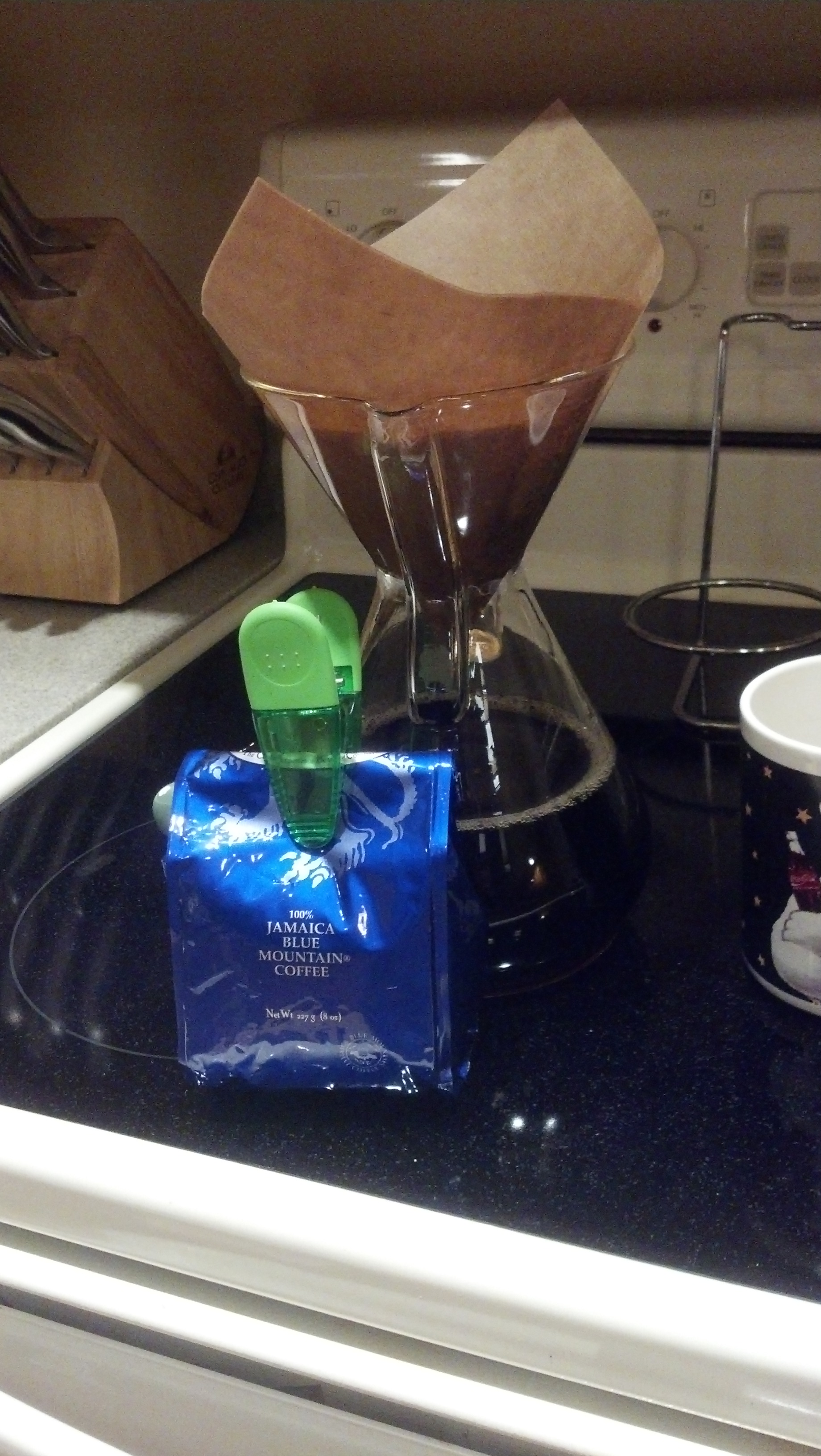
Blue Mountain Coffee - Thanks Savannah - BEST COFFEE EVER!
Blue Mountain Coffee – Thanks Savannah – BEST COFFEE EVER!

AP Studio Art: Finish up any mounting of your work that you need to. Continue on any work you may be needing to finish / clean up / complete… whatever.

What is YOUR body of work developing into?

GOALS:

  1. apply subjects, symbols, and ideas in art and use skill to solve visual challenges

What challenges do you have in front of you for the continuing your upload, photography, creation of works? Take 7 minutes and REVIEW your thoughts about the 2 questions from the AP Poster – How are you responding?

March 20, 2013 – Wednesday

“No matter how many goals you have achieved, you must set your sights on a higher one.” – Jessica Savitch

~~~

MC Escher… Where have you see this kind of artwork before? Is this use of 2 point perspective even possible?

ART FOUNDATIONS: What interests you? What is your passion? What do you do to keep yourself entertained? What do you do that you are proud of? Think of something that you can use as the basis for your cityscape.


We have learned it all… where to go from here. Take a moment and, with a partner, look at this and see if you can figure out all the different techniques we have learned and how you can draw them out.

GOALS:

  1. 1.2 create 2 point perspective cityscape that demonstrates an understanding of how your ideas relate to the 1.2.3 processes you use
  2. 6.3 use the principles and techniques of art with those from other discipline

Review with your partner / neighbor the process of drawing in 2 Point Perspective – what do you struggle with still? How did you work through the problems you had?

~~~

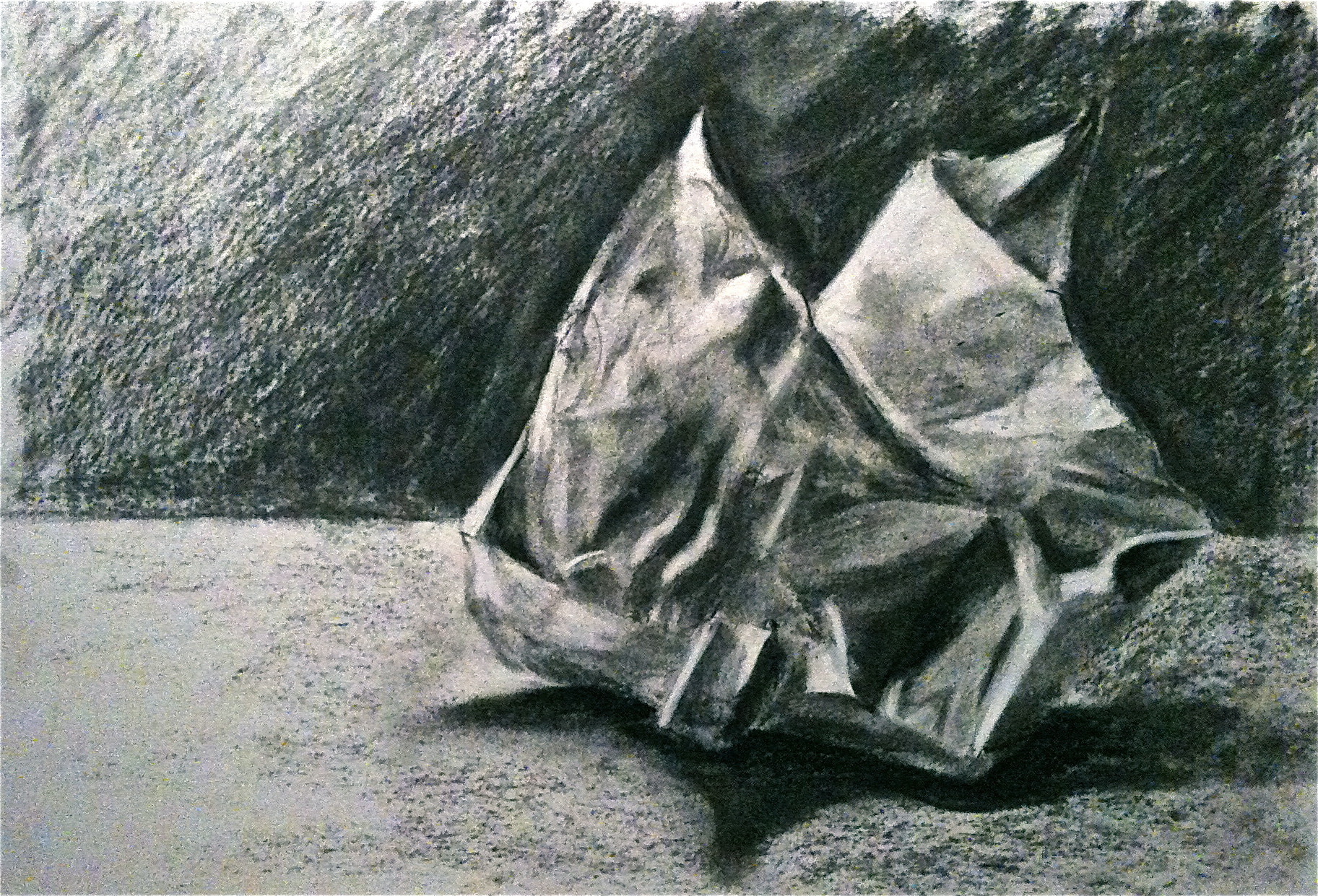
DRAWING: Figure and Wrinkled Paper Drawing. What can you use from YESTERDAY’s exercise with GESTURE and SIGHTING IN and GUIDELINES that might help you continue to refine your current drawing?

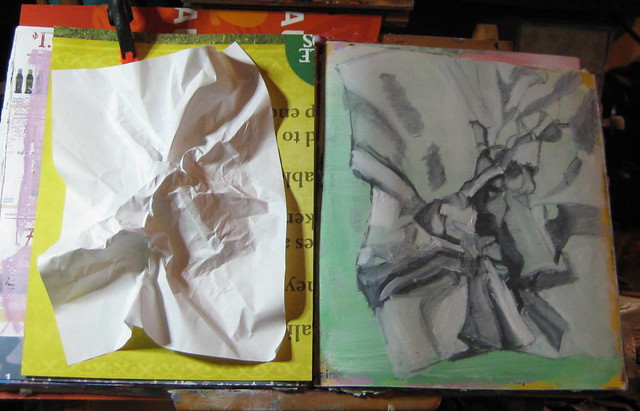
Wrinkled paper in a sketchbook? What a GREAT assignment! Notice the incredible ______________, ______________, and ______________ that help give this work it’s sense of form. (What are they? The 3 things that this artist used to create the form? First 3 people to e-mail me get 10 extra credit points in the sketchbook Character portion of the book!)

GOALS:

  1. 2.2 Evaluate the effectiveness of your artwork
  2. (1.2) Create art that demonstrates an understanding of how your ideas relate to materials, techniques and process.

How much fun was it to take a break from your work yesterday and Monday? Review my comments with your neighbor and write it down in the GOALS sheet. Write out a response to the comments as to how you might work to improve the use og guidelines and gesture drawings OR a general response to the ideas I presented to you in the past 2 days.

~~~

AP STUDIO ART: Let’s take a look at the boards from yesterday and see how you did. Get them out, set them all in a row in the front of the room – QUICK GRADE!

OLD SCHOOL looking at the slides… what have you done to update the process in YOUR work?

GOALS:

  1. 4.4 evaluate and interpret your art for relationships in 4.4.1 form 4.4.2 context and 4.4.3 meanings showing understanding of the work of various art professionals*

What have you learned and improved upon in the process of mounting a work of art? Why is it important to present your work in the best way possible? What challenges do you still have in front of you? Can you teach this process? I hope so – 2 of your classmates were gone – guess who is the teacher now?

March 19, 2013 – Tuesday

“No matter how many goals you have achieved, you must set your sights on a higher one.” – Jessica Savitch

~~~

Art Foundations: What interests you? What is your passion? What do you do to keep yourself entertained? What do you do that you are proud of? Think of something that you can use as the basis for your cityscape.

We have learned it all… where to go from here. Take a moment and, with a partner, look at this and see if you can figure out all the different techniques we have learned and how you can draw them out.

GOALS:

  1. 1.2 create NON-LINEAR perspective images inside of a 2 point perspective drawing that demonstrates an understanding of the 1.2.3 processes you use

Review with your partner / neighbor the process of drawing in 2 Point Perspective – what do you struggle with still? How did you work through the problems you had?

~~~

Drawing:

What was the biggest problem you had yesterday? Was getting the entire figure on the page easy or challenging to you? Let’s see if we can figure out a better way to PLAN the drawing out before you get too far into it.

GOALS:

  1. 3.3 describe the creation of images and explain why they are of value.
  2. 1.4 solve visual challenges using analysis (planning the composition out FIRST!).

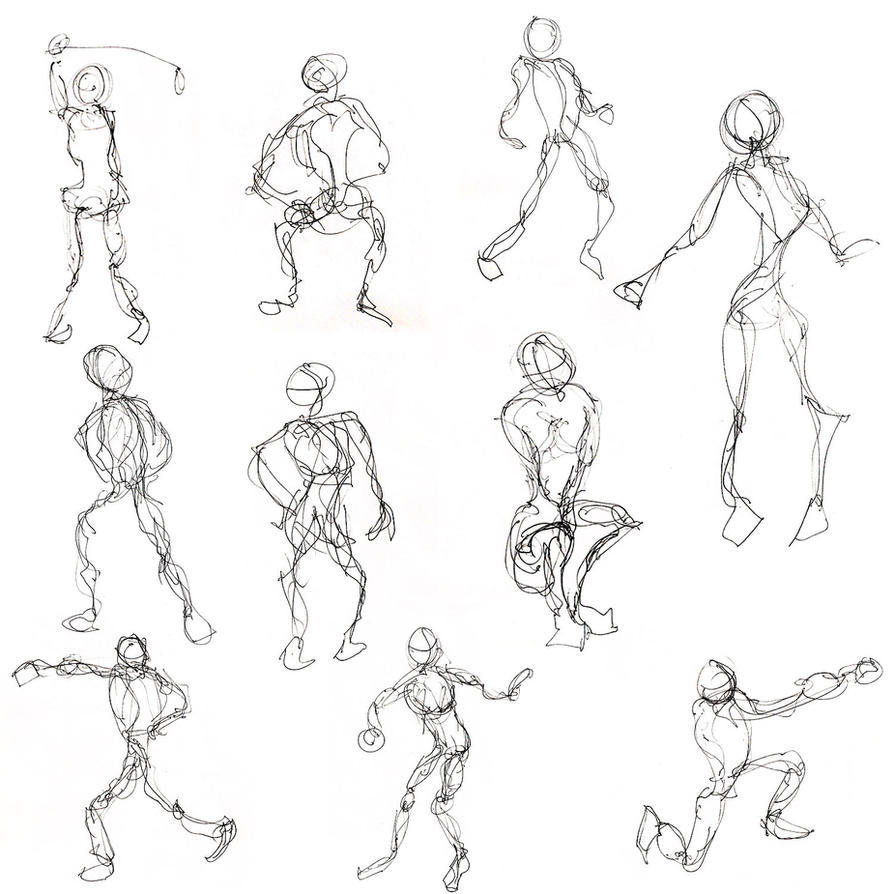
Work from LIFE and deal with GESTURE drawings for Monday. 5 gesture drawings DUE Monday first thing.

~~~

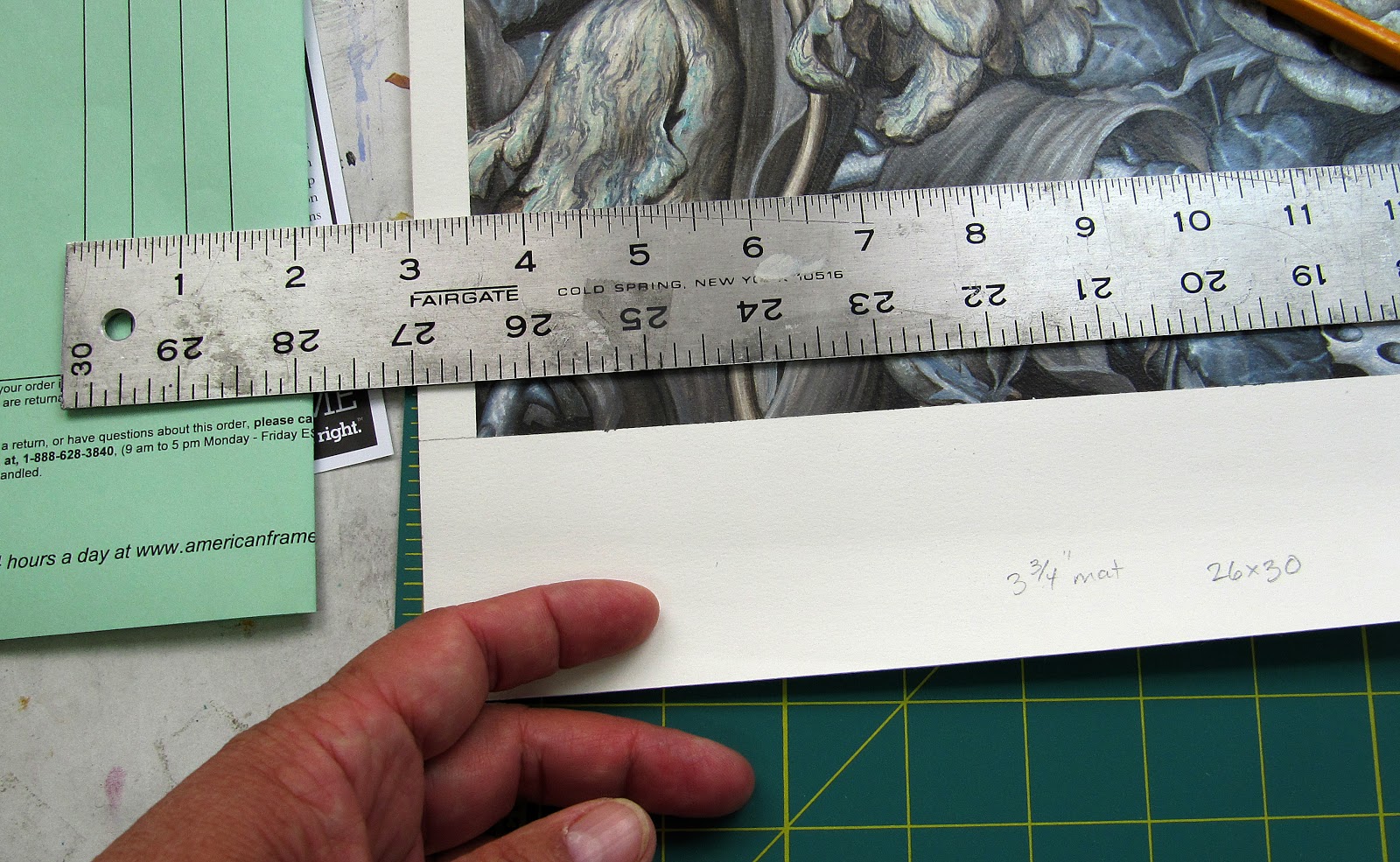
AP Studio Art: Yesterday we looked at the process of matting a work of art… today – YOU are going to mat a work of art.

What are the tools you are going to be using to mat your work? What are you struggling with in the process – or are afraid of struggling with?

GOALS:

  1. 6.3 use techniques of art with those from other disciplines and present your work
  2. 5.2 stand behind your criticism of art in which works you choose as “Quality”

What did you struggle with in the process of mounting your artwork today? How do you need to improve your techniques? What ONE thing do you need to do better or practice on?

March 18, 2013 – Monday

Jasper Johns set his goals in POP art to the TARGET and HIT IT BIG with his images. Where are your ideas and goals in the art room? In life? When you reach them… set more and set them higher!

“No matter how many goals you have achieved, you must set your sights on a higher one.” – Jessica Savitch  Jasper Johns “Target

~~~

Art Foundations: Ellipses – how do you use the ideas you have learned in perspective center and cantilevers to create the ideas of manhold covers, bicycle wheels, or awnings? Hmmm…

Two point perspective and ellipses… lets see how we can use perspective center to figure this one out.

GOALS:

  1. 1.4 create, and solve 2 Point Perspective ELLIPSE drawings using 1.4.1 analysis (breaking up the subject matter to basic elements)

Review with neighbors the RULES of THUMB and discuss the Differences in one and two point perspective. What do you think you can create with the ideas behind an ellipse?

~~~

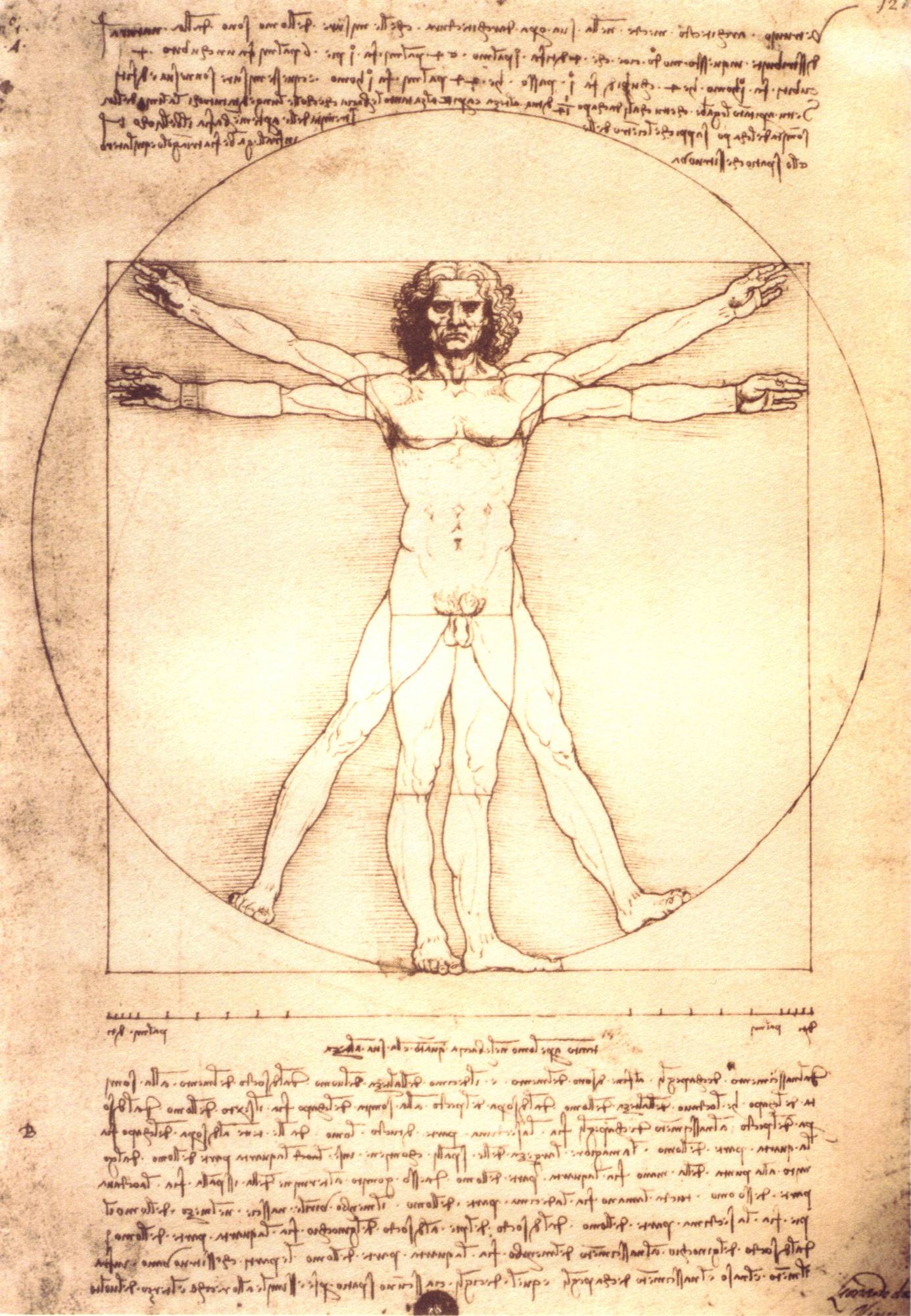
Drawing: BREAK FROM CURRENT DRAWING – Let’s talk about proportion. Take 20 minutes to draw your thoughts of the human based on the observation of a life size mannequin.

Who drew this? What were some aspects of the body you think they learned and shared with us 600 years later?

GOALS:

  1. 3.3 describe the creation of images and explain why they are of value.
  2. 1.4 solve visual challenges using analysis.

Where were you close to accurate in your drawing, where were you really off in the drawing of the human figure?

~~~

AP Studio Art: Mount your QUALITY works to black board and cover sheet it for protection.

How do you present yourself? Does your presentation of yourself relate to the way you can present your artwork?

GOALS:

  1. 6.3 use techniques of art with those from other disciplines and present your work
  2. 5.2 stand behind your criticism of art in which works you choose as “Quality”

Where else in life is the professionalism of what you present important? Do you believe that one shouldn’t judge a book by its cover when it comes to your work?

March 15, 2013 – Friday – Hello Janie Pollock and Everyone at the ASCD Conference!

~~~

Shane Koyczan – TED Talk “To This Day”... for the Bullied and Beautiful… “If you can’t see anything beautiful about yourself, get a better mirror, look a little closer, stare a little longer, because there’s something inside you that make you keep trying despite everyone who told you to quit.”

TED Talks are GREAT INSPIRATIONAL TALKS that can add a great deal to your day.

~~~

Collaboration and Sketchbooks – THIS WEEK we will be having a 5 minute conversation about the collaborative PEER / SELF Evaluation regarding your sketchbooks for the week. 10 minute before class ends, we will pair up with someone NEW and Self / Peer evaluate – and then hand them in!

  • What is the benefit of sharing your sketchbook with your classmate?
  • How can you learn to speak about your own sketches and ideas?
  • How can you share your ideas with others?

~~~

Art Foundations 2D: Challenge with Staircases. You thought ROOFS were hard? HA! Wait until you try stairs.

How about this for 2 point perspective? Can you imagine drawing stairs like this? Learn the basics and you can draw anything!

GOALS:

  1. 1.4 create, and solve 2 Point Perspective STAIRS using 1.4.1 analysis (and a friend).

Review with neighbors the RULES of THUMB and discuss the Differences in one and two point perspective. What was the most challenging part of the stairs? What did you find similar in the process of drawing stairs that you have learned in drawing other objects in 2 point perspective?

~~~

Drawing: We critiqued yesterday – what did you take away from the process? What do you remember as being impressive or successful about the work you saw from others? How can you use some of the same ideas that your classmates have expressed?

This IS a drawing – YES it is! I am not kidding. What does it do that your’s doesn’t? What does it do that your drawing does?

GOALS:

  1. 2.2 Evaluate the effectiveness of your artwork (What is working? What needs working on?)
  2. 2.3 create artworks that solve visual challenges (How are you approaching the solution to the crinkled paper?)

Pair / Share – self – evaluation of the day – back of the goal sheet. Can you begin to see / hear a story in the work?  What do you think the character in your drawing might be up to with that piece of paper? Write down your thoughts in today’s Goals Page –  Journal Section.

~~~

AP Studio Art: Continue to work on the HUGE body of work that you are developing. This is great. I am REALLY happy to see you challenging yourselves. Keep it up! No excuses though – work hard.

Brian – This one is for you… you get a lot of stuff today. Wow, lucky Brian. Romare Bearden created this collage based on Homer’s fictional epic stories. What can you take away from his work that may help you maneuver down your own path of using allusion in your artwork? Hmmmm?

GOALS:

  1.  2.2 PEER-evaluate the effectiveness of artworks
  2. 2.3 create artworks that solve visual challenges

With 5 minutes left… what are you needing to do this weekend. Write down what you need to accomplish over the two days. How much art do you need to take home? Do we have a sketchbook assignment for next week?

March 14, 2013 – Thursday

Shane Koyczan – TED Talk “To This Day”... for the Bullied and Beautiful… “If you can’t see anything beautiful about yourself, get a better mirror, look a little closer, stare a little longer, because there’s something inside you that make you keep trying despite everyone who told you to quit.”

TED Talks are GREAT INSPIRATIONAL TALKS that can add a great deal to your day.

~~~

Collaboration and Sketchbooks – THIS WEEK we will be having a 5 minute conversation about the collaborative PEER / SELF Evaluation regarding your sketchbooks for the week. 10 minute before class ends, we will pair up with someone NEW and Self / Peer evaluate – and then hand them in!

What is the benefit of sharing your sketchbook with your classmate? How can you learn to speak about your own sketches and ideas? How can you share your ideas with others?

~~~

Art Foundations: Continue to work on 2 point perspecitve.

Frank Lloyd Wright’s “Falling Water”. This place WAS a house and is NOW a tourist attraction. where have you seen this place before.
GOALS:

  1. 1.2 create 2 point perspective cantilevers that demonstrates an understanding of how your ideas relate to the 1.2.3 processes you use to create a cantilever.

Review with neighbors the process of drawing in 2 point perspective. Where did you have problems with your drawing from yesterday? What parts of the process are you REALLY struggling with? What are you going to HAVE to review on your own for?

~~~

Drawing: Photographs and update of the Rubric / Template for this Still Life Figure Drawing. What do you need to remember to do in order to do this successfully?

Homework for Monday – go to the Google Drive: Create a NEW DOCUMENT: Under FILE; NEW; FROM TEMPLATE – Look up KORB and then use the: Korb Evaluation Rubric Template ORIGINAL. Change the name to: HOUR Last Name Paper Figure Drawing – Try this otherwise HERE.

This is a closed composition… why is this a closed composition? What is your drawing doing that this one is also doing? What has this artist done to successdully create the look of the crumpled paper?

GOALS:

  1. 2.2 Evaluate the effectiveness of your artwork – MID CRIT – CLASS TOGETHER – Work on texture / chiaroscuro drawings – still life (define still life).

Write out one thing that has really struck you about the drawings you saw in front of you today. BE SPECIFIC and THINK ABOUT YOUR OWN WORK ALSO. This is IMPORTANT in how you reflect on the work you do and the choices you make.

~~~

AP Studio Art: Continue to work on the BODY of work you are creating – continue to explore the GROWTH i n your work. DRAW – CREATE – MAKE ART!

Are you working TOO hard? Thinking TOO much? Approching each piece as though it HAS to be a masterpiece? Hope not… sometimes you just need to MAKE ART.

GOALS:

  1. Technology Operations and Concepts – Update your AP Central Site… Review of the upload site.
  2. 1.3 communicate ideas clearly – ARE YOU? Do you have a clear understanding of the ideas you are communicating?

What has been happening in your work that FITS with your statements? How can you continue to think about the statement you have written and refresh your ideas?