#Goals and #Dreams and #Objectives are ALL in your reach!

“If we write our dreams and goals down, we dramatically increase our odds of realization. If we share them with others, they become potent and alive.” ―Kristin Armstrong

What DREAMS and GOALS do you see BEYOND today? By writing them and REFLECTING on them – you are more likely to reach them… no matter how high they are !

Art Foundations 2D: Group PRESENTATION HERE – Study for FINALS – TOMORROW – CLEAN! Folder to DOWNLOAD YOUR IMAGE so you can UPLOAD IT INTO THE PRESENTATION is HERE.

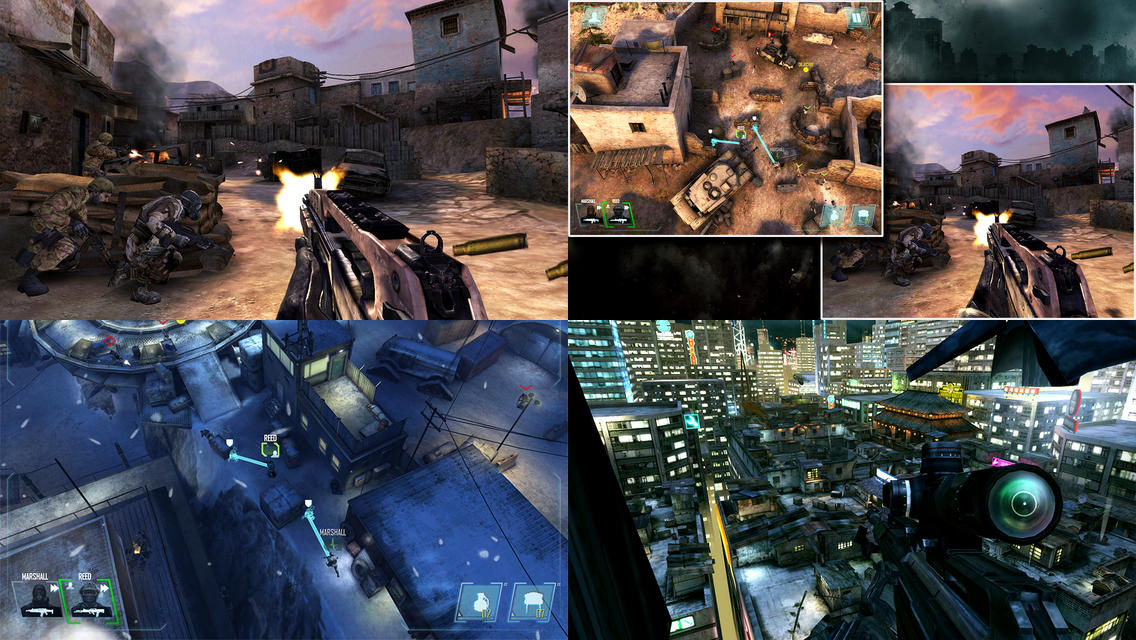
What is COLLABORATIVE about this? how can WE work on one presentation that better explains the ideas behind our work? http://www.gamechannel.hu/pictures/hirblock/uj_call_of_duty_jatekot_jelentettek_be_es_meg_1.jpg

Goals:

  1. How have you COLLABORATIVELY used technology to create a project larger than you might have done by yourself? Write out and SHARE the SPECIFIC example that you can think of (computer games?)

What do you think of the work of your classmates? Take a look through the document as you wrap up your thoughts and see how you can work harder and focused… What COULD you have done differently?

Drawing: Keep Working! American Regionalists

Thomas Hart Benton – American Regionalist – COMMENTING ON SOCIETY!

Goals:

  1. Look at the remaining 2 days on your COMMUNITY artwork. What skills have you developed that are making this work successful? What do you need to do to finish?

Your final exam STATEMENT that WILL BE ADDED TO YOUR CURRENT RESEARCH PAGE in the GOOGLE DRIVE is: In three paragraphs explain the following: PARAGRAPH ONE: Who was the American Regionalist  artist that you researched? What was it about their work that interested you to investigate and research them. Give SPECIFIC EXAMPLES. PARAGRAPH TWO: What is the MEANING behind your work? What symbols, ideas, messages are you communicating in the work. Again – GIVE SPECIFIC EXAMPLES! PARAGRAPH THREE: What is successful or unsuccessful about your work? Where did you find successful aspects about the work you have created? Where is the work SOARING? Where did you struggle? What is challenging about the process that you went through? AGAIN – EXAMPLES!

EXAM LINK HERE!

AP Studio Art: Collaborative Work!

What does this look like? This is PART of your exam. Make sure it is FINISHED for SHARING – After the end of the year your name is removed from editing…

Goals:

  1. Continue the collaborative mural for the Social Studies Computer Lab. Write out your PERSONAL thoughts about the collaborative work. RESOLVE your KORBAPARTWUHS.WORDPRESS blog page – EXAM – This is your EXAM! Statement… IMAGES… 12 CONCENTRATION, 12 BREADTH.

How have you been able to do A LOT of work in one day that you may not have been able to in the past? How have you been able to improve your drawing and idea skills more in the past year than you have in the past?
#Community is not just a funny TV show! It’s an #Art #Project

“A dream only becomes overrated when not pursued by the dreamer.”

― Courtney Hickman

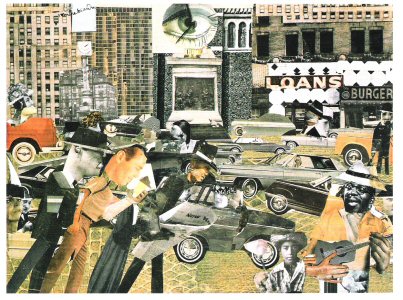
Art Foundations: Bullying and the Critical Thinking it takes to discuss the social topic. WORKSHEET and Romare Bearden Foundation

Romare Bearden – Social Comentary – What MIGHT he have been making art about? What is happening in this collage? https://artwithkorb.com/wp-content/uploads/2014/05/0a866-romarebeardenuptownlookingdowntown-1965.jpg
GOALS:

  1. Create multiple solutions to solve the visual problems of collage about BULLYING! How are you going to gather images, textures, and ideas to assemble a collage to illustrate your ideas about Bullying?

As you think about the social topic of Bullying, why is it important to you that it become s the final work that you spend the time this semester working on? With all of the different techniques, projects, elements and principles that we have learned, how are you going to pull it all together to this final excellent work of art?

Drawing: American Regionalisms – What are they saying about their COMMUNITY? 

PROJECT INFORMATION

GOALS:

  1. 2.6 create multiple solutions to visual challenges that show understanding in relationships between composition and meaning of artwork . What images would you like to GATHER and USE to create your final image? Photographs? Drawings? Refernces of your Artist’s work?

What was REGIONALISM ABOUT? Give a 3 point history… What artists are you really looking at and working to follow? Why? How would you explain the importance of their work and what you are interested in regarding them.

AP Studio Art: Collaboration. Is it getting over the HUMP on HUMP Day?

Teamwork. JPG

GOALS:

  1. 3.3 describe the creation of images and ideas and explain why they are of value.

What was the big accomplishment today? How are you being focused on the task now?

Thursday before break… how can you continue ARTing over break?

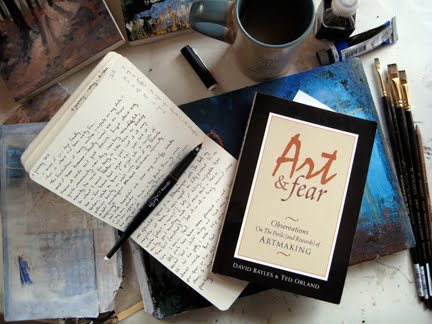
“Talent may get someone off the starting blocks faster, but without a sense of direction or a goal to strive for, it won’t count for much.” – David Bayles and Ted Orland

Art Foundations: PAINT your POP

http://i233.photobucket.com/albums/ee172/carolyn85_photos/Andy%20Warhol%20Pop%20Art/audreyhepburnpopart.png

Goals:

  1. WHAT ARE YOU DOING WELL with the application of your ACRYLIC PAINT – Give yourself that thought today! PAINT OUT AND WORK!

What is the most successful aspect of your painting? What is the least successful part of the painting? Stop and think – explain your feelings so  you can look back on this when we come back.

Drawing: RULES of the PORTRAIT! HERE!

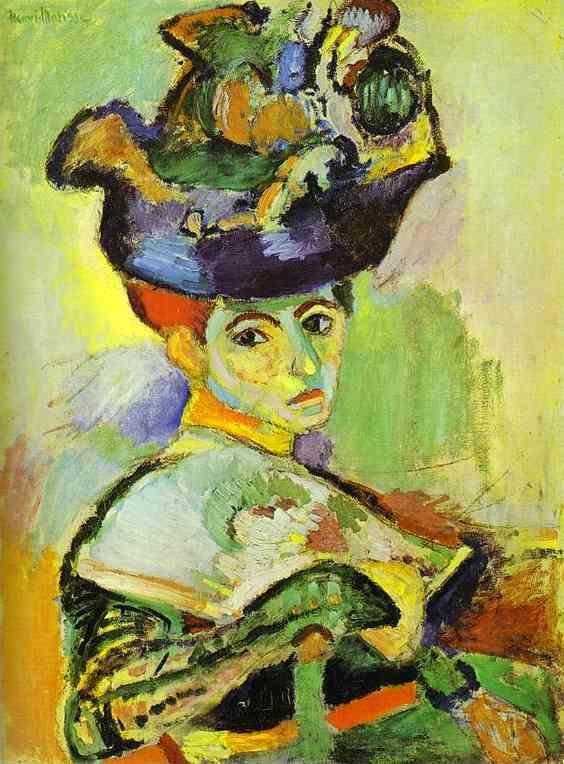
How are you going to use the idea of the PORTRAIT to make your work successful? Rules in a minute… http://www.abcgallery.com/M/matisse/matisse80.JPG

Goals:

  1. Know about solving visual challenges (making art) using analysis (breaking the work into its parts).

How are you going to work on the ideas behind the portrait over the break? What FAMOUS images come to mind when you think of ART HISTORY? You are going to use ideas from Art History in the final work… What worries do you have?

AP Studio Art: Log In and Log On… AP is WAITING to hear from you!

WHAT? Look at the WORK here! WOW!

Goals:

  1.  3.2 apply subjects, symbols, and ideas in art and use skill to solve visual challenges – WHAT ARE YOUR CHALLENGES?

Which works are you most proud of and why? What is working with the pieces that you would choose as your “quality” works? Why do the other ones NOT work?  What do you have to do over break?

Flowers POP in the Springtime… what POPS in your asrtwork?

“Talent may get someone off the starting blocks faster, but without a sense of direction or a goal to strive for, it won’t count for much.” – David Bayles and Ted Orland

Art Foundations: PAINT your POP

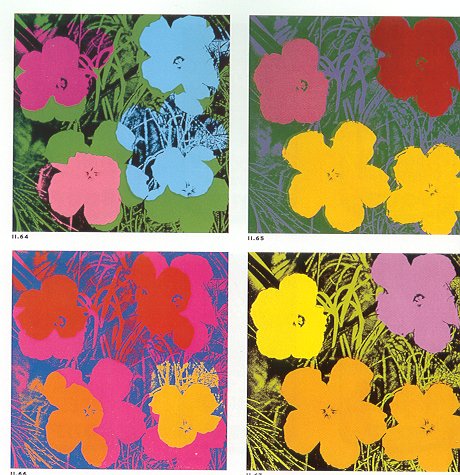
Can you see a color scheme here? How about the repetition of your composition? http://www.redtedart.com/wp-content/uploads/2013/01/Andy-warhol-flowers.jpg

Goals:

  1. Create a work of art focused on color mixing with acrylic paints

What was the easiest portion of the color wheel? What do you enjoy / dislike about acrylic paints?

Drawing: Snap Chat Selfies… Matisse and Wilde

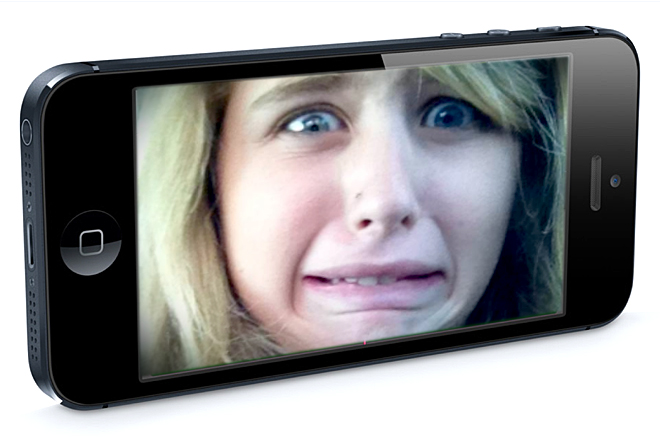
How’s your snap chat selfie? Can y ou be creative and still include the negative space? Onto Matisse and Kahine Wiley http://media.salon.com/2013/01/snapchat.jpg

Kahine Wiley – Interview Magazine Article… Research HIP HOP and Graffiti! How can you use a name, tag, slogan in your composition in the style of graffiti to add to the BACKGROUND?

Goals:

  1. Identify the intentions and purposes behind making art.
Matisse and the Tate Modern in London: http://www.tate.org.uk/whats-on/tate-modern/exhibition/henri-matisse-cut-outs

What was the most challenging way to draw? Why was this most difficult way to go? What is most important about drawing when it comes to observation?

AP Studio Art: What about the uploads? Ready for Thursday?


A bird – the same patterns and use of line… what is the common thread chasing in your art? http://www.reginaldbaylor.com/images/stories/Originals/textile_755_Untitled_Bird_in_Velvet.jpg

Goals:

  1.  4.4 evaluate and interpret your art for relationships in 4.4.1 form 4.4.2 context. 3.2 apply subjects, symbols, and ideas in art and use skill to solve visual challenges.

How does your art compare with the work of “professionals” and how can you work to create a better understanding of your approach / intent / ideas?)