How good are YOU looking today? How good are you LOOKING today?

“Nothing in life that’s worth anything is easy.” – Barack Obama, SOTU 2014

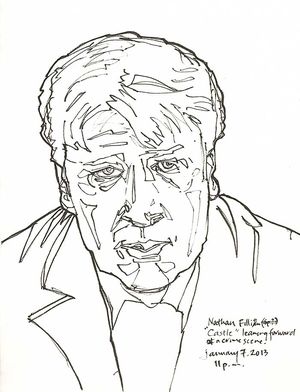
Art Foundations: Line / Contour Line PORTRAITS
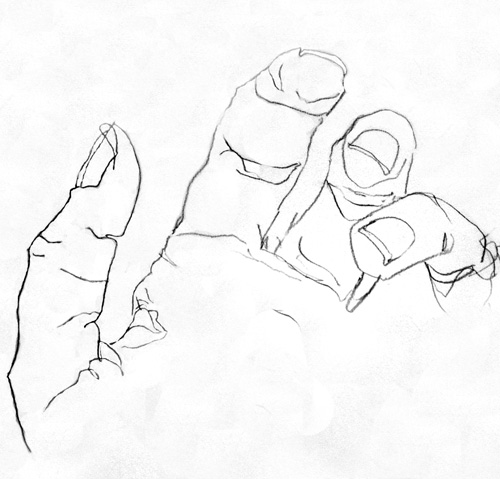
Hands can be REALLY hard – make it more enjoyable, less stressful… Let’s give it a try shall we? https://artwithkorb.com/wp-content/uploads/2014/01/663df-6a01053560de5d970b017c3648d275970b-300wi.jpg

https://lh5.googleusercontent.com/ybQLOQj4jYFpccYL_Ij3xCrpBBe1bCP1yhVP5sXRhaslFh1gnGNsNPGWOE5EPqLZGbvZQo9c5uRzT4sX6pg2GXDMTaarYNtLjhATXAj-ApGM%3Ds600

Goals:

  1. Apply ideas of Observation in art and use skill to solve visual challenges of Continuous Line Contour Drawings
  2. Create Portraits that demonstrates an understanding of how your ideas relate to the 1.2.2 TECHNIQUES of CONTOUR Line Drawings

What is the most challenging aspect of the hand drawing / line? What emotions have you chosen to represent yourself? Why? What variety of lines do you hope to use in the process of creating your self-portrait?

Drawing: Still Life – SELF / GROUP Mid Crit! Things to look at before talking / writing about art – CLICK HERE

Let’s line up the critics… “tell me about your art…” http://abiggerworldyet.files.wordpress.com/2010/07/20100610_art_560x375.jpg Begin at 18:20

Goals:

  1. (2.1) form criticism (Mid Critique) about Still Life Drawings inspired from Classroom Still Life.
  2. (3.3) describe the creation of OBSERVATIONAL drawings and ideas and explain why they are of value.

What are the differences you are finding with the various types of pencils? What do YOU find useful from today’s exercise in the CRIT?

AP Studio Art: WORK – Next Week – COMPUTER LAB – Upload!
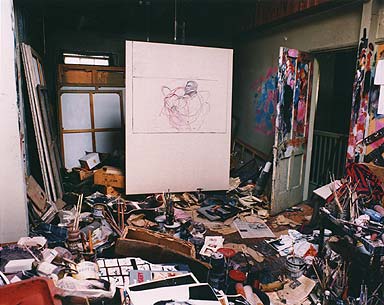
Everything tastes better with Bacon… even Francis Bacon. https://artwithkorb.com/wp-content/uploads/2012/02/art-bacon.jpg

Goals:

  1. What GOALS do you have for yourself? Really? What are your objectives?
  2. Solve visual challenges on the CONCENTRATION works for MONDAY

What bit of advice did you get from your classmates as they walked through the class today? What can you put to use? What bit of advice did you give that might be used elsewhere? What are your goals for the next work(s) that will show your development?  

Elements are the building blocks of art. What are you focused on? Line? Space? Value?

“Nothing in life that’s worth anything is easy.” – President Barack Obama, SOTU 2014

Art Foundations: Line, Unity, Abstract Expressionism, Non-Objective Art – Process

How has Pablo Picasso used line to create this image of Igor Stravinsky? What kinds of line did he use? http://bdcentral.files.wordpress.com/2008/12/picasso_s_stravinsky1.jpg

GOALS:

  1. (4.2) describe the purpose and meaning of art objects within different cultures, times, and places. (Non Objective… what are we  / you trying to accomplish? What is the point of this first project?)

How has the use of the BLACK ACRYLIC paint UNIFIED your work? What techniques did you try? What types of lines STILL Stand out?

Drawing: Still Life, Thumbnail and Composition

Georgio Morandi and his compositions… what are you doing in your drawing to make this an interesting in your composition? https://artwithkorb.com/wp-content/uploads/2013/01/gm1.jpg

GOALS:

  1. (1.4) Solve visual challenges using shape and value (analysis) to successfully execute your still life.
  2. (1.1) Apply DRAWING PENCILS with awareness so that your ideas are executed well.

What have you done to really figure out the composition? How have you filled in the space? What makes the space interesting? 

AP Studio Art: Concentration – DUE MONDAY!

Jenny Saville in her studio space. how are you working more than one art piece at a time? http://mrsawyersopus.files.wordpress.com/2011/01/jenny-saville-brewer-street-studio-22.jpg

GOALS:

  1. Solve visual challenges on the CONCENTRATION works for Friday.

What is happening in your work? What is working in your art? Where are you struggling?

“Nothing in life that’s worth anything is easy.” President Barack Obama, SOTU 2104

“Nothing in life that’s worth anything is easy.”

U.S. Army Ranger Sgt. First Class Cory Remsburg gets a standing ovation as he is escorted to his seat before U.S. President Barack Obama delivers his State of the Union speech. Read more: http://www.businessinsider.com/cory-remsburg-honored-during-state-of-the-union-2014-1#ixzz2rku11le2

President Barack Obama quotes Army Ranger Sgt. First Class Cory Remsburg in his State of the Union address, January 28, 2014. The quote is in honor of Remsburg as he continues to fight to recover after a roadside bomb nearly killed him in Afghanistan.

Art Foundations: Draw the lines – PAINT! NON-Objective – Process

What is similar to your initial ideas? What is different? What does it all mean? Visit the site to learn more: http://virtualtours.uws.edu.au/uwsartgallery/SomeoneHasToDrawTheLine

Goals:

  1. 1.1 apply media, techniques, and processes with 1.1.3 an awareness so that your ideas are executed well
  2. 1.4 create, define, and solve visual challenges using 1.4.1 analysis (LINE)

What were the challenges you had with the line drawing What was fun about the process? What kinds of lines were you “Drawn” to?

Drawing: Still Life Thumbnails, Composition Success, Value Scale.

Let’s read a bit about Georgio Morandi – Why he did what he did… what he was good at and why… where he got his inspiration… Thanks MoMA! http://www.moma.org/collection/artist.ph

Goals:

  1. (3.2) Apply ideas (thumbnails)  in art and use skill to solve Compositional  challenges.
  2. (1.2) Create art that demonstrates relationship between Chiaroscuro and pencil.

What have you learned today about how to push / pull space with value? What have you accomplished with pencil? What is SUCCESSFUL?

AP Studio Art: Critique at the MID Point in your work! Sketches from Friday too…

Picasso and HIS studio – THE master at work… well… in his studio at the very least. http://thefortuno.com/wp-content/uploads/2009/02/pablo_picasso.jpg

Goals:

  1. (2.1) GROUP critique about artworks that accomplish personal meanings (What are you TALKING about in your work?).
  2. (3.3) Describe the creation of images and ideas and explain why they are of value.

What were the biggest impressions you had from the classmate’s works? What were the most difficult things you felt as you presented your work? Conversation between classmates about the 2 questions for your exam. How does this work relate to your concentration?

Communicate through Observation and Creation! MAKE ART!

“If you can’t fly then run, if you can’t run then walk, if you can’t walk then crawl, but whatever you do you have to keep moving forward.”― Martin Luther King Jr.

Art Foundations: Goals / What is Art? / Book

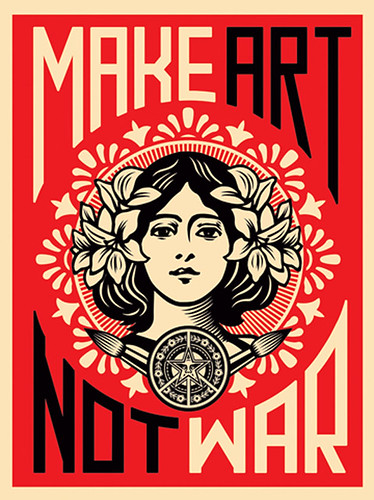
Have you seen Shephard Fairey’s anywhere? Look around the school and I GUARANTEE you will see his work on Hats and T-Shirts and Sweatshirts… A Communicator in your time. http://farm1.static.flickr.com/219/512917423_9c949194df.jpg

GOALS:

  1. (1.4) create, define, and solve visual challenges using (1.4.1) analysis (breaking up the artwork / subject matter to basic elements – LINE)
  2. (3.3) describe the creation of images and ideas and understand the ideas of communication.

What sort of MESSAGE do you think he was trying to communicate? What sort of messages might YOU try to communicate with art? How can you use these skills outside of an art class?

Drawing: Compositions / Observation on the still life.

Multiple solutions to the visual problems… how are YOU handling the ideas of the boxes in front of you? http://payload132.cargocollective.com/1/8/267741/4958137/06%20Drawing%20on%20Paper%20-%20Boxes_905.jpg

GOALS:

  1. Apply drawing media with awareness so that your ideas are executed well.
  2. (2.6) Work on creating multiple solutions to Chiaroscuro and Observation (Shape and Form)

How did using sighting in help you with the initial drawing process? How is being AWARE of the process helpful in SEEING the objects more clearly?

AP Studio Art: Last 2 Concentrations / Photograph “Sailors and Whales” and 1 Paragraph

CONCENTRATION – What are you doing? What are you doing out of class? What are you ADVANCING in? http://www.art-life.com/MOCA/gillette/portfolio1/images/portfolio1.jpg

GOALS:

  1. Work on (1.2) creating concentration works that demonstrate how your ideas relate to the materials and techniques that you use. (P)
  2. What is the rationale – the reason – the meaning behind your work (Of Sailors and Whales) – Typed up and SHARED in Google Drive TODAY!

What bit of advice did you get from your classmates that you will be able to put to use? What bit of advice did you give that might be used elsewhere?

Welcome Back! Let’s get things rolling RIGHT AWAY! Move Forward!

Whatever the situation is, whatever challenges you have… never give up – keep moving forward! http://www.centralnccouncilbsa.com/OrgsRichTextImages/2390/martinlutherkingjr.jpeg

CALENDAR – Look to the side of the screen. This is there to help you know your due dates and assignments. Subscribe to the Google Calendar. This webpage is a TOOL for you to use – search through it – explore it – look under YOUR class… see what there is to see.

Art Foundations: Line – What is Art?

What is ART? What can you do with it? https://artwithkorb.com/wp-content/uploads/2013/01/what_is_art.jpg

Goals:

  1. Work on creating multiple visual solutions to the ideas of the Elements of Art and Principles of Design

What did you learn about your neighbors? What did you learn about yourself? What did you learn about you and your classmates think about art?

Drawing: Still Life and OBSERVATION

Look at what you are drawing – BE OBSERVANT – Know your angles and shapes and relationships. DRAW! http://jetantonio.com/wordpress/wp-content/uploads/2010/11/box.jpg

Goals:

  1. Work on creating multiple solutions to Chiaroscuro and Shape Study.

What did you accomplish with your first few thumbnail drawings about the boxes? What do you hope to accomplish in DRAWING?

AP Studio Art: Review your concentration – SKETCHES and MEANING

Can we hang a show? Can you speak about your work? Can you be confident in yourself? http://www.freewebs.com/colemangallery/Coleman%20Gallery.jpg

Goals:

  1. Know about (1.1) communicating your ideas clearly
  2. (2.6) Work on creating multiple solutions to your next set of works –  Sketchbook PRELIMINARY – Collected on FRIDAY – WHAT ARE YOU COMMUNICATING WITH THIS?

Think about your exams – what were the biggest impressions you had from the classmate’s works? What were the most difficult things you felt as you presented your work? Conversation between classmates about the 2 questions for your exam.

“Only those who dare to fail greatly can ever achieve greatly.” – John F. Kennedy

50th Anniversary of John F. Kennedy’s Assassination.

Art Foundations: 2 Point Perspective, Claus Oldenburg and Coosje van Bruggen

Claus Oldenburg and Coosje van Bruggen at Frank Gehry’s work of architecture. http://www.google.com/about/locations/los-angeles/images/binoculars.jpg

Goals:

  1. (1.2) Create 2 point perspective art that demonstrates how your ideas relate to the media, techniques (VALUE) and processes you use. (P)
  2. (2.3) Create artworks that uses organization and function to solve specific visual challenges.

Review with neighbors the RULES of THUMB of 2 point perspective. Locate ONE example of each rule of thumb in your neighbor’s drawing. Please look over your neighbor’s drawing to see if there are ANYTHING that you feel are not using the 2 point perspective rules.

Advanced Drawing: Hallways – Last Day? Probably not, but not much longer – Wednesday of Next Week – CRIT!

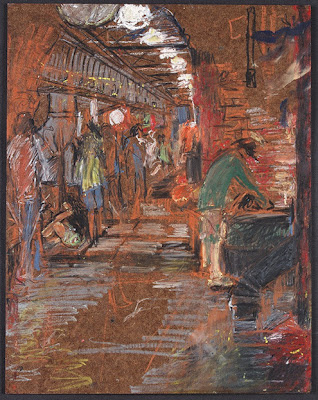
Interior drawing of a great space. What is similar to yours? What is different? https://artwithkorb.com/wp-content/uploads/2013/11/138ec-hallway_lg.jpg
Goals:

  1. 1.2 create art that demonstrates an understanding of how your ideas relate to the 1.2.1 materials and 1.2.2 techniques
  2. 5.5 evaluate responses to works of art for communicating 5.5.1 rationale 5.5.2 ideas (Huge End Of Class Reflection!)

What’s been your biggest success in the halls this week? What have you REALLY learned about SPACE, COLOR, PASTELS,  BLENDING, SCALE, WORKING? Give yourself some thought in the REFLECTION / JOURNALING section of the Goals page. The weekend for take home? Monday and Tuesday to work (and get your CRITIQUE up and BEGUN…) Oral Critique on WEDNESDAY!

AP Studio Art: Concentration #4, Breadth, Photography and Editing

What’s going on in your still life set up? Giorgio Morandi had it all figured out. http://ahuskofmeaning.com/wp-content/uploads/2012/05/giorgio-morandi-1.jpg

Goals:

  1. Create multiple solutions for visual problems. (Still Life… What are you doing to CHALLENG yourself? What ELEMENT or PRINCIPLE are you focusing on? Transparency like Fish? Superrealism like Flack? Colors and Space like Cezanne? “Simple” relationships like Morandi?
  2. NETS: use digital media and environments to communicate and work collaboratively

What is your still life? What is your idea for your next concentration work? SHARE YOUR IDEAS with your neighbor and MAKE A NOTE in your notebook as to where you are and where you are going. Big opportunity for reflection.

“It does not matter how slowly you go as long as you do not stop.” ― Confucius

BREAKING ART NEWS! Francis Bacon Triptych Sells for $148 Million

What does $148 Million Dollars Look Like? This! Click on the painting above to read the BBC Article on this Auction record and see the video. Munch must be SCREAMing in his grave! [This] “File photo shows a journalist looking at Francis Bacon’s paintings ‘Three Studies of Lucian Freud’ (1969) during an exhibition at the Borghese museum in Rome, on September 30, 2009 (AFP/File, Vincenzo Pinto)”

“Power will accomplish much, but perseverance more.”  — William Scott Downey

It is all in how you line things up…

Art Foundations: Two Point Perspective – FINAL PROJECT!

Richard Estes – Painting of a Cityscape… What has your cityscape / neighborhood scape got in it?

CITY SCAPE / NEIGHBORHOOD EXAMPLES: HERE – Under Art Foundations: Neighborhoods / City Scape Link

Broad Museum RIGHT NEXT TO GEHRY’s in LA. Click on image for 3 minute video.

Goals

  1. Evaluate the effectiveness of your artwork.

Review with neighbors the progress of the cityscape and the proper use of 2 point perspective. What are the big challenges you are facing with the buildings?

Advanced Drawing: Hallway Drawings – Oils? I Hope So!

While this is ONE point perspective… how have they used COLOR to RAMP THINGS UP?

Goals

  1. 1.2 create art that demonstrates an understanding of how your ideas relate to the 1.2.1 materials and 1.2.2 techniques

What do you need to do differently for tomorrow to be successful with these materials in the hallways? How did today go?

AP Studio Art: Concentration and ADVENTURES (click THERE for the story)… PHOTOGRAPH? Build your digital portfolio.

AAArghh.. Although he is NOT a very scary pirate… not in the least.

Goals

  1. 1.2 Create works of Visual Art that demonstrate an understanding of how the communication of your ideas relate to the 1.2.1 media, 1.2.2 technique 1.2.3 and process you use.
  2. 2.3 Create artworks that use organizational structures and functions to solve specific visual art problems – How are COMPOSITION and ORGANIZATION holding your work together to COMMUNICATE your message?

Working in class over the past 2 weeks – what have you accomplished – SHARE! What did you accomplish today? What do you need to do tomorrow?

“If you are going through hell, keep going.” ― Winston Churchill

“Power will accomplish much, but perseverance more.”  — William Scott Downey

Perseverance is as strong a tool as the ropes holding you up…

Art Foundations: Last day to Construct your Architecture

Disney’s LA Philharmonic Concert Hall. When do WE get to go? Want to visit VIRTUALLY? Click HERE.

Goals

  1. 6.3 use the principles and techniques of art as you might if you were an architect or urban designer.
  2. 3.1 reflect on how art differs and describe how it relates to history and cultures (how does YOUR building relate to today?)

Frank Gehry On TEAMWORK: Liquid architecture. It’s like jazz – you improvise, you work together, you play off each other, you make something, they make something. And I think it’s a way of – for me, it’s a way of trying to understand the city, and what might happen in the city.

How are the buildings you are creating DIFFERENT than the ones you live in and that exist around you? What is the PURPOSE of the architecture you are designing? What is successful? What needs change?

Advanced Drawing: Out into the Hallways with your LARGE PAPER and OIL PASTELS

Is your drawing going to have the same dynamic feel this one does?

Goals

  1. 3.2 apply ideas of perspective and oil pastel techniques use skill to solve visual challenges

What relationships have you been looking at in the drawing ? Tomorrow, what are you doing to cover the space and BE AWARE of the materials you are using? How are you struggling?

AP Studio Art: Adventures and Concentration #3

What is your plan for accomplishing the work in front of you? What was the challenge you had in the past week? What struggled? What soared? What will you have to do to adjust your working schedule? How’s Art and Fear coming along? I am beginning plans on the NEXT book – and this will be even MORE collaborative… Get into the BLOGGING if you haven’t already.

HELL HOLE? Click HERE for the NPR Station

Goals

  1. 1.2 How do your ideas relate to the 1.2.1 materials 1.2.2 techniques 1.2.3 and processes you use?
  2. 2.6 create multiple solutions to visual challenges that show understanding in relationships between composition and meaning of artwork.

What is the strength of your narrative (adventure) work? What is the strength behind the concentration work and how does it fit into the larger body of work? SHARE with your neighbor of 2 or 3.

What skills do you have that you can use NOW to do your best?

Ok… I may not mountain climb, surf, hang glide, or scuba dive… but I DO love to use my skills on the stage! Who’d have thought I was funny?

“The question for each man is not what he would do if he had the means, time, influence and educational advantages, but what he will do with the things he has.”

— Frank Hamilton

~~~

TONIGHT! Marty’s Banquet Hall – STUDENT WORK. Studio 107 – Mr, Korb’s Work! Bring your family and friends – take in a lot of art tonight!

~~~

Art Foundations: Negative Space Drawing – let’s add color / value!

Positive and Negative space. Let’s do this with WATERCOLORS first… then Sharpie to finish the branches. LET THE PAINT DRY FIRST. 1.bp.blogspot.com

GOALS:

  1. 1.4 create, define, and solve visual challenges using 1.4.1 analysis (breaking up the artwork / subject matter to basic elements)

What about the use of space did you still have questions about. You and your classmate need to get together and review the first two sections of the chapter and come up with a CHALLENGING QUESTION from the text. I will collect the questions for future use…

~~~

Advanced Drawing: Still life drawings – FOCUS ON THE TRANSPARENCY, LIGHT BENDING, and REFLECTION

http://www.thirstyreader.com – What is the transparent aspect to this painting? How did Janet Fish REALLY show the transparency and bending of the light?

GOALS

  1. 2.6 Work on creating multiple solutions to solve visual challenges.

What is it about the transparent glass that makes this a challenging or easy subject matter to work with? Share your preliminary work with your neighbor – write the thoughts down and THEN… let’s get together and talk about the discoveries you have made.

~~~

AP Studio Art: Time to consider the idea of your Concentration.

  1. Link to examples HERE
  2. Link to Acorn Book HERE
  3. ANSWER THIS QUESTION: Clearly and simply state the central idea of your concentration .
Concentration time… Ok… maybe not this kind of concentration. We ARE going to get into the ideas of concentration however. http://www.pathways-to-peak-experience.com

GOALS:

  1. 1.4 create and define, visual challenges (your concentrations)  using 1.4.1 analysis (breaking up the artwork / subject matter to basic elements).

What have you narrowed some ideas down to? How have you discovered NEW ideas regarding what you MIGHT want to be dealing with in your concentration? What is the artistic stuff that you might be exploring (elements and principles? Mark making techniques? Media you might be exploring?) Share your thoughts about the 2 questions that we will be visiting and revisiting throughout the semester. 

Space… the Final Frontier… stART Class ARTerprise in on the way!

DUDE.. Catch a wave with all your MAD SKILLS… WORD! http://www.popfi.com

Remember…

“The question for each man is not what he would do if he had the means, time, influence and educational advantages, but what he will do with the things he has.”

— Frank Hamilton

~~~

Art Foundations: Let’s wrap up the Portrait! Then… SPACE!

What is MISSING from this picture? How did that happen? 2.bp.blogspot.com

GOALS:

  1. 1.4 create, define, and solve visual challenges using 1.4.1 analysis (breaking up the artwork / subject matter to basic elements)

What did you find as the most difficult aspect of the creation of the drawing? What was the hardest? What was the easiest? Are you able to see the negative space in the 1 – drawing, 2 – actual object?

~~~

Advanced Drawing: Last day of the CRIT… Let’s do a great job here. SHARE THE WEALTH in CONVERSATION!

GOALS:

  1. (3.3) Describe the creation of images and ideas and explain why they are of value (Oral Crit).
  2. (4.3) Compare relationships in visual art in terms of (4.3.2) aesthetics.

Ok guys and gals… what are you taking into the written crit from what your classmates have said? Make sure you are using the opportunity to write as a strength to the development of your artwork.

~~~

AP Studio Art: Final Crit – ONTO THE IDEAS OF CONCENTRATION –  DESIGNING A CONCENTRATION Worksheets – HERE

Another – One MORE – CRIT. uaa.alaska.edu

GOALS:

  1. 2.2 evaluate the effectiveness of artworks.

  2. 5.3 describe meanings of artworks by analyzing 5.3.1 techniques.

What did you take away from the critique today? Write down what you have taken from the crit. How are you going to improve your work in the future and really improve your abilities?