#WelcomeBack from #ThanksgivingBreak – Time to #MakeArtAgain

52 Every color has an opposite, called a complement. Complementary colors sit opposite one another in the color wheel. Additionally, all colors are affected by the presence of other colors. Even the smallest presence of a complement will enhance the intensity of a color when it is present in the same visual field. The presence of red, for instance, will cause the retina to โ€œseekโ€ green in the other colors present, hereby enhancing all parts of the green spectrum. If you wish to intensify a color in a composition, place some of its complement nearby. This applies to all media. The effective use of color is one of the greatest tools at an artistโ€™s disposal. Kit White 101 Things to Learn in Art School

Color is coming up in the studio for Painting and Art Foundations – Are you ready?

Art Foundations: Continue to work in the Ceramics World ONE MORE DAY

  • G: 7.1P: Hypothesize ways in which art influences perception and understanding of human experiences.
  • A: What are three textures / techniques ย you are using to make your work more interesting and successful as you work today to RESOLVE your sculpture / artwork? ALSO – this is a classroom management thing – as we work, it is important to talk and converse with one another but… keep the conversation to the table you are at. It gets WAY too loud in the studio when the conversation happens across the room. If that continues in the studio then we have to go to silent studio until the volumes get lower.
  • G: What techniques are REALLY important to be using to make sure any ADDITIVE clay really HOLD TIGHT to the clay you are adding it to? What ALSO do you need to do to make sure your work doesn’t dry out before the next time we meet?
Ceramic Faces: 
https://s-media-cache-ak0.pinimg.com/originals/af/17/ad/af17ad2666d5ec4f393762bf7133b86a.jpg

Digital Art: Portrait Days in Photoshop are coming to an end – This is the LAST DAY.

  • G: 1.1Ac: Individually or collaboratively formulate new creative problems based on studentโ€™s existing artwork.
  • A: Last day to work on the self-portraits. We begin last time with a mid critique. In the HANDBOOKS (or sticky notes) what were three things that you took away from the mid crit that you INSTANTLY put to use in the continuation of the process? This is an illustration that you are creating – the final portrait will not belong in the final image. At the end of the period – we will submit through Google Classroom and then do a self – assessment. Think about the tools that you were able to learn and use that were NEW to you and that were SIMILAR from Adobe Illustrator.
  • G: When you come in next time you need to have 5 thumbnails AND the work of โ€œLiteratureโ€ with you. If you DO NOT HAVE SOMETHING WITH YOU, I will supply you with a work from your English Class (which is fine if youโ€™d like by the way, you are reading it in class). BRING pencils and your sketchbook along with the ideas that you have come up with. What are some of the aspects of the story that you really enjoyed? How are you planning the ideas for the illustration? This will not be a just โ€œwing itโ€ process. Beginning of the FIRST DAY OF WORK on ILLUSTRATION we will see the last 5 minutes of WORK OF ART – TV Show – Season 1 – Episode 3 – Judge a Book by itโ€™s Cover
Portrait in Photoshop – How are you doing?

Intro To Painting: Continue with Acrylic Techniques

  • G: 2.1Ac: Through experimentation, practice, and persistence, demonstrate acquisition of skills and knowledge in a chosen art form.
  • A: Acrylic Painting Techniques. DAY 7. What struggles / success have you have with the materials in the of Acrylics? Please be specific in the writing of your thoughts. (HANDBOOK PLEASE).
  • Today we are going to look at Milwaukee born Abstract Artist Jason Rohlf
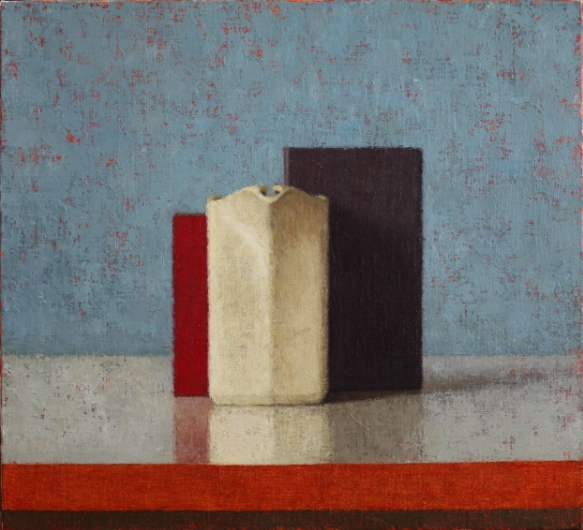
  • Jude Rae from Sydney
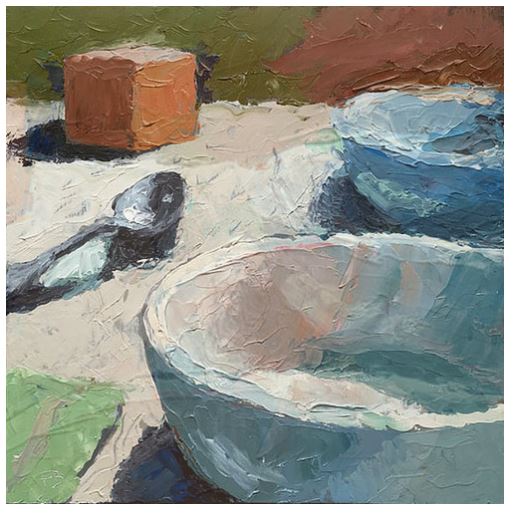
  • Fred Bell  Milwaukee
    • We are working the paintings for TECHNIQUES. LEARN THE TECHNIQUES here artists.
  • Abstraction:
    • Take your canvas and in LARGE LETTERS – Carefully trace the LARGE BLOCK Letters that we have created from CAREFULLY CUT Squares of paper… your name is an easy word to start with…. But are there other words that are meaningful? If you don’t know now, that’s ok, you will think of something.
    • Now… Using all of the techniques that we have learned – FILL THE NEW SHAPES AND SPACES that you have drawn out.
    • Afterwards we are going to CUT them out and reattach them to MASONITE and create our abstract paintings.
    • Cut the canvas using an X-Acto Knife into 7 or 9 rectangular shapes.
    • We will attach these pieces to masonite and then use the outlines and edges to create a new abstract painting using ALL of the techniques we have learned.
  • Today, Next time, and the weekend to WRAP UP ALL OF THE PAINTINGS.

#HappyThanksgiving – HEY PAINTING ARTISTS!

Intro to Painting: Abstraction and Techniques

Take a look at the slideshow and then don’t forget to work on this idea over break so you are READY TO ROLL when we get back!

#Ceramics will continue, #WrapUp #Photoshop, and keep #Abstracting in #Acrylic.

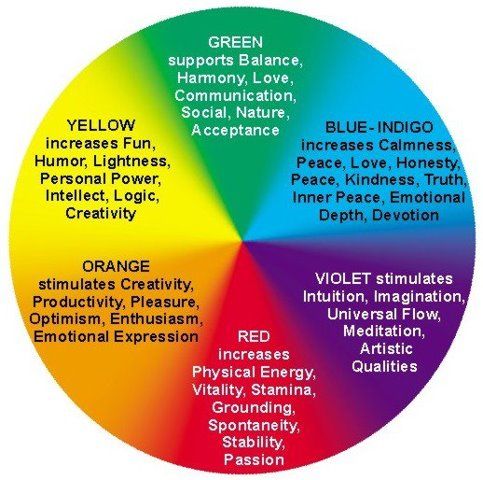
#69: Color is not Neutral:ย It has an emotional component. Certain colors have specific associations and induce certain responses. Learn what they are. When you use color, try to determine and understand the accompanying emotional response and how to use it effectively. Color has a visceral impact.ย Kit White 101 Things I Learned in Art School ย 


Art Foundations: Continue to work in the Ceramics World

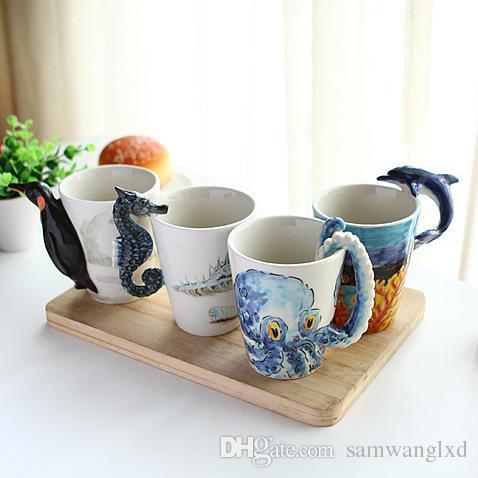
Face and Animals on Ceramic Mugs: https://arts.vcu.edu/arteducation/files/2018/02/1e14fb448517908bdfc0be0b790fd237.jpg
  • G: 7.1P: Hypothesize ways in which art influences perception and understanding of human experiences.
  • A: What are three textures / techniques  you are going to have to interpret into your sculpture from your research?
  • G: What techniques are REALLY important to be using to make sure any ADDITIVE clay really HOLD TIGHT to the clay you are adding it to? What ALSO do you need to do to make sure your work doesn’t dry out before the next time we meet?

Digital Art: Portrait Days in Photoshop are coming to an end.

  • G: 1.1Ac: Individually or collaboratively formulate new creative problems based on studentโ€™s existing artwork.
  • A: Last day to work on the self-portraits. We begin last time with a mid critique. In the HANDBOOKS (or sticky notes) what were three things that you took away from the mid crit that you INSTANTLY put to use in the continuation of the process? This is an illustration that you are creating – the final portrait will not belong in the final image. At the end of the period – we will submit through Google Classroom and then do a self – assessment. Think about the tools that you were able to learn and use that were NEW to you and that were SIMILAR from Adobe Illustrator.
  • G: Continue to finalize and resolve your with the self – portrait from last time in Adobe Photoshop. This is the SECOND to LAST DAY! HOMEWORK… When you come in in 2 class periods you need to have 5 thumbnails AND the work of โ€œLiteratureโ€ with you. If you DO NOT HAVE SOMETHING WITH YOU, I will supply you with a work from your English Class (which is fine if youโ€™d like by the way, you are reading it in class). BRING pencils and your sketchbook along with the ideas that you have come up with. What are some of the aspects of the story that you really enjoyed? How are you planning the ideas for the illustration? This will not be a just โ€œwing itโ€ process. 
  • NEXT TIME 1/2 hour… WORK OF ART – TV Show – Season 1 – Episode 3 – Judge a Book by itโ€™s Cover.

Intro To Painting: Continue with Acrylic Techniques

  • G: 2.1Ac: Through experimentation, practice, and persistence, demonstrate acquisition of skills and knowledge in a chosen art form.
  • A: Acrylic Painting Techniques. DAY 7. What struggles / success have you have with the materials in the of Acrylics? Please be specific in the writing of your thoughts. (HANDBOOK PLEASE).
  • Today we are going to look at Milwaukee born Abstract Artist Jason Rohlf
  • Jude Rae from Sydney
  • Fred Bell  Milwaukee
    • We are working the paintings for TECHNIQUES. LEARN THE TECHNIQUES here artists.
  • Abstraction:
    • Take your canvas and in LARGE LETTERS – Carefully trace the LARGE BLOCK Letters that we have created from CAREFULLY CUT Squares of paper… your name is an easy word to start with…. But are there other words that are meaningful? If you don’t know now, that’s ok, you will think of something.
    • Now… Using all of the techniques that we have learned – FILL THE NEW SHAPES AND SPACES that you have drawn out.
    • Afterwards we are going to CUT them out and reattach them to MASONITE and create our abstract paintings.
    • Cut the canvas using an X-Acto Knife into 7 or 9 rectangular shapes.
    • We will attach these pieces to masonite and then use the outlines and edges to create a new abstract painting using ALL of the techniques we have learned.
  • Today, Next time, and the weekend to WRAP UP ALL OF THE PAINTINGS.

#Clay, #AcrylicPaint, and #PhotoshopPortraits in #ArtWithKorb and the #Studio

#69: Color is not Neutral: It has an emotional component. Certain colors have specific associations and induce certain responses. Learn what they are. When you use color, try to determine and understand the accompanying emotional response and how to use it effectively. Color has a visceral impact. Kit White 101 Things I Learned in Art School


Art Foundations: Clay and the Collage – Let’s tie things together

    • G: 1.2P: Shape an artistic investigation of an aspect of present-day life using a contemporary practice of art or design.
    • 10.1P: Document the process of developing ideas from early stages to fully elaborated ideas.
  • A:What are you NERVOUS about as we venture into the work of clay?

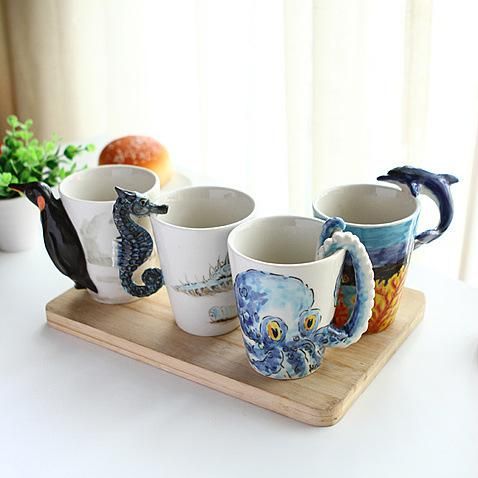
creative-hand-painting-ocean-series-3d-animals
Unique mugs: https://www.dhresource.com/0x0s/f2-albu-g4-M00-57-78-rBVaEFc8QfuABcLWAABpgKg9Erg521.jpg/creative-hand-painting-ocean-series-3d-animals.jpg

  • G: Here are the ideas for Final Product in the next assignment – you will have to use the same technique but with multiple solutions to the challenges – BRIGHT COLORS and GLAZES – Multiple Ideas – Clay Cup / Mug (Pinch Pot, Coils?) Post Modern – Neo-Pop Keith Haring and other 3D Works – Bright Colors etc… Of the different ideas of faces and mugs we looked at last week – what do you think you might want to do before we begin to research? Animal, Person? One Eye, One Nose, One Mouth. Sketch it out on paper first. Slab Bas or High Relief sculpture based on your collage. A lot of options are available for you.
  • G: How have you researched and developed the ideas into your OWN idea versus someone else’s?
  • Bas Relief and Sculptures in the Round
  • Mugs, Sculpture and Figures
  • More Mugs and MORE MUGS


Introduction to Painting: Acrylic and the Still Life

    • G: 2.1Ac: Through experimentation, practice, and persistence, demonstrate acquisition of skills and knowledge in a chosen art form.
  • A: Acrylic Painting Techniques. Staining, Sgraffito / Wipe-Out / Tonking, Scumbling, Acrylic Modeling Paste! Now we begin with acrylic paintings – DAY 5. Weโ€™re going to look at two more SETS of techniques today (and you will have to gather some ADDITIVE products to the group of materials that you will need.

  • G: Well.. What have you accomplished in the processes of painting? We will work a few more FULL SESSIONS to create 4(+) total paintings. Be prepared to identify the techniques and processes you went through in each.

Introduction to Digital Art: Portraits and the Camera – Time to talk about PHOTOSHOP. Let’s Paint, Draw, Gradient, Layer, and so much more!

  • G: 1.1Ac: Individually or collaboratively formulate new creative problems based on studentโ€™s existing artwork.
    • OPEN YOUR HANDBOOKS AND TURN TO PAGE 13… Based on your MID CRITS from last time, What is it about your SELF PORTRAITS in Photoshop that you see as needing to be changed? Write that out!
  • This is the SECOND to LAST DAY! HOMEWORK… When you come in in 2 class periods you need to have 5 thumbnails AND the work of โ€œLiteratureโ€ with you. If you DO NOT HAVE SOMETHING WITH YOU, I will supply you with a work from your English Class (which is fine if youโ€™d like by the way, you are reading it in class).

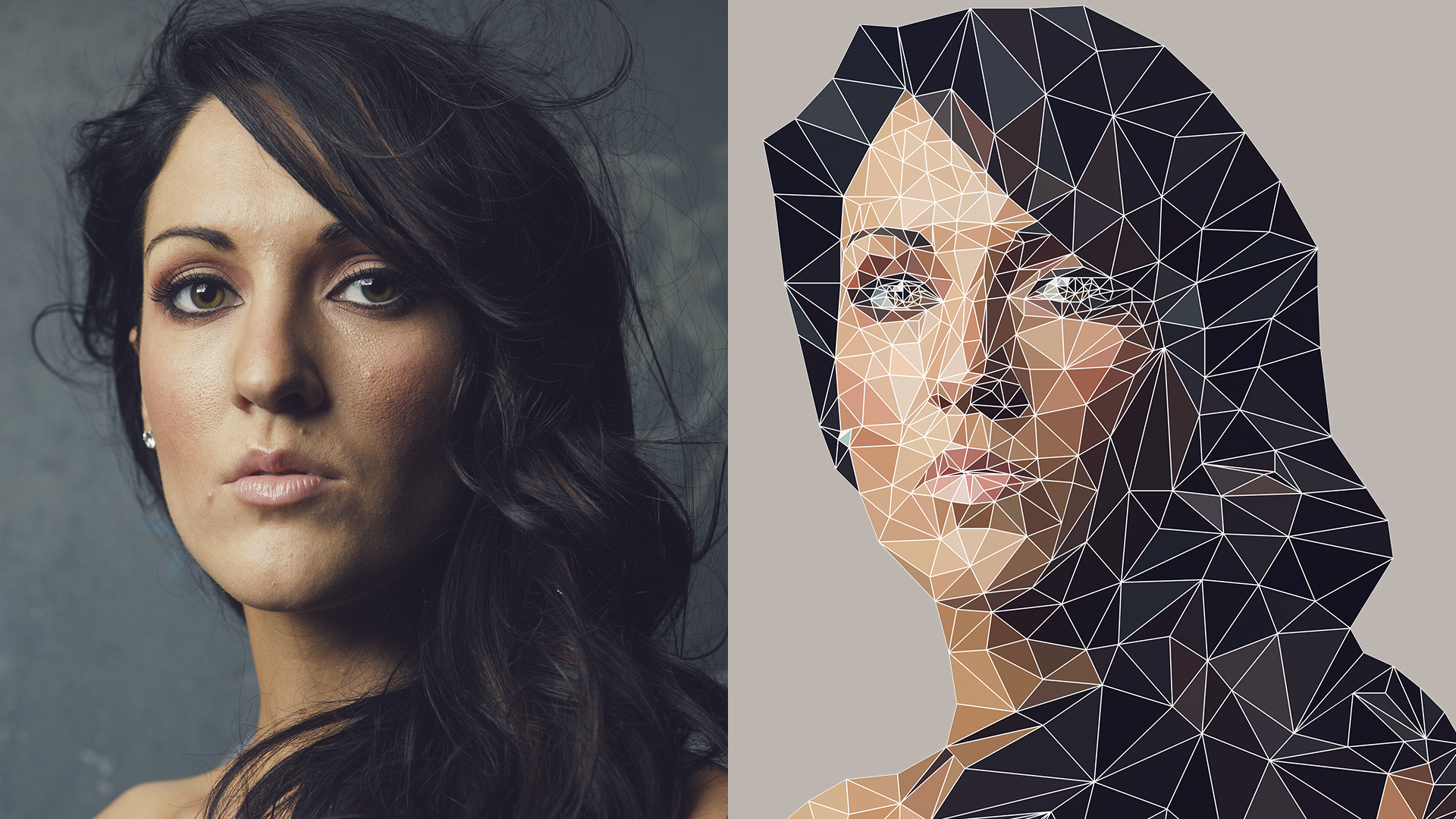
vector-woman-final2
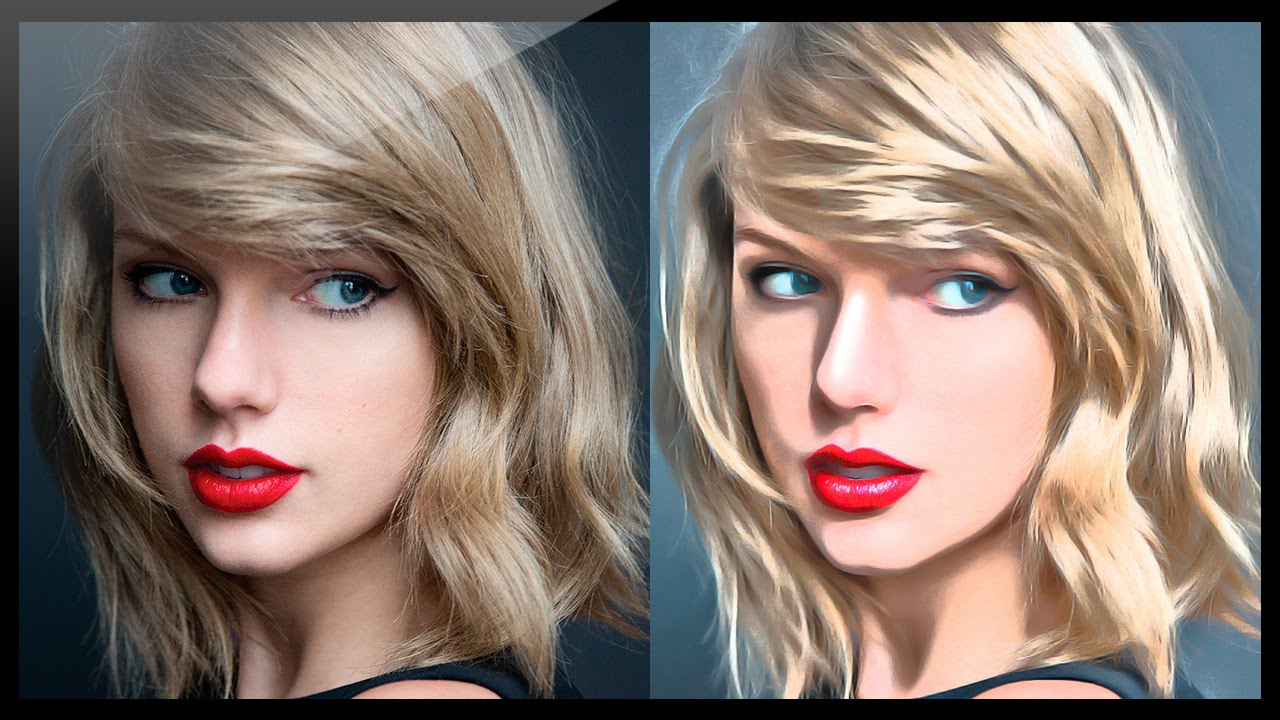
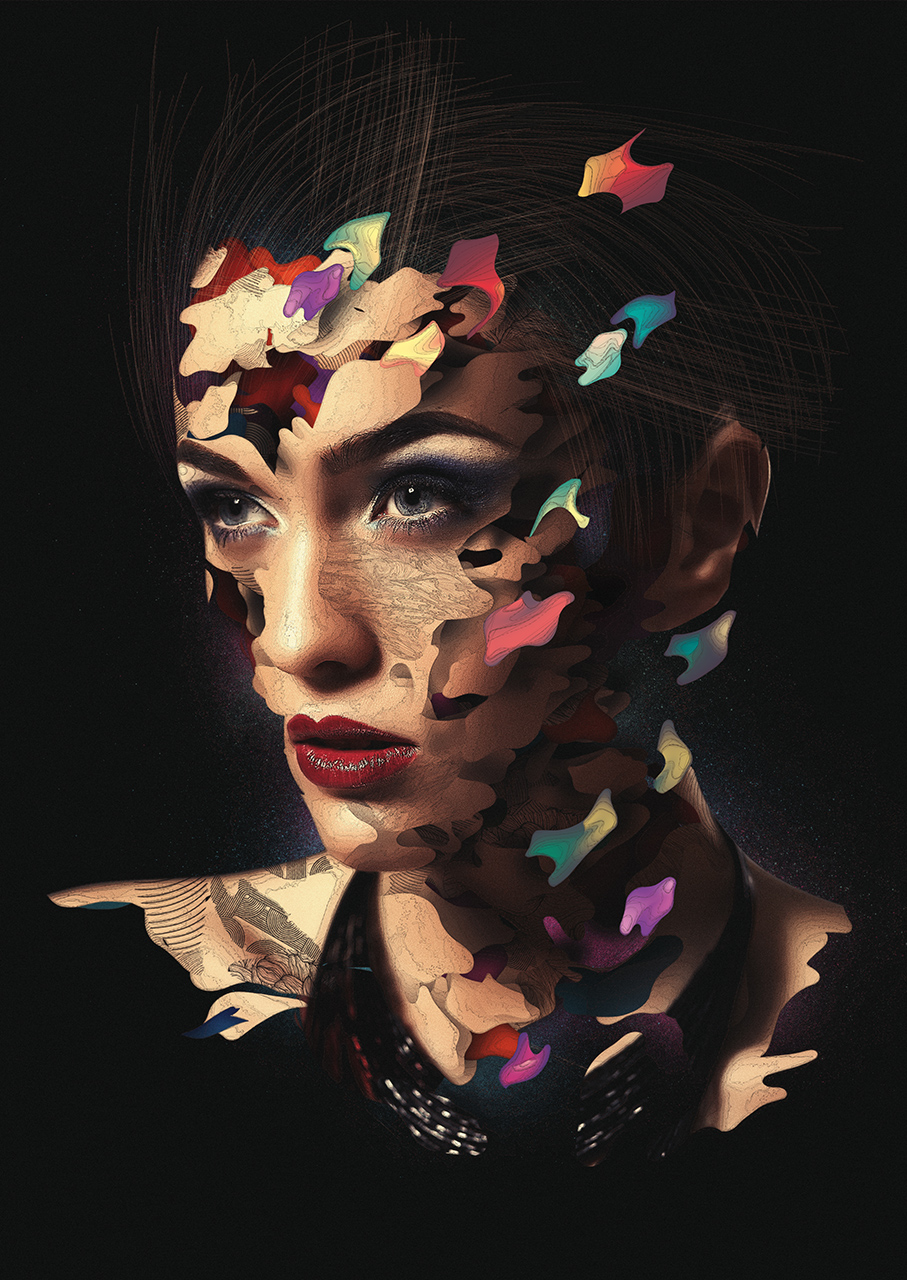
Digital Portrait Drawing: https://photoshoproadmap.com/wp-content/uploads/2018/08/vector-woman-final2.jpg

  • G: Continue to finalize and resolve your with the self – portrait from last time in Adobe Photoshop. This is the SECOND to LAST DAY! HOMEWORK… When you come in in 2 class periods you need to have 5 thumbnails AND the work of โ€œLiteratureโ€ with you. If you DO NOT HAVE SOMETHING WITH YOU, I will supply you with a work from your English Class (which is fine if youโ€™d like by the way, you are reading it in class). BRING pencils and your sketchbook along with the ideas that you have come up with. What are some of the aspects of the story that you really enjoyed? How are you planning the ideas for the illustration? This will not be a just โ€œwing itโ€ process.
  • NEXT TIME! WORK OF ART – TV Show – Season 1 – Episode 3 – Judge a Book by itโ€™s Cover – NEXT TIME – We will watch one part (30 minutes) of the episode and then we will work on the portraits for 60 minutes.

โ€œLITERATURE.โ€ How are you making strong artistic choices (look at the Artist Habits of Mind to make a reflection on here).
Remember the NEXT work of art will be an illustration of another work of art – LITERATURE!


Here is the set of instructions for the PORTRAITS

#Clay, #AcrylicPaint, and #PhotoshopPortraits in #ArtWithKorb and the #Studio

#69: Color is not Neutral: It has an emotional component. Certain colors have specific associations and induce certain responses. Learn what they are. When you use color, try to determine and understand the accompanying emotional response and how to use it effectively. Color has a visceral impact. Kit White 101 Things I Learned in Art School

117e372a157241650acf6cfc926a9574
Emotions in colors:https://i.pinimg.com/originals/11/7e/37/117e372a157241650acf6cfc926a9574.jpg


Art Foundations: Clay and the Collage – Let’s tie things together

  • G: 1.2P: Shape an artistic investigation of an aspect of present-day life using a contemporary practice of art or design.
  • 10.1P: Document the process of developing ideas from early stages to fully elaborated ideas.
  • A: What do you currently know about using CLAY?
  • G: Here are the ideas for Final Product in the next assignment – you will have to use the same technique but with multiple solutions to the challenges – BRIGHT COLORS and GLAZES – Multiple Ideas – Clay Cup / Mug (Pinch Pot, Coils?) Post Modern – Neo-Pop Keith Haring and other 3D Works – Bright Colors etc… Of the different ideas of faces and mugs we looked at last week – what do you think you might want to do before we begin to research? Animal, Person? One Eye, One Nose, One Mouth. Sketch it out on paper first. Slab Bas or High Relief sculpture based on your collage. A lot of options are available for you.


Introduction to Painting: Acrylic and the Still Life

  • G: 2.1Ac: Through experimentation, practice, and persistence, demonstrate acquisition of skills and knowledge in a chosen art form.
  • A: Acrylic Painting Techniques. Collage/Additive, High Gel Relief/ Impasto, Variations on Color Shifting. Now we begin with acrylic paintings – DAY 4. Weโ€™re going to look at two more SETS of techniques today (and you will have to gather some ADDITIVE products to the group of materials that you will need. Again – the artist we are looking at OVERALL is Jude Rae is the artist we are going to explore for a while here. The Milwaukee artist Fred Bell works in a much faster and more painterly way – looking at his work you will be painting in a bit faster (maybe) or at least a bit different. We are working the paintings for TECHNIQUES. LEARN THE TECHNIQUES here artists.


  • G: Well.. What have you accomplished in the processes of painting? We will work a few more FULL SESSIONS to create 4(+) total paintings. Be prepared to identify the techniques and processes you went through in each.

Introduction to Digital Art: Portraits and the Camera – Time to talk about PHOTOSHOP. Let’s Paint, Draw, Gradient, Layer, and so much more!

  • G: 1.1Ac: Individually or collaboratively formulate new creative problems based on studentโ€™s existing artwork.
  • 3.1Ac: Engage in constructive critique with peers, then reflect on, re-engage, revise, and refine works of art and design in response to personal artistic vision.

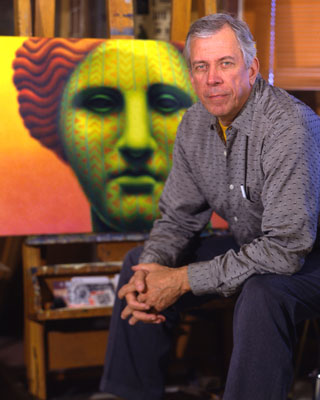
abio-2
Artist Ed Paschke: http://www.edpaschkeartcenter.org/images/ABio-2.jpg

  • A: Second to last day to work on the self-portraits. We begin with a mid critique. Letโ€™s TALK about the process of a mid crit. REMEMBER – after the mid crit – This is an illustration that you are creating – the final portrait will not belong in the final image. At the end of the period – we will submit through Google Classroom and then do a self – assessment. Think about the tools that you were able to learn and use that were NEW to you and that were SIMILAR from Adobe Illustrator.
  • G: Continue to work with the self – portrait from last time in Adobe Photoshop. This is the SECOND to LAST DAY! HOMEWORK… When you come in in 2 class periods you need to have 5 thumbnails AND the work of โ€œLiteratureโ€ with you. If you DO NOT HAVE SOMETHING WITH YOU, I will supply you with a work from your English Class (which is fine if youโ€™d like by the way, you are reading it in class).

โ€œLITERATURE.โ€ How are you making strong artistic choices (look at the Artist Habits of Mind to make a reflection on here).

Remember the NEXT work of art will be an illustration of another work of art – LITERATURE!


Here is the set of instructions for theย PORTRAITS

#Clay and the #Collage, #TimeToPaint, and #PhotoshopPortraits


Art Foundations: Clay and the Collage – Let’s tie things together

  • G: 1.2P: Shape an artistic investigation of an aspect of present-day life using a contemporary practice of art or design.
  • 10.1P: Document the process of developing ideas from early stages to fully elaborated ideas.
  • A: What do you currently know – what are 3 things – that you know about using CLAY? Get out your handbooks and GO!

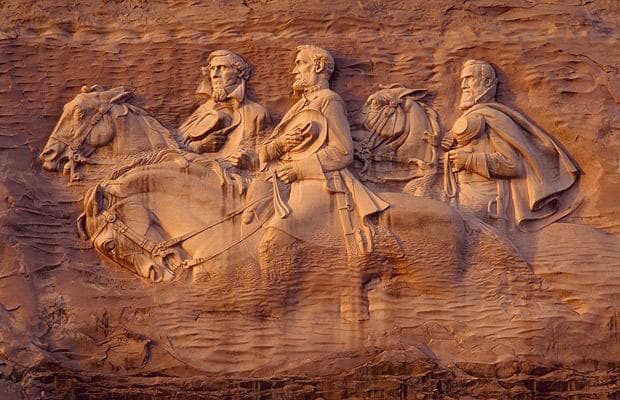
confederates-stone_1403424i
Bas Relief in CLAY: Go Lincoln! http://i.telegraph.co.uk/multimedia/archive/01403/Confederates-Stone_1403424i.jpg


Introduction to Painting: Acrylic and the Still Life

  • G: 2.1Ac: Through experimentation, practice, and persistence, demonstrate acquisition of skills and knowledge in a chosen art form.
  • A: Acrylic Painting Techniques. Now we begin with acrylic paintings – DAY 3. What objects have you brought in today for the still life. We are going to work on our canvas with the variety of techniques that are in the handout about techniques. We are going to do 4 small paintings of a SINGLE OBJECT to get familiar with the techniques and then move into the final paintings in 2 days.. Jude Rae is the artist we are going to explore for a while here. Letโ€™s take a look at her works.


  • G: What are your thoughts about the works you have sketched / painted out today? Will you be ready for the final paintings and still life for next time?

Introduction to Digital Art: Portraits and the Camera – Time to talk about PHOTOSHOP. Let’s Paint, Draw, Gradient, Layer, and so much more!

  • G: 1.1Ac: Individually or collaboratively formulate new creative problems based on studentโ€™s existing artwork.
  • A: ONE more class periods to work on the self-portraits. This is an illustration that you are creating – the portrait photograph will not belong in the final image. At the end of the period NEXT TIME we will submit through a FOLDER in Google Classroom and then do a self – assessment. Think about the tools that you were able to learn and use that were NEW to you and that were SIMILAR from Adobe Illustrator.

f11b4927573607-5636ca901e65a
What are you doing with EXPRESSION? Did you even think of that? https://mir-s3-cdn-cf.behance.net/project_modules/max_1200/f11b4927573607.5636ca901e65a.jpg

  • G: Continue to work with the self – portrait from last time in Adobe Photoshop. Think about the next work of art and remember that you are going to be working with โ€œLiterature.โ€ If you DO NOT HAVE SOMETHING WITH YOU, I will supply you with a work from your English Class (which is fine if youโ€™d like by the way, you are reading it in class).
  • โ€œLITERATURE.โ€ How are you making strong artistic choices (look at the Artist Habits of Mind to make a reflection on here).
  • Remember the NEXT work of art will be an illustration of another work of art – LITERATURE!


  • Here is the set of instructions for theย PORTRAITS

#Poetry, #Painting, #Portraits in the #ArtStudio


Art Foundations: Social Commentary, Collage, and now… POETRY!

  • G: 6.1P: Analyze and describe the impact that an exhibition or collection has on personal awareness of social, cultural, or political beliefs and understandings.
  • A: What are three things that you wrote about that really stand out from your collage now that you have begun writing your poem. THESE ARE THINGS THAT YOU CAN USE IN YOUR FINAL POEM.

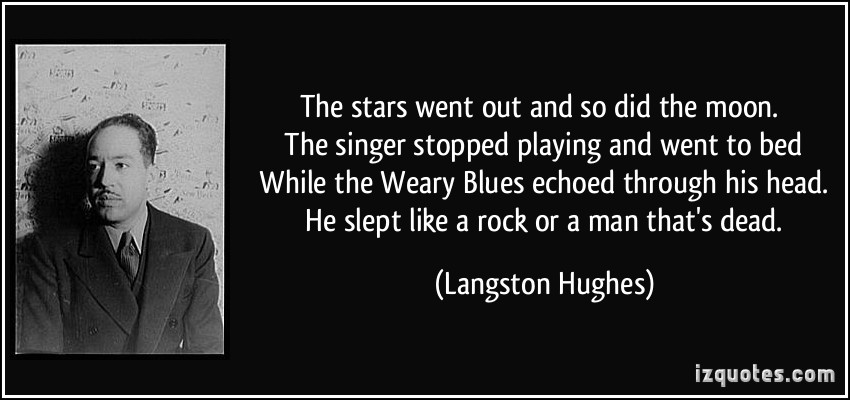
quote-the-stars-went-out-and-so-did-the-moon-the-singer-stopped-playing-and-went-to-bed-while-the-langston-hughes-239099
Langston Hughes and Poetry http://izquotes.com/quotes-pictures/quote-the-stars-went-out-and-so-did-the-moon-the-singer-stopped-playing-and-went-to-bed-while-the-langston-hughes-239099.jpg

  • G: You have TONIGHT to finish the ONLINE SLIDESHOW – What is the BIGGEST Message in your Collage and Poem? Explain the way your collage and poem CLEARLY communicate that.
  • Romare Bearden Foundation HERE.
  • Social Commentary SlideShow HERE.
  • Social Commentary Assignment HERE.

Introduction to Painting: Acrylic and the Still Life

  • G: 2.1Ac: Through experimentation, practice, and persistence, demonstrate acquisition of skills and knowledge in a chosen art form.
  • A: Acrylic Painting Techniques. Now we begin with acrylic paintings – DAY 2. What objects have you brought in today for the still life. We are going to work on our canvas with the variety of techniques that are in the handout about techniques. We are going to do 4 small paintings of a SINGLE OBJECT to get familiar with the techniques and then move into the final paintings in 2 days. Jude Rae is the artist we are going to explore for a while here. Letโ€™s take a look at her works.

  • G: What are your thoughts about the works you have sketched / painted out today?

Introduction to Digital Art: Portraits and the Camera – Time to talk about PHOTOSHOP. Let’s Paint, Draw, Gradient, Layer, and so much more!

  • G: 1.1Ac: Individually or collaboratively formulate new creative problems based on studentโ€™s existing artwork.
  • A: Two more class periods to work on the self-portraits. This is an illustration that you are creating – the portrait photograph will not belong in the final image. At the end of the period NEXT TIME we will submit through a FOLDER in Google Classroom and then do a self – assessment. Think about the tools that you were able to learn and use that were NEW to you and that were SIMILAR from Adobe Illustrator.

low-poly-thumbnail-new
Poly Portrait in Photoshop: https://tutvid.com/wp-content/uploads/2016/01/low-poly-thumbnail-new.jpg

  • G: Continue to work with the self – portrait from last time in Adobe Photoshop. Think about the next work of art and remember that you are going to be working with โ€œLiterature.โ€ If you DO NOT HAVE SOMETHING WITH YOU, I will supply you with a work from your English Class (which is fine if youโ€™d like by the way, you are reading it in class).
  • โ€œLITERATURE.โ€ How are you making strong artistic choices (look at the Artist Habits of Mind to make a reflection on here).
  • Remember the NEXT work of art will be an illustration of another work of art – LITERATURE!

  • Here is the set of instructions for theย PORTRAITS

#Collage Building and #Poetry. #WhatIsArtFor? and even more to do. #Photoshop #Portraits and #Acrylics. Let’s Go!

What is ART for?


Art Foundations: Social Commentary, Collage, and now… POETRY!

  • G: 6.1P: Analyze and describe the impact that an exhibition or collection has on personal awareness of social, cultural, or political beliefs and understandings.
  • A: What are you seeing about your collage as being a NEW skill / a NEW understanding / a NEW technique that you might take into the future of your art making toolbox? After we WORK for a bit we are going to be going to the DIGITAL ARTS LAB and begin working on a POETRY and LANGUAGE assignment. Be ready in 20 minutes.

img_20181102_182029
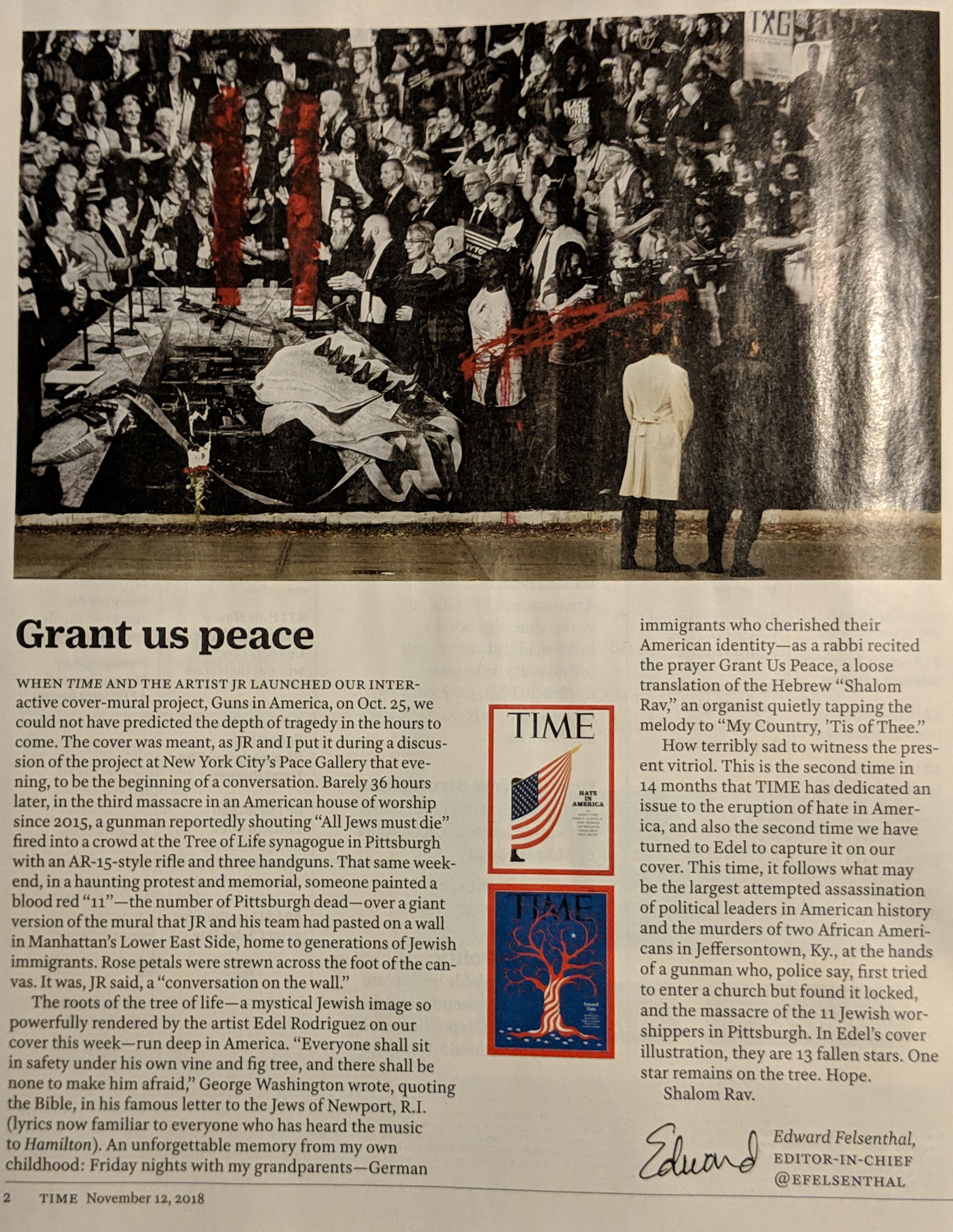
Time Magazine Article on Social Commentary Art. NOTE/DISCLAIMER: The following link will take you to the TIMES Magazine Interactive Art Piece “Guns In America” As a public high school art teacher, I am not weighing in on one side or the other when it comes to the 2nd Ammendment or Guns, or Guns Rights. I am providing an example of how an artist can successfully contribute to the conversation about society and educate others on ways of seeing and thinking. Here is the link: http://www.time.com/guns-in-america/

  • G: What is the ONE area of the collage that you see yourself as carrying into the BAS RELIEF Sculpture? How do you hope to see this as carrying the SOCIAL COMMENTARY forward?ย How do you feel translating the idea of COLLAGE to SCULPTURE?
    • Romare Bearden Foundation HERE.
    • Social Commentary SlideShow HERE.
    • Social Commentary Assignment HERE.

Introduction to Painting: Acrylic and the Still Life

  • G: 2.1Ac: Through experimentation, practice, and persistence, demonstrate acquisition of skills and knowledge in a chosen art form.
  • A: Acrylic Painting Techniques. Now we begin with acrylic paintings. What objects have you brought in today for the still life. We are going to prep our canvas with a light coat of color to start with and then we will be working in the sketchbooks to create thumbnails for the final composition (we may do a few as we are going to study a number of techniques). Jude Rae is the artist we are going to explore for a while here. Letโ€™s take a look at her works.

  • G: What are your thoughts about the works you have sketched out today?

Introduction to Digital Art: Portraits and the Camera – Time to talk about PHOTOSHOP. Let’s Paint, Draw, Gradient, Layer, and so much more!

  • G: 1.1Ac: Individually or collaboratively formulate new creative problems based on studentโ€™s existing artwork.
  • A: Last day to work on the self-portraits. This is an illustration that you are creating – the final portrait will not belong in the final image. At the end of the period – we will submit through Google Classroom and then do a self – assessment. Think about the tools that you were able to learn and use that were NEW to you and that were SIMILAR from Adobe Illustrator.

pen_tool_photoshop-tutorials
Photoshop and the Portrait! http://gdj.graphicdesignjunction.com/wp-content/uploads/2014/04/pen_tool_photoshop-tutorials.jpg

  • G: Continue to work with the self – portrait from last time in Adobe Photoshop. This is the LAST DAY! When you come in next time… you need to have 5 thumbnails AND the work of โ€œLiteratureโ€ with you. If you DO NOT HAVE SOMETHING WITH YOU, I will supply you with a work from your English Class (which is fine if youโ€™d like by the way, you are reading it in class).
  • G: Continue to work with the self – portrait from last time in Adobe Photoshop. Wha
    • Remember the NEXT work of art will be an illustration of another work of art – LITERATURE!
    • Here is the set of instructions for theย PORTRAITS

#Collage Building, #BookMaking, and #Photography for #Photoshop – Yes, were still at this! But it is GOOD.

โ€œPerseverance is failing nineteen times and succeeding the twentieth.โ€ โ€” Julie Andrews


Art Foundations: SOCIAL COMMENTARY and COLLAGE!

  • G: 10.1P: Document the process of developing ideas from early stages to fully elaborated ideas.
  • A: What are the SPECIFICS about the SOCIAL TOPIC that you and came up with and you are RESOLVING today?

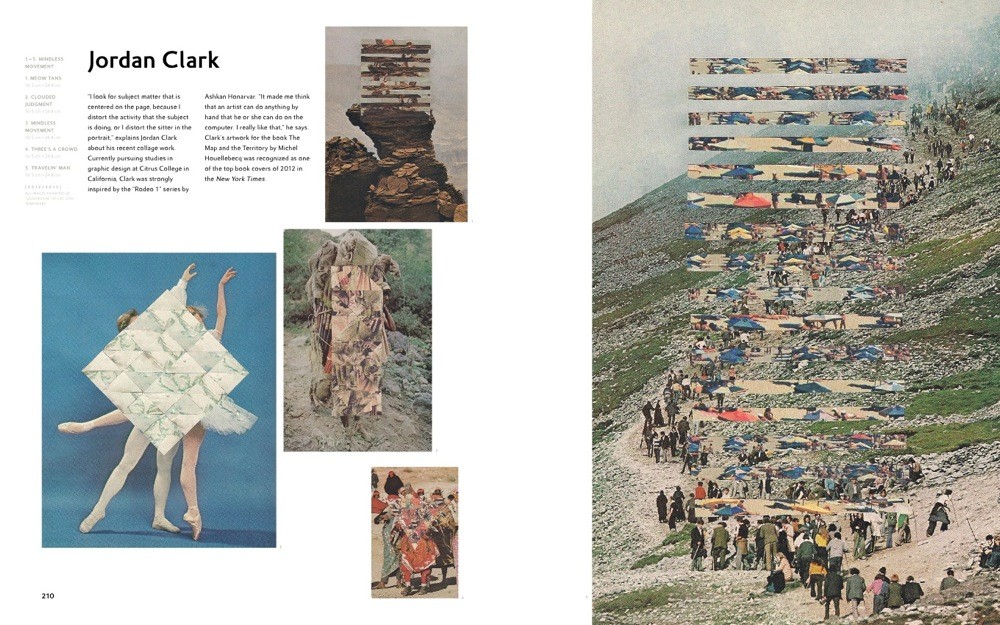
theageofcollage_web_11
Jordan Clark and the idea of collage: http://cdn.gestalten.com/media/catalog/product/cache/3/image/9df78eab33525d08d6e5fb8d27136e95/t/h/theageofcollage_web_11.jpeg

  • G: How do you feel translating the idea of COLLAGE to SCULPTURE is going to be challenging?
    • Here is Jordan Clark’s HERE.
    • Romare Bearden Foundation HERE.
    • Social Commentary SlideShow HERE.
    • Social Commentary Assignment HERE.

Introduction to Painting: Plein Air Book Making

  • 1.1Ac: Individually or collaboratively formulate new creative problems based on studentโ€™s existing artwork
  • 2.1Ac: Through experimentation, practice, and persistence, demonstrate acquisition of skills and knowledge in a chosen art form.
  • What were your challenges in the construction of the book you started last time? How do you see yourself being able to use these kinds of skill, construction of an object like a book, in the future? This is more than a one project lesson. Next time… you will bring in a series of SMALL OBJECTS that are personal to you – not expensive – but personal – we will be creating a small still life (we can move the box around, move the still life from time to time so that it is protected and safe between studio times).

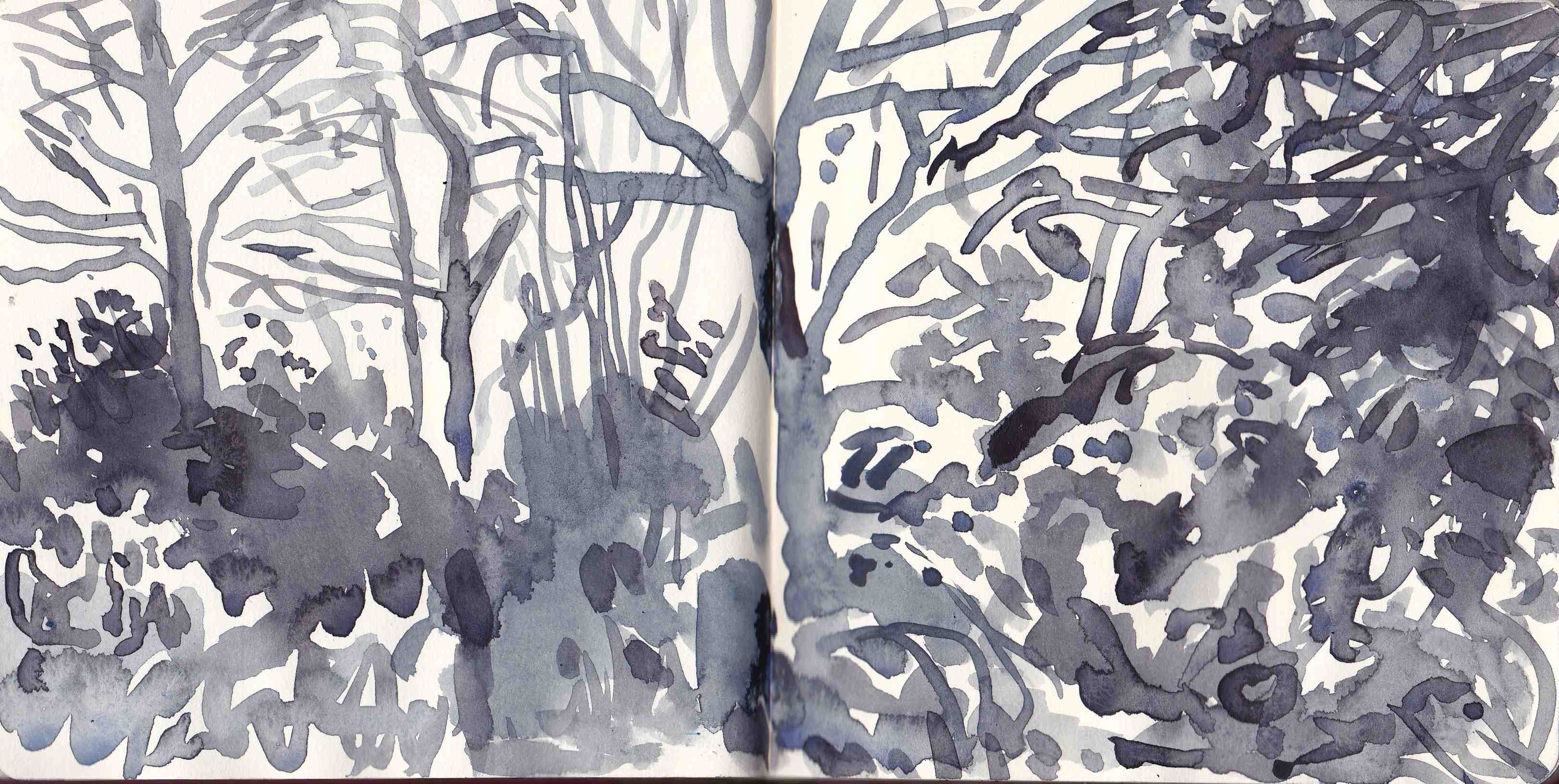
yorkshire-sketchbook-david-hockney
David Hockney, double page spread: https://marjoleinsocablog.files.wordpress.com/2012/12/yorkshire-sketchbook-david-hockney.jpg

  • G: What are the challenges you had in the making of this book? Difficulties? Step by Step stuff? And hey… how do you feel about the final work? Letโ€™s sit and write a reflection in pencil inside the book.
    • PLEIN AIR handmade sketchbook assignment is HERE
    • David Hockney’s Sketchbooks HERE.

Introduction to Digital Art: Portraits and the Camera – Let’s get creative in groups of three! Maybe you incorporate each of you in the work!

  • G: 1.1Ac: Individually or collaboratively formulate new creative problems based on studentโ€™s existing artwork.
  • A: What is so special about the photo you created last time that is making this portrait so interesting? We will have gone over some of the tools that you might have thought of using (brushed, pencils, erasers) but what else can you use in photoshop to create a drawing? LAYERS are important here and I hope that you are using them. This project WILL be printed in FULL COLOR. Make your resolution 300 dpi.

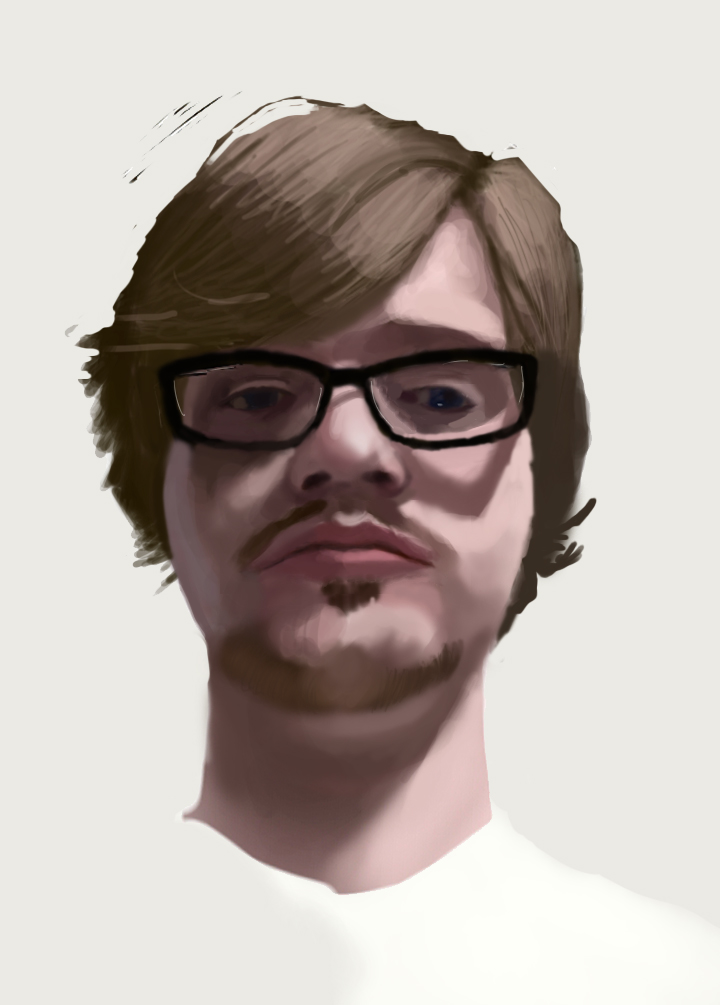
self_portrait_photoshop_fix_by_ashtarth-d5mkq3t
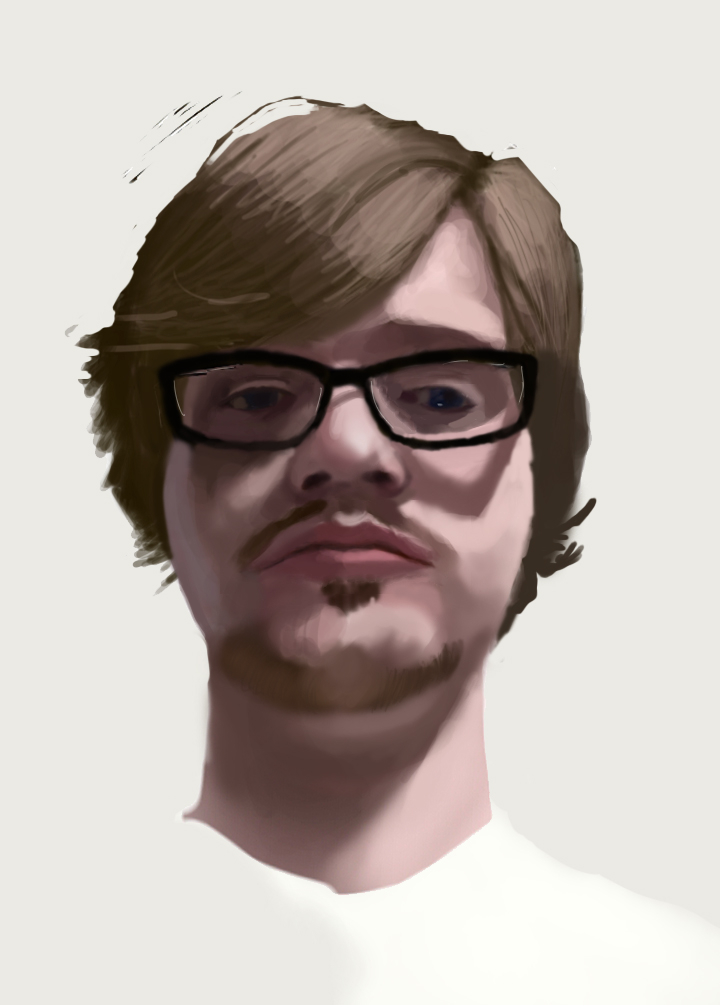
Portrait in Adobe Photoshop: https://orig00.deviantart.net/43eb/f/2012/333/e/6/self_portrait_photoshop_fix_by_ashtarth-d5mkq3t.jpg

  • G: Continue to work with the self – portrait from last time in Adobe Photoshop. What are you taking away from the process of using PHOTOSHOP rather than ILLUSTRATOR to draw? When you come in the time after next… you need to have 5 thumbnails AND the work of โ€œLiteratureโ€ with you. If you DO NOT HAVE SOMETHING WITH YOU, I will supply you with a work from your English Class (which is fine if youโ€™d like by the way, you are reading it in class).
    • Remember the NEXT work of art will be an illustration of another work of art – LITERATURE!
    • Here is the set of instructions for theย PORTRAITS

#Collage Building, #BookMaking, and #Photography for #Photoshop

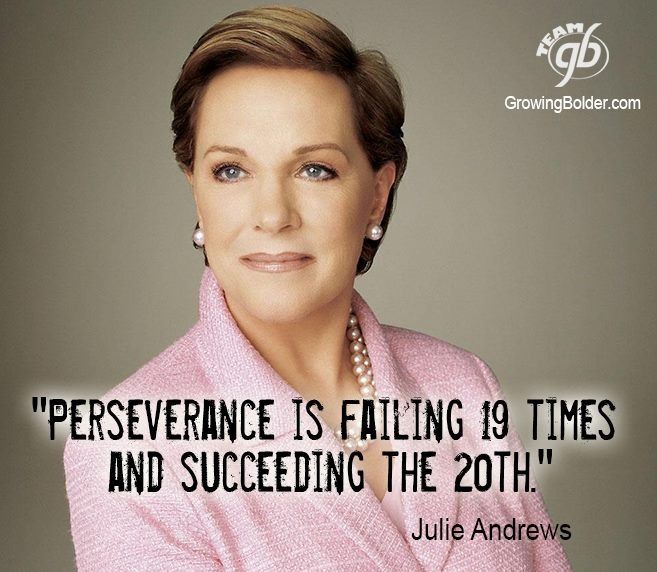
โ€œPerseverance is failing nineteen times and succeeding the twentieth.โ€ โ€” Julie Andrews

e280b1667ed5f85421461ddfe470c498
Julie Andrews and Perseverance: https://i.pinimg.com/736x/e2/80/b1/e280b1667ed5f85421461ddfe470c498.jpg


Art Foundations: SOCIAL COMMENTARY and COLLAGE!

  • G: 10.1P: Document the process of developing ideas from early stages to fully elaborated ideas. ย 
  • A: What are you doing to SUCCESSFULLY create a REAL sense of SPACE in your COMPOSITION?

theageofcollage_web_1
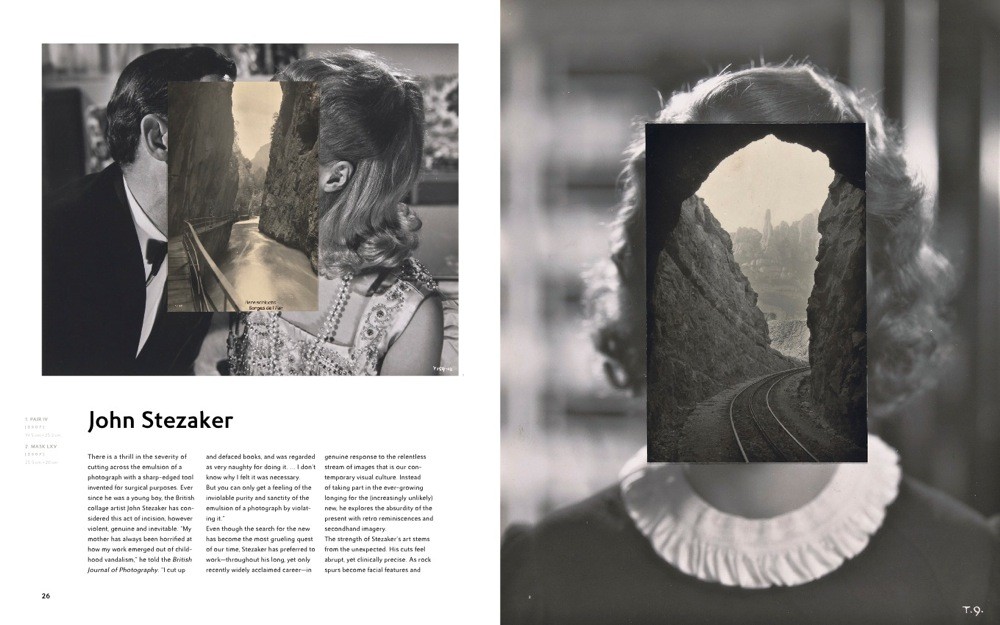
John Stezaker Contemporary Collage: https://www.saatchigallery.com/artists/john_stezaker.htm

  • G: How have you been able to think about your artwork being something that CAN affect how someone who looks at your work and their ideas about your social topic?
    • Romare Bearden Foundation HERE.
    • Social Commentary SlideShow HERE.
    • Social Commentary Assignment HERE.

Introduction to Painting: Plein Air Book Making

  • 7.2Ac: Evaluate the effectiveness of an image or images to influence ideas, feelings, and behaviors of specific audiences.
  • 2.1Ac: Through experimentation, practice, and persistence, demonstrate acquisition of skills and knowledge in a chosen art form.

hockney_2902167b
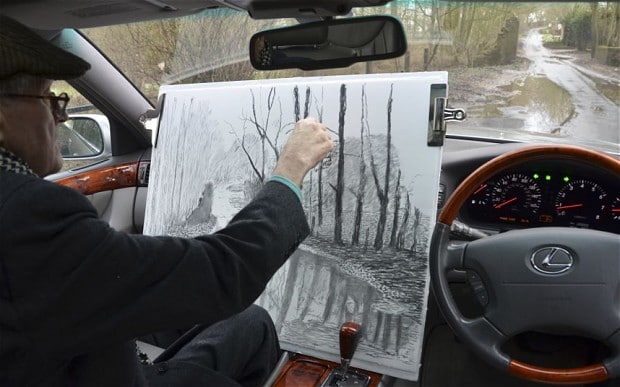
David Hockney Drawing – Yes – We’re doing it again but smaller and in our own sketchbooks: http://i.telegraph.co.uk/multimedia/archive/02902/hockney_2902167b.jpg

  • What did you take away from the paintings experience last week? What strengths did you see in your paintings ? What challenges did you face going outside of the studio?
    • PLEIN AIR handmade sketchbook assignment is HERE
    • David Hockney’s Sketchbooks HERE.

Introduction to Digital Art: Portraits and the Camera – Let’s get creative in groups of three! Maybe you incorporate each of you in the work!

  • G: 1.1Ac: Individually or collaboratively formulate new creative problems based on studentโ€™s existing artwork.
  • A: What are the qualities of the portraits that you think about when you see them? What types of portraits are you thinking about for yourself when you want a portrait made? Have you even begun to think about what you are going to do with the background of the image to make a strong photograph (and then a strong drawing) of the photograph? ALSO – When this work of art is DONE (3 class periods) we will ย begin to illustrate NOT from a photograph, but from our own drawings, gathering of images, our own ideas. Illustration of another work of art – LITERATURE!

creative-self-portraits-shadows
Creative Self Portraits: https://2dhnizrxqvv1awj231eodql1-wpengine.netdna-ssl.com/wp-content/uploads/2018/02/Creative-Self-Portraits-Shadows.jpg

  • G: PORTRAITS: With a group of three, come up with 3 techniques, tools, approaches to a portrait that you as the model would like to work with for the image? As a group of three – you will 1) hold lighting, 2) Be the Photographer, and 3) be the model for the photograph. We will talk about the cameras for a brief bit in the beginning, then we will be heading down to the painting studio and then out into the building with cameras and lights for 30 minutes (that is 10 minutes per person… so be thinking about the process and the poses that you might want.) Take 5 minutes NOW to look over PORTRAITS in Google to begin to THINK of ideas… you will be using these ideas as IDEAS. Have your sketchbook ready to make notes and quick sketches of the ideas. We will be using an 10โ€ x 8โ€ format in Photoshop – 300 DPI – CMYK.