“I think of the art as dead when it leaves my studio. I don’t even own it anymore. Installing in a museum or a show that’s coming up, I’m not allowed to touch my own work ever. It just seems strange to me. If somebody puts me in front of my drawings, I’d put more text in it. It’s never finished, but none of my work is ever finished.”
We only have 2 1/2 weeks left of classes after our break. Make sure you are ready to work and be prepared with your final projects!
Intro to Painting – Abstract Acrylic Still Life: Canvas building and preparation for the final painting
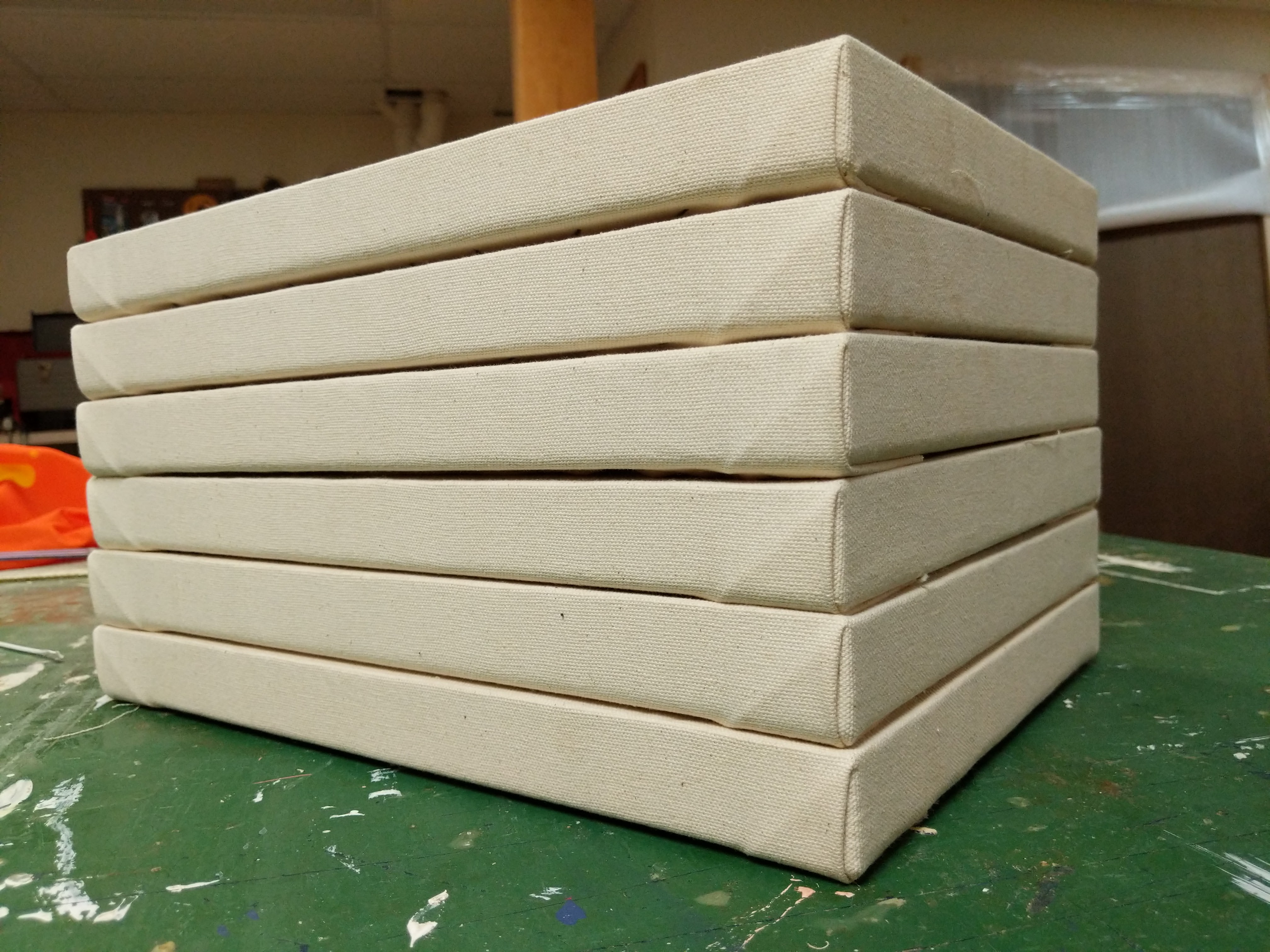
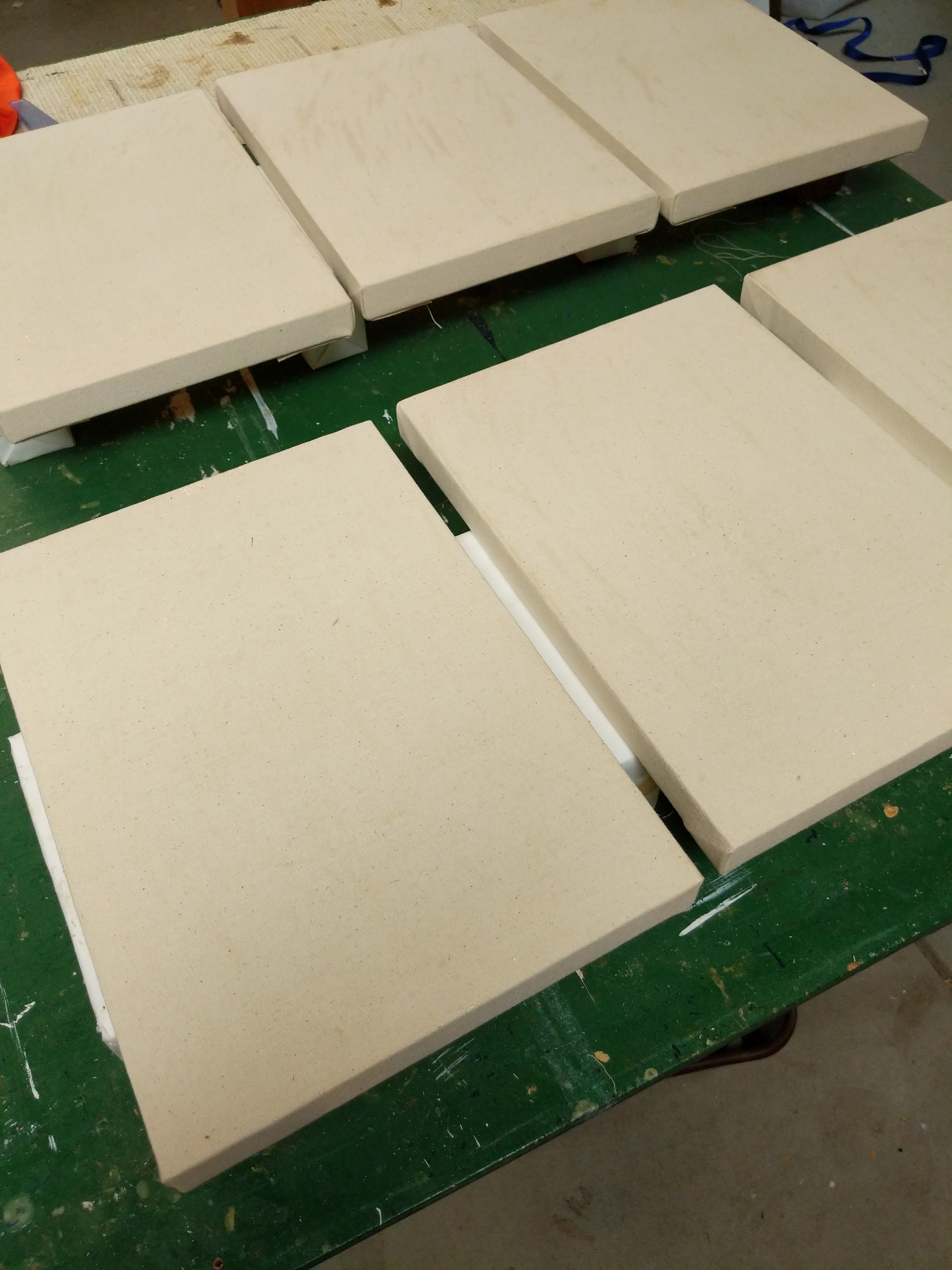
I hope you have read your story and the ideas are moving forward. The canvas being built will have helped you as we get back. If you are not done building and stretching your canvas that is the first thing to do when you get back.
Intro to Digital Art and Photography – Illustration and Literature
Sit Tight Folks… nothing to see here – unless you are not done with the literature illustration.
Art Foundations – MANY THINGS TO DO – Your landscape photograph is the first!
Make Photographs of LANDSCAPES over break! Think about the neighborhoods, city, trees and other landscapes that you might run across. HOMEWORK.
We only have 2 1/2 weeks left of classes after our break. Make sure you are ready to work and be prepared with your final projects!
Intro to Painting – Abstract Acrylic Still Life: Canvas building and preparation for the final painting
This week we continue to BUILD our canvases so that they are ready to take home and get started on. This is a lot of responsibility for you so… make sure you are coming in and getting the work done. If you do not this week there is going to be a lot more to do when you come back. Sign up for ET or Study Halls.
Intro to Digital Art and Photography – Illustration and Literature _ RUBRIC and DONE!
Make sure you are ready to CRITIQUE the final illustration based on your choice in literature. This was a VERY OPEN ENDED work of art for you to demonstrate your skills in Photoshop, Illustrator, and InDesign… All of these skills will pay off down the road. Have your RUBRIC FILLED OUT so that you are able to get the CRITIQUE points to demonstrate your knowledge of the process of self reflection. Also be prepared to TALK about your classmates work – success and struggle (with suggestions).
Art Foundations – Metals Wrap up, Rubric, and Ceramics Glazing
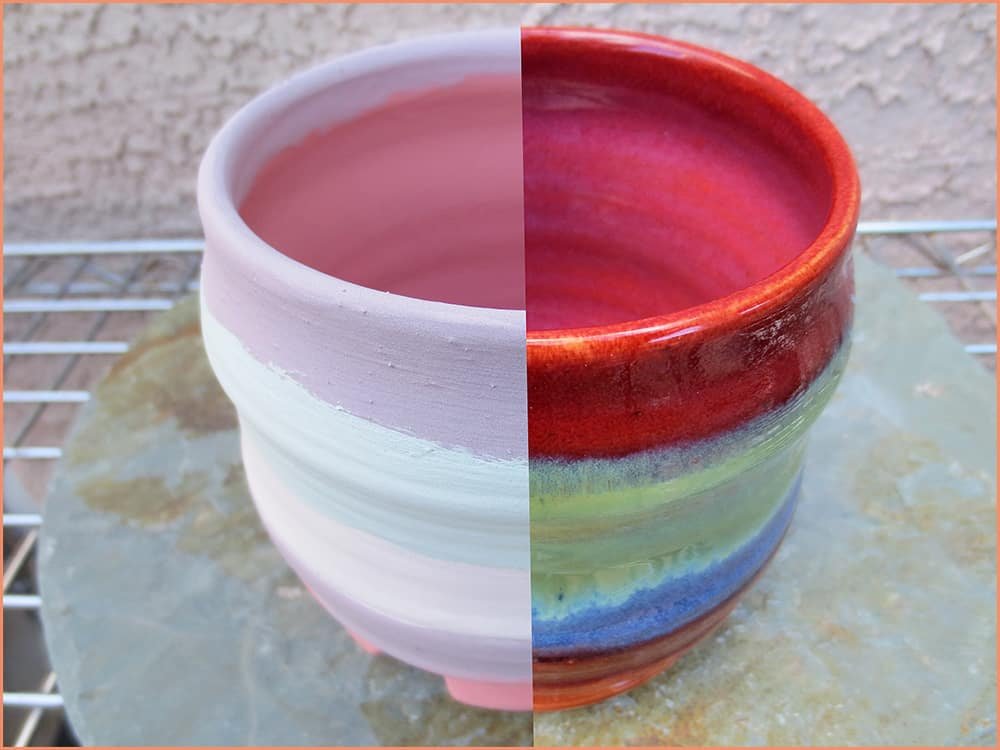
CRITIQUE the METALS WORK and then GLAZE the POTTERY. It may take a day after break to finish so… make sure that you are making notes about the colors that you are using.
3 coats of glaze!
Careful application
DO NOT GLAZE THE BOTTOM
Wipe a thin bit off the VERY BOTTOM so they do not stick to the Kiln Shelf.
Make Photographs of LANDSCAPES over break! Think about the neighborhoods, city, trees and other landscapes that you might run across. HOMEWORK.
Intro to Painting – Abstract Acrylic Still Life: Critique and then Canvas building.
Oral Critique
Artist:
Introduction: Hi, I am “NAME HERE”… the Title of my work is and the objects I chose to use were this and that and this is why…
The techniques I used were… and this is where one can see them very specifically.
The strengths of the work are… and why.
The areas I struggled with are this and that and this is why.
Anything else that you might want to add.
Audience:
Positive aspects of the image and why.
Critical responses to the work and why with solutions.
Anything else that you feel will be worthwhile.
THERE WILL BE NO:
I like’s
It’s Cool, beautiful, ugly, etc… no empty comments without specific commentary and evidence to back it up.
Each person will contribute to the conversation at least 2 times.
Intro to Digital Art and Photography – Illustration and Literature
How do you look at the work of art and how do you talk about it?
SMALL GROUPS OF 3 or 4 – move around to individual computers to share the images. Korb will assign the groups. WHAT IS A CRITIQUE? Hand this out for kids to consider.
ARTIST – On the YELLOW Sticky Note
Hi, I am “NAME HERE” and my choice of literature is THIS… I chose this work of literature BECAUSE and this is how I am tying the assignment of the illustration into this work of literature.
The plans I have been following with the program(s) have been THIS…
The challenges I have been having are THIS…
What are you doing NEXT? What are your plans for the work as you continue to move forward?
What is the text you have chosen and why? Where and how are you planning on including this in the image?
AUDIENCE
As the VIEWER be ready to ask questions that pop into your mind and then… round table kind of questioning / suggestions.
What is the first thing that pops into your line of sight that is a successful element to the work? Why and / or How?
What is the one thing that stands out as needing attention? Why and / or How?
Suggestions with solutions…
ARTIST – On the Blue Sticky Note
What are 3 things that your classmates said about your work that you are proud of and agree with?
What are 2 things that your classmates said in critique or suggestions that you heard and are taking into consideration as you move forward with your artwork?
What is 1 thing that you feel you need to do in order to resolve the image / idea that you have in front of you now to make it more successful?
Make photographs of your sticky notes and insert them into your slideshow as MID CRITS!
Art Foundations – CERAMICS Rubric and Metals introduction
Demonstration of using sharpie on copper to create a design and blocking out copper with tape.
“The public is more familiar with bad design than good design. It is, in effect, conditioned to prefer bad design, because that is what it lives with. The new becomes threatening, the old reassuring.” – Paul Rand
Intro to Painting – Abstract Acrylic Still Life – LAST WEEK TO WORK
BIG REMINDER – Work time folks. Remember that you need to be aware of:
Intro to Digital Art and Photography – Illustration and Literature
This is NEW and YOUR Choice in how you approach it. Illustrator? Photoshop? Using Photographs or your own Drawings? This is ALL YOU. Let’s look at how Knuffle Bunny by Mo Willems was developed and worked on!
Let’s keep looking at the illustrations that we are seeing in the illustration of LITERATURE and what are you doing to make your illustrations STRONG and WOW!
Layers
Gradients
Colors
Similarities and Differences between Photoshop and Illustrator.
MAKE SURE YOU ARE USING THE SKILLS WE DEVELOPED IN THE PREVIOUS LESSONS!
Art Foundations – CERAMICS Rubric and Metals introduction
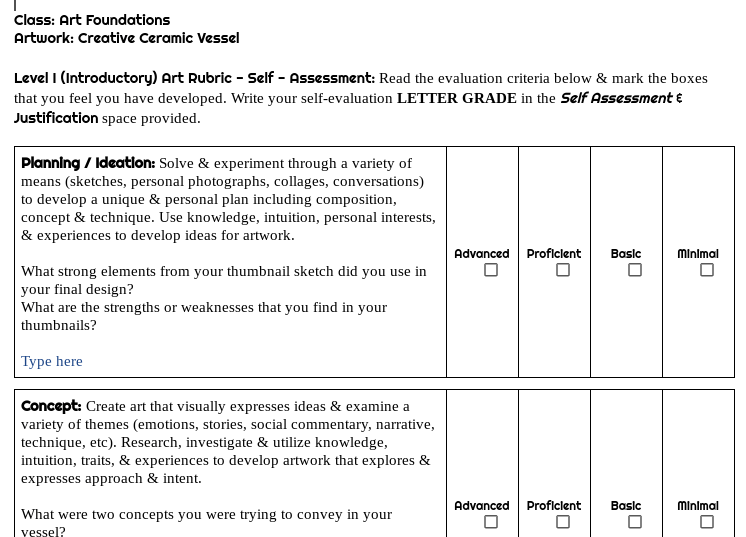
What is your slab and coil like?Go to GOOGLE CLASSROOM and open your rubric.
WE are beginning the work on the METALS UNIT and we are wrapping up the CERAMICS BUILDING STAGE. We will be coming back to the glazing in a couple of weeks.
Intro to Digital Art and Photography – Illustration and Literature
This is NEW and YOUR Choice in how you approach it. Illustrator? Photoshop? Using Photographs or your own Drawings? This is ALL YOU. Let’s look at how Knuffle Bunny by Mo Willems was developed and worked on!
Layers
Gradients
Colors
Similarities and Differences between Photoshop and Illustrator.
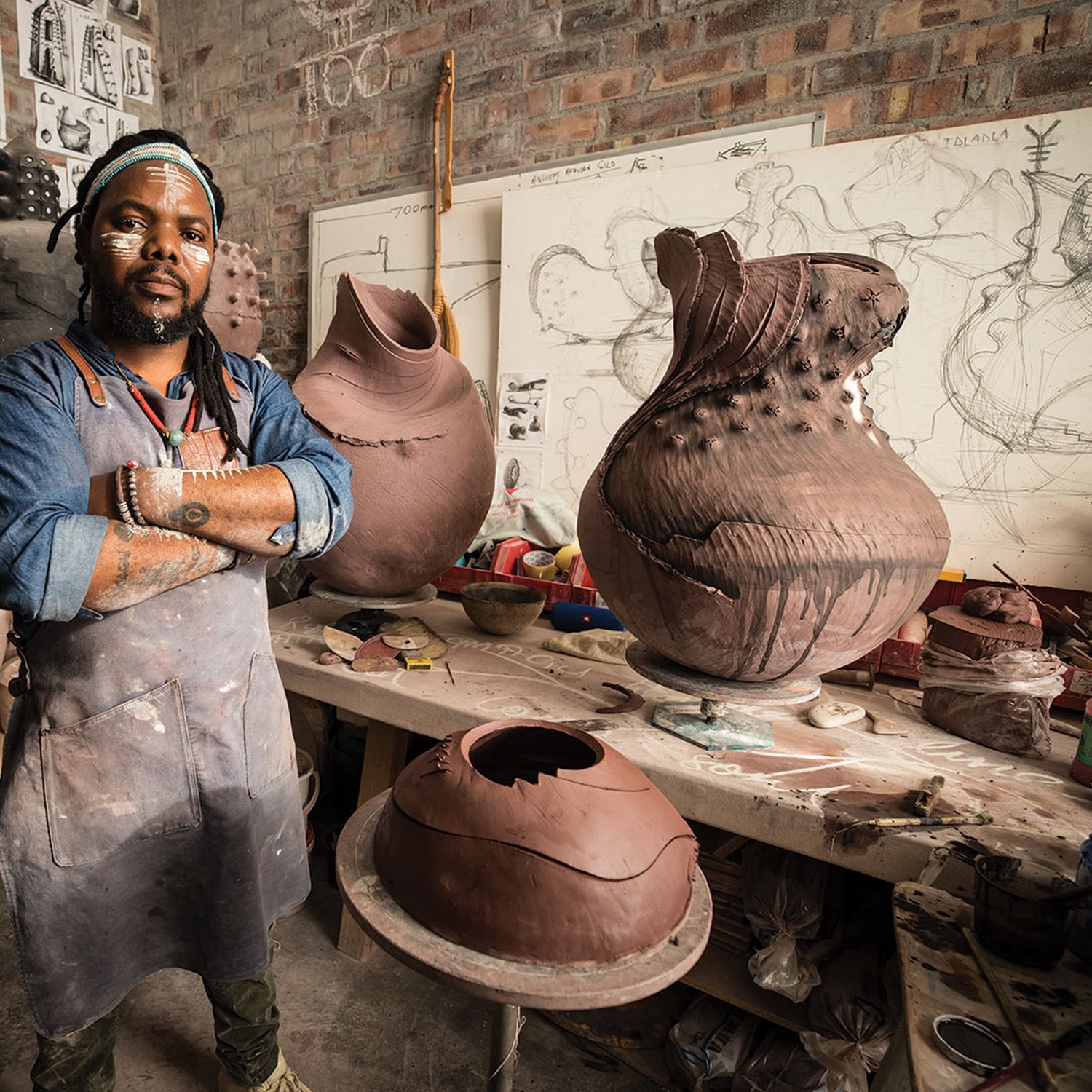
Andile Dyalvane in the studio! Look at the DRAWINGS on the back wall! Link to the Friedman Benda Gallery of his works. Visit HIS website to see more works.
Hopefully your clay has been in good shape with the LONG WEEKEND that we all had. Be aware of the requirements and techniques that are part of this assignment. there is more to the project that simply playing with clay. This is all about the process that we go through to make art.
Remember Maria Martinez? Her work was about the community. What symbolism, images, are you using in the work? Are you able to tie this work into your personal life experiences?
YOUTH ART MONTH – Coming SOON to a mall near you! DOWNLOAD THIS and get the images to us by Dec 1. – Link HERE for the PDF Form.
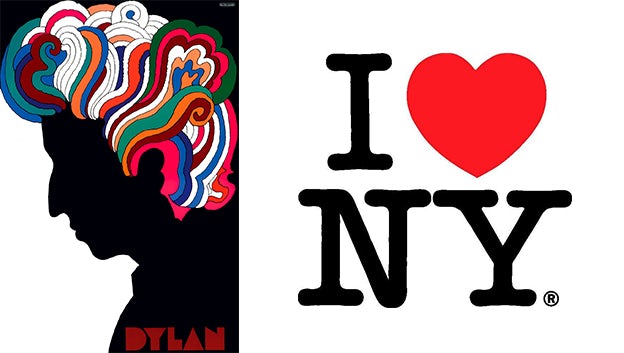
“There are three responses to a piece of design – Yes, No, and WOW! Wow is the one to aim for.” Milton Glaser
THANK YOU for respecting the NO FOOD – NO DRINK – BE ON TIME – WORK – STAY ON TASK – NO WARNINGS ON CELL PHONES. We have, in one week, seen strong improvements in studio habits and work.
Intro to Painting – Abstract Acrylic Still Life – Time to work
William H. Johnson, Still Life–Fruit, Bottles, ca. 1938-1939, oil on burlap, Smithsonian American Art Museum, Gift of the Harmon Foundation, 1967.59.916
BIG REMINDER – Work time folks. Remember that you need to be aware of:
Let us put our experiences to use. Abstraction can help you focus on the techniques of the acrylics as well as being able to play with the ideas of the abstraction of the images. This is also a series of LIFELONG SKILLS that one can use always as they paint – this is something that is more than just a today assignment.
Intro to Digital Art and Photography – Illustration and Literature
This is NEW and YOUR Choice in how you approach it. Illustrator? Photoshop? Using Photographs or your own Drawings? This is ALL YOU. Let’s look at how Knuffle Bunny by Mo Willems was developed and worked on!
Layers
Gradients
Colors
Similarities and Differences between Photoshop and Illustrator.
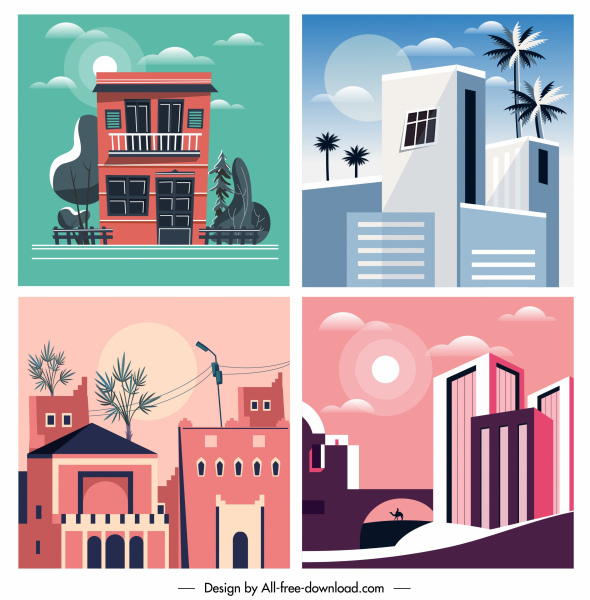
Today we do the RUBRIC AND ASSESSMENT for the Adobe Illustrator Architecture Illustrations.
Art Foundations – CERAMICS and the Slab and Coil
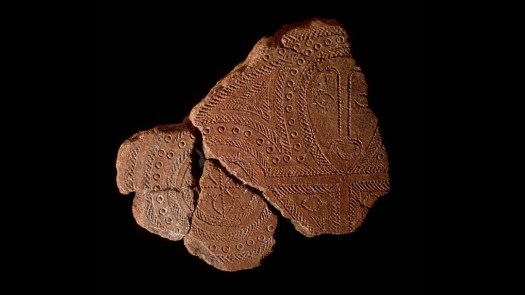
Terracotta fragments, Lapita people, c. 1000 B.C.E., red-slip earthenware, Santa Cruz Islands, south-east of Solomon Islands (Department of Anthropology, University of Auckland, CC BY-NC-ND 3.0)
Let’s QUICKLY visit the OLDEST works that we can look at and then some contemporary works by Native American Maria Martinez. The links here are just like last week but we are going to look at them this week. Briefly!
Pay attention to the requirements and the way in which one has to take care of the clay as you work and as you store it.
Contemporary ceramic vessels – pretty traditional feeling. Very traditional in the process and the cultural importance. Maria Martinez. Let’s take a look – Thanks Khan Academy and PBS
REMEMBER FOLKS: YOUTH ART MONTH – Coming SOON to a mall near you! DOWNLOAD THIS and get the images to us by Dec 1.
Click to DOWNLOAD the Youth Art Month Flag Entry Form.
NO FOOD – NO DRINK – BE ON TIME – WORK – STAY ON TASK – NO WARNINGS ON CELL PHONES
Intro to Painting – Abstract Acrylic Still Life
BIG REMINDER – There are a lot of you with the ACRYLIC PRACTICE PAINTINGS still missing. After this week – those 2 weeks of practice will go in as a NP – Not Proficient and will be locked in as a 50%. Yikes. This does NOT represent your true skills but I cannot wait on these any longer.
Jen Evenhus – Cheerful Cherries ‐ Pastel ‐ Archival Sanded Pastel Paper ‐ 8 x 8 ‐ Sold WEBSITE
It is time to put the experiences to use. Abstraction will help us focus on the techniques of the acrylics as well as being able to play with the ideas of the abstraction of the images. What are you focusing on as it comes to Analytical Cubism? Remember to SIMPLIFY and COMPLICATE. We are looking at the images from MANY DIFFERENT ANGLES.
Intro to Digital Art and Photography – FINAL DAYS of Adobe Illustrator and Architecture.
What are you doing to make this YOUR OWN? What tools, techniques, approaches are you using to make this successful? Be aware of the timeline and the end product. Make sure that you are staying on top of your time. Come in during ET and work on it at home.
REMEMBER: Always consider the below points as you are working in Illustrator (or any other digital or traditional medium / media) . The assignment is HERE as it is also in Google Classroom. Pay attention to the process and the requirements and really use your Studio Habits to stay on task and focused.
Layers
Gradients
Colors
Similarities and Differences between Photoshop and Illustrator.
Art Foundations – CERAMICS! YEAH! – Ms. Crow – YEAH!
Terracotta fragments, Lapita people, c. 1000 B.C.E., red-slip earthenware, Santa Cruz Islands, south-east of Solomon Islands (Department of Anthropology, University of Auckland, CC BY-NC-ND 3.0)
Moving ahead into a NEW (but really ancient) approach to making work – and this can be FUNCTIONAL versus decorative) – CERAMICS!
Pay attention to the requirements and the way in which one has to take care of the clay as you work and as you store it.
Contemporary ceramic vessels – pretty traditional feeling. Very traditional in the process and the cultural importance. Maria Martinez. Let’s take a look – Thanks Khan Academy and PBS
“#69: Color is not Neutral: It has an emotional component. Certain colors have specific associations and induce certain responses. Learn what they are. When you use color, try to determine and understand the accompanying emotional response and how to use it effectively. Color has a visceral impact.” Kit White 101 Things I Learned in Art School
How do YOU use color?
Intro to Painting – Another Book? Yes… but FAST!
We looked at a HUGE variety of techniques in acrylic painting. We are going to BIND them so that we have them together. From here we are going to explore the idea of the STILL LIFE. Below is the assignment (and in your Google Classroom). Make sure you watch and THINK ABOUT how Corey D’Augustine broke hid interpretation of Analytical Cubism.
Intro to Digital Art and Photography – Solid week of working with Adobe Illustrator and Architecture.
HOW ARE YOU MAKING THIS YOUR OWN WORK? Style? Colors? Simplifications? Complexity? The images are yours – some are more personal than others (were you prepared?). This is a WEEK TO WORK and we will be doing a MID CRIT at the end of this week. BE PREPARED to talk about the status and things you have learner / artist.
REMEMBER: Always consider the below points as you are working in Illustrator (or any other digital or traditional medium / media) . The assignment is HERE as it is also in Google Classroom. Pay attention to the process and the requirements and really use your Studio Habits to stay on task and focused.
Layers
Gradients
Colors
Similarities and Differences between Photoshop and Illustrator.
Setting up a still life of your own can be challenging. Here is a video that shows how even the simplest of objects can make a GREAT composition.
Lets play this at 2x so you can see the images in a shorter timeframe.
DID YOU COME PREPARED WITH:
Having the objects to use
Did you make a variety of photographs
Is your drawing large enough
Are you drawing lightly enough to start with
Are you being engaged throughout the process
Are you covering the whole of the picture plane
Remember to be using all of the mark making techniques
What else?
HERE is the ASSIGNMENT. Make sure that you are prepared with your photographs and thumbnails: 7 Photographs and at least 3 Thumbnails for sure. Consider the lighting of the image. Can you use the light in the classroom? Do you need to use the spotlight at your table? How can you make this interesting with values and angles?
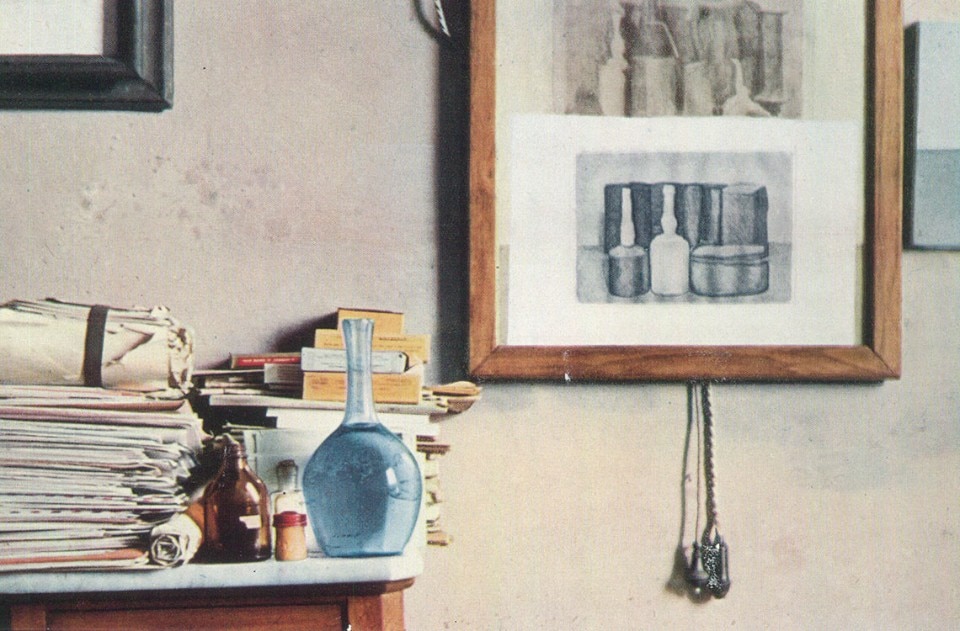
We ARE looking at the Italian artist Giorgio Morandi
Blocks
Small jar / cup
Circular / spherical objects
Reflective objects
Transparent and opaque objects
Piece of fabric with pattern (dots, stripes, plaid… patterns)
Some small things that you can carry with you or set up in front of you and are not fragile. 4 or 5 objects total.
Pay attention to everything that is in the still life – lighting is part of it as well.
“Perseverance is failing nineteen times and succeeding the twentieth.” — Julie Andrews
Intro to Painting – Binding and Painting in Acrylics – SPHERES!
As we move forward, make photographs of the images as you finish them and build up a Google Presentation to store the images in. This is the LAST WEEK TO WORK. Be ready for the STILL LIFE next week. We will be watching the FIRST 11 minutes of this as we get into the ideas of the still life in acrylic. We are ABSTRACTING the objects so that you can focus on the SKILLS and TECHNIQUES of the paints we are finishing up this week.
This is where we are headed.
We are going to begin to use ACRYLIC PAINTS (Techniques Here) as well and thefirst SERIES of paintingsare going to be based on you watching me online and following along. Each painting will take some time so do not think you will be done in the 33 minutes the video takes. Be prepared to work and experiment and work and reflect. These skills are the foundation for all the paintings you will make from here on out.
Intro to Digital Art and Photography – Introduction to Architecture and Frank Gehry – All he knows how to do with a computer is to “Throw it at someone.”
Adobe Illustrator and YOUR Architecture!
Here is my beginning photograph for the project. Nighttime and a bit of space to cover. There are a lot of various textures, patterns, lights and darks to consider as well as the inside and the outside of the space. How are you going to be dealing with your space?
Always consider the below points as you are working in Illustrator (or any other digital or traditional medium / media) . The assignment is HERE as it is also in Google Classroom. Pay attention to the process and the requirements and really use your Studio HAbits to stay on task and focused.
Layers
Gradients
Colors
Similarities and Differences between Photoshop and Illustrator.
This week will be about learning the basics of the Adobe Illustrator program. Over the long weekend you will be making photographs of architecture using a variety of the compositional formats that we have spoken about. You will get the assignment in Google Classroom and I will discuss it in class before we wrap up the week. ASK ME QUESTIONS as we go along. This is going to be a deep dive into ILLUSTRATOR and you will get better at using it.
To Start See Below. This SHOULD be done DAY 1 as you are reading this.
Make photographs of ARCHITECTURE that are Interesting or Important to you from the area.
Home
Local Businesses
Nearby buildings that are interesting or otherwise important to you.
Daytime or Nighttime (have strong lighting if it is at night)
Multiple Compositional Approaches
not just one photograph of the whole building. Try a variety of POV and get the BEST SERIES (10 Minimum) of Photographs – your first show of the building is probably not going to be the best
UPLOADED to your files to your computer before class next week so that we can begin using ILLUSTRATOR to create the image as well as talk about them with one another so that we can use the most successful image you have made.
THIS SKILL will help you create your own digital art using not only Illustrator but all other programs you come into contact with
YOU WILL and YOU WILL BE assessed on the photographs as photographs as well as using them as ideas. MAKE GOOD PHOTOGRAPHS – 10 minimum.
Art Foundations – Giorgio Morandi and the Still Life!
Setting up a still life of your own can be challenging. Here is a video that shows how even the simplest of objects can make a GREAT composition.
Having the objects to use
What objects to use
Making photographs
Drawing large enough
Drawing lightly enough
Being engaged throughout the process
Covering the whole of the picture plane
Using all of the mark making techniques
What else?
HERE is the ASSIGNMENT. Make sure that you are prepared with your photographs and thumbnails: 7 Photographs and at least 3 Thumbnails for sure. Consider the lighting of the image. Can you use the light in the classroom? Do you need to use the spotlight at your table? How can you make this interesting with values and angles?
We ARE looking at the Italian artist Giorgio Morandi
Blocks
Small jar / cup
Circular / spherical objects
Reflective objects
Transparent and opaque objects
Piece of fabric with pattern (dots, stripes, plaid… patterns)
Some small things that you can carry with you or set up in front of you and are not fragile. 4 or 5 objects total.
Pay attention to everything that is in the still life – lighting is part of it as well.
Intro to Painting – Binding and Painting in Acrylics – SPHERES!
This is what we are working on. Ours are on separate pieces of paper. This canvas is in the studio atop the whiteboard. Take a look at the techniques and how it was all assembled.
This is where we are headed.
We are going to begin to use ACRYLIC PAINTS as well and thefirst SERIES of paintingsare going to be based on you watching me online and following along. Each painting will take some time so do not think you will be done in the 33 minutes the video takes. Be prepared to work and experiment and work and reflect. These skills are the foundation for all the paintings you will make from here on out.
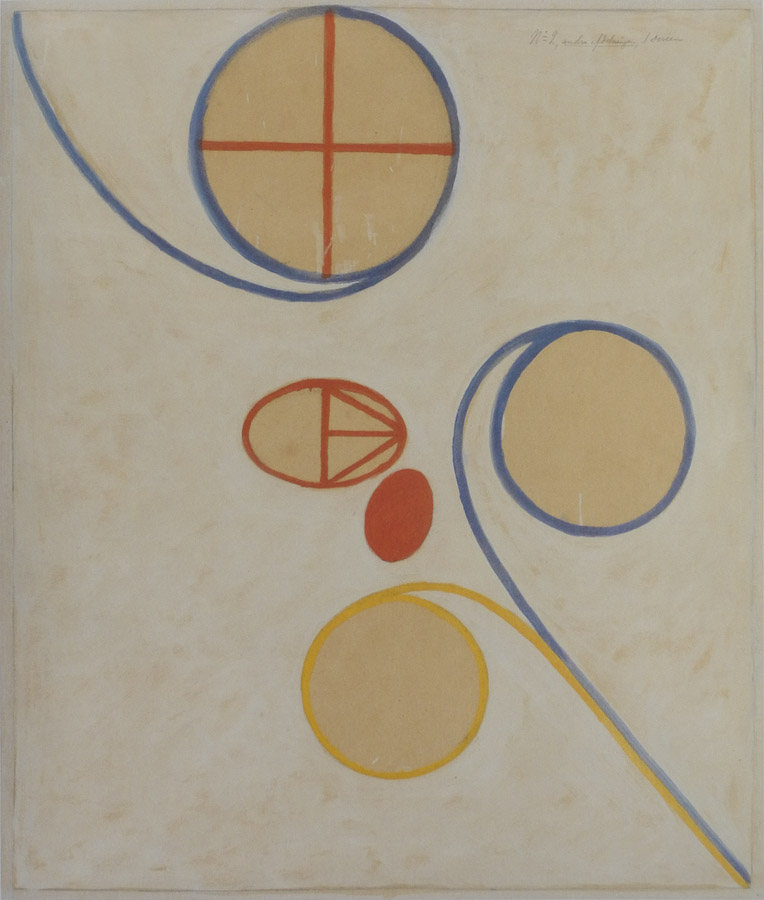
Intro to Digital Art and Photography – Art History and Adobe Illustrator – Hilma Af Klint!
Hilma Af Klint and Adobe Illustrator – there is a lot to learn and it is a NEW APPROACH to making the works… Be Patient. BE PATIENT!
We will be PRACTICING with Adobe Illustrator by using these two images. They are important works of art from Hilma Af Klint and are based on the use of GEOMETRY… this is the way to begin with AI.
We are wrapping up the critiques of the Portraits inspired by Art History. Then we move into Adobe Illustrator. The first EXPERIMENT will be using – ART HISTORY. Investigate Hilma Auf Klint and find one of her works that you truly enjoy. We are going to be thinking about the shapes that she used and building it up using AI.
Layers
Gradients
Colors
Similarities and Differences between Photoshop and Illustrator.
This week will be about learning the basics of the Adobe Illustrator program. Over the long weekend you will be making photographs of architecture using a variety of the compositional formats that we have spoken about. You will get the assignment in Google Classroom and I will discuss it in class before we wrap up the week. ASK ME QUESTIONS as we go along. This is going to be a deep dive into ILLUSTRATOR and you will get better at using it.
Architectural Photography Assignment for the Weekend: See Google Classroom as well.
Practice with Himla Af Klint
Make photographs of ARCHITECTURE that are Interesting or Important to you from the area.
Home
Local Businesses
Nearby buildings that are interesting or otherwise important to you.
Daytime or Nighttime (have strong lighting if it is at night)
Multiple Compositional Approaches
not just one photograph of the whole building. Try a variety of POV and get the BEST SERIES (10 Minimum) of Photographs – your first show of the building is probably not going to be the best
UPLOADED to your files to your computer before class next week so that we can begin using ILLUSTRATOR to create the image as well as talk about them with one another so that we can use the most successful image you have made.
THIS SKILL will help you create your own digital art using not only Illustrator but all other programs you come into contact with
YOU WILL and YOU WILL BE assessed on the photographs as photographs as well as using them as ideas. MAKE GOOD PHOTOGRAPHS – 10 minimum.
Art Foundations – One and Two Point Perspective and the Still Life!
Setting up a still life of your own can be challenging.
Having the objects to use
What objects to use
Making photographs
Drawing large enough
Drawing lightly enough
Being engaged throughout the process
Covering the whole of the picture plane
Using all of the mark making techniques
What else?
Photographs and Thumbnails are first. Consider the lighting of the image. Can you use the light in the classroom? Do you need to use the spotlight at your table? How can you make this interesting with values and angles?
We ARE looking at the Italian Artist Giorgio Morandi
Blocks
Small jar / cup
Circular / spherical objects
Reflective objects
Transparent and opaque objects
Piece of fabric with pattern (dots, stripes, plaid… patterns)
Some small things that you can carry with you or set up in front of you and are not fragile. 4 or 5 objects total.
Pay attention to everything that is in the still life – lighting is part of it as well.


















 Art With Korb