It’s all about #WORKING today! Tasks are in front of you… what have you got to do?


Art Foundations: THUMBNAILS and then DRAWINGS

Still Life: Ralph Goings – Oil on Canvas: http://www.meiselgallery.com/lkmg/image_cache/LKMG/imagesDB/proportion/Goings_River_Valley_Still_Life_1976_Oil_On_Linen_w550_h392/Goings_River_Valley_Still_Life_1976_Oil_On_Linen_05170702.jpg

Janet Fish: DC Moore Gallery.

  • G: 2.1P: Engage in making a work of art or design without having a preconceived plan.
  • A: How DO you draw something in 3 dimensions? What are different techniques you know? What did you do successfully yesterday that you can continue with today? What is it you need to erase, change, resolve to make the drawing today even more successful? Know that we are going to be critiquing our metals work next time, so… you have a few things to work on today… 1) the metals work if you are not one, and 2) the remaining parts of the value scales – those are due next time also.
  • G: What is one thing you are putting into your drawing of the 3D Forms that might be related to the  ELEMENTS and PRINCIPLES as the building blocks of Art – things you really need to be aware of AS you are making art. Are you coming in during enrichment period to work on anything? YES is the answer if you need to make the deadline for next time.
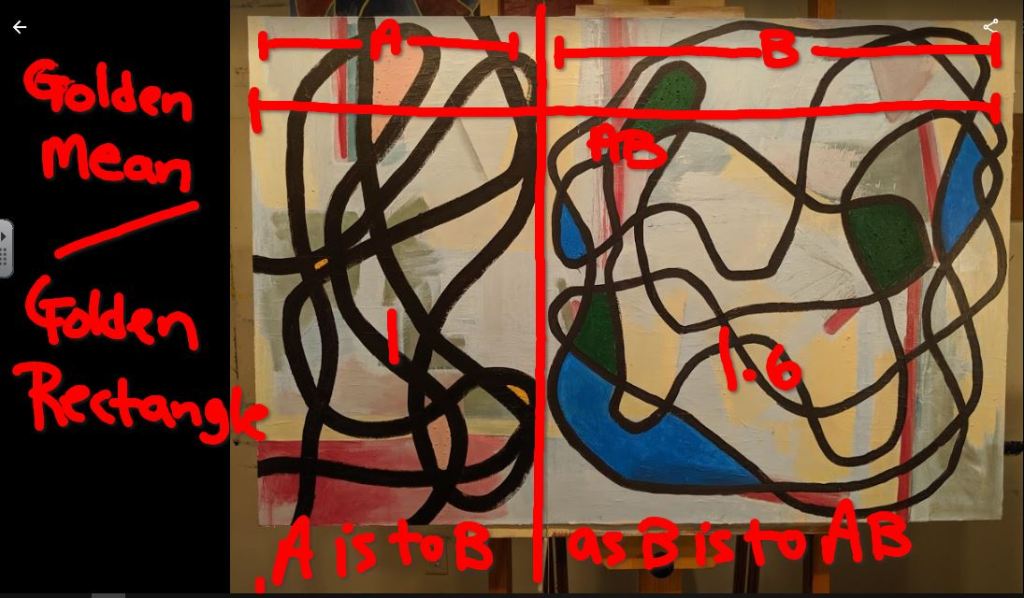
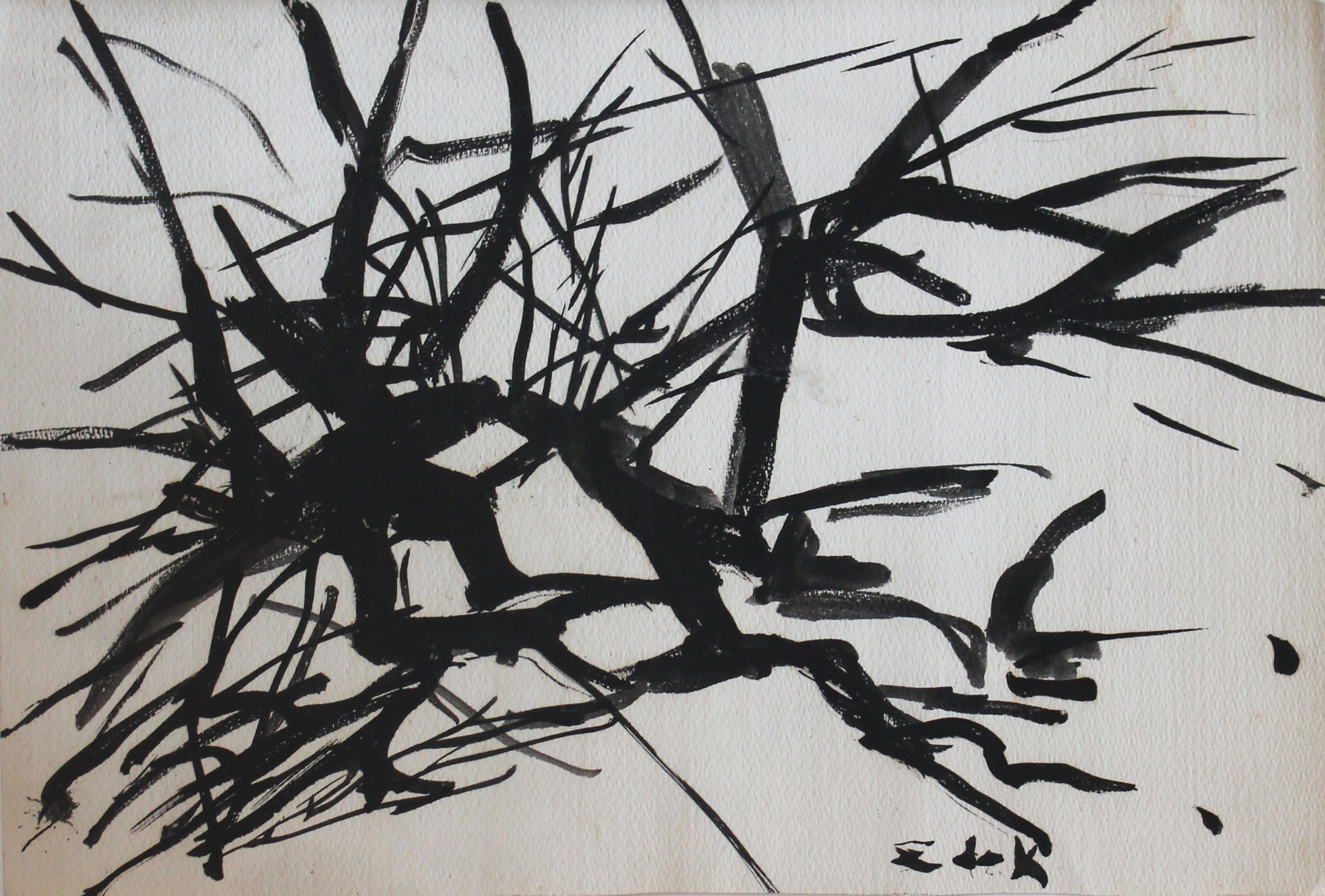
The Golden Mean and the Golden Rectangle: A : B as B:AB… 1:1.6 units. Frank Korb uses COMPOSITIONAL Approaches in his artwork too. It’s not just a teachery thing.

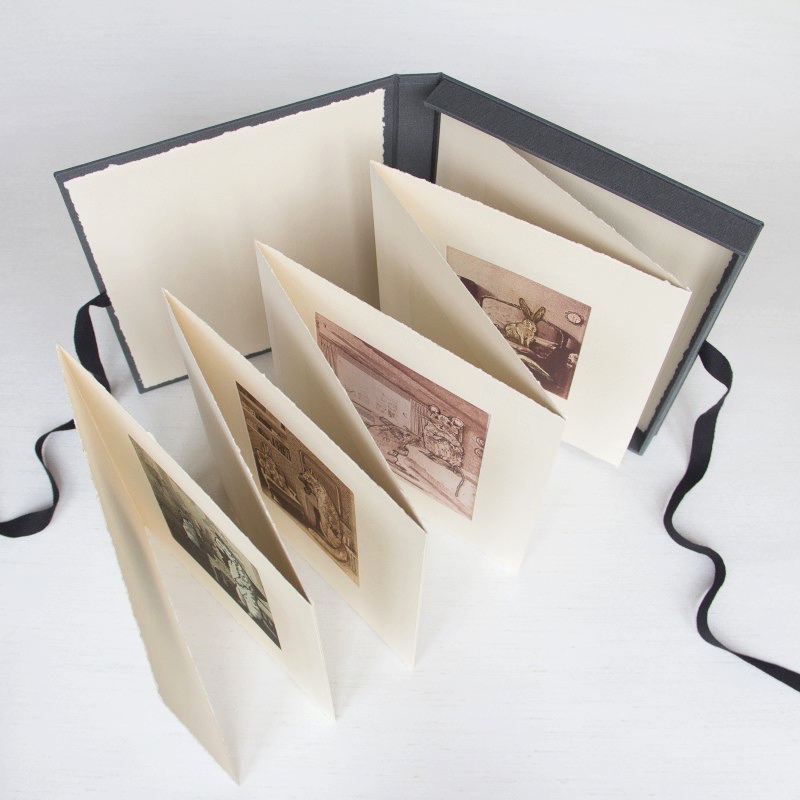
Painting: Book Binding CONTINUES!

How are you BINDING your book? https://cdn.shopify.com/s/files/1/0173/5264/products/IMG_5195_1200x.jpg?v=1489021450
  • G: Develop Craft: Learning to use tools, materials, artistic conventions; and learning to care for tools, materials, and space.
  • A: What kinds of challenges have you had in the making of art on the scale, speed, effort that you have in this experience?
  • G: Weโ€™ve got a lot of artwork made this week… what kinds of thoughts have you had about the skills developed, learned, pushed, challenged?

Book Binding Instruction Packet HERE.


Intro to Digital Art and Photography: One – on – One Conversation FINAL meetings and finally… SCANNING!

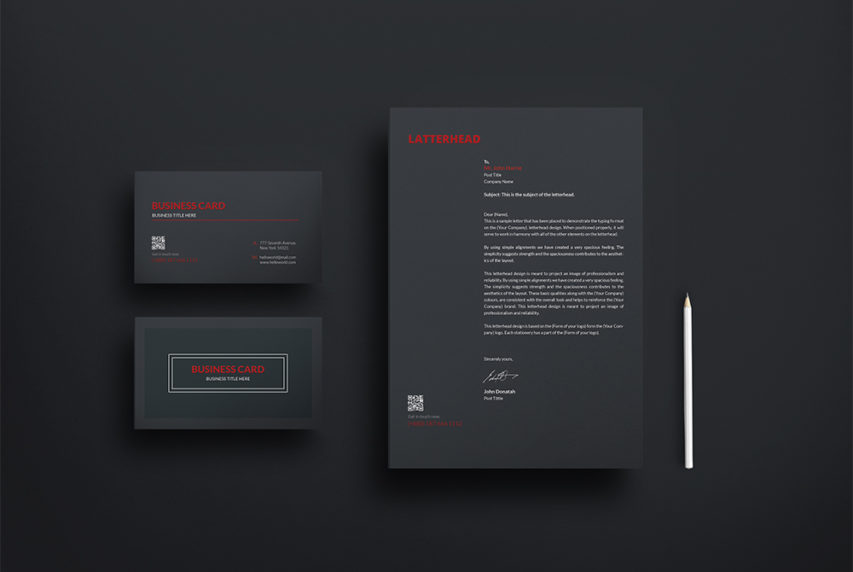
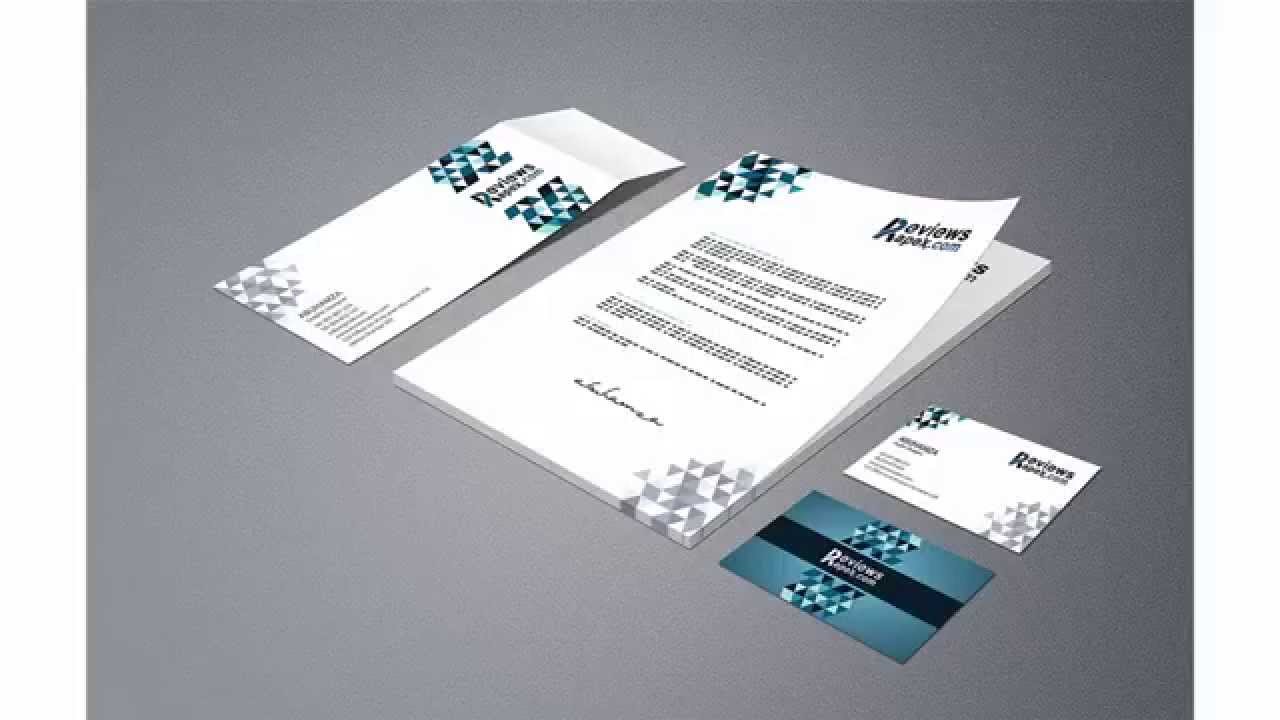
What’s your logo looking like today? Are you ready to SCAN and PERFECT IT? http://arcticdesigns.ca/wp-content/uploads/2017/01/logo-design-toronto-examples-2.jpg
http://arcticdesigns.ca/logo-design-toronto/
  • G: 2.1Ac: Through experimentation, practice, and persistence, demonstrate acquisition of skills and knowledge in a chosen art form. 
  • A:Working on paper is different than working on the computer. Using a collection of FONTS that you have chosen you will find a wide variety of fonts that you enjoy and explore many different way of joining letters into positive and negative shapes (as well as adding a geometric or organic shape or two) in creating a Logo Design  for yourself. This will take some time – be ready to SKETCH and EXPLORE ideas. 
  • G: What did you come up with today? Share these ideas with your neighbor and explain what you enjoy about the work you have created.

Four Design Principles by Paul Rand that MIGHT SURPRISE you!

AND Another Good Reference Site for looking at! – LogoDesignLove.com

#Friday (#Monday) and we are OFF TO THE RACES! What are you going to accomplish with this work time?

#17 Drawing is About Mark Making โ€œEvery mark has a distinct character and quality.Every mark is a signature. Variations in pressure and weight is the visual equivalent of intonation. Marks, or lines, of consistent weight or thickness surrounding a figure or object will flatten the image. Tapering or breaking a line in a curve can connote a highlight or make the curve flow. Also, a tentative line will read as such. Give every mark or line authority and make sure it serves a purpose. Try to use only the marks you need.โ€ 101 Things Learned in Art School, Kit White, 2011, MIT Press


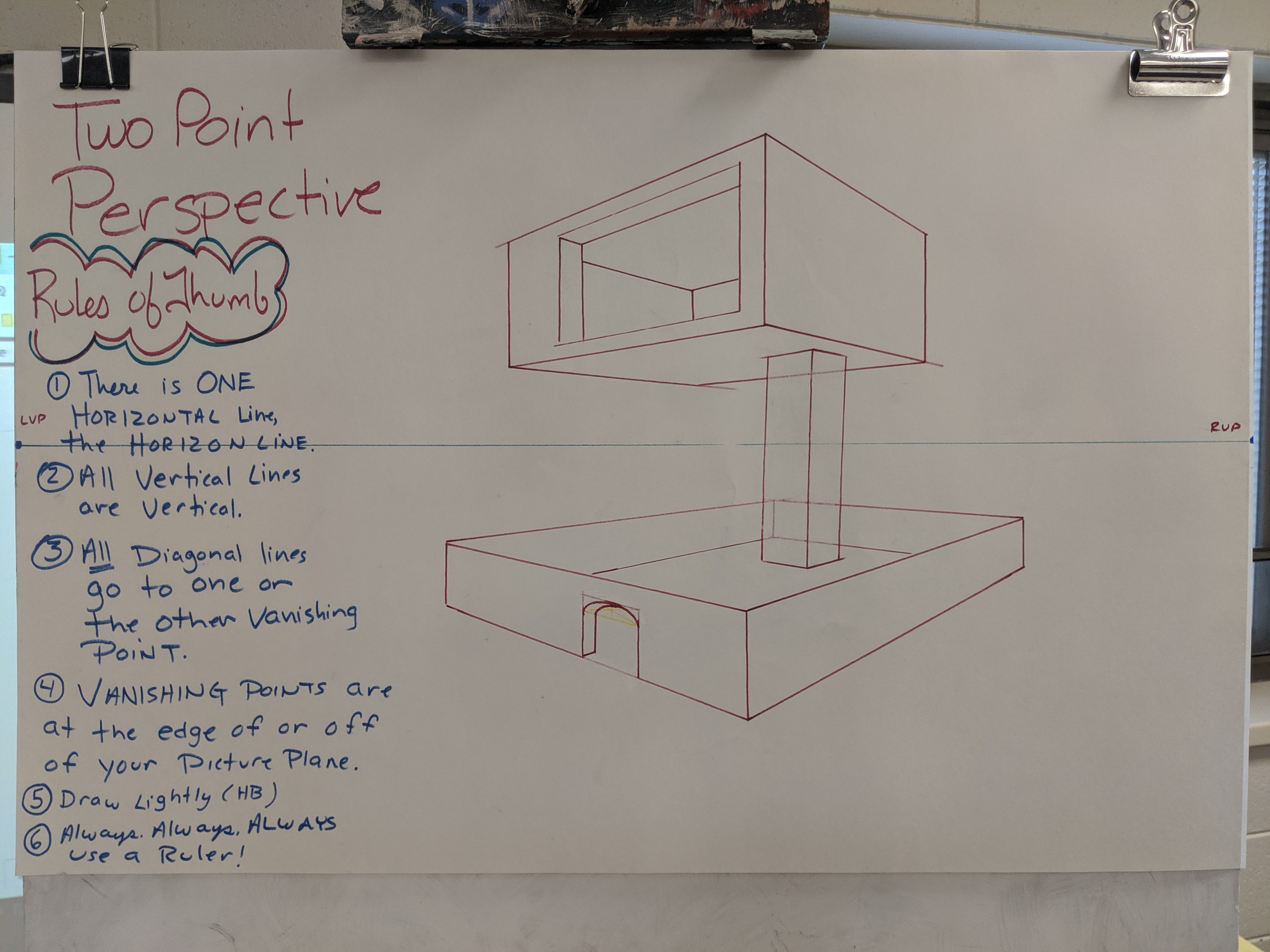
Art Foundations: Perspective and THUMBNAILS

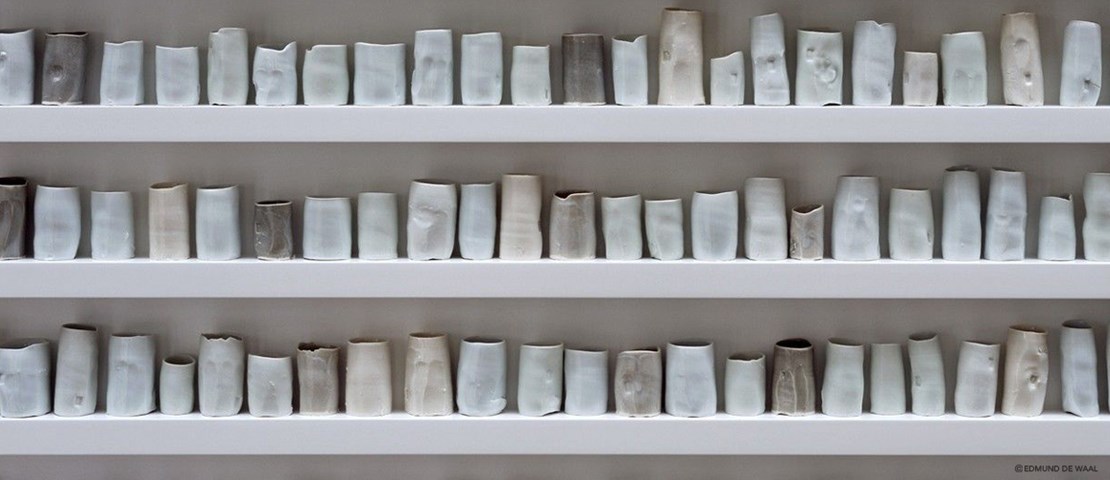
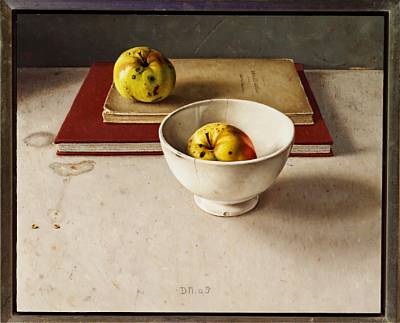
Simple Objects make for WONDERFUL compositions. Dennis Mogelgaard: http://www.artnet.com/WebServices/images/ll01006lld8noGFgFaECfDrCWvaHBOcKy8C/dennis-mogelgaard-white-bowl-with-apple-and-books.jpg
  • G: 2.1P: Engage in making a work of art or design without having a preconceived plan.
  • A: What techniques have you learned when it comes to draw something in 3 dimensions? What are different techniques you know?ย TODAY we are going to THUMBNAIL, talk, THUMBNAIL, talk and then next time – begin our drawing!
  • G: What is ONE thing you are CERTAIN you did successfully with your drawing today? What is ONE THING you are CERTAIN you need to focus on in order to create a more realistic / successfully accurate observation drawing next time?

Painting: Book Binding Begins!

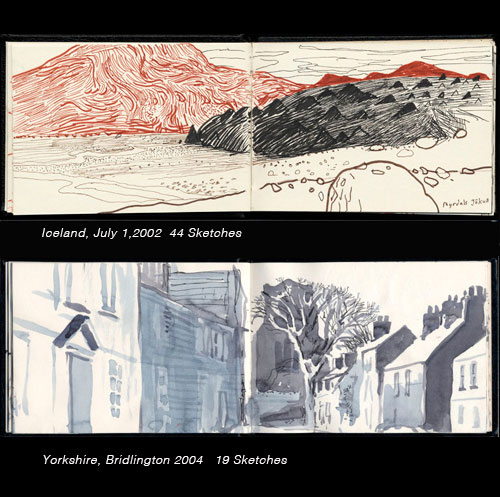
David Hockney Sketchbooks: http://www.davidhockney.co/img/gallery/sketchbooks/sketchbooks_landing.jpg
  • 2.1Ac: Through experimentation, practice, and persistence, demonstrate acquisition of skills and knowledge in a chosen art form.
  • What are you concerned about in regards to the BOOK MAKING PROCESS? This was a long lecture and demo last time… it is a lot to think about. Get your paintings out… sit down… turn to your neighbor and talk about the type of book you are going to be making and then, on page 10 – week 5 – write out your plans for TODAY ONLY! What are you hoping to get done today?
  • What did you take away from the paintings experience last week? What strengths did you see in your paintings ? What challenges did you face going outside of the studio?

Book Binding Instruction Packet HERE.

Book and Painting Assignment HERE


Intro to Digital Art and Photography: One – on – One Conversation final meetings and SCANNING!

Paul Rand Logo Designs: http://hyperallergic.com/wp-content/uploads/2015/05/rand-logos-1280.jpg
  • G: 7.1Ac: Recognize and describe personal aesthetic and empathetic responses to the natural world and constructed environments.
  • A:What is individual about your logo that others will be able to look at and EASILY identify that as a logo for someone extraordinary – you?  
  • G: How do you feel about the final design of your image? What is successful? What would you do differently? Will it fit on the side of a pen? Will it fit on the side of a blimp? Is it SCALABLE?

Four Design Principles by Paul Rand that MIGHT SURPRISE you!

AND Another Good Reference Site for looking at! – LogoDesignLove.com

#Perspective on things, #Binding issues, #Identity and you? What are you going to be #FocusedOn in the #ArtStudio?

#17 Drawing is About Mark Making โ€œEvery mark has a distinct character and quality.Every mark is a signature. Variations in pressure and weight is the visual equivalent of intonation. Marks, or lines, of consistent weight or thickness surrounding a figure or object will flatten the image. Tapering or breaking a line in a curve can connote a highlight or make the curve flow. Also, a tentative line will read as such. Give every mark or line authority and make sure it serves a purpose. Try to use only the marks you need.โ€ 101 Things Learned in Art School, Kit White, 2011, MIT Press


Art Foundations: Perspective

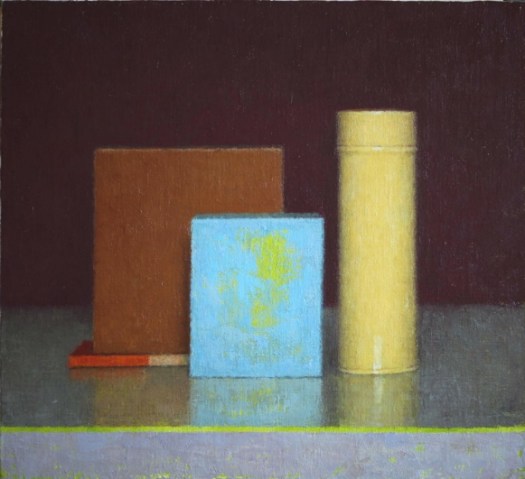
Giorgio Morandi’s Paintings: http://ahuskofmeaning.com/wp-content/uploads/2012/05/1956-2.jpg
  • G: 2.1P: Engage in making a work of art or design without having a preconceived plan.
  • A: What was the biggest challenge you found as you began to draw your objects last week – the wooden ones? Why was that so hard?
  • G: What are 2 difficulties that you had in your PERSPECTIVE drawings today? Remember – DRAWING IS A CHALLENGE – let it be!

Painting: Book Binding Instructions

Susan Messer Hand Made Book
  • G: 7.2Ac: Evaluate the effectiveness of an image or images to influence ideas, feelings, and behaviors of specific audiences.
  • G: 2.1Ac: Through experimentation, practice, and persistence, demonstrate acquisition of skills and knowledge in a chosen art form.
  • A: What did you take away from the painting experiences over the past weeks? What strengths did you see in your paintings? What challenges did you face going outside of the studio?
  • G: What are the difficult things you see in the process of making books? What style of book are you going to create? What supplies do you need to bring in so that you are ready to roll?

Book Binding Instruction Packet HERE.

Book and Painting Assignment HERE


Intro to Digital Art and Photography: Sketches and One – on – One Conversation.

Chase Bank Logo Sketch and the FINAL design: Read the article HERE. https://cdn.shortpixel.ai/client/q_lossy,ret_img,w_600,h_401/https://ebaqdesign.com/wp-content/uploads/2018/11/chasebank-logo-sketch.jpg
  • G: 7.1Ac: Recognize and describe personal aesthetic and empathetic responses to the natural world and constructed environments.
  • A: How are YOUR feelings towards fonts and images affecting those who look at your LOGO? What response might someone ELSE get as they look at your image?
  • G: What challenges did you have today with the conversation about the logos you have come up with SO FAR? What changes are you planning on making for next time? Describe the challenges you had in MOVING AWAY from the computer lab and working without technology? Remember to keep your images crisp and clean – so that the work can be made super large and super small and can also work in black and white.

New Week, #NewWork and #OldWork too… Time to #Critique in the #ArtStudio

Mr. Korb and Mrs. Szabo in their CRAZY day attire! Both sick… but giving it their best shots.

#17 Drawing is About Mark Making โ€œEvery mark has a distinct character and quality.Every mark is a signature. Variations in pressure and weight is the visual equivalent of intonation. Marks, or lines, of consistent weight or thickness surrounding a figure or object will flatten the image. Tapering or breaking a line in a curve can connote a highlight or make the curve flow. Also, a tentative line will read as such. Give every mark or line authority and make sure it serves a purpose. Try to use only the marks you need.โ€ 101 Things Learned in Art School, Kit White, 2011, MIT Press

Drawing is all about MARK MAKING and OBSERVATION!

Art Foundations: Metals Rubric (next time) and Drawing!

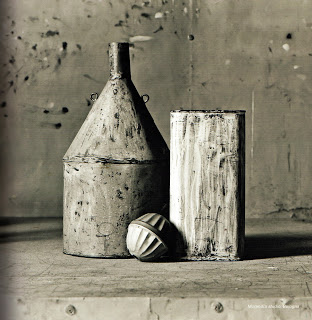
Georgio Morandi – Still Life: http://2.bp.blogspot.com/_Qrvqtn11wsA/S53Oc_rfQKI/AAAAAAAAAIA/02W14jxrxJs/s320/morandi+photo085.jpg
  • G: 2.1P: Engage in making a work of art or design without having a preconceived plan.
  • A: How DO you draw something in 3 dimensions? What are different techniques you know? What did you do successfully yesterday that you can continue with today? What is it you need to erase, change, resolve to make the drawing today even more successful? Know that we are going to be critiquing our metals work next time, so… you have a few things to work on today… 1) the metals work if you are not one, and 2) the remaining parts of the value scales – those are due next time also.
  • G: What is one thing you are putting into your drawing of the 3D Forms that might be related to the  ELEMENTS and PRINCIPLES as the building blocks of Art – things you really need to be aware of AS you are making art. Are you coming in during enrichment period to work on anything? YES is the answer if you need to make the deadline for next time.

Painting: Outside to PAINT LAST DAY!

  • G: Develop Craft: Learning to use tools, materials, artistic conventions; and learning to care for tools, materials, and space.
  • A: What kinds of challenges have you had in the making of art on the scale, speed, effort that you have in this experience?
  • G: Weโ€™ve got a lot of artwork made this week… what kinds of thoughts have you had about the skills developed, learned, pushed, challenged?

Book and Painting Assignment HERE


Intro to Digital Art and Photography: Logo Design

What’s your choice of logo? http://www.companyfolders.com/blog/media/2013/09/5-different-logo-design-styles-which-type-fits-your-brand.jpg
https://5thcolor.wordpress.com/2011/10/11/how-to-design-a-logo-part-i/ Let’s talk about designing a logo!
  • G: 2.1Ac: Through experimentation, practice, and persistence, demonstrate acquisition of skills and knowledge in a chosen art form. 
  • A:Working on paper is different than working on the computer. Using a collection of FONTS that you have chosen you will find a wide variety of fonts that you enjoy and explore many different way of joining letters into positive and negative shapes (as well as adding a geometric or organic shape or two) in creating a Logo Design  for yourself. This will take some time – be ready to SKETCH and EXPLORE ideas. 
  • G: What did you come up with today? Share these ideas with your neighbor and explain what you enjoy about the work you have created.

#Painting and #Metals and #Masterpieces… #OhMy. #PleinAir and #Etching and #AdobeIllustrator Resolution

Chuck Close Quote: What difference does it make whether you’re looking at a photograph or looking at a still life in front of you? You still have to look.

START WITH THIS VIDEO


Art Foundations: Rubric and Drawing!

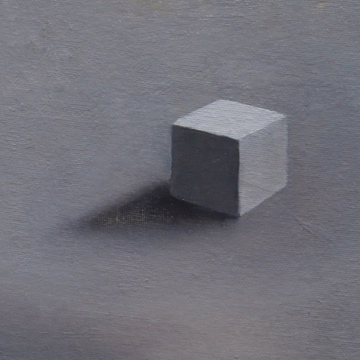
In order to draw a simple box like this… you have to work through the experiences of drawing value scales. Sorry.
  • G: 1.2P: Shape an artistic investigation of an aspect of present-day life using a contemporary practice of art or design.
  • A:Today we are going to begin working on the idea of VALUE (after we assess our metals work). What do you think will challenge you?
  • G: What were our goals for the day? Did you meet them? What was the biggest challenge for you in the processes we went through? BE SPECIFIC!

Painting: Outside to PAINT Day 2

David Hockney in his car Drawing from OBSERVATION: http://i.telegraph.co.uk/multimedia/archive/02902/hockney_2902167b.jpg
  • 2.1Ac: Through experimentation, practice, and persistence, demonstrate acquisition of skills and knowledge in a chosen art form.
  • What are you struggling with in regards to the PAINTING PROCESS?
  • What did you take away from the paintings experience last time? What strengths did you see in your paintings? What challenges did you face going outside of the studio?

Book and Painting Assignment HERE


Intro to Digital Art and Photography: Logo Design and Font Types.

Helen Frankenthaler: Modern Painter: https://upload.wikimedia.org/wikipedia/commons/thumb/d/df/Tutti-Fruitti%2C_by_Helen_Frankenthaler%2C_1966._%2831656030553%29.jpg/220px-Tutti-Fruitti%2C_by_Helen_Frankenthaler%2C_1966._%2831656030553%29.jpg
  • G: 5.1Ac: Evaluate, select, and apply methods or processes appropriate to display artwork in a specific place.
  • A: What BIG AREAS do you need to work on in this work. Sit with a NEIGHBOR – just one) and, with your handbooks in hand – page 11) write out three things – tools – techniques – that you have really found useful in this first experimental project.
  •  G: What have you accomplished today and what do you need to do in order to resolve the work for next time – We would like to be DONE so we can move forward into Corporate ID design.

#ResolutionOfMetals, #PaintingPleinAir, and #DigitalMasterpieces! #HardWork, #SlowWork in the #ArtStudio

Chuck Close Quote: What difference does it make whether you’re looking at a photograph or looking at a still life in front of you? You still have to look.

START WITH THIS VIDEO


THEN PLAY THIS VIDEO… Digital Art can fast forward to about 4:20 seconds (or just let it play through…)


Art Foundations: Rubric and Drawing!

Brook Snyder: http://i2.wp.com/brookebrookebrooke.com/art/wp-content/uploads/2014/07/PerspectiveBoxes.jpg?resize=833%2C1024
  • G: 1.2P: Shape an artistic investigation of an aspect of present-day life using a contemporary practice of art or design.
  • A: We have completed one solid metals work… ready to move forward? The ideas of the etching, jump rings, rivet… they are all a part of your toolboxes now. As you planned the ideas out for the AVANT GARDE metals work… what are they? Explain to your neighbor and let them explain to you the process, the design, and the ideas you have developed in the work. Write out, in your handbook or on a sticky note the feedback that you get from your partner. Are you ready to switch gears and DRAW? Great! But first – a rubric!
  • G: What skills do you think you are going to need to work on in the ideas of OBSERVATION and DRAWING? Look Closely! It is all about the eyes!

Intro to Digital Art and Photography: Masterpiece in Illustrator – Insert into the Slide Show NEXT TIME!

Frederick Hammersley: http://blogs.getty.edu/pacificstandardtime/files/2011/08/gm_326193EX1_d.jpg
  • G: 5.1Ac: Evaluate, select, and apply methods or processes appropriate to display artwork in a specific place.
  • A: Today we are going to continue to work to resolve another aspect of the Modernism Image. HOMEWORK in Google Drive? I hope that you have completed the assignment. What fonts to use? What fonts are you drawn to.
  •  G: What were your final thoughts about the self-assessment / rubric? What are 3 ways that you feel self assessment can help you grow as an artist?

Painting: Outside to PAINT Day 2

Book and Painting Assignment HERE

David Hockney: Sketchbook INSPIRED PAINTING: http://www.hockney.com/img/gallery/home_images/09A12-l.jpg
  • G: 7.2Ac: Evaluate the effectiveness of an image or images to influence ideas, feelings, and behaviors of specific audiences.
  • G: 2.1Ac: Through experimentation, practice, and persistence, demonstrate acquisition of skills and knowledge in a chosen art form.
  • A: What did you take away from the drawing experience last week? What strengths did you see in your drawing? What challenges did you face going outside of the studio?
  • G: How are you going to create your own work in the future? How are you going to use the skills that you are obtaining in ALL that you do?

#EndOfTheWeek (or the #Beginning)… Make and #Resolve #Art

โ€œGoals are the fuel in the furnace of achievement.โ€ Brian Tracy,


Art Foundations: Etching & Assembling

How are you ASSEMBLING your ideas? https://i.pinimg.com/236x/1e/e7/f0/1ee7f0a78610e9ba7469ed9d95f4f25f–copper-necklace-copper-jewelry.jpg
  • G: 1.2P: Shape an artistic investigation of an aspect of present-day life using a contemporary practice of art or design.
  • A: What are your thoughts and feelings about the etching you have been given back? How does this work with the plans that you have made from the beginning of the process? What are your next steps in the process?
  • G: What have you accomplished today? The not heat joining is important in the production of the final artwork.

Painting: Outside to PAINT – FOR REAL

Paul Cezanne: Post-Impressionism: http://static.ddmcdn.com/gif/paintings-by-paul-cezanne-5.jpg
OBSERVE WHAT YOU SEE and paint that! http://www.edwardhopper.net/images/paintings/drugstore.jpg
  • G: Develop Craft: Learning to use tools, materials, artistic conventions; and learning to care for tools, materials, and space.
  • A: What kinds of challenges have you had in the making of art on the scale, speed, effort that you have in this experience?
  • G: Weโ€™ve got a lot of artwork made this week… what kinds of thoughts have you had about the skills developed, learned, pushed, challenged?

Intro to Digital Art and Photography: Masterpiece in Illustrator – Due in 2 BLOCKS

Modernism Reboots at the Museum: Jacob Lawrence: https://static01.nyt.com/images/2019/09/15/arts/15new-artsmith-halpert/15new-artsmith-halpert-superJumbo.jpg?quality=90&auto=webp
  • G: 5.1Ac: Evaluate, select, and apply methods or processes appropriate to display artwork in a specific place.
  • A: Today we are going to Work towards RESOLVING A SPECIFIC ASPECT of the Modernism Image. ON YOUR OWN… In Google Drive is the NEXT BIT of HOMEWORK… You are going to begin to look at and choose fonts to use, fonts that you are drawn to.
  •  G: What were your final thoughts about the self-assessment? What are 3 ways that you feel self assessment can help you grow as an artist?

#Testing makes for #GREATGAINS and some #SortherStudioTime

โ€œGoals are the fuel in the furnace of achievement.โ€ Brian Tracy,

Testing Schedule for September 18th Pre-ACT

7:50-             Report to Homeroom teacher or designated area

Hand out Answer documents, and  Instructions for completing answer folder. 

8:00-9:00      Pre-Administration/Demographic Info – Starting on Page 5 walk the students through this process. When all students have completed this registration process, testing can begin.

9:00-9:30     Test 1: English – 30 Minutes All Students

9:35-10:15   Test 2: Math – 40 Minutes all Students

10:20-10:50 Test 3: Reading-30 minutes Sophomores and Juniors

                       Freshmen: Lunch (seniors- Last name A-H)

10:55-11:35 Freshmen Test 3 Reading

                       Sophomores: Lunch (seniors last name I-P)

                      Juniors- Test 4 Science

11:40-12:10 Test 4 Science Freshmen and Sophomores

ย ย ย ย ย ย ย ย ย ย ย ย ย ย ย ย ย ย ย ย ย ย ย Juniors: Lunchย ย  (seniors last name Q-Z)


  • Block 1A 12:15-12:52
  • Block 2A 12:57-1:35
  • Block 3A 1:40-2:17
  • Block 5A 2:22-3:00

Art Foundations: Etch Your Work!

How are you etching a pattern into your metal? https://anprod.active.com/minicourses/servlet/downloadFile.sdi?uploadedfile_id=C48D0B8E0F
  • G: 1.2P: Shape an artistic investigation of an aspect of present-day life using a contemporary practice of art or design.
  • A: What designs did you come up with for the BALANCE plans? Take 2 minutes to share your ideas with your neighbors and get some feedback about them. What are 3 things that are strong and successful? We begin with more CHALLENGING ideas now – More AVANT GARDE ideas. How are you going to ETCH and how are you going to RIVET? What about JUMP RINGS? 
  • G: What are your plans for the metal? We will be etching and riveting to create a work of wearable art. What are your plans? What have you accomplished today in the planning of the work and preparation of the work? Are you ready for the next step?

Painting: Outside to PAINT

Paul Cezanne: Post-Impressionism: http://static.ddmcdn.com/gif/paintings-by-paul-cezanne-5.jpg
  • G: Develop Craft: Learning to use tools, materials, artistic conventions; and learning to care for tools, materials, and space.
  • A: Landscapes and simplification of the space – far off space. Looking at the work of Paul Cezanne and the works of the Post-Impressionists – What simplification do we see in the work they have created? Be aware of the breaking up of the space and shapes into a simple fashion, but also consider the ideas of adding details and specific shapes.
  • G: How do you enjoy / struggle with the new ideas that you took in today?

Intro to Digital Art and Photography: Masterpiece in Illustrator – Due in 2 BLOCKS

Stuart Davis and the ideas of SHAPE: https://d2jv9003bew7ag.cloudfront.net/uploads/Stuart-Davis-1892%E2%80%931964-Colonial-Cubism-1954-Oil-on-canvas-Walker-Art-Center-Minneapolis-Gift-of-the-T.jpg
  • G: 2.1Ac: Through experimentation, practice, and persistence, demonstrate acquisition of skills and knowledge in a chosen art form. 
  • A:Working on paper is different than working on the computer. Using a collection of FONTS that you can choose (we will look at these in the Adobe Illustrator Font Collection) you will find a wide variety of fonts that you enjoy and explore many different way of joining letters into positive and negative shapes (as well as adding a geometric or organic shape or two) in creating a Logo Design  for yourselfโ€ This will take some time – be ready to SKETCH and EXPLORE ideas.
  • G: Generalization… What are three of the MAJOR TOOLS and TECHNIQUES that you have used SO FAR in the recreation of this work of MODERN ART? What are 2 things that the process of researching a limited period of modern art teach you about modern art? What is one thing that you truly enjoy about the work of art you have chosen to work with?

Week 3 in the #ArtStudio

โ€œGoals are the fuel in the furnace of achievement.โ€ Brian Tracy,


Art Foundations: Etching Process – Work Time

  • G: 1.2P: Shape an artistic investigation of an aspect of present-day life using a contemporary practice of art or design.
  • A: What are your thoughts and feelings about the etching you have been given back? How does this work with the plans that you have made from the beginning of the process? What are your next steps in the process?
  • G: What have you accomplished today? The not heat joining is important in the production of the final artwork. 

Painting: Wrap up abstract and prepare book paper.

  • G: 5.1Ac: Evaluate, select, and apply methods or processes appropriate to display artwork in a specific place. 2.3Ac: Redesign an object, system, place, or design in response to contemporary issues.
  • A: 45 minutes to resolve the abstract watercolors, then onto the rubrics of the watercolor paintings. HOMEWORK IN TWO CLASS PERIODS: Artists research on ONE of the following artists for imagery, technique, approach: Winslow Homer, Charles Demuth, Thomas Eakins, Edward Hopper, Dong Kingman, Reginald Marsh, Charles Sheeler, J.M.W. Turner, Thomas Moran, Georgia Oโ€™Keefe, James Whistler, or Andrew Wyeth
  • G: What are 5 images you gathered today that say something about you? How do they? What are your initial thoughts about the idea of the collage and social commentary?

Intro to Digital Art and Photography: Masterpiece in Illustrator

Stuart Davis Exhibition: https://whitney.org/Exhibitions/StuartDavis
  • G: 2.1Ac: Through experimentation, practice, and persistence, demonstrate acquisition of skills and knowledge in a chosen art form. 
  • A: Of all the tools that you experimented with, what ONE did you really like using, was something that you feel will be of the most use to you perhaps? Start to create your recreation drawing of the famous work of art that uses a wide variety of shape tools and at least 5 layers (to practice the idea of Layers) in the NON-OBJECTIVE Drawing.
  • G: Tomorrow we are working on this experiment and learning about the cutting and joining. 

WORK TIME – Finally!

Learn To Draw โ€œDrawing is more than a tool for rendering and capturing likenesses. It is a language, with its own syntax, grammar, and urgency. Learning to draw is about learning to see. In this way, it is a metaphor for all art activity. Whatever its form, drawing transforms perception and thought into image and teaches us how to think with our eyes.โ€ 101 Things to Learn in Art School Kit White ยฉ 2011 Massachusetts Institute of Technology and Kit White 

Make sure you subscribe and follow this site: http://www.ArtWithKorb.com to stay up to speed on everything that is happening in our Art Studio Courses.


Art Foundations: Etching Process – Work Time

Metals with Etching and Rivets! https://lh5.googleusercontent.com/-C1EHixT1Zhk/TYF19bEqwYI/AAAAAAAAD3M/LdAc5Ze1IXw/s1600/IMG_4979.jpg
  • G: 1.2P: Shape an artistic investigation of an aspect of present-day life using a contemporary practice of art or design.
  • A: What designs have you come up with? Take 5 minutes to share your ideas with your neighbors and get some feedback about them. What are 3 things that are strong and successful? What are 3 things that you feel needs work in the design? How are you going to ETCH and how are you going to RIVET? What about JUMP RINGS? 
  • G: What are your plans for the metal? We will be etching and riveting to create a work of wearable art. What are your plans? What have you accomplished today in the planning of the work and preparation of the work? Are you ready for the next step?

Painting: Watercolor TECHNIQUES and ABSTRACTION!

Richard Diebenkorn Ocean Park #40
  • G: 6.1Ac: Make, explain, and justify connections between artists or artwork and social, cultural, and political history.
  • 3.1Ac: Engage in constructive critique with peers, then reflect on, re-engage, revise, and refine works of art and design in response to personal artistic vision.
  • A: How are you relating the ideas of making art to making art about what you are OBSERVING and is INTERESTING to you? Do you find this to be easy or difficult – WHY? ALSO – What do you feel about talking aloud when it comes to otherโ€™s works? How will you be challenged when we go outside and the time is YOURS to be painting without the confines of the studio walls? Be honest please.
  • G: As you are working, what are you seeing as an area that you might need to really focus on as you continue. What were 3 things that you took away from todayโ€™s conversation?
https://marciglenn.files.wordpress.com/2013/06/watercolor-techniques-from-julie-balzer.jpg
What are OTHER approaches to watercolor that you remember? CLICK on the Picture to see more.

Intro to Digital Art and Photography: Masterpiece in Illustrator

How can you use ADOBE ILLUSTRATOR and VECTOR IMAGES in your MASTERPIECE?
  • G: 2.1Ac: Through experimentation, practice, and persistence, demonstrate acquisition of skills and knowledge in a chosen art form.
  • A: Of all the tools that you experimented with, what ONE did you really like using, was something that you feel will be of the most use to you perhaps? Start to develop the ideas of your MASTERPIECE in illustrator. What shapes do you see as dominant? What skills will you really be challenged with?
  • G: Tomorrow we are working on this experiment and learning about the cutting and joining.
https://d2jv9003bew7ag.cloudfront.net/uploads/Stuart-Davis-1892%E2%80%931964-Colonial-Cubism-1954-Oil-on-canvas-Walker-Art-Center-Minneapolis-Gift-of-the-T.jpg