#Friday in the #ArtStudio! What #Art are you #Making?

“Never tell a young person that anything cannot be done. God may have been waiting centuries for someone ignorant enough of the impossible to do that very thing.” — John Andrew Holmes

LET’S TALK MISSING WORK…

All work that you have missing as of RIGHT NOW… will be DUE… DUE… DUE TODAY! That’s it – no more days. The end of the semester is coming up fast(?) 4 more weeks… but I cannot wait on ANYMORE late work. (BTW… progress reports go out tomorrow! SURPRISE!)

Studio Art 360 – BAS RELIEF SCULPTURE!

LARGE GROUP Slide Show Project – Let’s SEE it HERE!

And we are looking at the LAST Romare Bearden example – go look him up on your own!

Goals:

  •  7.1P: Hypothesize ways in which art influences perception and understanding of human experiences.
  • What are three textures you are going to have to interpret into your BAS – RELIEF sculpture from your collage?

How are you going to keep the clay from drying out over the weekend? What techniques are REALLY important to be using to make sure any ADDITIVE clay really HOLD TIGHT to the clay you are adding it to?

Painting – Oil Painting! You Are OFF! GO PAINT!

NEW PAINTINGS by the WUHS Painting Class – HERE!

Elizabeth Peyton? Who knows – THIN THIN THIN Oils… what are you EXPERIMENTING with?

Goals:

  • 10.1Ac: Utilize inquiry methods of observation, research, and experimentation to explore unfamiliar subjects through art-making.
  • What differences, likes, preferences do you now FEEL / HAVE about ACRYLIC Paints and OIL Paints?

image

What are your thoughts about the painting as you have had a few / couple of days working on your portrait? Explain your thoughts to your classmate before you pack up today? Oil Painting Close Up: 

AP Studio Art – 2 Works Due MONDAY! Website TOO!

Tuesday at MIDNIGHT CHAPTER 5 was due in Art and Fear Blog. Who’s NOT READING?

Richard Estes at work – No Projector, No Video, Nothing but SKILL!

Goals:

  • 2.1Ad: Experiment, plan, and make multiple works of art and design that explore a personally meaningful theme, idea, or concept.
  • Thinking about the work that you are doing… what are the visual skills that you feels you are developing? how has this year been beneficial to you so far?
  • What is the ONE SKILL that you feel would be worth your time to continue to FOCUS and CONCENTRATE on? 

***ASSIGNMENT in ONE WEEK (NEXT Monday) Adventure Image and Still Life FOCUSING ON and being able to SPEAK ABOUT an ELEMENT and PRINCIPLE Specifically… and MONDAY (Change of HEART) – Website is DUE – Statements on your NAME PAGE, 6 Concentration Works Uploaded, How many BREADTH works do you have done? ***

ADVENTURE – This American Life: http://www.thisamericanlife.org/radio-archives/episode/448/adventure

Thanks for the nod towards my thoughts on communicating with Parents, Students and the WORLD on Teach.Com. I appreciate the recognition.

Thursday before break… how can you continue ARTing over break?

“Talent may get someone off the starting blocks faster, but without a sense of direction or a goal to strive for, it won’t count for much.” – David Bayles and Ted Orland

Art Foundations: PAINT your POP

http://i233.photobucket.com/albums/ee172/carolyn85_photos/Andy%20Warhol%20Pop%20Art/audreyhepburnpopart.png

Goals:

  1. WHAT ARE YOU DOING WELL with the application of your ACRYLIC PAINT – Give yourself that thought today! PAINT OUT AND WORK!

What is the most successful aspect of your painting? What is the least successful part of the painting? Stop and think – explain your feelings so  you can look back on this when we come back.

Drawing: RULES of the PORTRAIT! HERE!

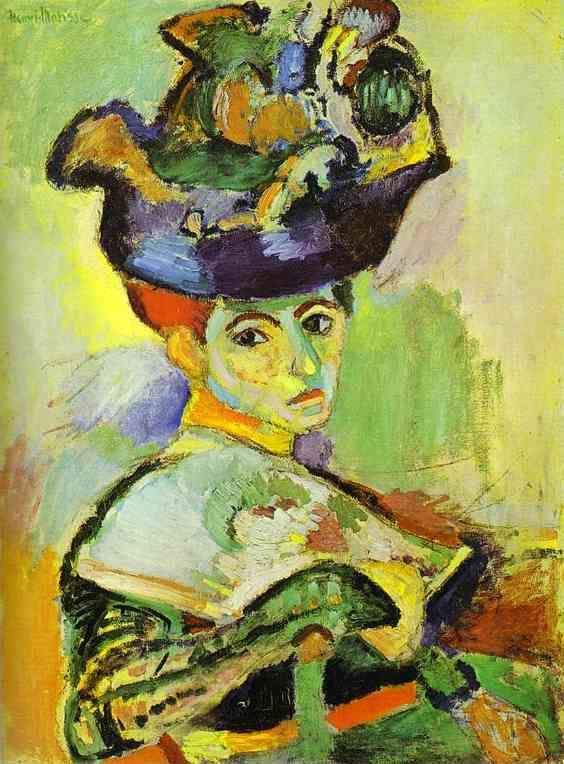
How are you going to use the idea of the PORTRAIT to make your work successful? Rules in a minute… http://www.abcgallery.com/M/matisse/matisse80.JPG

Goals:

  1. Know about solving visual challenges (making art) using analysis (breaking the work into its parts).

How are you going to work on the ideas behind the portrait over the break? What FAMOUS images come to mind when you think of ART HISTORY? You are going to use ideas from Art History in the final work… What worries do you have?

AP Studio Art: Log In and Log On… AP is WAITING to hear from you!

WHAT? Look at the WORK here! WOW!

Goals:

  1.  3.2 apply subjects, symbols, and ideas in art and use skill to solve visual challenges – WHAT ARE YOUR CHALLENGES?

Which works are you most proud of and why? What is working with the pieces that you would choose as your “quality” works? Why do the other ones NOT work?  What do you have to do over break?

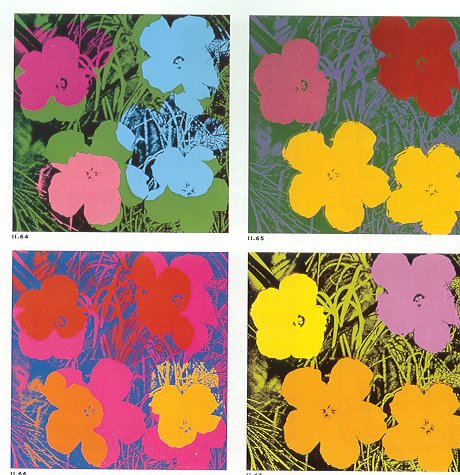
Flowers POP in the Springtime… what POPS in your asrtwork?

“Talent may get someone off the starting blocks faster, but without a sense of direction or a goal to strive for, it won’t count for much.” – David Bayles and Ted Orland

Art Foundations: PAINT your POP

Can you see a color scheme here? How about the repetition of your composition? http://www.redtedart.com/wp-content/uploads/2013/01/Andy-warhol-flowers.jpg

Goals:

  1. Create a work of art focused on color mixing with acrylic paints

What was the easiest portion of the color wheel? What do you enjoy / dislike about acrylic paints?

Drawing: Snap Chat Selfies… Matisse and Wilde

How’s your snap chat selfie? Can y ou be creative and still include the negative space? Onto Matisse and Kahine Wiley http://media.salon.com/2013/01/snapchat.jpg

Kahine Wiley – Interview Magazine Article… Research HIP HOP and Graffiti! How can you use a name, tag, slogan in your composition in the style of graffiti to add to the BACKGROUND?

Goals:

  1. Identify the intentions and purposes behind making art.
Matisse and the Tate Modern in London: http://www.tate.org.uk/whats-on/tate-modern/exhibition/henri-matisse-cut-outs

What was the most challenging way to draw? Why was this most difficult way to go? What is most important about drawing when it comes to observation?

AP Studio Art: What about the uploads? Ready for Thursday?


A bird – the same patterns and use of line… what is the common thread chasing in your art? http://www.reginaldbaylor.com/images/stories/Originals/textile_755_Untitled_Bird_in_Velvet.jpg

Goals:

  1.  4.4 evaluate and interpret your art for relationships in 4.4.1 form 4.4.2 context. 3.2 apply subjects, symbols, and ideas in art and use skill to solve visual challenges.

How does your art compare with the work of “professionals” and how can you work to create a better understanding of your approach / intent / ideas?)

How are you using your POP object to create a WORK OF ART!

“Talent may get someone off the starting blocks faster, but without a sense of direction or a goal to strive for, it won’t count for much.” – David Bayles and Ted Orland

Art Foundations: PAINTING

Money Money Money Money… MONEY!!! http://www.unicamp.br/~hans/mh/dollarSign.jpg

GOALS:

  1. Apply acrylic paint focusing on mixing techniques, and processes (one shape at a time) with an 1.1.3 awareness so that your ideas (modifying the image to one specific color scheme) are executed well.

What is the most difficult part to mixing colors with the acrylic paints? What do you feel makes it the most challenging / frightening medium for some? What are you enjoying about this process?

Drawing: PORTRAITS!

The Green Stripe. FAUVISM! http://rap361.com/wp-content/uploads/2011/07/matisse25_preview.jpg

WHAT CAN A PORTRAIT MEAN? Click Here!

GOALS:

  1. (2.3) Create artworks that use organization and function to solve specific visual challenges.
  2. (5.1) Identify the intentions and purposes behind making art.

What was the most challenging way to draw? Why was this most difficult way to go? What is most important about drawing when it comes to observation?

AP Studio Art: COMPUTER UPLOADS and CONCENTRATION

Looking at Reginald Baylor’s Work this week – what is similar from yesterday? http://www.reginaldbaylor.com/images/stories/Originals/painting_755_Custom_Paint_1.9a.jpg

GOALS:

  1. Create multiple solutions to your CONCENTRATION visual challenges and apply media, techniques, and processes with skill confidence and awareness so that your ideas are executed well.

What were the biggest impressions you had from the classmate’s works? What were the most difficult things you felt as you presented your work? Conversation between classmates about the 2 questions for your exam. How does this work relate to your concentration?

Talent is HIGHLY overrated… GOALS and DIRECTION are where it is at!

“Talent may get someone off the starting blocks faster, but without a sense of direction or a goal to strive for, it won’t count for much.” – David Bayles and Ted Orland

How fast are you going to get through the project? It is NOT a speed race, it is a marathon… long and slow, steady now… http://arumarathon.nohost.com.br/blog/wp-content/uploads/2012/07/GD4415087-1513.jpg

Art Foundations: POP ART all you ANDY WARHOL kids out there!

Can you identify a MAJOR color scheme in the paintings? http://www.thespecialeventexperts.com/wp-content/uploads/2013/10/andy-warhol.jpg

Goals:

  1. Apply acrylic paint using the mixing techniques, and processes (one shape at a time with an 1.1.3 awareness so that your ideas (modifying the image to one specific color scheme) are executed well .

What is FUN about the use of acrylic paints? If you are NOT painting yet… what do you need to finish up so you can begin painting tomorrow? How can you use this in other classes, other aspects of your life?

Drawing: Faces and FAUVISM.

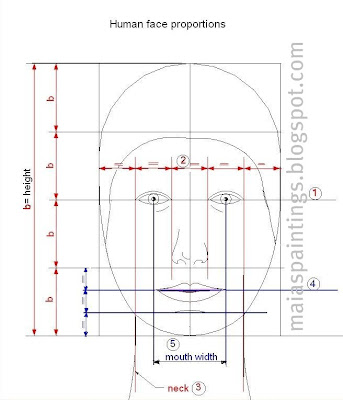
FACIAL PROPORTIONS… what are your understandings? https://artwithkorb.com/wp-content/uploads/2013/04/humanfaceproportions2.jpg

Goals:

  1. 1.4 Initiate, define, and solve challenging visual arts problems using skills of (1.4.1) analysis (.2) synthesis (.3) evaluation. (P).
  2. Research and Information Fluency – Students apply digital tools to gather, evaluate, and use information. – Get out there and visit a bit about Henri Matisse!

What was the most challenging way to draw? Why was this most difficult way to go? How OFF were you from the original that you drew from your memory? What is most important about drawing when it comes to observation? Facial Proportions

Madam Matisse – An EARLY portrait of Henri Matisse’s lovely wife. http://cdn.lrb.co.uk/assets/edillus/clar05_3016_01.jpg

AP Studio Art: ONLINE – Set up YOUR ACCOUNT and UPLOAD!

Visit this Milwaukee Painter’s website – Reginald Baylor – ALL WEEK!

Goals:

  1. Technology Operations and Concepts – Students demonstrate a sound understanding of technology concepts, systems, and operations.

What challenges did you face with the new uploading process? Easy huh?

The Weather is There, I wish I were… beautiful…

“Talent may get someone off the starting blocks faster, but without a sense of direction or a goal to strive for, it won’t count for much.”
– David Bayles and Ted Orland
Art and Fear: Observations On the Perils (and Rewards) of Artmaking

Welcome to KorbArtWuhs.WordPress.com… take a walk around, stretch your legs, get a feel for the landscape. Here is where I begin and end all of my classes, while also providing a resource for my students, their parents, as well as teachers and students around the world.

GOAL! Goal… goal… goal… GOOOOOOOOAAAAAAAALLLLLLL! Now… what goals do you have in your mind for the day? Me… stay warm… it is -60 degrees out there today. http://cache2.allpostersimages.com/p/LRG/38/3841/HPJYF00Z/posters/soccer-player-scoring-a-goal.jpg

GOALS:

  1. Know about how one teacher uses daily goal setting and interaction in the classroom.
  2. Know about the use of a website as a communication tool both inside and outside of the classroom.
  3. Know about how using a students prior knowledge can help set the stage for better understanding of the topic at hand.

(Originally Posted: June 26, 2013) Technology in the classroom was my big presentation at this years InterActiv Learning Conference 2013 in Whitewater, WI. My largest concern with the use of today’s technology is the misuse of it. Having had an opportunity to listen to a new Freshman in High School (not mine… well, my kid, but not my district) discuss the use (or in some conversations that stand out – misuse) of important resources such as YouTube and Google it struck me that the conversation of how we use technology in the classroom as a learning TOOL and not as “bells and whistles” to entertain or simply to “connect” with the kids was important.

Technology and Interaction in the Classroom (link to my Google Presentation is HERE) was the presentation I had at the conference and I really wish I had heard Michael Wesch’s 201o Presentation at the University of Denver prior to my presentation. The good news (maybe for me) is that I am working in the direction he speaks about in his lecture (link to his presentation is HERE). To keep this brief (and give you a chance to watch his presentation) I feel the most important part of his lecture was to emphasize that the INFORMATION out there is NOT SCARCE and the student of today has all the access to it, in their pocket! The important thing to keep in mind, and this is a brain shift for all in education (kids, parents, teachers, administrators, school board members… everyone), is that the teachers need to help the kids learn HOW to use the technology to be self directed learners. The kids sure know how to entertain themselves with the internet… but strong learners of Web 2.0 tools they are not.

How can we, as teachers, use the tools that are out there to help the kids LEARN how to LEARN? How do we demonstrate the tricks of the trade, the skills that are essential in the process of learning so that the students we have the privileged to work with, can become more independent learners? One of the tricks of using the technology (information really) that is out there is to make sure we are teaching them how to CONNECT to it and not to simply learn it all for the test. This also ties into the thoughts of Noah Chomsky (HERE for a YouTube video Presented at the Learning Without Frontiers Conference – Jan 25th 2012- London) that the TEST is not a very good demonstration of the knowledge the kids have. Yes, maybe for the day and a few weeks later, but then – POOF – that is gone. How can we, as concerned educators and leaders, help the learners make sure that the information we provide them with connects to the world they are living in? The tools are there, and they will be using them for as long as they live. How can we connect the tools, the information that is available, and the techniques to gather, toss aside, sort, filter, and use that information is through demonstration by example, teaching and reteaching, and reviewing the importance of being aware of how the tools and information is to be used.

Kids Say the Darnedest Things

Knowing that sketchbooks and goals will ALWAYS be part of the courses, what is one suggestion that you have to offer for future classes? What are some suggestions you may have to help the class become even stronger or more fulfilling than it already is? These require explanation please.

  • “Make the goals so that everyone does them and doesn’t slack. It helps my brain learn from the beginning of class and I know it will help others.”
  • “To take the goals and understand them not just write them down.”
  • “The goals were kind of hard to understand when looking back at them. It’s easy to understand when you explain. but the way they are written down is tricky to look back at.”

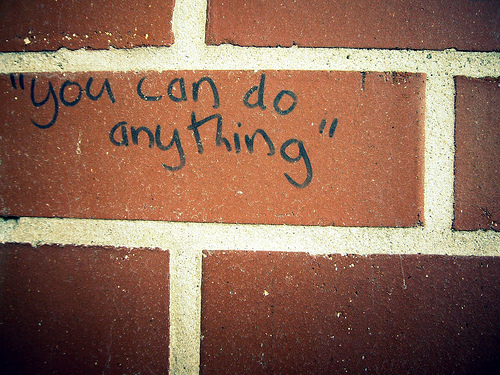
What can you do? ANYTHING! (Except fly and turn into a robot.)

“Never tell a young person that anything cannot be done. God may have been waiting centuries for someone ignorant enough of the impossible to do that very thing.” — John Andrew Holmes

You CAN do anything… you just have to DO IT!

Art Foundations: Color Scheme Drawing and CHUCK CLOSE Video.

Goals:

  1. 1.4 Initiate, define, and solve challenging visual arts problems using skills of (1.4.1) analysis (.2) synthesis (.3) evaluation.
  2. Identify the intentions and purposes behind making art.

How do you feel that your abilities to make art, based on observation were helped by the process of using the grid? What has held you back… where do you see that you can focus on improving (how do you see that you can focus on improving, in the creation of your artwork?

Advanced Drawing: Interior / Exterior Portrait – Rubric online AND National Gallery of Art

Morning Sun… How can you use this idea to focus on YOUR ideas?

Goals:

  1. 1.4 Create, define, and solve visual challenges using 1.4.1 Analysis and 1.4.3 Evaluation.
  2. 6.1 compare aspects of the visual arts with aspects of other disciplines through Mathematical Ratios and Transferring images / blending colors.

What was the most challenging thing about buyilding your ideas? What drew you into the work by Edward Hopper? What challenges do you fear with this work? What is most important about drawing when it comes to observation and photographic references?

AP Studio Art: Art and Fear – Of Sailors and Whales

Now what do we do with it?

Review the CONCENTRATION works you have developed at this point and answer (online) the two questions for the PORTFOLIO. One on one discussions with me about the works.

Goals:

  1. 5.3 describe rationale of breadth works by analyzing 5.3.1 techniques (WHAT IS THE ELEMENT / PRINCIPLE that you are focused on?).
  2. What are YOUR PERSONAL GOALS?

What did you accomplish today? What was your biggest accomplishment this week