A long time coming… Thanks Painting Class 2008 – 2009

Waterford Union High School in Oil Painting class of 2008 – 2009

The painting class of 2008 – 2009 took the challenge of creating a series of works that documented their high school and challenged their understanding of how to use oil paints, mediums, power tools, and the very challenging linear perspective as they composed their images. BEginning with a long walk and conversation about composition, the artists came up with their favorite angles of the building and developed their own ideas for the image as they were faced with the challenge of their school as the subject matter. From photography and thumbnail sketches, teamwork and construction of the canvases, the artists created a wide variety of compositions using all the different skills and techniques they had in their art toolbox. Thanks to the following artists for their hard and dedicated work creating a strong and successful body of work. Each one of them created a unique and individual viewpoint of the building that gave them so many memories and skills to last a lifetime. Thank you Waterford Union High School artists.

  • T.E.
  • Erica
  • Daja Braatz
  • Steve Rudan
  • Cameron Robinson
  • Amandine Gerus
  • Brittany Canfield
  • Megan Barker
  • Bina Olafsdaughter
  • Alexandra Jones
  • Mike Bink
  • Maryann Little

Thursday before break… how can you continue ARTing over break?

“Talent may get someone off the starting blocks faster, but without a sense of direction or a goal to strive for, it won’t count for much.” – David Bayles and Ted Orland

Art Foundations: PAINT your POP

http://i233.photobucket.com/albums/ee172/carolyn85_photos/Andy%20Warhol%20Pop%20Art/audreyhepburnpopart.png

Goals:

  1. WHAT ARE YOU DOING WELL with the application of your ACRYLIC PAINT – Give yourself that thought today! PAINT OUT AND WORK!

What is the most successful aspect of your painting? What is the least successful part of the painting? Stop and think – explain your feelings so  you can look back on this when we come back.

Drawing: RULES of the PORTRAIT! HERE!

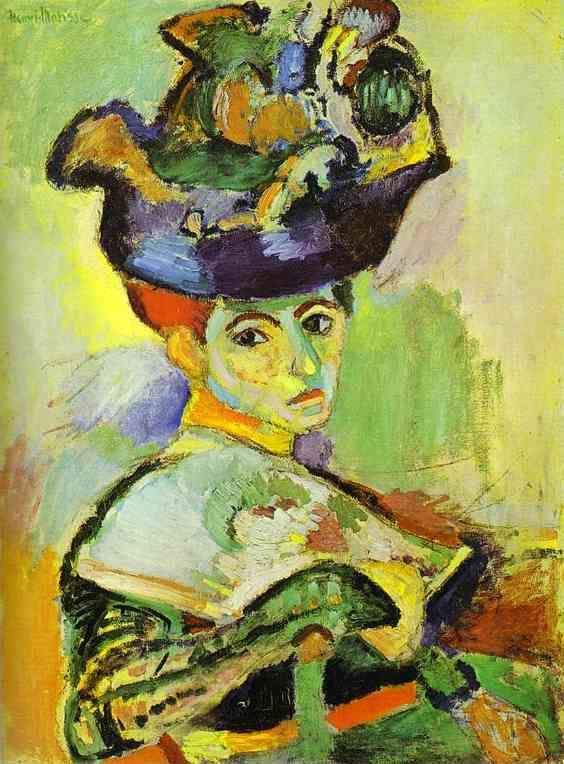
How are you going to use the idea of the PORTRAIT to make your work successful? Rules in a minute… http://www.abcgallery.com/M/matisse/matisse80.JPG

Goals:

  1. Know about solving visual challenges (making art) using analysis (breaking the work into its parts).

How are you going to work on the ideas behind the portrait over the break? What FAMOUS images come to mind when you think of ART HISTORY? You are going to use ideas from Art History in the final work… What worries do you have?

AP Studio Art: Log In and Log On… AP is WAITING to hear from you!

WHAT? Look at the WORK here! WOW!

Goals:

  1.  3.2 apply subjects, symbols, and ideas in art and use skill to solve visual challenges – WHAT ARE YOUR CHALLENGES?

Which works are you most proud of and why? What is working with the pieces that you would choose as your “quality” works? Why do the other ones NOT work?  What do you have to do over break?

Flowers POP in the Springtime… what POPS in your asrtwork?

“Talent may get someone off the starting blocks faster, but without a sense of direction or a goal to strive for, it won’t count for much.” – David Bayles and Ted Orland

Art Foundations: PAINT your POP

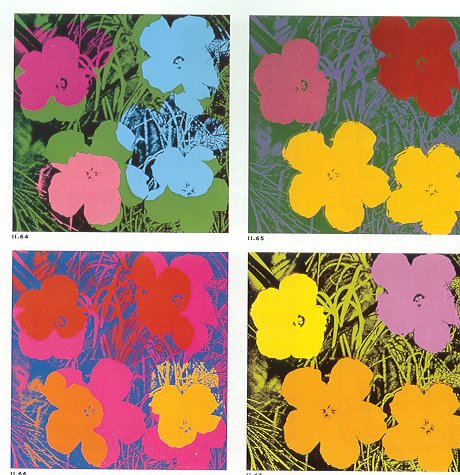
Can you see a color scheme here? How about the repetition of your composition? http://www.redtedart.com/wp-content/uploads/2013/01/Andy-warhol-flowers.jpg

Goals:

  1. Create a work of art focused on color mixing with acrylic paints

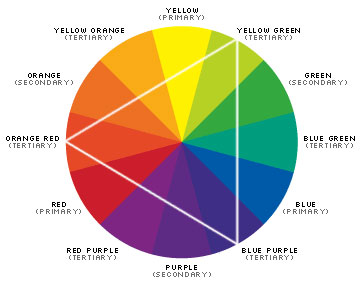
What was the easiest portion of the color wheel? What do you enjoy / dislike about acrylic paints?

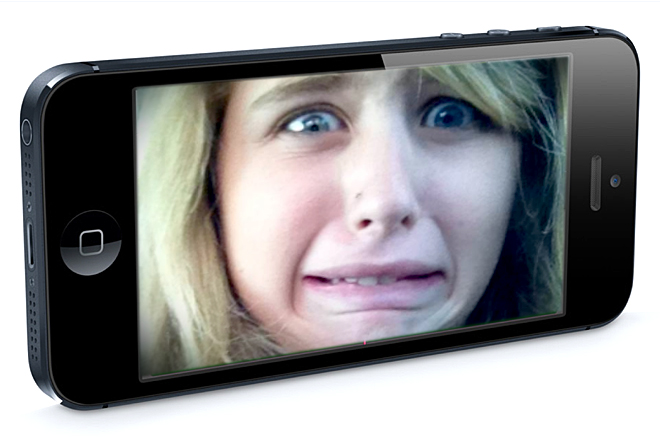
Drawing: Snap Chat Selfies… Matisse and Wilde

How’s your snap chat selfie? Can y ou be creative and still include the negative space? Onto Matisse and Kahine Wiley http://media.salon.com/2013/01/snapchat.jpg

Kahine Wiley – Interview Magazine Article… Research HIP HOP and Graffiti! How can you use a name, tag, slogan in your composition in the style of graffiti to add to the BACKGROUND?
Goals:

  1. Identify the intentions and purposes behind making art.
Matisse and the Tate Modern in London: http://www.tate.org.uk/whats-on/tate-modern/exhibition/henri-matisse-cut-outs

What was the most challenging way to draw? Why was this most difficult way to go? What is most important about drawing when it comes to observation?

AP Studio Art: What about the uploads? Ready for Thursday?


A bird – the same patterns and use of line… what is the common thread chasing in your art? http://www.reginaldbaylor.com/images/stories/Originals/textile_755_Untitled_Bird_in_Velvet.jpg

Goals:

  1.  4.4 evaluate and interpret your art for relationships in 4.4.1 form 4.4.2 context. 3.2 apply subjects, symbols, and ideas in art and use skill to solve visual challenges.

How does your art compare with the work of “professionals” and how can you work to create a better understanding of your approach / intent / ideas?)

How are you using your POP object to create a WORK OF ART!

“Talent may get someone off the starting blocks faster, but without a sense of direction or a goal to strive for, it won’t count for much.” – David Bayles and Ted Orland

Art Foundations: PAINTING

Money Money Money Money… MONEY!!! http://www.unicamp.br/~hans/mh/dollarSign.jpg

GOALS:

  1. Apply acrylic paint focusing on mixing techniques, and processes (one shape at a time) with an 1.1.3 awareness so that your ideas (modifying the image to one specific color scheme) are executed well.

What is the most difficult part to mixing colors with the acrylic paints? What do you feel makes it the most challenging / frightening medium for some? What are you enjoying about this process?

Drawing: PORTRAITS!

The Green Stripe. FAUVISM! http://rap361.com/wp-content/uploads/2011/07/matisse25_preview.jpg

WHAT CAN A PORTRAIT MEAN? Click Here!

GOALS:

  1. (2.3) Create artworks that use organization and function to solve specific visual challenges.
  2. (5.1) Identify the intentions and purposes behind making art.

What was the most challenging way to draw? Why was this most difficult way to go? What is most important about drawing when it comes to observation?

AP Studio Art: COMPUTER UPLOADS and CONCENTRATION

Looking at Reginald Baylor’s Work this week – what is similar from yesterday? http://www.reginaldbaylor.com/images/stories/Originals/painting_755_Custom_Paint_1.9a.jpg

GOALS:

  1. Create multiple solutions to your CONCENTRATION visual challenges and apply media, techniques, and processes with skill confidence and awareness so that your ideas are executed well.

What were the biggest impressions you had from the classmate’s works? What were the most difficult things you felt as you presented your work? Conversation between classmates about the 2 questions for your exam. How does this work relate to your concentration?

Talent is HIGHLY overrated… GOALS and DIRECTION are where it is at!

“Talent may get someone off the starting blocks faster, but without a sense of direction or a goal to strive for, it won’t count for much.” – David Bayles and Ted Orland

How fast are you going to get through the project? It is NOT a speed race, it is a marathon… long and slow, steady now… http://arumarathon.nohost.com.br/blog/wp-content/uploads/2012/07/GD4415087-1513.jpg

Art Foundations: POP ART all you ANDY WARHOL kids out there!

Can you identify a MAJOR color scheme in the paintings? http://www.thespecialeventexperts.com/wp-content/uploads/2013/10/andy-warhol.jpg

Goals:

  1. Apply acrylic paint using the mixing techniques, and processes (one shape at a time with an 1.1.3 awareness so that your ideas (modifying the image to one specific color scheme) are executed well .

What is FUN about the use of acrylic paints? If you are NOT painting yet… what do you need to finish up so you can begin painting tomorrow? How can you use this in other classes, other aspects of your life?

Drawing: Faces and FAUVISM.

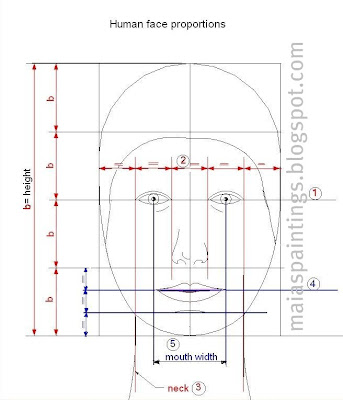
FACIAL PROPORTIONS… what are your understandings? https://artwithkorb.com/wp-content/uploads/2013/04/humanfaceproportions2.jpg

Goals:

  1. 1.4 Initiate, define, and solve challenging visual arts problems using skills of (1.4.1) analysis (.2) synthesis (.3) evaluation. (P).
  2. Research and Information Fluency – Students apply digital tools to gather, evaluate, and use information. – Get out there and visit a bit about Henri Matisse!

What was the most challenging way to draw? Why was this most difficult way to go? How OFF were you from the original that you drew from your memory? What is most important about drawing when it comes to observation? Facial Proportions

Madam Matisse – An EARLY portrait of Henri Matisse’s lovely wife. http://cdn.lrb.co.uk/assets/edillus/clar05_3016_01.jpg

AP Studio Art: ONLINE – Set up YOUR ACCOUNT and UPLOAD!

Visit this Milwaukee Painter’s website – Reginald Baylor – ALL WEEK!

Goals:

  1. Technology Operations and Concepts – Students demonstrate a sound understanding of technology concepts, systems, and operations.

What challenges did you face with the new uploading process? Easy huh?

What can you do with IMAGINATION outside of the ARTS?

“Employing your imagination is the first step to the fulfillment of any dream.” ― Richelle E. Goodrich

Creative Industries out there that WILL REQUIRE Imaginative and Creative individuals: HERE

Art Foundations: Final Day to Paint Color Wheel – Getting into the GRID

What challenges are you going to have with the grid? http://graphics8.nytimes.com/images/2007/07/06/arts/06fig600.1.jpg

Goals:

  1. The GRID and POP Art are our major focus… are you able to apply media (acrylic paint), techniques (grid), and processes (one square at a time) with an 1.1.3 awareness so that your ideas are executed well?

What was the biggest challenge of using the grid – beyond Mr. Korb’s initial math issues? How is the DRAWING One Square at a TIME going? EXPLAIN YOUR ANSWER!

Drawing: Ears – FUN!

You can pick your friends and you can pick your nose but you can’t pick your friends nose… GROSS! http://amhnetwork.com/wp-content/uploads/2013/03/child-pick-nose.jpg

Goals:

  1. How have you used BASIC shapes to draw the nose from yesterday? Are you able to use 1.4.1 analysis (breaking up the artwork / subject matter to basic elements)?

What mistakes did YOU make – how bad were they when it came to EARS? Next week we begin to assemble it all together – First FAUVISM and HIP HOP!

AP Studio Art: The STATEMENTS are DUE! How’s your website?

What QUALIFIES THIS as a QUALITY WORK? Have that 1 minute conversation with your classmate?

Goals:

  1. Write out your PLANS for the 2 newest CONCENTRATION works and think about how you are… 3.2 apply subjects, symbols, and ideas in art and use skill to solve visual challenges.

Which works are you most proud of and why? What is working with the pieces that you would choose as your “quality” works? Why do the other ones NOT work? Share your answers to the 2 questions online with a classmate!

IMAGINE all you can accomplish with your skills! Set your goals and DO IT!

“Employing your imagination is the first step to the fulfillment of any dream.” ― Richelle E. Goodrich

Art Foundations: Color Wheel and GRID (only if you are done with the color wheel)

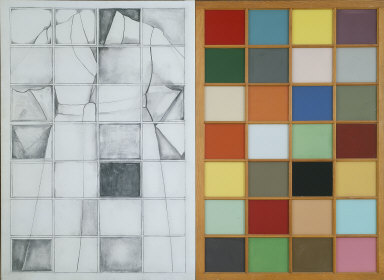
How is Jim Dine using the grid AND color? http://search.it.online.fr/covers/wp-content/Jim_Dine,_Self-Portrait_Next_to_A_Colored_Window,_1964.jpg

GOALS:

  1. What colors have you struggled with as you mixed colors to fill your color wheel?  1.2 create art that demonstrates an understanding of how your ideas relate to the 1.2.1 acrylic paint, 1.2.2 mixing colors, 1.2.3 and applying the paint CAREFULLY!

What was the easiest portion of the color wheel? What do you enjoy / dislike about acrylic paints? What MIGHT be something that would keep you from doing more in the painting arena?

Drawing: Noses and Reflection on the drawings from yesterday.

Mouth and Teeth – Let’s SHARE how you did yesterday? http://www.bubblews.com/assets/images/news/141117164_1361110181.jpg

GOALS:

  1. WHY is the idea of being able to draw your facial features important in the process of becoming a stronger drawer? 3.3 describe the creation of images and ideas and explain why they are of value.
  2. How are you breaking the facial features up into smaller parts so it is easier to draw the WHOLE feature? 1.4 create, define, and solve visual challenges using 1.4.1 analysis (breaking up the artwork / subject matter to basic elements.

What mistakes did YOU make – how bad were they when it came to NOSE today?

AP studio Art: How are you doing?

How are you working out your images and getting your work done? http://www.riverdell.org/cms/lib05/NJ01001380/Centricity/Domain/71/AP_Studio_Art_Emily_hand.jpg

GOALS:

  1. What do you STILL need to do (considering all the stuff on your plates?) 3.2 apply subjects, symbols, and ideas in art and use skill to solve visual challenges.

Which works are you most proud of and why? What is working with the pieces that you would choose as your “quality” works? Why do the other ones NOT work?

What are you ADVANCING on in the ARTS TODAY? Self – Directed Learning?

“Employing your imagination is the first step to the fulfillment of any dream.” ― Richelle E. Goodrich

Special thanks to @capechicago and @RAG_artist for the great work.

What Classes Should I STILL sign up for? Try these! CLICK HERE.

Art Foundations: COLOR WHEEL is your topic for the day!

How are you going to mix your color wheel? https://artwithkorb.com/wp-content/uploads/2013/05/887c0-colorwheel.jpg

GOALS:

  1. Apply media (acrylic paint), techniques (mixing), and processes (one color shape at a time) with an 1.1.3 awareness so that your ideas (the color wheel) are executed well.

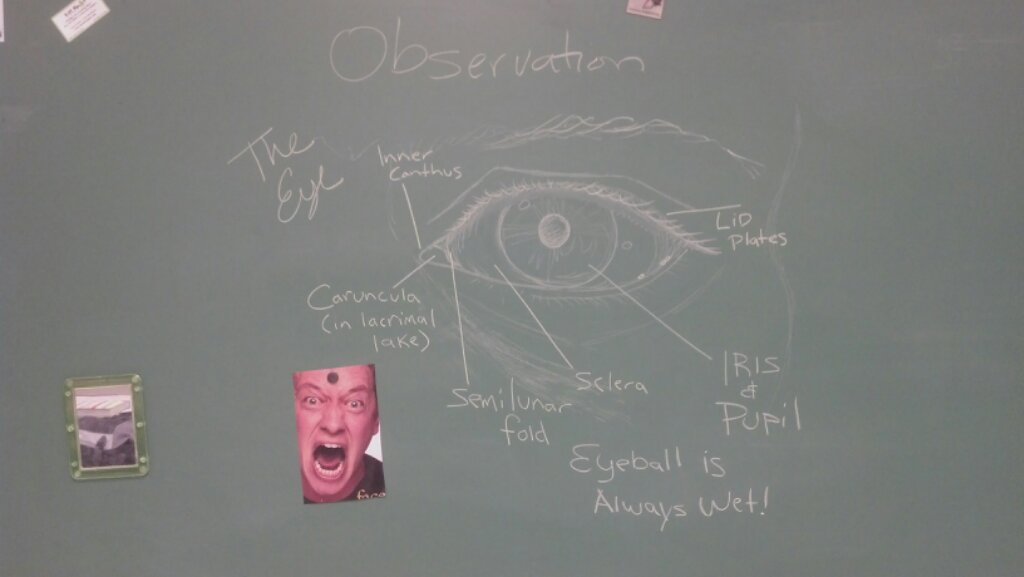
Drawing: MOUTHS and EYES!

EYE am watching YOU! http://www.statuaryplace.com/store/images/12%20mm%20yellow%20animal%20eyes.jpg

wpid-IMG_20130417_110513_974.jpg


GOALS:

  1. 3.3 describe the creation of images and ideas and explain why they are of value – WHY IS IT VALUABLE TO DRAW THE FACE?
  2. 1.4 create, define, and solve visual challenges using 1.4.1 analysis (breaking up the artwork / subject matter to basic elements) What shapes do you find when you break the images up?

What mistakes did YOU make – how bad were they when it came to eyes and the MOUTH?


AP Studio Art: WORKING on LOTS of SOLUTIONS!

How are your concentration images working? http://apcentral.collegeboard.com/apc/public/repository/2D-Con-Kwon-1-s.jpg

GOALS:

  1. 4.4 evaluate and interpret your art for relationships in 4.4.1 form 4.4.2 context.
  2. 3.2 apply subjects, symbols, and ideas in art and use skill to solve visual challenges.

How does your art compare with the work of “professionals” and how can you work to create a better understanding of your approach / intent / ideas?


FIND YOUR VOICE and EXPRESS YOURSELF!

“Employing your imagination is the first step to the fulfillment of any dream.” ― Richelle E. Goodrich

Special thanks to @capechicago and @RAG_artist for the great work.

What Classes Should I STILL sign up for? Try these! CLICK HERE.

Art Foundations: Grid the Drawing UP (or DOWN) TODAY!

Chuck Close signing a book! I’d LOVE his autograph! http://blog.cleveland.com/ent_impact_arts/2009/09/medium_chuck-close1.jpg

GOALS:

  1. 3.3 Know about the creation of images and explain why they are of value.

Self – evaluation Share image with your classmate and explain the process of measuring and transferring images.

Drawing: Figure and Proportions

EYES and EARS and MOUTHS and NOSES… Yuck! http://farm4.staticflickr.com/3060/2605312538_01f09a2356.jpg

GOALS:

  1. 3.3 describe the creation of images and ideas and explain why they are of value
  2. 3.4 evaluate and defend the validity of sources for ideas.
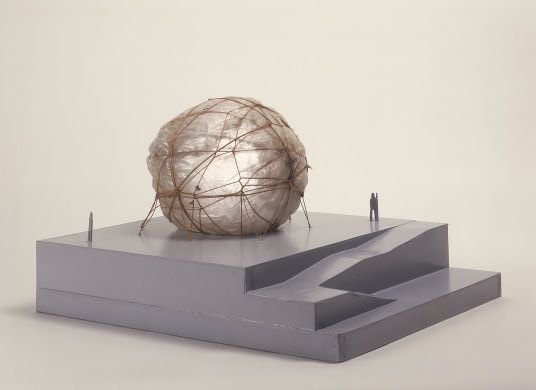
Christ and Jean Claude – Wrapped Air! http://search.it.online.fr/covers/wp-content/Christo,_Air_Package,_Project_for_the_Garden_of_the_Museum_o.jpg

What mistakes did YOU make – how bad were they when it came to eyes?

Homework: Collect images from the newspaper or magazines that represent you or that you feel are important to you in today’s social environment

AP Studio Art: CONCENTRATION

How about the QUALITY of your work? http://apcentral.collegeboard.com/apc/public/repository/2D-Quality-Wilkinson-4-s.jpg

GOALS:

  1. Create multiple solutions to your CONCENTRATION visual challenges.
  2. 1.1 apply media, techniques, and processes with 1.1 .1 skill 1.1.2 confidence 1.1.3 and awareness so that your ideas are executed well

What were the biggest impressions you had from the classmate’s works? What were the most difficult things you felt as you presented your work? Conversation between classmates about the 2 questions for your exam. How does this work relate to your concentration? DO NOT FORGET ABOUT YOUR PHOTOGRAPHS AND UPLOADS! FRIDAY of NEXT WEEK – 10 – 12 works on BOTH the BREADTH and CONCENTRATION SITES with the updated QUESTIONS ANSWERED! We are going to be talking about UPLOADING to the AP SITE THIS WEEK!

What does ARTS EDUCATION bring to YOU?

“Employing your imagination is the first step to the fulfillment of any dream.” ― Richelle E. Goodrich

Special thanks to @capechicago and @RAG_artist for the great work.

What Classes Should I STILL sign up for? Try these! CLICK HERE.

Art Foundations: Grid – a simpler approach. THANK GOODNESS

Why the Portrait? Why the Grid? Click to see Chuck Close speak about the choices he has made. http://www.tfaoi.com/cm/3cm/3cm488.jpg

GOALS:

  1. LET’S SIMPLIFY THIS AND 6.1 Work on mathematical rations in art as other disciplines might use math. SQUARES and VIEWFINDERS… Ratios are important, but let’s start a bit simpler.

How was this EASIER than the past two days – YIKES! Self – evaluation Share image with your classmate and explain the process of measuring and transferring images.

Drawing: FIGURES he’s make us draw figures.

Even PICASSO dealt with the figure! How about you? http://www.designboom.com/wp-content/uploads/2012/12/picasso02.jpg

GOALS:

  1. 5.3 describe meanings of artworks by analyzing 5.3.1 techniques and 5.3.2 how they relate to history and culture – PRESENTATIONS DAY 2 OR…
  2. 3.3 describe the creation of images and explain why they are of value.

What was the most CHALLENGING Part of this week? What would you do differently? What would you suggest be DONE differently? Hang Work in MATT and DISPLAY on Back Wall With Paragraph / RESEARCH AND Where were you close to accurate in your drawing, where were you really off in the drawing of the human figure?

AP Studio Art: Let’s CONCENTRATe(ION)

Wave to the sculpture! What are you doing to ADVANCE your Art?

GOALS:

  1. 2.2 PEER-evaluate the effectiveness of artworks – How are you dealing with your concentration – Lay them out and TALK TO YOUR CLASSMATES! What’s Next?
  2. 3.5 Evaluate and defend the manner in which subject matter, symbols, and images are used. (Fits hand in hand with the above).

What were the biggest impressions you had from the classmate’s works? What were the most difficult things you felt as you presented your work? Conversation between classmates about the 2 questions for your exam. How does this work relate to your concentration?