“Remember, all the answers you need are inside of you; you only have to become quiet enough to hear them.” — Debbie Ford
Art Foundations: Color Schemes
Goals:
1.2 Create art that demonstrates an understanding of how your ideas relate to materials.
What color scheme would it be if… examples of colors?
Drawing: Genius WEEK…
Goals:
2.6 create multiple solutions to visual challenges that show understanding in relationships between composition and meaning of artwork – Maybe you are already into one of the solutions – is it powerful enough?
Share your ideas with ONE classmate and WRITE in your BINDER – What have I accomplished today. What am I doing / knowing better today than I was yesterday?
AP Studio Art: Moving Through Space and Time – in one drawing.
Goals:
5.5 evaluate responses to works of art for communicating 5.5.1 rationale, 5.5.2 ideas and, 5.5.3 opinions – What is the message – question – idea you are trying to work through? Explain your thoughts…
What do you feel is different about treating this DRAWING from last week and transforming it into an ARTWORK?
#Goals – POSTING TIME CHANGE – 7:00 AM versus 6:00 AM – MORE TO RT on Twitter!
“Remember, all the answers you need are inside of you; you only have to become quiet enough to hear them.” — Debbie Ford
Art Foundations: Working on Colors
Goals:
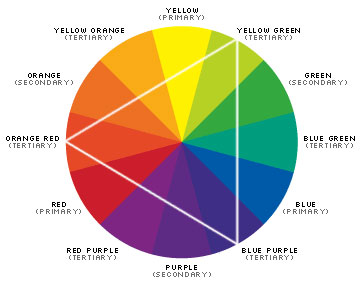
1.4 Define color schemes using analysis (what are the colors that we, as painters / drawers use to make all the other colors?)
Review with neighbors the relationships of the colors on the color wheel? QUIZ one another on the names, types and relationships of the colors. (5, 9) – CREATE A CLC SHEET ASAP MONDAY! Assignment – FOR WEDNESDAY – Bring in a PHOTOGRAPH / Advertisement of a POPULAR CULTURE IMAGE (product, celebrity, OBJECT – Not a Drawing / Cartoon… Something that is of interest to you.
Drawing: Genius Hour
Goals:
1.4 create, define, and solve visual challenges using 1.4.1 analysis (breaking up the artwork / subject matter to basic elements), 1.4.2 synthesis (put all the parts of a work together to form a whole), 1.4.3 evaluation [critique] (formative and summative reflections about your artwork)
Share your ideas with ONE classmate and WRITE in your BINDER – What have I accomplished today. What am I doing / knowing better today than I was yesterday?
AP Studio Art: Duchamp is in your Head!
Goals:
2.3 create artworks that solve visual challenges – NOW STOP and think about the GOAL you have for this ARTWORK – WRITE IT DOWN. Same colors Duchamp used. White, black, sanguine.
What do you feel is different about treating this DRAWING from last week and transforming it into an ARTWORK?
In two of our art classes, we have had the great opportunity to tie it ALL(most) together. Thanks to Ms. Lynn Neuman (math) and Mrs. Nancy Smith (Science) for their ideas and feedback.
Breanna A. – Science, English, and ART!
Art Foundations – Science / Engineering / Math / English and ART. They researched (flipped classroom of my videos) 2 point perspective (houses, buildings etc…) and learned the “rules.” Then they researched Scanning Electron Microscope images, we had a conversation about the results, they documented their sites, read a bit about it and then… they had to use the rules of perspective to interpret their microscopic image into and oil pastel drawing. The link is here: http://goo.gl/uRIS37
Jessica’s Bauhaus Drawing!
Drawing – Using the HISTORY of Germany and Russia in the early 1900’s – WWII, the students studied the times and ideas behind the work of Russian artist Wassily Kandinsky. They studied the MATH / GEOMETRY / COLOR theory behind his works and came up with their own color theory. THEN… Music was the emotional impetus for the work. They listened first to music by Kandinsky’s contemporaries and got the ideas for abstraction and geometry. From there they worked their OWN music into the art. So lets see… Music / history / math / social studies (history)… oh.. and ENGLISH – they had to write up an explanation – Artist Statement about their work. The collaborative efforts can be seen in this presentation they worked out and engineered through Google Presentation… some of it MAY still be in the works! http://goo.gl/Jz15AT
“Perseverance is failing nineteen times and succeeding the twentieth.” — Julie Andrews
Art Foundations: COLOR and YOU!
Goals:
1.4 Analyse (break it down) and Define color schemes and how you use color on a daily basis.
Review with neighbors the relationships of the colors on the color wheel? QUIZ one another on the names, types and labels of the colors. What three colors can you use to mix ALL THE OTHER colors? In your GOALS SHEET…
Drawing: Genius Day (a bit longer than a day).
Goals:
1.1 Define and consider your PASSIONS through the media, techniques, and processes that you want to consider. Don’t forget about the 1.1.1 skill , 1.1.2 confidence and 1.1.3 awareness that you have and will use so that your ideas are executed well.
Working with Mr. Korb “out of the way/” Here are your “24 hours” of doing what you want with who you want in the way you want with the idea of a product being the end result and presenting being the final evaluation. What have you accomplished today and what do you need to accomplish tonight so that you can present tomorrow? The presentation is a huge factor. What did you intend to do? What did you intend to learn? Why is this a GREAT experience for you? How is having an assignment easier or harder for you? Lots to think about…
AP Studio Art: MAT YOUR WORK – Consider Duchamp
Goals:
6.3 use the principles and techniques of art with those from other discipline to PREPARE your WORK for QUALITY!
What are you doing this weekend to PREPARE for the next 1 weeks of WORKING on ONE BREADTH work based on the figure drawings that we worked on this week. How can you look at the Marcel Duchamp work of the world and resolve the image you have in front of you. Next week… resolution – Pastels, Conte, Charcoal? Whatever…
Use Google Presentation and Docs (and the lab) to resolve your self evaluation and work collaboratively to support individual learning and to the learning of others.
BEGIN PLANNING FOR TOMORROW – GENIUS DAY – ALL WEEKEND to work – PRESENT on MONDAY! ?What? Yikes!
Working with Mr. Korb “out of the way” here are your “24 hours” of doing what you want with who you want in the way you want with the idea of a product being the end result and presenting being the final evaluation. What have you accomplished today and what do you need to accomplish… the presentation day on Monday…
AP Studio Art: FIGURES… just figures.
Goals:
2.3 create artworks that solve visual challenges of a figurative nature… WHAT DO YOU WANT TO EMPHASIZE TODAY?
How did things go today? Look at everyone’s drawings and make comments about their figure drawings in their binders.
“Perseverance is failing nineteen times and succeeding the twentieth.” — Julie Andrews
Art Foundations: Artist Statement
How are the ideas coming with the artist statement? This is a challenging process. Stay focused on the ideas we spoke about. Goals:
4.4 evaluate and interpret your oil pastel drawing for relationships in 4.4.1 form 4.4.2 context as it related to the original photographic image from the microscope.
How do you feel about the paper you have written? Does it fully describe your artwork? Does it partially describe your artwork? Does it fall flat? WHY?
Drawing: WRITE – SUMMARIZE – FINISH – INSPIRE!
Goals:
4.4 evaluate and interpret your oil pastel drawing for relationships in 4.4.1 form 4.4.2 context as it relates to the IDEAS of Wassily Kandinsky – Can you explain it concisely?
How do you feel that writing this artist statement has helped you to 1) better understand your art and 2) explained it to your audience, those interested in buying your art?
AP Studio Art: Art Mounting Time
Be CAREFUL as to how you use the tools. Make your lines STRAIGHT and CLEAN! Goals:
3.2 apply subjects, symbols, and ideas in art and use skill to solve visual challenges – What are the VISUAL CHALLENGES that you are faced with in this part of the art toolbox?
Well… how did you do? What do you need to FOCUS on as you mount MORE and MORE artworks? Is this as easy as MAKING art? Would you reconsider HOW you make your work so you can skip this step?
“Perseverance is failing nineteen times and succeeding the twentieth.” — Julie Andrews
REMEMBER – Goals are a Changing – JUST A SMIDGE – It is becoming a lot more thoughtful and less VERBATIM! Read the Goal – Read my questions – Write your thoughts and reflections – Let’s take a moment to visit the CHANGES!
Art Foundations: How’s the self-evaluation / art statement going?
4.4 What are the strengths and weaknesses in your art regarding the ideas of 4.4.1 form 4.4.2 and context (ideas) and how you understand linear (and non-linear) perspective?*
REREAD the work you have done for today. What was the best and the worst part of the work? What are you going to take into your next major artwork that you learned from this artwork?
Drawing: How are you coming up with the statement? Anything you need to focus on? Let’s break it up.
Goals:
4.4 What are the relationships in 4.4.1 form 4.4.2 context and 4.4.3 meanings that you are focusing in with your Kandinsky inspired / music inspired / BAUHAUS inspired oil pastel drawing?
What did your FAVORITE part of this overall DEEP and difficult project? How do you feel you have summed up your work in the FIRST EVER ARTIST STATEMENT?
AP Studio Art: No welcome back today – I tried yesterday. Figure Drawing – 2 10 minutes.
Goals:
2.3 What challenges do you feel you will need to work on today as we create figure drawings?
How did things go today? Look at everyone’s drawings and make comments about their figure drawings in their binders.
“Perseverance is failing nineteen times and succeeding the twentieth.” — Julie Andrews
REMEMBER – Goals are a Changing – JUST A SMIDGE – It is becoming a lot more thoughtful and less VERBATIM! Read the Goal – Read my questions – Write your thoughts and reflections – Let’s take a moment to visit the CHANGES!
Art Foundations: Let’s Finish, Hand In, Photograph, and CRITIQUE your artwork
4.4 evaluate and interpret your art for relationships in 4.4.1 form 4.4.2 context and 4.4.3 meanings showing understanding of the work of various art professionals* Looking at your artwork – judgement time – what are the successful aspects of the work and what are the unsuccessful aspects of the work. Time for self evaluation and artist statement.
REREAD the work you have done for today. What do you need to make more concise for tomorrow? What do you need to expand on? Share the ideas / challenges with your neighbors.
Drawing: What did you do and how did you do it? Working with a pair – let’s critique and WRITE!
4.4 evaluate and interpret your art for relationships in 4.4.1 form 4.4.2 context and 4.4.3 meanings showing understanding – What are the similarities and differences in your ideas and Kandinsky’s IDEAS / TECHNIQUES?
How does your art compare with the work of “professionals” and how can you work to create a better understanding of your approach / intent / ideas?)
6.3 use techniques of art with those from other disciplines and present your work 5.2 stand behind your criticism of art in which works you choose as “Quality” What are the QUALITIES that you are going to be looking at as you select your 5 best works of art for the QUALITY portion of your portfolio?
What did you struggle with in the process of mounting your artwork today? How do you need to improve your techniques? What ONE thing do you need to do better or practice on?
4.4 evaluate and interpret your art for relationships in 4.4.1 form 4.4.2 context and 4.4.3 meanings showing understanding of the work of various art professionals* ANSWER THIS FOR YOUR GOALS? What relationships do you see between your work and the ORIGINAL Scientists vision of the microorganism?
What was the best and the worst part of the work? What are you going to take into your next major artwork that you learned from this artwork? What makes you stop and THINK about the work you have seen bu others?
Drawing: FINAL DAY! These are AWESOME – Get Ready to WRITE about the work as you make your artist statement!
4.4 evaluate and interpret your art for relationships in 4.4.1 form 4.4.2 context and 4.4.3 meanings showing understanding of the work of various art professionals* – Answer this for your GOALS:What are the STRONG relationships you have with Kandinsky in his work and yours?
What did you take away from this overall DEEP and difficult project?
AP Studio Art: 1 Drawing today – 20 minute reclining figure – How about looking at a Henry Moore instead of the Mary Cassatt.
2.3 create artworks that solve visual challenges – ANSWER THIS: What has been the BIGGEST CHALLENGE you have faced with the idea / activity of the figure drawing? How will you handle 20 minutes today?
How did things go today? Look at everyones drawings and make comments about their figure drawings in their binders.
While in class we set goals in class based on the N.V.A.S. and the N.E.T.S… let’s take a look at our individual picture for a moment. Please think about the larger goal (NVAS) that is presented, but write out what we were hoping to gain from these experiences. It is always good to “look into the rear view mirror” to see who we were that made us who we are. Challenging to really see perhaps, but always good to think about and reflect upon.
“No matter how many goals you have achieved, you must set your sights on a higher one.” – Jessica Savitch
What does your pastel drawing say about how you understand the relationships in 4.4.1 form 4.4.2 context and 4.4.3 meanings? What were YOU hoping to learn or take away from this project?
REVIEW the work you have done for today. What do you need to do for tomorrow? What do you need to expand on, tweak? Share the ideas / challenges with your neighbors.
Drawing: What does your music say to you? Perhaps revisit the song and see if it takes you where you wanted to go.
What does your Kandinsky inspired pastel drawing say about how you understand the relationships in 4.4.1 form 4.4.2 context and 4.4.3 meanings? What were YOU hoping to learn or take away from this project?
How does your art compare with the work of “professionals” and how can you work to create a better understanding of your approach / intent / ideas? Please don’t think of worse than or better than, but rather compare / contrast, similar / different.
AP Studio Art: Great to be a GROUP again… Let’s draw MORE of US!
3.2 apply our models poses, and idea of capturing the human form QUICKLY and use skill to capture that pose and form completely. What does this mean to you?
What are the strengths of the Composition? Where do you find the weaknesses in your work? How can you reflect tomorrow to change / alter / move forward from that?