Anchor Standard 10: Synthesize and relate knowledge and personal experiences to make art.
Enduring Understanding: Through art-making, people make meaning by investigating and developing awareness of perceptions, knowledge, and experiences.
Essential Question(s): How does engaging in creating art enrich people’s lives? How does making art attune people to their surroundings? How do people contribute to awareness and understanding of their lives and the lives of their communities through art-making?
11.1Ad: Synthesize knowledge of social, cultural, historical, and personal life with art-making approaches to create meaningful works of art or design.
What have you done in the past three weeks that has interested you enough to make a small series of works about?
Create a small series of works that are based on your own personal experiences of plein air summer studio. Plan on 3 works for the final week of class and HANG A SHOW on Thursday.
Work on your own and LET ME KNOW where you are going to be.
Look at today and reflect on the experiences that you have had to create the work. What are you pleased with and where are you feeling you need work?
AP Studio Scores are in – I am impressed with the results. 9 / 10 3’s or better. Excellent year of art production!
HOMEWORK on MONDAY! Looking at and researching artists is an IMPORTANT way to learn about the past and develop your own skills for the future. This is not a huge task folks… it is fun research. Remember… you are in Summer Studio NOT because you WANT to earn the .25 credit but to be a stronger artist. This is how it happens.
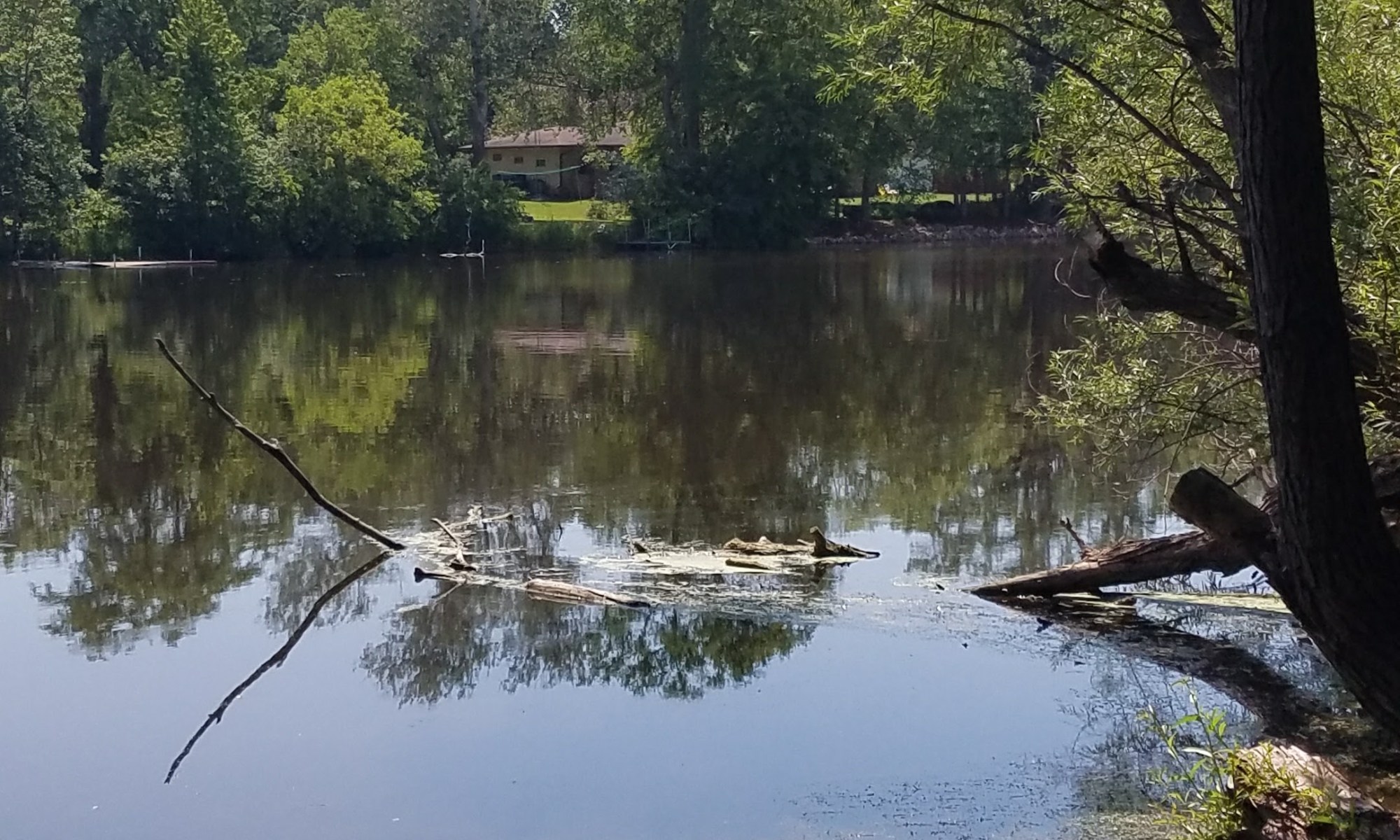
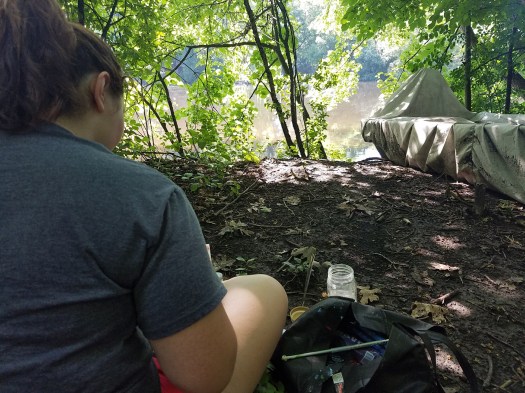
SUMMER STUDIO WEEK 3: This was a very productive week for having only 3 days to be in studio. I am proud of the dedicated work these artists are putting forth. 3 hours is a good chunk of time to commit to the creation of artwork in the field (I am certain that some of them would like to have that during the regular studio time in the school year). These are photos from the week – Enjoy!
Develop Craft: Learning to use tools, materials, artistic conventions; and learning to care for tools, materials, and space.
What are you going to be looking at and dealing with as we look at foreground, middleground, and background? How have you improved / learned your skills in the 1) creating of art with supplies and 2) coming up with new and innovative compositions as we work outside?
Quick reflection at the end of the hours as a group. Next week we will be out on our own – wherever you want to be you will be. I’ll be scooting around on the scooter. Be ready to let me know where you’re going to be.
“Every problem has in it the seeds of its own solution. If you don’t have any problems, you don’t get any seeds.” —Norman Vincent Peal
Drawing – Let’s do the same as yesterday!
2.1Ac: Through experimentation, practice, and persistence, demonstrate acquisition of skills and knowledge in a chosen art form.
What TWO things do you want to accomplish today so you are REALLY ready for the finished product? Is there time to complete ONE MORE DRAWING? The Person Made Object shadow?
When you look at the IDEAS you can up with on TUESDAY – what do you see SPECIFICALLY in the images and TITLE that might help you communicate that in the work?
Advanced Drawing – Hopper and Kahlo
1.2Ad: Choose from a range of materials and methods of traditional and contemporary artistic practices, following or breaking established conventions, to plan the making of multiple works of art and design based on a theme, idea, or concept.
What do you hope to accomplish in the creation of this work? what messages are you communicating in this drawing?
AP Studio Art – Final Project Concentration 2.0
1.2Ad: Choose from a range of materials and methods of traditional and contemporary artistic practices, following or breaking established conventions, to plan the making of multiple works of art and design based on a theme, idea, or concept.
What was the CENTRAL IDEA of your concentration? How can you use that same idea and GROW from it? This is NOT about making a 14th or 15th work – it is using the ideas from your body of work and GROWING and MATURING – Moving forward in the process. Final work of art for your final exam critique.
4 minutes – share your classmates work… What is one thing your classmate / partner gave you feedback on – whether or not it was a part of the conversation – think about what was said… Pre-Critique RUBRIC! Don’t forget to fill it out over the weekend based on the photographs that will be uploaded before EXAM DAY!
Studio Art 360: Critique and Collage
2.1P: Engage in making a work of art or design without having a preconceived plan.
What do you think about when you hear the work COLLAGE? We are going to look at 4 different artists this week and make ONE simple collage each. Della Wells, Romare Bearden, Richard Hamilton, and Kara Walker (began with Pablo Picasso and George Braque).
Know that you have this week – what do you need to do to stay in task and up to speed?
AP Studio Art: Critique and then your FINAL WORK!
4.2Ad: Critique, justify, and present choices in the process of analyzing, selecting, curating, and presenting artwork for a specific exhibit or event.
AND 1.2Ad: Choose from a range of materials and methods of traditional and contemporary artistic practices, following or breaking established conventions, to plan the making of multiple works of art and design based on a theme, idea, or concept.
Looking at the AP Rubric – Being as HONEST and (thinking about what # your work would score on the 1 – 6 scale) take the time to assess and evaluate your last 7 Deadly Art Sins Artwork. THEN – Using a Chromebook or Personal Device – Type up an artist statement that tells us a bit about the thoughts and response to the myth as the work relates. THEN… FINAL ARTWORK.
“A dream only becomes overrated when not pursued by the dreamer.” ― Courtney Hickman
PLEIN AIR ART CLASS: Summer Opportunities – Plein Air and Printmaking!
Summer Plein Air Art – Taliesin – Frank Lloyd Wright – Spring Green, WI Images of Field Trip HERE.
ALL LATE WORK IS DUE FRIDAY – No Exceptions! Period.
Drawing: MidCrit and Shadows
Goals: Reflect: Learning to think and talk with others about an aspect of one’s work or working process, and learning to judge one’s own work and working process and the work of others.
What is your FIRST thought as you put your work up in front of yourself?
What difficulties are you having with about this project? What have you learned and what are you going to take into the next stage of the work?
Studio Art 360: Printing Plates and KIKI SMITH
2.1P: Engage in making a work of art or design without having a preconceived plan.
Today we are FINISHING our CARAN D’ACHE Crayons and a printing plates. What are three things you want to work on to wrap it up for the day / assignment?
Using plastic printing plates, draw with the crayons to fill the plastic plate, don;t go light, but don’t go heavy. MEDIUM PRESSURE. G: Once again… What do you need to do in order to be ready to print TOMORROW? Are you done with the crayon drawing?
Advanced Drawing: Edward Hopper and Frida Kahlo
Reflect: Learning to think and talk with others about an aspect of one’s work or working process, and learning to judge one’s own work and working process and the work of others.
What is your FIRST thought as you put your work up in front of yourself? N: MID CRIT: ORAL CRITIQUE.
4.2Ad: Critique, justify, and present choices in the process of analyzing, selecting, curating, and presenting artwork for a specific exhibit or event.
How many works do you have ready for your exhibit? Let’s get things in there and ready to OPEN the show tomorrow! Is your Artist Statement available?
What are you satisfied with in regards to your show? Take a look as a group and let’s reflect.
“Never tell a young person that anything cannot be done. God may have been waiting centuries for someone ignorant enough of the impossible to do that very thing.” — John Andrew Holmes
Drawing: Silhouettes
2.1Ac: Through experimentation, practice, and persistence, demonstrate acquisition of skills and knowledge in a chosen art form.
Looking at yesterday – Wednesday – What’s happening in the drawings that draw you in? Seriously – what’s interesting and strong about the ideas in your work?
YOUR DRAWING IS BEGUN AND READY TO MID CRIT. WHEN WE GET BACK. Please make plans with a collaborator to have SOME REAL collaboration / conversation about the work over break. 1 hour of work time… maybe more… not too much to ask. What is it you have to do to complete the drawing? MAKE DARN SURE you have added to the RUBRIC online. Some of you FAILED at this last time and as of last look are doing the same.
“Never tell a young person that anything cannot be done. God may have been waiting centuries for someone ignorant enough of the impossible to do that very thing.” — John Andrew Holmes
Drawing: Outside with our
2.1Ac: Through experimentation, practice, and persistence, demonstrate acquisition of skills and knowledge in a chosen art form.
What TWO things do you want to accomplish today? These works are small enough to take home and work on. The color schemes and materials are easy enough to work on in and out of class. How are you going to make this one of the most interesting works you have completed?
How have you advanced? What is ONE SPECIFIC ASPECT of your drawing that demonstrates your accomplishment?
Studio Art 360: Outside One More Time
2.1P: Engage in making a work of art or design without having a preconceived plan.
Today we are going to work with CARAN DACHE in mind and the final ideas for our compositions. Crayons and a printing plate to help create a MONOPRINT. What is your FAVORITE COLOR SCHEME of all time and WHY? You are going to use THIS color scheme for your CARAN DACHE print.
Nothing but the references to Edward hopper – continue to work on the drawings. Going to be looking at the evaluation on the process and ideas in the work. Continue to work on the inside outside drawings.
“Never tell a young person that anything cannot be done. God may have been waiting centuries for someone ignorant enough of the impossible to do that very thing.” — John Andrew Holmes
Drawing: 30 Minutes of OUTSIDE TIME
2.1Ac: Through experimentation, practice, and persistence, demonstrate acquisition of skills and knowledge in a chosen art form.
What is a color that POPS into your mind as you have spoken with and talked to your classmate? Why do you see that color as being something that represents them?
What’s working and what is not? Where have you struggled in this drawing so far?
AP Studio Art: Deadly Sins – of the ART WORLD!
.1 Ad: Visualize and hypothesize to generate plans for ideas and directions for creating art and design that can affect social change.
What are three things that you see as being SOLID PROGRESS in your visualization of the Seven Deadly Art Myths.
Attribution: By Hieronymus Bosch – →This file has been extracted from another file: Hieronymus Bosch- The Seven Deadly Sins and the Four Last Things.JPG, Public Domain, https://commons.wikimedia.org/w/index.php?curid=5595862
IF you could change one thing about the work you are creating so far… what would you do to make it stronger?
“Never tell a young person that anything cannot be done. God may have been waiting centuries for someone ignorant enough of the impossible to do that very thing.” — John Andrew Holmes
Drawing: Shadows and Todd Mrozinski
2.1Ac: Through experimentation, practice, and persistence, demonstrate acquisition of skills and knowledge in a chosen art form.
What are three reasons that SIMPLIFYING a work of art may be a good way to make meaning easier to understand in a work of art?
What are three characteristics of your classmate that you think will be helpful to you in discovering a color scheme / ideas for compositions? Do you have an OBJECT that you can bring in tomorrow to be the third part of the triptych? BRING IT IN!
Studio Art 360: Outside and Observe!
2.1P: Engage in making a work of art or design without having a preconceived plan.
Look at last weeks drawing from FRIDAY. What is one thing that you did well on? What are two things you would like to improve on?
What was your biggest challenge in the drawing from observation? What are 2 things that were a challenge as you were looking at a REAL object?
Advanced Drawing: Edward Hopper and Frida… KAHLO!
G: Reflect: Learning to think and talk with others about an aspect of one’s work or working process, and learning to judge one’s own work and working process and the work of others.
Where have you used criticism in the past to evaluate something as good or bad? What were some of the criteria that you have used to do that?