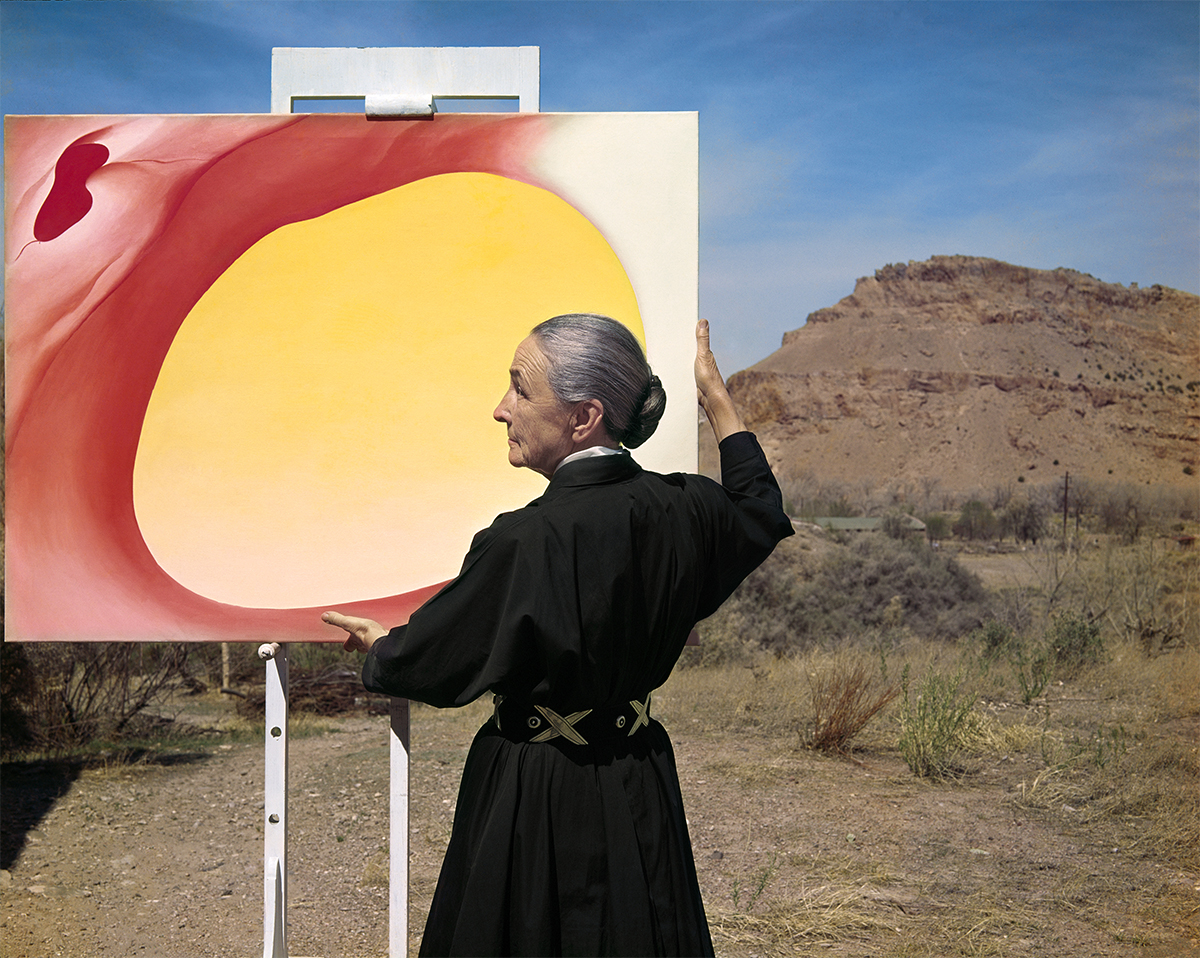
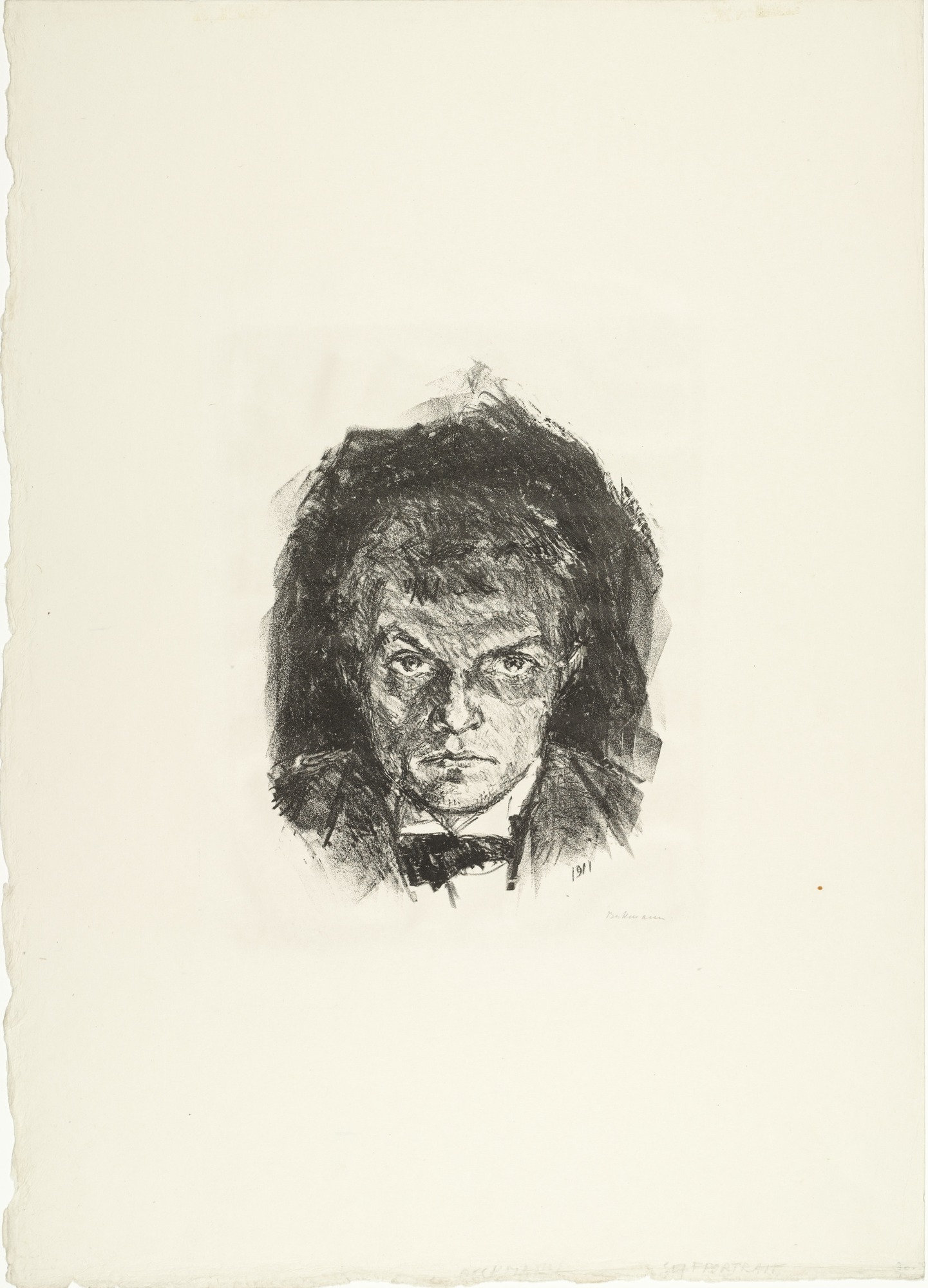
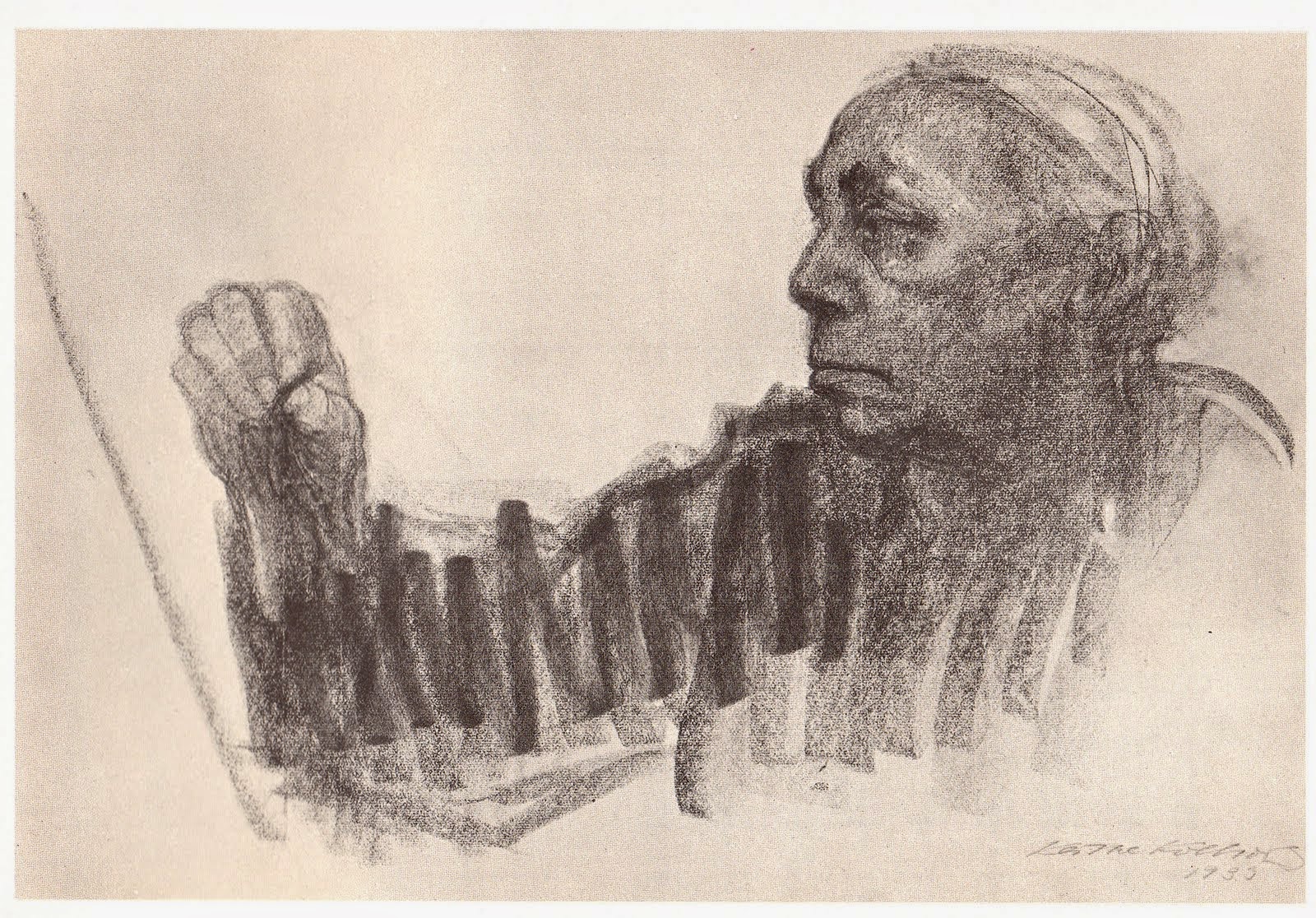
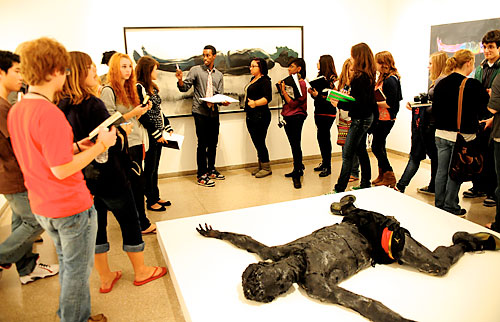
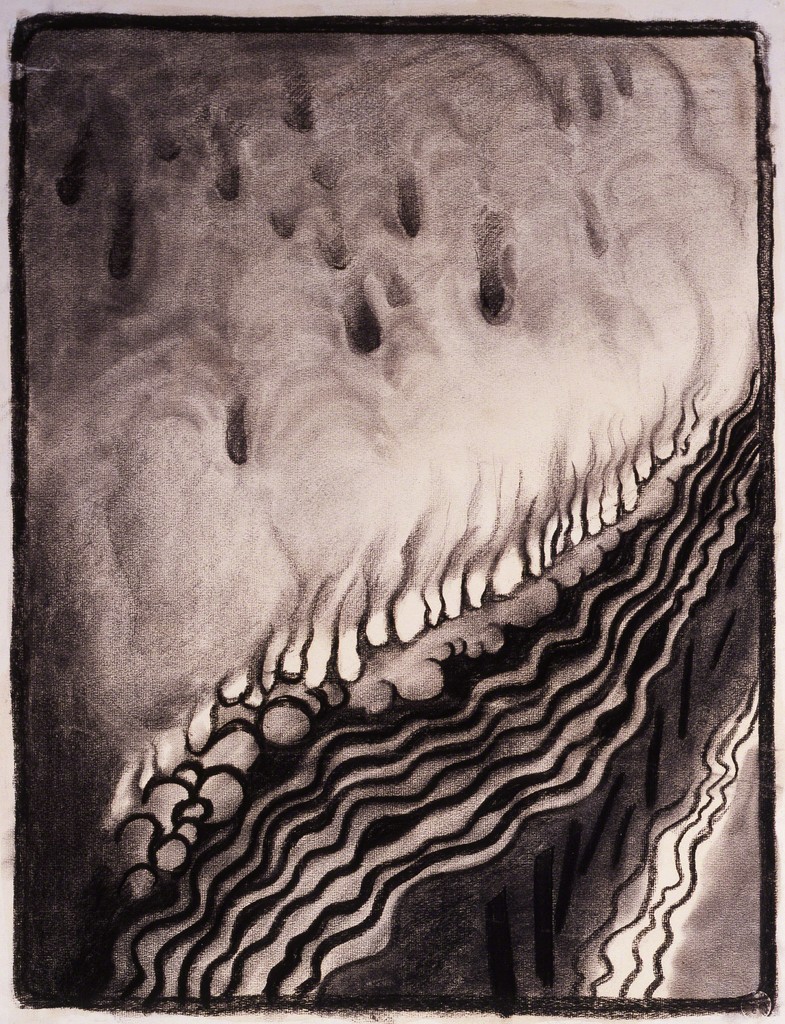
Welcome to the Expressionists and the Abstractionists. Take a few minutes to enjoy the short videos from the Drawing Class – German Expressionism and the Portrait as well as the Advanced Drawing Class and their LARGE SCALE abstractions – based on reality – Thanks Georgia O’Keeffe. Speaking of Georgia O’Keeffe, take a read of ARTSY’s new article How to be an Artist, According to Georgia O’Keeffe – HERE.
On my drive into work this morning – NPR came across with this great 5 minute story about Jasper Johns’ Broad Museum Retrospective happening now in Los Angeles. Click above to hear the story or below to read.
Curious about the lesson plan changes? Visit my planning pages and go to week 8. Compare it with week 7 (or before) to see the changes. A lot of info, simpler approach to the week – same quality though.
What a weekend. WAEA in Madison last Friday, 6 of our students with work at the Capitol Rotunda, I got to polka with the Lieutenant Governor of WI Rebecca Kleefisch. Then the night came around and I saw the Addams Family Musical at BHS with my family – dinner afterwards – what a great night. 3 musicals later and I now sit at the kitchen counter, Birk eating his dinner (lunch) and a curious new show on Netflix. I am almost ready to get things going for school. I mentioned that changes were going to take place with this website, and they are. I’ll be posting less frequently than daily, two or three times a week to keep everyone up to speed. I am using the Google Classroom more and I feel that there is more communication directly to the kids there with the assignments, but this is a place to stop and reflect with the handbook so we can journey through the art semester with a better understanding as to what we are doing. Thank you for the follow, please share this around, and come back to use the resources that I have provided.
What is the focal point of the composition that you are designing? How does the rest of the space (negative space?) support the dominant portion of the work. How many pieces are you looking at? Have a conversation with your classmates to discuss the challenges that you might be facing with this new work of art.
CIaD: Critique – Self and Others – Self Assessment
3.1Ac: Engage in constructive critique with peers, then reflect on, re-engage, revise, and refine works of art and design in response to personal artistic vision.
2.1Ac: Through experimentation, practice, and persistence, demonstrate acquisition of skills and knowledge in a chosen art form.
What have you done with this work that made you particularly proud of the struggle? What new skills are you gaining? We are doing CRITIQUES this week and you will need to have a strong conversation about the process and product.
Drawing: Faces and German Expressionism
.1Ac: Individually or collaboratively formulate new creative problems based on student’s existing artwork
2.1Ac: Through experimentation, practice, and persistence, demonstrate acquisition of skills and knowledge in a chosen art form.
What artist / images have you chosen to work from and / or have you been inspired by? Take a few minutes to chat with your colleagues to share this information. We are going to get started with the drawings today so be ready to work in your chosen medium.
AP Studio Art: Figure Drawing CRITIQUE
3.1Ad: Reflect on, re-engage, revise, and refine works of art or design considering relevant traditional and contemporary criteria as well as personal artistic vision.
1.1Ac: Individually or collaboratively formulate new creative problems based on student’s existing artwork
This is a two day critique of the figure drawings and then we hang them in the display cased outside of the room. Set things up and please write up your self assessment. What are you especially pleased with in the imagery? What are you still struggling with in the work? This is ESSENTIAL to make a part of your portfolio – and if not one of these, a figure drawing at the very least.
Adv. Drawing: New Abstract Drawing MID CRIT
3.1Ac: Engage in constructive critique with peers, then reflect on, re-engage, revise, and refine works of art and design in response to personal artistic vision.
2.1Ac: Through experimentation, practice, and persistence, demonstrate acquisition of skills and knowledge in a chosen art form.
This is a one day mid-critique of the abstraction drawings. We have ONE MORE WEEK and then we hang them in the hallway outside of the room (and maybe elsewhere in the building) Hang your works up in the hallway and on the boards so we can look at them all – Handbooks out and write out the strengths and weaknesses of the works. What are you especially pleased with in the imagery? What are you still struggling with in the work? WOMEN OF AbEx…
Today I am in MADISON, WI celebrating the statewide accomplishments of of our young artists. Congratulations to all the kids as they have their work being exhibited in the state capitol rotunda. I look forward to seeing the strong works, the individual artists, the parents and families of the kids who are there, and being able to talk to everyone about the works they are experiencing.
G: 1.1Ac: Individually or collaboratively formulate new creative problems based on student’s existing artwork.
Today we are resolving the LARGE drawings and refinement of that drawing. This is the day to add color, refine, redesign, redraw, clean up, simplify, or complicate things. What are you happiest with in your design? Why are you creating this design anyway?
Stop and talk to your neighbor about the new composition that you have designed. Tell them about the challenges, the struggles, the aspects of the work you are most proud of.
1.1Ac: Individually or collaboratively formulate new creative problems based on student’s existing artwork.
This is the LAST DAY to work in class – Monday you will be assessing your own and another student’s work and then we will talk about them on Tuesday. CRIT’s are a coming!
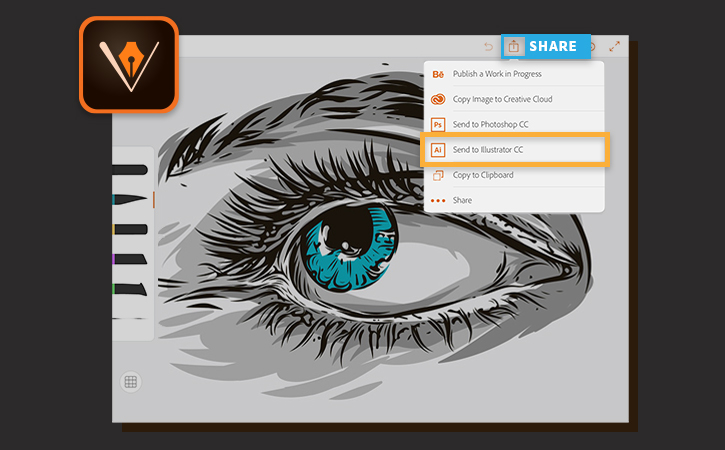
What skills have you learned from Adobe Illustrator? Are you ready for Adobe Photoshop?
Drawing: Faces and German Expressionism
1.1Ac: Individually or collaboratively formulate new creative problems based on student’s existing artwork.
Talk to your table mates about the artists you chose last week and how you plan on using the ideas in the drawing. Three things you would like to really explore from your inspiration artists
Do you feel you are ready to move forward with the ideas into the final drawing? Good paper coming up.
AP Studio Art: Figure Drawing
2.1Ad: Experiment, plan, and make multiple works of art and design that explore a personally meaningful theme, idea, or concept.
Look at the work from yesterday… how have you begun to see the figure differently? Are you thinking about the the FORM in a different fashion than you had earlier?
TODAY was the last day of the drawing process for this work. What are you doing to resolve the idea for Monday?
Adv. Drawing: New Abstract Drawing
1.2Ad: Choose from a range of materials and methods of traditional and contemporary artistic practices, following or breaking established conventions, to plan the making of multiple works of art and design based on a theme, idea, or concept.
WE DID NOT MID CRIT. YESTERDAY – Sorry. This video may not make sense entirely – oops. Good Sketchbooks Though!
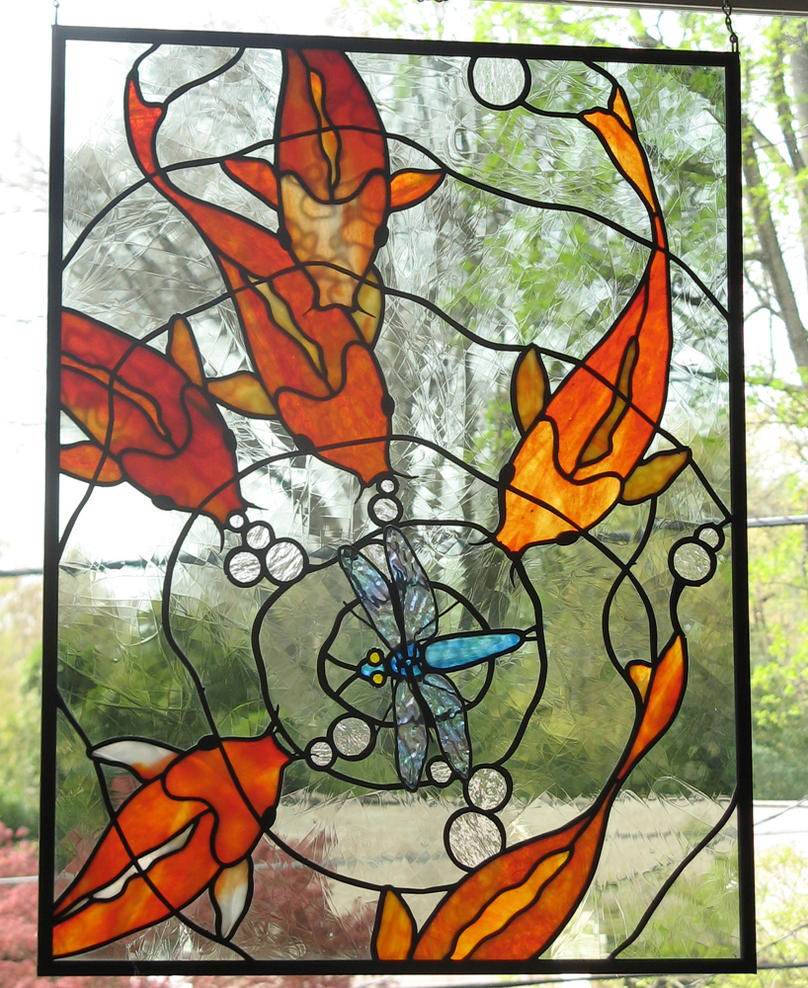
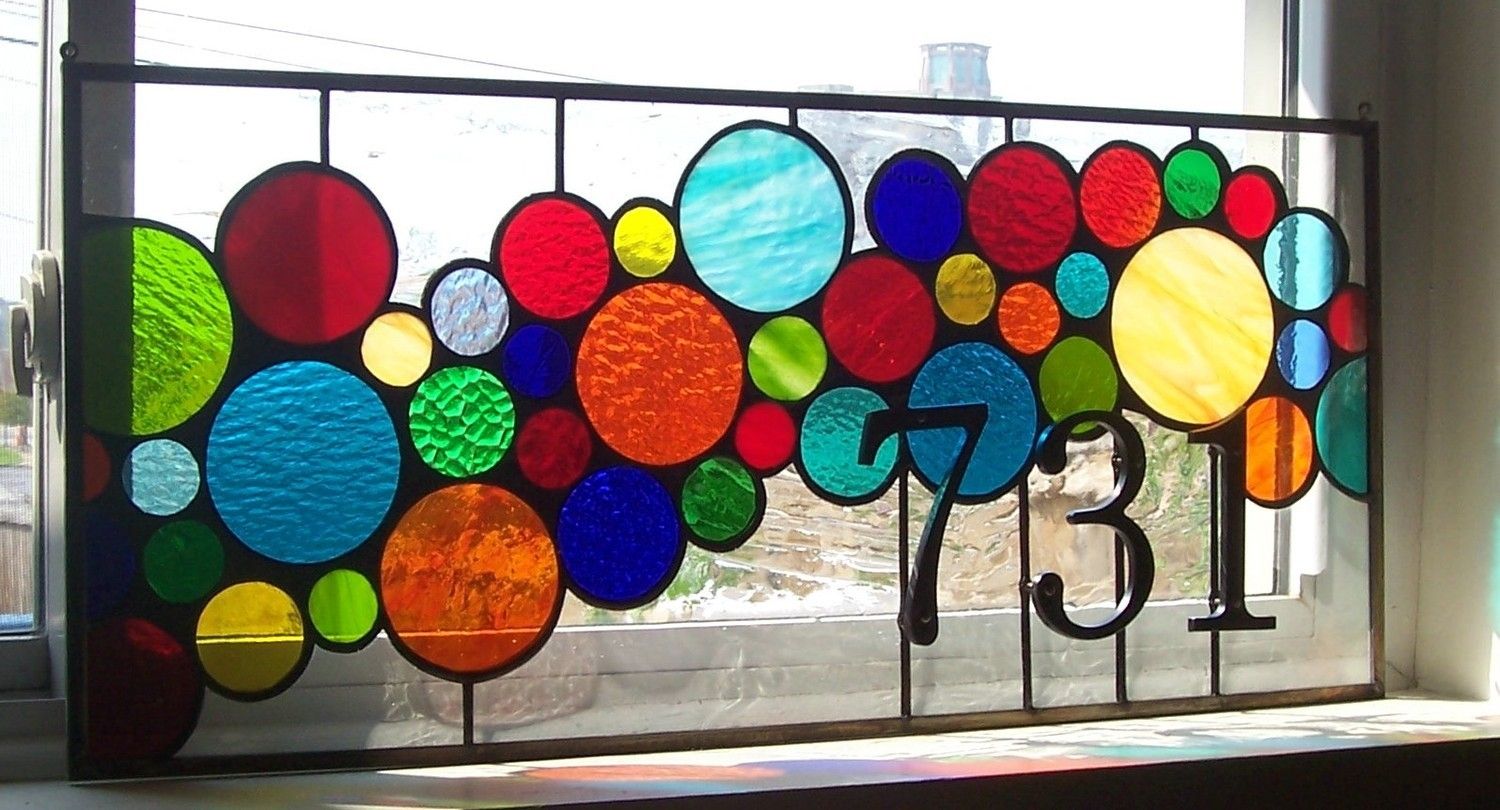
What a week it has been. Google testing, HUGE ARTWORKS in Advanced Drawing – Faces in Drawing – AI – new works in Stained Glass… and the list goes on! I am happy to say this has been a great week so far and I am thrilled with the journey that the artists have been on. They are not all smooth trips – but the paths are interesting to say the least.
Korb
Hello to my Stained Glass and Computer Illustration and Drawing Classes – PLAY!
G: 1.1Ac: Individually or collaboratively formulate new creative problems based on student’s existing artwork.
Wednesday we are working on the LARGE drawings and the thumbnails – what are the design elements in the work that are ENGAGING and (perhaps) CHALLENGING for you as you move into work #2?
Thursday we are working on the LARGE drawings and refinement of that drawing. What do you think about the colors, patterns, movement in the work you have in front of you
Wednesday: What were the biggest challenges you faced in the design? Look things over and define a corner or a shape that you feel will be a big challenge – perhaps something that needs revision tomorrow.
Thursday: Look back and find one area that you are going to have to work VERY hard on to be successful. What are you going to have to do to make it work?
1.1Ac: Individually or collaboratively formulate new creative problems based on student’s existing artwork.
Wedensday: What do you need to do make any changes to this something to share with your classmates – work to do to make it stronger?
Thursday: SHORT in class Mid(ish) critique of this TODAY – big class presentation all around. FRIDAY in SMALL GROUPS with Self Assessment / Prints done.
Wednesday: What skills are you developing through this project / program? You will find PHOTOSHOP having much the same.
Thursday:What are you doing to rally challenge yourself with this assignment? If it is a DeStijl – Minimalist Modernist work – maybe have a SECOND one going that is more COMPLICATED.
Drawing: Faces and German Expressionism
1.1Ac: Individually or collaboratively formulate new creative problems based on student’s existing artwork.
Wednesday: What is successful in your artwork? What is the mood in your achromatic drawing you are hoping to set? Share this with your neighbor.
Thursday: What is successful in your artwork? What is the mood in your achromatic drawing you are hoping to set? Share this with your neighbor.
Wednesday: Take a look at the beginnings of this week’s work and what we did last week as demonstrations… where did you struggle the most with the idea of the portrait? Where did you succeed the most? How do you use the ideas of chiaroscuro (light to dark) to better define the ideas of form (in the face especially)?
Thursday: What is the progress of the drawing thus far? What is your neighbor doing well? What is your neighbor not doing successfully? Share your thoughts with your neighbors.
AP Studio Art: Figure Drawing
2.1Ad: Experiment, plan, and make multiple works of art and design that explore a personally meaningful theme, idea, or concept.
Wednesday: How did you struggle with the drawing from yesterday? What do you see as TWO benefits from learning how to FIGURE DRAW?
Thursday: Look at the series of works from the beginning of the week and the start of yesterday… how have you begun to see the figure differently? Are you thinking about the the FORM in a different fashion than you had earlier?
Wednesday: What strengths did you develop in your drawing today? What three things do you look at with your drawing and say – “Hey… that’s not so bad!”
Thursday: What skills are you developing as you tackle your second drawing? More skill? More challenging? Are you still starting with the Gesture?
Adv. Drawing: New Abstract Drawing
1.2Ad: Choose from a range of materials and methods of traditional and contemporary artistic practices, following or breaking established conventions, to plan the making of multiple works of art and design based on a theme, idea, or concept.
Wednesday: What is the strongest area of your drawing and why do you say that?
Thursday: Let’s set things up and away from us and spend some time with 3 other classmates to talk about the work we have in front of us – MID-CRITIQUE with the back of the RUBRIC.
We get a good start to the week today. Stained Glass is STILL wrapping up, CIaD are working hard to continue developing Adobe Illustrator and the tools in there, Drawing and Advanced Drawing are working on NEW ideas with faces and abstraction, and finally AP Studio Art is going strong with the figure. I look forward to a great week. For your info, I will be gone Wednesday morning and all day Friday – WAEA State Show in Madison. Enjoy the studio time.
G: 1.1Ac: Individually or collaboratively formulate new creative problems based on student’s existing artwork.
What is the focal point of the composition that you are designing? How does the rest of the space (negative space?) support the dominant portion of the work. How many pieces are you looking at?
What challenges do you have in the conversation about the work in front of you? If you are NOT DONE – What are you doing to get things done?
How well does this illustration describe the music / artwork you are creating? Portrait is coming up in ADOBE PHOTOSHOP next week. If you have NOT done the RESEARCH and obtained your own SELFIES / Photographs you have work to do!
What are you doing to rally challenge yourself with this assignment? If it is a DeStijl – Minimalist Modernist work – maybe have a SECOND one going that is more COMPLICATED.
Drawing: Faces and German Expressionism
1.1Ac: Individually or collaboratively formulate new creative problems based on student’s existing artwork.
How is the Hair Line and DIRECTION of hair a different feature to draw than any other feature of the head? Please explain your ideas here.
Take a look at your previous week’s works – where did you struggle? How do you use the ideas of chiaroscuro to better define the ideas of form?
What successes did YOU have today? What do you hope to do with the hands and face in the upcoming drawing?
What was the most challenging aspect for you to draw today? Why was this most difficult way to go? What is most important about drawing when it comes to observation?
AP Studio Art: Figure Drawing
2.1Ad: Experiment, plan, and make multiple works of art and design that explore a personally meaningful theme, idea, or concept.
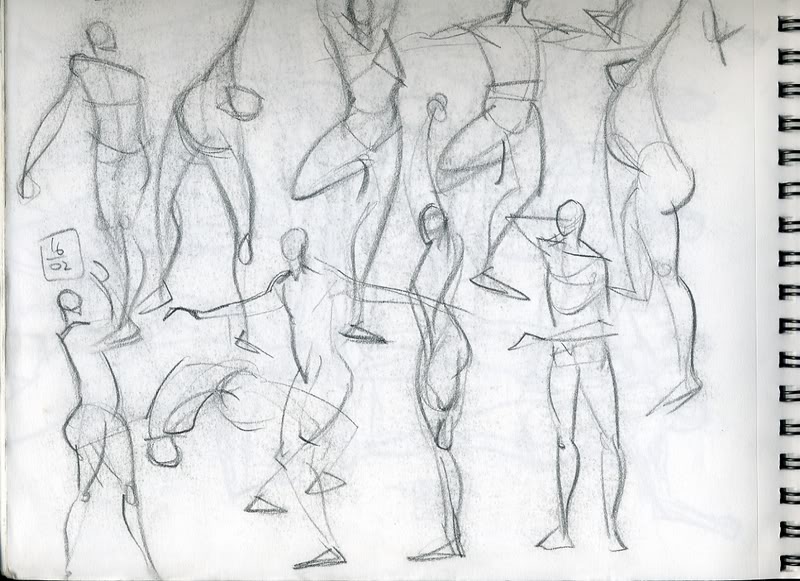
Beginning with a general idea of the figure and a reference with the models in the room – you will draw out the proportions and stance of the models for a few minutes and then transition to the more resolved human form.
Looking at yesterday’s beginning drawings – What did you struggle with in the process, in the final product?
What was the most challenging way to draw? Why was this most difficult way to go? How OFF were you from the original that you drew from your memory? What is most important about drawing when it comes to observation?
What is most important about drawing when it comes to observation? GESTURE DRAWING
Adv. Drawing: New Abstract Drawing
1.2Ad: Choose from a range of materials and methods of traditional and contemporary artistic practices, following or breaking established conventions, to plan the making of multiple works of art and design based on a theme, idea, or concept.
This is a new process for many of us. How is your drawing using the idea of MARK MAKING and CONTRAST to create the idea of SPACE?
Stepping back from this large work before you begin, what are your first thoughts about your drawing as you start today? if need be and then onto the large drawings.
Hello All… Thanks for the follow! With the business of the year, I look at my site as a place for information and resources. It’s been a challenging first 5 weeks of the semester and keeping up with the daily doings of the classroom are a tough task to continue. When there were 3 classes I was posting for – it was a different thing. For a while (we will see what happens) I am going to try to post a 2 or 3 times a week rather than daily. Day to day activities will be through Google Classroom – but the goals and weekly reflections will be here for the studio artists. Ok? Ok.
10.1Ac: Utilize inquiry methods of observation, research, and experimentation to explore unfamiliar subjects through art-making.
What do you need to do to WRAP up the work for this week? We are starting a NEW project this week and a lot of individuals are in the process of getting this first one finished.
What have you done successfully with this first artwork? Name three things that will help you move forward with the next artwork. Let’s sit for 2 minutes and PERSONALLY look at the work. STICKYNOTE!
2.1Ac: Individually or collaboratively formulate new creative problems based on student’s existing artwork.
Real world projects have been in our hands and the finishing of the Trailside project is a challenge we all have to work to finish. The new project on Modernism or Music is back on the table and I will be collecting your preliminary work, sketches, ideas with the final artwork as we work through this art. Remember that PRELIMINARY WORK is essential in the process of the design.
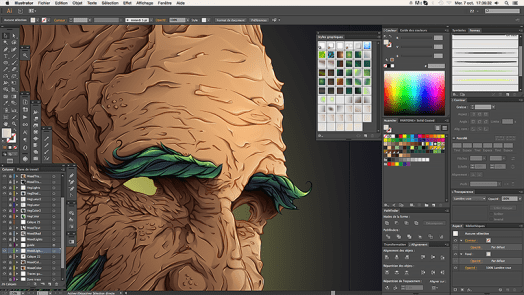
What skills are you developing in Adobe Illustrator? What tools are you using in the process? Layers? This is important to develop as you move along as an illustrator?
Drawing: Faces
1.1Ac: Individually or collaboratively formulate new creative problems based on student’s existing artwork.
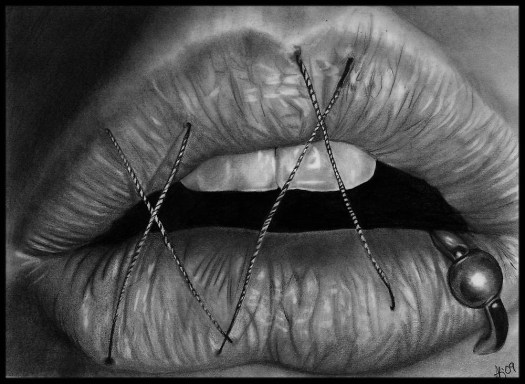
When you start out drawing the MOUTH… what do you start with? Why do you feel that you start with that facial feature?
What mistakes did YOU make – how bad were they when it came to mouth? MOUTH:
AP Studio Art: Figure Drawing
5.1Ad: Investigate, compare, and contrast methods for preserving and protecting art.
The figure is a struggle at times and we will be working through those challenges. Take the time to deal with the 5, 10, or longer (or shorter) minute drawings to prepare for next weeks ONE Figurative Artwork. What challenges do you see in store for yourself? Feet? Yes, I think feet are hard.
Cheyenne, Riley, Ambria, Frank, Miah, and Sean – way in the back… working on their drawings of our model McKayla.
What do you feel like you accomplished with a good day of MARK MAKING and WORKING?
Adv. Drawing: New Abstract Drawing and Research on Georgia O’Keefee
1.2Ad: Choose from a range of materials and methods of traditional and contemporary artistic practices, following or breaking established conventions, to plan the making of multiple works of art and design based on a theme, idea, or concept.
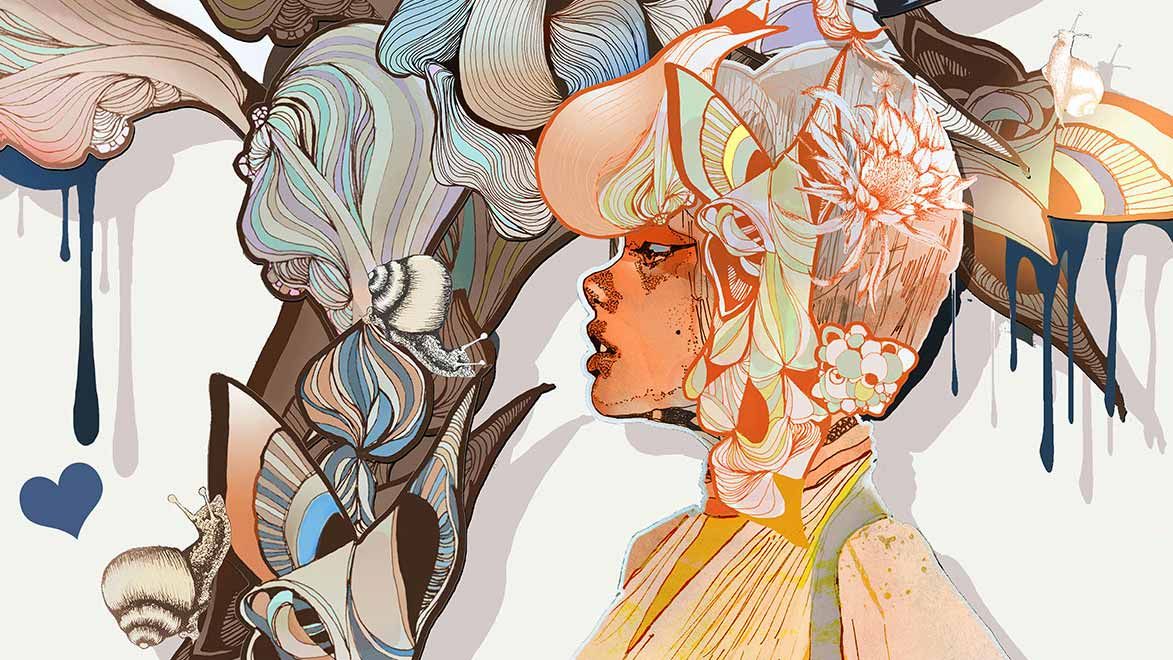
Abstraction is not as easy as one tends to think. Be prepared to work on a large scale (your choice but I will push you) and have the research to back you up! Begin with the research that I have prepped for you and this will be a GREAT journey through the challenge of the scale. This is about the process folks – Art is process.
Of the thumbnails you are creating… which are you happiest with? This week we will be setting the sketches out and taking a walk around and offering feedback. When you get back to them… we will talk.
10.1Ac: Utilize inquiry methods of observation, research, and experimentation to explore unfamiliar subjects through art-making.
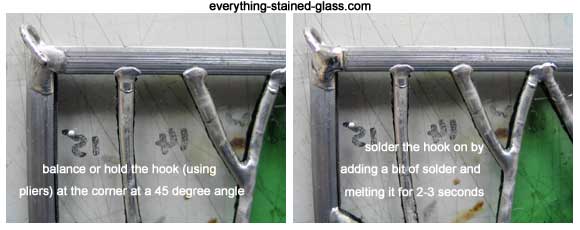
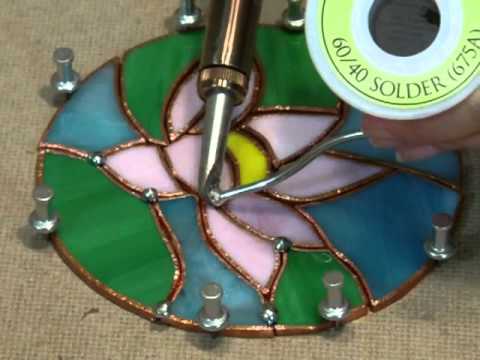
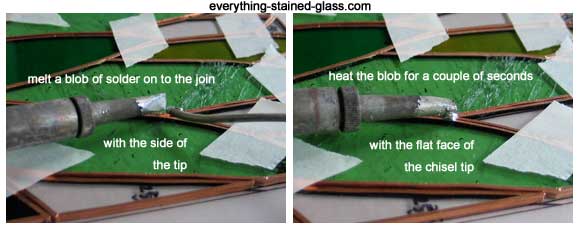
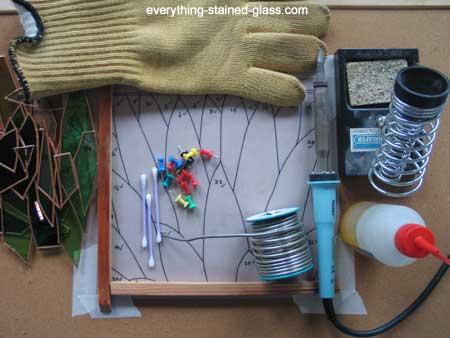
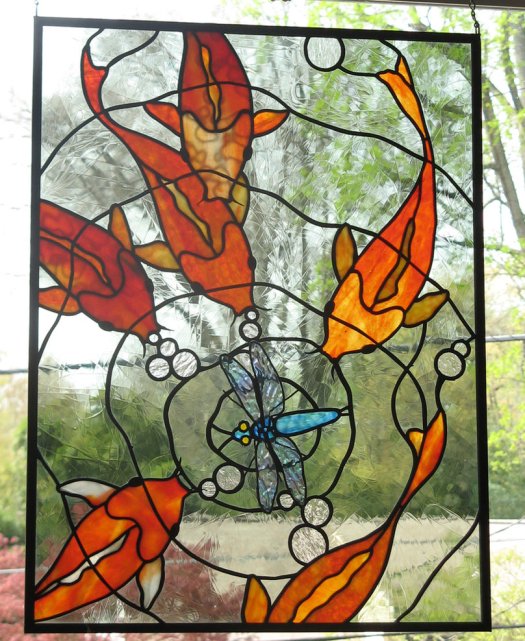
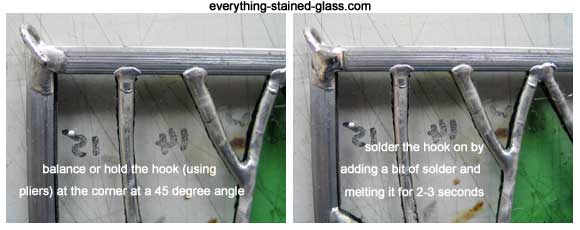
What are the STEPS in SOLDERING? Today we FRAME the finished works. Please remember the steps in soldering! Align things in the corner of the wooden frame and KEEP THEM THERE. Avoid a 1/4” around the edges. Review the process with your classmates.
What have you done successfully with this first artwork? Name three things that will help you move forward with the next artwork. Let’s sit for 2 minutes and PERSONALLY look at the work. STICKYNOTE!
.1Ac: Individually or collaboratively formulate new creative problems based on student’s existing artwork.
Modernism is back on the table. I will be collecting your preliminary work, sketches, ideas with the final artwork. PRELIMINARY WORK is essential in the process of the design.
What skills are you developing in Adobe Illustrator? What tools are you using in the process? Layers? This is important to develop as you move along as an illustrator?
Drawing: Faces
1.1Ac: Individually or collaboratively formulate new creative problems based on student’s existing artwork.
When you start out drawing the MOUTH… what do you start with? Why do you feel that you start with that facial feature?
What mistakes did YOU make – how bad were they when it came to mouth? MOUTH:
AP Studio Art: Critique and Upload (Due Friday)
5.1Ad: Investigate, compare, and contrast methods for preserving and protecting art.
What is in your statement about your work that needs revision? Today – we work on something entirely different and VERY focused. You will accomplish work today.
Figure Drawing WAEA Session
What do you feel like you accomplished with a good day of MARK MAKING and WORKING?
Adv. Drawing: New Drawing Research on Georgia O’Keefee
1.2Ad: Choose from a range of materials and methods of traditional and contemporary artistic practices, following or breaking established conventions, to plan the making of multiple works of art and design based on a theme, idea, or concept.
What are your preliminary works based on? How are you using your own research and ideas to create a work of art that is original and full of value? What would using your OWN imagery do to help you make a more personal image?
Of the images you have created which one are you happiest with? End of the class we are setting the sketches out and taking a walk around and offering feedback. When you get back to them… we will talk.
10.1Ac: Utilize inquiry methods of observation, research, and experimentation to explore unfamiliar subjects through art-making.
What are the STEPS in SOLDERING? Today we FRAME the finished works. Please remember the steps in soldering! Align things in the corner of the wooden frame and KEEP THEM THERE. Avoid a 1/4” around the edges. Review the process with your classmates.
What have you done successfully with this first artwork? Name three things that will help you move forward with the next artwork. Let’s sit for 2 minutes and PERSONALLY look at the work. STICKYNOTE!
CIaD: It’s a JOB! Kringle tomorrow and then Illustrations of Music or Modernism.
5.1Ac: Evaluate, select, and apply methods or processes appropriate to display artwork in a specific place.
Today is a work day with two tasks at hand – 1) Insert Symbol and Change Text on the Sign and 2) Invert your LOGO for tomorrow’s Printing. Think about the success of your symbold right now – the precision of it. What is one thing that makes it work? REVISIONS for the LOGO DESIGN are DUE on WEDNESDAY at the end of class. Coming up MID-WEEK next week: If you have NOT done the RESEARCH and obtained your own SELFIES / Photographs you have work to do!
WHAT ARE YOU DOING WITH THE REVISIONS? Logo design? These Signs? Modifications?
Looking at your concentration from a distance, what are you able to do to move things forward? This is an important part of the process as you move forward.
Adv. Drawing: New Drawing Research on Georgia O’Keefe
1.2Ad: Choose from a range of materials and methods of traditional and contemporary artistic practices, following or breaking established conventions, to plan the making of multiple works of art and design based on a theme, idea, or concept.
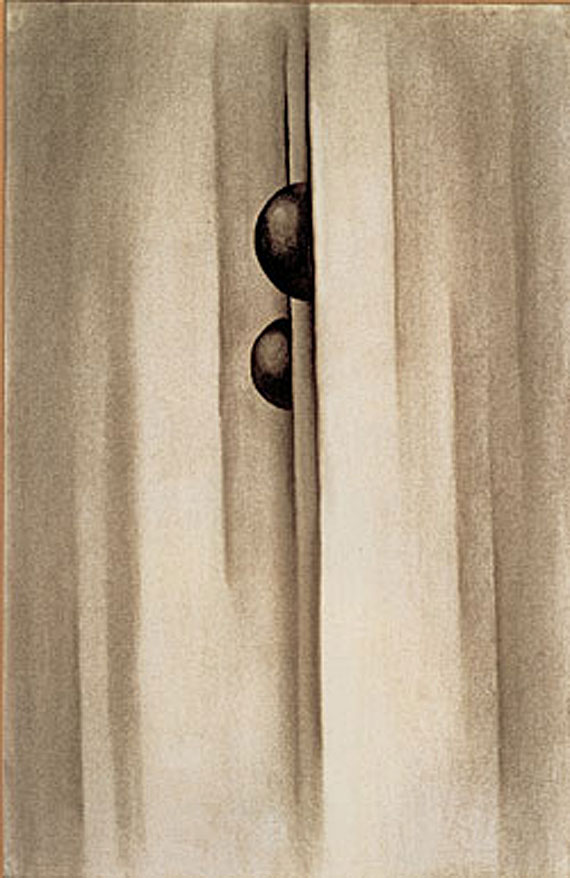
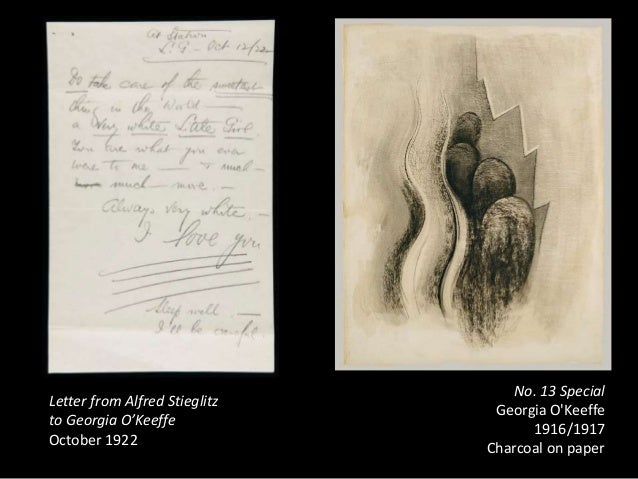
How has Georgia O’Keefe created the idea of SPACE in this artwork? Let’s read about O’Keefe a bit…











 Art With Korb