Twice Told: Original Stories Inspired by Original Artwork https://g.co/kgs/qarLrP
#4DayWeek: Let’s get into the #ART
#17 Drawing is About Mark Making: “Every mark has a distinct character and quality. Every mark is a signature. Variations in pressure and weight is the visual equivalent of intonation. Marks, or lines, of consistent weight or thickness surrounding a figure or object will flatten the image. Tapering or breaking a line in a curve can connote a highlight or make the curve flow. Also, a tentative line will read as such. Give every mark or line authority and make sure it serves a purpose. Try to use only the marks you need.” 101 Things Learned in Art School, Kit White, 2011, MIT Press

- Intro to Digital Art: Start at 19:40 – Coming Up With Logo Ideas
- Advanced Digital Art: Start at 14:30 – Design and Functionality
- Painting and Advanced Painting: Start at 25:00 – Getting Ideas and Inspiration
Art Foundations: AVANT Garde Metals work – Mount the work – then we DRAW!
- G: 2.1P: Engage in making a work of art or design without having a preconceived plan.
- A: What technique have you learned when it comes to draw something in 3 dimensions? What are different techniques you know?
- G: What is ONE thing you are CERTAIN you did successfully with your drawing today? What is ONE THING you are CERTAIN you need to focus on in order to create a more realistic / successfully accurate observation drawith tomorrow?
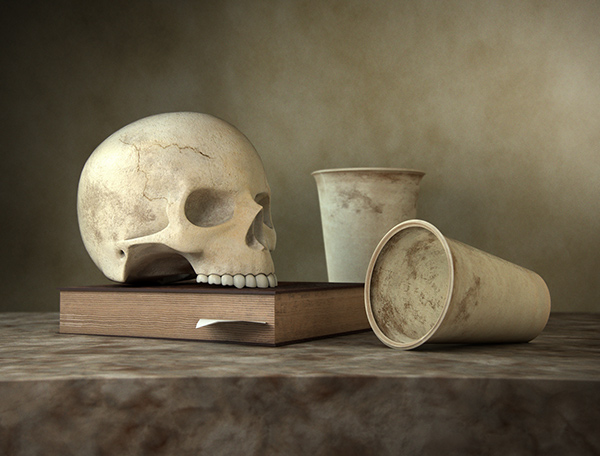
Dennis Møgelgaard is a visual artist who was born in 1959 : https://mir-s3-cdn-cf.behance.net/project_modules/disp/c17b4f21223835.562fd965af475.jpg
Intro to Painting: Continue and RESOLVE for next week!
- G: 6.1Ac: Make, explain, and justify connections between artists or artwork and social, cultural, and political history.
- A: Looking at the work you have in front you, what are the aspects of the collage / artwork that TRULY speak about you – socially, culturally, or historically.
- G: What was the most challenging part of the first bit of the painting? Google Research ASSIGNMENT DUE Wednesday when you walk in the door.
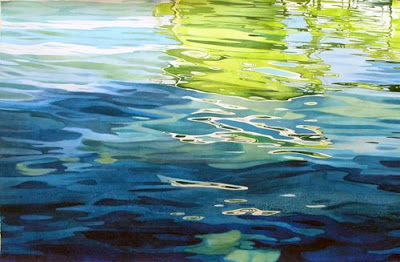
https://artwithkorb.com/wp-content/uploads/2019/02/00678-undertom27spier.46×66.jpg
Advanced Painting: Step Back and REFLECT
- G: 3.1Ad: Reflect on, re-engage, revise, and refine works of art or design considering relevant traditional and contemporary criteria as well as personal artistic vision.
- A: Step Back – LOOK CAREFULLY, CRITICALLY at the work that you are making and consider what you have been accomplishing with the work. Write out some (3) GOALS that you can set for yourself today. Share these goals with your neighbor.
- G: Did you meet or exceed the goals that you set for yourself today? Talk with your classmate (who is the FURTHEST from you in the studio) share your experience with them.
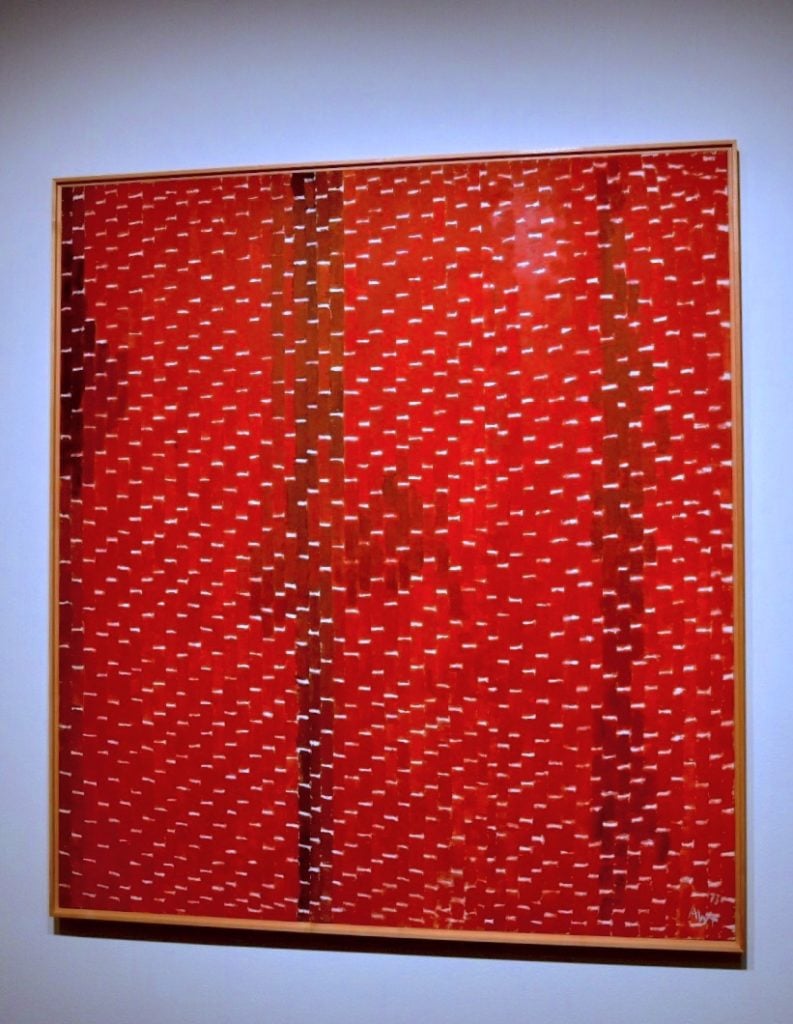
https://news.artnet.com/app/news-upload/2017/10/alma-thomas-793×1024.jpg
Intro to Digital Art: Logo Design.
NOTE YOUR COMPUTER LAPTOP NUMBER – The computers will be rotating RIGHT NOW!
- G: 2.1Ac: Through experimentation, practice, and persistence, demonstrate acquisition of skills and knowledge in a chosen art form.
- A:Working on paper is different than working on the computer. Using a collection of FONTS that you have chosen you will find a wide variety of fonts that you enjoy and explore many different way of joining letters into positive and negative shapes (as well as adding a geometric or organic shape or two) in creating a Logo Design for yourself. This will take some time – be ready to SKETCH and EXPLORE ideas.
- G: What did you come up with today? Share these ideas with your neighbor and explain what you enjoy about the work you have created.

http://www.companyfolders.com/blog/media/2013/09/5-different-logo-design-styles-which-type-fits-your-brand.jpg
Advanced Digital Art: Photography is coming up FAST!
NOTE YOUR COMPUTER LAPTOP NUMBER – The computers will be rotating TOMORROW!
- G: 2.2Ad: Demonstrate understanding of the importance of balancing freedom and responsibility in the use of images, materials, tools, and equipment in the creation and circulation of creative work.
- A: Let’s share the slideshow for your presentation of the handbook designs. Looking at the work with a partner – let’s take 15 – 20 minutes to write up (on the cards provided) what you feel would be great talking points about your work. Where you came up with the idea. What are the strengths of the work. What makes is a strong composition and representation of the school. I’ll be collecting these cards. Put your name on them.
- A2: What were some of the challenges that you had in making you 3 photographs? What is something that stands out specifically to you that is strong and successful? What did you do in each work specifically to create the strong composition?
- Plans for next time? Create work based on Landscapes / Interior / Inside of something (closet, refrigerator, some other closed – or VERY OPEN – space.) Look at the expansive work of Andreas Gursky.
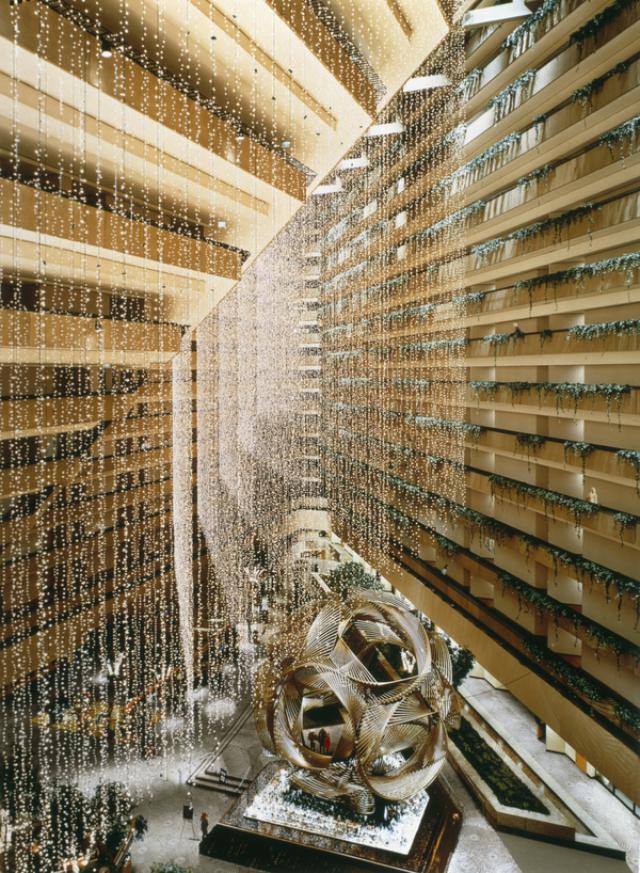
https://www.nationalgalleries.org/sites/default/files/styles/ngs-default/public/externals/41397.jpg?itok=DjAN33FB
It is #MONDAY – Are you thinking we can get through a #WeekWithoutSnowdays?
#17 Drawing is About Mark Making “Every mark has a distinct character and quality.Every mark is a signature. Variations in pressure and weight is the visual equivalent of intonation. Marks, or lines, of consistent weight or thickness surrounding a figure or object will flatten the image. Tapering or breaking a line in a curve can connote a highlight or make the curve flow. Also, a tentative line will read as such. Give every mark or line authority and make sure it serves a purpose. Try to use only the marks you need.” 101 Things Learned in Art School, Kit White, 2011, MIT Press
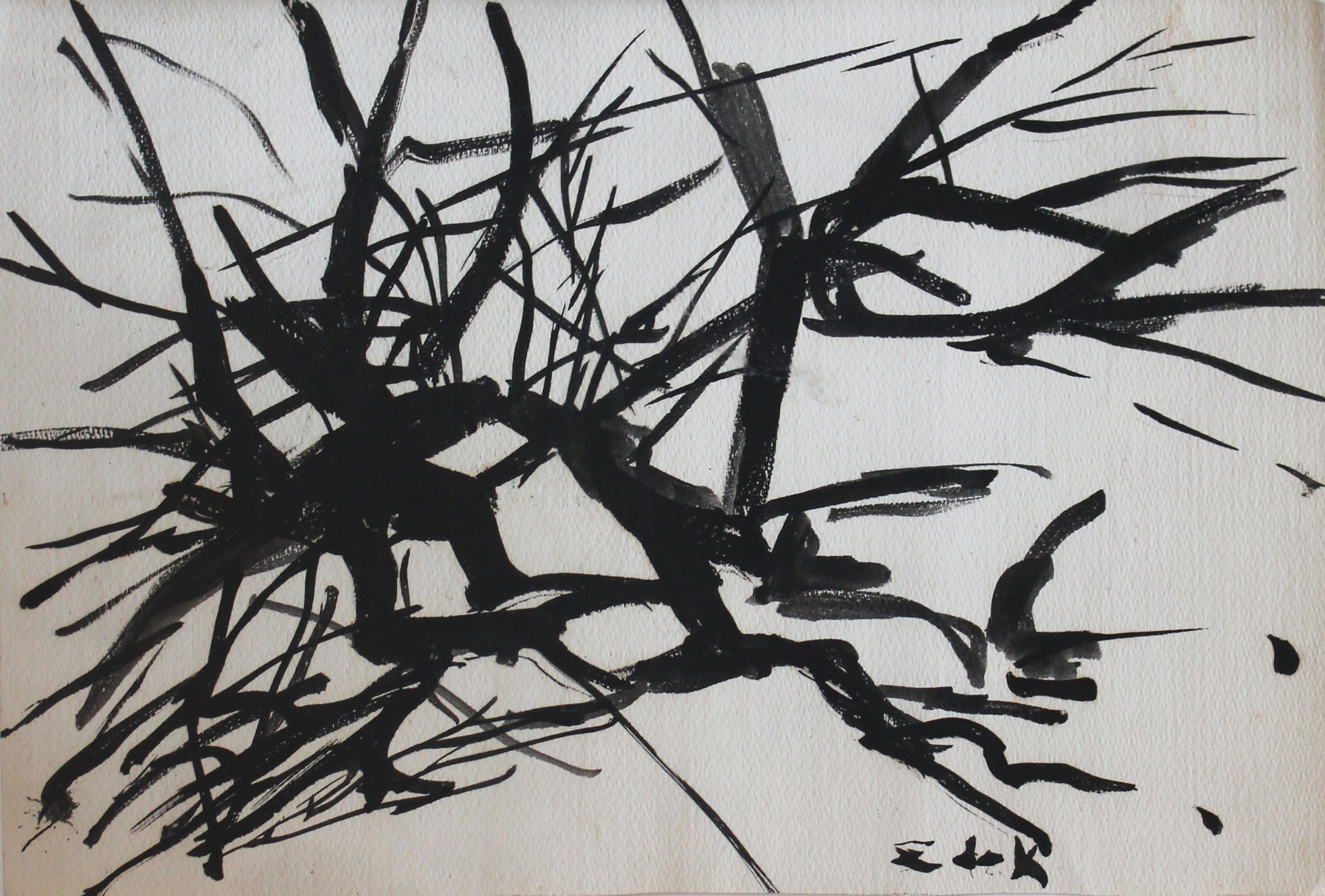
https://uploads1.wikiart.org/images/elaine-de-kooning/abstract-1970.jpg
Art Foundations: AVANT Garde Metals work – finish this up and then DRAW!

https://www.learn-to-draw-lessons.com/images/pencils-range.gif
- G: 1.2P: Shape an artistic investigation of an aspect of present-day life using a contemporary practice of art or design.
- A: How have you planned on assembling the metals works that you have now gotten from the etchings? Today is a VERY LAST day to work on the assembling of the pieces / Label them with your name tags / Begin working on your understanding of VALUE. PROCESS and TIME are huge today!
- G: What did you accomplish today that helped get you to a spot in your understanding of VALUE? Did you know about the various pencils? What have you learned? What is ONE THING that you have learned from the idea of using a variety of DRAWING PENCILS?
Intro to Painting: Critique the process today! Then PAINT. 1 more solid painting session!
https://encrypted-tbn0.gstatic.com/images?q=tbn:ANd9GcSId1NiHL1DgHsGY3ddGtpGdKxy_1UNV7FP6hsl_btPwYBw2FbM
- G: 3.1Ac: Engage in constructive critique with peers, then reflect on, re-engage, revise, and refine works of art and design in response to personal artistic vision..
- A: Let’s step back from the paintings and look at the process and progress that you have made – This is a mid Critique. Sticky notes in hand? Let’s write out one strength of each of the artists series of works – think about the ELEMENTS and PRINCIPLES before you just write BLAH BLAH BLAH… Then think about something that you feel requires attention – write out the aspect that needs work and also then write out the solutions that you feel will help create a successful work. NOW we talk!
- G: At the end of the day, what have you gotten accomplished? Write out three things that you recognize as different techniques that you are experiencing in this work. What did the mid critique do to help you / hinder you in the learning?
https://www.wikihow.com/Critique-Artwork
Advanced Painting: Let’s talk about the works.

https://falconmovies.files.wordpress.com/2018/02/ferris3.gif
- G: 3.1Ad: Reflect on, re-engage, revise, and refine works of art or design considering relevant traditional and contemporary criteria as well as personal artistic vision.
- A: Let’s step back from the paintings and look at the process and progress that you have made – This is a mid Critique. Sticky notes in hand? Let’s write out one strength of each of the artists series of works – think about the ELEMENTS and PRINCIPLES before you just write BLAH BLAH BLAH… Then think about something that you feel requires attention – write out the aspect that needs work and also then write out the solutions that you feel will help create a successful work. NOW we talk!
- G: At the end of the day, what have you gotten accomplished? Write out three things that you recognize as different techniques that you are experiencing in this work. What did the mid critique do to help you / hinder you in the learning?
Intro to Digital Art: Logo Design.

https://artwithkorb.com/wp-content/uploads/2019/02/74cc7-0jnwvxiwyypv6ymb_.jpg
- G: 3.1Ac: Engage in constructive critique with peers, then reflect on, re-engage, revise, and refine works of art and design in response to personal artistic vision.
- A: Let’s open our slide show and look through all the works that you and your classmates have created. This is a great body of work. Congratulations. Now… In your handbook – open to page 11 and, with a classmate – anyone – any two.. Sit and talk about the work that you created. Now…. on the page – write out three things you learned and three things that REALLY frustrated you – really got you stuck. NOW… ONE THING that you feel will TRULY HELP your entire class. Take your RUBRIC OUT and let’s self assess together. Then… Onto the Rubric for the sketches for your logo. THEN we talk about the scanner and the EXPECTATIONS for the next few days.
- G: At the end of the day, what have you gotten accomplished? What have you done to move the LOGO design forward – three things you are REALLY pleased with in your design – 2 things that your logo means / represents / symbolizes – 1 thing you would like to change right away.
Advanced Digital Art: Photography is coming up FAST!

- 3.1Ad: Reflect on, re-engage, revise, and refine works of art or design considering relevant traditional and contemporary criteria as well as personal artistic vision.
- A: Let’s open our handbooks and then look into the Google Classroom. We are going to be placing them into the slideshow and – you will design the slide to best fit your thoughts for your slide. We are going to be presenting the handbook covers to the administration next week – time to wrap it up. Next time – we are moving into a NEW assignment and we are going to be talking PHOTOGRAPHY! Ok? Homework: FOR NEXT TIME – Make 3 Photographs that are all about the same idea. It can be the same object multiple times, the same theme, the same message, the same… whatever you need to make it. We are going to talk HARD about composition and various ways to frame up a strong photograph – COMPOSITION. I recommend that you look at the link I have provided here to see what different COMPOSITIONS you might come up with. ALSO – Please create a SHORT 3 slide Google Slide Show to present / turn in during the first 5 minutes of class.
It is #Friday and it is a #BDay. Next Week? Monday is ADay… but we will see what the weather will bring us.
“What difference does it make whether you’re looking at a photograph or looking at a still life in front of you? You still have to look.” Chuck Close
Art Foundations: AVANT Garde Metals work – MAKING day!
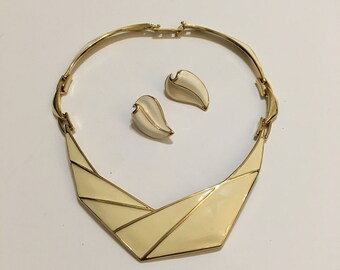
https://i.etsystatic.com/5223395/d/il/923335/1513140915/il_340x270.1513140915_lxtg.jpg?version=0
- G: 1.2P: Shape an artistic investigation of an aspect of present-day life using a contemporary practice of art or design.
- A: How have you planned on assembling the metals works that you have now gotten from the etchings? Today is a VERY solid day to work on the assembling of the pieces. This and a process that NEEDS your focus. WHAT – after looking at what has been already been etched – do you plan on working on today?
- G: What did you accomplish today that helped get you to a spot where you are going to be able to ASSEMBLE the work next time?
Intro to Painting: Collage and Watercolors – Time to Transfer the image and PAINT.
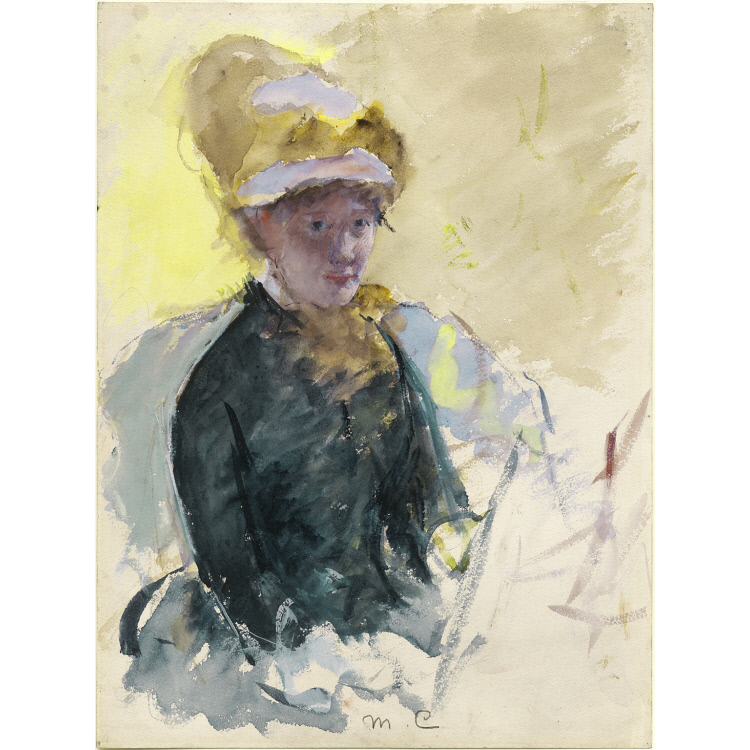
https://npg.si.edu/media/7600068A_1.jpg
- G: 2.3Ac: Redesign an object, system, place, or design in response to contemporary issues.
- A: What are the challenges you are facing with the watercolor paintings SO far? We are doing a MID CRITIQUE next time – so make the most of the time you have today to paint.
- G: What have you accomplished with the process today? What are you thinking of doing OUTSIDE of studio to have work to a stage you are PROUD to do a mid critique with? Will you be ready with what you have right now?
Advanced Painting: Built the canvas and LET’S GET PAINTING! Time to start with the materials…
https://encrypted-tbn0.gstatic.com/images?q=tbn:ANd9GcRtVD7-a3M7UCp7hVkHBmk3D0XZ7ukAc7zWTVqSq3mZyI6Qsm8S7g
- Understanding of the importance of balancing freedom and responsibility in the use of images, materials, tools, and equipment in the creation and circulation of creative work.
- A: It is your day to PAINT. Please open your handbooks to page 10 and write out what you are planning on STARTING with today and 3 things that you are hoping to accomplish with the artwork.
- G: What have you gotten accomplished today to have demonstrated your STRONG PROGRESS FORWARD with your VERY FIRST oil painting.
Have you been looking at the MoMA Series? I can’t spend enough time with them all. Play them in the background! Let’s take a few minutes on our own to watch this ENTIRE video (QUESTIONS HERE – Turn them in via a SHARE with my email – korbf@fortschools.org – DUE Friday at 11:59pm)
Click HERE to see works from the past.
Intro to Digital Art: The Masterpiece is being wrapped up… Let’s insert it into the Google Slide Show today.

https://upload.wikimedia.org/wikipedia/commons/thumb/d/df/Tutti-Fruitti%2C_by_Helen_Frankenthaler%2C_1966._%2831656030553%29.jpg/220px-Tutti-Fruitti%2C_by_Helen_Frankenthaler%2C_1966._%2831656030553%29.jpg
- G: 5.1Ac: Evaluate, select, and apply methods or processes appropriate to display artwork in a specific place.
- A: Today we are going to Work to RESOLVE the Modernism Image. What BIG AREAS do you need to work on in this work. Sit with a NEIGHBOR – just one) and, with your handbooks in hand – page 11) write out three things – tools – techniques – that you have really found useful in this first experimental project.
- G: What have you accomplished today and what do you need to do in order to resolve the work for next time – We would like to be DONE so we can move forward into Corporate ID design.

https://i2.wp.com/www.helloari.com/wp-content/uploads/logotypes.jpg?resize=540%2C135
Advanced Digital Art: Let’s REFLECT with MORE time than LAST time…
- G: 3.1Ad: Reflect on, re-engage, revise, and refine works of art or design considering relevant traditional and contemporary criteria as well as personal artistic vision.
- A:
- FINISH OUR MID CRIT: Mid Crit – Let’s FINISH talking about the process of doing a mid critique… What are 3 things about YOUR WORK that you are struggling with? What are 2 things you are pleased with and why? What is 1 thing you are REALLY stuck on and have a solid question about?
- G: What are 3 things that you took away from this MID CRIT today that will help you resolve some issues for next time?
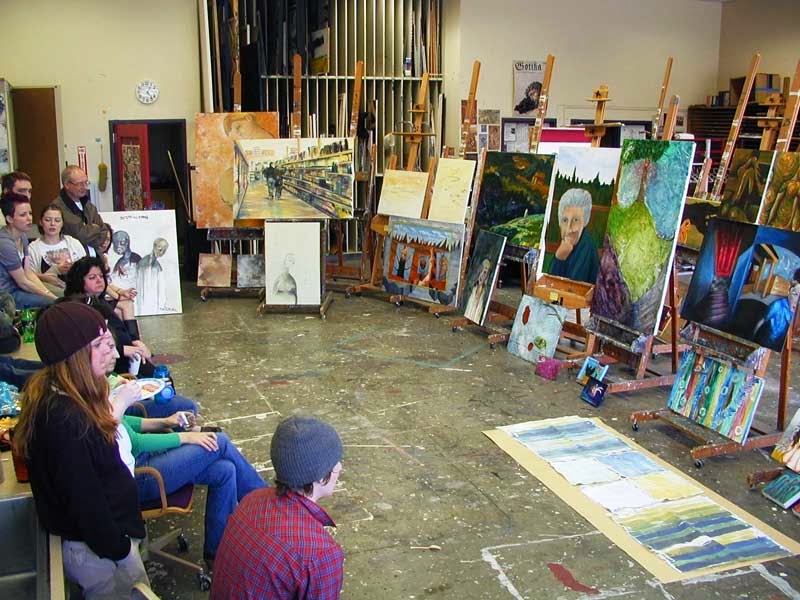
https://artwithkorb.com/wp-content/uploads/2019/02/c8595-artgroupcritique.jpg
#SnowDay #Tuesday… #Wednesday we will be back at it (I hope).
“What difference does it make whether you’re looking at a photograph or looking at a still life in front of you? You still have to look.” Chuck Close
Art Foundations: AVANT Garde Metals work – PLANNING and MAKING day!

https://i.pinimg.com/originals/ee/8a/85/ee8a85e6f5305c2e5ae4ce65832a30ea.jpg
- G: 1.2P: Shape an artistic investigation of an aspect of present-day life using a contemporary practice of art or design.
- A: Today we are looking at the progress that you have made in the planning of the work. Your responsibility is going to be working to assemble the pieces and parts of the etched work into the final compete work. What, specifically, are you doing to join the parts together? How are you using all of the ideas of the etching, jump rings, and rivets to make sure it is all done and executed well? SET A GOAL for yourself today and make sure you reflect on it frequently. STAY IN YOUR ASSIGNED SEATS as we work and KEEP THE CONVERSATION at your tables. SO NOT TALK ACROSS THE ROOM.
- G: What were your goals for the day? Did you meet them? Please keep the larger picture in mind as you move forward in the process.
Intro to Painting: Collage and Watercolors – Time to Transfer the image and PAINT.
https://npg.si.edu/media/7600068A_1.jpg
- G: 2.3Ac: Redesign an object, system, place, or design in response to contemporary issues.
- A: What are the challenges you are facing with the watercolor paintings SO far? We are doing a MID CRITIQUE next time – so make the most of the time you have today to paint.
- G: What have you accomplished with the process today? What are you thinking of doing OUTSIDE of studio to have work to a stage you are PROUD to do a mid critique with? Will you be ready with what you have right now?
Advanced Painting: Built the canvas and LET’S GET PAINTING! Time to start with the materials…
https://encrypted-tbn0.gstatic.com/images?q=tbn:ANd9GcRtVD7-a3M7UCp7hVkHBmk3D0XZ7ukAc7zWTVqSq3mZyI6Qsm8S7g
- Understanding of the importance of balancing freedom and responsibility in the use of images, materials, tools, and equipment in the creation and circulation of creative work.
- A: It is your day to PAINT. Please open your handbooks to page 10 and write out what you are planning on STARTING with today and 3 things that you are hoping to accomplish with the artwork.
- G: What have you gotten accomplished today to have demonstrated your STRONG PROGRESS FORWARD with your VERY FIRST oil painting.
Have you been looking at the MoMA Series? I can’t spend enough time with them all. Play them in the background! Let’s take a few minutes on our own to watch this ENTIRE video (QUESTIONS HERE – Turn them in via a SHARE with my email – korbf@fortschools.org – DUE Friday at 11:59pm)
Click HERE to see works from the past.
Intro to Digital Art: Welcome to YOU! Let’s look at the ideas of YOU!

http://blogs.getty.edu/pacificstandardtime/files/2011/08/gm_326193EX1_d.jpg
- G: 5.1Ac: Evaluate, select, and apply methods or processes appropriate to display artwork in a specific place.
- A: Today we are going to Work to RESOLVE the Modernism Image. In Google Drive is the NEXT BIT of HOMEWORK… You are going to begin to look at and choose fonts to use, fonts that you are drawn to.
- G: What were your final thoughts about the self-assessment? What are 3 ways that you feel self assessment can help you grow as an artist?
https://i2.wp.com/www.helloari.com/wp-content/uploads/logotypes.jpg?resize=540%2C135
Advanced Digital Art: Let’s REFLECT with MORE time than LAST time…
- G: 3.1Ad: Reflect on, re-engage, revise, and refine works of art or design considering relevant traditional and contemporary criteria as well as personal artistic vision.
- A:
- FINISH OUR MID CRIT: Mid Crit – Let’s FINISH talking about the process of doing a mid critique… What are 3 things about YOUR WORK that you are struggling with? What are 2 things you are pleased with and why? What is 1 thing you are REALLY stuck on and have a solid question about?
- G: What are 3 things that you took away from this MID CRIT today that will help you resolve some issues for next time?
https://artwithkorb.com/wp-content/uploads/2019/02/c8595-artgroupcritique.jpg
#DangerousWeatherConditions yesterday kept us all at home. I guess we couldn’t make it the week.
“Goals are the fuel in the furnace of achievement.” Brian Tracy, Eat that Frog
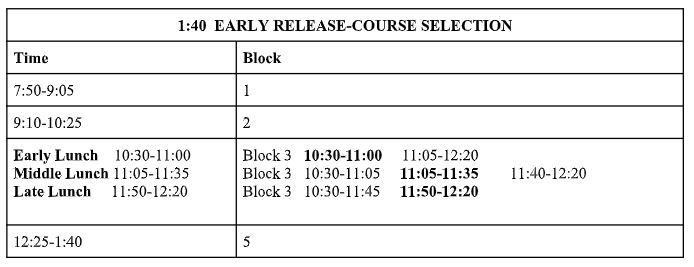
Art Foundations: AVANT Garde Designs and Wearable Art –

- G: 1.2P: Shape an artistic investigation of an aspect of present-day life using a contemporary practice of art or design.
- A: We have completed one solid metals work… ready to move forward? The ideas of the etching, jump rings, rivet… they are all a part of your toolboxes now. As you planned the ideas out for the AVANT GARDE metals work… what are they? Explain to your neighbor and let them explain to you the process, the design, and the ideas you have developed in the work. Write out, in your handbook or on a sticky note the feedback that you get from your partner.
- G: What are your plans for next time? What do you need to do between now and then to make sure you are fully ready to g0? Also… most importantly, what are you going to do to make it AUTHENTICALLY YOURS?
Intro to Painting: Collage and Watercolors – Time to Transfer the image and PAINT.
- G: 5.1Ac: Evaluate, select, and apply methods or processes appropriate to display artwork in a specific place. 2.3Ac: Redesign an object, system, place, or design in response to contemporary issues.
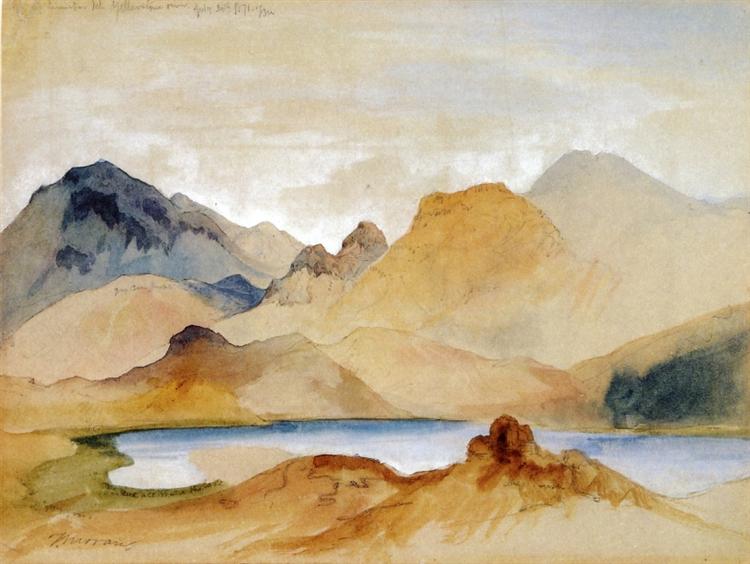
- A: 30 minutes to resolve the abstract watercolors, then onto the rubrics of the watercolor paintings. How is your research coming on the artists of your choice? Remember to research on ONE of the following artists for imagery, technique, approach: Winslow Homer, Charles Demuth, Thomas Eakins, Edward Hopper, Dong Kingman, Reginald Marsh, Charles Sheeler, J.M.W. Turner, Thomas Moran, Georgia O’Keefe, James Whistler, or Andrew Wyeth
- G: What are 5 images you gathered that say something about you? How do they? What are your initial thoughts about the idea of the collage and social commentary?
Advanced Painting: Built the canvas and LET’S GET PAINTING! Time to start with the materials…
Have you been looking at the MoMA Series? I can’t spend enough time with them all. Play them in the background!


Click HERE to see works from the past to help get you inspired for today!
- 2.2Ad: Demonstrate understanding of the importance of balancing freedom and responsibility in the use of images, materials, tools, and equipment in the creation and circulation of creative work.
- A: What about the use of a POWER TOOL makes you a bit nervous? We are going to SAW and BUILD TODAY! BE ready to CONSTRUCT a CANVAS NEXT TIME – Thsi would ALL be better if you ALL came in during your ENRICHMENT PERIODS so we do not lose any CLASS TIME! Plan on that for next week?
- G: What did you learn about the process of building a canvas? This is YOUR SKILL for LIFE now!
Intro to Digital Art: Welcome to YOU! Let’s look at the ideas of YOU!

- G: 5.1Ac: Evaluate, select, and apply methods or processes appropriate to display artwork in a specific place.
- A: Today we are going to Work to RESOLVE the Modernism Image. In Google Drive is the NEXT BIT of HOMEWORK… You are going to begin to look at and choose fonts to use, fonts that you are drawn to.
- G: What were your final thoughts about the self-assessment? What are 3 ways that you feel self assessment can help you grow as an artist?
Advanced Digital Art: Let’s REFLECT with MORE time than LAST time…
https://artwithkorb.com/wp-content/uploads/2019/02/c8595-artgroupcritique.jpg
- G: 3.1Ad: Reflect on, re-engage, revise, and refine works of art or design considering relevant traditional and contemporary criteria as well as personal artistic vision.
- A: Mid Crit – Let’s talk about the process of doing a mid critique… What are 3 things about YOUR WORK that you are struggling with? What are 2 things you are pleased with and why? What is 1 thing you are REALLY stuck on and have a solid question about?
- G: What are 3 things that you took away from this MID CRIT today that will help you resolve some issues for next time?
Wednesday February 7, 2019 Due to Weather Conditions, school is closed. Stay Safe
“Good Morning: Due to the weather, schools will be closed today, Thursday, February 7, 2019. All after school activities and practices are also cancelled. Be safe!
Dr. Lynn Brown
Superintendent”
Alright artists, it’s another day to hunker down and make art at home. Art Foundations, make your plans for Avant Garde works, Painters, plan things out so we are painting next time, Digital Artists… See you back in the Digital Studio for a mid critique next time.
Stay safe folks.
Here’s an inspirational TED Talk video, it’s not about snow days however..

Enjoy the day off kiddos. Stay Safe.
#2Days in… Can we make it the #Week? #ArtWeek
“Goals are the fuel in the furnace of achievement.” Brian Tracy, Eat that Frog
Art Foundations: AVANT Garde Designs and Wearable Art

https://i.pinimg.com/236x/c5/d2/49/c5d2496b33c876b5a5583e763e2aa941–hardware-stores-leather-cord.jpg
- G: 1.2P: Shape an artistic investigation of an aspect of present-day life using a contemporary practice of art or design.
- A: What are your thoughts and feelings about the etching you have been given back? How does this work with the plans that you have made from the beginning of the process? What are your next steps in the process?
- G: What have you accomplished today? The not heat joining is important in the production of the final artwork.
Intro to Painting: Collage and Watercolors – Time to Transfer the image and PAINT.


http://marciglenn.files.wordpress.com/2013/06/watercolor-techniques-from-julie-balzer.jpg
- G: 6.1Ac: Make, explain, and justify connections between artists or artwork and social, cultural, and political history. 3.1Ac: Engage in constructive critique with peers, then reflect on, re-engage, revise, and refine works of art and design in response to personal artistic vision.
- A: How are you relating the ideas of making art to making art about yourself? Do you find this to be easy or difficult – WHY? What do you feel about talking aloud when it comes to other’s works? What are your thoughts about why you may be apprehensive or confident when discussing other individual’s work?
- G: As you are working, what are you seeing as an area that you might need to really focus on as you continue. What were 3 things that you took away from today’s critique?
Advanced Painting: Build the canvas and LET’S GET PAINTING!
- G:1.2Ad: Choose from a range of materials and methods of traditional and contemporary artistic practices, following or breaking established conventions, to plan the making of multiple works of art and design based on a theme, idea, or concept.
- A: What color scheme have you begun to think about? Why? how does it DESCRIBE YOUR feelings toward the SIMPLIFICATION of the SPACE / SURROUNDINGS / COLOR?
- G: What have your FINAL ideas developed into? Do you have a successful idea based on the ELEMENTS and PRINCIPLES of Art? Balance? Unity? Repetition? Color? Other things? Write out your ideas as to WHY.
Click HERE to see works from the past to help get you inspired for today!
Intro to Digital Art: Welcome to YOU! Let’s look at the ideas of YOU!

- G: 2.1Ac: Through experimentation, practice, and persistence, demonstrate acquisition of skills and knowledge in a chosen art form.
- A:Working on paper is different than working on the computer. Using a collection of FONTS that you can choose (we will look at these in the Adobe Illustrator Font Collection) you will find a wide variety of fonts that you enjoy and explore many different way of joining letters into positive and negative shapes (as well as adding a geometric or organic shape or two) in creating a Logo Design for yourself” This will take some time – be ready to SKETCH and EXPLORE ideas.
- G: What did you come up with today? Share these ideas with your neighbor and explain what you enjoy about the work you have created.
Advanced Digital Art: Let’s REFLECT with MORE time than LAST time…

- G: 2.2Ad: Demonstrate understanding of the importance of balancing freedom and responsibility in the use of images, materials, tools, and equipment in the creation and circulation of creative work.
- A: It is time to work on the designs in whatever program you are going to be using. Remember that we will be having a MID CRITIQUE coming up on the 31st. We will be breaking in 30 minutes to stop and look at EVERYONE else’s work so you have a feeling for what has been accomplished. Ok? Ok. WORK!
- G: What are 3 things that you saw a successes in the designs of your classmates?
#5Days of School this week? Let’s see if we can do it!
“Goals are the fuel in the furnace of achievement.” Brian Tracy, Eat that Frog
https://www.youtube.com/watch?v=0W7GB5Fh2XM

Art Foundations: AVANT Garde Designs and Wearable Art
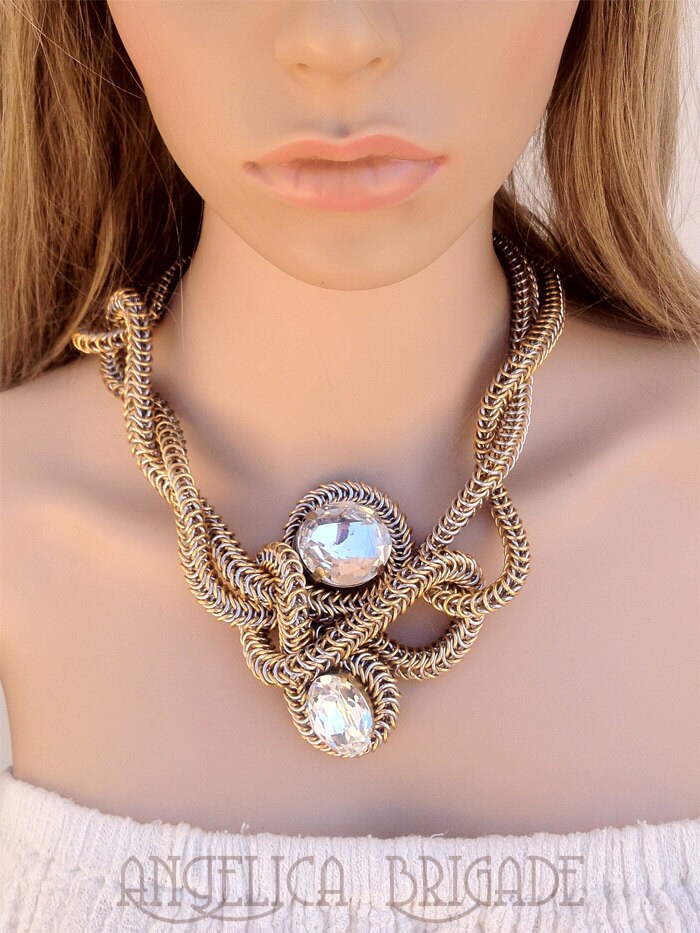
- G: 1.2P: Shape an artistic investigation of an aspect of present-day life using a contemporary practice of art or design.
- A: What designs did you come up with for the BALANCE plans? Take 2 minutes to share your ideas with your neighbors and get some feedback about them. What are 3 things that are strong and successful? We begin with more CHALLENGING ideas now – More AVANT GARDE ideas. How are you going to ETCH and how are you going to RIVET? What about JUMP RINGS?
- G: What are your plans for the metal? We will be etching and riveting to create a work of wearable art. What are your plans? What have you accomplished today in the planning of the work and preparation of the work? Are you ready for the next step?
Intro to Painting: Collage and Watercolors – Time to Transfer the image and PAINT.
- G: 2.3Ac: Redesign an object, system, place, or design in response to contemporary issues
- A: How has the gathering of images HELPED or CHALLENGED you in the creation of a composition visually and / or telling a story – about yourself? N: Images of 3 watercolor artists – storytelling? What would YOU say is happening in the images?
- G: What does your composition say about you? How might others read the images you have gathered and assembled?

Advanced Painting: Build the canvas and LET’S GET PAINTING!
- G:1.2Ad: Choose from a range of materials and methods of traditional and contemporary artistic practices, following or breaking established conventions, to plan the making of multiple works of art and design based on a theme, idea, or concept.
- A: What are the largest and most DOMINANT LINES you see in your drawing of the hallways? These are the lines that we are going to be looking at as the FOCAL POINT / DOMINANT LINES to build our next work off of.
- G: How easy or difficult was it for you to begin simplifying the space and shapes of your drawings? What challenges do see as you continue? Know that the use of color in the work will be used to create a MOOD / EMOTIONAL response to the space that you are representing with your abstraction.
Click HERE to see works from the past to help get you inspired for today!
Intro to Digital Art: Welcome to YOU! Let’s look at the ideas of YOU!
- G: 2.1Ac: Through experimentation, practice, and persistence, demonstrate acquisition of skills and knowledge in a chosen art form.
- A: Of all the tools that you experimented with, what ONE did you really like using, was something that you feel will be of the most use to you perhaps? Start to create your recreation drawing of the famous work of art that uses a wide variety of shape tools and at least 5 layers (to practice the idea of Layers) in the NON-OBJECTIVE Drawing.
- G: Next time we are working on this experiment and learning about the cutting and joining. What challenges did you have with the work today? Who is your artist and why are you engaged with their work?

http://www.twocoatsofpaint.com/wp-content/uploads/2016/08/fin_1962-64_private_collection_1140.jpg
Advanced Digital Art: Let’s REFLECT with MORE time than LAST time…
- G: 2.2Ad: Demonstrate understanding of the importance of balancing freedom and responsibility in the use of images, materials, tools, and equipment in the creation and circulation of creative work.
- A: It is time to work on the designs in whatever program you are going to be using. We will be having a MID CRITIQUE coming up SOON. How are you going to start. Review the requirements for Adobe Photoshop and Resolution as well as Adobe Illustrator and size. Write out ONE question that you have for me about the programs.
- G: What are 3 things that you accomplished today in the creation of the designs? What do you plan on STARTING with next time?

#ColdDay for 2 days… What day are we? #BDay I am pretty sure… Let’s start this #Semester ALL over. #Yes?
Learn To Draw “Drawing is more than a tool for rendering and capturing likenesses. It is a language, with its own syntax, grammar, and urgency. Learning to draw is about learning to see. In this way, it is a metaphor for all art activity. Whatever its form, drawing transforms perception and thought into image and teaches us how to think with our eyes.” 101 Things to Learn in Art School Kit White © 2011 Massachusetts Institute of Technology and Kit White“
Art Foundations: Line, Zentangles, and Wearable Art
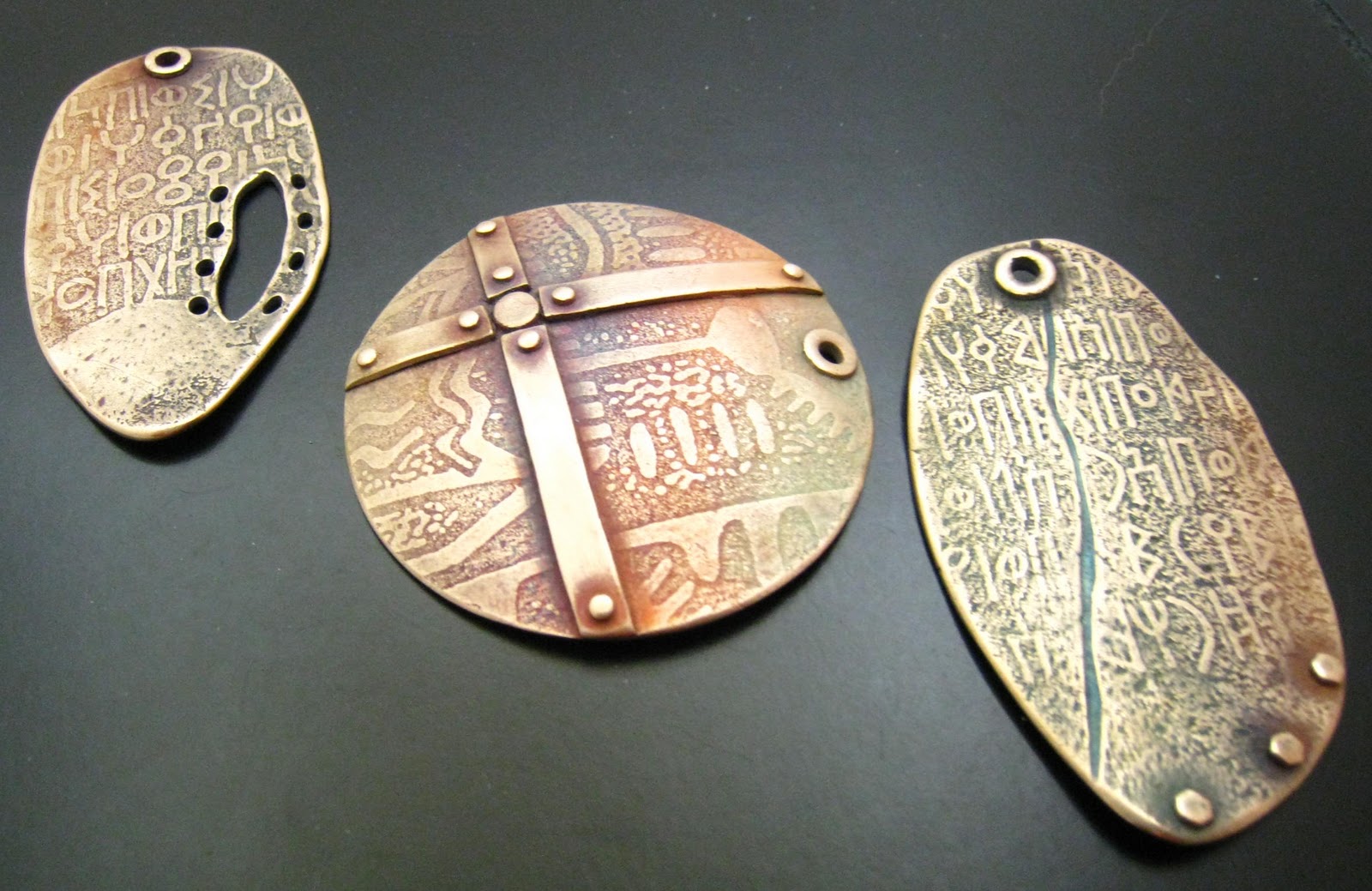
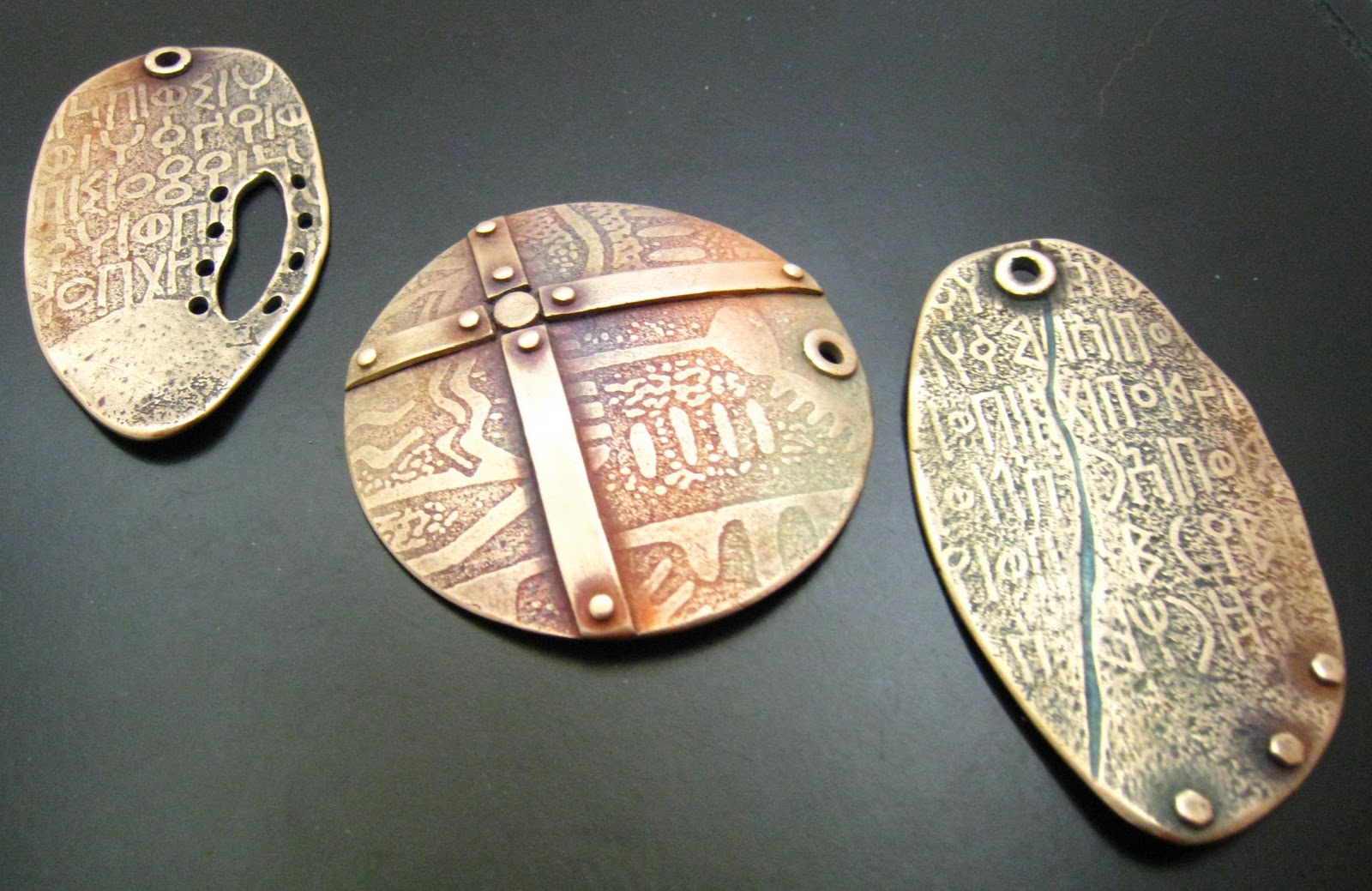
Etched Jewelry https://lh5.googleusercontent.com/-C1EHixT1Zhk/TYF19bEqwYI/AAAAAAAAD3M/LdAc5Ze1IXw/s1600/IMG_4979.jpg
- G: 1.2P: Shape an artistic investigation of an aspect of present-day life using a contemporary practice of art or design.
- A: What designs have you come up with? Take 5 minutes to share your ideas with your neighbors and get some feedback about them. What are 3 things that are strong and successful? What are 3 things that you feel needs work in the design? How are you going to ETCH and how are you going to RIVET? What about JUMP RINGS?
- G: What are your plans for the metal? We will be etching and riveting to create a work of wearable art. What are your plans? What have you accomplished today in the planning of the work and preparation of the work? Are you ready for the next step?
Intro to Painting: Collage and Watercolors – Time to Transfer the image and PAINT.
- G: 6.1Ac: Make, explain, and justify connections between artists or artwork and social, cultural, and political history. 3.1Ac: Engage in constructive critique with peers, then reflect on, re-engage, revise, and refine works of art and design in response to personal artistic vision.
- A: How are you relating the ideas of making art to making art about yourself? Do you find this to be easy or difficult – WHY? What do you feel about talking aloud when it comes to other’s works? What are your thoughts about why you may be apprehensive or confident when discussing other individual’s work?
- G: How are you making work that is important to YOU? How is the work AUTHENTICALLY your work and not someone else’s work? Are you ENGAGED and EXCITED to begin the painting process of these compositions? EXPLAIN YOUR ANSWERS (Yes and No do not cut it.)

Advanced Painting: Oils? Yes! Abstraction? Yes! Let’s try this again ALSO.
- G:1.2Ad: Choose from a range of materials and methods of traditional and contemporary artistic practices, following or breaking established conventions, to plan the making of multiple works of art and design based on a theme, idea, or concept.
- A: What color scheme have you begun to think about? Why? how does it DESCRIBE YOUR feelings toward the SIMPLIFICATION of the SPACE / SURROUNDINGS / COLOR?
- G: What have your FINAL ideas developed into? Do you have a successful idea based on the ELEMENTS and PRINCIPLES of Art? Balance? Unity? Repetition? Color? Other things? Write out your ideas as to WHY.
Click HERE to see works from the past to help get you inspired for today!
Intro to Digital Art: Welcome to YOU! Let’s look at the ideas of YOU!
- G: 2.1Ac: Through experimentation, practice, and persistence, demonstrate acquisition of skills and knowledge in a chosen art form.
- A:Working on paper is different than working on the computer. Using a collection of FONTS that you can choose (we will look at these in the Adobe Illustrator Font Collection) you will find a wide variety of fonts that you enjoy and explore many different way of joining letters into positive and negative shapes (as well as adding a geometric or organic shape or two) in creating a Logo Design for yourself” This will take some time – be ready to SKETCH and EXPLORE ideas.
- G: What did you come up with today? Share these ideas with your neighbor and explain what you enjoy about the work you have created.

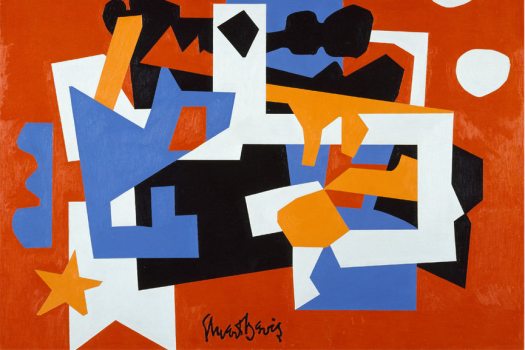
Advanced Digital Art: Review the Programs and the like – Then it is up to you to start.
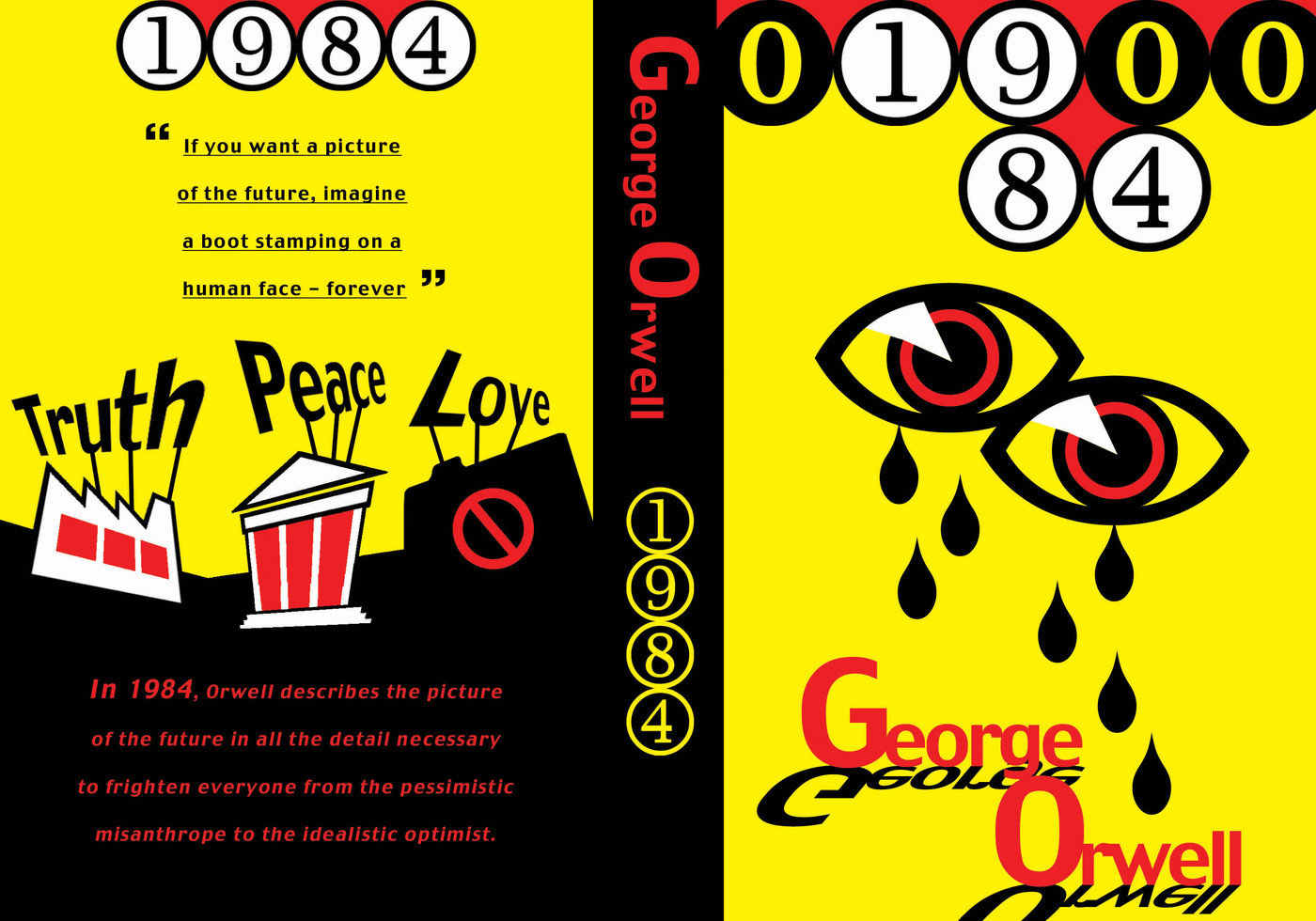
- G: 2.2Ad: Demonstrate understanding of the importance of balancing freedom and responsibility in the use of images, materials, tools, and equipment in the creation and circulation of creative work.
- A: It is time to work on the designs in whatever program you are going to be using. Remember that we will be having a MID CRITIQUE coming up on the 31st. We will be breaking in 30 minutes to stop and look at EVERYONE else’s work so you have a feeling for what has been accomplished. Ok? Ok. WORK!
- G: What are 3 things that you saw a successes in the designs of your classmates?
 Art With Korb