#End of the Week (#Beginning too) – #MakingArt in the #Studio

โ€œGoals are the fuel in the furnace of achievement.โ€ Brian Tracy


  • 1B: 7:50 – 9:05
  • 2B: 9:10 – 10:25
  • 3B: 10:30 – 12:20
  • 5B: 12:25 – 1:40
  • NO HOMEROOM TODAY!

Art Foundations: SOCIAL COMMENTARY Sculpture!

  • G: 7.1P: Hypothesize ways in which art influences perception and understanding of human experiences.
  • A: What are three techniques that are REQUIRED in the process? What textures are you going to have to interpret into your sculpture from your collage? 
  • G: What techniques are REALLY important to be using to make sure any ADDITIVE clay really HOLD TIGHT to the clay you are adding it to?

Intro to painting: Last Day to Practice TECHNIQUES with acrylics and abstractions. Have you resolved your planning on the STILL LIFE Sketches.

  • 2.1Ac: Through experimentation, practice, and persistence, demonstrate acquisition of skills and knowledge in a chosen art form.
  • A: What are you planning on doing as this is the last day to work in the studio – the last FULL DAY that is. We HAVE to Critique and self assess next time.
  • G: Our last day of painting is done… What are your results and what do you need to do to take for the next two nights to a get a successful final portrait done? Remember – Food and Drink! ALSO – TAKE YOUR CANVAS BOARDS HOME and get the drawings up on the canvas. Hit it with VINE CHARCOAL or CONTE Crayon before hand so that you have a black line to work with and experience.

advanced painting: Let’s Start painting!

https://phillippotter.files.wordpress.com/2017/11/img_2185.jpg?w=810
  • 2.2Ad: Demonstrate understanding of the importance of balancing freedom and responsibility in the use of images, materials, tools, and equipment in the creation and circulation of creative work.
  • A: What techniques in oils are you enjoying? How do you see them as similar or different than acrylics? Remember that we are focusing on techniques – yes the final product is important, but the TECHNIQUES are what we are really looking at perfecting.
  • G: What did you learn about the process of building a canvas in the larger scale of the work? This is YOUR SKILL for LIFE now!

Introduction to drawing and printmaking: Your time to DRAW an OBJECT!

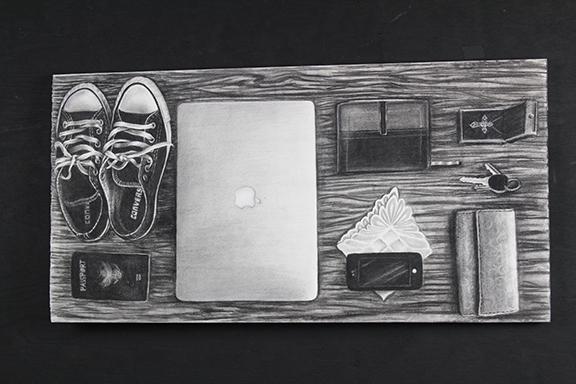
A still life charcoal drawing of the objects she would bring if her house were on fire by Anna Binder that will be among the art exhibited by students in Prof. Sandra Williams studio foundation and drawing classes in an exhibition at the Lux Center. https://arts.unl.edu/art/news/art-students-present-let-there-be-light-lux-center-january
  • G: 2.1Ac: Through experimentation, practice, and persistence, demonstrate acquisition of skills and knowledge in a chosen art form.
  • Struggles in TEXTURE? What walls did you hit? Where did you succeed? How did your FRUIT drawings turn out?
  • What objects did you choose for your OBJECT drawing from today? What are you going to do NEXT TIME to work on that and make it demonstrate your MASTERY of the drawing techniques?

Intro to Digital Art and Photography: Logo Work – Let’s Grade the Ideas.

Paul Rand’s Works – 14 Designers Portfolio’s

  • G: 7.1Ac: Recognize and describe personal aesthetic and empathetic responses to the natural world and constructed environments.
  • A:What is individual about your logo that others will be able to look at and EASILY identify that as a logo for someone extraordinary – you?  
  • G: How do you feel about the final design of your image? What is successful? What would you do differently? Will it fit on the side of a pen? Will it fit on the side of a blimp? Is it SCALABLE?

#MidWeek – How is the #ART?

โ€œGoals are the fuel in the furnace of achievement.โ€ Brian Tracy\


Art Foundations: SOCIAL COMMENTARY Critique and Sculpture!

Wisconsin Artist: http://www.steltersculpture.com/images/roundbirds.jpg
  • G: 7.1P: Hypothesize ways in which art influences perception and understanding of human experiences.
  • A:What are you NERVOUS about as we venture into the work of clay?
  • G: How have you researched and developed the ideas into your OWN idea versus someone else’s?

Intro to painting: Practice TECHNIQUES with acrylics and abstractions. Begin thinking and planning on the STILL LIFE Sketches DUE soon.

Zachary Tyler: http://bit.ly/33yhUj6
  • G: 1.2Ac: Choose from a range of materials and methods of traditional and contemporary artistic practices to plan works of art and design.
  • A: What is your GOAL for today? What did you accomplish last time and what are you planning on doing today to get yourself moving forward? You have access to ALL the colors we have in our drawers of colors – keep in mind that it would be good to set up a neat color palette and utilize a solid color scheme.
  • G: What did you do this week to get things set for a successful abstract painting? We are doing a FINAL CRIT in 2 class periods so make sure you are working in and out of studio time. HAVE YOUR THUMBNAILS DONE FOR THE STILL LIFE NEXT TIME FOR A PROGRESS CHECK!

advanced painting: BuiLDING THESE CANVASES is going to require CLASS ROOM ASSISTANCE!

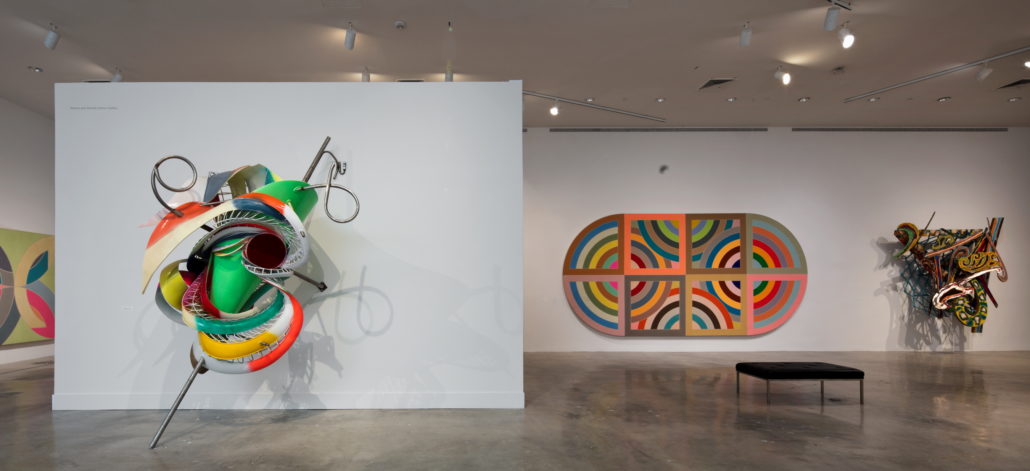
Frank Stella: https://nsuartmuseum.org/wp-content/uploads/2017/08/stella_0642-1030×471.jpg

Introduction to drawing and printmaking: TEXTURE

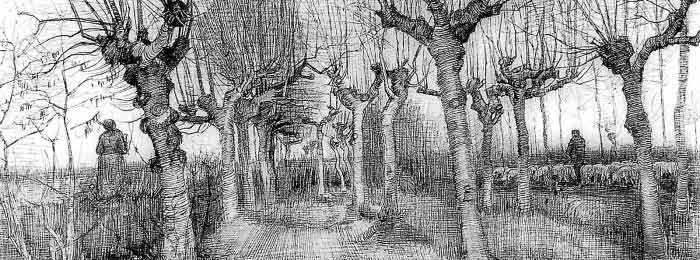
Vincent Van Gogh TEXTURE in Charcoal! https://drawingacademy.com/wp-content/uploads/2015/03/Vincent-Van-Gogh-Tree-drawings-2-700×260.jpg
  • G: 2.1Ac: Through experimentation, practice, and persistence, demonstrate acquisition of skills and knowledge in a chosen art form.
  • What Challenges did you have since last time with the fruit drawings? What are you currently working on and what do you need to do to finish it?
  • Real and Implied Textures are great to add when it comes to the drawings we create (and any artwork). What can you do with your FRUIT drawings to help by using texture?

Intro to Digital Art and Photography: Finish and WRAP UP Doodle for GOOGLE and Share ideas on next work

https://i.pinimg.com/736x/07/b5/46/07b546f664c4ff585eb52b4bb6d742a2–type-logo-design-process.jpg
  • G: 1.1 Ad: Visualize and hypothesize to generate plans for ideas and directions for creating art and design that can affect social change. 
  • A: How are YOUR feelings towards fonts and images affecting those who look at your LOGO? What response might someone ELSE get as they look at your image?
  • G: What challenges did you have today with the program. Are you working full screen size? Go Big so it can go small.

#Goals and #EatThatFrog – Even in the #ArtStudio

โ€œGoals are the fuel in the furnace of achievement.โ€ Brian Tracy


Art Foundations: SOCIAL COMMENTARY Critique and Sculpture!

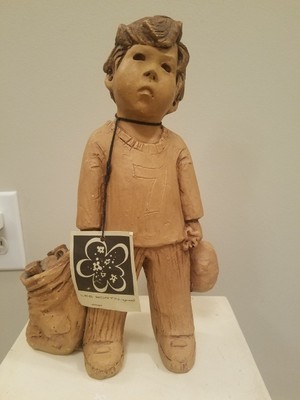
Lee Borton Clay Sculpture
  • G: 1.2P: Shape an artistic investigation of an aspect of present-day life using a contemporary practice of art or design.
  • 10.1P: Document the process of developing ideas from early stages to fully elaborated ideas. 
  • A: What do you currently know about using CLAY? What images in your collage REALLY jump out to you that can become the idea for a 3D Sculpture?
  • G: Sketch it out on paper first. Slab perhaps with a High Relief sculpture based on your collage. A lot of options are available for you.

Intro to painting: Practice TECHNIQUES with acrylics and abstractions. Begin thinking and planning on the STILL LIFE Sketches DUE soon.

Pamela Anderson in the Material Studio and Channel 12 interview on Process and Beginning
  • G: 1.2Ac: Choose from a range of materials and methods of traditional and contemporary artistic practices to plan works of art and design.
  • A: What did you do last block and what do you need to do today to get a solid block of work accomplished? This is using the skills that you have and the research that you have done to make strong progress in the abstraction. What about the negative space? The background? What is the CONTENT – the MEANING / MESSAGE behind your work? Are you thinking about that?
  • G: What techniques have you truly developed in the process of working in Acrylics? Thumbnails for the still life will be checked in two periods.

advanced painting: BuiLDING THESE CANVASES is going to require CLASS ROOM ASSISTANCE!

Reginald Holmes
  • G:1.2Ad: Choose from a range of materials and methods of traditional and contemporary artistic practices, following or breaking established conventions, to plan the making of multiple works of art and design based on a theme, idea, or concept.
  •  A: What are the largest and most DOMINANT LINES, SHAPES, IDEAS you see in your drawing for the abstract works? These may be the elements that you look at as the FOCAL POINT / DOMINANT LINES to build you work off of.
  • G: How easy or difficult was it for you to begin simplifying the space and shapes of your drawings? What challenges do see as you continue? Know that the use of color in the work will be used to create a MOOD / EMOTIONAL response to the space that you are representing with your abstraction.

Introduction to drawing and printmaking: Shading – done with contour (but don’t forget about it).

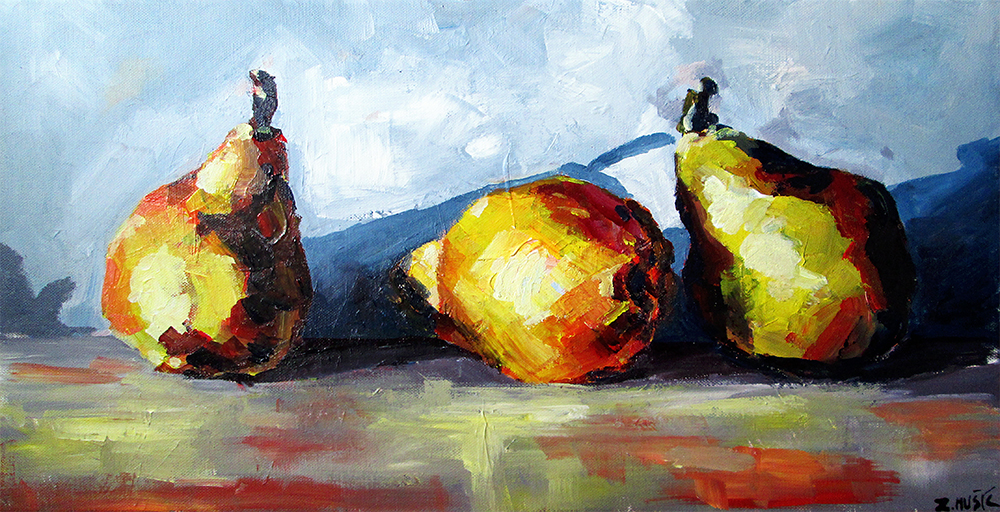
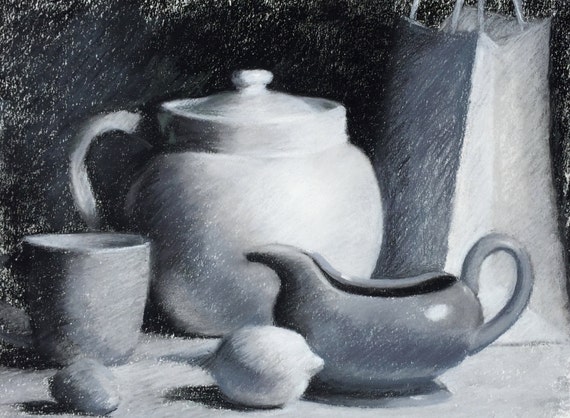
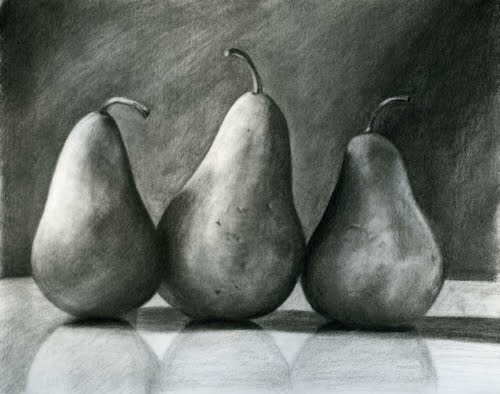
Pears in Charcoal: Your Turn…
  • G: 2.1Ac: Through experimentation, practice, and persistence, demonstrate acquisition of skills and knowledge in a chosen art form.
  • What are the techniques in drawing that you are drawn to (no pun intended)? Where do you see that you are still struggling with the process of drawing?
  • Today we began the FRUIT Drawing… Where are your strengths? Where (on  your own) are you going to be practicing and focusing on?

Intro to Digital Art and Photography: Doodle for GOOGLE and begin to consider and sketch for the next work.

  • G: 1.1 Ad: Visualize and hypothesize to generate plans for ideas and directions for creating art and design that can affect social change.ย 
  • A: The next work that you are going to create is a series of logos for the new kitchen at Fort Atkinson High School. Letโ€™s read over the email from Mr. Logo Designย  for yourself. This will take some time – be ready to SKETCH and EXPLORE ideas.ย  VISIT GOOGLE CLASSROOM!
  • G: What did you come up with today? Share these ideas with your neighbor and explain what you enjoy about the work you have created.

#Resolution and #Work Time – #Canvas, #Techniques, #Rubric, #DoodleForGOOGLE

Learn To Draw โ€œDrawing is more than a tool for rendering and capturing likenesses. It is a language, with its own syntax, grammar, and urgency. Learning to draw is about learning to see. In this way, it is a metaphor for all art activity. Whatever its form, drawing transforms perception and thought into image and teaches us how to think with our eyes.โ€ 101 Things to Learn in Art School Kit White ยฉ 2011 Massachusetts Institute of Technology and Kit White


Art Foundations: Romare Bearden and SOCIAL COMMENTARY!

Romare BEarden Collage – How are you using space? http://www.tribunetalk.com/wp-content/uploads/2012/02/Bearden_Collage.jpg
  • G: 1.2P: Shape an artistic investigation of an aspect of present-day life using a contemporary practice of art or design.
  • 10.1P: Document the process of developing ideas from early stages to fully elaborated ideas. 
  • A: What do you currently know about using CLAY? 
  • G: Here are the ideas for Final Product in the next assignment – you will have to use the same technique but with multiple solutions to the challenges – BRIGHT COLORS and GLAZES – Sketch it out on paper first. Sculpture in the round based on your collage. A lot of options are available for you.
  • Click HERE for the Slideshow to edit into.
    • 1B Block Social Commentary Images HERE
    • 5B Block Social Commentary Images HERE

Intro to painting: NEW TECHNIQUES with acrylics and abstractions. Hold off on the STILL LIFE – BUT… let’s look at the idea of Picasso and Cubism

Jude Rae – STILL LIFE with KILLER TECHNIQUES! https://www.juderae.com/still-life/1o13qxla89k582fefu5knr66du8ism
  • G: 2.1Ac: Through experimentation, practice, and persistence, demonstrate acquisition of skills and knowledge in a chosen art form.
  • A: Acrylic Painting Techniques. Staining, Sgraffito/Wipe-Out/Tonking, Scumbling. Now we begin with acrylic paintings – DAY 5. Weโ€™re going to look at two more SETS of techniques today (and you will have to gather some ADDITIVE products to the group of materials that you will need.
  • Jude Rae from Sydney
  • Fred Bell  Milwaukee
  • We are working the paintings for TECHNIQUES. LEARN THE TECHNIQUES here artists.
  • G: Well.. What have you accomplished in the processes of painting? We will work 1 more FULL SESSIONS to create 4+ total paintings (notice how we have always been working in series? Be prepared to identify the techniques and processes you went through in each. What did you do well with as you used the various materials in the paintings today? (HANDBOOK).

QUIZ is DUE on SUNDAY at 11:59PM


advanced painting: BuiLDING THESE CANVASES is going to require CLASS ROOM ASSISTANCE!

Building a BIG (and unique) canvas… Phillip Potter https://phillippotter.files.wordpress.com/2017/11/img_2185.jpg?w=810
  • 2.2Ad: Demonstrate an understanding of the importance of balancing freedom and responsibility in the use of images, materials, tools, and equipment in the creation and circulation of creative work.
  • A: What about the use of a POWER TOOL makes you a bit nervous? We are going to SAW and BUILD TODAY! BE ready to CONSTRUCT a CANVAS NEXT TIME – This would ALL be better if you ALL came in during your ENRICHMENT PERIODS so we do not lose any CLASS TIME! Plan on that for next week?
  • G: What did you learn about the process of building a canvas? This is YOUR SKILL for LIFE now!

Introduction to drawing and printmaking: Shading – done with contour (but don’t forget about it).

  • G: 2.1Ac: Through experimentation, practice, and persistence, demonstrate acquisition of skills and knowledge in a chosen art form.
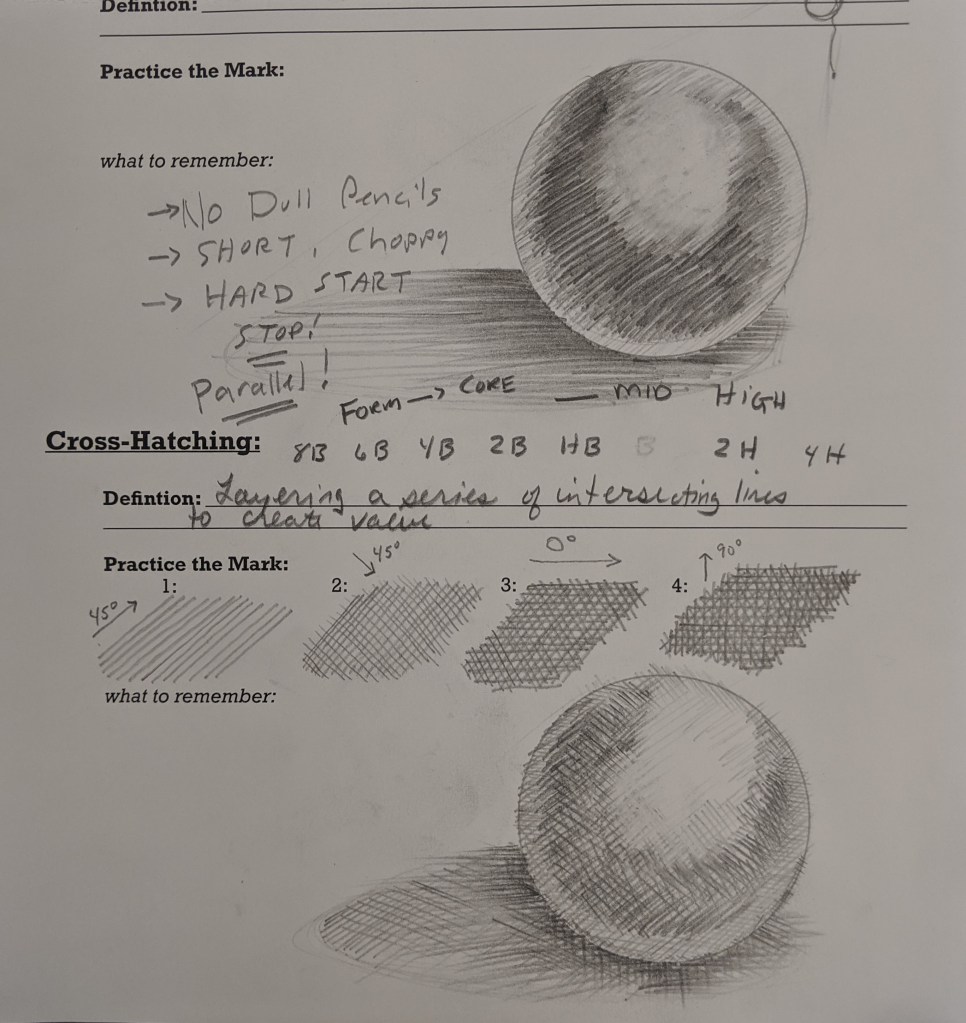
  • A: What marks did you see happen in the use of CROSS HATCHING? Do you see new approaches in the drawings that you are making? DESCRIBE in your handbook at least 3 marks that you see. Also… look at the values that you are seeing and focus on and define the various levels that you are seeing in your work.
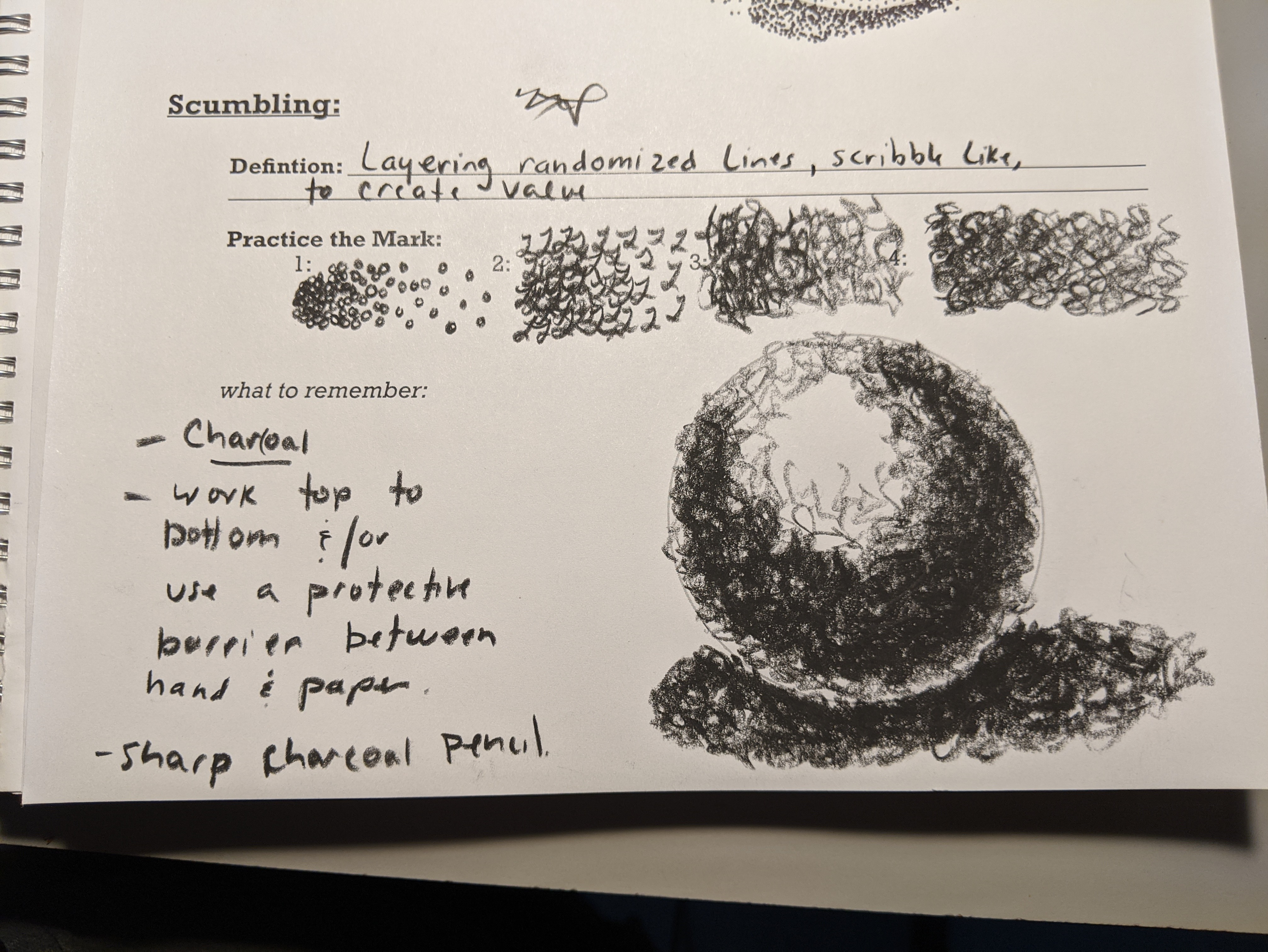
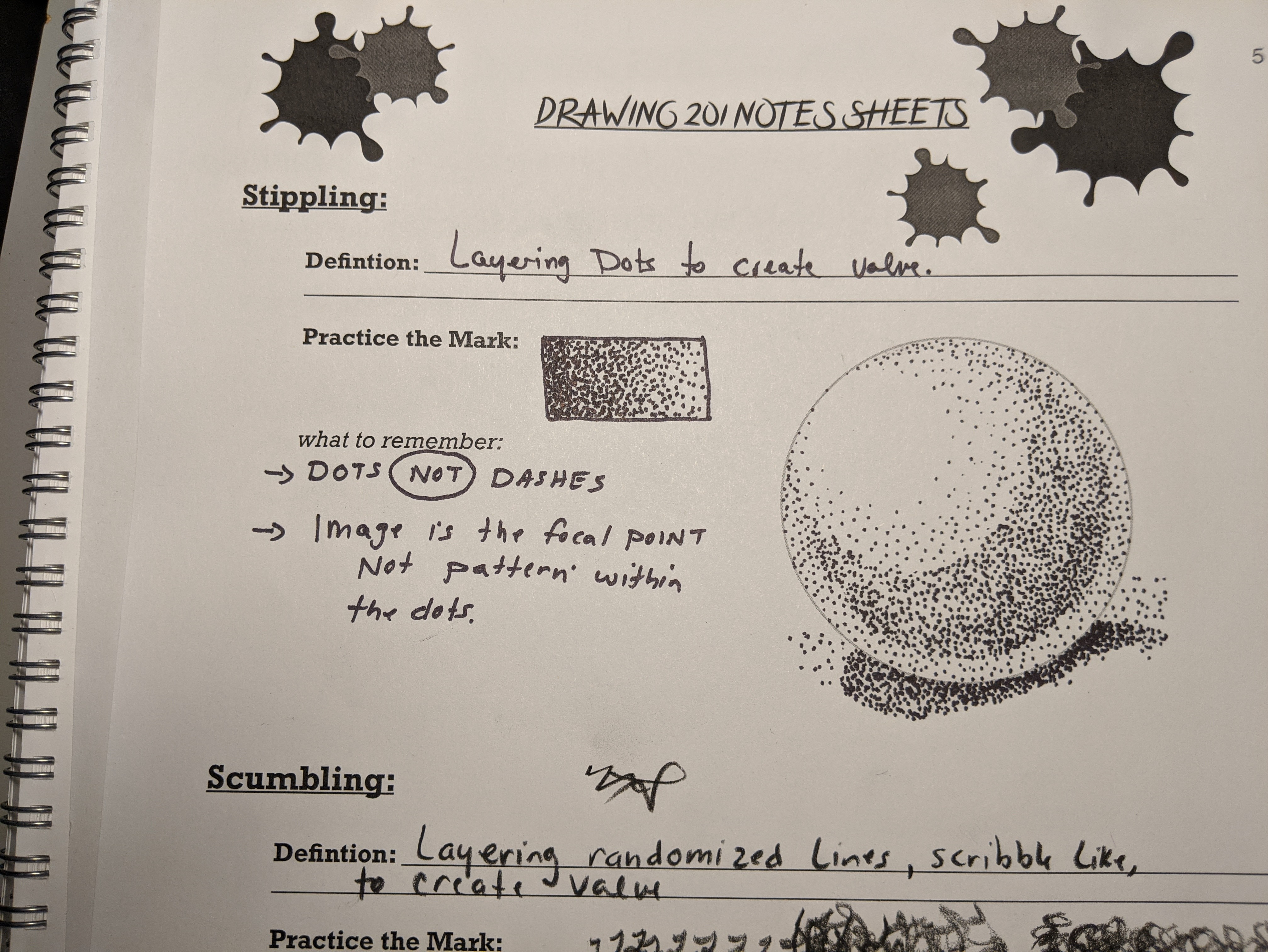
  • G: How do you find that you have learned to make NEW marks in the work you are doing with STIPPLING and SCUMBLING? Where do you see yourself inventing new ways to make new and inventive marks in your work?

Hatching and Cross Hatching from Demo – DUE FRIDAY!

Intro to Digital Art and Photography: Doodle – well we’re past that… DESIGN for GOOGLE!

  • G: 3.1Ad: Reflect on, re-engage, revise, and refine works of art or design considering relevant traditional and contemporary criteria as well as personal artistic vision.
  • A: FINAL Crit – Letโ€™s talk about the process of doing a mid critique… What are 3 things about YOUR WORK that you struggled with? What are 2 things you are pleased with and why? What is 1 thing you were REALLY stuck on or had a solid question about?
  • G: What are 3 things that you took away from this FNAL CRIT today that will help you resolve some issues for next time?

#Painting and #Design and #Collage… What are you doing to RESOLVE your (or finish planning) your ideas?


Art Foundations: Romare Bearden and SOCIAL COMMENTARY!

  • G: 10.1P: Document the process of developing ideas from early stages to fully elaborated ideas.  
  • A: What are you doing to SUCCESSFULLY create a REAL sense of SPACE in your COMPOSITION? This is the last day to cut and paste into the collage. WRAP it up TODAY!NExt time we RUBRIC and move into the CERAMICS, SCULPTURE, and MANIPULATION approach to the artworks.
  • G: How have you been able to think about your artwork being something that CAN affect how someone who looks at your work and their ideas about bullying?

Intro to painting: NEW TECHNIQUES with acrylics and abstractions. Hold off on the STILL LIFE – BUT… let’s look at the idea of Picasso and Cubism

  • G: 2.1Ac: Through experimentation, practice, and persistence, demonstrate acquisition of skills and knowledge in a chosen art form.
  • A: Acrylic Painting Techniques. Collage/Additive, High Gel Relief/ Impasto, Variations on Color Shifting. Now we begin with acrylic paintings – DAY 4. Weโ€™re going to look at two more SETS of techniques today (and you will have to gather some ADDITIVE products to the group of materials that you will need. Again – the artist we are looking at OVERALL is Jude Rae is the artist we are going to explore for a while here. The Milwaukee artist Fred Bell works in a much faster and more painterly way – looking at his work you will be painting in a bit faster (maybe) or at least a bit different. We are working the paintings for TECHNIQUES. LEARN THE TECHNIQUES here artists.
  • G: Well.. What have you accomplished in the processes of painting? We will work 2 more FULL SESSIONS to create 4 total paintings. Be prepared to identify the techniques and processes you went through in each.

QUIZ is DUE on SUNDAY at 11:59PM


advanced painting: BuiLDING THESE CANVASES is going to require CLASS ROOM ASSISTANCE!

Frank Stella and his artwork http://cdn.cnn.com/cnnnext/dam/assets/160713145837-frank-stella-spruth-magers-portrait.jpg
  • G:1.2Ad: Choose from a range of materials and methods of traditional and contemporary artistic practices, following or breaking established conventions, to plan the making of multiple works of art and design based on a theme, idea, or concept.
  • A: What color scheme have you begun to think about? Why? how does it DESCRIBE YOUR feelings toward the SIMPLIFICATION of the SPACE / SURROUNDINGS / COLOR?
  • G: What have your FINAL ideas developed into? Do you have a successful idea based on the ELEMENTS and PRINCIPLES of Art? Balance? Unity? Repetition? Color? Other things? Write out your ideas as to WHY.

Introduction to drawing and printmaking: Shading – done with contour (but don’t forget about it).

Mark Making – NEW WAYS TO THINK ABOUT PENCIL ON PAPER! https://artwithkorb.com/wp-content/uploads/2020/01/ba9ec-image-asset.jpeg
  • G: 2.1Ac: Through experimentation, practice, and persistence, demonstrate acquisition of skills and knowledge in a chosen art form.
  • A: What MARKS do you see in the drawings that you are making? DESCRIBE in your handbook at least 3 marks that you see. Also… look at the values that you are seeing and focus on and define the various levels that you are seeing in your work.
  • G: How do you find that you have learned to make NEW marks in the work you are doing? Where do you see yourself inventing new ways to make new and inventive marks in your work?

Intro to Digital Art and Photography: Doodle – well we’re past that… DESIGN for GOOGLE!

  • G: 2.2Ad: Demonstrate an understanding of the importance of balancing freedom and responsibility in the use of images, materials, tools, and equipment in the creation and circulation of creative work.
  • A: It is time to work on the designs in whatever program you are going to be using. Remember that we will be having our FINAL CRITIQUE coming next time. If you need to come in to work – remember that the digital lab is open during ET on THURSDAYS . We will be breaking in 30 minutes to stop and look at EVERYONE elseโ€™s work so you have a feeling for what has been accomplished. Ok? Ok. WORK!
  • G: What are 3 things that you saw a successes in the designs of your classmates? End of the class. LET US LOOK at the ONLINE SELF CRITIQUE FORM and review the first two portions. This is DUE THE MOMENT YOU WALK INTO THE DIGITAL LAB NEXT TIME… Just the Description and Analysis portions (as well as the ABOUT THE ARTWORK part).

#OneWeekIn and #WhatDoYouHaveToShow? I hope that you have a lot of ideas beginning and some forward movement as well.


โ€œShallow understanding from people of good will is more frustrating than absolute misunderstanding from people of ill will.โ€ – Martin Luther King, Jr.


Art Foundations: Romare Bearden and SOCIAL COMMENTARY!

Romare Bearden and TIME Magazine. Political Cover art.
  • G: 1.2P: Shape an artistic investigation of an aspect of present-day life using a contemporary practice of art or design.
  • A: What challenges do you think you will face as it comes to the idea of an INTERESTING collage?
  • G: How do you feel your composition successfully uses the GOLDEN MEAN and imagery to explain the ideas of your social topic? EXPLAIN your answers

Intro to painting: Practice with acrylics and abstractions… also we will look at the still life.

Jude Rae Painting: https://www.juderae.com/still-life/2016/8/8/sl363-2016-oil-on-linen-440mm-x-505mm
  • G: 2.1Ac: Through experimentation, practice, and persistence, demonstrate acquisition of skills and knowledge in a chosen art form.
  • A: Acrylic Painting Techniques. Now we begin with acrylic paintings – DAY 3. What objects have you brought in today for the still life. We are going to work on our canvas with the variety of techniques that are in the handout about techniques. We are going to do 1 painting using the ideas of ABSTRACTION to get familiar with the techniques and then move into the final paintings in 2 days. Jude Rae is the artist we are going to explore for a while here. Letโ€™s take a look at her works.
  • G: What are your thoughts about the works you have sketched / painted out today? Will you be ready for the final paintings and still life for next time?

advanced painting: BuiLDING THESE CANVASES is going to require thought! BE patient and work!

Frank Stella at the Kasmin Gallery
  • G:1.2Ad: Choose from a range of materials and methods of traditional and contemporary artistic practices, following or breaking established conventions, to plan the making of multiple works of art and design based on a theme, idea, or concept.
  • ย A: What are the largest and most DOMINANT LINES you see in your ideas? These may be the lines that we are going to be looking at as the FOCAL POINT / DOMINANT LINES to build our next work off of. Have you got an internal ABSTRACTION planned yet? The SHAPES are dealt with, but are the insides?
  • G: How easy or difficult was it for you to begin simplifying the space and shapes of your drawings? What challenges do see as you continue? Know that the use of color in the work will be used to create a MOOD / EMOTIONAL response to the space that you are representing with your abstraction.

Introduction to drawing and printmaking: Shading – done with contour (but don’t forget about it).

Let’s Practice our Shading… https://www.thedrawingsource.com/images/values-2.jpg
  • G: 2.1Ac: Through experimentation, practice, and persistence, demonstrate acquisition of skills and knowledge in a chosen art form.
  • A: What did you struggle with regarding the CONTOUR DRAWING? This is a difficult topic because ALL WE WANT TO DO IS SHADE! Stop and LOOK at the CONTOUR!
  • G: Today we SHADED YEAH! What was successful in the use of the various pencils? Why did you NOT get to blend with your grimy fingers?

Intro to Digital Art and Photography: Doodle – well we’re past that… DESIGN for GOOGLE!

Doodle for Google… The word is pretty hidden… https://api.time.com/wp-content/uploads/2017/05/childrens-day-2017-japan-5126057328902144-2x.png
  • G: 2.2Ad: Demonstrate an understanding of the importance of balancing freedom and responsibility in the use of images, materials, tools, and equipment in the creation and circulation of creative work.
  • A: It is time to work on the designs in whatever program you are going to be using. TUESDAY we are having a MID CRITIQUE. How have you started? What have your PLANS and CONCEPTS done to help you start? Remember this is going to be ONLINE ONLY and then review the requirements for Adobe Photoshop and Resolution as well as Adobe Illustrator and size. Write out ONE question that you have for me about the programs that I can help you find an answer to.
  • G: What are 3 things that you accomplished today in the creation of the designs? What do you plan on STARTING with next time?

I TOLD you we visit this every day! More information and TIME TO WORK in the #ArtStudio!


โ€œShallow understanding from people of good will is more frustrating than absolute misunderstanding from people of ill will.โ€ – Martin Luther King, Jr.


Art Foundations: Introduction and getting to COLLAGE with Romare Bearden.

  • G: 1.2P: Shape an artistic investigation of an aspect of present-day life using a contemporary practice of art or design.
  • A: What images are you are hoping to work into your collage (remember that this will be translated into a SCULPTURE)? What types of SOCIAL COMMENTARY are you able to talk about with this work?
  • G: How is the collage coming along? What is ONE VERY SUCCESSFUL aspect to the work SO FAR? What is one area you are having a CHALLENGE with?
Della Wells – Milwaukee Collage Artist https://static.wixstatic.com/media/0be742_696240ded1b8478c945a872bddbfcdfc~mv2.png/v1/fill/w_316,h_425,al_c,q_90,usm_0.66_1.00_0.01/0be742_696240ded1b8478c945a872bddbfcdfc~mv2.webp

Intro to painting: Introduction to Acrylic Paints.

Jude Rae – Still Life: Let’s look at her works! JudeRae
  • G: 2.1Ac: Through experimentation, practice, and persistence, demonstrate acquisition of skills and knowledge in a chosen art form.
  • A: Acrylic Painting Techniques. Now we begin with acrylic paintings – DAY 2. What objects have you brought in today for the still life. We are going to work on our canvas with the variety of techniques that are in the handout about techniques. We are going to do 4 small paintings of a SINGLE OBJECT to get familiar with the techniques and then move into the final paintings in 2 days. Jude Rae is the artist we are going to explore for a while here. Letโ€™s take a look at her works.
  • G: What are your thoughts about the works you have sketched / painted out today?

advanced painting: Introduction to Oils and Abstraction (with a TWIST to the canvas build – YIKES!)

  • G:1.2Ad: Choose from a range of materials and methods of traditional and contemporary artistic practices, following or breaking established conventions, to plan  the making of multiple works of art and design based on a theme, idea, or concept.
  • A: Looking back at the hallway drawings from the past two days why do they TEND to be boring? Give 2 reasons that high school hallway drawings can be boring. What are 2 things you are considering about doing to make it EXCITING and YOUR OWN? 
  • G: How has TRANSFORMING and ABSTRACTING these drawings changed the boring into more interesting works. Give three SPECIFIC examples.

Introduction to drawing and printmaking: Let’s see how well you draw already!

How about THEM Apples?
  • G: 2.1Ac: Through experimentation, practice, and persistence, demonstrate acquisition of skills and knowledge in a chosen art form.<iframe
  • A: Looking at the notes from the baseline drawing… what are you going to focus on today? All I ask today is that, if I am demonstrating you are up close and watching. If you are going to get better – you need to watch and practice. HERE ARE SOME OF THE THINGS WE ARE GOING TO BE WORKING ON: Line quality, value scales, stippling, hatching/cross-contour, cross-hatching, scumbling, contrast, texture, value
  • G: What have you demonstrated today that you are happy with and what is a skill you see that is in need of work?

Advanced digital art: Doodle for Google – Look at the website and GO!

CLICK HERE MR. KORB
  • G: 2.2Ad: Demonstrate an understanding of the importance of balancing freedom and responsibility in the use of images, materials, tools, and equipment in the creation and circulation of creative work.
  • A: What skills and tools do you remember from ANY of the Adobe SUITE? Talk with someone who you DO NOT KNOW about the tools in the different program – 3 minutes… As you are talking about the programs with your classmates, also talk about the plans you are going to be using in the Doodle for Google project. 
  • G: What are you planning on doing in the DESIGN of the Doodle for Google and what programs are you planning on using? Why?

#Welcome to #2ndSemester… #SignUp for #ArtWithKorb.com and #GoogleClassroom. Today we start!


โ€œShallow understanding from people of good will is more frustrating than absolute misunderstanding from people of ill will.โ€ – Martin Luther King, Jr.


Art Foundations: Introduction and getting to COLLAGE with Romare Bearden.

Romare Bearden Foundation HERE!
  • G: 1.1P: Use multiple approaches to begin creative endeavors.
  • A: Looking at the ROMARE BEARDEN collage on the screen, what do you think this work is about? WHY? Please work with your neighbor on answering the questions on the planning handout about social topics. This will be the basis for the final ceramics project as well as a completed design for the collage. Collage can be a way to develop ideas for additional works as well as making sketches and photographs. Collage is DIFFICULT. Write out 12 things that are important to you… 12 things. Then we brainstorm more… and collect images… then more thought… etc…
  • G: Explain why creating art that is CLEARLY NARRATIVE / Tells a story / explains something that is of importance to you is challenging? Explain 2 major points…

Intro to painting: Introduction to Acrylic Paints… and the still life.

Jude Rae Painting: https://www.juderae.com/still-life/2016/8/8/sl363-2016-oil-on-linen-440mm-x-505mm
  • G: 2.1Ac: Through experimentation, practice, and persistence, demonstrate acquisition of skills and knowledge in a chosen art form.
  • A: Acrylic Painting Techniques. Now we begin with acrylic paintings. What objects have you brought in today for the still life. We are going to prep our canvas with a light coat of color to start with and then we will be working in the sketchbooks to create thumbnails for the final composition (we may do a few as we are going to study a number of techniques). Jude Rae is the artist we are going to explore for a while here. Letโ€™s take a look at her works.
  • G: What are your thoughts about the works you have sketched out today?

advanced painting: Introduction to Oils and Abstraction (with a TWIST to the canvas build – YIKES!)

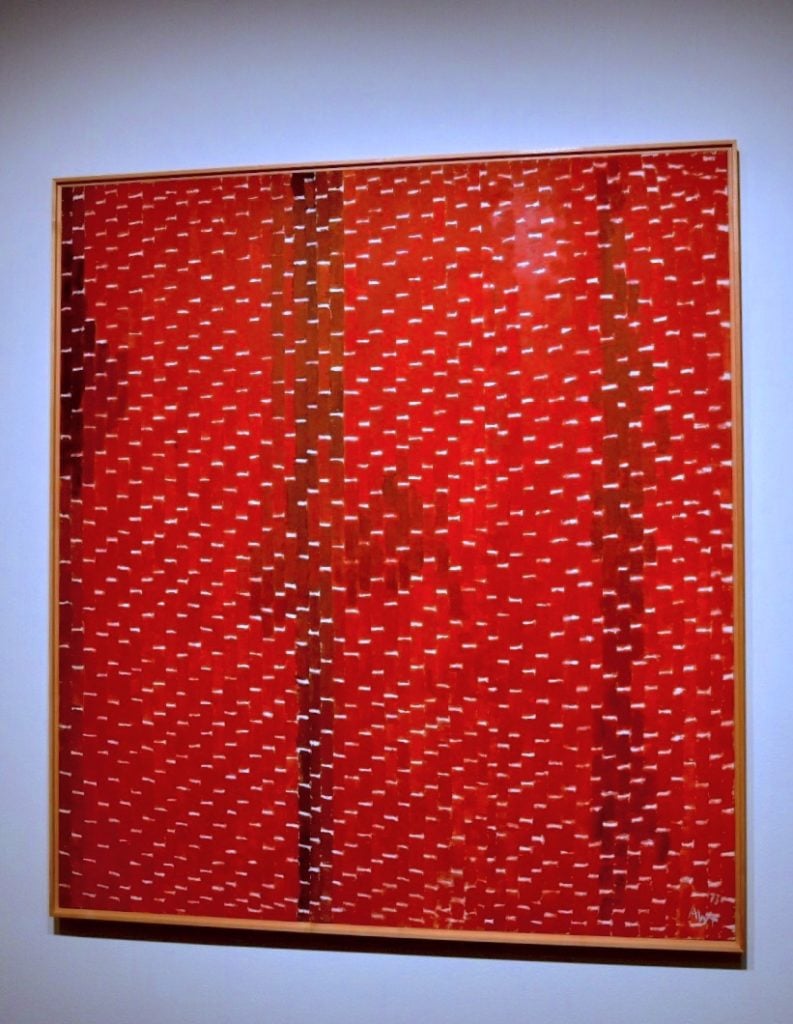
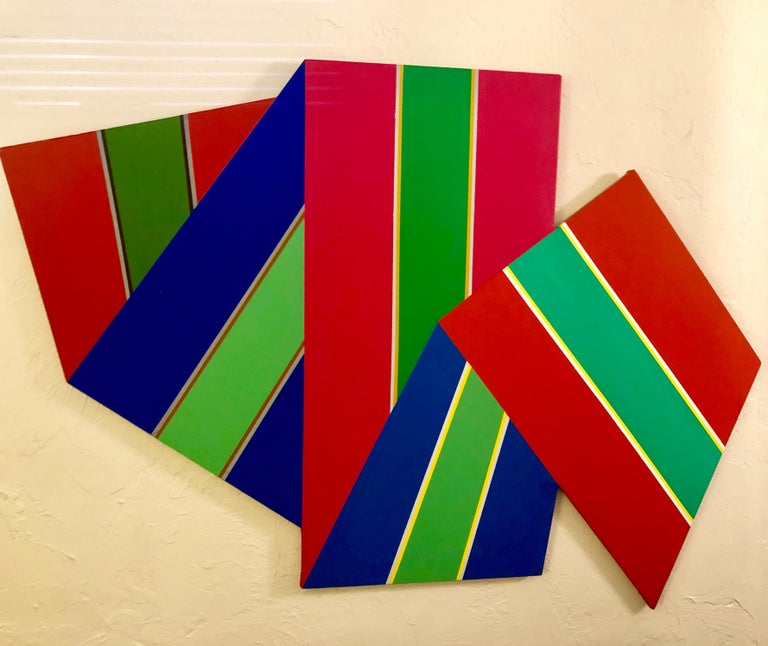
Alvin Loving: Septehedron 34, 1970
  • G:1.2Ad: Choose from a range of materials and methods of traditional and contemporary artistic practices, following or breaking established conventions, to plan the making of multiple works of art and design based on a theme, idea, or concept.
  • A: What techniques do  you remember from your earlier classes about Acrylic Paints? Take a few minutes to talk to your neighbors about the challenges you faced in the processes. What are 3 things that you are hoping to take away from this class as we move forward in the semester?
  • G: What sorts of ideas did you take away from the drawing in the hallways today? Thumbnails are important in the  the process of making successful art. What have you done to make successful preliminary sketches of the space around you? – NOTE – If you DO NOT WANT to use the space of the building to base your abstractions on, it is ENTIRELY UP TO YOU to make the preliminary sketches and / or photographs on your own before the next time we meet. The more you can do on your own time, the more time you will have in the studio to create art! ALSO – Look into the MoMA In the Studio Series and allow yourself to get LOST in the videos!

Introduction to drawing and printmaking: Let’s see how well you draw already!

  • G: 2.1Ac: Through experimentation, practice, and persistence, demonstrate acquisition of skills and knowledge in a chosen art form.
  • A: What are your strongest skills as a drawer? What are the skills you are struggling with that you would like to improve upon?
  • G: What have you demonstrated today that you are happy with and what is a skill you see that is in need of work? Hand in your baseline drawing from today.

Advanced digital art: Doodle for Google – Look at the website and GO!

CLICK HERE MR. KORB
  • understanding of the importance of balancing freedom and responsibility in the use of images, materials, tools, and equipment in the creation and circulation of creative work.
  • A: When you look at todayโ€™s Doodle for Google (the Google Header on their search page) assignment… What are the first things that come to mind? What could you do with this space? What 
  • G: As you planned and sketched and researched other Doodle for Google… what were 3 design ideas that came from your research? What will you NEED TO HAVE READY TO WORK ON when you come back to class next time?

Special #Saturday #Edition, #EXAM WEEK! Get Ready!


Click HERE to open the Mary Hoard ART Show Sheets


Art Foundations: EXAM DAY Monday January 13 and Tuesday January 14. (Cleaning to follow.)

Page 19 is where your test materials are. Click the image to go to the ONLINE VERSION.

Page 19 in the Handbook – ONLINE HERE


Introduction to Painting: Group 1: Monday January 13: Group 2, Wednesday January 15. ONLINE FORM TOO.


Intro to Digital Art and Photography: One day to PERFECT, One day to PRESENT. Wednesday, January 15 and Thursday, January 16

Look at THIS page to get ideas to talk about.

One more day in the #Studio… #WhatToDo? Study? WrapThingsUp


Click HERE to open the Mary Hoard ART Show Sheets

โ€œEach generation gets to reinvent art in its own image.โ€ Because art is an act of description, it is inevitable that what it describes will reflect every generationโ€™s bias of the moment. It is not a strict reflection of a time but an interpretation rendered in a language that is always in a state of transformation. – Kit White ยฉ 2011 Massachusetts Institute of Technology and Kit White


EXAM SCHEDULE:

  • Intro to Painting: EXAMS in 2 groups – Monday Jan 13 and Wednesday January 15
    • Online Portion as well as Oral Critique
  • Digital Art and Photography: Wednesday January 15 and Thursday January 16
    • Online Portion as well as Oral Critique
  • Art Foundations: Monday and January 13 and Tuesday 14.
    • January 15 and 16th CLEANING.

Before you ASK ME if you can be done… answer these questions.

Doodle for Google Entry Form HERE.

Art Foundations: Assess / Prepare for the EXAM!

  • G: 3.1P: Apply relevant criteria from traditional and contemporary cultural contexts to examine, reflect on, and plan revisions for works of art and design in progress.
  • A: Turn to page 19 in the handbook and pull out – and write down – 5 things that you feel YOU need to better understand for the final exam. Write  that down on ONE SIDE of the provided Note Card. 15 minutes and that is it. Whatโ€™s NOT on the page? Cross Multiply and Divide… and the Golden Rule…
  • G: We have reviewed the exam – page by page… what do you need to do in order to prepare for the final exam? Review your notecard and have it ready for the exam day. That is all.

Introduction to Painting: What do you need to do to resolve your painting?

  • G: 1.2Ac: Choose from a range of materials and methods of traditional and contemporary artistic practices to plan works of art and design.
  • What do you need to do to make the best use of your time? Look at your paintings and make some smart choices. Sticky Note… โ€œMY PLANS FOR THE DAY IS…โ€
  • Alight painters… Fill the sticky note that you have in front of you with a final reflection about what you have learned? What have you taken away from this series of acrylics so far? My biggest skills developed were? My biggest regrets about the semester were? I can now… I still struggle with… What do you have to say about the course? Remember that the REVIEWS are due TONIGHT so I have a chance to review them this weekend. This will help you plan on what you will be talking about AND it is the WRITTEN PORTION of your final exam. NO EXCUSES!

Intro to Digital Art and Photography: 2 Days to WRAP THIS UP for your final presentation… We are turning things in next block.
  • G: 1.1Ac: Individually or collaboratively formulate new creative problems based on studentโ€™s existing artwork.
  • A: Review the work you are planning out. This is the LAST DAY TO WORK in the studio. You should be PUSHING the skills you have learned. What do you need to do to make this work as your BEST (In Design, Photography, Illustrator… assembling it all together…). Please review the ONLINE EXPECTATION and MAKE SURE YOU ARE DONE WITH it by next MONDAY so I can read it over by your exam day. This is the written portion of the exam – the oral presentation is the final exam.
  • G: What have you accomplished and what do you need to accomplish? This is DUE on EXAM DAY  – you should make this the BEST – most perfect work you can.