Alright – I said this last time and I’ll say it again, check out the new page (top of the screen) – Covid-19 Resources for Arts. Be active and continue to educate yourself.
Stop Touching Your Face Frank!
Email me with any PICTURES or Videos of art projects you undertake or VIRTUAL Museums or Experiences you go on.
Art Foundations: Draw what you see out your windows. This can (and will) be turned into a painting later.
Intro to painting: Research and Planning – Remember that this was assigned a WHILE ago… so if you get to it while were off… all the better. Check on Google Classroom. HERE are the plans for the RESEARCH that was due FRIDAY. DO THE RESEARCH!
ADVANCED PAINTING: Paints go home with you – load up so you have enough and here is another canvas for you to work on. Keep working to wrap it up (maybe start another one if you get the itching). Great plans for the Coronavirus School Closing HERE. We will look at things when you get back. Keep working on the Oil Paintings so your paints don’t dry up. ALSO – Check your Google Classroom for TOMORROWS NON REQUIRED CONVERSATION.
Introduction to drawing and printmaking: GREAT assignments planned (now for when you get back). Take a look at William Kentridge and then talk about where we are going while you are away. School Closing Assignment HERE for when we get back now.
Advanced Digital Art and Photography: We are going to have to backtrack and get caught up… Check out the COOL assignments I HAD planned below. School Closing Assignment HERE we will pick this up when we get back. Make photographs of your entire DAY! 24 hours of your days away from school.
Here’s a great video about Keith Haring – the guy I was dressed up as last week Friday.
Alright – I said this last time and I’ll say it again, check out the new page (top of the screen) – Covid-19 Resources for Arts. Be active and continue to educate yourself.
Email me with any PICTURES or Videos of art projects you undertake or VIRTUAL Museums or Experiences you go on.
Art Foundations: Draw what you see out your windows. This can (and will) be turned into a painting later.
Intro to painting: Research and Planning – Remember that this was assigned a WHILE ago… so if you get to it while were off… all the better. Check on Google Classroom. HERE are the plans for the RESEARCH that was due FRIDAY. DO THE RESEARCH!
ADVANCED PAINTING: Paints go home with you – load up so you have enough and here is another canvas for you to work on. Keep working to wrap it up (maybe start another one if you get the itching). Great plans for the Coronavirus School Closing HERE. We will look at things when you get back. Keep working on the Oil Paintings so your paints don’t dry up. ALSO – Check your Google Classroom for TOMORROWS NON REQUIRED CONVERSATION.
Introduction to drawing and printmaking: GREAT assignments planned (now for when you get back). Take a look at William Kentridge and then talk about where we are going while you are away. School Closing Assignment HERE for when we get back now.
Advanced Digital Art and Photography: We are going to have to backtrack and get caught up… Check out the COOL assignments I HAD planned below. School Closing Assignment HERE we will pick this up when we get back. Make photographs of your entire DAY! 24 hours of your days away from school.
Here’s a great video about Keith Haring – the guy I was dressed up as last week Friday.
HEY YOU! CHECK OUT THE NEW PAGE – Covid-19 Resources for Arts. Be active and continue to educate yourself. Email me with any PICTURES or Videos of art projects you undertake or VIRTUAL Museums or Experiences you go on.
I think I will leave this quote up for the next few weeks… it is an important thing to do as artists. Get involved and work to make things better.
Art Foundations: Rubric and Glazeand assignment for over our School Closing – When we get back!
Intro to painting: Research and Planning – Remember that this was assigned a WHILE ago… so if you get to it while were off… all the better. Check on Google Classroom.
HERE are the plans for the RESEARCH that was due FRIDAY. DO THE RESEARCH!
ADVANCED PAINTING: Paints go home with you – load up so you have enough and here is another canvas for you to work on. Keep working to wrap it up (maybe start another one if you get the itching).
Great plans for the Coronavirus School Closing HERE. We will look at things when you get back. Keep working on the Oil Paintings so your paints don’t dry up.
Introduction to drawing and printmaking: GREAT assignments planned (now for when you get back). Take a look at William Kentridge and then talk about where we are going while you are away.
School Closing Assignment HERE for when we get back now.
Click the image to watch the video.
Advanced Digital Art and Photography: We are going to have to backtrack and get caught up… Check out the COOL assignments I HAD planned below
School Closing Assignment HERE we will pick this up when we ghet back.
Enjoy a little bit of Mr. Korb while we are away. I’ll post every now and again to check in on you all.
I think I will leave this quote up for the next few weeks… it is an important thing to do as artists. Get involved and work to make things better.
Art Foundations: Rubric and Glazeand assignment for over our School Closing – When we get back!
Intro to painting: Research and Planning – Remember that this was assigned a WHILE ago… so if you get to it while were off… all the better. Check on Google Classroom.
HERE are the plans for the RESEARCH that was due FRIDAY. DO THE RESEARCH!
ADVANCED PAINTING: Paints go home with you – load up so you have enough and here is another canvas for you to work on. Keep working to wrap it up (maybe start another one if you get the itching).
Great plans for the Coronavirus School Closing HERE. We will look at things when you get back. Keep working on the Oil Paintings so your paints don’t dry up.
Introduction to drawing and printmaking: GREAT assignments planned (now for when you get back). Take a look at William Kentridge and then talk about where we are going while you are away.
School Closing Assignment HERE for when we get back now.
Click the image to watch the video.
Advanced Digital Art and Photography: We are going to have to backtrack and get caught up… Check out the COOL assignments I HAD planned below
School Closing Assignment HERE we will pick this up when we ghet back.
“When you do nothing, you feel overwhelmed and powerless. But when you get involved, you feel the sense of hope and accomplishment that comes from knowing you are working to make things better.” — Zig Ziglar
Art Foundations: Rubric and Glaze.
G: A.A.Cr.12.h: Make: Develop unique, well crafted works of art utilizing deliberate choice of media, tools, and techniques.
A: What was the biggest challenge you found as you began to draw your objects on the first day and how do you feel about the drawing as we are wrapping it up today? Explain your answers in complete sentences ?
G: What are 2 difficulties that you had in the beginning of the process and how do you feel you have become a stronger drawer in the process of this still life? Remember – DRAWING IS A CHALLENGE – let it be!
Intro to painting: Critique! Did you bring food?
A.A.R.20.h: Evaluate: Determine or develop relevant criteria and evaluate the effectiveness of design, media, and artworks to influence ideas, feelings, and reactions of specific audiences.
A: Thinking about the work that you have completed over the past number of weeks or so, what are the struggles you had with the process? What were the successes that you had with the work? What are you most pleased / surprised / struggled) with? Take a few minutes – 5 – to talk with and make up a list with a friend / buddy / stranger to talk about the work and come up with 3 strong talking points – Process / Tools, Successes, Struggles. Then please come up with a question that you would like to ask another artist about their work.
Next time we will be working PORTRAIT IDEAS and then also make some photographs – 1 hour of drawing and 30 minutes of Photography – Portraits.
ADVANCED PAINTING: REVIEW TECHNIQUES and PAINT
G: A.A.Cr.12.h: Make: Develop unique, well crafted works of art utilizing deliberate choice of media, tools, and techniques.
A: What 3 things are you most pleased with regarding your work SO FAR? What have you been struggling with? We are doing a MID-CRITIQUE fitst thing next time. Then 3 days until our final crit. If you find yourself moving QUICKLY and can accomplish another smaller piece to be a partner to this piece – DO IT!
G: Well.. What are you doing successfully in this painting?
Introduction to drawing and printmaking: Let’s Look at William Kentridge.
Click the image to watch the video.
G: D.D.Cr.12.h: Make Develop unique, well crafted works of art utilizing deliberate choice of media, tools, and techniques.
A: Step back and see the progress that you have made… What was your challenge? What was your success? REREAD the critiques that have been written.. Do they hold water today? We are moving forward with the portrait. Not a lot of specifics in teaching, but where do you struggle and where are you succeeding? EVERY INCH of page has charcoal on it – if it doesn’t it needs to – even IF you erase it out. Highlights? Ok… maybe that stays white.
G: What successes do you find in today’s work? What are you going to be doing next time to make sure you are ready to roll?
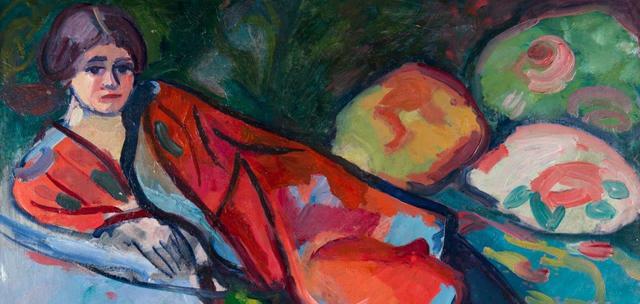
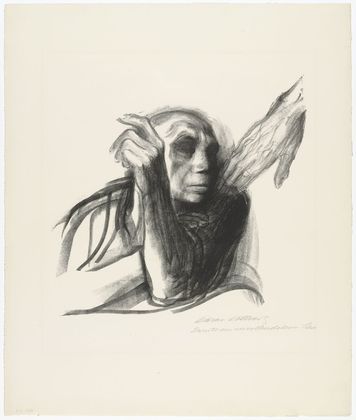
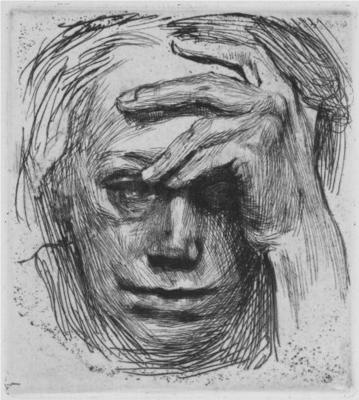
German Expressionism at the Museum of Modern Art: HERE
Advanced Digital Art and Photography: Work Time – CRITIQUE NEXT WEEK
G: D.D.Cr.12.h: Make Develop unique, well crafted works of art utilizing deliberate choice of media, tools, and techniques.
A: This is the last day of the studio to work… What are you going to be doing to resolve your images so that they are ready to be handed in and presented. We will turn them in through the Google Classroom FOLDER – DO NOT HAND THEM IN! I’ve nothing more than to ask you what are your GOALS today and how do you plan on accomplishing them. Write it down and get to work.
G: What progress have you made in the beginning of this artwork? What are you looking to do in the next block of studio time?
“When you do nothing, you feel overwhelmed and powerless. But when you get involved, you feel the sense of hope and accomplishment that comes from knowing you are working to make things better.” — Zig Ziglar
Art Foundations: Drawing From OBSERVATION LAST DAY is TODAY!
A.A.Cr.10.h: Investigate: Engage in critical thinking, problem solving, and research through elements and principles of art and design studio practices and processes.
A: Sit with your paper and draw out a 1 pt and 2 pt cube ABOVE, ON, and BELOW the Horizon Line with a ruler in hand. Let’s look them over. Good to remember how to do this.
NOW – put the ruler away and freehaded, do the same drawings using the images that you have already drawn and the skills you have acquired.
What has practice and instruction done to help make this easier for you? Have you learned anything in the process? Please explain your thoughts in 3 sentences. HAND THESE DRAWINGS IN!
G: What did you learn? What SPECIFICALLY did you pick up from this process?
Intro to painting: Painting and TRYING to WRAP THINGS UP – Today.
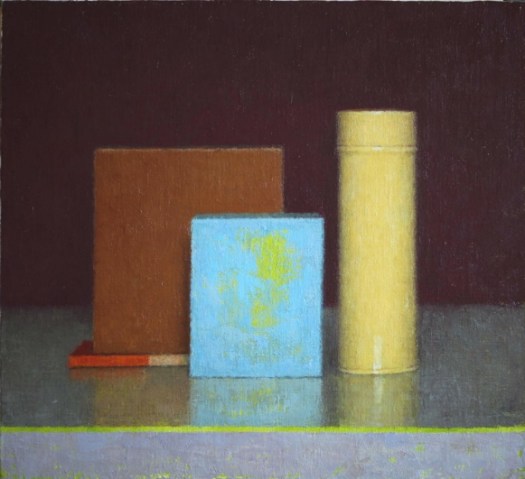
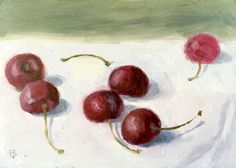
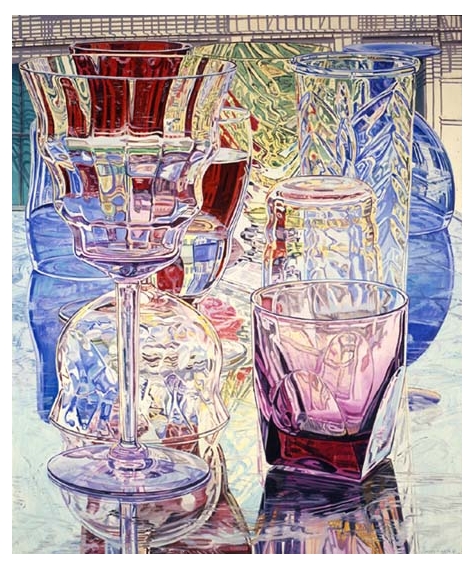
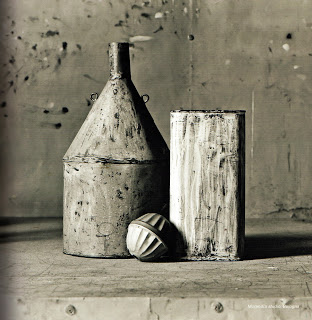
Jude Rae
Critique Next Time. Don’t forget to bring FOOD STUFF!
G: A.A.Cr.10.h: Investigate: Engage in critical thinking, problem solving, and research through elements and principles of art and design studio practices and processes.
A: Acrylic Painting Techniques. Critique Day next time – full on critique! Cutting MAts for them and all! What was your biggest success? What was the biggest struggle? Do you need to come in during ET to wrap it up?
We are working on the paintings for TECHNIQUES. REVIEW THE TECHNIQUES artists.
G: What have you accomplished in the full range and processes of painting? Be prepared to identify the techniques and processes you went through in each. ALSO – Be prepared to begin the ideas of the next painting in studio using acrylics and all the skills you have learned. It is time for our ACRYLIC PORTRAITS. We are RESEARCHING some artists – The assignment ins on the GOOGLE CLASSROOM and you are required to begin your research over the next few days. Things will be DUE NEXT WEEK.
ADVANCED PAINTING: Demo Painting Today and PAINT
: A.A.Cr.12.h: Make: Develop unique, well crafted works of art utilizing deliberate choice of media, tools, and techniques.
A: What are your plans for the day? Get into your painting today and work
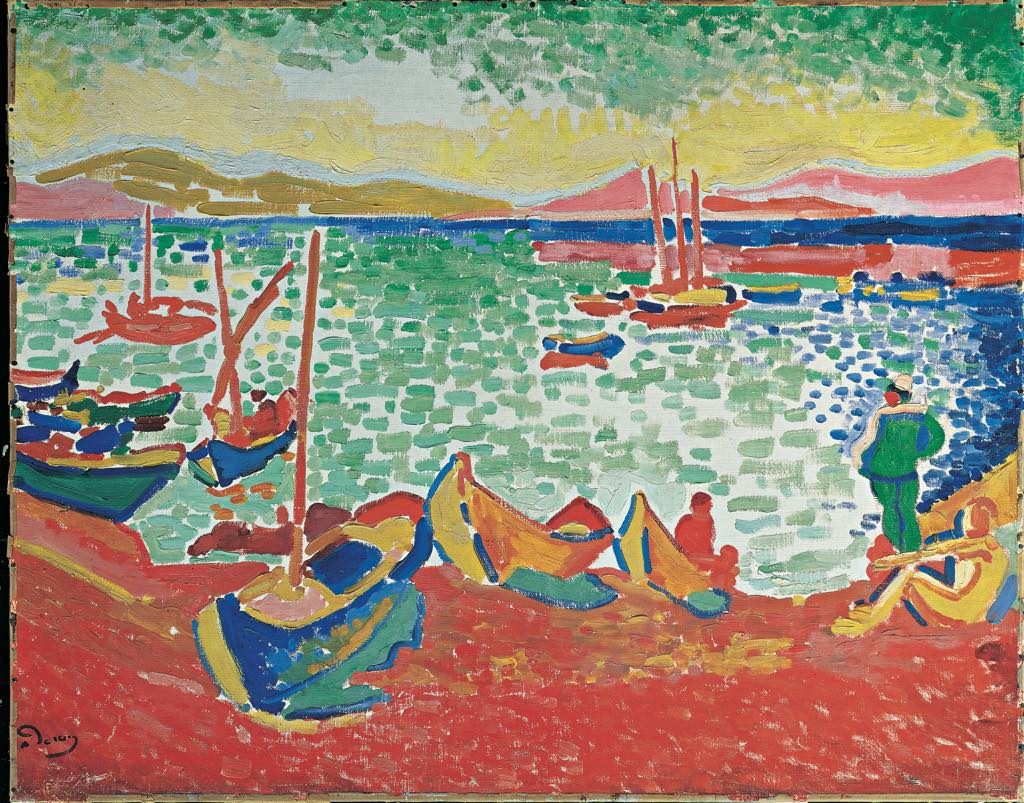
G: As you wrap up for the day, what have you accomplished in the work? How has a new approach to mark making helped you or changed the way you have painted in the studio? Think about the freshness of the marks, the confidence in the laying down of each brush stroke. This is a part of the technique and the characteristic of a fauvist / confident painting.
Introduction to drawing and printmaking: First three lines DONE and the next 3 lines BEGUN.
G: A.A.Pr.11.h: Communicate: Analyze and describe the impact that an exhibition or collection has on personal awareness of social and cultural beliefs, and contextual understandings.
A: Set your drawing up on an easel – if we have enough – and put the sticky note in front of yours on the table – All of the works should be facing outward towards the walls of the studio. Now.. walk around the room looking at the works you see in front of you. Take them all in. I will give you a number randomly and you will go to that work and write for 7 minutes all that you can that talks about the mark making. Find an area that you feel the artist was focusing on that technique and write about it. Success? Struggle? WHY? Explain yourself. This might start like… What were the techniques we studied? Let’s review… Face down with your paper. Leave your sticky note number on the table as you are writing – I am going to collect it. NEW NUMBERS have now been given out… Take your NEW NUMBER and find that artwork. 4 minutes… what messages do you get / feelings do you get from the beginning of this work and the way the artist is using the techniques? Write out your thoughts on the paper in front of you and have evidence to back up your statement.
G: What successes do you find in today’s work? What are you going to be doing next time to make sure you are ready to roll?
German Expressionism at the Museum of Modern Art: HERE
Advanced Digital Art and Photography: What’s YOUR progress?
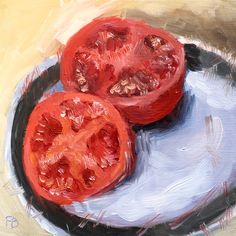
Sarah Ludy
G: A.A.Pr.11.h: Communicate: Analyze and describe the impact that an exhibition or collection has on personal awareness of social and cultural beliefs, and contextual understandings.
A: Open your file up and put the sticky note in front of the opened image. Now.. walk around the room looking at the works you see in front of you. Take them all in. I will give you a number randomly and you will go to that work and write for 5 minutes all that you can that talks about the progress that is being made. Success? Struggle? WHY? Explain yourself. This might start like… Face down with your paper. Leave your sticky note number on the table as you are writing – I am going to collect it. NEW NUMBERS have now been given out… Take your NEW NUMBER and find that artwork. 4 minutes… what messages do you get / feelings do you get from the beginning of this work and the way the artist is using the techniques? Write out your thoughts on the paper in front of you and have evidence to back up your statement.
G: What successes do you find in today’s work? What are you going to be doing next time to make sure you are ready to roll?
G: A.A.Pr.11.h: Communicate: Analyze and describe the impact that an exhibition or collection has on personal awareness of social and cultural beliefs, and contextual understandings.
A: Look back at your THUMBNAIL drawings and your final drawing. What are TWO things that have changed about your composition from the THUMBNAIL STAGE to the final stage? What is successful about the new ideas versus the original ideas?
G: Looking at the THUMBNAIL again and the DRAWING – What positive changes or negative changes have come from the process of drawing? Where can you see the idea of OBSERVATION as being a skill that is worthy of you focusing on?
Intro to painting: Painting and TRYING to WRAP THINGS UP – Today.
G: A.A.Cr.10.h: Investigate: Engage in critical thinking, problem solving, and research through elements and principles of art and design studio practices and processes.
A: Acrylic Painting Techniques. What struggles / success have you had with the materials in the Acrylics? Please be specific in the writing of your thoughts. (HANDBOOK PLEASE).
We are working on the paintings for TECHNIQUES. LEARN THE TECHNIQUES here artists.
G: Well.. What have you accomplished in the full range and processes of painting? Be prepared to identify the techniques and processes you went through in each. ALSO – Be prepared to begin the ideas of the next painting in studio using acrylics and all the skills you have learned.
G: D.D.Cr.12.h: Make Develop unique, well crafted works of art utilizing deliberate choice of media, tools, and techniques.
A: Today you begin to paint the canvas. Where are / what are you going to do to start? Are you going to begin in pencil and go from there? Are you going to work things out in charcoal first? Please make sure that you are painting within the first 20 minutes. NO TIME FOR PLANNING right now. We will do a mid critique at the beginning of next week! Characteristics of Fauvism HERE. Let’s review.
G: Were you able to create NEW MARKS new STARTS? NEW Ideas in the work? If yes – GREAT – How so? If NO – hmmm… – Why Not? What can you do? What techniques are you planning on using in this work that we have learned about? What Color Scheme are you leaning towards to help create a sense of unity and harmony?
Introduction to drawing and printmaking: First three lines DONE and the next 3 lines BEGUN.
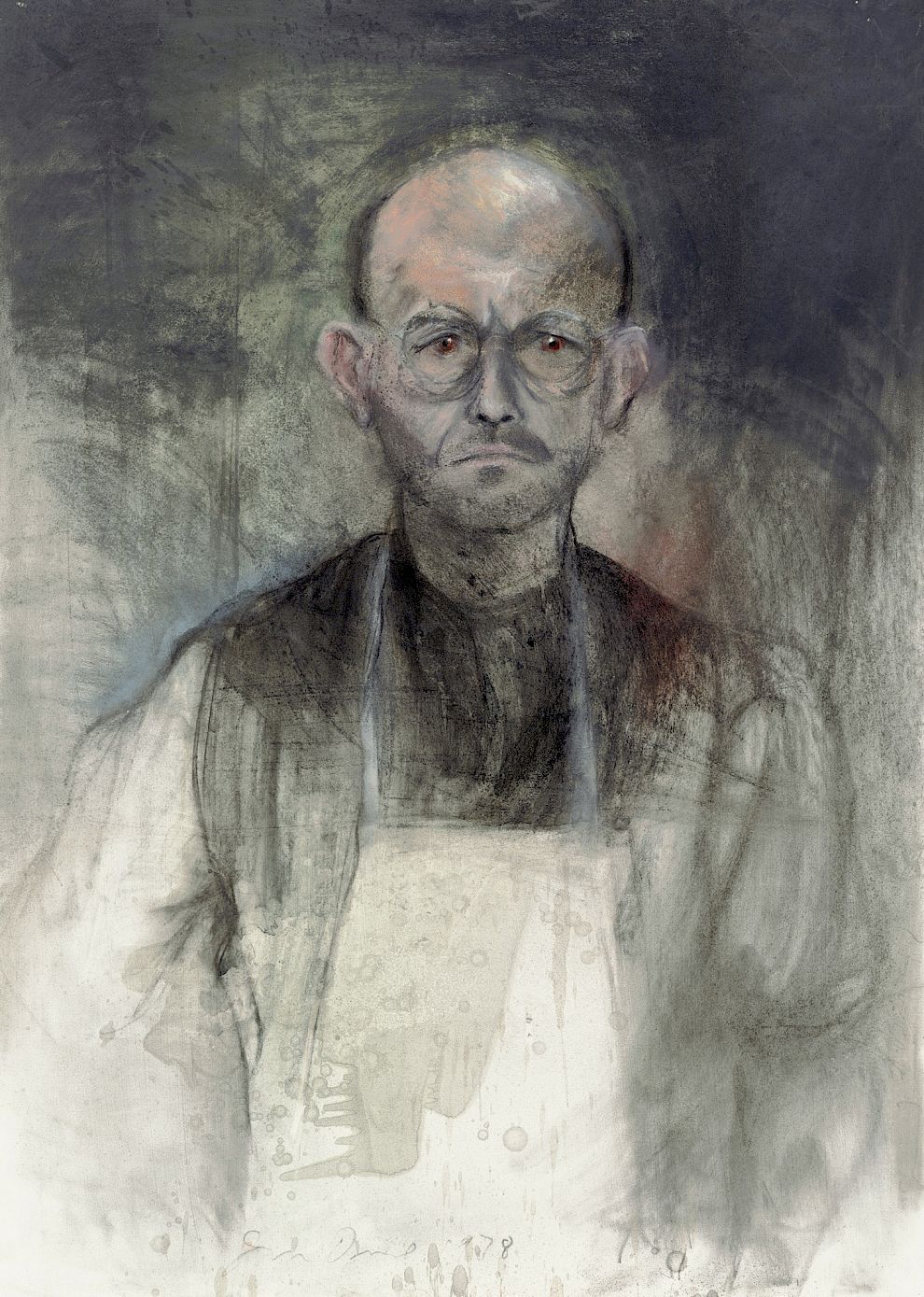
Charcoal Drawing – JIM DINE: Let’s Visit the Show HERE
G: D.D.Cr.12.h: Make Develop unique, well crafted works of art utilizing deliberate choice of media, tools, and techniques.
A: Next time we are doing a MID CRITIQUE and talking about the strengths and struggles we are having with the drawing so far. On the side of the drawing in a blank space – write down today’s date and then write out what your goals are for today. We are going to reflect with a partner at the end of the block.
G: Where are the darkest darks? Where are your brightest brights? Can you see an example of each of the types of mark making and line variation in the work?
German Expressionism at the Museum of Modern Art: HERE
Advanced Digital Art and Photography: What’s YOUR progress?
G: A.A.Pr.11.h: Communicate: Analyze and describe the impact that an exhibition or collection has on personal awareness of social and cultural beliefs, and contextual understandings.
A: Open your file up and put the sticky note in front of the opened image. Now.. walk around the room looking at the works you see in front of you. Take them all in. I will give you a number randomly and you will go to that work and write for 5 minutes all that you can that talks about the progress that is being made. Success? Struggle? WHY? Explain yourself. This might start like… Face down with your paper. Leave your sticky note number on the table as you are writing – I am going to collect it. NEW NUMBERS have now been given out… Take your NEW NUMBER and find that artwork. 4 minutes… what messages do you get / feelings do you get from the beginning of this work and the way the artist is using the techniques? Write out your thoughts on the paper in front of you and have evidence to back up your statement.
G: What successes do you find in today’s work? What are you going to be doing next time to make sure you are ready to roll?
G: A.A.Cr.10.h: Investigate: Engage in critical thinking, problem solving, and research through elements and principles of art and design studio practices and processes.
A: What is the strength in the beginning of the drawing from last time we met? Where do you see BALANCE or IMBALANCE in the composition? Where can you use the ideas of Shading? Cross Hatching or HAtching, Stippling? Scumbling? Line Variation and Quality? Write out 4 plans of action for today in your handbook.
NOTES FOR TODAY!: Fill the page and set up the COMPOSITION before ANYTHING ELSE!
Play me SECOND… LISTEN CAREFULLY – It is hard to hear in some cases…
Sighting In – use your arm and the pencil as measuring devices.
Shhhhh… “We were all focused and not talking. We worked better when we are focused on it.” – One of YOU said this.
No Finger blending.
80% of time is on the looking at the object in front of you and 20% of the time is on the looking at the drawing and drawing
G: What is one thing you are putting into your drawing of the 3D Forms that might be related to the ELEMENTS and PRINCIPLES as the building blocks of Art – things you really need to be aware of AS you are making art.
Intro to painting: Painting and TRYING to WRAP THINGS UP – Today? Next Time?
How are you doing with your mark making?
G: A.A.Cr.10.h: Investigate: Engage in critical thinking, problem solving, and research through elements and principles of art and design studio practices and processes.
A: Acrylic Painting Techniques. What struggles / success have you had now that we are really building up the materials of the paint? Please be specific in the writing of your thoughts. (HANDBOOK PLEASE)
We are working on the paintings for TECHNIQUES. LEARN THE TECHNIQUES here artists.
G: Well… What have you accomplished in the processes of painting? We will work 2 more FULL SESSIONS to resolve your painting. Be prepared to identify the techniques and processes you went through in each.
ADVANCED PAINTING: Gesso and Demo Painting Today.
G: A.A.Cr.12.h: Make: Develop unique, well crafted works of art utilizing deliberate choice of media, tools, and techniques.
A:This is a building and prep day – little time for discussion right now. What do you have to do in order to get this canvas DONE! ET? Work with someone? HElp each other out? IT is a building day! DO NOT FORGET THE REQUIRED WORK for this assignment. Are you going to do an underpainting or tone your canvas? I think it’s a good idea.
G: Did you meet or exceed the goals that you set for yourself today? Talk with your classmate (who is the FURTHEST from you in the studio) share your experience with them.
Introduction to drawing and printmaking: First three lines DONE and the next 3 lines BEGUN.
G: D.D.Cr.12.h: Make Develop unique, well crafted works of art utilizing deliberate choice of media, tools, and techniques.
A: Continuing with the portrait. At this point, where are you in the progress? We are going to spend one more complete period to draw nf then we are going to have a mid critique. LEt us see where you are in the next two sessions. This is an artwork that will capture your inner self as we exaggerate the values and textures and lines. What are you doing to PUSH and CHALLENGE yourself?
G: Where are the darkest darks? Where are your brightest brights? Can you see an example of each of the types of mark making and line variation in the work?
German Expressionism at the Museum of Modern Art: HERE
Advanced Digital Art and Photography: What’s YOUR progress?
G: D.D.Cr.12.h: Make Develop unique, well crafted works of art utilizing deliberate choice of media, tools, and techniques.
A: Step back and look at the work you have accomplished since last time. What are the strengths of the project and where are you struggling? Allow yourself to sit back and think about the process you are going through here. What are your goals today? Set 3 things in mind that you want to accomplish before the bell. Share those with your neighbor and explain how you are going to do it.
G:Did you accomplish the goals? What stopped you? Have you been 100% prepared for your days in the studio or are you making a lot of excuses? Next time we share the progress. Drop a copy of your artwork in the folder in Google Classroom.
G: A.A.Cr.10.h: Investigate: Engage in critical thinking, problem solving, and research through elements and principles of art and design studio practices and processes.
A: What was the biggest challenge you found as you began to draw your objects yesterday?
G: What are 2 difficulties that you had in beginning your drawing today? Remember – DRAWING IS A CHALLENGE – let it be!
Intro to painting: Crit from LAST TIME… where are you now?
: D.D.Cr.12.h: Make Develop unique, well crafted works of art utilizing deliberate choice of media, tools, and techniques.
A: Acrylic Painting Techniques. What plans do you have to utilize the variety of painting techniques that we have studied in the first abstract painting and the current one you are working on? How are you going to put that knowledge and experience to use?
We are working the paintings for TECHNIQUES. PRACTICE THE TECHNIQUES here artists.
G: Well.. What have you accomplished in the processes of painting? We will work 2 more FULL SESSIONS to resolve this painting. Be prepared to identify the techniques and processes you went through in each. What did you do well with as you used the various materials in the paintings today? (HANDBOOK).
Advanced Painting: New Work and canvas build
G: A.A.R.16.h: Describe: Describe the commonalities within a group of artists or visual images attributed to a particular type of art, time frame, or culture.
A: Looking at the images you have collected online… what are some of the commonalities that you have seen in the work of the artists? Look carefully at their use of the elements and principles as they created their paintings. Write out some common ideas that they all shared and share that with your classmate who shares the same artist name you got at the door. Also – share out what your plans are for this project. TODAY WE BUILD!
NOTE: You will have a FULL COLOR RENDERING of your final work in hand before you start to paint. This is good work to be doing AT HOME and OUTSIDE OF THE STUDIO. The CANVASES will be ready to paint on at the beginning of next week!
G: At the end of the day, what have you accomplished? What do you need to do in order to be ready to paint?
Introduction to drawing and printmaking: VALUE and the PORTRAIT
German Expressionism at the Museum of Modern Art: HERE
G: D.D.Cr.12.h: Make Develop unique, well crafted works of art utilizing deliberate choice of media, tools, and techniques.
A: Today we are exploring the pace you are at with the portrait. This was HOMEWORK and I will be checking the work thus far. NAME ON THE BOTTOM of the paper – or top – or side… readable for sure. As I am walking around checking for completion of the contour line drawings, please get out your handbook and write out – week 7 – what were the areas that you were especially happy about and explain why. Where are you struggling in the process and explain why you are having a hard time… how did you resolve the issue? Today… we begin the value in the portrait. Today we add all of the types of mark making we studied in the first weeks. Look back and review the techniques… Where are you going to start? Remember to NOT START DARK! Build up to that. Also… do not just work in ONE AREA at a time – this will cause paralysis as one tends to get caught up in the small details and not think about the larger picture.
G: What was the success in the process today? Do you have a but of value throughout the entire image?
Advanced Digital Art and Photography: What’s Happening with YOUR progress?
G: D.D.Cr.12.h: Make Develop unique, well crafted works of art utilizing deliberate choice of media, tools, and techniques.
A: What are you doing with this work? What programs are you using? What are your plans for the authenticity of the work? Why is this yours and why are you making it? What is the message that you are going to communicate? What are 3 goals for the block today? Answer these questions on the sticky note in full sentences and turn them in.
G: Did you accomplish your goal today? What held you back? Think about where we are going to be in 2 blocks… MID CRITIQUE in 2 BLOCKS. Not next time… but the next time…
#17 Drawing is About Mark Making “Every mark has a distinct character and quality.Every mark is a signature. Variations in pressure and weight is the visual equivalent of intonation. Marks, or lines, of consistent weight or thickness surrounding a figure or object will flatten the image. Tapering or breaking a line in a curve can connote a highlight or make the curve flow. Also, a tentative line will read as such. Give every mark or line authority and make sure it serves a purpose. Try to use only the marks you need.” 101 Things Learned in Art School, Kit White, 2011, MIT Press
D.D.Cr.12.h: Make Develop unique, well crafted works of art utilizing deliberate choice of media, tools, and techniques.
A: STP BACK! Let’s try this again… Open your handbooks to the week 6 page, set up your painting as it is right now, and step back from the composition. Alright… what is jumping out at you IMMEDIATELY that is either working GREAT or is in obvious need of revision? Are you using the exact colors of the objects or are you allowing yourself to be loose with them? Write out your thoughts for the next 4 minutes and 30 seconds.
G: What accomplishments did you have in the work today? What did you take away from the CRIT today? How are you going to be using ET to come in and resolve the work?
G: 2.2Ad: Demonstrate understanding of the importance of balancing freedom and responsibility in the use of images, materials, tools, and equipment in the creation and circulation of creative work.
A: What 3 things are you most pleased with regarding your final work? What did you struggle with? What do you take away from this artwork that you can put into the next artwork? ANSWER THESE THREE QUESTIONS so that you can have something to talk about during your critique.
G: What type of GENRE are you looking to paint in the next FAUVIST work? Landscape, Still Life, or Portrait?
Introduction to drawing and printmaking: Drawing the Portrait with the GRID and CONTOUR Lines
G: D.D.Cr.12.h: Make Develop unique, well crafted works of art utilizing deliberate choice of media, tools, and techniques.
A: Step back and see the progress that you have made… What was your challenge? What was your success? We are moving forward with the portrait and the nose and the mouth today… Not a lot of specifics in teaching, but where do you struggle with the ideas of the nose and mouth?
G: What successes do you find in today’s work? What are you going to be doing next time to make sure you are ready to roll?
Advanced Digital Art and Photography: What’s Happening with YOUR progress?
G: D.D.Cr.12.h: Make Develop unique, well crafted works of art utilizing deliberate choice of media, tools, and techniques.
A: What did you take away from the exercise last time as we looked at the research of your classmates and then the looking at the images of the digital artists from the show “Brushes”?
G: What progress have you made in the beginning of this artwork? What are you looking to do in the next block of studio time?


.jpg)











 Art With Korb


