i can… can you?

“One important key to success is self-confidence. An important key to self-confidence is preparation.”— Arthur Ashe

YES… YOU… CAN! (http://www.wisdomtimes.com/wp-content/uploads/2013/01/Limiting-Beliefs1.jpg)

Art Foundations: Last Day to work on the Colored Pencil Drawings

We are talking about the work you have completed TOMORROW. Let’s preview the thought process… (http://www.heromachine.com/blog/wp-content/uploads/2010/10/Critique_poster_low_res.jpg)

Goals:

  1. 2.6 Work on creating multiple solutions to solve visual challenges.
  2. 2.2 evaluate the effectiveness of artworks.

hat are the most interesting aspects of the artwork that you have created? What do you think you might be able to do in the future with the skills you have developed with the colored pencils? How can you further use those skills in your artwork?

Advanced Drawing: What are you doing? What do you need to take home tomorrow?

“Office at Night” What are the relationships in the figures you see? what about the work is interesting to you? Click on the image for a brief read about the work. (http://www.edwardhopper.net/office-at-night.jsp)

Goals:

  1. 3.4 evaluate and defend the validity of sources for ideas
  2. 3.2 apply subjects, symbols, and ideas in art and use skill to solve visual challenges

What do you hope to accomplish in the creation of this work? What messages are you communicating in this drawing? What are the requirements we have talked about and how are you fulfilling them?

AP Studio Art: Of Sailors and Whales

Van Gogh can create multiple solutions to a single problem… how about you? (https://blog.klm.com/wp-content/uploads/2013/05/Van-Goghs-sketchbook-1.jpg)

Goals:

  1. 1.2 create art that demonstrates an understanding of how your ideas relate to the 1.2.1 materials 1.2.2 techniques 1.2.3 and processes you use.
  2. 2.6 Work on creating multiple solutions to solve visual challenges.

What are the works that need work? What are you doing with the time you are in here? Should I be writing you passes for your study halls? If I am, should I continue?

1, 2, 3, 4, 5, 6, 7, 8, 9, 10, 11, 12

“One important key to success is self-confidence. An important key to self-confidence is preparation.”— Arthur Ashe

Be Confident in yourself! (http://lead2xl.com/quizzes/upload/surveys/878136/images/self-confidence1.jpg)

Art Foundations: Grid Drawing and Chuck Close

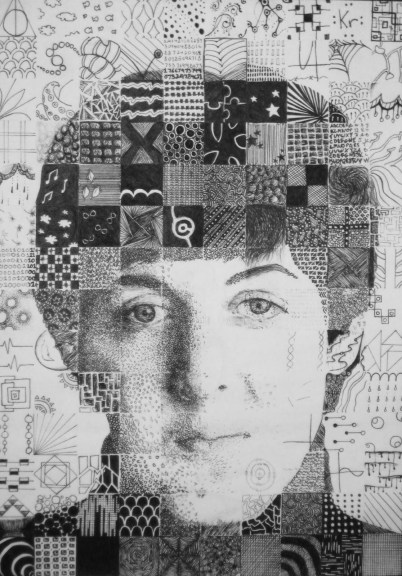
Look at the abstractions and then look at the way it builds Paul McCartney. From Abstract to representational. (https://artwithkorb.com/wp-content/uploads/2013/12/a9e39-may27schoolpics264.jpg)

Goals:

  1. 2.2 evaluate the effectiveness of artworks.

With this evening and one Day of drawing left… what do you need to do in order to finish this work by tomorrow – end of class? How has your day to day work been helping or hindering your work? Recognize the attitude / effort of the day to day work and how it affects the finished product.

Advanced Drawing: Inside and Outside Drawings and Edward Hopper

New York Movie. Click on the image to get more information about the work. (http://www.edwardhopper.net/newyork-movie.jsp)

Goals:

  1. 3.4 evaluate and defend the validity of sources for ideas
  2. 3.2 apply subjects, symbols, and ideas in art and use skill to solve visual challenges

What do you hope to accomplish in the creation of this work? What messages are you communicating in this drawing?

AP Studio Art: Crit – QUICK and then WORK on Concentration / “Of Sailors and Whales”

This is an image from “The Armed Man” from Mr. Machan’s Choice concert a few years back. What are you going to do with “Of Sailors and Whales.”

Goals:

  1. 1.2 create art that demonstrates an understanding of how your ideas relate to the 1.2.1 materials 1.2.2 techniques 1.2.3 and processes you use
  2. 2.6 Work on creating multiple solutions to solve visual challenges.

What are the works that need work? What are you doing with the time you are in here? Should I be writing you passes for your study halls? If I am, should I continue?

Even Superheroes need to build their self-confidence.

“One important key to success is self-confidence. An important key to self-confidence is preparation.”— Arthur Ashe

Superkid (http://www.thechangeblog.com/wp-content/uploads/2008/12/self-confidence.jpg)

Art Foundations: Presentation by Ai and Drawing in the Grids

Mr. close taking a look at the process so far. Maybe he DOES look at it from a distance (http://artkaleidoscope.org/site1/akfgraphics/photos/close-painting.jpg).

Goals:

  1. 3.3 Know about the creation of images and explain why they are of value.
  2. Evaluate works of art.

Put your works up on the CHALKBOARD, step back, and look at them all. What is GREAT and WHY? Where are the challenges and WHY? The critique is not about the person but about the work in front of you.

Advanced Drawing: Inside / Outside Compositions

“Automat” by Edward Hopper! What is going on here? Click on the image to see it up close and personal. (http://www.edwardhopper.net/images/paintings/automat.jpg)

Goals:

  1. 1.1 apply media, techniques, and processes with 1.1.1 skill 1. 1.3 and awareness so that your ideas are executed well.
  2. 3.2 apply subjects, symbols, and ideas in art and use skill to solve visual challenge.

What’s working and what is not? Where have you struggled in this drawing so far? What is your RUBRIC looking like?

AP Studio Art: Ai Presentation

Preparation is a key to self-confidence.

“One important key to success is self-confidence. An important key to self-confidence is preparation.” — Arthur Ashe

Meow! (http://dflorack.files.wordpress.com/2013/06/self_confidence.jpg)

Art Foundations: Color and Create Artwork with the GRID method!

Mr. close taking a look at the process so far. Maybe he DOES look at it from a distance (http://artkaleidoscope.org/site1/akfgraphics/photos/close-painting.jpg).

Goals:

  1. 3.3 Know about the creation of images and explain why they are of value.
  2. Evaluate works of art.

Put your works up on the CHALKBOARD, step back, and look at them all. What is GREAT and WHY? Where are the challenges and WHY? The critique is not about the person but about the work in front of you.

Advanced  Drawing: Inside / Outside Drawings – How’s it going?

“Automat” by Edward Hopper! What is going on here? Click on the image to see it up close and personal. (http://www.edwardhopper.net/images/paintings/automat.jpg)

Goals:

  1. 1.1 apply media, techniques, and processes with 1.1.1 skill 1. 1.3 and awareness so that your ideas are executed well.
  2. 3.2 apply subjects, symbols, and ideas in art and use skill to solve visual challenge.

What’s working and what is not? Where have you struggled in this drawing so far? What is your RUBRIC looking like?

AP Studio Art: Critique and Concentration Work

Let’s sit back and talk… (http://www.uarts.edu/sites/default/files/imagecache/audience_slide/images/fineartcrit.jpg )

Goals:

  1. 2.2 evaluate the effectiveness of artworks.
  2. 3.3 describe the creation of images and ideas and explain why they are of value.

What was difficult about this project? What have you learned and what are you going to take into the next work?

What can you do? ANYTHING! (Except fly and turn into a robot.)

“Never tell a young person that anything cannot be done. God may have been waiting centuries for someone ignorant enough of the impossible to do that very thing.” — John Andrew Holmes

You CAN do anything… you just have to DO IT!

Art Foundations: Color Scheme Drawing and CHUCK CLOSE Video.

Goals:

  1. 1.4 Initiate, define, and solve challenging visual arts problems using skills of (1.4.1) analysis (.2) synthesis (.3) evaluation.
  2. Identify the intentions and purposes behind making art.

How do you feel that your abilities to make art, based on observation were helped by the process of using the grid? What has held you back… where do you see that you can focus on improving (how do you see that you can focus on improving, in the creation of your artwork?

Advanced Drawing: Interior / Exterior Portrait – Rubric online AND National Gallery of Art

Morning Sun… How can you use this idea to focus on YOUR ideas?

Goals:

  1. 1.4 Create, define, and solve visual challenges using 1.4.1 Analysis and 1.4.3 Evaluation.
  2. 6.1 compare aspects of the visual arts with aspects of other disciplines through Mathematical Ratios and Transferring images / blending colors.

What was the most challenging thing about buyilding your ideas? What drew you into the work by Edward Hopper? What challenges do you fear with this work? What is most important about drawing when it comes to observation and photographic references?

AP Studio Art: Art and Fear – Of Sailors and Whales

Now what do we do with it?

Review the CONCENTRATION works you have developed at this point and answer (online) the two questions for the PORTFOLIO. One on one discussions with me about the works.

Goals:

  1. 5.3 describe rationale of breadth works by analyzing 5.3.1 techniques (WHAT IS THE ELEMENT / PRINCIPLE that you are focused on?).
  2. What are YOUR PERSONAL GOALS?

What did you accomplish today? What was your biggest accomplishment this week

Hey CHUCK… Look CLOSE at your skills and attitude… you CAN do ANYTHING!

“Never tell a young person that anything cannot be done. God may have been waiting centuries for someone ignorant enough of the impossible to do that very thing.” — John Andrew Holmes

Go Puppy – You Can Do IT!

Art Foundations: Grid Drawings and Ratios

How can you use the individual squares to help create interest in the final product? (Student Work).

Goals:

  1. 1.2 Create art that demonstrates an understanding of how your ideas relate to the techniques (colored pencil layering and blending) and process (grid and drawing) you are using.

With one week of drawing for this work, what do you need to do in order to make strong progress in this project? How has your day to day work been helping or hindering your work? Recognize the attitude / effort of the day to day work and how it affects the finished product

Advanced Drawing: Edward Hopper and Portraits Hopper Exhibition at the Whitney AND National Gallery of Art

Edward Hopper, American (1882–1967) Nighthawks, 1942 Friends of American Art Collection, 1942.51 The Art Institute of Chicago Photography © The Art Institute of Chicago (http://www.nga.gov/exhibitions/2007/hopper/hopperinfo-lg.jpg)

Goals:

  1. 1.4 Initiate, define, and solve challenging visual arts problems using skills of evaluation (What’s the imagery? What are you saying about yourself? How are we reading that? Why is it successful?.
  2. Identify the intentions and purposes behind making art.

AP Studio Art: One on One to resolve grades – Of Sailors and Whales /Art and Fear

WOW – What a great image! What’s your image coming along like? Have you listened to the music? (http://cdnimg.visualizeus.com/thumbs/f9/c9/painting,sea,ship,whale,texture,colour-f9c9c79e20a7112c9269778b6f6928ba_h.jpg?ts=93246)

Goals:

  1. 3.1 reflect on how your art differs (from your classmates) and describe how it relates to the BREADTH you have.
  2. 3.3 describe the creation of your images and ideas and how they work with your concentration.

What is the biggest challenge you see in the process of developing and making more than one artwork at a time? What is working to help be productive?

What are the self imposed limits you have?

“Never tell a young person that anything cannot be done. God may have been waiting centuries for someone ignorant enough of the impossible to do that very thing.” — John Andrew Holmes

Remember this. (http://roimediadirect.com/NoLimitsAward/wp-content/uploads/2012/04/no-limits-logo.jpg)

Art Foundations: Color Scheme Drawings in Colored Pencil

Can you see the GRID? (http://farm6.staticflickr.com/5244/5309789988_abfbde9d3b_z.jpg)

Goals:

  1. 4.4 Evaluate and interpret art for its relationship in meanings showing understanding of the work of various art professionals (how different artists make different works).
  2. 6.1 compare aspects of the visual arts with aspects of other disciplines through Mathematical Ratios and Transferring images / blending colors

How do you see the work you are creating now improving or being more successful than the work you have done in the past? Do you REALLY think you are taking the time in drawing (sketchbooks) as being more thought out? Are you using techniques from our class elsewhere in your day-to-day making  of objects?.

Advanced Drawing: Self – Portrait Preliminary Drawings

Where might you want to be located? (http://cdn.dailypainters.com/paintings/self_portrait___magritte__interior_painting_by_k_m_interiors__still_life__0ba270a35bf03ee131073dc704debad5.jpg)

Goals:

  1. Identify the intentions and purposes behind making art.
  2. Create multiple solutions to visual challenges (of your self portrait!)

What was the most challenging way to draw? Why was this most difficult way to go? How OFF were you from the original that you drew from your memory? What is most important about drawing when it comes to observation?

AP Studio Art: Art and Fear / Of Sailors and Whales / Body of Work

One on One discussions with Mr. Korb about the past 6 weeks of works please. Let’s get caught up and share our ideas.

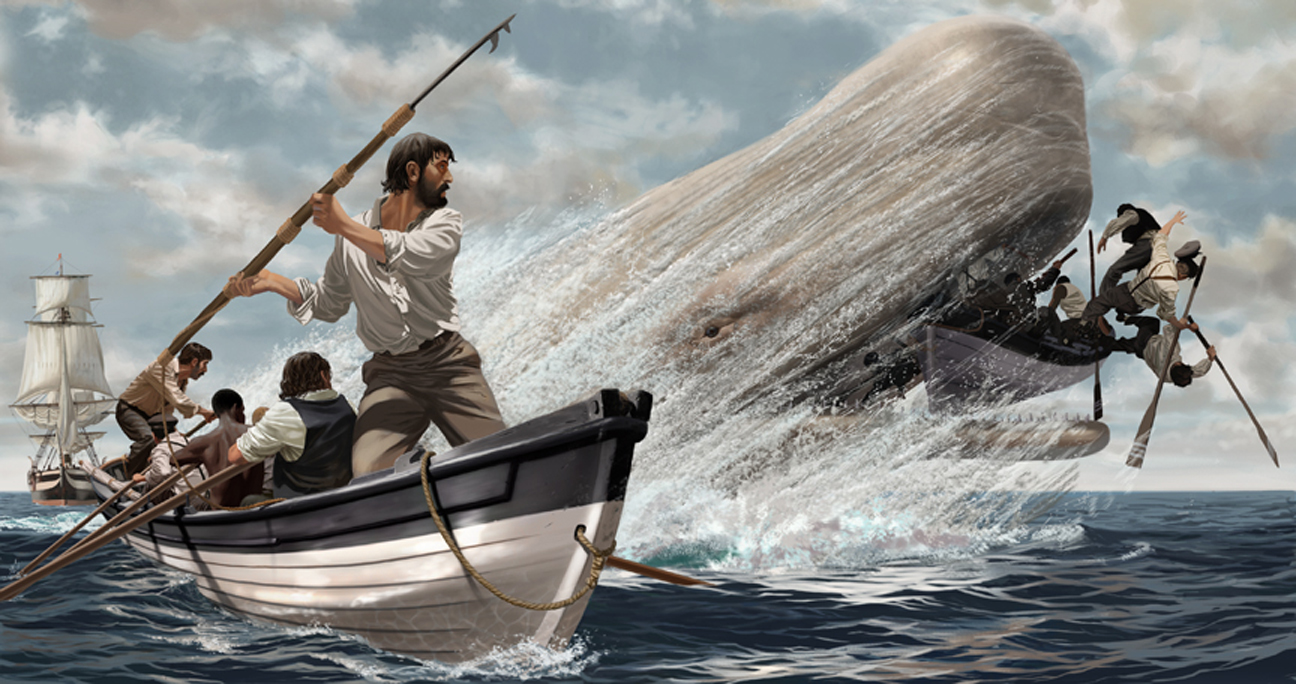
Oh No… a real big fish! (http://www.todayifoundout.com/wp-content/uploads/2011/12/Moby-Dick-3.jpg)

Goals:

  1. 3.1 reflect on how your art differs and describe how it relates to the Breadth you have begun.
  2. 3.3 describe the creation of your images and ideas and how they work with your breadth work.

Review the BREADTH works you have developed at this point and compare your thoughts with your classmates.

When Mr. Korb is Away, the Artists Work REALLY hard!

“Never tell a young person that anything cannot be done. God may have been waiting centuries for someone ignorant enough of the impossible to do that very thing.” — John Andrew Holmes

But you CANNOT fly or turn into a ROBOT. (http://fc02.deviantart.net/fs70/i/2010/224/d/1/You_Can_Do_Anything_by_Faceless_Fantasy.png)

Art Foundations: Grids and Math

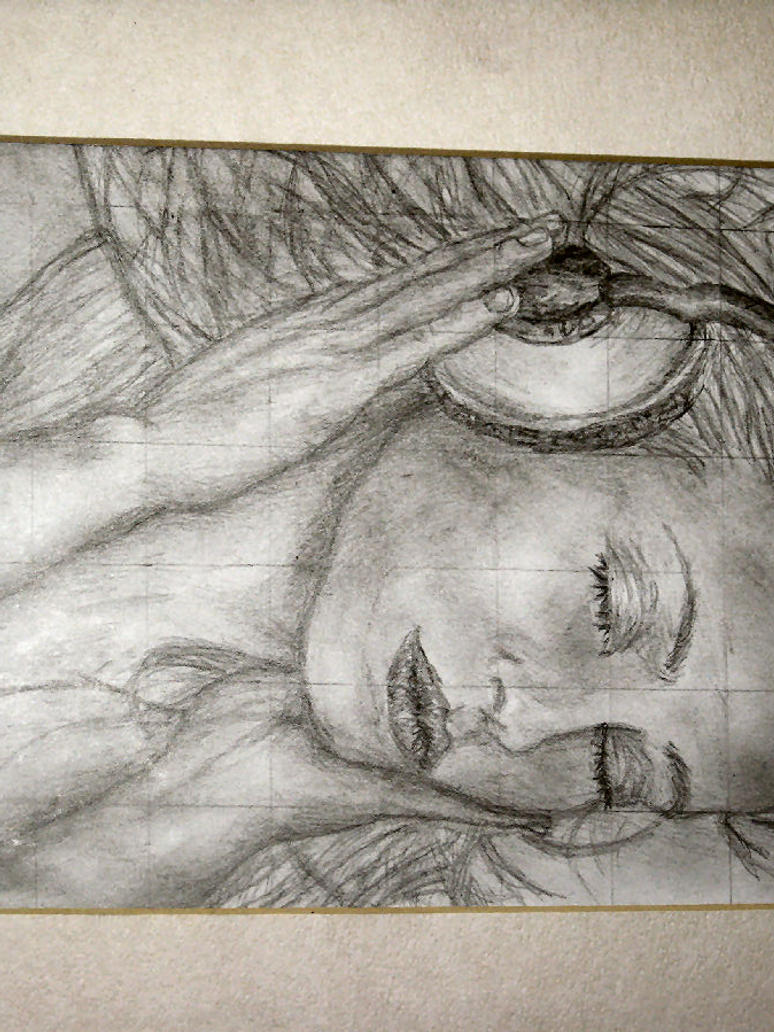
Drawn from a GRID and a PHOTO (http://th00.deviantart.net/fs29/PRE/f/2008/128/d/0/Grid_Drawing___Headphones_by_vampyremuffin.jpg)

Goals:

  1. 1.2 Create art that demonstrates an understanding of how your ideas relate to the techniques (colored pencil layering) and process (grid and drawing) you are using.
  2. 6.1 compare aspects of the visual arts with aspects of other disciplines through Mathematical Ratios and Transferring images

What are the challenges you have been having with this process? What colors have you begun using and how easy / hard has this been for you?. Did you need or offer help from / to a classmate? Collaboration is ESSENTIAL to solving problems.

Advanced Drawing: One more day to practice the FACE!

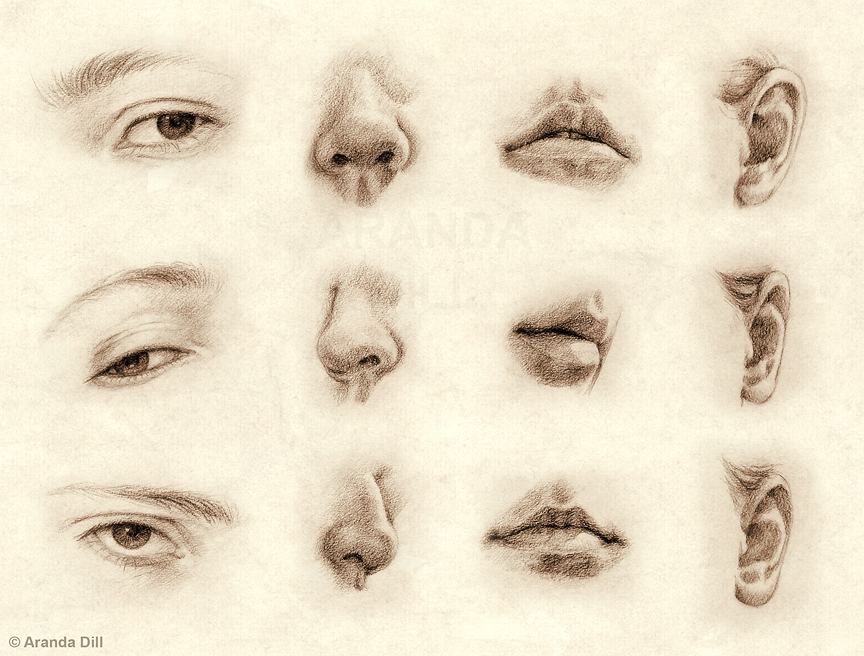
Facial Features… but YOU draw the entire face. Watch and Look… Impress me so we aren’t starting back at individual features. (http://fc03.deviantart.net/fs71/f/2011/340/7/a/facial_features_by_arandadill-d4ib357.jpg)

Goals:

  1. 1.4 Initiate, define, and solve challenging visual arts problems using skills of (1.4.1) analysis (.2) synthesis (.3) evaluation.
  2. (5.1) Identify the intentions and purposes behind making art.

What interests you? What sorts of locations are you comfortable in? What sorts of locations make you uncomfortable? What did you do today that brought the work to a place where you can understand what is going to happen?

AP Studio Art: Art and Fear, Website too…

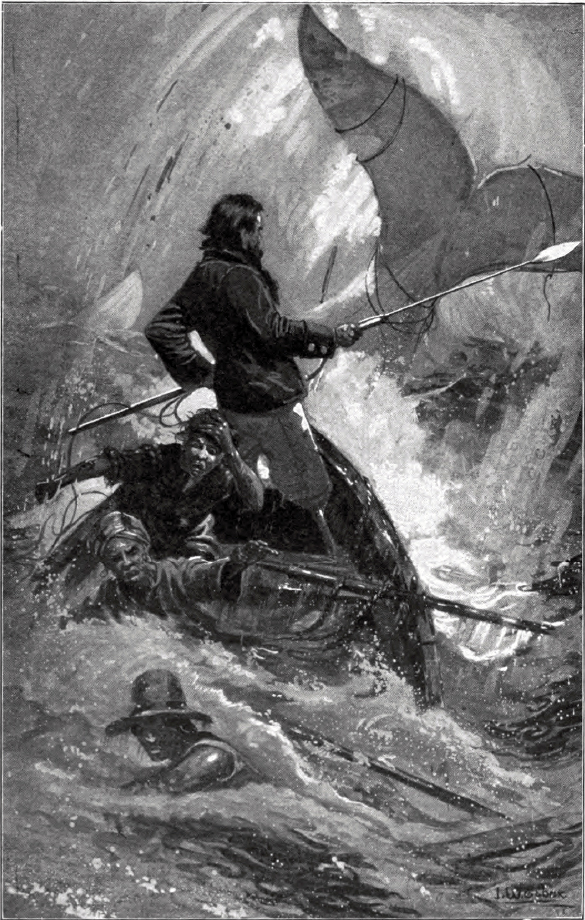
Thar She Blows! (http://upload.wikimedia.org/wikipedia/commons/8/8b/Moby_Dick_final_chase.jpg)

Goals:

  1. 2.6 create multiple solutions to visual challenges that show understanding in relationships between composition and meaning of artwork
  2. 6.1 compare aspects of the visual arts with aspects of other disciplines by being inspired by  music and text.

On your goal sheets…Think about your Art and Fear image and how it is coming. Also please consider the website you have been working on and think about how you are doing. If you need to make changes to your site – make sure you are making the changes. Are you ANY CHAPTERS behind in the Art and Fear Book? Make sure you are up to speed there. Take the last 5 minutes to talk with your neighbors about the meaning of your Art and Fear works – if you are struggling – ASK QUESTIONS and LISTEN to the conversations.

What do you want to accomplish? Well… set your Goals and GO FOR IT!

“Never tell a young person that anything cannot be done. God may have been waiting centuries for someone ignorant enough of the impossible to do that very thing.” — John Andrew Holmes

Art Foundations: Math and Art – Grids and Ratios

Can you see the underlying grid? We are going to make SURE you can in our drawings. (http://teacherscount.files.wordpress.com/2011/04/in-flight.jpg)

Goals:

  1. 3.2 Apply ideas in art and use skill to solve visual challenges.
  2. 6.1 compare aspects of the visual arts with aspects of other disciplines through Mathematical Ratios and Transferring images / blending colors.

What is the color scheme you are using – label on the bottom of the page. What is the reason you have chosen the image you have chosen? Share image with your classmate and explain the process of measuring and transferring image.

Advanced Drawing: Faces – Let’s begin with the Mouth

Pucker Up Sunshine! (http://www.methodsofhealing.com/files/2009/04/cherry-lips.jpg)

Goals:

  1. 1.4 Initiate, define, and solve drawing the lips through using .4.1) analysis (.2) synthesis (.3) evaluation
  2. . Identify the intentions and purposes behind making art.

What was the most challenging way to draw? Why was this most difficult way to go? How OFF were you from the original that you drew from your memory? What is most important about drawing when it comes to observation?

AP Studio Art: “Of Sailors and Whales”

“Call me Ishmael” – Herman Melville, “Moby Dick” (http://cdn.mhpbooks.com/uploads/2013/04/moby-dick.jpg)

Goals:

  1. 2.6 create multiple solutions to visual challenges that show understanding in relationships between composition and meaning of artwork
  2. 6.1 compare aspects of the visual arts with aspects of other disciplines by being inspired by music and text.

What is your plan for accomplishing this one work in the short time allowed? What was the struggle you had in the past 2 weeks creating 2 works? What struggled? What soared? What will you have to do to adjust your working schedule.

Friday is here and the time is right – for not being overwhelmed by all that I still have to do!

“When you do nothing, you feel overwhelmed and powerless. But when you get involved, you feel the sense of hope and accomplishment that comes from knowing you are working to make things better.” — Zig Ziglar

Ugh… (Thanks: http://www.takingfitnessfurther.com/wp-content/uploads/2013/02/overwhelmed2.jpg)

Art Foundations: Color Schemes and Enlarging images with a Grid

Picasso was a cheery ol fellow… during his ROSE period. (http://www.dailyartfixx.com/wp-content/uploads/2010/10/Acr%C3%B3bata-y-joven-arlequ%C3%ADn-Pablo-Picasso-Rose-Period-1905.jpg)

Goals:

  1. 1.4 Define and UNDERSTAND the color schemes and using analysis (what are the colors that we, as painters / drawers use to make all the other colors? How have we broken the colors down into groupings and relationships?)
  2. 1.2 Create art that demonstrates an understanding of how your ideas relate to materials and technique (grid / viewfinder / magazine advertisements with photographs – no cartoons or drawings).

What is the difference in dyes and pigments? What color scheme would it be if… COLOR SCHEME GAME SHOW AGAIN! Prizes and the like!

Advanced Drawing: Gesture Drawings – Once more we go creeping on the unsuspecting public

Let’s make ONE image that carries MANY figures across the page. demonstrate movement! (http://th03.deviantart.net/fs10/PRE/i/2006/132/9/d/Gesture_Drawings__Yoga_Steve_by_WingedIllusion.jpg)

Goals:

  1. 1.4 Define, and solve QUICK and UNAWARE FIGURES through GESTURE DRAWINGS using skills of (1.4.1) analysis (.2) synthesis and  (.3) evaluation.

With your neighbor and in your journal… what did you feel about the process of Gesture Drawing? How do you think it might help you prepare yourself for the figure? What was FUN? What was challenging?

AP Studio Art: Website Development, Art and Fear.

Easier than you think? (http://www.blackfin.org/wp-content/uploads/2013/11/39.jpg)

Goals:

  1. 5.3 describe rationale of breadth works by analyzing 5.3.1 techniques (WHAT IS THE ELEMENT / PRINCIPLE that you are focused on?). What are YOUR GOALS?

What have you accomplished this week? What are the major artworks that are still in need of weekend work? Are you thinking about the GROWTH of your CONCENTRATION or are you just going through the motions? Process!