Join me as we talk about the ideas of bringing ART into the classroom! Whether you are pk4, 5-8, 9-12, Admin, Support Staff, Students, School Board, parents, uncles, aunts, grandparents, artists and non-artists… the list goes on… join us at 7:00CST on Twitter. Search #NoVaEdChat and join the conversation.
Share your favorite work of art that you have seen or experienced…
Me…
William DeKooning, Woman I, 1950 – 1952.
DeKooning’s Woman I, MoMA.s Woman I http://www.moma.org/collection_images/resized/837/w500h420/CRI_174837.jpg
1.1 Ad: Visualize and hypothesize to generate plans for ideas and directions for creating art and design that can affect social change.
Yesterday’s BEGINNINGS – how are you all using the ideas from the collaborative work and put it to use in the collaborative work?
What is working? What is a struggle in the planning process? How are you all going to contribute to the FINAL WORK to be installed? What is the LARGER topic that you are hoping to communicate in the work?
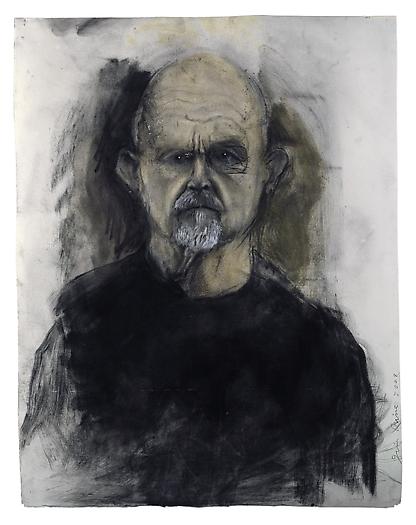
Advanced Drawing: Self Portrait Time – You are on your own!
NATIONAL PORTRAIT GALLERY – Visit it via Google HERE and the .org site HERE.
1.2Ad: Choose from a range of materials and methods of traditional and contemporary artistic practices, following or breaking established conventions, to plan the making of multiple works of art and design based on a theme, idea, or concept.
What have been two of your biggest struggles with the ideas and execution of the portrait? Self-Portrait or other… PLEASE DO NOT FORGET ABOUT THE IDEA OF PROCESS!
Write out three strengths of your ideas today, two challenges in your ideas, and one message you might communicate with your portrait.
2.1Ac: Through experimentation, practice, and persistence, demonstrate acquisition of skills and knowledge in a chosen art form.
What is a color that POPS into your mind as you have spoken with and talked to your classmate? Why do you see that color as being something that represents them?
What was ONE accomplishment you made today in the process of the drawing? How have you felt about the PROCESS and MEANING in the work?
NETS: Critical Thinking, Problem Solving, and Decision Making – Students use critical thinking skills to plan and conduct research, manage projects, solve problems, and make informed decisions using appropriate digital tools and resources.
What do you KNOW about using GOOGLE DRIVE? What classes are you currently / have in the past used Google Drive (or other CLOUD based platforms)?
What struggles did you have with the ONLINE programs? What came easy?
HERE is the Photography rubric we are using. Today you are going to need to SHARE the FILE with me. Please make sure the TITLE of the file is HourNamePhotography (ie: 3 Simpson Photography).
HERE is the GROUP SLIDESHOW that we will ALL put our BEST image from the rubric into and share!
3.1P: Apply relevant criteria from traditional and contemporary cultural contexts to examine, reflect on, and plan revisions for works of art and design in progress.
What are three ways you have changed your thinking about the MAKING of PHOTOGRAPHS versus TAKING PICTURES? – TODAY – FOCUS ON FIGURES and PEOPLE!
HERE is the rubric we are going to use tomorrow. If you are interested and want to try and get a head start – go ahead and SAVE A COPY to your Google Folder (is your are using your school google account it is firstname.lastname@students.waterforduhs.us and then your password is whatever gets you logged into the school computers). Read the instructions and go for it. I will walk you all through it tomorrow. you CAN’T break it.
What FIVE compositions have you found and made – ready to upload to the computer on Tuesday?
Happy Sunday Morning! You get a couple of EXTRAS this weekend with the AP and Advanced Drawing of yesterday and the Drawing of today. Drawing students require a bit of direction with a bit of freedom and a lot of challenge. The ideas that support these works lie around the ideas of realism in the proportions of the face but the WILD BEAST of the color. WILD BEAST also comes into play in the skills and meaning behind the works of graffiti artists. While I do not propose nor support the ideas of defacing the property of others (which was of hot discussion in the classroom) the imagery and meaning behind the work is wonderful. Please enjoy the imagery and see if you can flush out the meanings behind the work.
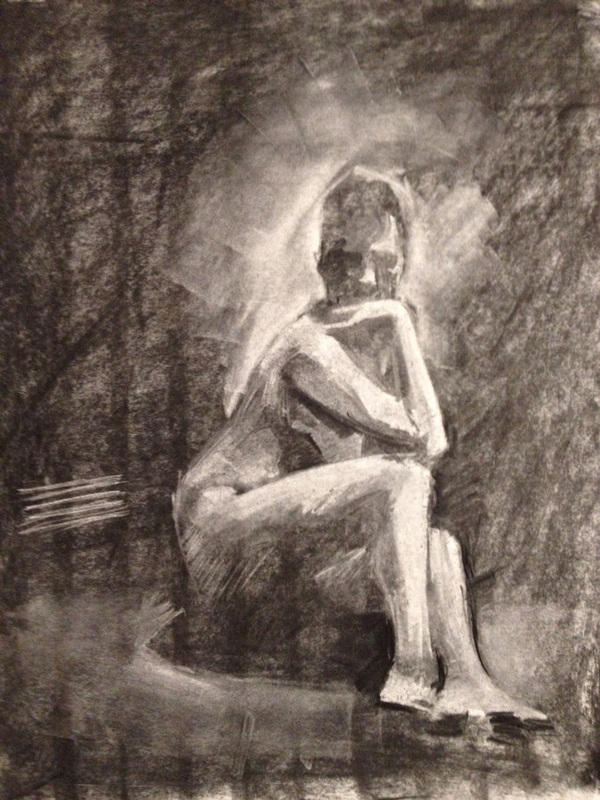
HAPPY Saturday. A few images of the studio artists working and looking carefully and making a lot of corrections. Good example of hard work and many days of erasing. Thanks to the inspiration and common teaching of Kim Dine and his timeless movie All About Looking.
Cheyenne, Riley, Ambria, Frank, Miah, and Sean – way in the back… working on their drawings of our model McKayla.
Miah and Mikayla and WAY across the room, Morgan.
From WAY in the back: Alex, Danielle, Brayden, Matt, Trevor, and Morgan.
“Never tell a young person that anything cannot be done. God may have been waiting centuries for someone ignorant enough of the impossible to do that very thing.” — John Andrew Holmes
Observation (80% – 92% time looking), Guidelines, Concentration, Slow Drawing
Focus on the figure, Proportions, Scale, Sighting In
Full Page, Composition
2.1Ad: Experiment, plan, and make multiple works of art and design that explore a personally meaningful theme, idea, or concept.
RESOLUTION of the figure drawing is MONDAY. What are three strengths that are happening in your drawing? How are you going to build on those strengths and develop the final drawing?
Step back – how did it turn out? Give a thought here – think about your work and step back with pride in the process.
NETS: Critical Thinking, Problem Solving, and Decision Making – Students use critical thinking skills to plan and conduct research, manage projects, solve problems, and make informed decisions using appropriate digital tools and resources.
What have you found DIFFICULT about using WUHS as the setting for your Photographs? Know that it is all about the FRAMING of the Photograph. It doesn’t matter the subject – it is the composition…
What is the STRONGEST of your photographs and WHY? Please explain your comments in ONE SOLID 11 word sentence!
“Never tell a young person that anything cannot be done. God may have been waiting centuries for someone ignorant enough of the impossible to do that very thing.” — John Andrew Holmes
2.1Ad: Experiment, plan, and make multiple works of art and design that explore a personally meaningful theme, idea, or concept.
Larger Drawing Goals:
Observation (80% – 92% time looking), Guidelines, Concentration, Slow Drawing
Focus on the figure, Proportions, Scale, Sighting In
Full Page, Composition
AP and AdDraw: How did looking at the video yesterday give you a new insight / appreciation for the process of drawing?Today – a FULL period on the work and NOT having to erase it may help you move the process forward. Are you still afraid of erasing as you progress through your drawing?
AP and AdDraw: What are you struggling with in the drawing today? What HELD YOU BACK?
July 4th Camper, Yosemite Valley copyright Ted Orland. My Friend Ted Orland’s Photograph – Great guy!
GOALS:
1.2P: Shape an artistic investigation of an aspect of present-day life using a contemporary practice of art or design.
What stories could you tell using a camera that documents your present-day life? What could you do to make an everyday “boring” part of the day interesting and inviting? Let’s use today in the hallway to “Document” some of what you might do in the hallway.
What did you do with the camera to make the BORING interesting? Remember – it is not the subject that makes an interesting image, it is the composition. July 4th Camper, Yosemite Valley copyright Ted Orland.
“Never tell a young person that anything cannot be done. God may have been waiting centuries for someone ignorant enough of the impossible to do that very thing.” — John Andrew Holmes
2.1Ad: Experiment, plan, and make multiple works of art and design that explore a personally meaningful theme, idea, or concept.
Larger Drawing Goals:
Observation (80% – 92% time looking), Guidelines, Concentration, Slow Drawing
Focus on the figure, Proportions, Scale, Sighting In
Full Page, Composition
AP and AdDraw:
SMILE — NO ERASING TODAY! How relieved (and WHY) are you feeling about that? What is ONE STRONG DRAWING LESSON you learned from the process we went through over the past three days?
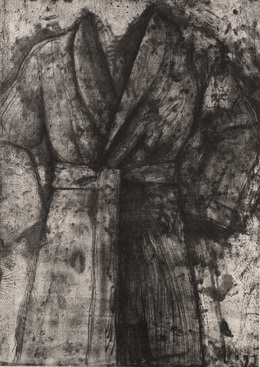
AP and AdDraw: What lesson did you learn from Jim Dine that Mr. Korb hadn’t taught you or told you? New information? Mr. Korb wants to know so he can teach it later! Stickynote on the chalk board before you leave!
Communication and Collaboration – Students use digital media and environments to communicate and work collaboratively, including at a distance, to support individual learning and to the learning of others.
What is successful in your artwork? What is the color scheme you are using? Share this with your neighbor. NOTE: We are going to
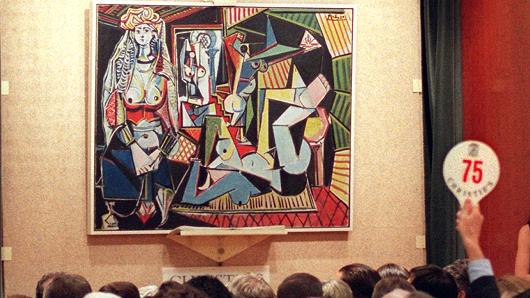
New Record for painting… 179 million dollars. Picasso’s Women of Algiers. HERE
Women of Algiers CNBC May 11, 2015
“Never tell a young person that anything cannot be done. God may have been waiting centuries for someone ignorant enough of the impossible to do that very thing.” — John Andrew Holmes
2.1Ad: Experiment, plan, and make multiple works of art and design that explore a personally meaningful theme, idea, or concept.
Richard Diebenkorn Drawing. LAYERS and PROCESS
Larger Drawing Goals:
Observation (80% – 92% time looking), Guidelines, Concentration, Slow Drawing
Focus on the figure, Proportions, Scale, Sighting In
Full Page, Composition
AP and AdDraw: How angry were you MONDAY when you were asked to erase the drawing you spent time on Friday? How do you feel NOW knowing that… it is time to erase? Yes – I said it – Erase the Drawing.
AP and AdDraw: What was the PROGRESS that you made in the drawing today? How did the third erasing help you move it forward today?
Drawing: Get BACK to the Drawing – This last day! CHECK OUT THE CRIT WAY DOWN ON THE PAGE – TOMORROW in class!
1.1Ac: Individually or collaboratively formulate new creative problems based on student’s existing artwork.
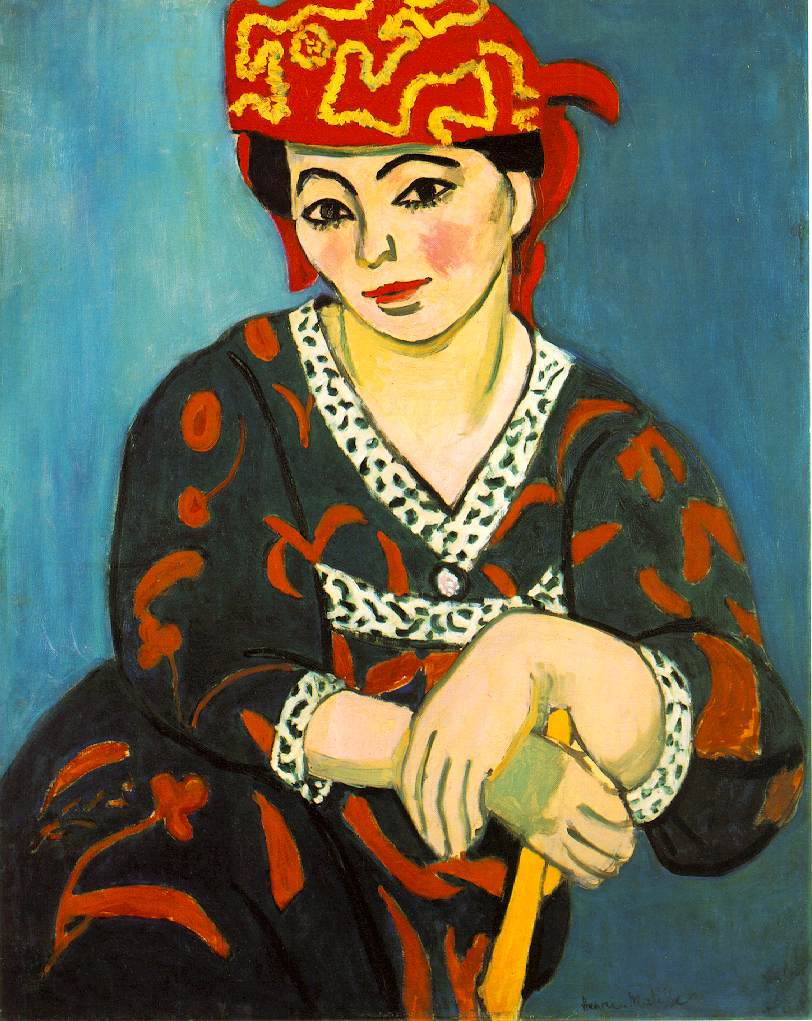
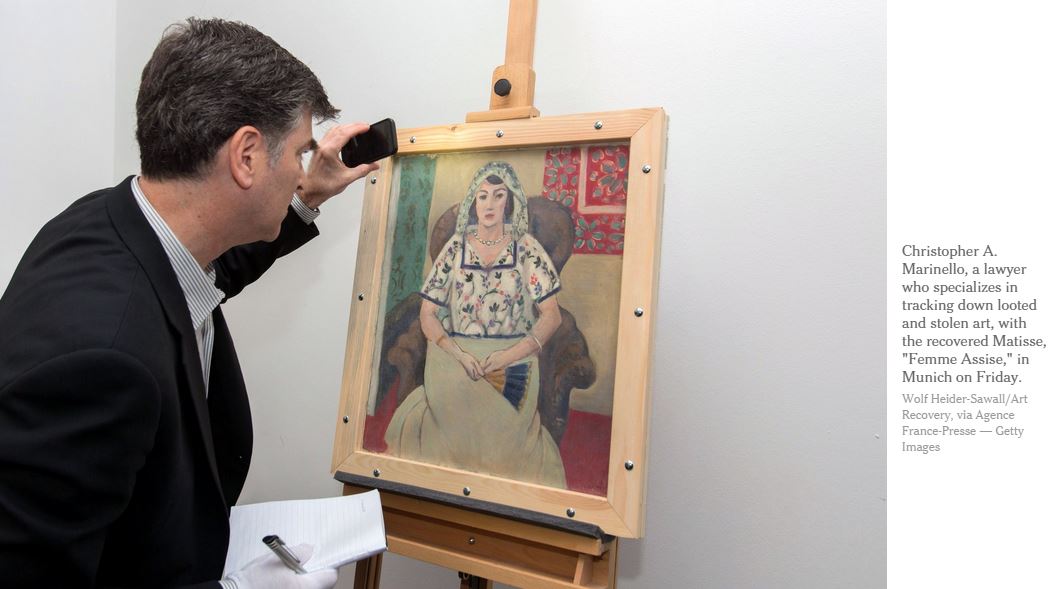
How does this painting by Matisse look different than the previous work we saw? What are aspects of the FAUVISTS that you are REALLY getting your brain around in this drawing?
What was the most challenging aspect of this drawing for you to draw? Why was this most difficult way to go? What is most important about drawing when it comes to observation?
Studio Art 360: Let’s look at COMPOSITIONS and Photographs
7.2P: Analyze how one’s understanding of the world is affected by experiencing visual imagery.
Of the images you collected YESTERDAY, what do you think the photographers from National Geographic were trying to explain to the readers that looked at and read about the photograph? What is a STORY that you could make up about the guy in the picture above? Interpretation?
Of all the images you have collected, and all the work you have EVER CREATED, what type of composition do you feel that you have used the most? Why has this been your approach?
“Never tell a young person that anything cannot be done. God may have been waiting centuries for someone ignorant enough of the impossible to do that very thing.” — John Andrew Holmes
AP Studio ArtandAdvanced Drawing: RELAX and FIGURE DRAW
2.1Ad: Experiment, plan, and make multiple works of art and design that explore a personally meaningful theme, idea, or concept.
Larger Drawing Goals:
Observation (80% – 92% time looking), Guidelines, Concentration, Slow Drawing
Focus on the figure, Proportions, Scale, Sighting In
Full Page, Composition
AP and AdDraw: How angry were you last Friday when you were asked to erase the drawing you spent time on Thursday? How did you feel AFTER you were told the rationale for the erasing?
AP and AdDraw: How does your drawing look in your own eyes? What did the process of ERASING the image in the beginning do for you?
Drawing: Get BACK to the Drawing – These last two days! CHECK OUT THE CRIT WAY DOWN ON THE PAGE – End of TODAY!
1.1Ac: Individually or collaboratively formulate new creative problems based on student’s existing artwork.
Take a look at your previous day’s work – where did you struggle the most with the idea of the portrait? Where did you succeed the most? How do you use the ideas of chiaroscuro to better define the ideas of form (in the face especially)?
What was the most aspect of the drawing for you? Why was this most difficult way to go? What is most important about drawing when it comes to observation?
Studio Art 360: Let’s look at COMPOSITIONS and Photographs
Bernd and Hilla Becher (German, established 1959 (partnership); 1931–2007 (Bernd); b. 1934 (Hilla). Water Towers (Cylindrical), 1978. Photography and you! We’re going to be working on photography soon. http://collection.mam.org/vmedia/tms768/r_m1984_117.jpg








 Art With Korb