If you can’t fly then run, if you can’t run then walk, if you can’t walk then crawl, but whatever you do you have to keep moving forward.”― Martin Luther King Jr.
4.3 compare relationships in visual art in terms of 4.3.1 history, 4.3.2 aesthetics, 4.3.3 and culture as it relates to your own art
4.4 evaluate and interpret art for relationships in 4.4.1 form, 4.4.2 context, 4.4.3 meanings showing understanding of the work of various art professionals*
What are your QUESTIONS about SCAD or OTHER art schools? Monies? Courses? Experiences? Come on… what are your QUESTIONS?
“If you can’t fly then run, if you can’t run then walk, if you can’t walk then crawl, but whatever you do you have to keep moving forward.” ― Martin Luther King Jr.
Art Foundations: Ch 1 & Ch 4 – Non-Objective Line Drawings
(4.2) describe the meaning of NON-OBJECTIVE art objects within YOUR culture and time.
What were the different kinds and variations of lines you drew with today? What qualities of lines did you use and what messages do you think they communicate to an audience? What were your responses to the drawings that we worked on and why? Reflect with your neighbors about the drawings you did in class today and be able to identify the variety of different lines
2.1 ALLOW criticism to be formed about artworks that work to accomplish 2.1.2 personal, 2.1.3 communal, 2.1.4 or other meanings (Let’s set up your exhibit with your statements and nametags.)
(1.1) Apply media, technique, and process with skill and confidence (P)
As we get to the end of the week – Share with your neighbor the plans and advancements for this and the next piece. What sort of story do you think others might be reading in your work?
“If you can’t fly then run, if you can’t run then walk, if you can’t walk then crawl, but whatever you do you have to keep moving forward.”― Martin Luther King Jr.
Work on (1.2) concentration works that demonstrate how your ideas relate to the materials and techniques that you use.
Work on (2.6) creating multiple solutions to concentration works.
What bit of advice did you get from your classmates that you will be able to put to use? What bit of advice did you give that might be used elsewhere? What are your goals for the next work(s) that will show your development?
“If you can’t fly then run, if you can’t run then walk, if you can’t walk then crawl, but whatever you do you have to keep moving forward.”― Martin Luther King Jr.
(1.4) create, define, and solve visual challenges using (1.4.1) analysis (breaking up the artwork / subject matter to basic elements – LINE)
(3.3) describe the creation of images and ideas and understand the ideas of communication.
What sort of MESSAGE do you think he was trying to communicate? What sort of messages might YOU try to communicate with art? How can you use these skills outside of an art class?
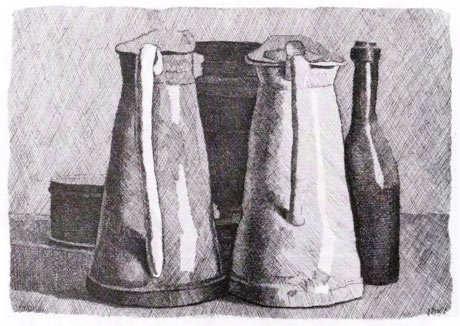
Drawing: Compositions / Observation on the still life.
CALENDAR – Look to the side of the screen. This is there to help you know your due dates and assignments. Subscribe to the Google Calendar. This webpage is a TOOL for you to use – search through it – explore it – look under YOUR class… see what there is to see.
(2.6) Work on creating multiple solutions to your next set of works – Sketchbook PRELIMINARY – Collected on FRIDAY – WHAT ARE YOU COMMUNICATING WITH THIS?
Think about your exams – what were the biggest impressions you had from the classmate’s works? What were the most difficult things you felt as you presented your work? Conversation between classmates about the 2 questions for your exam.
What are the challenges you had with this semester? Sketchbooks, class time, losing art? What can be done differently by Mr. Korb? What could be done differently by the artists?
Advanced Drawing: WORK! Clean!
We have looked at Edward Hopper a bit this quarter… lets read about him a bit more… http://www.edwardhopper.net/
Goals:
3.4 evaluate and defend the validity of sources for ideas 3.2 apply subjects, symbols, and ideas in art and use skill to solve visual challenges
What do you hope to accomplish in the creation of this work? what messages are you communicating in this drawing?\
“An average person with average talent, ambition and education, can outstrip the most brilliant genius in our society, if that person has clear, focused goals.” – Brian Tracy
(2.2) Evaluate the effectiveness of artworks in terms of organization and functions. (D).
(3.3) describe the origins of images and ideas and explain why they are of value in art (D).
What is the message you are communicating? What do you need to take home so that this is DONE on exam day? (One day to work, one day to clean next week.) How fun /frustrating is this for you? WRITE OUT YOUR THOUGHTS IN YOUR COMMENTS SECTION!
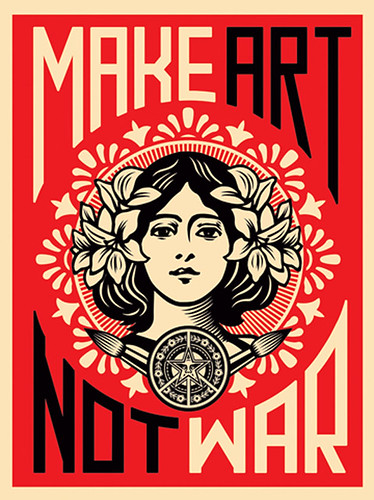
Art Foundations: Texture / Collage / Social Commentary
Non Objective Art / Social Commentary PRESENTATION IS HERE
Goals:
3.2 apply subjects, symbols, and ideas in art and use skill to solve visual challenges.
1.1 apply media, techniques, and processes with 1.1.3 and awareness so that your ideas are executed well
As you think about the social topic you have decided to work with, why is it important to you that it become s the final work that you spend the time this semester working on? With all of the different techniques, projects, elements and principles that we have learned, how are you going to pull it all together to this final excellent work of art?
“The Golden Age of Abstraction” ARTnews, April 2013:
“An average person with average talent, ambition and education, can outstrip the most brilliant genius in our society, if that person has clear, focused goals.” – Brian Tracy
2.6 Work on creating multiple solutions to solve Non-Objective Abstract Compositions.
3.2 apply subjects, symbols, and ideas in art and use skill to solve visual challenges.
What are the / is the social topic that you are focusing on with the ideas of the Abstraction Artwork? Why is this the important topic that you have chosen?
“The Golden Age of Abstraction” ARTnews, April 2013:
5.2 stand behind your criticism of art (have a conversation with one another BEFORE we begin to talk about the most recent compositions you have for your concentration).
What have you learned about yourself? What have you learned about others?
AP Extra Credit – Through Friday at Midnight – Click Here!
Special Thanks to the Teachers at St. Andrew’s School in Boca Raton, Florida. I had a great time speaking with you all. If I can help out in any way… please feel free to contact me! Frank
~~~
“An average person with average talent, ambition and education, can outstrip the most brilliant genius in our society, if that person has clear, focused goals.” – Brian Tracy
(2.3) Create artworks that use organization and function to solve specific visual challenges.
(5.1) Identify the intentions and purposes behind making art. (D)
What has been the most challenging thing for you so far? How do you feel about the progress of your work so far? What do you need to do in order to finish? This will take us up to EXAM DAY… Rubric is DUE on exam day – critique will be the exam.
Art Foundations: Color Wheel and Color Mixing with Acrylic Paint
1.1 apply acrylic paint, color mixing techniques, and painting processes with 1.1.1 skill, 1.1.2 confidence, 1.1.3 and awareness so that your ideas of the color wheel are executed well
1.2 create painting techniques (grattage and decalcomania that demonstrates an understanding of how your ideas relate to the 1.2.1 materials, 1.2.2 techniques, 1.2.3 and processes you use.
“The Golden Age of Abstraction” ARTnews, April 2013:
1.2 create art that demonstrates an understanding of how your ideas relate to the 1.2.1 materials 1.2.2 techniques 1.2.3 and processes you use
3.3 describe the creation of images and ideas and explain why they are of value
What are the works that need work? What are you doing with the time you are in here? Should I be writing you passes for your study halls? If I am, should I continue?







 Art With Korb