#Week5 #StillLife and #Value and #Watercolors and #LogoDesign… Lots to accomplish this week!

Art is a continuing dialogue that stretches back through thousands of years. What you make is your contribution to that dialogue. Therefore, be conscious of what has come before you and the conversation that surrounds you. Try not to repeat what has already been said. Study art history and stay alert to the dialogue of your moment.  101 Things to Learn in Art School Kit White © 2011 Massachusetts Institute of Technology and Kit White

My Saturday at Expo Chicago 2018

img_20180929_154636

Art Foundations: Chiaroscuro in the studio today!

G: 2.1P: Engage in making a work of art or design without having a preconceived plan.

WE NEED SHOES for WEDNESDAY! Bring them in ASAP PLEASE!

What technique have you learned when it comes to draw something in 3 dimensions? What are different techniques you know?

Page 6 in folder. SUCCESS in ART.

Materials in the classroom – begin with just pencil and paper.

THUMBNAILS and GO SLOW! OPEN and CLOSED COMPOSITIONS. Use the page in handbook on Compositions Page 30. Observation and sighting in – using the drawing tools as measuring devices. Demonstrate the use of the various pencils.

c17b4f21223835-562fd965af475
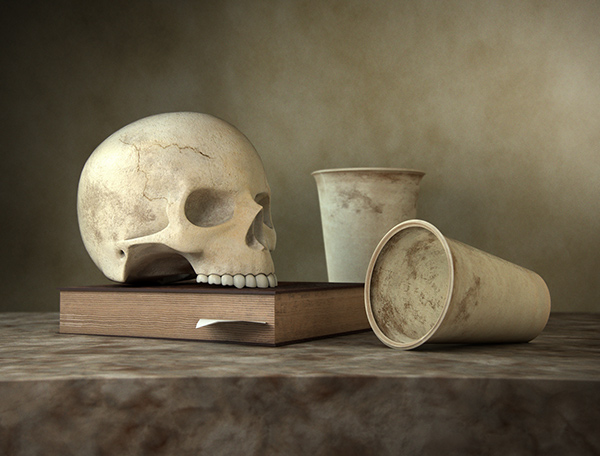
Dennis Mogelgaard https://mir-s3-cdn-cf.behance.net/project_modules/disp/c17b4f21223835.562fd965af475.jpg

What is ONE thing you are CERTAIN you did successfully with your drawing today? What is ONE THING you are CERTAIN you need to focus on in order to create a more realistic / successfully accurate observation draw with next time?


Introduction to Painting: Begin Painting TODAY!

G: 6.1Ac: Make, explain, and justify connections between artists or artwork and social, cultural, and political history.

Looking at the work you have in front you, what are the aspects of the collage / artwork that TRULY speak about you – socially, culturally, or historically.

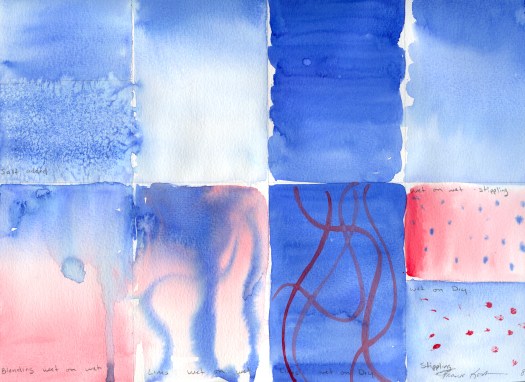
What techniques are you looking to attempt with the watercolor painting?
OLYMPUS DIGITAL CAMERA
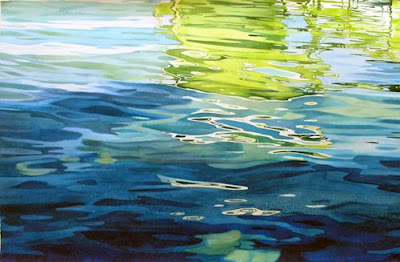
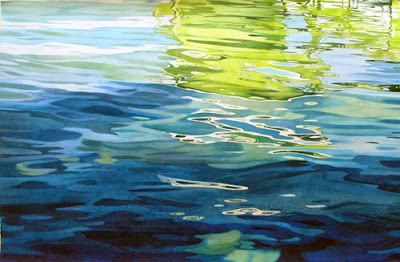
Amy Arntson Watercolor: http://2.bp.blogspot.com/_tPuVZdHdEeY/Sm_VHueC9uI/AAAAAAAAApM/ZR2TMmLlUHc/s400/Under+Tom%27s+Pier.46×66.jpg

What was the most challenging part of the first bit of the painting? Google Research ASSIGNMENT DUE Wednesday when you walk in the door.

  • Collage Examples – Let’s look at these for some BASIC ideas and inspiration.

Introduction to Digital Art: Modernist DUE in a day!

7.1Ac: Recognize and describe personal aesthetic and empathetic responses to the natural world and constructed environments.

What do you need to do in order to make this logo design work in 3 ways? Letters Only, Words Only, an the COMBINATION MARK (and also the SYMBOL / ICON – 4 ways I guess. What will you do to be ready to combine it with a partner in the process?

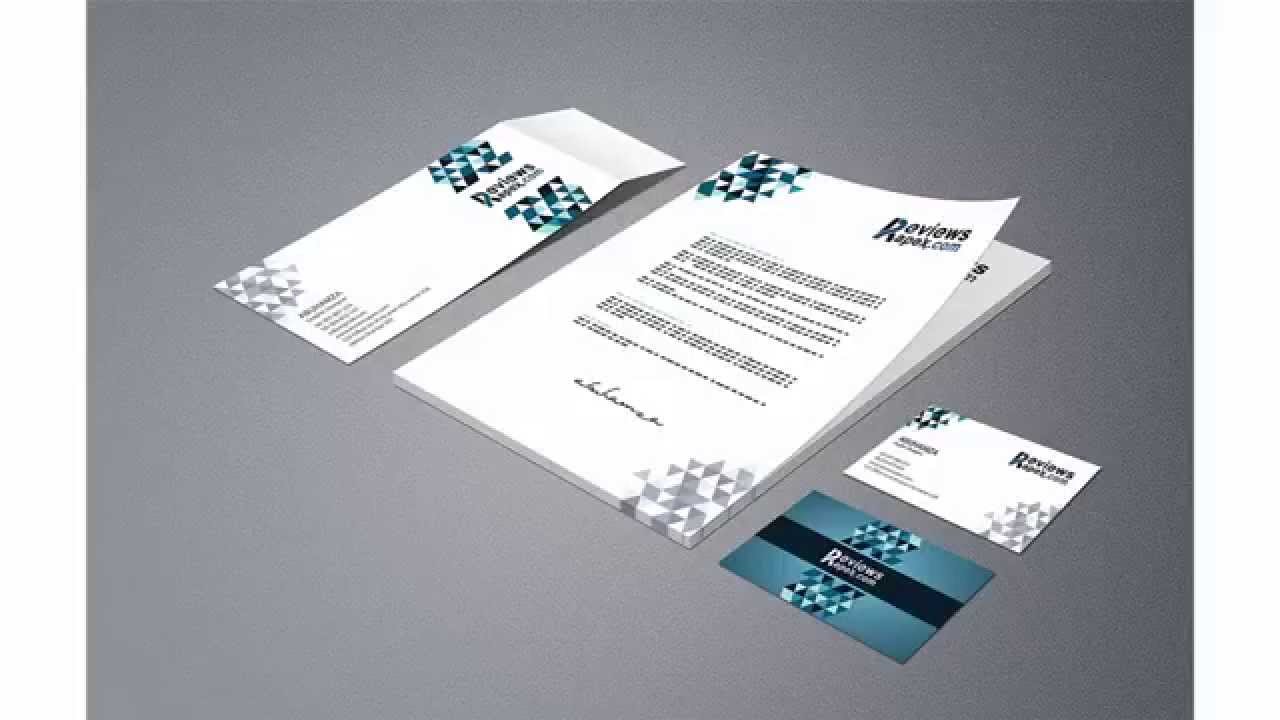
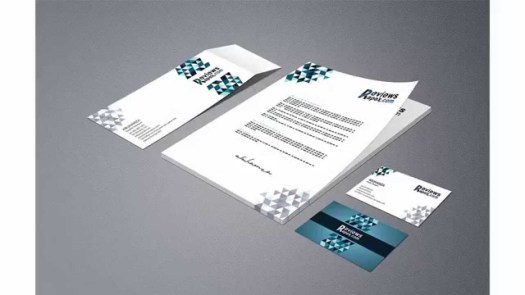
DEMO of InDesign and LAYOUT of the images. We will ALSO be learning a SMALL BIT of InDesign so that we can create letterhead, envelopes, and business cards, Letterhead: 11” x 8.5”, Envelopes: 4.125” x 9.5” and business cards STANDARD: 2” x 3.5”
maxresdefault
Design of Letterhead and Envelopes and Business Cards! https://i.ytimg.com/vi/W4UE4b98I2I/maxresdefault.jpg

What are you HAPPIEST with regarding your designs? What is it about them that you see as working SPECIFICALLY with the PAUL RAND ideas from last time?

  • Paul Rand Article HERE
  • Logo Designs I Love Site HERE

#Week4 #Chiaroscuro, #Scanning and #Input, #Watercolor #Collages. Got a lot to do? Yes we do!

Week 4: Composition is the foundation of image making. It is the spatial relationship between all of the parts in an image. Whether a drawing, a painting, a sculpture, a photograph, a video, or an installation, how a thing is composed determines its look, its feel, and its meaning. Compositional variation, like musical tunes, is limitless.  101 Things to Learn in Art School Kit White © 2011 Massachusetts Institute of Technology and Kit White


Art Foundations: Chiaroscuro in the studio today!

G: 2.1P: Engage in making a work of art or design without having a preconceived plan.

How do you draw something in 3 dimensions? What are different techniques you know? What did you do successfully yesterday that you can continue with today? What is it you need to erase, change, resolve to make the drawing today even more successful.

  • Draw from the MIND
  • Draw from observation
  • DRAW using a lot of value, erasing for texture and emphasizing mark making / value.
  • What is one thing you are putting into your drawing of the 3D Forms that might be related to the ELEMENTS and PRINCIPLES as the building blocks of Art – things you really need to be aware of AS you are making art.
  • Let’s look at Page 6 in our handbook – SUCCESS in ART. Pencil and paper. Let’s REVIEW the HABITS of an Artist Page 18 in the Folder.
  • Handouts on Value and Chiaroscuro.
  • Spheres and Lighting – Use the paper / worksheet examples in class and TAKE YOUR TIME.
98030f07c90c3c1e86cf52b5cb24f2b8
Shoe Drawings – We will use ours today too! https://i.pinimg.com/originals/98/03/0f/98030f07c90c3c1e86cf52b5cb24f2b8.jpg

What is ONE thing you are CERTAIN you did successfully with your drawing today? What is ONE THING you are CERTAIN you need to focus on in order to create a more realistic / successfully accurate observation drawith tomorrow? Dennis Mogelgaard (Dennis Møgelgaard is a visual artist who was born in 1959.):


Introduction to Painting: COLLAGE! What are you doing to lead it to the PAINTING? NEW SEATING TODAY!

  • 7.2Ac: Evaluate the effectiveness of an image or images to influence ideas, feelings, and behaviors of specific audiences.
  • 2.1Ac: Through experimentation, practice, and persistence, demonstrate acquisition of skills and knowledge in a chosen art form.
lightontheplains2_credit
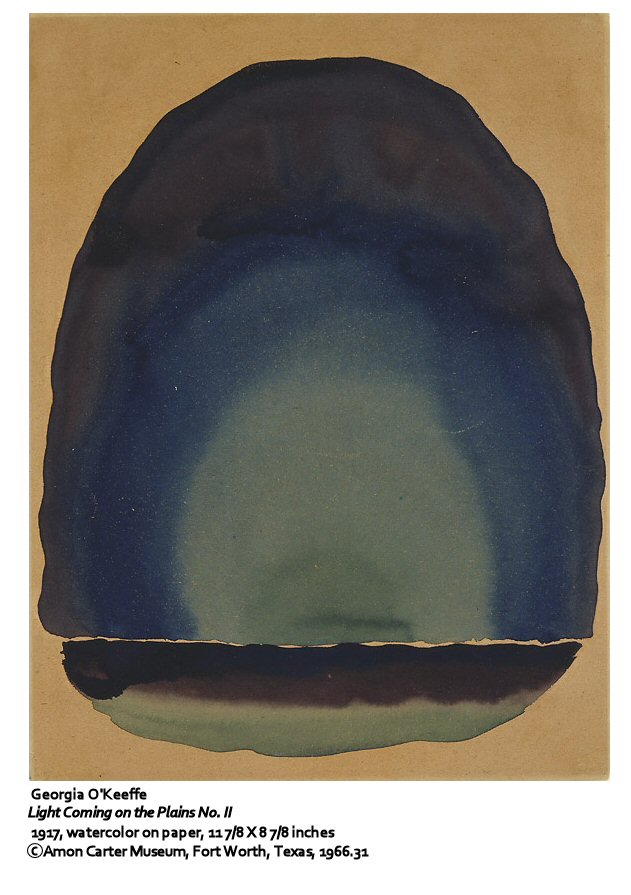
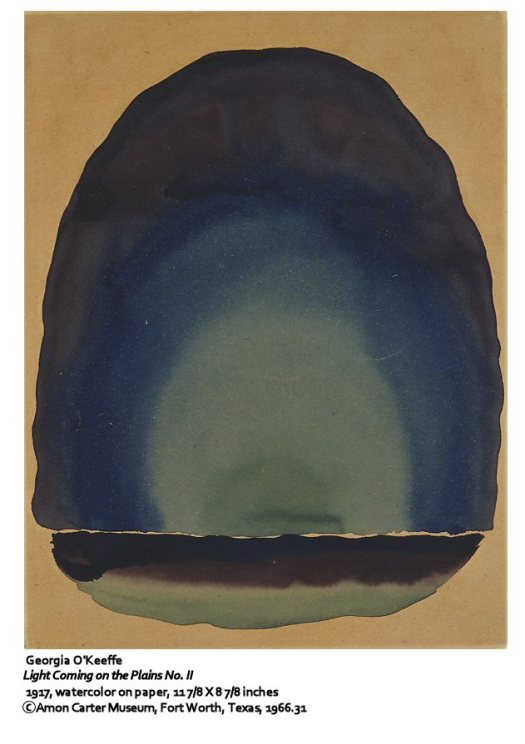
Georgia O’Keefe Watercolor http://www.wtamu.edu/library/okeeffe/images/lightontheplains2_credit.jpg

How do you feel that working with WATERCOLORS might take you to the next larger watercolor painting?

Biggest accomplishment with the watercolor today? how have you seen GROWTH as an artist so far? What is the story you are telling with your work? What is the audience going to learn about you through this art?

Let’s look at Additional Artists (Assignment HERE) and their imagery in  the beginning of the hour. Who is your artist that you are researching? What is it about their work that drew you in?

3 things to incorporate into the final painting and techniques…

  • Collage
  • Paint
  • Research.

What challenges do you see the process of going FROM collage TO the painting? Give yourself 3 ideas that you may have to overcome.

  • Collage Examples – Let’s look at these for some BASIC ideas and inspiration.

Introduction to Digital Art: Modernist DUE DATE is coming up soon

7.1Ac: Recognize and describe personal aesthetic and empathetic responses to the natural world and constructed environments.

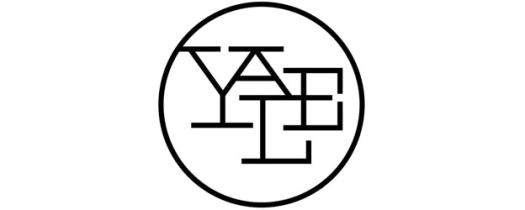
yale
Yale Logo by Paul Rand https://99designs-blog.imgix.net/blog/wp-content/uploads/2012/09/yale.jpg?auto=format&q=60&fit=max&w=930

Paul Rand Article HERE

Logo Designs I Love Site HERE

What is individual about your logo that others will be able to look at and EASILY identify that as a logo for someone extraordinary – you?

  • Demo of LETTERING
  • Outlines
  • Cutting
  • Joining
  • Positive / Negative
  • Exclude tools.

How do you feel about the final design of your image? What is successful? What would you do differently? Will it fit on the side of a pen? Will it fit on the side of a blimp? Is it SCALABLE?


Font Homework (and in Google Classroom) HERE.

#Week4 #Critiques and #Planning are in the works, and a bit of #Chiaroscuro too.

Week 4: Composition is the foundation of image making. It is the spatial relationship between all of the parts in an image. Whether a drawing, a painting, a sculpture, a photograph, a video, or an installation, how a thing is composed determines its look, its feel, and its meaning. Compositional variation, like musical tunes, is limitless.  101 Things to Learn in Art School Kit White © 2011 Massachusetts Institute of Technology and Kit White


Plein Air with Mr. Korb: www.FrankKorb.com


Art Foundations: Copper Bas Relief – Critique / Rubric –

2.1P: Engage in making a work of art or design without having a preconceived plan.

What technique have you learned when it comes to draw something in 3 dimensions? What are different techniques you know?Let’s look at Page 6 in our handbook – SUCCESS in ART. Pencil and paper. Let’s REVIEW the HABITS of an Artist Page 18 in the Folder.

  • Handouts on Value and Chiaroscuro.
  • Spheres and Lighting – Use the paper / worksheet examples in class and TAKE YOUR TIME.
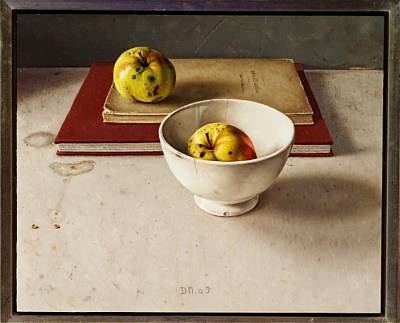
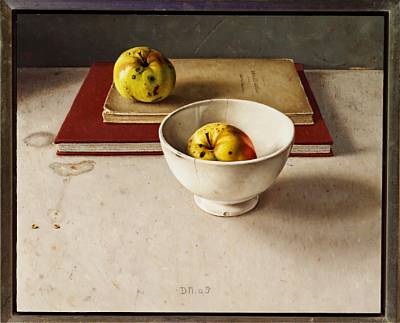
dennis-mogelgaard-white-bowl-with-apple-and-books
Dennis Mogelgaard: http://www.artnet.com/WebServices/images/ll01006lld8noGFgFaECfDrCWvaHBOcKy8C/dennis-mogelgaard-white-bowl-with-apple-and-books.jpg

What is ONE thing you are CERTAIN you did successfully with your drawing today? What is ONE THING you are CERTAIN you need to focus on in order to create a more realistic / successfully accurate observation drawith tomorrow? Dennis Mogelgaard (Dennis Møgelgaard is a visual artist who was born in 1959.):


Introduction to Painting: COLLAGE! What are you doing to lead it to the PAINTING? NEW SEATING TODAY!

7.2Ac: Evaluate the effectiveness of an image or images to influence ideas, feelings, and behaviors of specific audiences.

What is the story you are telling with your work? What is the audience going to learn about you through this art? Let’s look at Additional Artists (Assignment HERE) and their imagery in  the beginning of the hour.

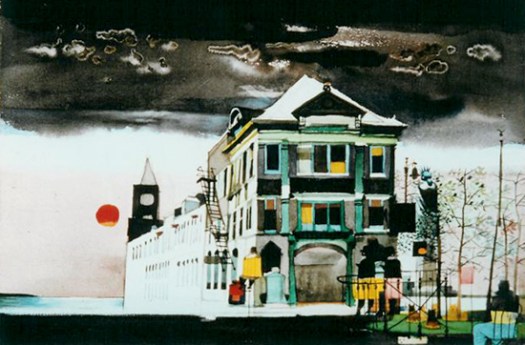
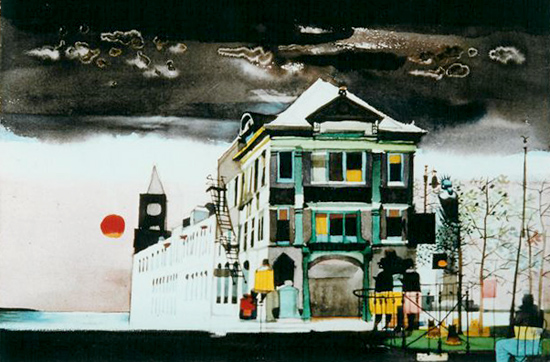
hm-painting
Don Kingman: http://www.dongkingman.com/images/hm-painting.jpg

3 things to incorporate into the final painting and techniques…

  • Collage
  • Paint
  • Research.

Who is your artist that you are researching? What is it about their work that drew you in?

What challenges do you see the process of going FROM collage TO the painting? Give yourself 3 ideas that you may have to overcome.

Have your collages READY for the drawing stages for NEXT TIME! MAybe even TODAY!

Cut and Paste: the Art of Collage: UWM Gallery 

  • Collage Examples – Let’s look at these for some BASIC ideas and inspiration.

Introduction to Digital Art: Logos and YOUR designs

HEY YOU! YEAH YOU! PLEASE GET OUT YOUR HANDBOOKS! FIRST THING, then LOG ON and open to Google Classroom!

7.1Ac: Recognize and describe personal aesthetic and empathetic responses to the natural world and constructed environments.

black-and-white-logos-post-bz-marketing-advertising-design-marketing-chester
Black and White Logo Designs http://www.spulsa.info/wp-content/uploads/black-and-white-logos-post-bz-marketing-advertising-design-marketing-chester.png

What is individual about your logo that others will be able to look at and EASILY identify that as a logo for someone extraordinary – you?

  • Demo of LETTERING
  • Outlines
  • Cutting
  • Joining
  • Positive / Negative
  • Exclude tools.

How do you feel about the final design of your image? What is successful? What would you do differently? Will it fit on the side of a pen? Will it fit on the side of a blimp? Is it SCALABLE?


Font Homework (and in Google Classroom) HERE.

#Week3 #Homecoming and #SpiritDays – Oh… #ArtmakingToo

Week 3: Art is the Product of Process: Art is the product of process: Whether conceptual, experimental, emotional, or formal, the process you develop yields the image you produce. The materials you choose, the methods of production, and the sources of the images should all reflect the interests that command your attention. The process does not stop with each work completed. It is ongoing. The cumulative result of that process is a body of work. 101 Things to Learn in Art School Kit White © 2011 Massachusetts Institute of Technology and Kit White


Art Foundations: Painting and Mounting Copper to Bases – RUBRIC TIME!

G: 3.1P: Apply relevant criteria from traditional and contemporary cultural contexts to examine, reflect on, and plan revisions for works of art and design in progress.

What colors are working BEST for you with your painting and how can you improve the rest of the idea?

Work on finishing up the Sol LeWitt paintings and hammering the copper to the wood. IF you are all done with the painting and the tacking in of the work – get out your sketchbooks and grab a shoe to practice drawing.

Let’s take a GOOD look at the critique… Rubrics everyone.

Copper Plate Final Projects HERE


Introduction to Painting: Let’s talk COLLAGE and then to the OUTSIDE!

G: 2.3Ac: Redesign an object, system, place, or design in response to contemporary issues

How has the gathering of images HELPED or CHALLENGED you in the creation of a composition visually and / or telling a story – about yourself?

Cut and Paste: the Art of Collage: UWM Gallery 

Images of 3 watercolor artists – storytelling? What would YOU say is happening in the images? Work on the collages OR stretching of paper OR research of the artists.

What does your composition say about you? How might others read the images you have gathered and assembled?

hero-moran
Moran: Landscape – in Watercolor! http://www.denverartmuseum.org/sites/default/files/exhibitions/Media%20browser/hero-moran.jpg
Richard Hamilton: "Just what was it that made yesterday's homes so different, so appealing?" http://www.tate.org.uk/art/work/P20271
Richard Hamilton: “Just what was it that made yesterday’s homes so different, so appealing?” http://www.tate.org.uk/art/work/P20271
Just what is it that makes today's homes so different? 1992 by Richard Hamilton 1922-2011
Richard Hamilton Tate Gallery https://www.tate.org.uk/art/images/work/P/P11/P11358_10.jpg
  • Collage Examples – Let’s look at these for some BASIC ideas and inspiration.
rowell-002-cover2-lg
Jean Lacy – Social Commentary Collage http://www.southernspaces.org/sites/default/files/images/2015/rowell-002-cover2-lg.jpg

What are 5 images / ideas you gathered today / begun to think about that say something about you? How do they? What are your initial thoughts about the idea of the collage and social commentary?


Introduction to Digital Art: Modernism and Font Types

G: 7.1Ac: Recognize and describe personal aesthetic and empathetic responses to the natural world and constructed environments.

thumbnailssmall
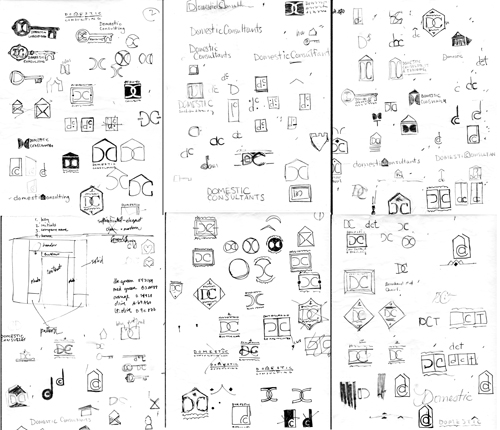
Logo Thumbnails: https://5thcolor.files.wordpress.com/2011/10/thumbnailssmall.jpg
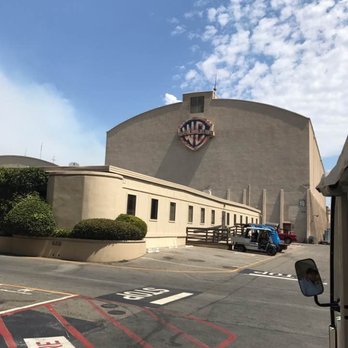
348s
Warner Brothers Emblem https://s3-media4.fl.yelpcdn.com/bphoto/rXp9t9AFtnb8bE8mE4o5Zg/348s.jpg

How are YOUR feelings towards fonts and images affecting those who look at your LOGO? What response might someone ELSE get as they look at your image?

Demo of LETTERING, Outlines, Cutting, Joining, Positive / Negative, Exclude tools.

Practice these tools / Add color to the designs this week. Symbol, Lettermark, Combination Mark, Word Mark, Emblem.

Thumbnail Article on Logo Design

What challenges did you have today with the program. Are you working full screen size? Go Big so it can go small. What did you come up with today? Share these ideas with your neighbor and explain what you enjoy about the work you have created.

logotypes
logos https://i2.wp.com/www.helloari.com/wp-content/uploads/logotypes.jpg?resize=540%2C135

Font Homework (and in Google Classroom) HERE.

#Week3 – #Painting and #Resolution of Work, #Modernism. #Plein Air too?

Week 3: Art is the Product of Process: Art is the product of process: Whether conceptual, experimental, emotional, or formal, the process you develop yields the image you produce. The materials you choose, the methods of production, and the sources of the images should all reflect the interests that command your attention. The process does not stop with each work completed. It is ongoing. The cumulative result of that process is a body of work. 101 Things to Learn in Art School Kit White © 2011 Massachusetts Institute of Technology and Kit White


Art Foundations: Bas Relief and Balance and COLOR

3.1P: Apply relevant criteria from traditional and contemporary cultural contexts to examine, reflect on, and plan revisions for works of art and design in progress.

We are going to retrieve our Sol LeWitt COLOR images and work 4 of the patterns up into final preparatory images for out final 9” x 9” wooden panel. Which of your COLOR ideas are you happiest with and WHY? In the sketchbooks you will RECREATE your images – VERY CAREFULLY AND THOUGHTFULLY with Colored Pencils and Watercolor Paints – focusing SPECIFICALLY on a color scheme that you will be able to identify to me. Then we will move it up to the wooden panels.

sol-lewitt-four-pointed-stars-800x800
sol lewitt http://d5wt70d4gnm1t.cloudfront.net/media/a-s/artworks/sol-lewitt/33024-843207877545/sol-lewitt-four-pointed-stars-800×800.jpg

What are you most pleased with in the painting process? Why?

Copper Plate Final Projects HERE


Introduction to Painting: Let’s talk COLLAGE and then to the OUTSIDE!

2.1Ac: Through experimentation, practice, and persistence, demonstrate acquisition of skills and knowledge in a chosen art form.

Richard Hamilton: "Just what was it that made yesterday's homes so different, so appealing?" http://www.tate.org.uk/art/work/P20271
Richard Hamilton: “Just what was it that made yesterday’s homes so different, so appealing?” http://www.tate.org.uk/art/work/P20271
Just what is it that makes today's homes so different? 1992 by Richard Hamilton 1922-2011
Richard Hamilton Tate Gallery https://www.tate.org.uk/art/images/work/P/P11/P11358_10.jpg
  • Collage Examples – Let’s look at these for some BASIC ideas and inspiration.

Today we are going OUTSIDE and painting LANDSCAPES (plein Air! One day to be outside and pait for the experience and observation. This needs to be ABSOLUTELY FOCUSED and NO WASTE OF TIME! Remember that you have homework for next time – look at the previous post OR GOOGLE CLASSROOM to see where we are and what you need to do if you have forgotten!


What was the most challenging part of the plein air process? What would you do differently next time?

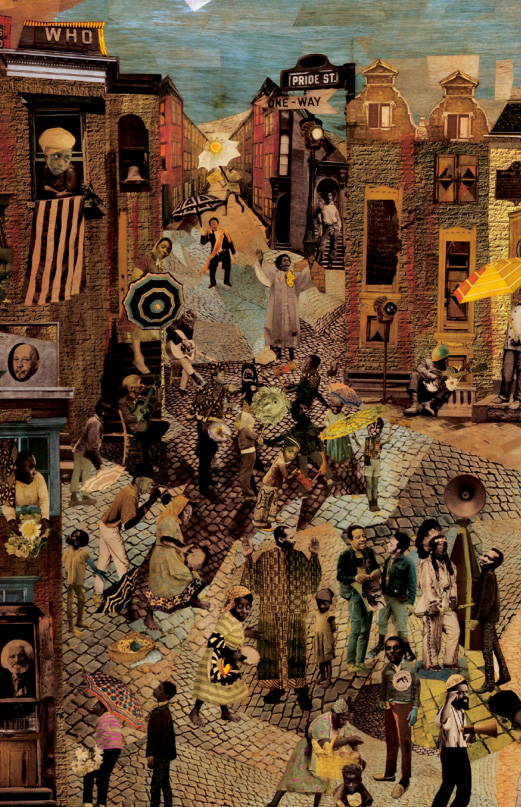
rowell-002-cover2-lg
Jean Lacy – Social Commentary Collage http://www.southernspaces.org/sites/default/files/images/2015/rowell-002-cover2-lg.jpg

What are 5 images you gathered today that say something about you? How do they? What are your initial thoughts about the idea of the collage and social commentary?


Introduction to Digital Art: Modernism and Font Types

2.1Ac: Through experimentation, practice, and persistence, demonstrate acquisition of skills and knowledge in a chosen art form.Working on paper is different than working on the computer. Using a collection of FONTS that you

have chosen you will find a wide variety of fonts that you enjoy and explore many different way of joining letters into positive and negative shapes (as well as adding a geometric or organic shape or two) in creating a Logo Design  for yourself. This will take some time – be ready to SKETCH and EXPLORE ideas. N: Fonts, positive and negative shapes, 5 different Logo Designs.

5-different-logo-design-styles-which-type-fits-your-brand
What is YOUR logo type? http://www.companyfolders.com/blog/media/2013/09/5-different-logo-design-styles-which-type-fits-your-brand.jpg

What did you come up with today? Share these ideas with your neighbor and explain what you enjoy about the work you have created.

logotypes
logos https://i2.wp.com/www.helloari.com/wp-content/uploads/logotypes.jpg?resize=540%2C135

Font Homework (and in Google Classroom) HERE.

#Week3 – #ProcessOverProduct #CopperPlateBasRelief #Painting and #LogoDesign

Week 3: Art is the Product of Process: Art is the product of process: Whether conceptual, experimental, emotional, or formal, the process you develop yields the image you produce. The materials you choose, the methods of production, and the sources of the images should all reflect the interests that command your attention. The process does not stop with each work completed. It is ongoing. The cumulative result of that process is a body of work. 101 Things to Learn in Art School Kit White © 2011 Massachusetts Institute of Technology and Kit White

processoverproduct1
Lots of PROCESS in the making – the PRODUCT is secondary to the goal. http://2.bp.blogspot.com/-sERG-7rsfZA/T0sG_ZbB4sI/AAAAAAAAEfE/mj4SHZ-AZog/s1600/Process+Over+Product+1.jpg

Art Foundations: Bas Relief and Balance and COLOR

2.1P: Engage in making a work of art or design without having a preconceived plan.

How satisfied are you with your 6” x 6” design? Do you see new and unique ways to make lines and be more aware of the marks that you are making in the art that you are making?

71b0f5799a42a3bf95537da2c8065103

Copper Plate Final Projects HERE

What are three things that you are especially pleased with in the final BAS RELIEF of the copper?


Introduction to Painting: Resolve Watercolor Experiments and then to COLLAGE!

  • 5.1Ac: Evaluate, select, and apply methods or processes appropriate to display artwork in a specific place.
  • 2.3Ac: Redesign an object, system, place, or design in response to contemporary issues.

30 minutes to resolve the abstract watercolors, then onto the rubrics of the watercolor paintings.

HOMEWORK IN TWO CLASS PERIODS: Artists research on ONE of the following artists for imagery, technique, approach: Winslow Homer, Charles Demuth, Thomas Eakins, Edward Hopper, Dong Kingman, Reginald Marsh, Charles Sheeler, J.M.W. Turner, Thomas Moran, Georgia O’Keefe, James Whistler, or Andrew Wyeth A: Develop / collect images, consider the ideas about yourself and surroundings. This is going to be a SELF-PORTRAIT of sorts – no that it is going to look like you but rather… the objects and images, surroundings, ideas will be about you.

rowell-002-cover2-lg
Jean Lacy – Social Commentary Collage http://www.southernspaces.org/sites/default/files/images/2015/rowell-002-cover2-lg.jpg

What are 5 images you gathered today that say something about you? How do they? What are your initial thoughts about the idea of the collage and social commentary?


Introduction to Digital Art: Modernism and Font Types

5.1Ac: Evaluate, select, and apply methods or processes appropriate to display artwork in a specific place.

Today we are going to Work to RESOLVE the Modernism Image. In Google Drive is the NEXT BIT of HOMEWORK… You are going to begin to look at and choose fonts to use, fonts that you are drawn to.

mandelman-3
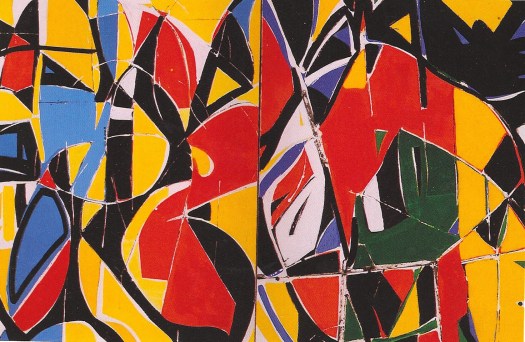
Beatrice Mandelman: https://i1.wp.com/high-road-artist.com/files/2010/12/Mandelman-3.jpg

What were your final thoughts about the self-assessment? What are 3 ways that you feel self assessment can help you grow as an artist?

logotypes
logos https://i2.wp.com/www.helloari.com/wp-content/uploads/logotypes.jpg?resize=540%2C135

Font Homework (and in Google Classroom) HERE.

#Copper #BasRelief #Sculpture, #Watercolor #Abstractions, and #ModerArt… Now #GO!

Ok Folks… Things are edited and… if you haven’t filled out the Student Information Form – CLICK HERE!


Learn To Draw “Drawing is more than a tool for rendering and capturing likenesses. It is a language, with its own syntax, grammar, and urgency. Learning to draw is about learning to see. In this way, it is a metaphor for all art activity. Whatever its form, drawing transforms perception and thought into image and teaches us how to think with our eyes.” 101 Things to Learn in Art School Kit White © 2011 Massachusetts Institute of Technology and Kit White


Art Foundations: Zentangles and Balance

2.1P: Engage in making a work of art or design without having a preconceived plan.
What is a balance? What is a pattern? What patterns and balance are you drawn to? What were your favorite designs from last week’s work with Sol LeWitt? We are EVENTUALLY going to use one of the color studies in a painting for the next artwork.

Copper Plate Final Projects HERE


How satisfied are you with your rough drawings and design? What are 2 new and unique ways you have learned to make lines and be more aware of the marks that you are making in your art?
We will be working these ideas into copper this week – what do you need to do to finalize your designs?


Introduction to Painting: Welcome to WATERCOLORS – Experiment and PLAN!

6.1Ac: Make, explain, and justify connections between artists or artwork and social, cultural, and political history.
3.1Ac: Engage in constructive critique with peers, then reflect on, re-engage, revise, and refine works of art and design in response to personal artistic vision.

lundeberg_blue_planet-843x844
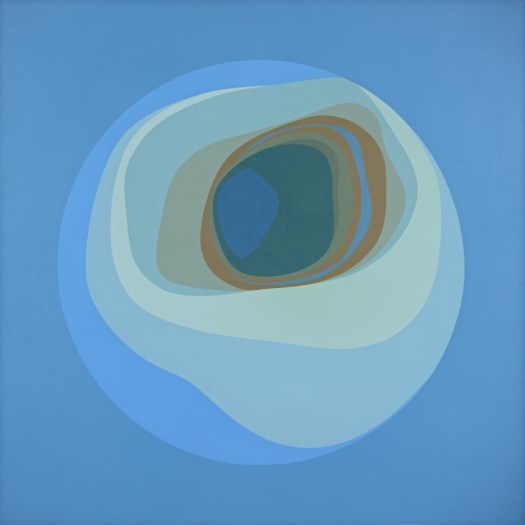
Helen Lundeberg (1908 – 1999): https://thomafoundation.org/wp-content/uploads/2014/12/Lundeberg_Blue_Planet-843×844.jpg

What are 3 challenges you are having about making art that is about COLOR and TECHNIQUE rather than a painting about a specific object? What are 2 things that you are REALLY STRUGGLING with today? What is ONE thing that you are pleased with?
What do you feel about talking aloud when it comes to other’s works? What are your thoughts about why you may be apprehensive or confident when discussing other individual’s work? What were 3 things that you took away from today’s critique?


What difficulties do you see with your painting AT THIS MOMENT in the process of painting and ideation?


Introduction to Digital Art: Modern Art and using it in Adobe Illustrator – HAND IN YOUR HOMEWORK for credit! LAYERS!

2.1Ac: Through experimentation, practice, and persistence, demonstrate acquisition of skills and knowledge in a chosen art form.

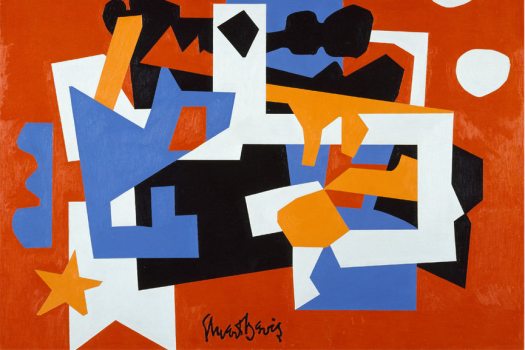
stuart-davis-1892e280931964-detail-colonial-cubism-1954-oil-on-canvas-walker-art-center-minneapolis-gift-of-the-t
Stuart Davis (1892–1964) – Colonial Cubism, 1954 – Walker Art Center, Minneapolis; gift of the T. B. Walker Foundation, 1955 – © Estate of Stuart Davis; Licensed by VAGA, New York, NY

Stuart Davis at the Whitney Museum HERE

What are three of the MAJOR TOOLS and TECHNIQUES that you have used SO FAR in the recreation of this work of MODERN ART? What are 2 things that the process of researching a limited period of modern art teach you about modern art? What is one thing that you truly enjoy about the work of art you have chosen to work with?

#Week2 – #ADay and we get to #Planning and #Painting

Tues and Thurs Enrichment – Painting and Art Foundations work time – Korb is there to HELP. Wed and Friday – Digi Art ADOBE ILLUSTRATOR SPECIFICALLY!

And if you haven’t filled out the Student Information Form – CLICK HERE!

Bathroom Breaks – let’s use the time between classes for that. Thanks.


Learn To Draw “Drawing is more than a tool for rendering and capturing likenesses. It is a language, with its own syntax, grammar, and urgency. Learning to draw is about learning to see. In this way, it is a metaphor for all art activity. Whatever its form, drawing transforms perception and thought into image and teaches us how to think with our eyes.” 101 Things to Learn in Art School Kit White © 2011 Massachusetts Institute of Technology and Kit White


Art Foundations: Zentangles and Balance

2.1P: Engage in making a work of art or design without having a preconceived plan.

What is a balance? What is a pattern? What patterns and balance are you drawn to? What were your favorite designs from last week’s work with Sol LeWitt? We are EVENTUALLY going to use one of the color studies in a painting for the next artwork.

Copper Plate Final Projects HERE


Introduction to Painting: Welcome to WATERCOLORS – Experiment and PLAN!

1.2Ac: Choose from a range of materials and methods of traditional and contemporary artistic practices to plan works of art and design.

2014studio_ptg_0619_3
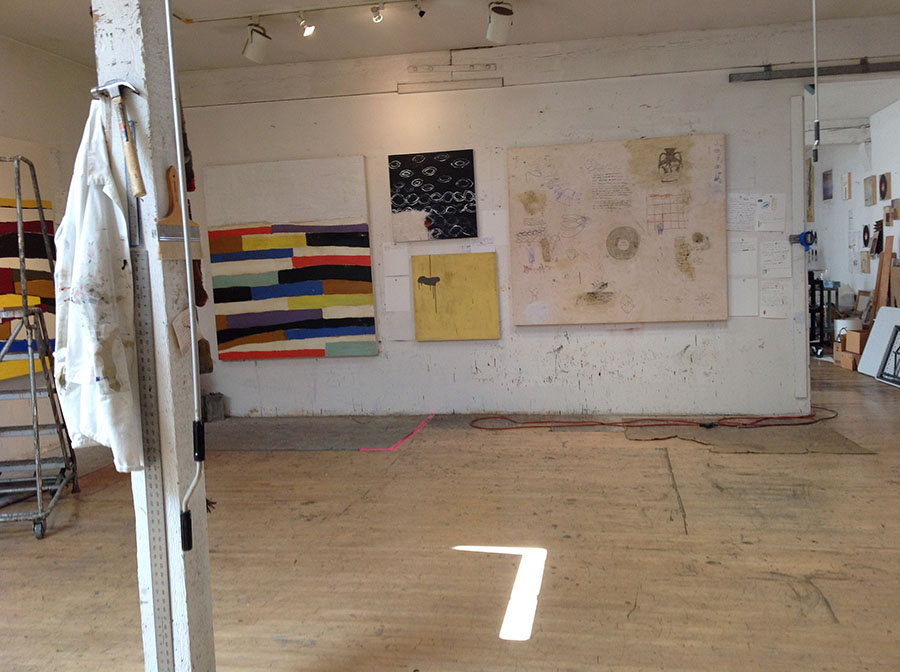
Squeak Carnwath Studio: http://www.squeakcarnwath.com/images/2014studio_ptg_0619_3.jpg

TODAY we are going to look at ABSTRACTION and how to use COLOR to create works of art.

SYLLABUS HERE

What difficulties do you see with your painting AT THIS MOMENT in the process of painting and ideation?


Introduction to Digital Art: Adobe Illustrator and HAND IN YOUR GOOGLE DOC of LOGO’s through Google Classroom

2.1Ac: Through experimentation, practice, and persistence, demonstrate acquisition of skills and knowledge in a chosen art form.

117
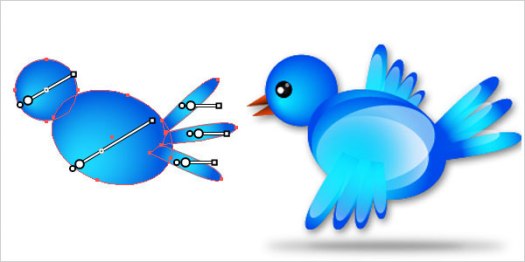
Tweet and Illustration in ILLUSTRATOR! http://webitect.net/wp-content/uploads/2009/07/117.jpg

Of all the tools that you experimented with, what ONE did you really like using, was something that you feel will be of the most use to you perhaps? Start to create a Modernist Artwork from the list of artists provided that uses a wide variety of shape tools and at least 5 layers (to practice the idea of Layers) in the NON-OBJECTIVE Drawing. We are also going to be planning on working with the ideas of cutting and joining in the program. Look at Google Classroom for the assignment. 

#Week2 – Let’s Start with a #BDay. #NewInformation Tomorrow

Tues and Thurs Enrichment – Painting and Art Foundations work time – Korb is there to HELP. Wed and Friday – Digi Art ADOBE ILLUSTRATOR SPECIFICALLY!


What is Art? Anges Martin “Art is the concrete representation of our most subtle feelings.” Art In America (p.124, 1996)

3cd4b-agnesmartin1
Agnes Martin… What is Art? https://artwithkorb.com/wp-content/uploads/2013/09/3cd4b-agnesmartin1.jpg


Start Here! If you STILL need to fill out the information sheet… do it below!


Art Foundations: Line and Sol LeWitt

Google Classroom Code

  • A Day Block 5: t7e1h0v
  • B Day Block 1: i27wgb
  • B Day Block 5: a4mq77a

2.1P: Engage in making a work of art or design without having a preconceived plan.

What is a balance? What is a pattern? What patterns and balance are you drawn to? What were your favorite designs from last week’s work with Sol LeWitt? We are EVENTUALLY going to use one of the color studies in a painting for the next artwork.


Sol LeWitt Project – Handout HERE


Introduction to Painting: Welcome to WATERCOLORS – Experiment and PLAN!

1.2Ac: Choose from a range of materials and methods of traditional and contemporary artistic practices to plan works of art and design.

What challenges did you have with the watercolors when it came to OBSERVATION of the REAL WORLD around you. Next week we are going outside for a smidge to OBSERVE and paint Plein Air using some of the techniques that we have learned from the exercise below. TODAY we are going to look at ABSTRACTION and how to use COLOR to create works of art.

SYLLABUS HERE

Google Classroom Code

  • A Day Block 3: d4ch9qk

What difficulties do you see with your painting AT THIS MOMENT in the process of painting and ideation?


Introduction to Digital Art: Adobe Illustrator and HAND IN YOUR GOOGLE DOC of LOGO’s through Google Classroom

Google Classroom Code

  • A Day Block 2: 3u80oo
  • B Day Block 2: iehb8xs

2.1Ac: Through experimentation, practice, and persistence, demonstrate acquisition of skills and knowledge in a chosen art form.


What are variables that one can use with regards to LINE? List 3 among your classmates.Write them out on page 9 in handbook.

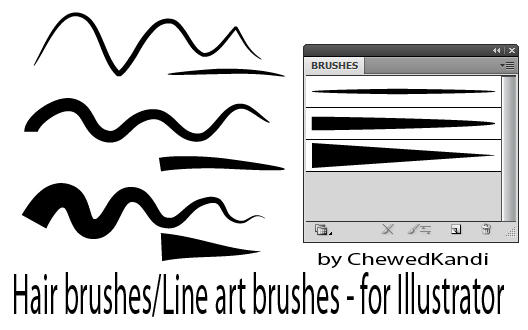
LINE in Adobe Illustrator. TODAY with simple lines and the straight line tool, brushes, types of lines… allow time to horizontal and vertical lines in the document, straight line tool, brushes, types of lines Scissors tool and learn how to CUT a line, join endpoints, as well as ADD POINTS to a line. We are going to have MANY illustrations in this first drawing – (color will come later with LAYERS).


Welcome to #Friday and the end of #WEEK1

What is Art? Anges Martin “Art is the concrete representation of our most subtle feelings.” Art In America (p.124, 1996)

3cd4b-agnesmartin1
Agnes Martin… What is Art? https://artwithkorb.com/wp-content/uploads/2013/09/3cd4b-agnesmartin1.jpg


Start Here! If you STILL need to fill out the information sheet… do it below!


Art Foundations: Line and Sol LeWitt

Google Classroom Code

  • A Day Block 5: t7e1h0v
  • B Day Block 1: i27wgb
  • B Day Block 5: a4mq77a

2.1P: Engage in making a work of art or design without having a preconceived plan.

What is a balance? What is a pattern? What patterns and balance are you drawn to? What were your favorite designs from last week’s work with Sol LeWitt? We are EVENTUALLY going to use one of the color studies in a painting for the next artwork.


Sol LeWitt Project – Handout HERE


Introduction to Painting: Welcome to WATERCOLORS – Experiment and PLAN!

1.2Ac: Choose from a range of materials and methods of traditional and contemporary artistic practices to plan works of art and design.

What challenges did you have with the watercolors when it came to OBSERVATION of the REAL WORLD around you. Next week we are going outside for a smidge to OBSERVE and paint Plein Air using some of the techniques that we have learned from the exercise below. TODAY we are going to look at ABSTRACTION and how to use COLOR to create works of art.

SYLLABUS HERE

Google Classroom Code

  • A Day Block 3: d4ch9qk

What difficulties do you see with your painting AT THIS MOMENT in the process of painting and ideation?


Introduction to Digital Art: Adobe Illustrator and HAND IN YOUR GOOGLE DOC of LOGO’s through Google Classroom

Google Classroom Code

  • A Day Block 2: 3u80oo
  • B Day Block 2: iehb8xs

2.1Ac: Through experimentation, practice, and persistence, demonstrate acquisition of skills and knowledge in a chosen art form.


What are variables that one can use with regards to LINE? List 3 among your classmates.Write them out on page 9 in handbook.

LINE in Adobe Illustrator. TODAY with simple lines and the straight line tool, brushes, types of lines… allow time to horizontal and vertical lines in the document, straight line tool, brushes, types of lines Scissors tool and learn how to CUT a line, join endpoints, as well as ADD POINTS to a line. We are going to have MANY illustrations in this first drawing – (color will come later with LAYERS).