Podcast Episode: Week 12: Hands in Old School Clay and New School Technology

Pip: Art With Korb, where the Chromebook battery is bulging and the clay is just getting started โ€” a normal week in an art room, by any measure.

Mara: Frank Korb’s latest post covers three grade levels moving through very different materials โ€” clay planning, digital photo editing, and wheel throwing โ€” and the throughline is what it takes to actually get better at something.

Pip: Let’s start with hands in old school clay and new school technology.

Week 12: Hands in Old School Clay and New School Technology

Pip: Three grade levels, three completely different processes running simultaneously โ€” and the question underneath all of it is the same: how do you get good at something that takes years of repetition before it starts to feel natural?

Mara: The pottery wheel section puts a number on that. Warren Mackenzie’s words are quoted directly: “The first 10,000 pots are difficult and then it gets a little easier.”

Pip: Ten thousand pots before things ease up. That is not an encouraging timeline, but it is an honest one โ€” and it reframes what practice actually means in a ceramics classroom.

Mara: The eighth graders are already coming in during lunch to log more time on the wheel. The post notes there have been strong advances from artists putting in that extra practice, which tracks with the Mackenzie idea โ€” the only path forward is more throws.

Pip: Meanwhile the sixth graders are nowhere near the wheel yet. They’re in the planning stage for keepsake boxes โ€” thinking through what a keepsake even is before a single slab of clay gets cut.

Mara: The post walks through that vocabulary carefully. Templates are introduced as paper shapes cut before the final clay slabs, explicitly to save time and effort later. Terms like scoring and slipping, green ware, and bone dry are flagged as things students need to identify.

Pip: So the sixth graders are learning the language before they touch the material โ€” which is a different kind of rigor than throwing ten thousand pots, but it’s still rigor.

Mara: The seventh graders are in a completely different medium. They’re deep in Adobe Photoshop, working on non-destructive editing and masking layers for a Visual Biography project โ€” layering personal photographs with gathered images to build composite portraits.

Pip: Non-destructive editing is one of those concepts that sounds technical until you realize it just means you can always go back โ€” which, honestly, ceramics could use.

Mara: The post closes with a reminder aimed at art teachers specifically: staying active as an artist matters, even outside the classroom. The ideas in your head should be made into art, big or small.

Pip: Onto the closing.


Pip: Ten thousand pots, a keepsake box that hasn’t been built yet, and a Photoshop layer that can always be undone โ€” patience runs through all of it.

Mara: More from the studio next time.
Podcast Episode: Week 11: The grades are in and the artwork is in full swing! Go Brewers – WORLD

Pip: Art With Korb is back, and this week the studio is juggling photography editing, Photoshop portraits, pottery wheels, and a Brewers championship โ€” which is either the best possible week to be an art teacher or the most chaotic.

Mara: fjkorb brings us deep into Week 11 โ€” grades, conventions, clay, and digital work all converging at once. Let's start with what's happening across every grade level right now.

Week 11: Grades, Clay, and a Championship

Pip: Week 11 lands at an interesting crossroads โ€” a statewide convention just wrapped, grades are in, and three grade levels are all mid-project in very different directions. The question is what's actually moving forward and what's still being figured out.

Mara: The convention sets the tone right away. The post describes it as offering "NO OTHER WAY to get as much relatable professional development than to be around other art teachers and share the knowledge and wisdom with one another" โ€” covering everything from digital photography to glazing techniques to shaping behavior with intentional words.

Pip: That last one is doing a lot of work. The idea of modifying Studio Habits through spreadsheets and conversation with kids is the kind of thing that sounds simple until you're actually in the room on Monday.

Mara: And Monday is exactly when it gets tested. Sixth graders are wrapping up their Camp Snap photography unit โ€” final edit sessions, narrowing down to thirty images, and learning file maintenance alongside composition. The unit covered close-ups, point of view, and elements of art before heading toward clay.

Pip: Thirty images sounds manageable until you remember these are sixth graders navigating Apple Photos for the first time, and the post notes some are easily sidetracked by everything else the software can do.

Mara: Seventh graders are into Photoshop โ€” the Visual Biography unit, where students build layered digital portraits using their own silhouettes, passions, and photographs. Layer masks, non-destructive editing, tracing and importing. The post calls it "a high end artwork with some high end computer skills."

Pip: And eighth graders are at the pottery wheel, which is where the post gets genuinely specific about difficulty โ€” centering first, then opening, then pulling, elbows down the whole time. The rubric now covers height, width, trimming, and wall thickness, and the post notes even the teacher doesn't always score a four.

Mara: Running alongside the wheel work is a slab-built architecture piece โ€” students' homes or another meaningful structure. Soft clay, self-directed problem solving, and the constant threat of it drying out. The post closes with a reminder that being an art teacher means staying active as an artist yourself.

Pip: Go Brewers, apparently. The championship gets exactly the energy it deserves โ€” all caps, one line, full commitment.


Mara: Convention takeaways, three concurrent projects, and a ceramics rubric that even the teacher finds humbling โ€” it's a full week.

Pip: Next time, we'll see whether the clay survived the weekend. Keep making the work.

Podcast Episode: Week 10: Welcome to 2nd Quarter. If you thought FIRST QUARTER went fast… hold

Pip: Art With Korb is back, and apparently so is the second quarter โ€” which, if the first quarter is any indicator, will arrive and vanish before the clay even dries.

Mara: fjkorb walks us through what every grade level is tackling right now โ€” photography, digital image-making, and ceramics โ€” plus some bigger-picture changes to how students assess their own work. Let's start with what second quarter actually looks like in the studio.

Week 10: Second Quarter Hits the Ground Running

Pip: The question this segment is really answering is: what does the shift into second quarter mean for each grade level, and why does the pacing feel so compressed the moment you walk back in?

Mara: The post sets up the ceramics unit for eighth grade with real specificity โ€” here's the line on wheel throwing: "The biggest challenge is going to be the centering, then the opening, then the pulling, and don't forget to keep the arms locked and the hands in place, and don't forget to breathe."

Pip: So the upshot is that throwing on the wheel isn't a single skill โ€” it's a sequence of interdependent steps where each one depends on the previous one landing correctly. Miss the centering and nothing downstream works.

Mara: And running simultaneously with wheel throwing is slab building โ€” students are constructing architectural forms, their own homes or another building that matters to them. The post even mentions a personal preference for Brutalist architecture from the nation's capital, which tells you something about the range of reference being brought into the room.

Pip: That's a genuinely interesting constraint โ€” you're not just building a box, you're making a case for why a particular structure is worth your hands and your clay. Architecture as an argument.

Mara: Meanwhile, seventh grade is moving into Photoshop and the Visual Biography project. The post describes it as "a high end artwork with some high end computer skills" โ€” layers, masking, tracing, importing, resizing. Students are starting with their own silhouettes and building outward from there.

Pip: Which is a real ask. Photoshop layers can humble a professional on a slow afternoon.

Mara: Sixth grade is wrapping up photography with CampSnap cameras and then pivoting hard โ€” the final session is dedicated to the Elements of Art, vocabulary, and definitions. The post flags file management and working in Apple Photos as skills that matter just as much as the images themselves.

Mara: And threading through all of it is a rubric update โ€” grids are being added to the self-assessment section to make them easier to read, with the existing checkboxes staying in place. Small change, but it directly affects how students track their own progress.

Pip: Assessment infrastructure quietly doing its job. From vocabulary and self-assessment, the through-line here is really about students building the language to talk about what they're making โ€” and that's worth sitting with.


Pip: Three grade levels, three very different materials, and one consistent push to make students fluent in the vocabulary of what they're doing โ€” not just the doing itself.

Mara: The clay, the pixels, and the photographs are all just different ways into the same question. More from the studio next time.

Podcast Episode: Week 9: It is SO HARDF TO BELIEVE that the first quarter is already done.

Pip: Art With Korb, where the first quarter of the school year has apparently already happened, whether any of us were ready or not.

Mara: fjkorb's latest post covers a lot of territory โ€” photography, soft pastels, printmaking, and clay โ€” and the throughline is how much the process matters, not just the product. Let's start with what Week 9 actually looked like across the grades.

Week 9: A Quarter Down, Clay, Cameras, and Pastels

Pip: By the end of nine weeks, students have moved through watercolors, markers, portraits, cityscapes, and interiors โ€” and now each grade is stepping into something that feels distinctly like a new phase. The question the post is really asking is: what does it mean to let the process lead?

Mara: The post is direct about that priority. On the subject of products versus process, it reads: "YES the products are important and so is the process (perhaps process is more important – YES – process IS more important – ALWAYS)."

Pip: That's not a throwaway line buried in the intro โ€” it's the framing for everything that follows. Centering clay, running a print through a 1970s press, uploading photos for the first time: none of those go smoothly on the first try, and that's exactly the point.

Mara: The 6th graders are in the digital lab now, working with Camp Snap cameras โ€” shooting close-ups of animals and the environment, then editing in Apple Photos on the Mac lab computers. The post notes the biggest challenge last week was simply logging in: remembering email addresses, capitalizations, spaces in passwords.

Pip: Which is a very honest thing to lead with. The art is almost secondary to the login screen, and somehow that's not discouraging โ€” it's just accurate.

Mara: For 7th grade, the soft pastel unit wrapped up with something genuinely unusual: students laid their pastel drawings onto a 1970s printing press, placed dampened watercolor paper on top, and ran it through. The pressure transferred the pastels in reverse onto the watercolor paper.

Pip: A monoprint made from a drawing that was already finished โ€” the press as a one-shot collaborator.

Mara: The post acknowledges the results were a surprise, and not always in the expected direction. Wolf Kahn's pastel landscapes are referenced as an inspiration for the color work, and the post is candid that some colors transferred better than others.

Mara: Then there's 8th grade, which has been waiting two years for this: the potter's wheel. The post lists the sequence โ€” centering, opening, pulling, trimming โ€” and adds that the real test of patience is what comes after: waiting for pieces to dry before firing and glazing.

Pip: Alongside the wheel work, 8th graders are also building slab bas-relief sculptures of their homes or another meaningful piece of architecture. Two simultaneous clay projects, both demanding, both new.

Mara: The post frames that combination as a deliberate departure from previous years โ€” specific product goals alongside the open-ended process experience. It's a harder ask, and the post says the instructor is "just about as excited as they are."

Pip: Which tracks. Enthusiasm and mild terror are basically the same feeling at the start of a ceramics unit.


Mara: Process over product, across every grade, every material โ€” that's the throughline the whole quarter keeps returning to.

Pip: Clay, cameras, and a printing press from 1970. Next time, we'll see what the second quarter brings.

Podcast Episode: Week 8: The end of the first quarter is coming up FAST!

Pip: Art With Korb โ€” where the clay is wet, the pastels are dusty, and the first quarter is apparently sprinting toward the finish line whether we’re ready or not.

Mara: Frank Korb is checking in on all three grade levels this week, and we’ve got self-assessments, printmaking, and stop-motion films all landing at once. Let’s start with what’s actually happening in the studio right now.

Week 8: Three Grade Levels, One Very Full Week

Pip: The first quarter end is close, and every grade is either finishing something, starting something, or both simultaneously. The question is how you land three different projects at three different developmental moments without anyone losing a sheet of watercolor paper to a pastel-dusted hand.

Mara: On the 6th-grade side, the post sets up something genuinely new โ€” their first ever self-assessment in the art studio, working through the standards of Art Making, Connecting, and Reflection. The framing is: “This might ALL be new to them so we are going to take it slow and work it together.”

Pip: That’s a real pedagogical choice โ€” slowing down at the end of a quarter instead of rushing the finish. And pairing it with computer training and image insertion means the assessment itself is a skills exercise.

Mara: The photography unit has them working with Camp Snap cameras, then uploading and editing through Apple Photos. The goal isn’t just the image โ€” vocabulary is called out explicitly as a year-long target, with one-point perspective as a concrete example of art language in action.

Pip: Meanwhile, 7th grade is navigating what might be a double first: soft pastels as a material and printmaking as a process, and the two are basically enemies in terms of cleanliness.

Mara: The post is direct about the tension: “NO FINGER BLENDING” is the rule for pastels, and then immediately the watercolor paper for printmaking “needs to be kept immaculately clean.” The soft pastel assignment connects to Wolf Kahn’s landscape work as a contemporary reference point.

Pip: So the medium teaches discipline by being inconvenient. Honestly, that tracks.

Mara: And 8th grade is closing the stop-motion film unit โ€” modeling clay sets, collaboration, the whole production โ€” and pivoting straight into handbuilding with slabs and wheel throwing on Skutt potter’s wheels. The claymation assignment emphasized open decision-making: group choice, story, set design, all student-driven.

Pip: Finishing one tactile medium and immediately picking up another. The hands never really get clean in this class, do they.

Mara: The through-line across all three grades is the same: wrapping one set of skills and stepping into the next, with the quarter mark as the natural hinge point.

Pip: Which means next week someone is going to be elbow-deep in clay. Let’s talk about what that looks like when the wheel starts spinning.


Mara: Self-assessment, printmaking, claymation, and wheel throwing โ€” it’s a wide range of making for one week.

Pip: The quarter ends, the clay begins. We’ll see what comes off the wheel next time.

Podcast Episode: Week 7: Life was busy and we missed a week.

Pip: Art With Korb is back, and apparently so is the technology โ€” which, if you’ve ever waited on IT to hard-wire anything, you know is its own kind of miracle.

Mara: Frank brings us into a week where every grade level is mid-project, assessments are landing, and the studio is genuinely humming. Let’s start with what’s actually happening in the classroom right now.

Week 7: The Studio in Full Swing

Pip: The throughline of this update is momentum meeting accountability โ€” projects are maturing across all three grade levels at the same moment assessments arrive, and the question is whether the work holds up.

Mara: The post sets the tone early: “While we critiqued our works from 7th grade โ€” the 6th graders are doing it this week. I will get the 7th grade done timely so that the 6th grade doesn’t fall behind.”

Pip: So the sequencing is deliberate โ€” critique doesn’t pause just because another grade is mid-process. The assessment rhythm has to keep moving or everything stacks up.

Mara: For the 6th graders, that means one-point perspective is wrapping up โ€” the Renaissance technique where all diagonal lines recede to a single vanishing point. The post frames it as a vocabulary-building exercise as much as a drawing one.

Pip: Which is a real pedagogical move. You learn the word “vanishing point” while you’re staring at the thing, not from a worksheet.

Mara: Seventh grade is pivoting from neurographic portraits and color schemes into soft pastels and printmaking โ€” specifically monoprints and ghost prints. The post notes that crayons didn’t work last year, so soft pastels are the switch, with Wolf Kahn’s landscape work as a reference point.

Pip: And eighth grade is the one I’d most want to watch โ€” stop motion films in iMovie, with the post flagging that some students are working “a bit avant garde,” and then immediately noting they probably don’t know what that means yet.

Mara: The post also mentions the new digital display, funded through a Walmart grant and hard-wired by IT, now looping student portrait work. The open question left hanging is how to keep it from drifting onto unrelated YouTube content.

Pip: A deeply relatable infrastructure problem.

Mara: The post closes on something quieter โ€” a personal note that “being helpful and sincere is how I live my life,” alongside the reminder that staying in one’s lane has its own value. Then it’s straight back to the studio expectations.

Pip: Clay and potter’s wheels are next on the horizon โ€” which means the 8th graders aren’t done surprising anyone yet.


Mara: Assessments, new materials, a display finally running โ€” a lot of plates spinning at once.

Pip: Next week: find out if the potter’s wheels cooperate. They probably will. It’ll be fine.

Friday Art Lunch Bunch: #TedOrland #ArtAndFear #FrankKorb

Sit back and enjoy the FIRST, the INAUGURAL Friday Art Lunch Bunch gathering with Ted Orland. Ted is a photographer based out of California with a wealth of knowledge and experience. A great conversation about the ideas of ISOLATION and all we are coping with. Sit back, grab your lunch, and join us in the recording of Friday Art Lunch Lunch with Ted Orland. Next week – Brett Roberts ceramicist.

Art Foundations: Color Schemes!

Birk and the Color Wheel
  1. Introduction to COLOR SCHEMES and review HANDOUTS. This is ALL REVIEW from some point in life.
  2. Explanation of DIGITAL ART assignment 
    1. 1 Strong photograph of your own Color Wheel using Objects in your home.
    2. 3 photographs of COLOR SCHEMES you find naturally in life. You can choose from ANY of the color schemes we talked about or that are on the page HERE.

Intro to Drawing: Positive and Negative Space

  1. Introduction to Positive Space and Negative Space. Letโ€™s talk about the video to watch below and then go over the process with REAL OBJECTS and PHOTOGRAPHS.
  2. A. Gather up a wonderfully interesting branch from the GROUND – DO NOT PICK IT OFF OF A TREE.
    1. Set it against a white or solid colored surface.
    2. Look at the NEGATIVE SPACE – not the branches themselves but the space between the branches.
    3. DRAW THE SPACE BETWEEN THE BRANCHES.
  3. B. Make a photograph looking up into a tree with bare branches.
    1. REPEAT the process by using the photograph as your reference material.
  4. REPEAT the drawing process two more times – once with branches, once with a photograph. AT LEAST 4 well observed drawings.
  5. UPLOAD to the NEW Google Slide and explain the challenges that you had and the successes as well.

Advanced Digital Art and Photography: What is it to be QUARANTINED?

Carry Out – Nope CURB SIDE – Put that mask on properly!
  1. Introduction to Photography and the use of the Elements and Principles as well as how to compose a strong Photograph
  2. Explanation of DIGITAL ART assignment 
    1. 3 Strong Photographs that speak to what it is to be YOU during this time of isolation / quarantine / 6 feet apart.
    2. A brief explanation of the CONCEPT of your work in the slide show. 

UPLOAD to the NEW Google Slide and explain the concept that you have in your photographs.

Compositional Styles in Photography

Intro to Painting: Edward Hopper and Loneliness

Edward Hopper Drawing of Study for Morning Sun: http://aphelis.net/wp-content/uploads/2014/09/HOPPER_1952_Chalk_study_for_Morning_Sun_WM_70-244.jpg
  1. Edward Hopper and his works. The loneliness that his works have illustrated and depicted. Sometimes they are people in rooms together but they are generally apart.
  2. Sketches and IDEAS for the time.
Letโ€™s go over the assignment sheet HERE.

Edward Hopper Resources:

Advanced Painting: Fauvism or YOU ARE ON YOUR OWN!

  1. Sketches for NEXT painting – FAUVISM Part II – OR – Your own painting based on the style or technique YOU ARE INTERESTED IN
  2. NOTE – Sometimes it is easier for a young (or old) artist to be successful when they are given a specific direction to travel with their work. If following my instructions helps you succeed – use them. If you choose to follow your own pathโ€ฆ Great!
  3. Please PLAN before you move into the painting. This weekโ€™s assignment will be the PLANNING stages – the sketches. 
    1. This doesn’t mean you canโ€™t begin the final paintingโ€ฆ it just means that the planning is the assignment to turn in.

Read the instruction sheet HERE.


Thanks for the following and staying on top of one’s own COVID-19 Quarantine. STAY AT HOME! While the posting seems to have died down QUITE A BIT over the past 3 weeks, know full well that the educating hasn’t. The initial intent of ArtWithKorb.com was to help share out ideas and resources to EVERYONE. It has done that as well as being a launching pad for all of the daily classes in the classroom. Well… we’re not there anymore.

As with EVERYONE we are all teaching out of our own homes and studios right now. I’ve switched all of the digital day to day to Google Classrrom – which stinks for the sharing of ideas. The time it takes to update… in the classroom it is all set, for the home studio, as you may or may not know, it takes a lot longer.

Thank you for following and supporting the ideas.

Visit me on

STAY SAFE, WASH YOUR HANDS, DON’T TOUCH YOUR FACE.

Frank

#Tuesday and #Sketchbooks – Let’s use #Selfies #StudioArt360 – #Art making for the rest and #Critique while were at it… Sheesh.


52 Every color has an opposite, called a complement. Complementary colors sit opposite one another in the color wheel. Additionally, all colors are affected by the presence of other colors. Even the smallest presence of a complement will enhance the intensity of a color when it is present in the same visual field. The presence of red, for instance, will cause the retina to โ€œseekโ€ green in the other colors present, hereby enhancing all parts of the green spectrum. If you wish to intensify a color in a composition, place some of its complement nearby. This applies to all media. The effective use of color is one of the greatest tools at an artistโ€™s disposal. –ย Kit White 101 Things to Learn in Art School

STUDIO ARTย 360:ย Sketchbook (and Color Scheme)

What STRUGGLES do you have with OBSERVATION? How about VALUE?ย Did you come to class with your SELFIE MADE and PRINTED? Take your selfieย – your entire head needs to be in the photographย and cut out the head, glue it to the sketchbook page, and then give it to a friend. Using the photograph that has been glued down – resolve the rest of the picture with a friend. Let them begin the background and encourage them to DISREGARD to what was in the original background. HAVE FUN with this.

Check out Mica Angela Hendrickโ€™s website – see what her and her daughter can come up with. http://goo.gl/Xiihh1

Mr. Korb and his daughterโ€™s run at this assignment HERE.

Mr. Korb's and his daughter's run at this!
Mr. Korb’s and his daughter’s run at this!

What was the most fun about the sketchbook as it required nothing but creativity for you today? What was challenging in the process for you today?

Check out the photos from the UWM Field Trip last week:ย https://goo.gl/lmmiu9


PAINTING:ย Oil Painting Coming Up Soon LAST DAY TO CRIT!

What is one question you have about the process of building a canvas? Ask around and see if your classmates can help you resolve those questions before you begin to build. N: Build a canvas and resolve the drawing.

What can YOU draw well when it comes to the portrait? Practice in your sketchbook! https://s-media-cache-ak0.pinimg.com/736x/9f/fb/ca/9ffbcae8de3b925577329c6197a6b51b.jpg
What can YOU draw well when it comes to the portrait? Katherine Fox: โ€œFace 3: Self-Portraitโ€ Practice in your sketchbook! https://s-media-cache-ak0.pinimg.com/736x/9f/fb/ca/9ffbcae8de3b925577329c6197a6b51b.jpg

Practicing the FACIAL FEATURES is a lot of work. Looking at the few facial features / shapes / forms you have drawn today… what is the #1 Challenge (and WHY) you faced – no pun intended.

Using CONTEMPORARY ARTISTS as your impetus… you will need to RESEARCH a GALLERY ARTIST that is CONTEMPORARY and base your pose on their composition. This might be homework, but it’ll be woth it!ย http://artviaanderson.weebly.com/theory-and-practice/self-portraits-then-and-now


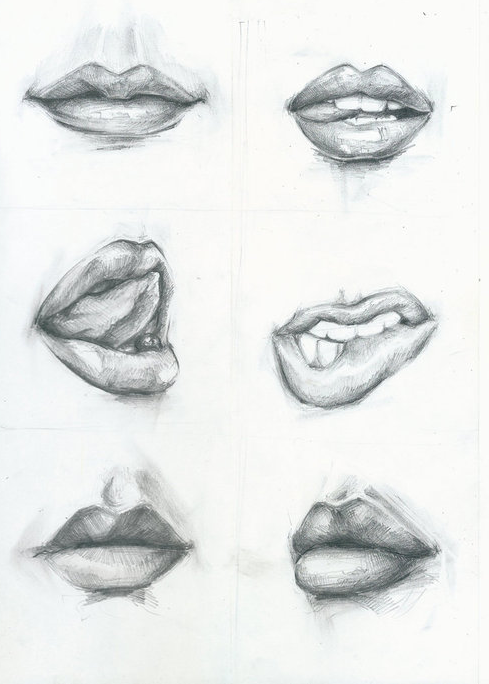
DRAWING: Ralphย Malph (Mouth)

https://s3.amazonaws.com/metvnetwork/jx639-1470683016-5301-list_items-donmost_credit.jpg

When you start out drawing the MOUTH… what do you start with? Why do you feel that you start with that facial feature?

Ouch! https://i0.wp.com/ih1.redbubble.net/image.7138760.9464/flat%2C1000x1000%2C075%2Cf.jpg
Ouch! http://ih1.redbubble.net/image.7138760.9464/flat,1000×1000,075,f.jpg

What mistakes did YOU make โ€“ how bad were they when it came to mouth?ย 

https://i0.wp.com/d28mt5n9lkji5m.cloudfront.net/i/WaDX6VlZA2i.jpg
http://d28mt5n9lkji5m.cloudfront.net/i/WaDX6VlZA2i.jpg


AP STUDIO ART:ย Website and Uploads!

What are two things (specifically) that you have accomplished during your past week as youโ€™ve worked on your CONCENTRATION? Write out the IDEA behind your work and then SHARE the story with your classmate and MORE IMPORTANTLY – ON THE SITE – Let’s log in.

https://i0.wp.com/doejo.com/wp-content/uploads/old/man_at_old_computer.png
http://doejo.com/wp-content/uploads/old/man_at_old_computer.png

With ALL that is going on these past two weeks – and little input from me… what have you accomplished VISUALLY and / or TECHNOLOGICALLY?

THURSDAY! TYPE up a 200 word MAXIMUM page to introduce yourself and describe the work you have created – how can you help the author understand the image / artwork you created in response to their story? In case you need to RELISTEN…ย https://www.thisamericanlife.org/radio-archives/episode/448/adventureย 


#You’reWelcome.

With all the challenges that come across in life, there are times where God sends his angles out to remind me that things are good. I know that with the flooding in Louisiana, the earthquake in Italy, wars, poverty, hunger, nonacceptance, and all the other challenges that life offers, my disappointments are trivial. Thank you to all those who reached out to me yesterday (August 23, 2016) with words of love, comfort, and reminders that “My hour has not yet come.”

Thank you to those I do not mention… and a NAME DROP to these great individuals whose desire to continue to make the world a better and more beautiful place. Thank you to Danyelle, Mike, Jacob, Russell, Brandon, Colton, and especially the Queen of “No Fun” Connie. The cards you sent are a wonderful reminder that the challenges I face are worth it because I can work with and get to know the great individuals I do in my life.

20160824_104259

One more day at the WI State Fair and Plein Air Painting

Thank you Larry Wynn at East Coast Concessions for the commission in painting the award winning concession stand at the WI State Fair. There were (what seemed to me) millions of toys and inflatables and stuffed animals and poop emoji hats. Earlier in the week a couple of kids stopped at my easel and told me I should incorporate a Pokemon into my paintings. I listened, laughed, and then said “I don’t think that’s ever going to happen.” Well… I think I painted about 20 Pikachu’s. Thanks to all the conversation and teachable moments to the kids (and adults). Persistence, working through the materials, envisioning the results long before they are visible were all aspects that I spoke to my audience about. 8 hours of painting – all in this 18″ x 24″ finished work “Natalie and Katie at East Coast Concessions at the WI State Fair.”