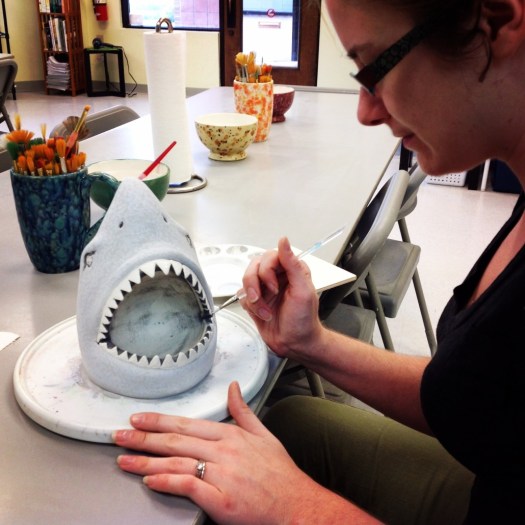
How do you feel about the sculpture / artwork as you have now finished glazing it? What do you hope to do with it when you get it back in a week?
AP Studio Art: Crit Day 2
4.2Ad: Critique, justify, and present choices in the process of analyzing, selecting, curating, and presenting artwork for a specific exhibit or event.
What are you doing to move your artwork FORWARD and develop a sense of investigation? Concentration?
No more reflection today. Are you done with your uploads? Are you done with your artist statement and modifying it to be written with the newest works to comment on? Are you ready to make photographs of the breadth work and other concentration works?
What are you happiest with in regard to your drawings? What are the lessons learned as you create a series of works versus one at a time?
Studio Art 360: Glaze and Finish the Ceramics Work
1.2P: Shape an artistic investigation of an aspect of present-day life using a contemporary practice of art or design.
How do you feel about the ceramic work of art in front of you? Name on the rubric – begin to evaluate the sculpting process – hand in the rubric to begin to glaze the work – DEMO TIME TOO
4.2Ad: Critique, justify, and present choices in the process of analyzing, selecting, curating, and presenting artwork for a specific exhibit or event.
What are your answers to your AP Online uploads? Are they concise? Are they thorough? Do they answer the questions effectively?
“Nobody tells this to people who are beginners, I wish someone told me. All of us who do creative work, we get into it because we have good taste. But there is this gap. For the first couple years you make stuff, it’s just not that good…” Ira Glass
Drawing: Mid Critique
3.1Ac: Engage in constructive critique with peers, then reflect on, re-engage, revise, and refine works of art and design in response to personal artistic vision.
What are 3 things you would like to hear about your work that you feel would help you with your drawing(s).
Get your handbooks and turn to p23. As the artist:
Speak about your objects and why you chose them.
Speak about 2 challenges you are having currently and WHY you are struggling.
Speak about 2 successes that are new to you in this drawing series.
Listen to each person and write down, in full sentences, the comments they make about your work. As a critic:
Speak about the areas of their work that are successful and WHY you see it as a success.
Speak about the an area of their work that you see is in need of attention and HOW they might be able to overcome the issue or WHY you feel there is a struggle in the work.
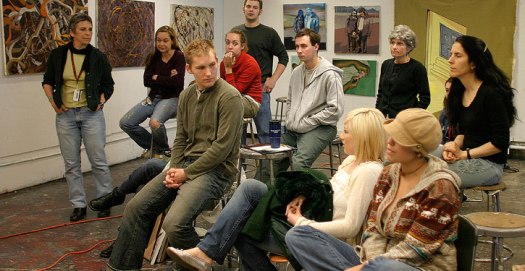
Crit. G: What are 3 things that you took away from the critique today? Write it out as to help yourself move forward.
Studio Art 360:
3.1P: Apply relevant criteria from traditional and contemporary cultural contexts to examine, reflect on, and plan revisions for works of art and design in progress.
What are the biggest challenges that you see facing you today in the process of enlarging the photographs? Are you about ready to begin the painting process?
What challenges did you face today in the gridding out of the portrait? Are you ready to begin the painting part of the process?
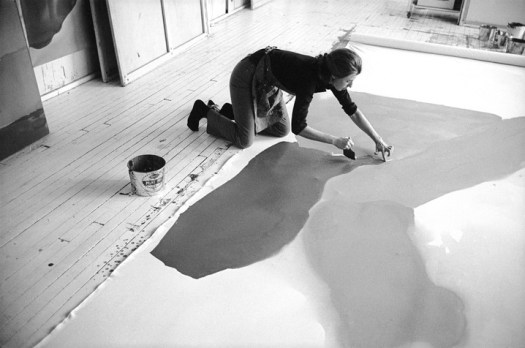
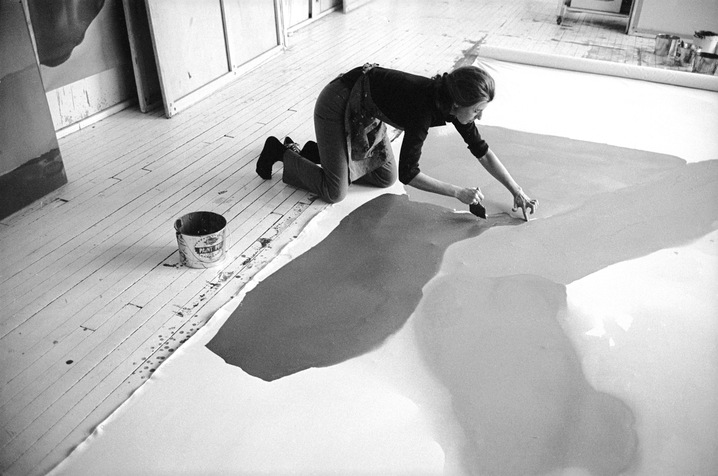
AP Studio Art: Monday – CRITIQUE / Helen Frankenthaller / Photography this coming week.
2.1Ad: Experiment, plan, and make multiple works of art and design that explore a personally meaningful theme, idea, or concept.
Thinking about the work that you are doing… what are the visual skills that you feels you are developing? how has this year been beneficial to you so far?
“Nobody tells this to people who are beginners, I wish someone told me. All of us who do creative work, we get into it because we have good taste. But there is this gap. For the first couple years you make stuff, it’s just not that good…” Ira Glass
Drawing: Tomorrow – MID CRIT – What do you have to show?
2.1Ac: Through experimentation, practice, and persistence, demonstrate acquisition of skills and knowledge in a chosen art form.
What skills do you want to demonstrate as we prepare for the mid-crit for tomorrow.
Take a look at the FIRST portion of the back of the rubric and fill out the EXECUTION portion of it.
Studio Art 360: The GRID and your CANVAS
3.1P: Apply relevant criteria from traditional and contemporary cultural contexts to examine, reflect on, and plan revisions for works of art and design in progress.
What challenges did you have in the finding of SHAPE in the portrait? Talk for 2.67 minutes to your table about the process.
“Nobody tells this to people who are beginners, I wish someone told me. All of us who do creative work, we get into it because we have good taste. But there is this gap. For the first couple years you make stuff, it’s just not that good…” Ira Glass
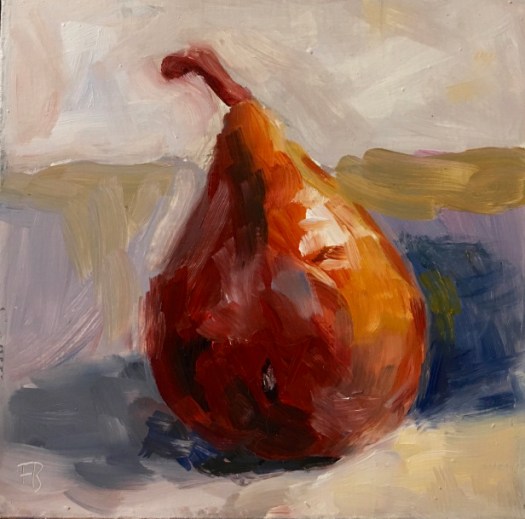
Drawing: Fred Bell and YOU
2.1Ac: Through experimentation, practice, and persistence, demonstrate acquisition of skills and knowledge in a chosen art form.
How is the work developing? REMEMBER – Friday of THIS WEEK as a MID-CRIT! N: Mark making and process over product. Emphasize the ideas of the mark making and observation.
1.2P: Shape an artistic investigation of an aspect of present-day life using a contemporary practice of art or design.
How is BREAKING the image down to basic shapes going to make the process of creating a memorable and successful work of art easier?
What challenges did you have today with the transferring of the portrait up to the canvas? Two struggles?
AP Studio Art: CONCENTRATE – Really concentrate on the work.
1.2Ad: Choose from a range of materials and methods of traditional and contemporary artistic practices, following or breaking established conventions, to plan the making of multiple works of art and design based on a theme, idea, or concept.
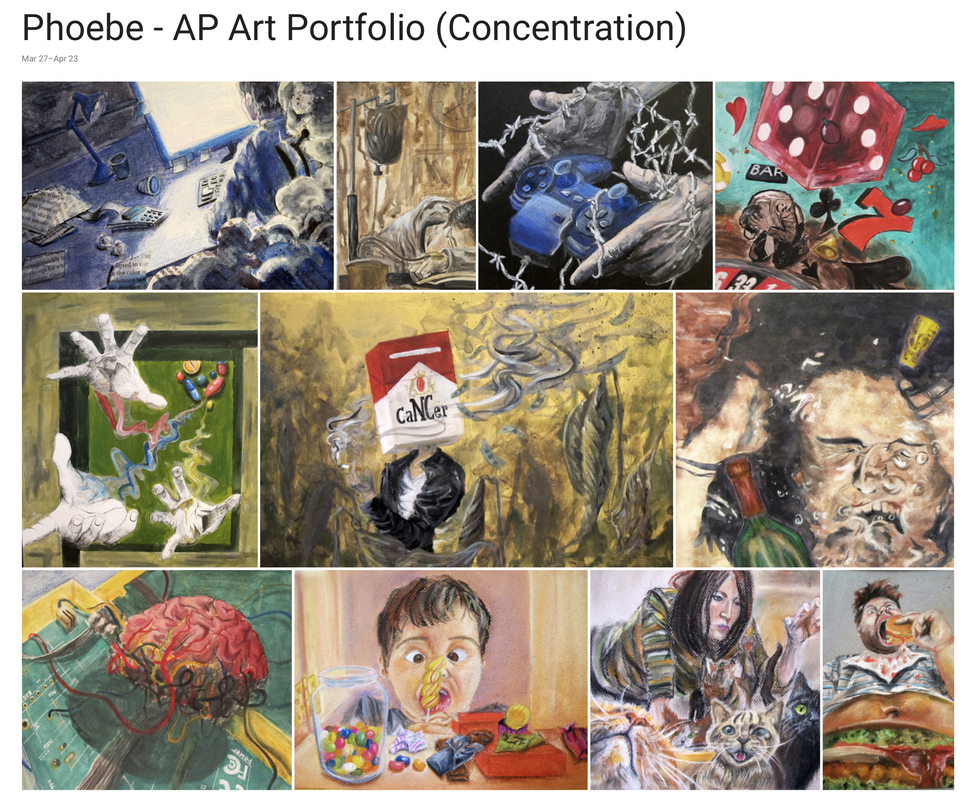
How have you been able to use the NEW skills you’ve developed this year and create a STRONG BODY of CONCENTRATION works? How are you being interested in the CONCENTRATION work that you are creating?
Knowing that you are working on your concentration works and STRONG IDEAS with SKILL Building ideas, how are you advancing the ideas of the ARTIST’S JOB? (Or would you like to draw / make JUST TO MAKE ART TO CHALLENGE YOURSELF)?
“Nobody tells this to people who are beginners, I wish someone told me. All of us who do creative work, we get into it because we have good taste. But there is this gap. For the first couple years you make stuff, it’s just not that good…” Ira Glass and then lead into the video.
Drawing: Still Life Work Time
2.1Ac: Through experimentation, practice, and persistence, demonstrate acquisition of skills and knowledge in a chosen art form.
How is the work developing? Let’s look at FRIDAY of THIS WEEK as a small group student led MID-CRIT! Make sure you prep your second / third / fourth board today so that it is ready to roll tomorrow. A skill to develop is to have multiple works at the same time. Good artist skill to learn and work on.
What part of the process of tracing and transferring the image up to the canvas did you struggle with? Name 2 things that were challenging.
AP Studio Art: Concentration – GET TO IT!
1.2Ad: Choose from a range of materials and methods of traditional and contemporary artistic practices, following or breaking established conventions, to plan the making of multiple works of art and design based on a theme, idea, or concept.
Looking at the NATIONAL STANDARDS (above) how are you using traditional (or better) BREAKING contemporary art making practices? Please give 2 specifics.
“Nobody tells this to people who are beginners, I wish someone told me. All of us who do creative work, we get into it because we have good taste. But there is this gap. For the first couple years you make stuff, it’s just not that good…” Ira Glass and then lead into the video.
Drawing: Still Life – More to work on than you thought you’d have to work on with a series of SIMPLE objects.
2.1Ac: Through experimentation, practice, and persistence, demonstrate acquisition of skills and knowledge in a chosen art form.
2nd day with the working out of ideas on the boards. I will be asking you for your board measurements so we can cut one or two more boards for you. 2 minimum drawings, 4 maximum drawings. It depends on how you are working and what you want to accomplish and learn. What skills are you looking to develop?
What feedback would you offer and like to get about your work? 3 things – page 23 in your handbook!
Studio Art 360: Portrait day – SMILE! Selfies!
7.1Ac: Recognize and describe personal aesthetic and empathetic responses to the natural world and constructed environments.
What is the emotional feeling that you are showing in your photograph / selfie? From all the color schemes, what color scheme best fits you?
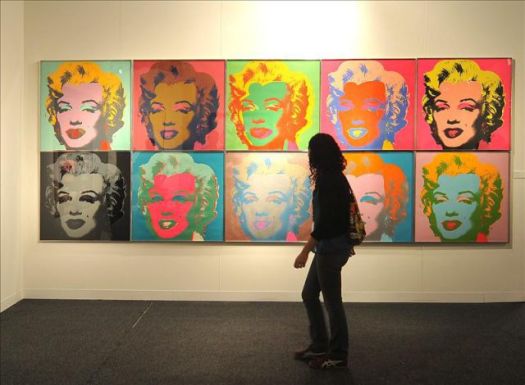
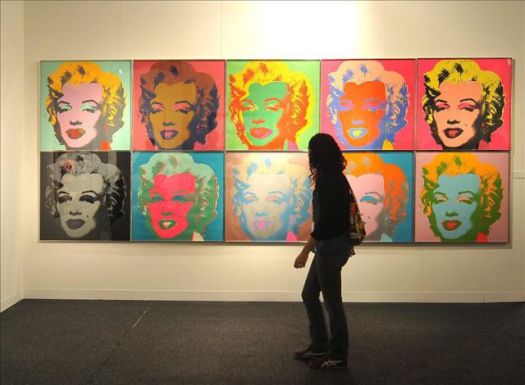
Moving into the world of POP art! http://assets.yellowtrace.com.au/wp-content/uploads/2013/05/Brillo-Box-foam-ottomans-by-Fab.com-and-The-Andy-Warhol-Foundation-Photo-by-Nick-Hughes-for-Yellowtrace-02.jpg
What 3 challenges do you see in the process of gridding the work out?
AP Studio Art: Concentrate Folks – CONCENTRATE!
10.1Ad: Synthesize knowledge of social, cultural, historical, and personal life with art-making approaches to create meaningful works of art or design.
hat are two things (specifically) that you have accomplished during your past week as you’ve worked on your CONCENTRATION? Write out the IDEA behind your work and then SHARE the story with your classmate..
With ALL that is going on these past two weeks – and little input from me… what have you accomplished VISUALLY and / or TECHNOLOGICALLY? Robert Rauschenber WORKING
52 Every color has an opposite, called a complement. Complementary colors sit opposite one another in the color wheel. Additionally, all colors are affected by the presence of other colors. Even the smallest presence of a complement will enhance the intensity of a color when it is present in the same visual field. The presence of red, for instance, will cause the retina to “seek” green in the other colors present, hereby enhancing all parts of the green spectrum. If you wish to intensify a color in a composition, place some of its complement nearby. This applies to all media. The effective use of color is one of the greatest tools at an artist’s disposal. Kit White 101 Things to Learn in Art School
Drawing: Colored Pencils and the Still Life – Time to START with this.
2.1Ac: Through experimentation, practice, and persistence, demonstrate acquisition of skills and knowledge in a chosen art form.
How is the work developing? REMEMBER – Wednesday of NEXT WEEK as a MID-CRIT! N: Mark making and process over product. Emphasize the ideas of the mark making and observation.
CLICK ON THE IMAGES BELOW to show the 2 different stages of the process. DRAW LIGHTLY when you begin and SKETCH IT OUT!
Lightly Sketch out your drawing in HB Pencil – LIGHTLY
Colored Pencil is a series of LAYERS that you build upon one another – it is NOT A FAST PROCESS!
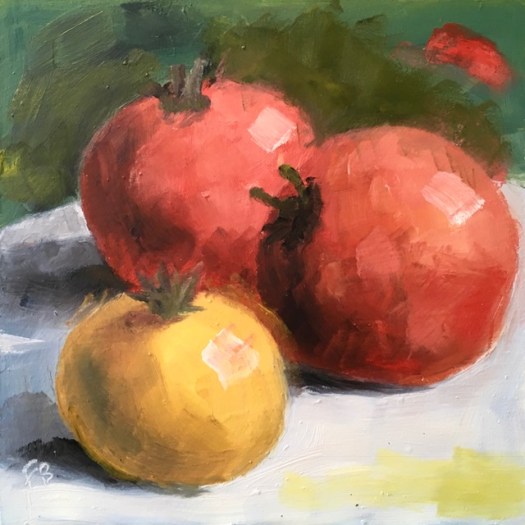
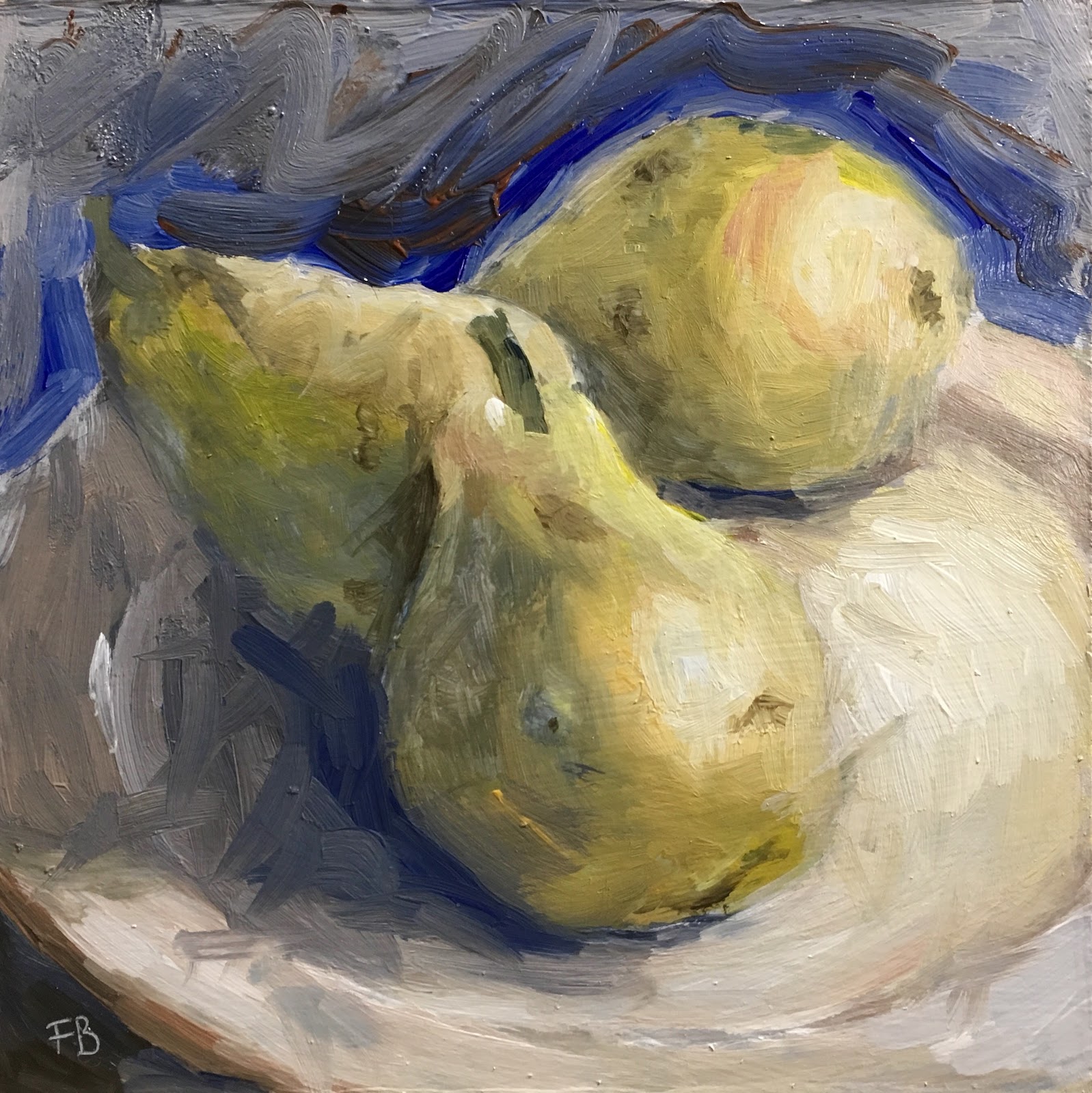
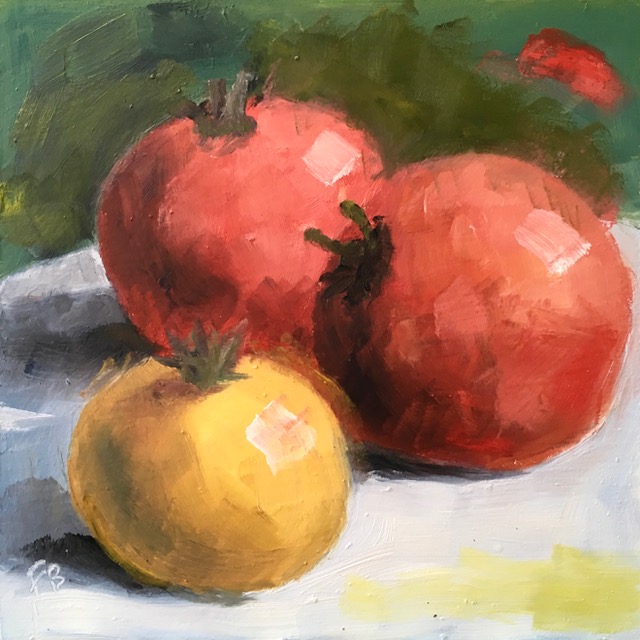
Progress? 3 points of progress please. 3 pieces of fruit
Studio Art 360: Paints – CLEAN UP AFTER YOURSELF!
1.2P: Shape an artistic investigation of an aspect of present-day life using a contemporary practice of art or design.
Review with your neighbor the relationships of color on the color wheel.
Review with neighbors the relationships of the colors on the color wheel? QUIZ one another on the names, types and relationships of the colors.
AP Studio Art: Concentrate – Website – 3 images and 2 Questions, 1 Sketchbook and 1 Scholastic Art Magazine Article – DUE MONDAY
3.1P: Apply relevant criteria from traditional and contemporary cultural contexts to examine, reflect on, and plan revisions for works of art and design in progress.
What are you planning on doing TODAY to set yourself up for a productive WEEKEND? What is your body of work centered on? Drawing? 2D Design? How do you see this in your first three artworks?
What did you accomplish today? What do you need to do tomorrow? How can you develop your OWN voice? What does the BREADTH work do to help you find that VOICE in your concentration? EXIT TICKET – Sticky Note – What is the Central Idea behind your concentration of work. 5 hours of AP Studio Art this week in class – are you putting in 5 hours outside of class? REALLY WORKING? No? You need to be.
52 Every color has an opposite, called a complement. Complementary colors sit opposite one another in the color wheel. Additionally, all colors are affected by the presence of other colors. Even the smallest presence of a complement will enhance the intensity of a color when it is present in the same visual field. The presence of red, for instance, will cause the retina to “seek” green in the other colors present, hereby enhancing all parts of the green spectrum. If you wish to intensify a color in a composition, place some of its complement nearby. This applies to all media. The effective use of color is one of the greatest tools at an artist’s disposal. Kit White 101 Things to Learn in Art School
Drawing: Colored Pencil Worksheets and PRACTICE
2.1Ac: Through experimentation, practice, and persistence, demonstrate acquisition of skills and knowledge in a chosen art form.
Gary Larson’s “The Far Side”… Still Life is moving.
How is the colored pencil work developing? What struggles are you having with the ideas of making marks with this medium?
What are the three types of colors on the color wheel? What can you NOT mix? How do you mix Orange, etc…
AP Studio Art: What are YOU doing today?
1.2Ad: Choose from a range of materials and methods of traditional and contemporary artistic practices, following or breaking established conventions, to plan the making of multiple works of art and design based on a theme, idea, or concept.
MONDAY we look at the sketchbooks as I will be gone tomorrow. What NEW ideas are you having about the concentration? Do you have a transition piece in mind that demonstrates GROWTH?
52 Every color has an opposite, called a complement. Complementary colors sit opposite one another in the color wheel. Additionally, all colors are affected by the presence of other colors. Even the smallest presence of a complement will enhance the intensity of a color when it is present in the same visual field. The presence of red, for instance, will cause the retina to “seek” green in the other colors present, hereby enhancing all parts of the green spectrum. If you wish to intensify a color in a composition, place some of its complement nearby. This applies to all media. The effective use of color is one of the greatest tools at an artist’s disposal.
Kit White 101 Things to Learn in Art School
Drawing: Begin the DRAWING and with COLORED PENCILS
2.1Ac: Through experimentation, practice, and persistence, demonstrate acquisition of skills and knowledge in a chosen art form.
3rd day with the ideas of developing compositions – What skills are you looking to develop? We start by prepping a board with watercolor. Let it DRY. Begin to practice on the illustration board.
What feedback would you offer and like to get about your work?
Studio Art 360: Sketchbooks and FUN!
What STRUGGLES do you have with OBSERVATION? How about VALUE?
Cut out the head, glue it to the sketchbook page, and then give it to a friend. Using the photograph that has been glued down – resolve the rest of the picture with a friend. Let them begin the background and encourage them to DISREGARD to what was in the original background. HAVE FUN with this.
Check out Mica Angela Hendrick’s website – see what her and her daughter can come up with. http://goo.gl/Xiihh1
Studio Art 360: Concentration and Conversations – How’s the Sketchbook working FOR you?
1.2Ad: Choose from a range of materials and methods of traditional and contemporary artistic practices, following or breaking established conventions, to plan the making of multiple works of art and design based on a theme, idea, or concept.
What are 3 things you have learned, researched, inquired about your ideas for your concentration so far this week?. I’ve had MANY great conversations with each almost each of you… what do you take away from them?