#28: An idea is only as good as its execution. It is important that you master your medium. Poorly made work will either ruin a good idea or make the lamentable execution itself the subject. Overly finessed technique can mask a lack of content or can smother an image. At the same time, roughness and imprecision has its place in rendering. One can only gauge the need to throw technique away if one has first achieved the mastery of it. Kit White 101 Things I Learned in Art School
ALL LATE SKETCHBOOKS ARE DUE THIS WEEK!
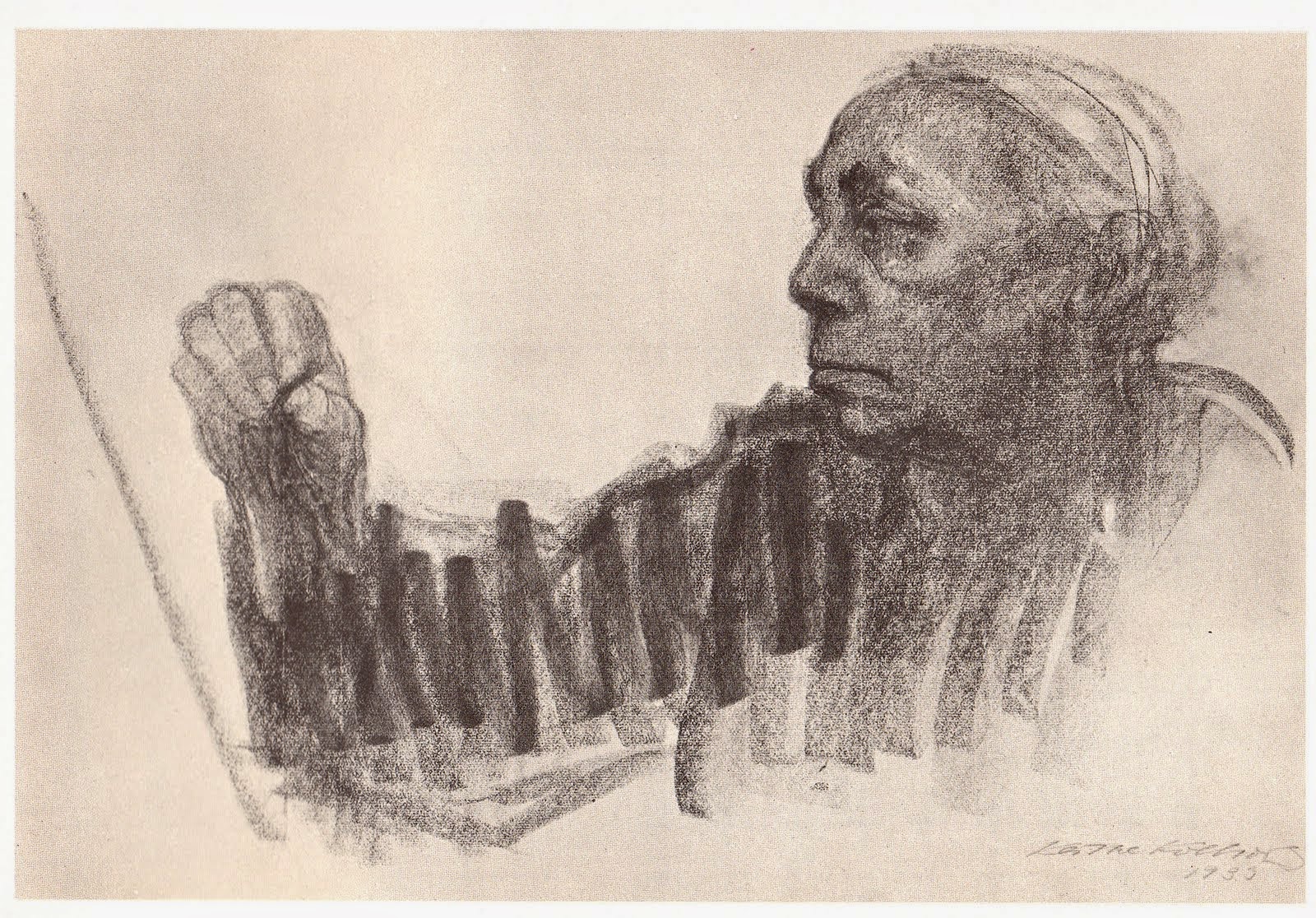
Drawing: Portraits in Charcoal – TODAY you PRACTICE
2.1Ac: Through experimentation, practice, and persistence, demonstrate acquisition of skills and knowledge in a chosen art form.
Are you ready to really focus and work today? What is your ONE goal for the day?
Look at it from arms length and then speak to your neighbor about the work. What do you need to do tomorrow to resolve the work?
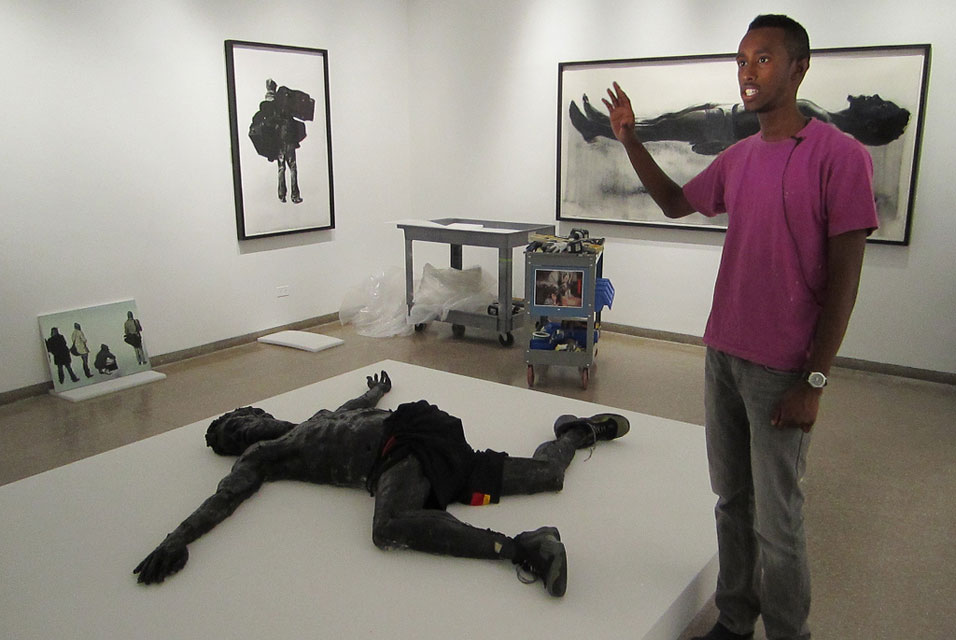
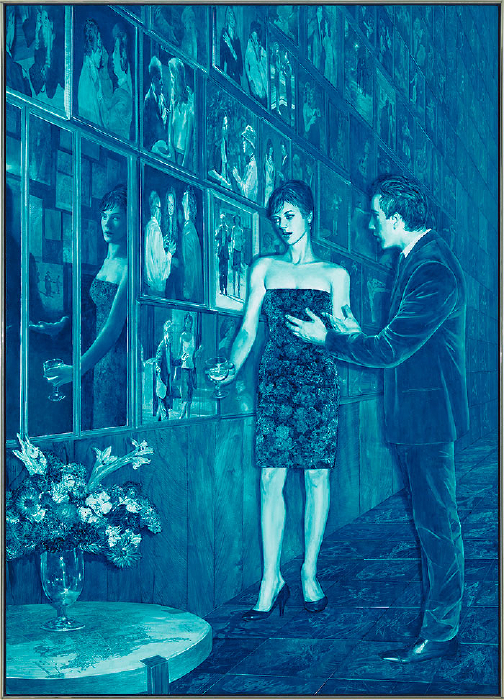
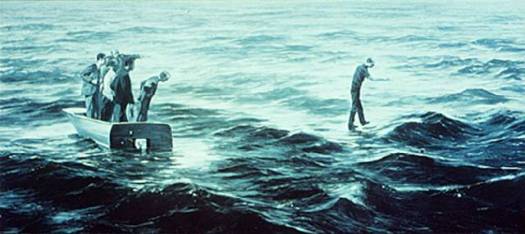
AP Studio Art: Mark Tansey – How are you doing?
1.2Ad: Choose from a range of materials and methods of traditional and contemporary artistic practices, following or breaking established conventions, to plan the making of multiple works of art and design based on a theme, idea, or concept.
How are you using images to create your work of art to communicate a message (not obvious and in one\’s face)?
#28: An idea is only as good as its execution. It is important that you master your medium. Poorly made work will either ruin a good idea or make the lamentable execution itself the subject. Overly finessed technique can mask a lack of content or can smother an image. At the same time, roughness and imprecision has its place in rendering. One can only gauge the need to throw technique away if one has first achieved the mastery of it. Kit White 101 Things I Learned in Art School
Drawing: Demo of Charcoal and Pencil on Paper
2.1Ac: Through experimentation, practice, and persistence, demonstrate acquisition of skills and knowledge in a chosen art form.
Using the printouts from your previous work – utilize the ideas of your research into the ideas of your portraits. Pencil – Charcoal? What choices have you made that relate to your research? What do you need to do to get started today? Tomorrow?
Look at it from arms length and then speak to your neighbor about the work. What do you need to do tomorrow to resolve the work?
AP Studio Art: Tansey – Good Conversations Ladies and Gentleman
1.2Ad: Choose from a range of materials and methods of traditional and contemporary artistic practices, following or breaking established conventions, to plan the making of multiple works of art and design based on a theme, idea, or concept.
How are you using images to create your work of art to communicate a message (not obvious and in one\’s face)?
What are you doing this weekend to begin this work? How are you going to get this done for Monday November 6? What constraints do you see in having a MONOCHROMATIC image? What benefits?
This is it folks – the final week of the quarter. I hope that you took the opportunity to get the required work done as the last days are now. WAEA Convention was a great opportunity for me to be reenergized and enthused about the next part of the year – I hope that you are also excited about the upcoming days.
#28: An idea is only as good as its execution. It is important that you master your medium. Poorly made work will either ruin a good idea or make the lamentable execution itself the subject. Overly finessed technique can mask a lack of content or can smother an image. At the same time, roughness and imprecision has its place in rendering. One can only gauge the need to throw technique away if one has first achieved the mastery of it. Kit White 101 Things I Learned in Art School
Anchor Standard 1: Generate and conceptualize artistic ideas and work.
Enduring Understanding: Creativity and innovative thinking are essential life skills that can be developed. Essential Question(s): What conditions, attitudes, and behaviors support creativity and innovative thinking? What factors prevent or encourage people to take creative risks? How does collaboration expand the creative process?
Drawing: How is your homework? Let’s take a look at the ideas you have created.
2.1Ac: Through experimentation, practice, and persistence, demonstrate acquisition of skills and knowledge in a chosen art form.
Talk to your tablemates about the artists you chose last week and how you plan on using the ideas in the drawing. Three things you would like to really explore from your inspiration artists.
What are you doing this weekend to begin this work? How are you going to get this done for Monday October 30? What constraints do you see in having a MONOCHROMATIC image? What benefits?
#13 Each generation gets to reinvent art in its own image. Because art is an act of description, it is inevitable that what it describes will reflect every generation’s bias of the moment. It is not a strict reflection of a time but an interpretation rendered in a language that is always in a state of transformation. Kit White 101 Things I Learned in Art School
Drawing: Research Day – Let’s get into Google Classroom
4.2Ac: Analyze, select, and critique personal artwork for a collection or portfolio presentation.
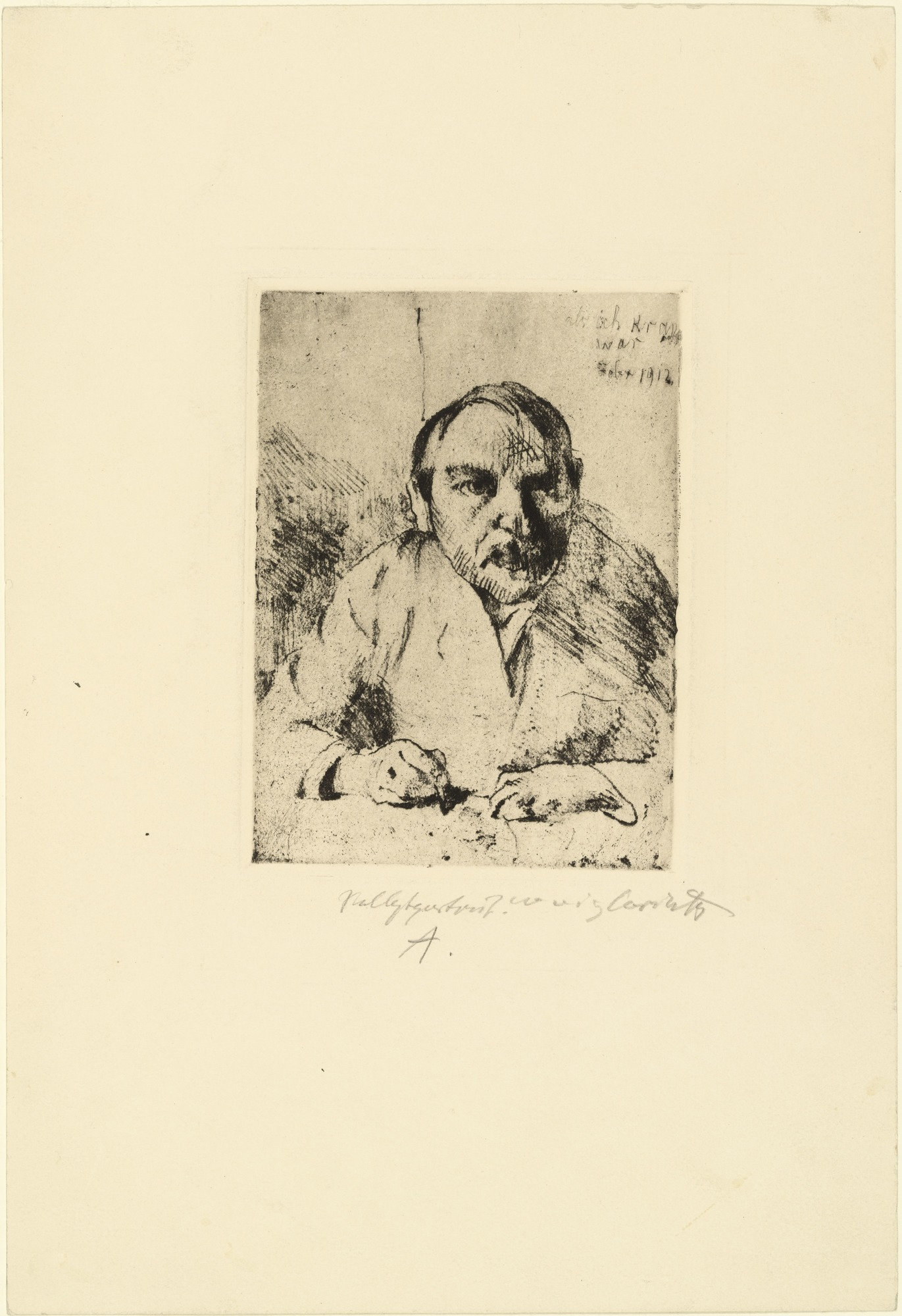
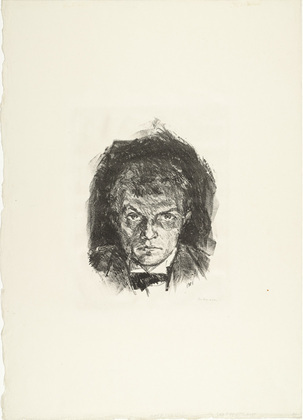
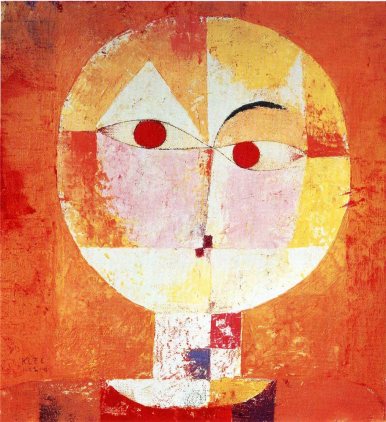
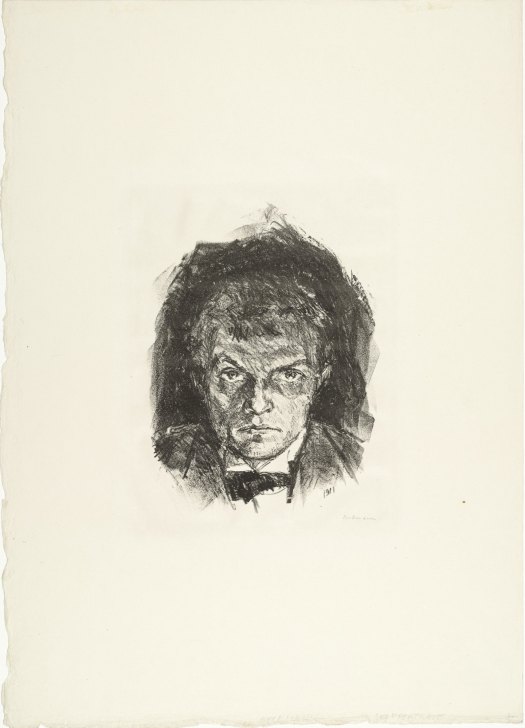
Through the use of Google Classroom and the Documents / Video / Questions that have been created – research a member of the German Expressionist movement and discover how marks were made, images were created, faces were presented, and you are drawn into the works of the artists. – GOOGLE CLASSROOM – See Mr. Korb’s board for class log-in information.
You have until 11:59 on SUNDAY to finish this Google work. In class drawing up ideas and getting things started for the portrait tomorrow.
Studio Art 360: Mid Crit – Hang up your work on the chalkboard!
8.1P: Interpret an artwork or collection of works, supported by relevant and sufficient evidence found in the work and its various contexts.
As you examine this work of art, what are the larger SKILLS you have developed in the process? N: SELF and PEER MID Critique. This is a ONE day process. Allow a break in the process to group up IN THE NEW GROUPS and discuss the STRENGTHS and WEAKNESSES / SKILLS of the Pencil Drawing using the RUBRIC that is handed out.
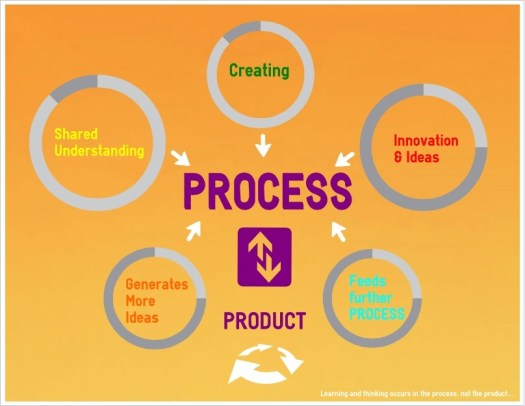
As artists, we are in it for the process of MAKING ART, not necessarily worrying about the finished product. How do you feel about the idea of PROCESS versus PRODUCT.
AP Studio Art: today we look into the 1) Next Artwork or 2) Work of Art – Season Finale – .
1.1 Ad: Visualize and hypothesize to generate plans for ideas and directions for creating art and design that can affect social change.
What social topics are out there that are important to you and you would like to see impacted by your behavior / action? Let’s have a conversation about that.
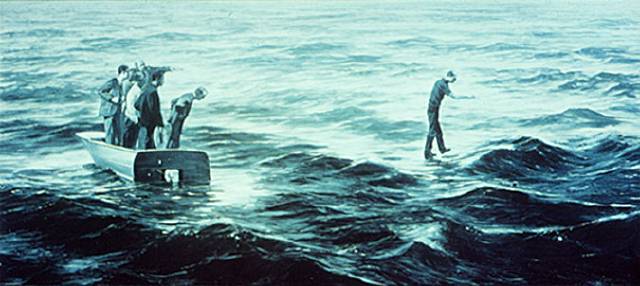
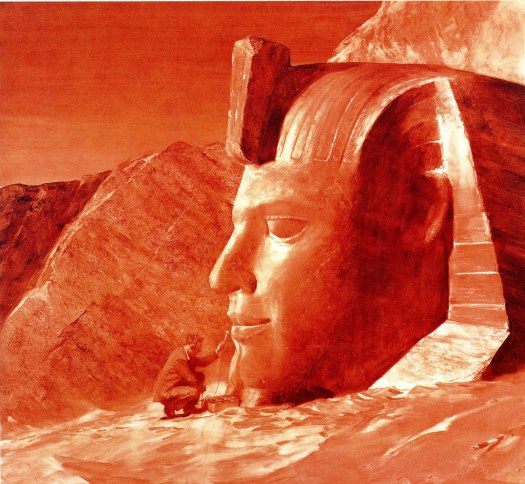
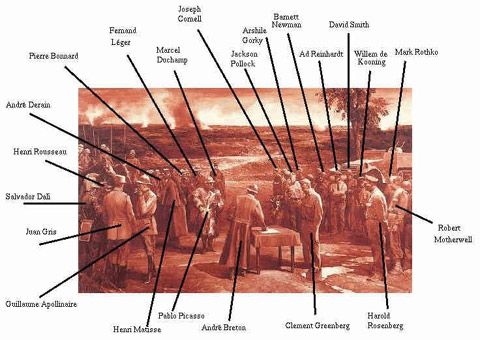
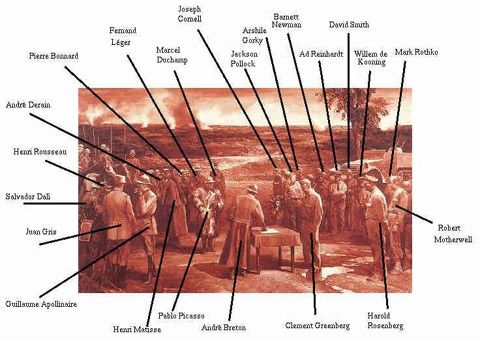
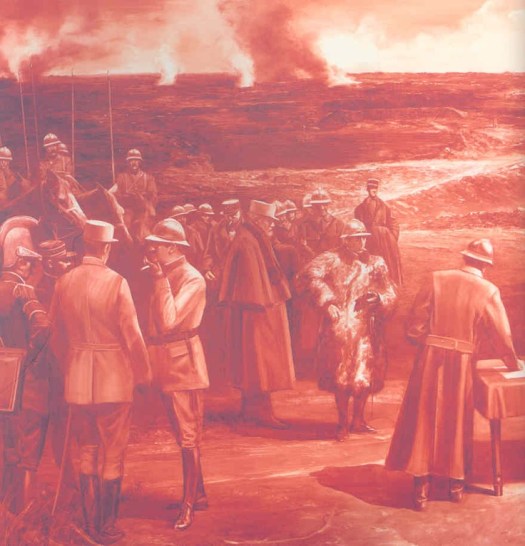
Mark Tansey (NYTimes Article) is the artist we are going to be looking at and his MONOCHROMATIC works are the impetus for the work. 1/2 week monochromatic drawing based on the work of Mark Tansey – Spin the wheel of adjectives, prepositions and nouns to come up with 10 working titles, build an art historical referenced collage that is referenced from the title and work a small pencil drawing with a monochromatic watercolor wash as a the background. Study the techniques, process and rationale of Mark Tansey. Drawing, painting, pastel, your choice in mediums, techniques, approaches. Collage and Additional Work are final products.
Illustration board and watercolor demo – wash a THIN COLOR over the top, pencil / paint / marker – their choice for the work over the top. Decide upon the social topic and imagery that one might use. Spin the wheel for a title and see how one can make that work as an impetus for the work (3 spins – 1 final title – one can assemble the different spins to come up with the best title).
From your research today, what are your social topic ideas? How are you seeing yourself as a changer in the world through the arts?
#13 Each generation gets to reinvent art in its own image. Because art is an act of description, it is inevitable that what it describes will reflect every generation’s bias of the moment. It is not a strict reflection of a time but an interpretation rendered in a language that is always in a state of transformation. Kit White 101 Things I Learned in Art School
Drawing: Portraits and Photography and the German Expressionists (@MoMA)
2.1Ac: Through experimentation, practice, and persistence, demonstrate acquisition of skills and knowledge in a chosen art form.
Take a look at your previous week’s works – where did you struggle? How do you use the ideas of chiaroscuro to better define the ideas of form?
What was the most challenging aspect for you to draw today? Why was this most difficult way to go? What is most important about drawing when it comes to observation?
Studio Art 360: Sketchbook TUESDAY is ON YOUR OWN – Here’s the rules…
ON YOUR OWN! FOR NEXT TUESDAY! CONSIDER A ROOM – A BUILDING – Something with a sense of DEPTH and Space: Using all of the knowledge you have gained from the first batch of sketches, create a drawing that emphasizes the idea of space, depth, form, perhaps perspective. Consider your understanding of Line, Shape, Form, Texture, and Color to complete this assignment.
10.1P: Document the process of developing ideas from early stages to fully elaborated ideas.
Look at your current still life drawing… Choose an element or principle and describe how you are using it in your still life. Also describe how it is being used successfully or not so much.
Step back and admire the strengths and weaknesses of the work you are completing – Mid Crit on Thursday.
AP Studio Art: Last Crit Days – Peregrine Honig
Reflect: Learning to think and talk with others about an aspect of one’s work or working process, and learning to judge one’s own work and working process and the work of others.
Day 2 of final crit with Peregrine Honig. Are you READY to share your work and ideas? I hope so.
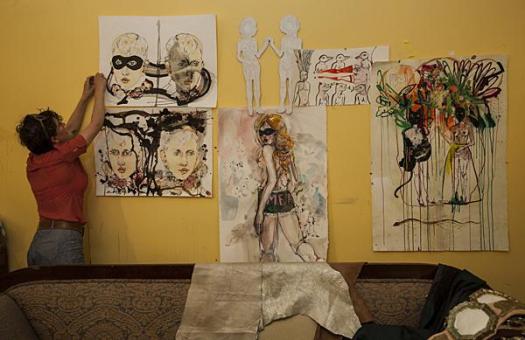
Peregrine Honig and Molly talking about the work Molly created.
Seriously – What did you take away from the critique?
It has been a fast 7 weeks in the studio and we only have 2 more. How many major works? At least one across the board – maybe… Hope we can have a SPECTACULAR week artists – 4 days for me – 5 for you!
#13 Each generation gets to reinvent art in its own image. Because art is an act of description, it is inevitable that what it describes will reflect every generation’s bias of the moment. It is not a strict reflection of a time but an interpretation rendered in a language that is always in a state of transformation. Kit White 101 Things I Learned in Art School Kara Walker:
Art 21 Starting Out
Drawing: Hair today and faces tomorrow!
1.1Ac: Individually or collaboratively formulate new creative problems based on student’s existing artwork.
How is the Hair Line and DIRECTION of hair a different feature to draw than any other feature of the head? Please explain your ideas here.
What successes did YOU have today? What do you hope to do with the hands and face in the upcoming drawing?
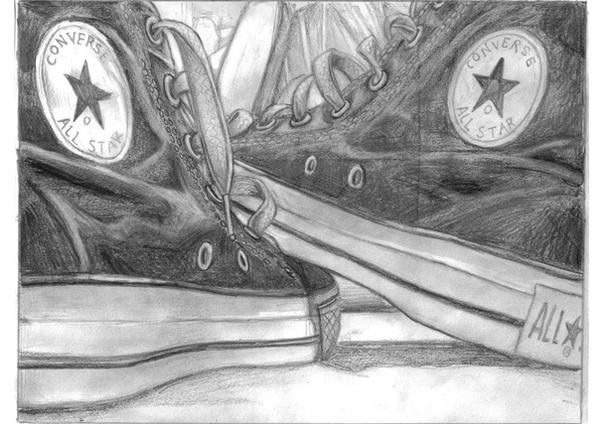
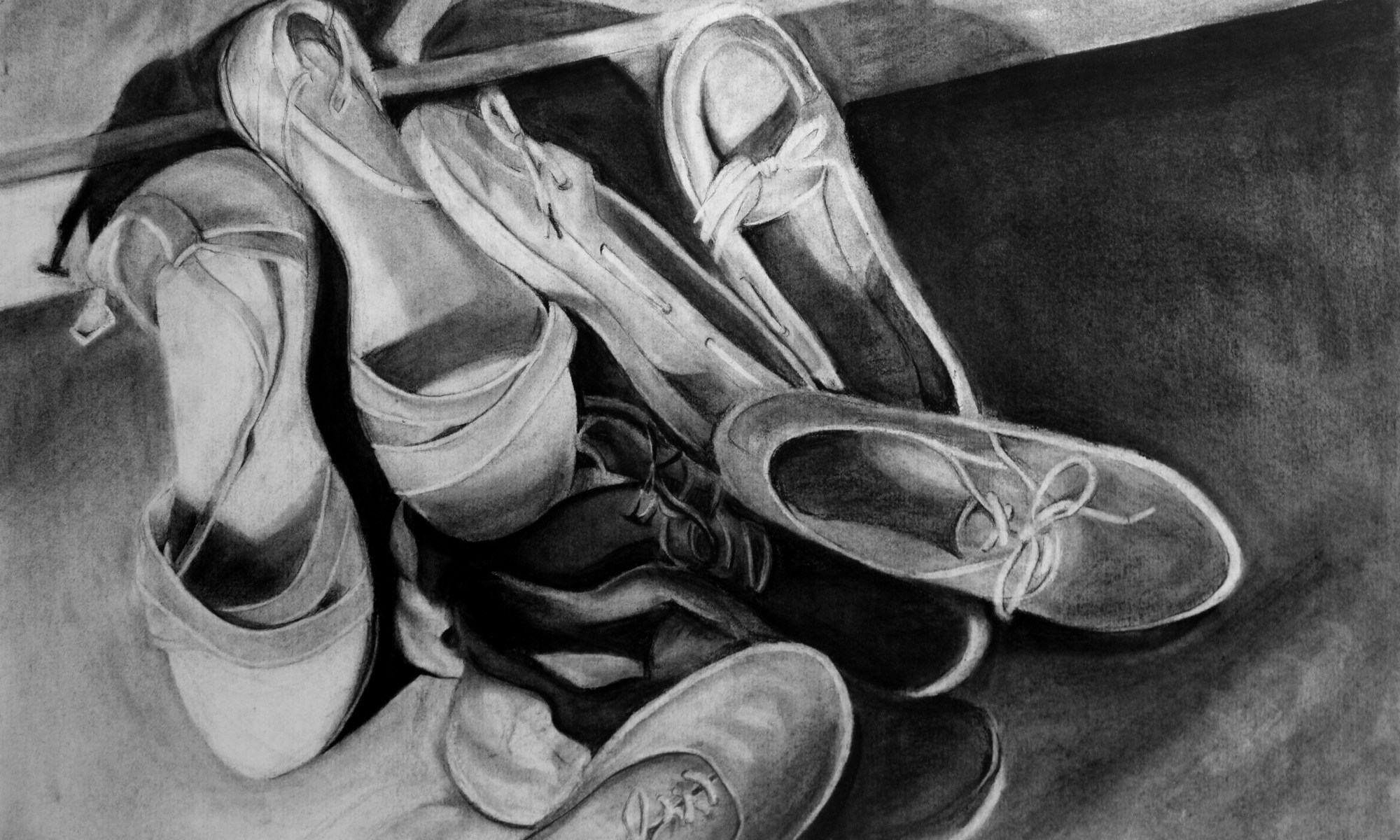
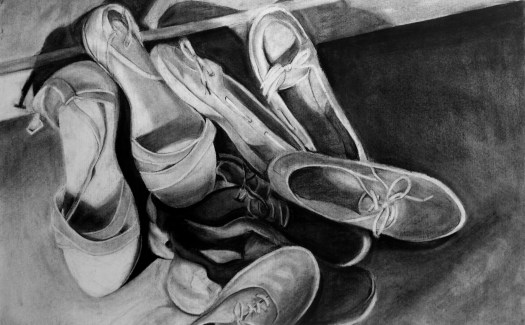
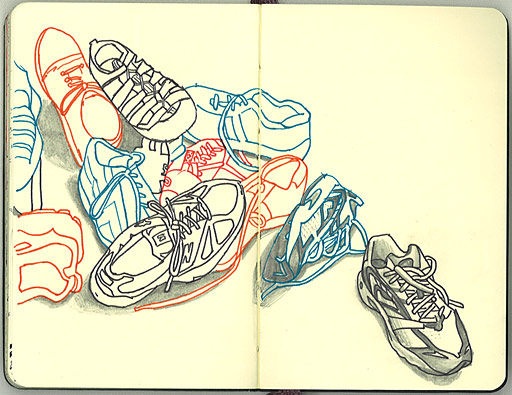
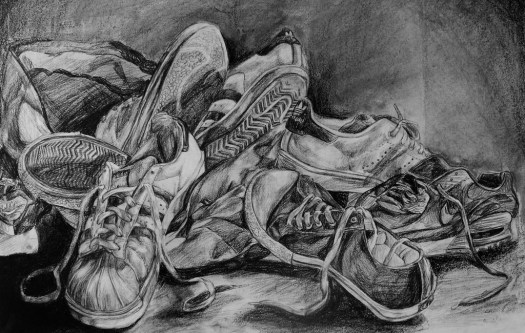
Studio Art 360: Still Life – SHOES and MORE Shoes!
10.1P: Document the process of developing ideas from early stages to fully elaborated ideas.
Look back at your THUMBNAIL drawings… Which type of composition do you feel you are going to use? What are TWO things that have changed about your composition from the THUMBNAIL STAGE.
Looking at the THUMBNAIL again and the DRAWING – What positive changes or negative changes have come from the process of drawing?
AP Studio Art: Critique Day is HERE – You had BETTER be ready!
Reflect: Learning to think and talk with others about an aspect of one’s work or working process, and learning to judge one’s own work and working process and the work of others.
Today is a final crit with Peregrine Honig. Are you READY to share your work and ideas? I hope so.
Art is the product of process. “Whether conceptual, experimental, emotional, or formal, the process you develop yields the image you produce. The materials you choose, the methods of production, and the sources of the images should all reflect the interests that command your attention. The process does not stop with each work completed. It is ongoing. The cumulative result of that process is a body of work.” Kit White 101 Things I Learned in Art School
Drawing: Faces – Assembling it all together
1.1Ac: Individually or collaboratively formulate new creative problems based on student’s existing artwork.
How is the Hair Line and DIRECTION of hair a different feature to draw than any other feature of the head? Please explain your ideas here.
Where can you see the idea of OBSERVATION as being a skill that is worthy of you focusing on?
AP Studio Art
2.1Ad: Experiment, plan, and make multiple works of art and design that explore a personally meaningful theme, idea, or concept.
Where are you struggling with ideas as you resolve your artwork and plan your next two concentration works? What is it about FINDING YOUR VOICE? What did you take away from yesterday’s crit?
What bit of advice did you get from your classmates that you will be able to put to use? What bit of advice did you give that might be used elsewhere? What are your goals for the next work(s) that will show your development? FINAL CRITIQUE on MONDAY!
Art is the product of process. “Whether conceptual, experimental, emotional, or formal, the process you develop yields the image you produce. The materials you choose, the methods of production, and the sources of the images should all reflect the interests that command your attention. The process does not stop with each work completed. It is ongoing. The cumulative result of that process is a body of work.” Kit White 101 Things I Learned in Art School
Drawing: Nose / Ears – One class of noses is a bit behind
1.1Ac: Individually or collaboratively formulate new creative problems based on student’s existing artwork.
How is the EAR a different feature to draw than any other feature of the face? Please explain your ideas here.
What are 2 skills you have already that are going to make your experiences in Studio Art 360 easier?
AP Studio Art: The View – Chapter 6 for MONDAY and then we talk on Wednesday!
1.2Ad: Choose from a range of materials and methods of traditional and contemporary artistic practices, following or breaking established conventions, to plan the making of multiple works of art and design based on a theme, idea, or concept.
What has been successful for your outdoor work? What has FAILED you? Where do you need to go from here?
PLEASE REMEMBER THE RULES ABOUT CELL PHONES. There are NO CELL PHONES in the hallways (earbuds in the ears either) and Do Not Use them without permission in the classroom either – that means do not be holding your phones under the desks and think you are getting away with something. Bags on the floors – UNDER THE DESKS – and please put your phones away. BELL TO BELL – BELL TO BELL. Questions – see me and / or check your student handbook.
Art is the product of process. “Whether conceptual, experimental, emotional, or formal, the process you develop yields the image you produce. The materials you choose, the methods of production, and the sources of the images should all reflect the interests that command your attention. The process does not stop with each work completed. It is ongoing. The cumulative result of that process is a body of work.” Kit White 101 Things I Learned in Art School
Drawing: Noses – QUICKLY
1.1Ac: Individually or collaboratively formulate new creative problems based on student’s existing artwork.
How is the NOSE such a different facial feature to draw than say the MOUTH or the EYES? Please explain your ideas here.
What mistakes did YOU make – how bad were they when it came to MOUTH?
Studio Art 360: Still Life – Let’s Get Started
2.1P: Engage in making a work of art or design without having a preconceived plan.
How DO you draw something in 3 dimensions? What are different techniques you know? What did you do successfully yesterday that you can continue with today? What is it you need to erase, change, resolve to make the drawing today even more successful.
What is one thing you are putting into your drawing of the 3D Forms that might be related to the ELEMENTS and PRINCIPLES as the building blocks of Art – things you really need to be aware of AS you are making art.
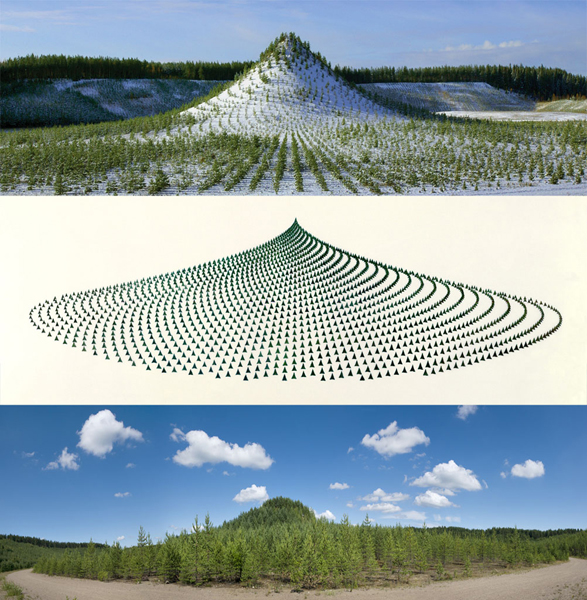
AP Studio Art: Nature – Work of Art
1.1 Ad: Visualize and hypothesize to generate plans for ideas and directions for creating art and design that can affect social change.
What have you learned from working outside of the box? Outside of your comfort zone?
What were the biggest impressions you had from going outside for ideas? What were the most difficult things you felt as you presented your work? Conversation between classmates about the 2 questions for your exam. How does this work relate to your concentration?
Art is the product of process. “Whether conceptual, experimental, emotional, or formal, the process you develop yields the image you produce. The materials you choose, the methods of production, and the sources of the images should all reflect the interests that command your attention. The process does not stop with each work completed. It is ongoing. The cumulative result of that process is a body of work.” Kit White 101 Things I Learned in Art School
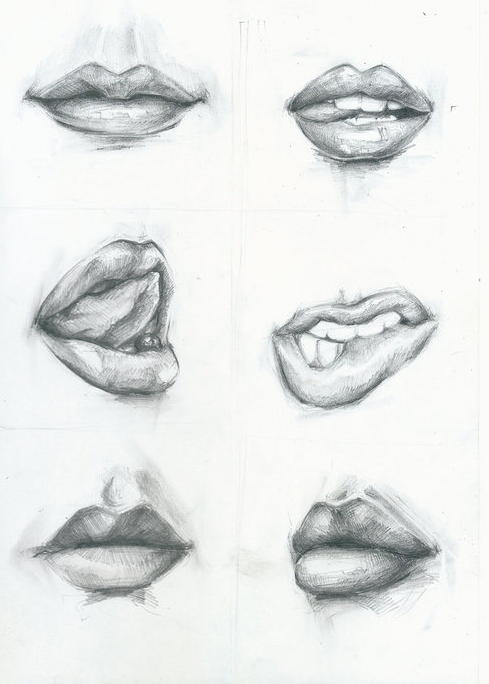
Drawing: Eyes and Mouth
1.1Ac: Individually or collaboratively formulate new creative problems based on student’s existing artwork.
When you start out drawing the MOUTH… what do you start with? Why do you feel that you start with that facial feature?
What mistakes did YOU make – how bad were they when it came to mouth?
Studio Art 360: Still Life – WAIT – Color Schemes and Sketchbooks
2.1P: Engage in making a work of art or design without having a preconceived plan.
What do you feel is the value of practicing in a sketchbook? How can you see this as being a place that others (engineers, designers, architects, artists) might need as a valuable tool?
Begin by drawing out three 7” x 4” FORMAT BOXES on three pages in your sketchbook.
Divide your format box up by using 7 straight or curved lines. Do the same on the next two pages.
On the first page, use one color scheme (page 29 in your handbook) of watercolor paints and fill the spaces in.
On the second page, choose another color scheme and do the same.
Lastly, on the third page – use whatever colors you want.
When they are all dry – either define the lines with black sharpie marker (thick / thin / variety) or crayons that are of similar color scheme.
When you evaluate this assignment – consider the success of the works that have a specific color scheme in comparison to the one without a specific color scheme.
What is your favorite color scheme? Why does it work for you so well?
AP Studio Art: Crit yesterday – moving forward?
7.2Ad: Determine the commonalities within a group of artists or visual images attributed to a particular type of art, time-frame, or culture.
What have you been doing to try and create a work of art inspired by the outside? Where do you see this drawing / artwork going? How are you using the materials from outside to make GREAT ART?









 Art With Korb