What were the biggest impressions you had from going outside for ideas? What were the most difficult things you felt as you presented your work? Conversation between classmates about the 2 questions for your exam. How does this work relate to your concentration?
What are the least successful aspect of the facial features that you drew out today? What do you feel makes them LEAST successful? Is it the same as you though in the beginning of the class?
Studio Art 360: Shoes and Shoes and MORE Shoes!
2.1P: Engage in making a work of art or design without having a preconceived plan.
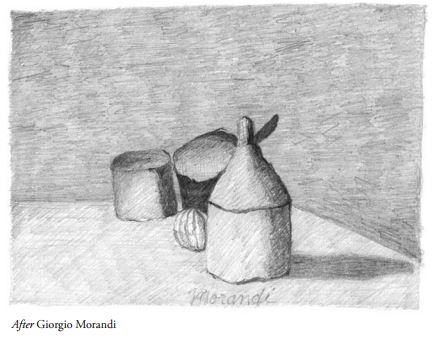
How DO you draw something in 3 dimensions? What are different techniques you know? What did you do successfully yesterday that you can continue with today? What is it you need to erase, change, resolve to make the drawing today even more successful.
What is one thing you are putting into your drawing of the 3D Forms that might be related to the ELEMENTS and PRINCIPLES as the building blocks of Art – things you really need to be aware of AS you are making art.
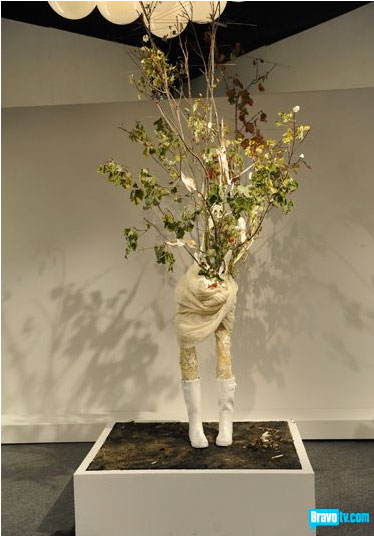
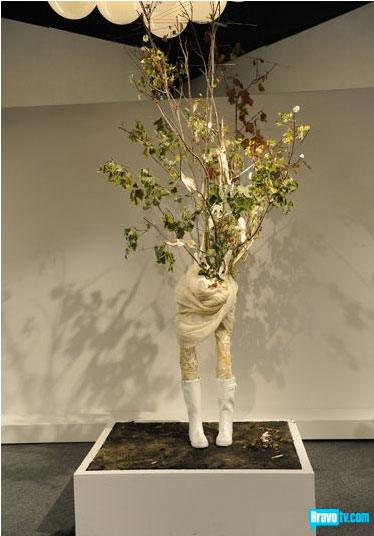
AP Studio Art: Peregrine Honig and YOU – NATURE and Art
7.2Ad: Determine the commonalities within a group of artists or visual images attributed to a particular type of art, time frame, or culture.
What have you been doing to try and create a work of art inspired by the outside? Where do you see this drawing / artwork going? How are you using the materials from outside to make GREAT ART?
All of the thinking about “Creativity” is about you and how you approach the process and product of your work. Your final product is only part of the the success of your work. What else is it about? The preliminary drawings you make, the attitude you walk into the studio with, the way you approach each and every day. The final work isn’t even the most important part of the work – the PROCESS in the importance of the work. Get to work!
Drawing: Critique – 2 minutes per artist – let’s wrap it up today!
3.1Ac: Engage in constructive critique with peers, then reflect on, re-engage, revise, and refine works of art and design in response to personal artistic vision.
What do you feel about talking aloud when it comes to other’s works? What are your thoughts about why you may be apprehensive or confident when discussing other individual’s work?
What were 3 things that you took away from today’s critique?
Studio Art 360: Shoes and preliiminary drawings – Let’s THUMBNAIL the ideas to start with
2.1P: Engage in making a work of art or design without having a preconceived plan.
What was the biggest challenge you found as you began to draw your objects yesterday?
What are 2 difficulties that you had in beginning your drawing today? Remember – DRAWING IS A CHALLENGE – let it be!
AP Studio Art: I hope 1) it is nice outside or 2) You brought a warm jacket
7.1Ad: Analyze how responses to art develop over time based on knowledge of and experience with art and life.
How are you struggling with fresh and unique ideas as you progress forward? What is it about FINDING YOUR VOICE? What did you take away from Friday’s Video “Work of Art?”
What ideas did you get from the video that you are able to put into the new NATURE work of art? How are you going to use your skills to create a “Work of Art?”
#17 Drawing is About Mark Making “Every mark has a distinct character and quality.Every mark is a signature. Variations in pressure and weight is the visual equivalent of intonation. Marks, or lines, of consistent weight or thickness surrounding a figure or object will flatten the image. Tapering or breaking a line in a curve can connote a highlight or make the curve flow. Also, a tentative line will read as such. Give every mark or line authority and make sure it serves a purpose. Try to use only the marks you need.” 101 Things Learned in Art School, Kit White, 2011, MIT Press
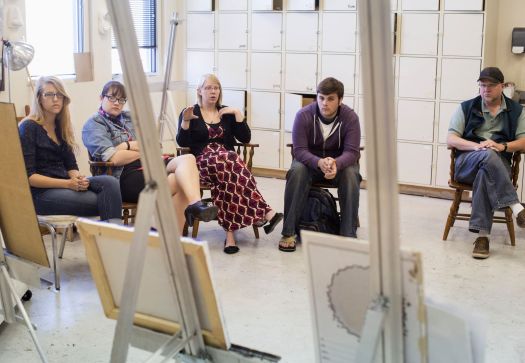
Drawing: Critique – Let’s Try a SMALL GROUP approach today.
3.1Ac: Engage in constructive critique with peers, then reflect on, re-engage, revise, and refine works of art and design in response to personal artistic vision.
What do you feel about talking aloud when it comes to other’s works? What are your thoughts about why you may be apprehensive or confident when discussing other individual’s work?
What are 2 difficulties that you had in beginning your drawing today? Remember – DRAWING IS A CHALLENGE – let it be!
AP Studio Art: Work of Art!
G: 7.1Ad: Analyze how responses to art develop over time based on knowledge of and experience with art and life.
Where are you struggling with ideas as you progress forward? What is it about FINDING YOUR VOICE?
Updates on The View blog Chapters 1 – 4 are DUE on Sunday night at 11:59pm. Grades will be updated MONDAY. Title, name, medium, year. Then a short statement that is thoughtful about the sketch. Sketchbooks are essential… use it. You do not want me to read this aloud in studio.
What bit of advice did you get from your classmates that you will be able to put to use? What bit of advice did you give that might be used elsewhere? What are your goals for the next work(s) that will show your development?
#17 Drawing is About Mark Making “Every mark has a distinct character and quality.Every mark is a signature. Variations in pressure and weight is the visual equivalent of intonation. Marks, or lines, of consistent weight or thickness surrounding a figure or object will flatten the image. Tapering or breaking a line in a curve can connote a highlight or make the curve flow. Also, a tentative line will read as such. Give every mark or line authority and make sure it serves a purpose. Try to use only the marks you need.” 101 Things Learned in Art School, Kit White, 2011, MIT Press
Drawing: CRITIQUE DAY – Shhh… Listen First!
3.1Ac: Engage in constructive critique with peers, then reflect on, re-engage, revise, and refine works of art and design in response to personal artistic vision.
What do you feel about talking aloud when it comes to other’s works? What are your thoughts about why you may be apprehensive or confident when discussing other individual’s work?
What were 3 things that you took away from today’s critique?
Studio Art 360: Critique TOO – Then NEW WORK – perhaps…
2.1P: Engage in making a work of art or design without having a preconceived plan.
What technique have you learned when it comes to draw something in 3 dimensions? What are different techniques you know?
Page 6 in folder. Go over SUCCESS in ART. Materials in the classroom – begin with just pencil and paper. DEMO THUMBNAILS and GO SLOW! OPEN and CLOSED COMPOSITIONS. Use the page in handbook on Compositions Page 30.
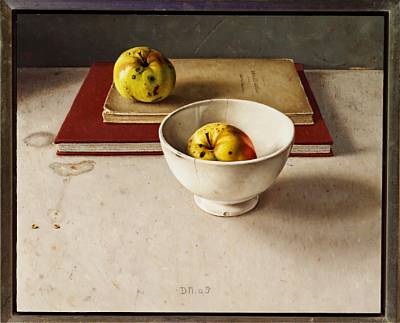
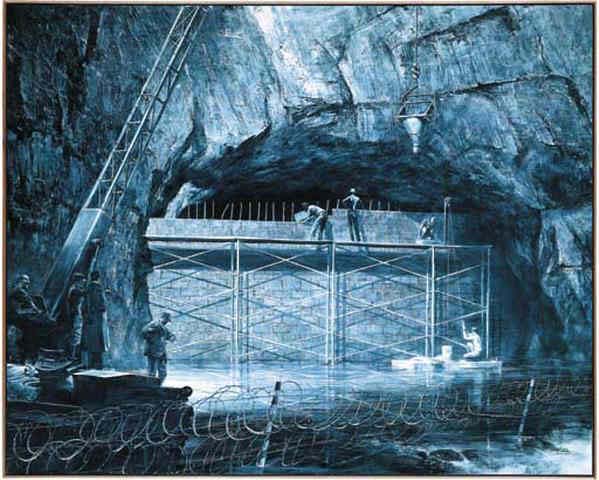
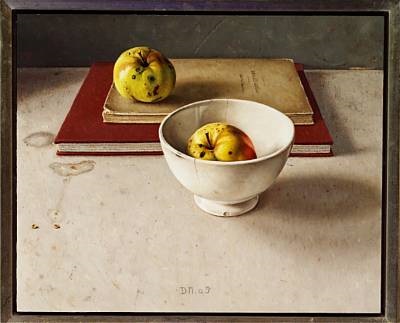
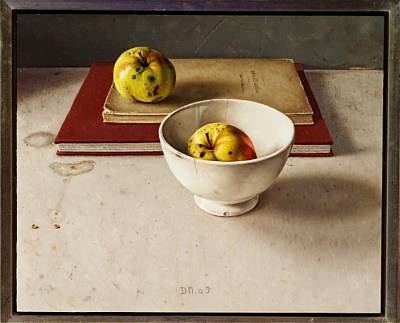
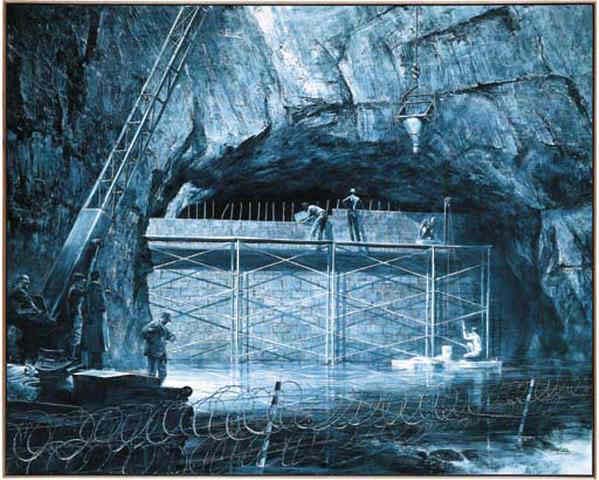
Dennis Mogelgaard (Dennis Møgelgaard is a visual artist who was born in 1959.) cf.behance.net/project_modules/disp/c17b4f21223835.562fd965af475.jpg
What is ONE thing you are CERTAIN you did successfully with your drawing today? What is ONE THING you are CERTAIN you need to focus on in order to create a more realistic / successfully accurate observation drawith tomorrow?
AP Studio Art: Crit and REALITY TELEVISION
G: 7.1Ad: Analyze how responses to art develop over time based on knowledge of and experience with art and life.
Where are you struggling with ideas as you progress forward? What is it about FINDING YOUR VOICE? What did you take away from yesterday’s crit?
What bit of advice did you get from your classmates that you will be able to put to use? What bit of advice did you give that might be used elsewhere? What are your goals for the next work(s) that will show your development?
#17 Drawing is About Mark Making “Every mark has a distinct character and quality.Every mark is a signature. Variations in pressure and weight is the visual equivalent of intonation. Marks, or lines, of consistent weight or thickness surrounding a figure or object will flatten the image. Tapering or breaking a line in a curve can connote a highlight or make the curve flow. Also, a tentative line will read as such. Give every mark or line authority and make sure it serves a purpose. Try to use only the marks you need.” 101 Things Learned in Art School, Kit White, 2011, MIT Press
Drawing: Last Day to Work on Book Drawings – CRIT TOMORROW
Develop Craft: Learning to use tools, materials, artistic conventions; and learning to care for tools, materials, and space.
Today you resolve the drawings. What challenges do you still have in front of you?
What do you need to do TONIGHT or TODAY to finalize your work?
Studio Art 360: Final Day to Work on the Bas Relief Work – New Stuff TOMORROW!
3.1P: Apply relevant criteria from traditional and contemporary cultural contexts to examine, reflect on, and plan revisions for works of art and design in progress.
What colors are working BEST for you with your painting and how can you improve the rest of the idea?
3.1Ac: Engage in constructive critique with peers, then reflect on, re-engage, revise, and refine works of art and design in response to personal artistic vision.
What do you feel about talking aloud when it comes to other’s works? What are your thoughts about why you may be apprehensive or confident when discussing other individual’s work?
#17 Drawing is About Mark Making“Every mark has a distinct character and quality.Every mark is a signature. Variations in pressure and weight is the visual equivalent of intonation. Marks, or lines, of consistent weight or thickness surrounding a figure or object will flatten the image. Tapering or breaking a line in a curve can connote a highlight or make the curve flow. Also, a tentative line will read as such. Give every mark or line authority and make sure it serves a purpose. Try to use only the marks you need.” 101 Things Learned in Art School, Kit White, 2011, MIT Press
Drawing: Two more STUDIO DAYS – RESOLVE YOUR IMAGE!
2.1Ac: Through experimentation, practice, and persistence, demonstrate acquisition of skills and knowledge in a chosen art form.
What do you need to do TODAY? Hurry to get it done – BUT WELL! Can you add color, texture, images to the book pages?
What needs doing? Passes? Come in to finish? Take home?
Studio Art 360: Sketchbook MAKE UP week. Board Painting too.
3.1P: Apply relevant criteria from traditional and contemporary cultural contexts to examine, reflect on, and plan revisions for works of art and design in progress.
Remember that THIS WEEK is the WEEK to REVISE sketchbooks for better / stronger UNDERSTANDING and DEMONSTRATION of MASTERY (and the grade). We are going to retrieve out Sol LeWitt COLOR images from the hallway and work ONE of the patterns up onto a panel. Which of your COLOR ideas are you happiest with and WHY?
What are you most pleased with in the painting process? Why?
AP Studio Art: CRITIQUE! WOOHOO – 1 Day behind – MODIFY the CALENDAR!
3.1Ac: Engage in constructive critique with peers, then reflect on, re-engage, revise, and refine works of art and design in response to personal artistic vision.
What do you feel about talking aloud when it comes to other’s works? What are your thoughts about why you may be apprehensive or confident when discussing other individual’s work?
This week we are going to be finishing work up. Drawing, Studio Art 360, AP Studio Art… even Yearbook is moving forward quickly. To work on the ideas of MASTERING SKILLS one needs to be thoughtful about the work they are doing – it is NOT about getting the grade or making the work to please the teacher – it is about making the work to learn from your art making. How are you doing?
#17 Drawing is About Mark Making “Every mark has a distinct character and quality.Every mark is a signature. Variations in pressure and weight is the visual equivalent of intonation. Marks, or lines, of consistent weight or thickness surrounding a figure or object will flatten the image. Tapering or breaking a line in a curve can connote a highlight or make the curve flow. Also, a tentative line will read as such. Give every mark or line authority and make sure it serves a purpose. Try to use only the marks you need.” 101 Things Learned in Art School, Kit White, 2011, MIT Press
Drawing: Critiques Last Week – We will END the week with the FINAL CRITIQUE.
1.2Ac: Choose from a range of materials and methods of traditional and contemporary artistic practices to plan works of art and design.
Open up to page 13 in the handbook and answer this before we even get started: What have been your biggest struggles with the ideas of making this work of art? Has this changed your outlook on making art? Explain your thoughts.
New thoughts on TODAY’s progress. Give 2 and SHARE THEM with your classmates
Studio Art 360: Finish the Bas Relief – Begin a Drawing
3.1P: Apply relevant criteria from traditional and contemporary cultural contexts to examine, reflect on, and plan revisions for works of art and design in progress.
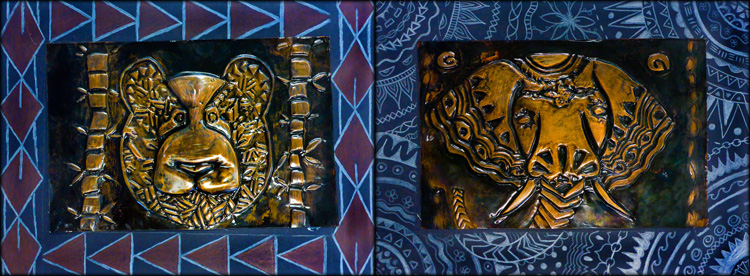
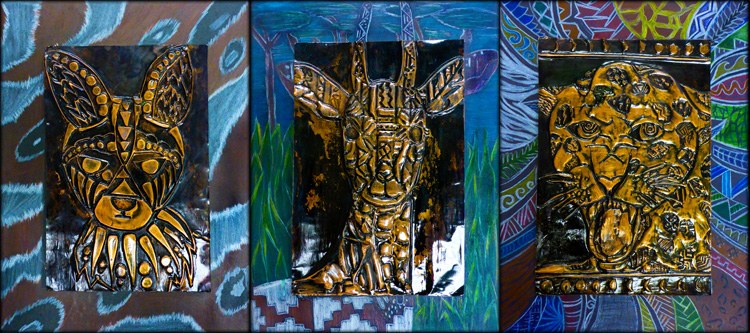
Final day on the metal bas-relief work you have created. What are you HAPPIEST about regarding the design and the EXECUTION of the materials? Reflect on a RUBRIC today
What is the least successful aspect of your bas relief copper plate?
AP Studio Art: Extension and Grit – Moving Forward
Ad: Choose from a range of materials and methods of traditional and contemporary artistic practices, following or breaking established conventions, to plan the making of multiple works of art and design based on a theme, idea, or concept.
“Advice about your paintings is difficult. As I said before, I cannot interest myself in whether they will pass juries or not. More paintings have been spoiled during the process of their making, through such considerations, than the judgements of juries are worth.” Robert Henri
Monday 2017 Patriotic Day
Thursday 2017 Blast from the Past Day
Wednesday 2017 Class Colors Day
Tuesday 2017 MisMatch Day
Friday 2017 WUHS Spirit Day
HOMECOMING PEP ASSEMBLY – 9/29/17 – 1:30
1 7:25-8:00
2 8:05-8:40
3 8:45-9:20
4 9:25-10:00
6 10:05-10:40
5A Lunch 10:40-11:10
5B Lunch 11:10-11:40
5C Lunch 11:40-12:10
5A Class 10:45-11:10
5AB Class 10:45-11:40
5BC Class 11:15-12:10
5C Class 11:45-12:10
7 12:15-12:50
8 12:55-1:30
ASSEMBLY 1:35-2:46
Drawing: How did you feel about the Critique? What worked? What didn’t?
1.2Ac: Choose from a range of materials and methods of traditional and contemporary artistic practices to plan works of art and design A: Biggest struggles with the ideas of collage? What are they? Has this changed your outlook on making art?
New thoughts on TODAY’s progress. Give 2 and SHARE THEM with your classmates
Studio Art 360: Sketchbooks and Copper
3.1P: Apply relevant criteria from traditional and contemporary cultural contexts to examine, reflect on, and plan revisions for works of art and design in progress.
Final thoughts on the metal bas-relief work you have created. Work through the lower portion of the self-evaluation and then the front of the rubric. N: Wrap up the bas-relief. A: What is the most successful aspect of your bas relief copper plate?
1.2Ad: Choose from a range of materials and methods of traditional and contemporary artistic practices, following or breaking established conventions, to plan the making of multiple works of art and design based on a theme, idea, or concept. A: This is it! What can you do to wrap up this assignment today (or this weekend)?
“Advice about your paintings is difficult. As I said before, I cannot interest myself in whether they will pass juries or not. More paintings have been spoiled during the process of their making, through such considerations, than the judgements of juries are worth.” Robert Henri
Drawing: Mid Critique and the RUBRIC!
3.1Ac: Engage in constructive critique with peers, then reflect on, re-engage, revise, and refine works of art and design in response to personal artistic vision.
What do you feel about talking aloud when it comes to other’s works? What are your thoughts about why you may be apprehensive or confident when discussing other individual’s work? MID CRIT and Talk about the RUBRIC: MID CRITIQUE even if the IDEAS are only visible – SUMMATIVE evaluations with RUBRIC that looks at the NVAS.
Did you have any struggles today? What are things that you might use in the process that you see as helpful in the idea of making art in the future? What about skills you have developed this year that will help outside of the art room?
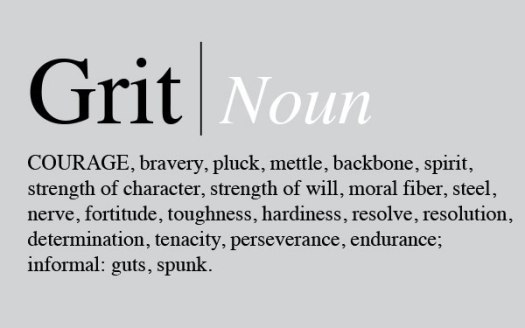
AP Studio Art: GRIT – Do you HAVE it?
1.2Ad: Choose from a range of materials and methods of traditional and contemporary artistic practices, following or breaking established conventions, to plan the making of multiple works of art and design based on a theme, idea, or concept.








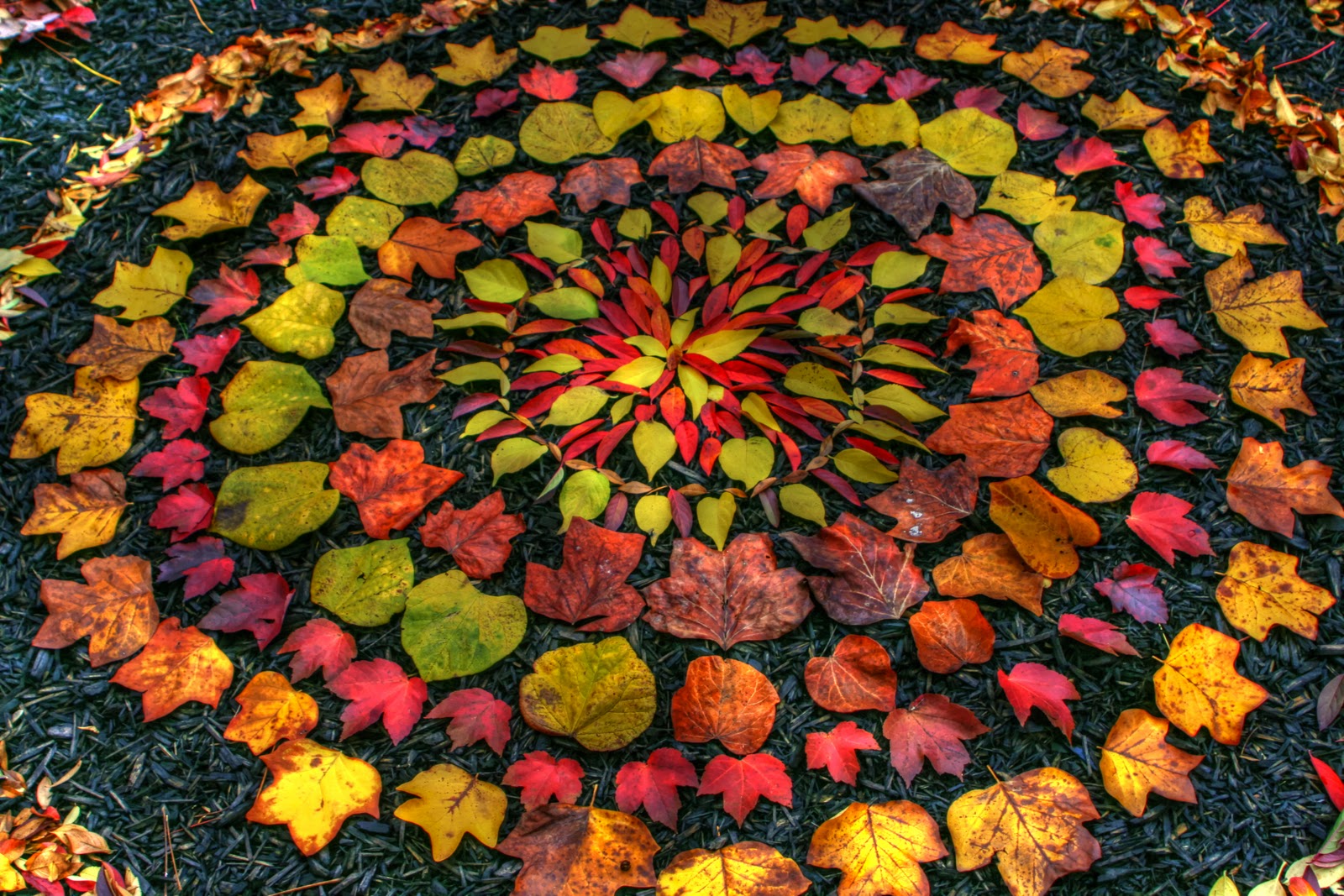
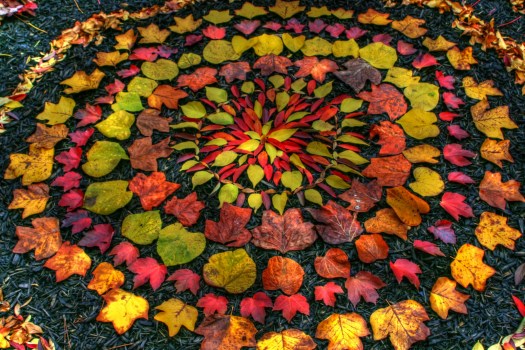
 Andy Goldsworthy:

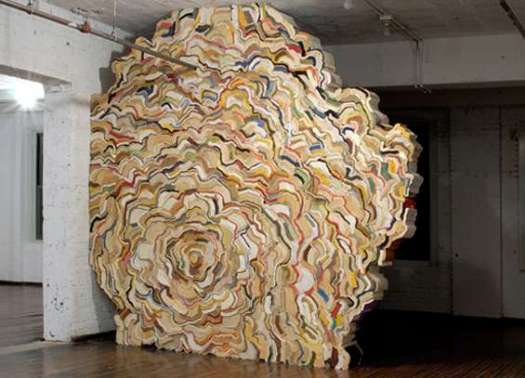


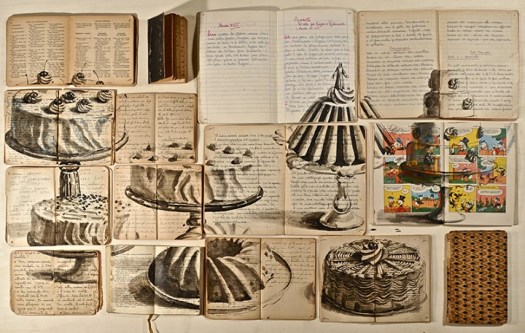






 Art With Korb