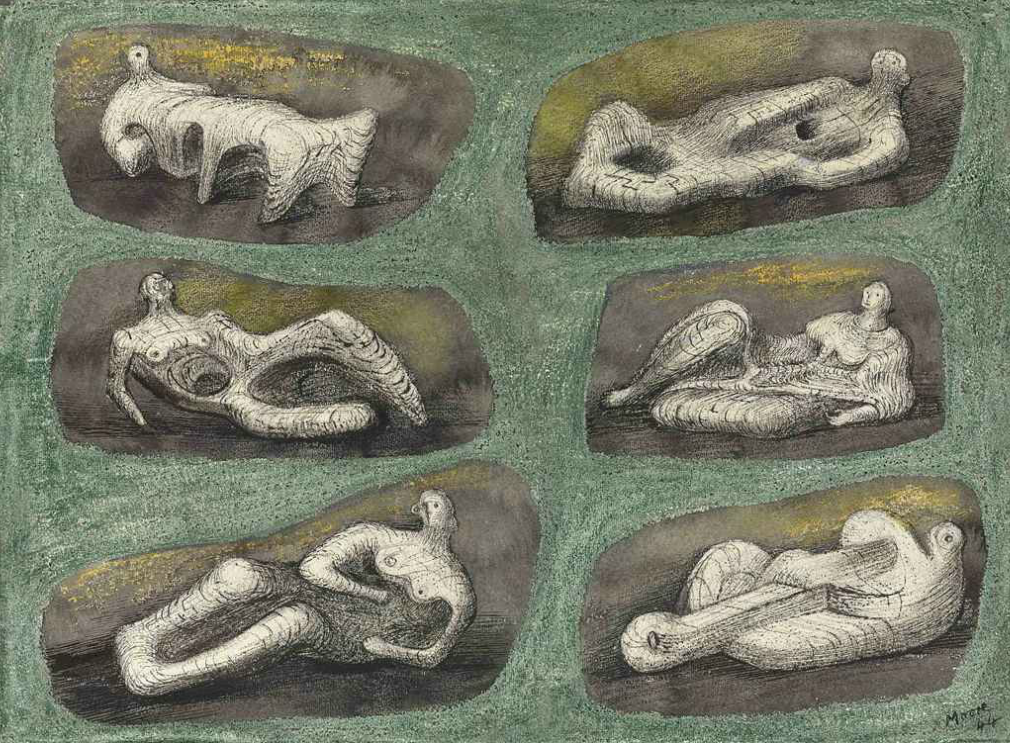
HIT YOUR TARGET – If you miss – shoot again!

What goals have you set for yourself? Are they BIG and BOLD? Are they small and subtle? Regardless as to the goals you have, make them attainable – but not too easy… you may get bored, and not too difficult… you may get frustrated. Just make them a smidge out of reach so you have to stretch!

“No matter how many goals you have achieved, you must set your sights on a higher one.” – Jessica Savitch

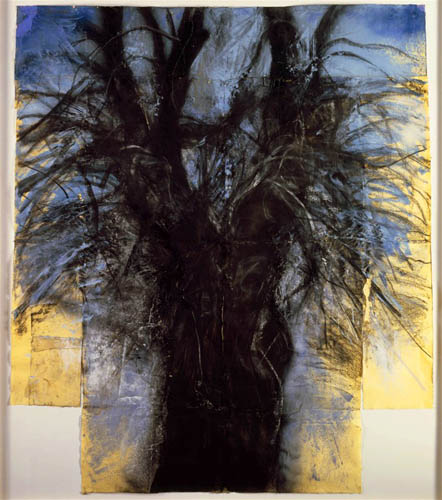
Jasper Johns – All sorts of approaches to his goals. http://www.christies.com/lotfinderimages/d53152/d5315228l.jpg

Art Foundations 2D: EXTENDED DEADLINES – So long as the GREAT WORK continues.

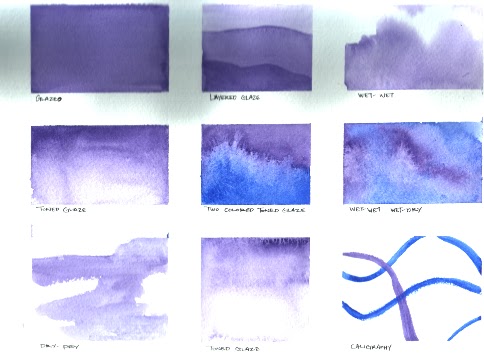
What is going on with your drawing as you resolve it? http://www.examiner.com/images/blog/EXID8310/images/BevShotsAustralian-Pale-Lager.jpg

Goals:

  1. 2.3 Resolve (extended deadline) your pastel drawing as you solve visual challenges. ALSO Consider the reflection on your works.

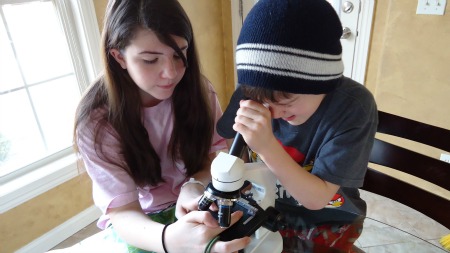
What was the most interesting thing you took away from this process of two point perspective, pastel drawing, microscopic images? Talk to your neighbor about the project and have a REAL discussion.

Drawing: EXTENDED DEADLINES – So long as the GREAT WORK continues.

Goals:

  1. 2.4 compare Kandinsky’s points of view and your theory regarding composition and meaning in artwork. This is going to be the PAPER you present for this work… BE THOUGHTFUL – Korb will bring you up to speed.

As this develops, how are your ideas and Kandinsky’s similar and how are they different? What might you take away from this experience? How can you share that idea with the world? WRITE this out from the beginning of the hour. Has it Changed?

AP Studio Art: Gesture Drawing – Remember this stuff? Let’s see what you can do.

GESTURE – Not Scribbles – but not too far from it! http://www.hoover.k12.al.us/sphs/visualarts/emyers/for%20elements%20page/gesture_drawings.jpg

Goals:

  1. 1.2 create gesture drawings that demonstrates an understanding of how your ideas and observations (and mark making) relates to the 1.2.1 materials, 1.2.2 techniques, 1.2.3 and processes you use.

  2. 1.3 communicate ideas clearly

What was most difficult about the drawings today? what were the things that you found fun? What is your largest fear of the human form?

Are you on TARGET with your GOALS? Jasper Johns sure is!

“No matter how many goals you have achieved, you must set your sights on a higher one.” – Jessica Savitch

Are you on TARGET with your Day to Day goals? Have you ever thought about setting goals of your own? Write them down and you will be more likely to hit them! http://farm4.staticflickr.com/3228/3137422976_fe5f9bc44e_o.jpg

Art Foundations: 2 Days until your drawing is DUE!

Simple Color Choices… How are you using YOUR choices in color? http://images.fineartamerica.com/images-medium-large/1-microscopic-arrangement-darlyne-a-murawski.jpg

Goals

  1. 1.2 create Oil Pastel 2 Point Perspective drawing that demonstrates an understanding of how your ideas relate to the 1.2.1 materials, 1.2.2 techniques, 1.2.3 and processes you use

  2. 1.3 communicate your personal ideas clearly

What do you you need to CLEAN things up before Wednesday rolls around? How are you going to write about the work?

Drawing: THURSDAY CRITIQUE

Goals

  1. 3.2 apply GEOMETRIC subjects, symbols, and KANDINSKY / BAUHAUS based ideas in art and use skill to solve visual challenges

Biggest struggle / success for today? Write it out and the WHY!

AP Studio Art: Critique Today – Figure Drawing TOMORROW!

What are these? Aren’t you glad you do not use them? I sure am… However, Photoshop can’t fix a bad photograph… Make good original images. http://www.theodmgroup.com/wp-content/uploads/2010/04/photo-slides.jpg

Goals

  1. 4.4 evaluate and interpret your art for relationships in 4.4.1 form 4.4.2 context and 4.4.3 meanings showing understanding of the work of various art professionals*

Of ALL the works you have created SO FAR… Which are the BEST 5? TOMORROW… Mounting the QUALITY Section of the portfolio.

For so many… this is the last week for your latest work of art!

THANKS JANIE for letting me be part of the SCAD conference! See you soon!

If you have not yet signed up for the texting service… one more day of information:

“No matter how many goals you have achieved, you must set your sights on a higher one.” – Jessica Savitch

http://farm4.staticflickr.com/3228/3137422976_faf68ecdd1.jpg

Hit the target – aim high! http://www.artchive.com/artchive/J/johns/targcast.jpg

Art Foundations: 3 Days to RESOLVE your Work!

COLORS and FORM… What are you doing in the 3D aspects of your artwork? http://jibibap.files.wordpress.com/2007/04/cover.jpg

GOALS:

  1. 1.1 apply media, techniques, and processes with 1.1.1 skill, 1.1.2 confidence, 1.1.3 and awareness so that your ideas are executed well

What are questions that you feel will be worth talking about as you write about the drawing and the original image? Come up with 3 questions between the two of you and TURN THEM in on the notecards provided.

Drawing: How Kandinsky did what he did – how can you(ski) do what you do?

GOALS:

  1. 3.1 reflect on how YOUR art differs and describe how it relates to YOUR history and cultures
  2. 3.2 apply subjects, symbols, and ideas in art and use skill to solve visual challenges

SHARE YOUR THEORY AND DRAWING WITH YOUR CLASSMATE – Last 10 Minutes – CONVERSATION and write down what you have learned from your classmate

AP Studio Art: CRIT!

Time to begin thinking about the final images and the photographs. https://artwithkorb.com/wp-content/uploads/2014/03/a210b-6a01156f8c7eb4970c015391f9d982970b-800wi.jpg

GOALS:

  1. 4.4 evaluate and interpret your art for relationships in 4.4.1 form 4.4.2 context and 4.4.3 meanings showing understanding of the work of various art professionals*

How does your art compare with the work of “professionals” and how can you work to create a better understanding of your approach / intent / ideas?)

OH NO! Exams are TOMORROW!!!

Who Needs EXTRA CREDIT? Take this SELF-EVALUATION and SURVEY to receive ONE FULL A+ Sketchbook Assignment EXTRA CREDIT. DUE – FRIDAY, January 17, 2014 at the END OF THE SCHOOL DAY.

This day is all that is good and fair. It is too dear, with its hopes and invitations, to waste a moment on yesterdays. — Ralph Waldo Emerson

Art Foundations: Clean, Review, Question Mr. Korb about whatever questions you may have.

What are the elements and principles of art? How can you remember it all? What are you doing to prepare for the final exam? https://artwithkorb.com/wp-content/uploads/2013/01/elements-principles.jpg

Goals:

  1. 4.2 describe the purpose and meaning of art objects within different cultures, times, and places
  2. 4.3 compare relationships in visual art in terms of 4.3.1 history 4.3.2 aesthetics 4.3.3 and culture as it relates to your own art (All Means STUDY!)

Review and Dr. Know All About Art Game, cleaning. G. What do you have to do to get yourself READY for the exam? Do you have your note card ready?

Advanced Drawing: Work, Work, Work – CLEAN!

PSYCHO! Mr. Korb’s favorite movie… well one of them… check out this reference to Edward Hopper’s “House by the Railroad” from Alfred Hitchcock’s thriller “Psycho”. http://www.edwardhopper.net/images/paintings/house-by-the-railroad.jpg

Goals:

  1. 5.3 describe meanings of Self Portrait drawings by analyzing 5.3.1 techniques

What do you hope to accomplish in the creation of this work? what messages are you communicating in this drawing?

AP Studio Art: CRITIQUE

Would the real slim shady please stand up? Elizabeth Peyton celebrates the celebrity! http://arttattler.com/Images/NorthAmerica/Missouri/St.%20Louis/Mildred%20Lane%20Kemper/Elizabeth%20Payton/Em.jpg

Goals:

  1. 4.2 describe the purpose and meaning of art objects within different cultures, times, and places
  2. 4.3 compare relationships in visual art in terms of 4.3.1 history 4.3.2 aesthetics 4.3.3 and culture as it relates to your own art

Questions? What is it you need to do on the final exam? How do you plan on finishing this artwork?

What do your today hold? Embrace it!

This day is all that is good and fair. It is too dear, with its hopes and invitations, to waste a moment on yesterdays. — Ralph Waldo Emerson

Do not worry about the past… what about today and tomorrow? http://www.makemymood.com/wp-content/uploads/2009/09/today-is-a-good-day.jpg

Art Foundations: Review – Hand in Art – Clean

Max Ernst – Frottage, Grattage, Decalcomania – Social Commentary? Maybe not that… http://www.kunstmuseum-bonn.de/typo3temp/pics/7a7e468339.jpg

Goals:

  1. 1.4.3 evaluation of your work as you are wrapping it up (formative and summative reflections about your artwork).

“The Golden Age of Abstraction” ARTnews, April 2013:

What are the challenges you had with this semester? Sketchbooks, class time, losing art? What can be done differently by Mr. Korb? What could be done differently by the artists?

Advanced Drawing: WORK! Clean!

We have looked at Edward Hopper a bit this quarter… lets read about him a bit more… http://www.edwardhopper.net/

Goals:

  1. 3.4 evaluate and defend the validity of sources for ideas 3.2 apply subjects, symbols, and ideas in art and use skill to solve visual challenges

What do you hope to accomplish in the creation of this work? what messages are you communicating in this drawing?\

AP Studio Art: Work – Clean!

Elizabeth Peyton – Let’s see her work! http://www.sanjeev.net/modernart/jake-at-the-new-viet-huong-by-elizabeth-peyton-0308.jpg

Goals:

  1. 5.5 evaluate responses to works of art for communicating 5.5.1 rationale and 5.5.2 ideas

What have you got to do to finish your exam? What is your concentration looking like?

Keep Calm… Focus on your GOALS (and exams).

“An average person with average talent, ambition and education, can outstrip the most brilliant genius in our society, if that person has clear, focused goals.” – Brian Tracy

What it says! http://blog.7geese.com/wp-content/uploads/2013/11/keep-calm-and-focus-your-goals1.png

Advanced Drawing: Portraits

Vermeer’s “The Music Lesson” plays a similar role in the communication of ideas that you are working on in your artwork. What messages are YOU trying to communicate? http://taboofart.files.wordpress.com/2013/12/hiroshi-sugimoto-the-music-lesson-1999.jpg

Goals:

  1. (2.2) Evaluate the effectiveness of artworks in terms of organization and functions. (D).
  2. (3.3) describe the origins of images and ideas and explain why they are of value in art (D).

What is the message you are communicating? What do you need to take home so that this is DONE on exam day? (One day to work, one day to clean next week.) How fun /frustrating is this for you? WRITE OUT YOUR THOUGHTS IN YOUR COMMENTS SECTION!

Art Foundations: Texture / Collage / Social Commentary

Architecture and NON-OBJECTIVE Abstraction. How are you focusing on the ideas that are being presented? http://1vze7o2h8a2b2tyahl3i0t6812c3.wpengine.netdna-cdn.com/wp-content/uploads/2013/04/52-1024×1004.jpg

Non Objective Art / Social Commentary PRESENTATION IS HERE

Goals:

  1. 3.2 apply subjects, symbols, and ideas in art and use skill to solve visual challenges.
  2. 1.1 apply media, techniques, and processes with 1.1.3 and awareness so that your ideas are executed well

As you think about the social topic you have decided to work with, why is it important to you that it become s the final work that you spend the time this semester working on? With all of the different techniques, projects, elements and principles that we have learned, how are you going to pull it all together to this final excellent work of art?

“The Golden Age of Abstraction” ARTnews, April 2013:

AP Studio Art: Concentration

What is Frank Juarez concerned with when he builds his body of work? What are similarities you have seen from the past two days? What are differences? How can you ask the same questions about your own work? http://frankjuarezpaintings.files.wordpress.com/2013/11/stay-float-by-frank-juarez1.jpg?w=700&h=&crop=1

Goals:

  1. 5.1 identify the rationale behind making art
  2. 5.2 stand behind your criticism of art

When speaking about and looking at others work, what have you learned about yourself? What have you learned about others?

Self Reflection Time… what have you learned about yourself?

“An average person with average talent, ambition and education, can outstrip the most brilliant genius in our society, if that person has clear, focused goals.” – Brian Tracy

Advanced Drawing: Portraits and Rubrics

Johannes Vermeer The Milkmaid demonstrates many of the requirements of our assignment. Does YOUR drawing? http://upload.wikimedia.org/wikipedia/commons/a/a8/Vermeer_-_The_Milkmaid.jpg

Goals:

  1. (2.3) Create artworks that use organization and function to solve specific visual challenges. (P).
  2. (5.1)Identify the intentions and purposes behind making art.

What are the specific visual problems that you are in need of solving? What is the intention you have behind making this final work of art?

Art Foundations: Painting / Texture / Collage / Social Commentary

What does “Celestial” mean to you? Let’s take a moment and read about the ideas here. http://1vze7o2h8a2b2tyahl3i0t6812c3.wpengine.netdna-cdn.com/wp-content/uploads/2013/03/04241-838×1024.jpg

Goals:

  1. 2.6 Work on creating multiple solutions to solve Non-Objective Abstract Compositions.
  2. 3.2 apply subjects, symbols, and ideas in art and use skill to solve visual challenges.

What are the / is the social topic that you are focusing on with the ideas of the Abstraction Artwork? Why is this the important topic that you have chosen?

“The Golden Age of Abstraction” ARTnews, April 2013:

AP Studio Art: Concentration 5 and 6 (or 6 and 7)

How are you focusing on the day to day, work to work pieces as you develop the body of work? http://frankjuarez.files.wordpress.com/2010/05/indiana-green-by-frank-juarez.jpg?w=299&h=300

Goals:

  1. 5.1 identify the rationale behind making art
  2. 5.2 stand behind your criticism of art (have a conversation with one another BEFORE we begin to talk about the most recent compositions you have for your concentration).

What have you learned about yourself? What have you learned about others?

AP Extra Credit – Through Friday at Midnight – Click Here!

Focused Goals – Keep Working and Stay on Task.

Special Thanks to the Teachers at St. Andrew’s School in Boca Raton, Florida. I had a great time speaking with you all. If I can help out in any way… please feel free to contact me! Frank

~~~

“An average person with average talent, ambition and education, can outstrip the most brilliant genius in our society, if that person has clear, focused goals.” – Brian Tracy

5 Days of Class… then EXAMS… let’s stay FOCUSED folks! http://mavericksquared.com/www/wordpress-content/uploads/2012/08/set-goal.jpg

Advanced Drawing: Portraits – Continue to work

Jan van Eyke – Arnolfini Wedding – interior / Exterior – Even the PAINTER is in the painting… https://artwithkorb.com/wp-content/uploads/2011/11/jan-van-eyck-arnolfini2bportraity2bdes2bdonateurs.jpg

Goals:

  1. (2.3) Create artworks that use organization and function to solve specific visual challenges.
  2. (5.1) Identify the intentions and purposes behind making art. (D)

What has been the most challenging thing for you so far? How do you feel about the progress of your work so far? What do you need to do in order to finish? This will take us up to EXAM DAY… Rubric is DUE on exam day – critique will be the exam.

Art Foundations: Color Wheel and Color Mixing with Acrylic Paint

Color Wheel and Texture – What do you remember about color mixing? Talk to your neighbor about HOW to mix, paint, clean… etc… http://integritypromos.com/site/custom_apparel_files/Color-Wheel—Transparent.png

Goals:

  1. 1.1 apply acrylic paint, color mixing techniques, and painting processes with 1.1.1 skill, 1.1.2 confidence, 1.1.3 and awareness so that your ideas of the color wheel are executed well
  2. 1.2 create painting techniques (grattage and decalcomania that demonstrates an understanding of how your ideas relate to the 1.2.1 materials, 1.2.2 techniques, 1.2.3 and processes you use.

“The Golden Age of Abstraction” ARTnews, April 2013:

What color did you find as very difficult to make? What color was easy (and not RY or B)?

AP Studio Art: Concentration Work and “Of Sailors and Whales” – DUE TODAY

What is a concentration? Frank Juarez is a Sheboygan artist – here’s his site! Enjoy! http://frankjuarezpaintings.com/

Goals:

  1. 1.2 create art that demonstrates an understanding of how your ideas relate to the 1.2.1 materials 1.2.2 techniques 1.2.3 and processes you use
  2. 3.3 describe the creation of images and ideas and explain why they are of value

What are the works that need work? What are you doing with the time you are in here? Should I be writing you passes for your study halls? If I am, should I continue?

My lunch (and art) at Cafe LuLu with my family in Bay View, Milwaukee

Once again, but with a moving twist, I offer a brief glimpse of the works currently on display (and for sale) at Cafe LuLu in the Bay View neighborhood of Milwaukee, WI. When you happen to be in the neighborhood – please stop in and take a look. My family and I had a great lunch there and this is a short video of the works. Please, stop in and check out the works, have a GREAT MEAL, and contact me when you are interested in the works. Also… mark your calendars for September 27 when the ENTIRE BAY VIEW Neighborhood opens their artistic doors to celebrate the artwork, artists, art galleries, and art spaces that Bay View, Milwaukee has to offer. I will be at Café LuLu to talk and chat… I hope to see you, and all your friends, there!

Failure is always an option! How are you “failing” and learning from your failure?

“If you’re not failing every now and again, it’s a sign you’re not doing anything very innovative.”
Woody Allen

~~~

On Saturday morning, while in South Africa, and through the wonders of modern technology via Google Hangouts and YouTube, First Lady Michelle Obama joined a large group of international students, teachers, and community leaders and discussed the importance of education to move education and learning forward. One of the threads that was strung throughout the conversation was the potential of failure in the process of learning. This is an aspect that it seems current educators, administrators, students, and parents are often missing as an important aspect of the process in learning. As a parent, I miss the important aspect of failure because the failures directly affect the grades that are brought home. As a teacher, failure is an important part of my student’s learning experience and is highly encourages as it does NOT affect the grades (directly) that are taken home. PROCESS!

Failure is part of the process. Take risks, be daring! http://tesourospreciosos.blogspot.com/

http://tesourospreciosos.blogspot.com/2013/03/ha-dias-assim.html

Taking risks and failing are an essential aspect of the world of the arts. In the great scheme of things though, the audience the artist creates for has little concern of the mistakes and process that the artist went through to get to the final product. The same can be said of the process that students go through in the learning of the materials that they are challenged with in the academics. There is a process my kids go through in the visual arts classes: Preliminary ideas (thumbnail sketches). These are the initial ideas. Great ideas, awful ideas, as well as ideas that may sprout legs and carry the artist to different places. The preliminary ideas get a lot of discussion and conversation between students and then, from that conversation, the next stage… rough drawing. Generally, even in a class like PAINTING, the drawing process comes long before the final product. There is a composition that needs to be thought through, a set of challenges that must be visually resolved before the final art work is begun. How can an idea be roughed out in another subject? In the working world? In a job or career?

From the rough drawings, the final product is then developed. Through the final drawing there is still the suggestion, the encouragement for risk taking, experimentation, failure, and then resolution. It is very important that the students, the artists challenge the ideas they come up with and take the risks that are in front of them. The second part of a final grade in the visual arts classes includes a small portion on EXPERIMENTATION. The encouragement to try something, fail, try something else, fail, try something else, until something is resolved is a key component in the process. Even when the final product is resolved and in the museum, gallery, or more importantly for the artist, the collector’s home, the imperfections are what make the artwork what it is. The slight misses, the “False Starts,” the problems that may be continued into the next work… the unresolved issues and questions that make art so interesting.

In a sketchbook note from the early 1960’s, Jasper Johns wrote, “Take an object, do something to it. Do something else to it.” A sketchbook is the perfect place to experiment and take risks. In the 1960’s, just after the AbEx movement of the 1950’s, popular culture and images was a risk, and a banal object, like a target, was truly a risk.

Jasper Johns “Target” https://www.facebook.com/phillipsauction

So… all that said… how are you taking risks? how are  you challenging the status quo? How are you being a positive deviant in your environment, leading the way to innovation and positive change? What are you doing to an object? What else are you doing to it? What else are you doing to it? When have you finally got something?

– Frank