May 29, 2013 – Wednesday

“Every problem has in it the seeds of its own solution. If you don’t have any problems, you don’t get any seeds.” —Norman Vincent Peale

Even a great big tree starts with a seed. Look deep within your challenges and find the seed to its solution.

~~~

  • l hour: 7:25 – 8:02
  • 2 hour: 8:07- 8:46
  • 3 hour: 8:51 – 9:28
  • 4 hour: 9:33 – 10:10
  • Assembly: 10:15- 10:48
  • 5A Lunch: 10:48am- 11:16
  • 5B Lunch: 11:16 – 11:43
  • 5C Lunch: 11:43-12:10
  • 6 hour: 12:15-1:02
  • 7 hour: 1:07-1:54
  • 8 hour: 1:59-2:46

~~~

Art Foundations: Mixed Media Collage, golden rectangle, perfect proportions, perfect placement, compositions – How are you doing? NO SKETCHES THIS WEEK! (Unless you want one more for extra credit – BUT – it has to be 100% or it does not get accepted).

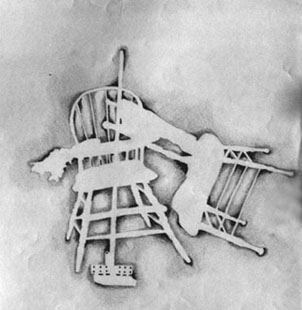
Max Ernst – Retrospective at the Fondation Beyeler – Switzerland
Home – Switzerland Max Ernst Retropective

GOALS:

  1. 3.2 apply subjects, symbols, and ideas in art and use skill to solve visual challenges.
  2. 1.1 apply paint, crayon, through collage and incorporating various texture making processes, with 1.1.3 an awareness so that your ideas are executed well.

How have you decided to represent the ideas and feelings you hold true? Has it been successful? Was it worth the task of creating this abstract work?

~~~

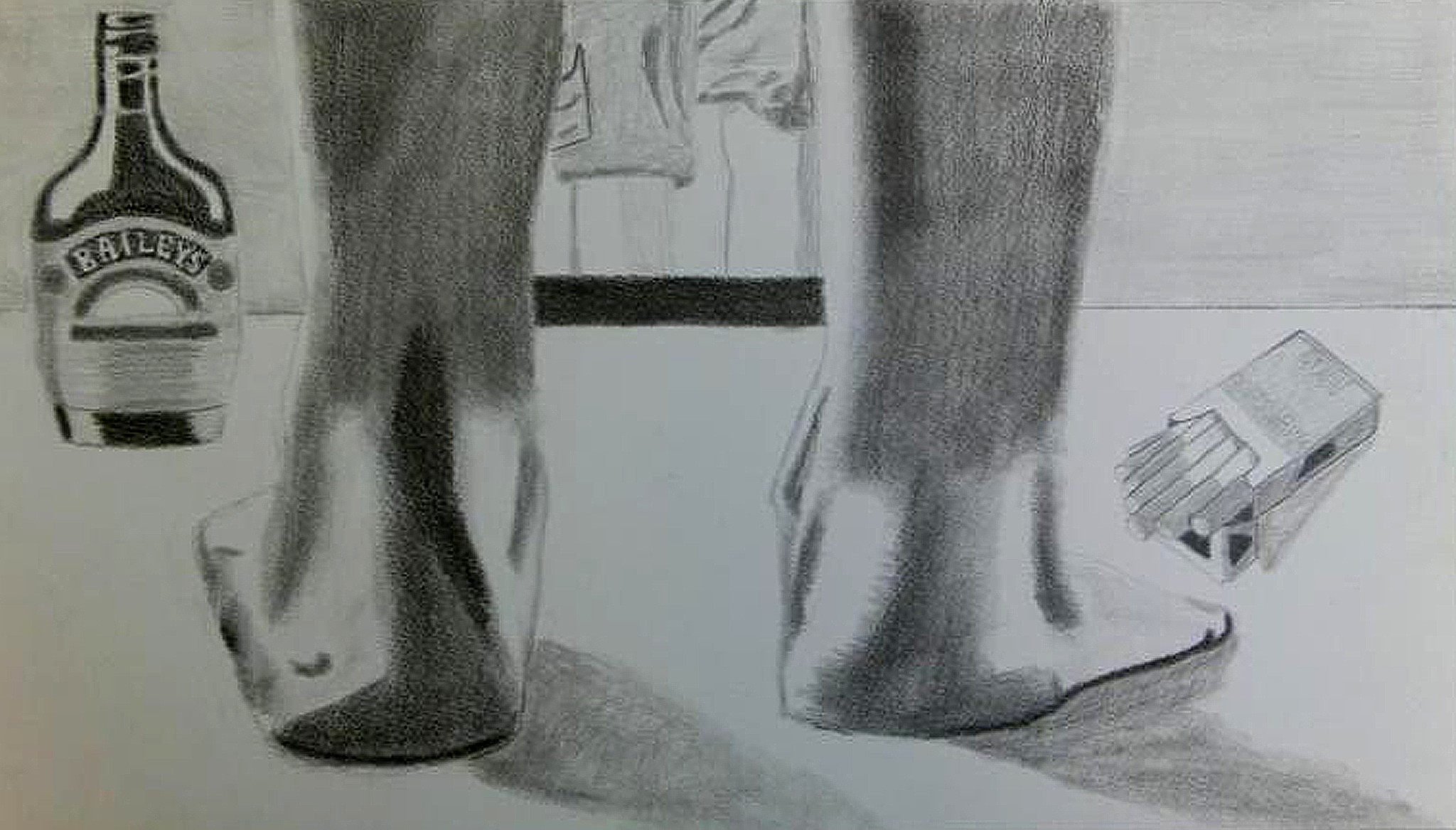
Drawing: Hallways and Observation – What is your object? How can you use the many skills we have developed and build that drawing to be your most successful one yet?

Jim Dine and his Single Objects – Look at the VALUES and FIGURE / GROUND relationships!

GOALS:

  1. 1.1 apply media, techniques, and processes with 1.1.1 skill 1.1.2 confidence 1.1.3 and awareness so that your ideas are executed well
  2. 2.2 evaluate the effectiveness of artworks (YOU AND COLLABORATOR – FORMATIVE TONIGHT ON GOOGLE DRIVE)

What did you do today that brought the work to a place where you can understand what is going to happen? How can you continue this forward movement tomorrow? Are you using your time wisely in the hall?

~~~

AP Studio Art: en Plein Air – weather permitting – FINAL EXAM is RIGHT HERE!

Impression Sunrise – Oil on Canvas – Claude Monet – Father of Impressionism

GOALS:

  1.  1.2 create art that demonstrates an understanding of how your ideas relate to the 1.2.1 materials 1.2.2 techniques 1.2.3 and processes you use.

Drawing – I don’t care what your chosen field of making art is – is essential to the creative process… with it, what did you accomplish today? What are the troubles you are having working outside? Working in materials that you may not be familiar with or comfortable with?

May 28, 2013 – Tuesday

“Every problem has in it the seeds of its own solution. If you don’t have any problems, you don’t get any seeds.” —Norman Vincent Peale

Even a great big tree starts with a seed. Look deep within your challenges and find the seed to its solution.

~~~

Art Foundations: Mixed Media Collage, golden rectangle, perfect proportions, perfect placement, compositions – How are you doing? NO SKETCHES THIS WEEK! (Unless you want one more for extra credit – BUT – it has to be 100% or it does not get accepted).

GOALS:

  1. 1.1 apply media, techniques, and processes with 1.1.1 skill 1.1.2 confidence 1.1.3 and awareness so that your ideas are executed well
  2. 3.2 apply subjects, symbols, and ideas in art and use skill to solve visual challenges.

What is the social topic that you feel is important enough to make an artwork about? How are you using the abstract work to create your image to successfully express your ideas?

~~~

Drawing: Hallway drawings and Gesso of the board – a portion of it. Intro to the FINAL Crit! Last projects crit. was due TODAY!

Jim Dine – Heck of a guy.

This slideshow requires JavaScript.

GOALS:

  1. 1.1 apply media, techniques, and processes with 1.1.1 skill 1.1.2 confidence 1.1.3 and awareness so that your ideas are executed well
  2. 2.2 evaluate the effectiveness of artworks

How have you been able to do A LOT of work in one day that you may not have been able to in the past? How have you been able to improve your drawing and idea skills more in the past year than you have in the past?

~~~

AP Studio Art: Plein Air Drawings – Final Exam Instructions – FINAL EXAM is RIGHT HERE!

Ok… now is where all that editing comes to use. TOMORROW!

GOALS:

  1. 3.4 evaluate and defend the validity of sources for ideas
  2. Stand behind the meaning and creation of your work.

How did the art exhibition go? What were questions that came up? How were you able to discuss the work, eat, drink, and be a real part of the process? how did the exhibition and conversation about your work make you feel?

May 25, 2013 – Saturday – NVAS: Standard 6

Visual Art GOALS and OBJECTIVES

National Visual Arts Standards – Standard 6
Making Connections Between the Visual Arts and Other Disciplines

Frank Korb

~~~

Welcome to the last weekend of thinking about the 6 OVERARCHING GOALS that all students ought to work toward and focus on EVERY DAY during the year in all of their art classes. These Goals are unpacked from the National Standards for the Visual Arts so that they make more sense to the students and parents who are working with them through their art making and other art experiences. As I use goals in my classroom it OPENS THE FOLDER to learning.

The National Standards for the Visual Arts are now GOALS that are clear, measurable, observable, and understandable to the students, parents, and community. The use of goals is to keep the mind open to the idea of learning and focused on the act of learning, By combining both declarative (mind) and procedural (application) knowledge the intentional actions are focused on the combination of art theory and art making and art critiquing as well as the reflection on the close relationships.

This final objective, standard, is the one that I find easiest to see how it relates to the outside world but, when in the classroom, I find it hardest to put up as a daily goal for the kids to reflect upon. I am REALLY looking for your input and thoughts on this one so… if you have a career that you can help me relate the ideas to – please chime in.

~~~

Standard #6: Making connections between visual arts and other disciplines

As an art student you will demonstrate the ability to:

  • 6.1 compare aspects of the visual arts with aspects of other disciplines

Where can we, the artists, relate to the outside the artist world? This is a question that kids (and parents alike) ask frequently. “You can draw, GREAT! But where is it going to get you in life?” I would guess, and an educated one at that, that there are no major corporations that do not invest a portion of their yearly budget to creativity. “How can we look at our product from a different point of view?” “What can we do to make the design of the (insert product here) so that it is flashier, sharper, more appealing, better overall to the consumer?” Technology, virtual reality, the machines we rely on day in and day out, the lifestyle we all lead, the fashion we wear, drive, live in and with, require the mind of a creative person. How can we advance with only the academics at the front of education? The answer is, has been (all the way back to the days of Socrates and more recently Leonardo da Vinci – of the 1400’s are more recent), and always will be… we can’t.

  • 6.2 compare characteristics of the visual arts and other disciplines from history or movements

I find the characteristics of art movements easy to speak about, but as someone who is not a history buff or particularly well versed in world history, I struggle to find those connections between what the visual arts have done and what the world was going through. This is, however, a great place to make those connections. We recently wrapped up a Fauvist Project in my Drawing 1 class where we looked at the works of the French Fauvists (1905) and saw how they abandon the Romantic Tradition of the portrait and landscape on favor of the color explosion of the “Wild Beasts.” We also looked at the current culture most of the kids in class (all but one had taken some sore of goofy cell phone photograph of themselves sticking out their tongue or looking cross-eyed at the camera and they created soft pastel portraits based on art history and their own current cultures and social behaviors. This was a great way for them to relate to the arts of the past and to get a bit of knowledge about the history of the time… more about French social time of the era but… next time.

  • 6.3 use the principles and techniques of art with those from other discipline

How can we use the ideas and practices that artists use and mix them with those from other disciplines? Math, Science, History, World Languages, Engineering, Design, Architecture, Dance, Theater… and the list goes on. One of the more important lessons I work to teach is that the visual arts the students learn in our classroom are NOT limited to the walls of that classroom. This seems silly, but when I often see collages and paintings done in classes outside of the arts, some of my very students forget the lessons in color theory, perspective, facial proportions, and even good composition and design and fall back to the days of the elementary artist. If it were intentionally, I could appreciate the effort to forget all the training that was done to make them stronger and more successful artists. That said, not a one of them has the deliberateness behind their marks as Pablo Picasso did as he said “When I was the age of these children, I could draw like Raphael: it took me many years to learn how to draw like these children.” Nope, they just made poor and rushed attempts. For a student to know that they can and should use all of the lessons about the elements and principles of design and art and put them to use in the academics and the rest of their life – truly lifelong learners they will be.

~~~

Lastly, once you open the door to learning  you also need to close it.  During the last couple of minutes of my classes, we take time to reflect, to GENERALIZE the relationship to the goals and the day’s work / lessons onto what the students know or think they know about the world / practice of the arts. This is the CLOSING THE FOLDER that allows the brain to settle down and pack away the learning, the experiences, until the following day.

You can find these ideas (and more of my thoughts and other individuals thoughts) in my Visual Arts Handbook HERE.

Thanks –

Frank

May 18, 2013 – Saturday – NVAS: Standard 5

*Note: This is a day early because I am curious as to the comparison of a late Friday post versus a Saturday post. Any feedback? Let  me know!

~~~

Visual Art GOALS and OBJECTIVES

National Visual Arts Standards – Standard 5
Reflecting upon and assessing the characteristics and merits of the visual arts

Frank Korb

Click HERE for a look at the RUBRIC for EVALUATING WORK I have implemented in MOST of my art courses. This document follows the process of making art through a Formative and Summative, Self – Evaluation and COLLABORATIVE Critique.

~~~

Welcome to another weekend of thinking about the 6 OVERARCHING GOALS that all students ought to work toward and focus on EVERY DAY during the year in all of their art classes. These Goals are unpacked from the National Standards for the Visual Arts so that they make more sense to the students and parents who are working with them through their art making and other art experiences. As I use goals in my classroom it OPENS THE FOLDER to learning.

The National Standards for the Visual Arts are now GOALS that are clear, measurable, observable, and understandable to the students, parents, and community. The use of goals is to keep the mind open to the idea of learning and focused on the act of learning, By combining both declarative (mind) and procedural (application) knowledge the intentional actions are focused on the combination of art theory and art making and art critiquing as well as the reflection on the close relationships.

~~~

Standard #5: Reflecting upon and assessing the characteristics and merits of the visual arts

As an art student you will demonstrate the ability to:

  • 5.1 identify the rationale behind making art

All too often the ideas behind the art is forgotten or never fully realized and the art is made because it was an assignment. Through this focus, the artists are asked to think about why they are making the art they are. Does it matter? The use of a reason in the process has helped the artists I have worked with stay focused on the work as well as taking pride in the work they are completing. It is more than just making art for art’s sake… it is for their sake and the sake of an artist’s job of communication.

  • 5.2 stand behind your criticism of art

Critiquing is SO important in the process of the art making procedure. This objective forces the artist to think about the choices they have made as well as the responses they verbalize (both in speech and in writing) and to be able to back it up with fact and experience. The novice, the uneducated, can easily throw off a “this work is terrible” or the opposite “this work is great!” The educated, the thoughtful artist / critic will have the words, facts, and personal experience to back up their thoughts. If they are critiquing others’ work, the facts and experiences are helpful… so long as the other artist is open for critique.

  • 5.3 describe meanings of artworks by analyzing
    •      5.3.1 techniques
    •      5.3.2 how they relate to history and culture

How is one using materials and techniques to make art? The Impressionists had a certain brush stroke that the German Expressionists didn’t have. A minimalist would approach a work with a very different intent and hand than a Romanticist or der Blaue Reiter. What is happening in the young artists society and culture that they can relate to the work they are creating? What are they able to pull from the annals of history that impacts their artwork? To look at and JUSTIFY the work, once again, gives the work a strngth and rationale that simply “completing an assignment” does not do.

  • 5.4 reflect on interpretations as a means for understanding and evaluating art

When a group sits down and has a conversation about the work in front of them, there are bound to be a variety of thoughts that are far different from the original intent of the artist. Is this a bad thing? When a young group of artists is able to listen to the variety of interpretations their classmates have about their work, the knowledge that their message may or may not have been communicated well can help them in the next work… or come to a realization that they need to go back and rework something in the current work in front of them.

  • 5.5 evaluate responses to works of art for communicating
    •      5.5.1 rationale
    •      5.5.2 ideas
    •      5.5.3 opinions

What was the artist trying to say? What was the impetus behind the work? Where are they deriving their ideas and thoughts from? Society, spirituality, politics… what do they hope to impress upon the viewer? As a professional, an artist should be thoughtful regarding the ideas they are trying to put out in the world. All that said, what do they think about how others are thinking about the works they are creating? One needs to put all of this is mind as they design, draw up, plan, create, and move forward with their works.

~~~

Lastly, once you open the door to learning  you also need to close it.  During the last couple of minutes of my classes, we take time to reflect, to GENERALIZE the relationship to the goals and the day’s work / lessons onto what the students know or think they know about the world / practice of the arts.. This is the CLOSING THE FOLDER that allows the brain to settle down and pack away the learning, the experiences, until the following day.

You can find these (and more) in my Visual Arts Handbook HERE.

Thanks –

Frank

May 11, 2013 – Saturday – NVAS: Standard 4

Visual Art GOALS and OBJECTIVES

National Visual Arts Standards – Standard 4
Understanding the visual arts in relation to art history and cultures

Frank Korb

Welcome to another weekend of thinking about the 6 OVERARCHING GOALS that my  students work toward and focus on EVERY DAY during the year in all of my art classes. These standards (Goals) are modified from the National Standards for the Visual Arts so that they make more sense to the students and parents who are working with them through their art making and other art experiences. As I use GOALS in my classroom it OPENS THE FOLDER to learning.

This is the fourth in the series and the topic is how the visual arts relate to the history it took place in and the culture that surrounded it. Again, using the national standards in visual arts as the beginning, I “unpack” them so the standards know about (declarative knowledge) them and are able to demonstrate (procedural knowledge) their understanding of them. It is important to note that, when the goals are given to the students, they are restructured (a smidgen) so that they are meaningful and pertinent to the day’s activity AND make sense to the kids. This has been, and continues to be, something that is developed and worked on so that they are stronger and more meaningful to the kids.

The National Standards for the Visual Arts are now GOALS that are clear, measurable, observable, and understandable to the students, parents, and community. The use of goals is to keep the mind open to the idea of learning and focused on the act of learning, By combining both declarative (mind) and procedural (application) knowledge the intentionality is focused on the combination of art theory and art making as well as the investigating the close relationship between the two.

~~~

Standard #4: Understanding the visual arts in relation to art history and cultures

As an art student you will demonstrate the ability to:

  • 4.1 recognize differences in historical and cultural contexts of art

Art does not happen in a bubble. Art does not come from a vacuum. The arts are born out of the historical events and societal contexts that are around them at the time. Impressionism was a reaction to Romanticism. Dada, to be overly simplified,  art that was so because the artist deemed it to be and to test the tastes of what was and was not acceptable in the world of art. None of the movements in art history were all by themselves. All things happen because of where the artists are in the world and how they are able to respond and work with what they had. Rauschenberg studied at the Black Mountain College and would never have been able to make what he did (as he essentially discovered concrete in some of his earlier works created under the stairs between his classes) had he not been where he was in the world.

  • 4.2 describe the purpose and meaning of art objects within different cultures, times, and places

It is certainly one thing to make art in a classroom because the great and mighty art teacher told you to. Why, then, did so many artists make things that nobody told them to make? What was it that drove them to create and invent the things that they did? What was the reason, the rationale that drove Picasso, Braque, and Gris to invent Cubism? What was it that the ancient Greeks were hoping to accomplish as they defined and formed the perfect specimen of human kind in their sculptures? What did the Native Americans, the artists of Asia, Russia, New Zealand  the ancients in the Caves at Lascaux  France… what were they all hoping to accomplish in the works they made?>

  • 4.3 compare relationships in visual art in terms of
    • 4.3.1 history
    • 4.3.2 aesthetics
    • 4.3.3 and culture as it relates to your own art

There is SO much more to the art than how it matches the couch and curtains in the room it is displayed. That is, for the artist, the least of their concerns. What is the relationship of the art to the history it was born from? How was “beauty” defined in 500 B.C., 400 A.D., 1500 A.D. and today? What is happening in today’s world that affects the works of art that we are able to make and stand behind? Would we have camouflage if the Cubists hadn’t broken up the picture place and displaced the flat edge of a table? Would we have the abstract architecture of Frank Ghery if the recognizable surfaces of the canvas was not broken up and changed by Wassily Kandinsky? What about the art of today? Could we look at and appreciate the work of Bill Viola if the invention of the television and the idea of performance art had not been married? What about the kids? What does the art they make have to do with them at all? How can they begin tomake art that matters to them and not art that matters to someone that is NOT them?

  • 4.4 evaluate and interpret art for relationships in
    • 4.4.1 form
    • 4.4.2 context
    • 4.4.3 meanings showing understanding of the work of various art professionals*

The fundamentals of art – Principles and Elements – Form, Balance, Repetition, Line, Color, Shape and From… all of this matters, and matters a great deal. Why is it that I have 64 crayons in my box, but I should only use the colors that have red in them? If I am creating a work of art based on the news of poverty in inner city America… why should I not use magazine pages of starving children on Africa? How are the Clement Greenberg’s, the Frida Kahlo’s, the Kasmir Malevich’s of the 21st century talking about and making works that I can relate to and find deeper meaning in?

  • 4.5 look at the qualities of art from various times and cultures to (Critique – Prezi Presentation)
    • 4.5.1 describe
    • 4.5.2 analyze
    • 4.5.3 interpret
    • 4.5.4 and judge works of art

These four aspects behind taking a word of art apart and critiquing it are essential in the development of a young (and old) artist as they are learning the ropes and deciding for themselves what they like, understand, care about, do about in the world of the arts. If we do not SLOW ourselves down enough to smell the flowers, all the tulips in all of Holland do not matter. To really get at the ideas of what art is, why art is, and if it even matters, the audience needs to approach the work of art with an open mind and a lot of questions.

~~~

Lastly, once you open the door to learning  you also need to close it.  During the last couple of minutes of my classes, we take time to reflect, to GENERALIZE the relationship to the goals and the day’s work / lessons onto what the students know or think they know about the world / practice of the arts.. This is the CLOSING THE FOLDER that allows the brain to settle down and pack away the learning, the experiences, until the following day.

You can find these (and more) in my Visual Arts Handbook HERE.

Thanks –

Frank

May 4, 2013 – Saturday – NVAS: Standard 3

Visual Art GOALS and OBJECTIVES

National Visual Arts Standards – Standard 3
Choosing and evaluating a range of subject matter, symbols, and ideas

Frank Korb

As I have said in previous posts, there are 6 OVERARCHING GOALS that my  students work toward and focus on EVERY DAY during the year in all of my art classes. These standards are modified, but not “dumbed down,” from the National Standards for the Visual Arts so that they make more sense to the students and parents who are working with them through their art making and other art experiences. As I use GOALS in my classroom it OPENS THE FOLDER to learning.

This is the third in the series and the topic is choosing subject matter, symbols and ideas to create artwork about. We “unpack” so the standards are known about (declarative knowledge). It is important to note that, when the goals are given to the students, they are restructured (a smidgen) so that they are meaningful and pertinent to the day’s activity. Notice, they are not agenda items but rather bigger thinking topics.

The National Standards for the Visual Arts are now GOALS that are clear, measurable, observable, and understandable to the students, parents, and community. The use of goals is to keep the mind open to the idea of learning and focused on the act of learning, By combining both declarative (mind) and procedural (application) knowledge the intentionality is focused on the combination of art theory and art making as well as the investigating the close relationship between the two.

~~~

Standard #3: Choosing and evaluating a range of subject matter, symbols, and ideas

As an art student you will demonstrate the ability to:

  • 3.1 reflect on how art differs and describe how it relates to history and cultures

Throughout the course, I work to relate the ideas that the kids are being exposed to and how they can tie it into their own culture. In addition to the work they are creating, it is important that they are able to see how art was created in different cultures and times and how that art related to the times it was from. What was happening in 1905 France that caused Henri Matisse and Andre Derain to throw away the natural colors of the subject and use arbitrary colors and thus become “Wild Beasts  or “the Fauves?” How can this all relate to what the kids might be experiencing today and how can they use their own times to reflect that feeling?

  • 3.2 apply subjects, symbols, and ideas in art and use skill to solve visual challenges

How can we use these ideas to help develop the necessary skills to become stronger artists, more dedicated artists, better thinkers? When we look at art in the classroom, specific elements and principles are looked at and focused on to help them push and challenge the basic ideas the kids oftgen have in their head. It is always nice to challenge them with “how can I figure this “proportion” issue out?” “How can I use this idea / trick / technique in another field / class?”

  • 3.3 describe the creation of images and ideas and explain why they are of value

Process versus product. Who is the one concerned with the process and who is the one concerned with the product. We are the artists and we are the ones who’s job it should be to be concerned with the process… not the product. In the past many kids would ask me “Can I be done?” they were more concerned with the product. Nowadays, the act of making art is the focus and the kids are looking more to HOW we get things done, how the colors work together, how the paper is handled, how the problems are resolved. That is the learning… the artwork is the byproduct of them learning how to make art (and lots of it).

  • 3.4 evaluate and defend the validity of sources for ideas

It is always easy to copy something from the National Geographic, but how does one come up with their own idea for an artwork? What makes it a strong idea or a weak one? Where artists come up with the ideas is a long time concern for us all. Only we, the artist, really care about how we came up with the idea and how we got the work done. More often than not the audience is more concerned with the “final product.” So, what is it that makes for quality subject matter? What was the artist trying to say? Was it successful? Does it really matter? (Thanks Ted Orland and David Bayles of Art and Fear for that one… buy your copy today!)

  • 3.5 evaluate and defend how
    •      3.5.1 subject matter
    •      3.5.2 symbols are used in art

Oh the critique. The world of art is SO MUCH MORE than just the art hanging on the wall. Writing about, thinking about, conversing about, talking, having coffee over, mumbling, grumbling, complaining, and being frustrated about the art. Standing in front of their peers and discussing the good, the bad, and the ugly and how / why / why not things happened. Writing about the process the challenged the struggles… it all goes into the process. From the critiques and reflection is where the real learning happens. Check out my classroom RUBRIC to see what I am talking about and using for collaborative feedback and grading… I love this.

~~~

Keep in mind that once you open the door, you also need to close it.  During the last couple of minutes of my classes, we take time to reflect, to GENERALIZE the relationship to the goals and the day’s work. This is the CLOSING THE FOLDER that allows the neurons to settle down and pack away the learning, the experiences, until the following day.

You can find these (and more) in my Visual Arts Handbook HERE.

Thanks –

Frank

April 30, 2013 – Tuesday

ALL LATE SKETCHBOOKS / MAJOR PROJECTS ARE DUE ON FRIDAY – THEY WILL BECOME ZERO’S PERMANENTLY AFTER FRIDAY…

~~~

“Don’t let the perfect be the enemy of the good.” — Voltaire

~~~
Art Foundations: Grid our paper and finish our color wheels. If you are done with the color wheel and you finish the grid… make sure your sketchbook and LATE WORK are complete.

Click on the “head” to see a video on how Chuck Close paints with a grid.

GOALS:

  1. Describe the creation of images and explain why they are of value.
  2. Work on Mathematical Ratios and Transferring images.

What COLOR SCHEMES are you struggling with understanding? Go through EACH of the color schemes with your neighbor and explain each one to one another. In your GOALS PAGES COMMENTS – write down your most challenging understanding of color schemes.

~~~

DRAWING: We are working with proportions and getting the drawing “picture plane” onto the photograph. Let’s get the drawing CAREFULLY up to the drawing paper. This paper is NOT CHEAP – it is a one sheet rule.

Henri Matisse’s painting of Andre Derain – I think they knew one another!

GOLAS:

  1. 3.1 reflect on how art differs and describe how it relates to history and cultures
  2. 4.1 recognize differences in historical and cultural contexts of art

What part of the math was a challenge to you? How well were you able to read the ruler and figure out how to make a QUALITY picture plane? As you draw this up, make sure that you are making references to the RELATIONSHIPS of COMPOSITIONAL ELEMENTS. We are looking for good to great – NOT PERFECT.

~~~

AP Studio Art: Chapters in the book – Paragraph 1 Chapter 1 and Chapter 2… Sit and Enjoy!

What’s your chapter? We are going to READ and MAKE ART and EDUCATE… YOU WILL TEACH!

GOALS:

  1. Work on finishing up presentation of portfolios and uploads.
  2. 2.6 create multiple solutions to visual challenges of Art and Fear that show understanding in relationships between composition and meaning of artwork.

What did you get done today? What have you read from the book?

April 29, 2013 – Monday – Week 14: 5 more to go… SO much to do!

“Don’t let the perfect be the enemy of the good.” — Voltaire

~~~

What are the colors used? Piet Mondrian – De Stijl Artist!

Art Foundations: Continue on the color wheel AND learn about using a GRID to plan out an artwork.

GOALS:

  1. 1.4 Define color schemes and value scales using analysis (what are the colors that we, as painters / drawers use to make all the other colors?)
  2. 1.2 Create art that demonstrates an understanding of how your ideas relate to materials and techniques.

Share image with your classmate and explain the process of measuring and transferring images.

~~~

Drawing: Transfer the photograph to the paper with pencil and consider the colors you might use (Color Scheme) to communicate a message / emotion.

Portrait of Henri Matisse by Andre Derain.

GOALS:

  1. 3.1 reflect on how art differs and describe how it relates to history and cultures
  2. 3.2 apply subjects, symbols, and ideas in art and use skill to solve visual challenges

What was the most challenging aspect of your drawing to get done today? How are you using OBSERVATION and COMPARISON – sighting in – to get your drawings set up correctly?

~~~

AP Studio Art: We are beginning a NEW ARTWORK based on literature. We are ALSO finishing the wrapping up of the portfolio.

How are you filling this?

GOALS:

  1. Work on Quality Mounting of artworks.
  2. 3.2 apply subjects, symbols, and ideas in art and use skill to solve visual challenges

As last week – what do you need to complete so that you have a complete portfolio by Friday?

April 27, 2013 – Saturday – NVAS: Standard 2

Visual Art GOALS and OBJECTIVES

National Visual Arts Standards – Standard 2
Using knowledge of PRINCIPLES and FUNCTIONS

Frank Korb

As I have said in previous posts, there are 6 OVERARCHING GOALS that my  students work toward and focus on EVERY DAY during the year in all of my art classes. These standards are modified, but not “dumbed down,” from the National Standards for the Visual Arts so that they make more sense to the students and parents who are working with them through their art making and other art experiences.

AS I use GOALS in my classroom (in any classroom for that matter) the essential part of the process of the goal is that it fires up and activates the neurons in the brain and gets the artist (student, teacher, whomever) focused on the work that will be undertaken. This OPENS THE FOLDER to learning.

This is the second in the series that we will look at and “unpack” so the standards (or GOALS at this point) are known about (declarative knowledge). It is important to note that, when the goals are given to the students, they are restructured (a smidgen) so that they are meaningful and pertinent to the day’s activity. Notice, they are not agenda items but rather bigger thinking topics.

The National Standards for the Visual Arts are now GOALS that are clear, measurable, observable, and understandable to the students, parents, and community. The use of goals is to keep the mind open to the idea of learning and focused on the act of learning, By combining both declarative (mind) and procedural (application) knowledge the intentionality is focused on the combination of art theory and art making as well as the investigating the close relationship between the two.

~~~

Standard #2: Using knowledge of PRINCIPLES and FUNCTIONS

As an art student you will demonstrate the ability to:

  • 2.1 form criticism about artworks that work to accomplish
    •      2.1.1    commercial
    •      2.1.2    personal
    •      2.1.3    communal
    •      2.1.4    or other meanings

Critiquing is an essential part of the reflection process as we make our art and work towards the development of the skills we need to make successful art. The use of the critique allows artists to be self-reflective while also being able to be critical (constructively hopefully) to their fellow artists (in the classroom, around the coffee shop table, via the internet and collaborative discussions.

  • 2.2 evaluate the effectiveness of artworks

What is working and what is not. The thought about the use of materials, communication of messages, asking deeper questions about the successful and unsuccessful aspects – with deliberate and specific parts of the work in mind.

  • 2.3 create artworks that solve visual challenges

By the simple act of making marks, the challenges and struggles that MAKING art can allow for solutions to be dealt with.

  • 2.4 compare different points of view regarding composition and meaning in artwork

This is great to hear when one has a group of kids / artists. Getting more feedback (formative and summative) from more than one person is great. It is also a great thing for the kids to hear from their classmates and NOT JUST FROM THE TEACHER!

  • 2.5 defend personal evaluations

Being able to justify and stand behind the works through the use of ART VOCABULARY is a great way to help the artist learn to SPEAK ABOUT THEIR ART. I have heard MANY BAD discussions and I hope that my students walk out with the skills and confidence to be public speakers who can voice their opinions and back them up with evidence.

  • 2.6 create multiple solutions to visual challenges that show understanding in relationships between composition and meaning of artwork

Here is the place that making a lot of work is key. 10 sketches, 3 drawing, 7 sculptures, 100 bowls… all in the name of becoming stronger int he solution of the challenges that are at hand. Relationships, forms, balance… you name it and all of these will be realized (and more) as more and more art is made.

~~~

Keep in mind that once you open the door, you also need to close it.  During the last couple of minutes of my classes, we take time to reflect, to GENERALIZE the relationship to the goals and the day’s work. This is the CLOSING THE FOLDER that allows the neurons to settle down and pack away the learning, the experiences, until the following day.

You can find these (and more) in my Visual Arts Handbook HERE.

Thanks –

Frank

April 26, 2013 – Friday – Already? A REAL week has passed.

“You never truly lead anybody until you learn to serve, and you never truly learn to serve until you learn there’s something so much greater than yourself.”

~~~

Art Foundations: Color Scheme readings and Color Scheme Notecards… that’s it…

GOALS:

  1. 1.4 Define color schemes using analysis (what are the colors that we, as painters / drawers use to make all the other colors?)
Color Wheel from Class – Label as such…

What color schemes do you fully understand? What color schemes are you struggling with a little bit? Write them out and have a conversation with your neighbor as to which ones you are challenged with.

~~~

Drawing: SnapChat… You made portraits yesterday and 2 days ago… today you are going to show me the image you would like to use and then get them printed out. We begin with pastel drawing – guided experimentation first. Photo Folder to SAVE IMAGE and ADD TO YOUR RUBRIC!

Matisse a bit toned down from yesterday… Still on the changed colors? A smidge maybe…

GOALS:

  1. (1.4.1) Know about solving visual challenges (making art) using analysis (breaking the work into its parts).

What were the challenges that you had with the guided use of the pastels? What are you a bit worried about with the upcoming project. How have you chosen to use the color printout and modify the composition?

~~~

AP Studio Art: Ok guys and gals – you have been great this week – so far… Biggest concerns?

GOALS:

  1. Work on Quality Mounting of artworks. 3.3 Describe the creation of images and ideas and explain why they are value.  

What situation in life is it important to present yourself in the best light possible? When does it not matter so much? How does the presentation of your artwork relate?