March 25, 2013 – Monday

“You can’t hit a target you cannot see and you cannot see a target you do not have.” — Zig Ziglar

What is the target you are setting up for yourself this week?

Jasper Johns has hit the target with his “Target.” What is your’s?

~~~

Art Foundations: Chairoscuro Worksheet today… That’s it! Oh, and one summative worksheet… yes… that’s it… oh wait, one more thing… GOALS SHEET INFORMATION…
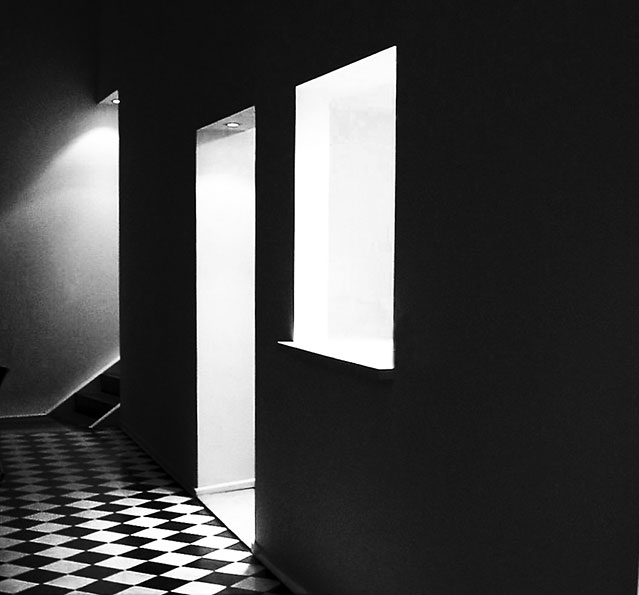
What do you see? What do you recognize? What is the challenge you see? Where would you struggle?

GOALS:

  1. (1.2.2 and 3) Create 2 point perspective drawings that demonstrate an understanding of how your ideas relate to technique and process (P).
  2. (5.1) Identify the intentions and purposes in creating 2 point perspective / values / taking an ART CLASS in general – (3rd Quarter Review Sheet).

Review with neighbors the progress of the chiaroscuro and the proper use of 2 point perspective. What are the big challenges you are facing with the buildings?

~~~

Drawing: Let’s look into the ideas of 21st Century technology… how are you learning about the use of it? How can what WE do help in your other aspects of life / school? GOALS SHEET INFORMATION…
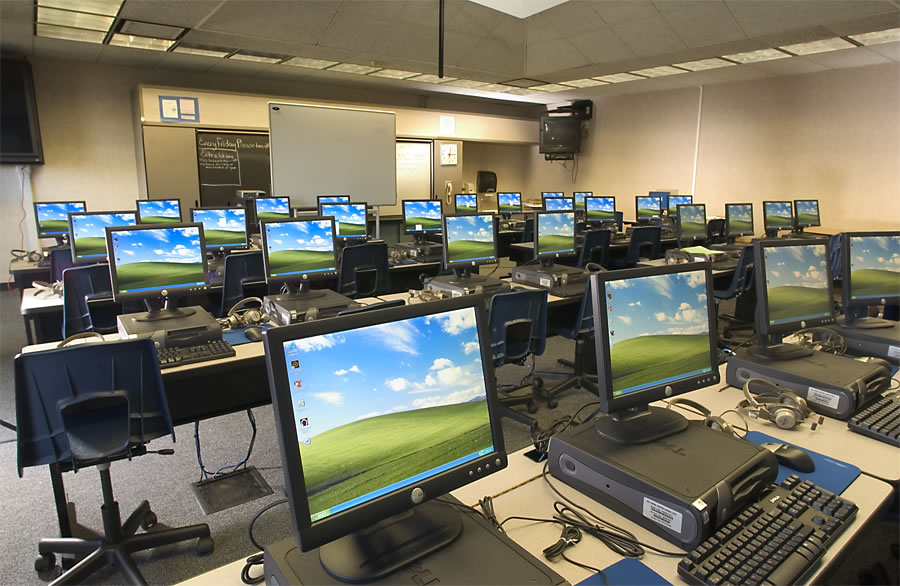
I wonder what we are doing today? Make sure you have your drawing and a ruler.

GOALS:

  1. 3.5 Evaluate and defend the manner in which subject matter, symbols, and images are used.
  2. Research and Information Fluency – Students apply digital tools to gather, evaluate, and use information.

What was the success in today’s self-evaluation and the use of the GOOGLE DRIVE?

~~~

AP Studio Art: What is a challenge with the CRITIQUES? Where is it you struggle with when it comes to talking? Let’s share the ideas. GOALS are going to become a part of the weekly grades… how can you earn more and more points for staying focused? I’ll let you know.


GOALS:

2.2 PEER-evaluate the effectiveness of artworks

What were the biggest impressions you had from the classmate’s works? What were the most difficult things you felt as you presented your work? Conversation between classmates about the 2 questions for your exam. How does this work relate to your concentration?

March 12, 2013 – Tuesday

Shane Koyczan – TED Talk “To This Day”... for the Bullied and Beautiful… “If you can’t see anything beautiful about yourself, get a better mirror, look a little closer, stare a little longer, because there’s something inside you that make you keep trying despite everyone who told you to quit.”

~~~

Rose takes a look at Jack’s sketchbook drawings. What do you think your conversation might be about your sketchbook aboard an unsinkable ship?

Collaboration and Sketchbooks – THIS WEEK we will be having a 5 minute conversation about the collaborative PEER / SELF Evaluation regarding your sketchbooks for the week. 10 minute before class ends, we will pair up with someone NEW and Self / Peer evaluate – and then hand them in!

~~~

Art Foundations: Sidewalks – Review the 6 Rules of Thumb – Where are the examples posted?

How did this artist create the ILLUSION of the sidewalk being cut out and removed from the sidewalk?

GOALS:

  1. 1.2 create art that demonstrates an understanding of how your ideas relate to the 1.2.3 and processes you use
  2. 2.3 create artworks that solve visual challenges

What part of the process from yesterday’s roof drawings did we use today? How else MIGHT you be able to use that same technique in another aspect of the drawing?

~~~

Drawing: Share the process of the drawings – yesterdays work – first part of class with one another – ASK each other WHAT is it about their composition they enjoy and WHY.

Please take a look at how this artist has handled the negative space in the composition. How did you handle the negative space / background in your first pencil drawing? how are you going to handle it in this drawing? Do not be afraid of the DARK SIDE.
  1. 1.1 apply media, techniques, and processes with 1.1.3 an awareness so that your ideas are executed well
  2. 2.3 create artworks that solve visual challenges

Share the beginnings of the drawing at the end of the class. Write up notes about the composition on the back of the goal sheet.

~~~

AP Studio Art: Work on the body of work you have been working on. What is the success of your concentration? What is the success of your breadth work? 

How has Jim dine handled the idea of a plant? What has he done to successfully make this MORE than just a drawing of a flower?

GOALS:

  1. 3.2 apply subjects, symbols, and ideas in art and use skill to solve visual challenges
  2. 3.4 evaluate and defend the validity of sources for ideas

What were the biggest impressions you had from the classmate’s works? What were the most difficult things you felt as you presented your work? Conversation between classmates about the 2 questions for your exam. How does this work relate to your concentration?

March 11, 2013 – Monday

Shane Koyczan – TED Talk “To This Day”... for the Bullied and Beautiful… “If you can’t see anything beautiful about yourself, get a better mirror, look a little closer, stare a little longer, because there’s something inside you that make you keep trying despite everyone who told you to quit.”

~~~

Rose takes a look at Jack’s sketchbook drawings. What do you think your conversation might be about your sketchbook aboard an unsinkable ship?

Collaboration and Sketchbooks – THIS WEEK we will be having a 5 minute conversation about the collaborative PEER / SELF Evaluation regarding your sketchbooks for the week. 10 minute before class ends, we will pair up with someone NEW and Self / Peer evaluate – and then hand them in!

~~~

Art Foundations: Two Point Perspective – Perspective Center – Peaked Roofs

Frank Lloyd Wright “Oak Park” Chicago, IL. Talk about GREAT Architecture! How do you see the 2 use of 2 point perspective in this photograph?

GOALS:

  1. 1.2 create art that demonstrates an understanding of how your ideas relate to the 1.2.3 and processes you use
  2. 2.3 create artworks that solve visual challenges

Review with neighbors the process of perspective center and drawing peaked roofs. What do you have to do in order to find the perspective center of the side of the cube?

~~~

Drawing: Continue to work on the general composition of your drawing. What is the “type” of composition you are using? If the general composition is developed, then move into the specific shapes that make up the “texture.”

A lot of ideas in this drawing. Is it open or closed? This composition ALSO tells a story. What story do you think it might tell? What other “compositional” ideas do you see it having?

GOALS:

  1. (1.2) Create art that demonstrates an understanding of how your ideas relate to materials, techniques and process.
  2. 1.1 apply media, techniques, and processes with 1.1.3 an awareness so that your ideas are executed well

This is a long one: Share the thumbnails of the first part of class with one another – ASK each other WHAT is it about their composition they enjoy and WHY. (What was it about the composition that interested them before the final drawing was begun.) Have a conversation about the similarities and differences in the thumbnail and the final composition and write up 4 or 5 notes about the composition on your goals sheet.

~~~

AP Studio Art: What have you accomplished since last week regarding your breadth work? How’s that new concentration coming along? What are you getting done in the sketchbook?

Barbie is an inspiration for some fine arts… look at how you are using your inspiration and your references in the creation of your work.

GOALS:

  1.  2.2 PEER-evaluate the effectiveness of art work

What were the biggest impressions you had from the classmate’s works? What were the most difficult things you felt as you presented your work? Have a strong and productive conversation between two of you about the 2 questions for your exam and how your works are GROWING or NOT GROWING towards the last works.

March 8, 2013 – FRIDAY!

RePost – Retweet – Share – Make me the JUSTIN BIEBER of Lesson Planning and GOAL Setting! Follow my page DAILY in your e-mails to see what we are up to in art class! Be inspired to create your own GOALS and ARTWORKS! Share my page with  ALL of your world!

~~~

Art Foundations 2D: 2 Point Perspective – RULES OF THUMB – QUIZ, Doors and Windows – WRAP up the NEGATIVE SPACE PAINTING.

Frank Ghery and his architectural wonderment – On the Simpsons.

GOALS:

  1. 1.4 create, and solve 2 Point Perspective Roof / sidewalks / windows and doors using 1.4.1 analysis (breaking up the subject matter to basic elements).

How important is it to remember the rules of thumb as you are drawing your cubes, doors, and windows? What challenges did you have in the process of the drawing?

~~~

Drawing: BEGIN THE DRAWING! What did you do to make your COMPOSITION interesting? Please make use of the WORKSHEET (page 17 and 18 of the Art Department Handbook).

How would you categorize this drawing’s composition? Yes, it is OPEN… but what else?

GOALS:

  1. (1.2) Create art that demonstrates an understanding of how your ideas relate to materials, techniques and process.

How have you begun the final drawing? What format of composition is YOUR final drawing? How have you used the ideas from the worksheet to make sure you are AWARE of the composition?

~~~

AP Studio Art: Work on the Breath and Concentration ideas and Art Works. Remember that you have NEXT week and then the work is DUE on the FOLLOWING Monday. How are you about the EDITING of your images. Remember that you need to, for your own records and good practice, make 2 versions of the final artwork. 300 dpi and 72 dpi – each one for a different reason.

How does YOUR artwork stand out in comparison to the artworks that are around you? What makes your newest piece (idea) stand out from the rest of your artworks?

GOALS:

  1. 3.5 evaluate and defend how 3.5.1 subject matter 3.5.2 symbols are used in art
  2. 4.4 evaluate and interpret your art in your time for relationships in 4.4.1 form 4.4.2 context (what might this mean as we look at ALL of the class work?)

Breadth Work – “Success is to be measured not so much by the position that one has reached in life as by the obstacles which he has overcome while trying to succeed.”


How difficult is it for you to continue moving forward with your next artwork? What challenges did you have yesterday with the editing process yesterday? How many images have you uploaded to the AP website? What PORTFOLIO are you going to present?

March 6, 2013 – Wednesday

Follow my page DAILY in your e-mails to see what we are up to in art class! Be inspired to create your own GOALS and ARTWORKS! Share my page with  ALL of your world! Post – Retweet – Share – Make me the JUSTIN BIEBER of Lesson Planning and GOAL Setting!

~~~

Art Club – Set Painting, Tuesday and Wednesday from 5:30 – 8:30. Join us and bring a friend! Be part of all the fine arts at WUHS!

~~~

Open Studio THIS SATURDAY! See Mr. Roberts to sign up and get a permission slip if you haven’t already!

~~~

Art Foundations 2D: Positive Negative Space Drawing / Painting

My COWS in Positive and negative space! How do I play with the positive and negative space?

GOALS:

  1. 1.2 create art that demonstrates an understanding of how your ideas relate to the 1.2.3 and processes you use.

What was the hardest part of finding the NEGATIVE space in the composition? What do you think will help you as you consider how negative space is used in your artworks? Why is the background an important part of any composition? PAIR / SHARE with a friend and discuss this topic – LOUDLY!

~~~

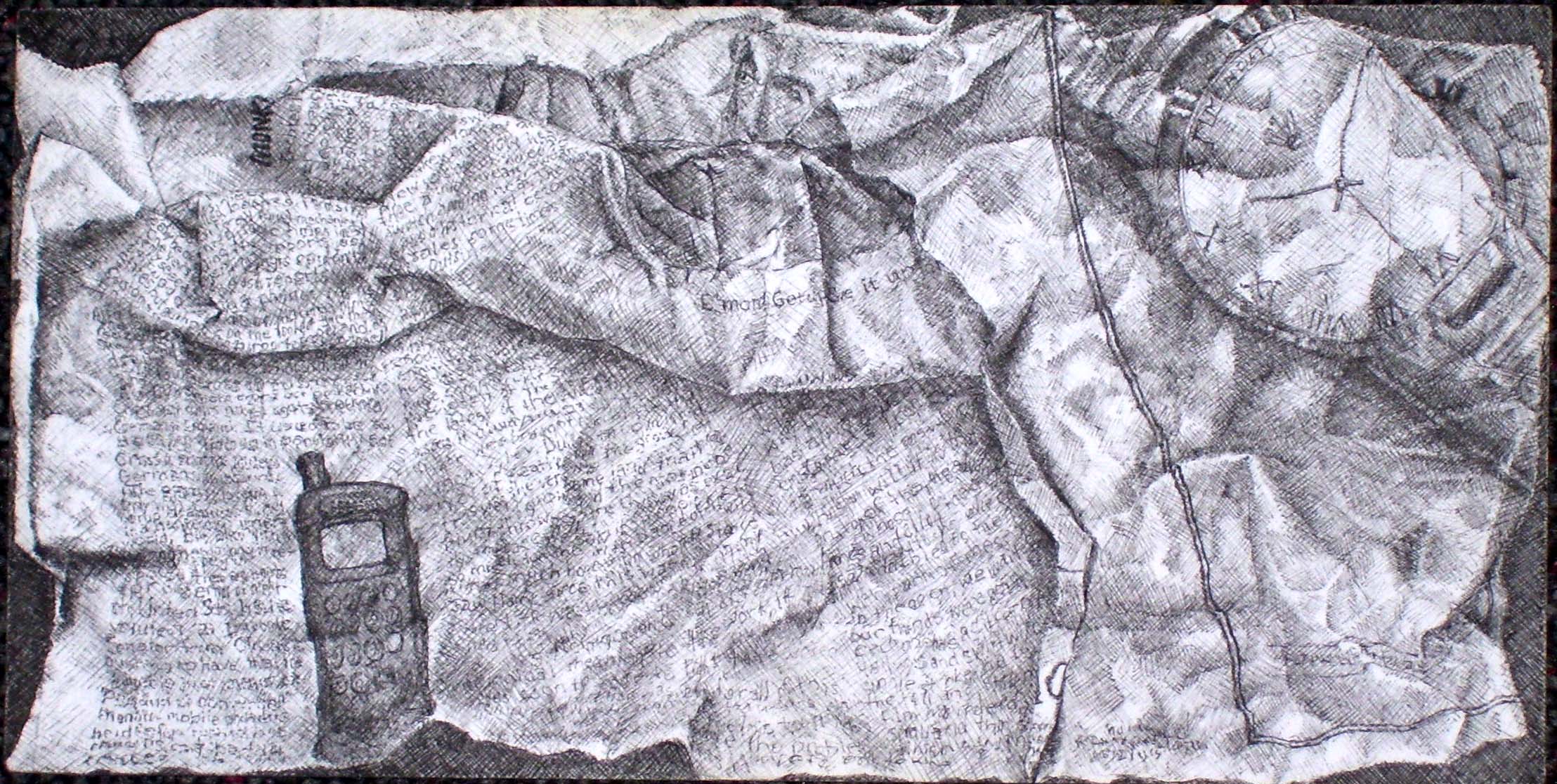
Drawing: Paper Open Compositions with TEXTURE on Brown Craft Paper

Check out the SHAPES that this artist used to create this paper bag painting! How cool! Contrasts with the highlights and shadows – AWESOME!

GOALS:

  1. Create art that demonstrates an understanding of how your ideas relate to materials, techniques and process.

Pair / Share – self – evaluation of the day – comments section of the goal sheet – what is strong with your partner’s composition that will make it interesting to look at? What is a weakness in the composition that they may want to consider as they move forward?

~~~

AP Studio Art: Computer Lab – Editing and Uploading Photographs of work.

Breadth Work – “Success is to be measured not so much by the position that one has reached in life as by the obstacles which he has overcome while trying to succeed.”

– Booker T. Washington

The above is your Breadth starting point! Where you take it from here is up to you.

And the winner is… TBA on Thursday… Work day… Friday… Back to the computer lab.

Let’s Get to EDITING!

GOALS: 21st Century Thinking

  1. Critical Thinking, Problem Solving, and Decision Making: Use technological skills to solve problems, and make informed decisions using digital images and editing tools.

What was the problem that you had today with the editing of the images? Can you do this on your own? Do we need one more day in the lab to work?

March 5, 2013 – Tuesday

Art Club – Set Painting, Tuesday and Wedesday from 5:30 – 8:30. Join us and bring a friend! Be part of all the fine arts at WUHS!

~~~

“Success is to be measured not so much by the position that one has reached in life as by the obstacles which he has overcome while trying to succeed.”

– Booker T. Washington

~~~

Art Foundations: Positive and Negative Space Drawings, 2 Point Perspective – the Cube – Review notes from Chapter 5.

Positive / Negative Space Drawing and Painting.

GOALS:

  1. 1.2 create art that demonstrates an understanding of how your ideas relate to the 1.2.3 processes you use
  2. 2.3 create artworks that solve visual challenges

What was the MOST CHALLENGING aspect of using the NEGATIVE space to create your artwork for today? Why do you think that being able to SEE the negative space is important in an observational drawing?

~~~

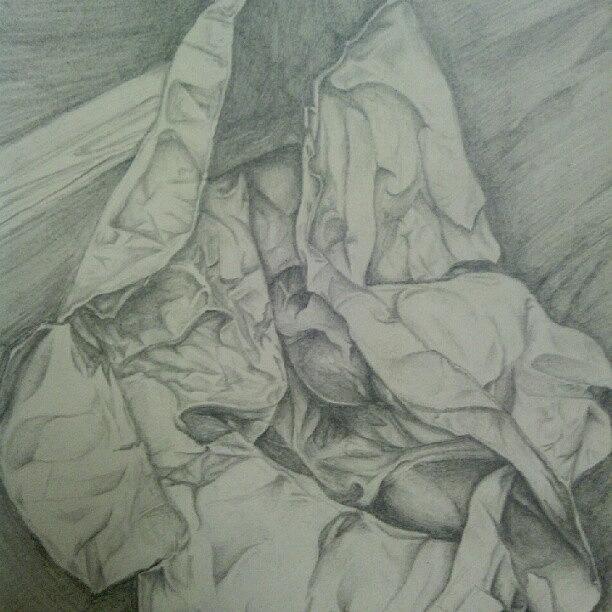
Drawing: Begin work on texture drawings – paper bag and plastic bag drawings – OPEN compositions.

Notice the texture? Is this an OPEN or CLOSED composition?

GOALS:

  1. (1.2) Create art that demonstrates an understanding of how your ideas relate to materials, techniques and process.

What techniques / understanding from our last projects in VALUE do you think you can use top make this next drawing OUTSTANDING? What did you learn that will make your OPEN compositions really strong?

~~~

AP Studio Art: Work on coming up with ideas for the next BREADTH work and you concentration works… DO NOT WAIT until the few days before the second week to get started on either… work on both ALWAYS.

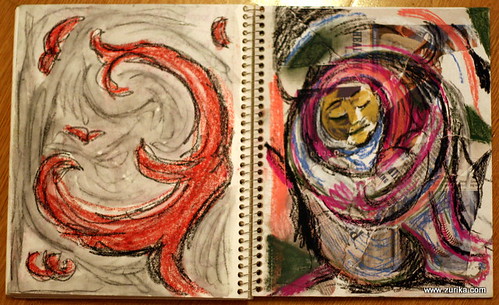
What can you do with your ideas? How cool is this sketchbook?

GOALS:

  1. 2.6 create multiple solutions to visual challenges that show understanding in relationships between composition and meaning of artwork

How do you make plans for the work you are planning? What is holding you back from creating outstanding works in the first place? Are you unsure, scared, lazy, apathetic or SOARING to new heights?


March 4, 2013 – Monday

Art Club – Set Painting, Tuesday and Wedesday from 5:30 – 8:30. Join us and bring a friend! Be part of all the fine arts at WUHS!
From Frank Korb’s ABC’s of Art 2013:

“L is for Lifelong Learning – What does it take to be an artist? This is a question that many colleges and universities fail to provide a solid answer for. Opportunities abound as one learns what it is to juggle the time, management, resources, artworks, and all the other things that are part of a successful artist (professional and students alike).”

– Frank Korb

~~~

Art Foundations: Perspective – Linear and NON-Linear. Chapter 5 ArtTalk Textbook, Drawing and Discussion of perspective ideas. How do you see SPACE?

Black and white negative space empty Black and white negative space filled

GOALS:

  1. 1.4 create, define, and solve visual challenges using 1.4.1 analysis (breaking up the artwork / subject matter to basic elements)

 Review with neighbors the RULES of THUMB and discuss the Differences in linear and non-linear perspective.

~~~

Drawing – Final day to TOUCH up and FIX any visual challenges your portrait has.

Look “Close” and see how it all comes together! How’s your drawing?

GOALS:

  1. 1.4 create, define, and solve visual challenges using 1.4.2 synthesis (put all the parts of a work together to form a whole)

What did you take away from the critique last week? How did you use that information to make your drawing more successful today? Was the extended work time worthwhile to resolve the challenges you had? Write down what you have taken from the crit.

~~~

AP Studio ArtCRITIQUE – Who gets voted off?

Robert Smithson’s “Spiral Jetty,” one of the most famous works of earth art. GETTY EDUCATIONAL IMAGE – Copyright Getty Education.

Goals:

  1. PEER-evaluate the effectiveness of artworks A: What have you been challenged with from the past two weeks worth of making art.

What were the biggest impressions you had from the classmate’s works? What were the most difficult things you felt as you presented your work? Conversation between classmates about the 2 questions for your exam. How does this work relate to your concentration?

March 1, 2013 – Friday: Parent / Teacher Conference Day

“Our success at friendship, business, sports, love—indeed, at nearly every enterprise we attempt—is largely determined by our self-image. People who have a confidence in their personal worth seem to be magnets for success and happiness.”

— Alan Loy McGinn” – http://goalhabits.com/author/paul456/

~~~

Thank you to ALL the parents who came on Thursday night. I look forward to seeing the rest of you on Friday from 8 - 10 AM.
Thank you to ALL the parents who came on Thursday night. I look forward to seeing the rest of you on Friday from 8 – 10 AM.

Parent Teacher Conferences are TODAY! If you haven’t made plans to come, visit, and talk about what  is happening in the classroom – come on down 8 – 10am!

February 28, 2013 – Thursday (or is it Friday?)

There is only one day left, always starting over; it is given to us at dawn and taken away from us at dusk.”

— Jean-Paul Sartre – http://goalhabits.com/author/paul456/

~~~

Art Foundations: Perspective – what is it and how do you understand the process of one and two point perspective? Draw out your understanding of the process and your work. Filippo Brunelleschi and the Re-Invention of linear perspective.

“The Nuptials of the Holy Virgin” Raphael, 1504

GOALS:

  1. 1.4.1 analysis (breaking up the artwork / subject matter to basic elements).
  2. 6.2 compare characteristics of the visual arts and other disciplines from history or movements (Renaissance).

What were your MAJOR mistakes / missteps in the use of one point perspective? What is it that you remember from your past experiences with perspective?

~~~

Drawing: ORAL CRITIQUE – Day 3.

How have you demonstrated YOUR self-reflection? Does this look like a good use of time? YES!

What was beneficial for you in the process of the critique? WHY are some NOT speaking? Hmm…..

GOALS: Be prepared for this long one… I have GREAT expectations from each and every one of you!

  1. 5.2 Gather up the courage to talk about the work in front of you, and stand behind your criticism of art

What is it you take away from the critique of others work? Write down ONE REALLY SOLID bit of information that stands out in your head! Share this with your classmate. THIS IS IMPORTANT!

~~~

AP Studio Art: Last day to work in class… Who won Work of Art? Peregrine the girl from the park? Hipster Steve? Maybe it was Abdi the educator… AP STUDIO ART: Final Minutes of Work of Art… Who will be voted off? Work of Art: The Next Great Artist Season 1

Andy Goldsworthy – Take a look at how HE uses the objects from nature and makes quality and thoughtful artworks. How can you approach – how HAVE you approached the same ideas.

GOALS:

  1. What is your personal GOAL for the day?
  2. 5.4 reflect on interpretations as a means for understanding and evaluating art

Ok all… what have you got to continue and finish? What are your plans for the next work? What is holding you back from developing your work and moving it forward?

February 27, 2013 – Wednesday

FOLLOW and SHARE – Can you set GOALS for your own DAY to DAY? These are the roadmaps for the students in my classes.

~~~

Art Foundations: Perspective – what is it and how do you understand the process of one and two point perspective? Draw out your understanding of the process and your work. Filippo Brunelleschi and the Re-Invention of linear perspective.

Perspective was invented in the Renaissance of Art (Late 1400’s – 1700).

GOALS:

  1. 1.4.1 analysis (breaking up the artwork / subject matter to basic elements).
  2. 6.2 compare characteristics of the visual arts and other disciplines from history or movements (Renaissance).

What were your MAJOR mistakes / missteps in the use of one point perspective? What is it that you remember from your past experiences with perspective?

~~~

Drawing: ORAL CRITIQUE – Day 2.

How have you demonstrated YOUR self-reflection? Does this look like a good use of time? YES!

GOALS: Be prepared for this long one… I have GREAT expectations from each and every one of you!

  1. 5.2 SPEAK about the work you see in front of you, gather up the courage to talk about the work in front of you, and stand behind your criticism of art

What is it you take away from the critique of others work? Write down ONE REALLY SOLID bitof information that stands out in your head! Share this with your classmate. THIS IS IMPORTANT!

~~~~

AP Studio Art: Yesterday – I asked you to come up with your own GOAL. What is a GOAL that you have for the day for yourself. This is not a TASK or AGENDA item… Sit back and think about the Goals we have written for the past year. What is a GOAL that you can modify and make pertinent to your work – your progress – your desires to learn more or improve on? Write this out and make it work.

Andy Goldsworthy – Another work by him… Let’s take a look at his website!

GOALS:

  1. 3.2 apply subjects, symbols, and ideas in art and use skill to solve visual challenges
  2. What is YOUR goal? Rewrite a National Visual Arts Standard to make it particular to your work. DO IT!

So… report to Mr. Korb what your PERSONAL GOAL was for the day, what category (1 – 6 in the NVAS did it come from) and how did you modify it to make it your own?