Art is the product of process.“Whether conceptual, experimental, emotional, or formal, the process you develop yields the image you produce. The materials you choose, the methods of production, and the sources of the images should all reflect the interests that command your attention. The process does not stop with each work completed. It is ongoing. The cumulative result of that process is a body of work.” Kit White 101 Things I Learned in Art School
Studio Art 360: Still Life = Quiet and Focused Drawing
2nd Hour – TAKE YOUR SKETCHBOOKS BACK and we will RETURN THEM on MONDAY to Mr. Korb – THere was NO WAY I could get them graded today. Not a chance!
Painting: Personal Reflection and Meaning – and PAINT!
SKETCHBOOKS WILL BE LOOKED AT MONDAY!
Drawing: Let’s Mount the Drawings and Listen to some Music! Time to DRAW!
Of the works, skills, information you wrote about earlier in the week (above) write out a timeline for the next 5 days that will allow you to really work out the changes, skills, mastery so that you can (by mid-week next week) turn in the changes for a stronger demonstration of the learned skills. (All late and missing work will be DUE on the FIRST DAY OF SCHOOL NEXT WEEK.)
Art is the product of process.“Whether conceptual, experimental, emotional, or formal, the process you develop yields the image you produce. The materials you choose, the methods of production, and the sources of the images should all reflect the interests that command your attention. The process does not stop with each work completed. It is ongoing. The cumulative result of that process is a body of work.” Kit White 101 Things I Learned in Art School
Studio Art 360: Still Life = Quiet and Focused Drawing
Look back at Monday’s drawings and the beginning of the process, what are some of the challenges that you are facing when it comes to drawing from observation?
With a lot to accomplish in two weeks and little input from me… how are you going to manage your time effectively? Website can be done on own time. Sketching / making art – own time / study hall / before / after school…
Art is the product of process.“Whether conceptual, experimental, emotional, or formal, the process you develop yields the image you produce. The materials you choose, the methods of production, and the sources of the images should all reflect the interests that command your attention. The process does not stop with each work completed. It is ongoing. The cumulative result of that process is a body of work.” Kit White 101 Things I Learned in Art School
Studio Art 360: Sketchbook Assignment and EXAMPLES
FIVE weeks into sketchbooks – what are you accomplishing with the TOOLS of drawing that you have struggled on in the previous sketches – or what are you doing better in this week’s class work that you can put into your sketchbook assignment?
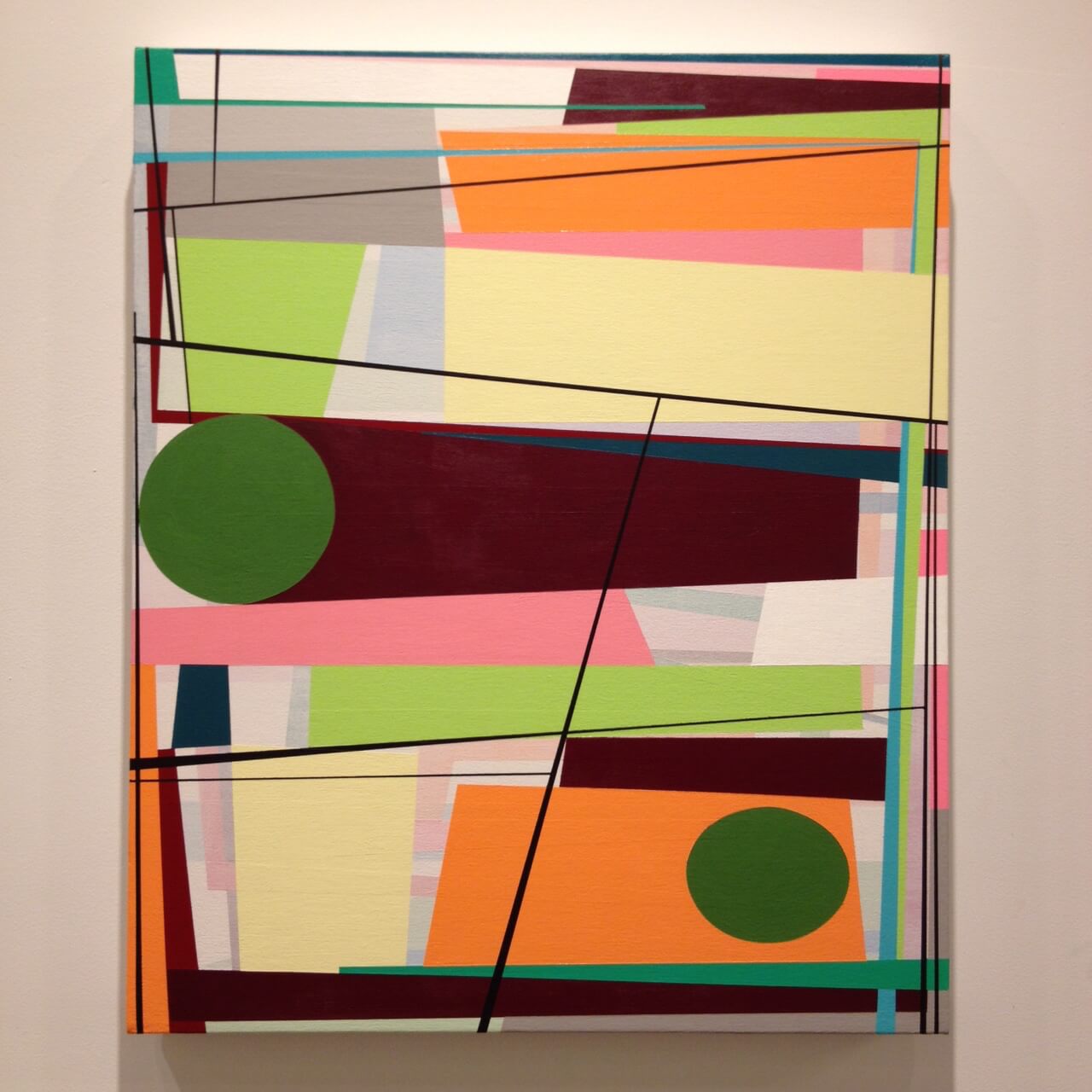
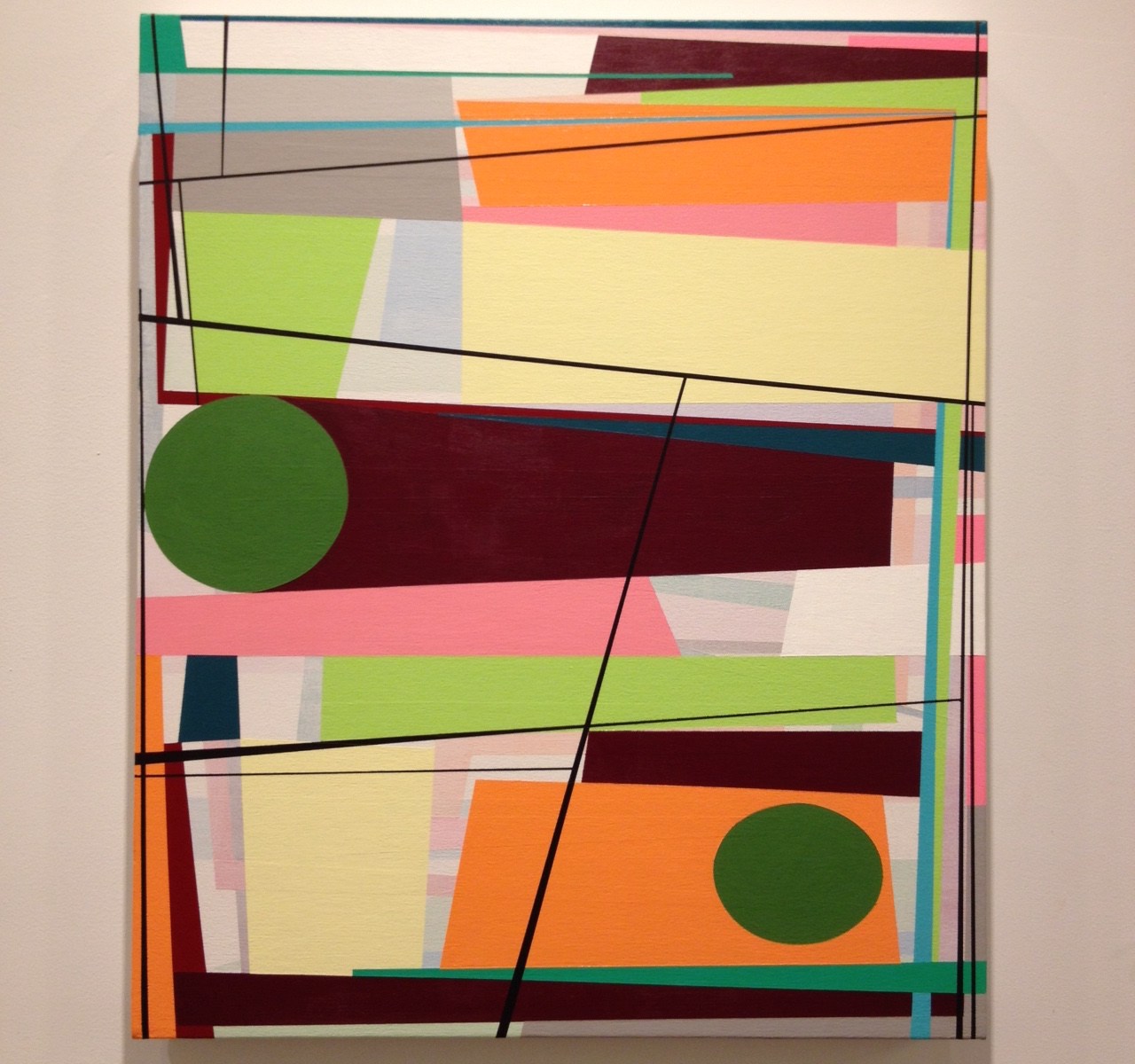
Tell me about your thoughts regarding ABSTRACTIONS and UNITY as we looked at this?
Extra Credit – Watch this video and write up a one paragraph (12 sentence) statement about your response, reaction, interest, curiosity about Gary Petersen’s Artwork. Speak specifically about some of his works -mention it BY NAME and the TIME in the video I can find it. List the Why’s and Becauses regarding why you respond to it the way you do. A well written statement will be worth a week’s sketchbook as A’s – one extra set of A’s in your grades for taking the time to Understand (Arts) Community: Learning to interact as an artist with other artists (i.e., in classrooms, in local arts organizations, and across the art field) and within the broader society. Arts is in parenthesis here as it can easily be switched with other disciplines, like science or history.
Painting: Personal Reflection and Meaning – and PAINT!
How do you feel that working with WATERCOLORS might take you to the next medium of Acrylic? Based on PAST EXPERIENCES… what similarities do you see being part of the process?
What shapes did you struggle to find? What ideas did you find as you listened to the music?
AP Studio Art: Concentration and YOU!
How do you plan on moving forward with your body of work – REVIEW THE IDEAS in the AP HANDOUT about CONCENTRATIONS – SLIDE SHOW from AP CONFERENCE. 5 thumbnails THREE FINAL WORKS in TWO WEEKS. One work a day – Never the same work two days in row. ALVERNO NOTES – Talk about the ideas of how works are developed E and E…
What is your FIRST inclination of your CONCENTRATION going to be about? SHARE YOUR IDEAS with your neighbor and MAKE A NOTE in your head as to where you are.
Art is the product of process.“Whether conceptual, experimental, emotional, or formal, the process you develop yields the image you produce. The materials you choose, the methods of production, and the sources of the images should all reflect the interests that command your attention. The process does not stop with each work completed. It is ongoing. The cumulative result of that process is a body of work.”– Kit White 101 Things I Learned in Art School
We are coming upon the end of the quarter and grades will be finalized soon. Take a moment and look back on your rubrics, sketchbook assignments and thoughts about the artworks to see if there are things you’d like to revisit and demonstrate a greater MASTERY LEVEL. Please list and explain 3 aspects of your works that you would like to redo or fix to demonstrate that learning.
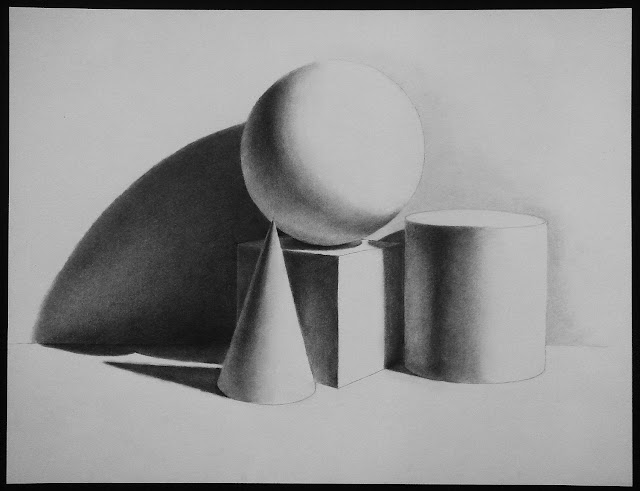
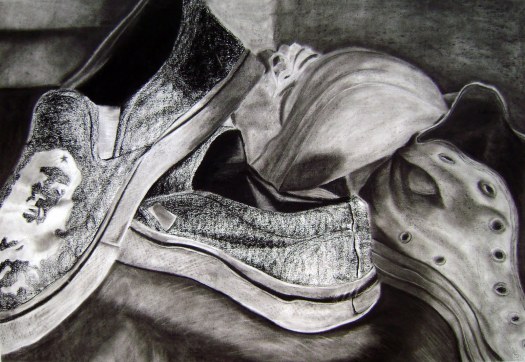
Studio Art 360: Still Life Drawing
Look back at your THUMBNAIL drawings… Which type of composition do you feel you are going to use? What are TWO things that have changed about your composition from the THUMBNAIL STAGE.
Looking at the THUMBNAIL again and the DRAWING – What positive changes or negative changes have come from the process of drawing?
Painting: Watercolor PAINT!
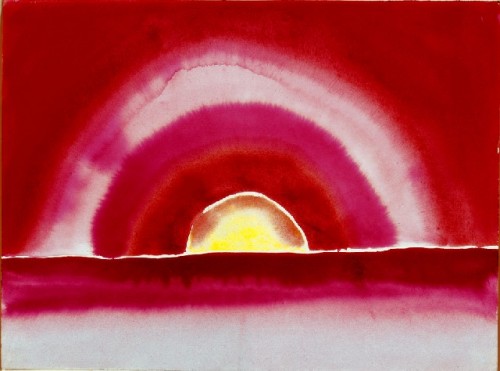
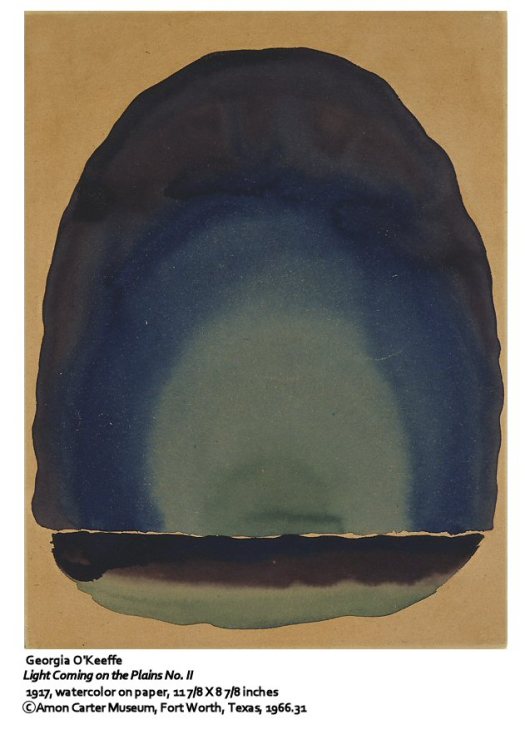
Looking over the work you have, what surprises do you see from where you started? Stronger than you expected? Weaker? EXPLAIN! I will be asking you about Georgia O’Keefe’s work on Friday – anything stand out today? Keep an eye on her work as the week progresses.
What ELEMENT of art do you find being the strongest one that you are using? Color? Line? Shape? Form? Space?
Drawing: Crit and Kandinsky
Looking at the still life in front of you, what is the one aspect of it that you are most pleased with? Why are you so pleased with how you handled the materials and composition?
As you look back on the development of your composition, what are especially satisfied about? What are 3 things that you feel are successful compositionally? What did you add to the critique?
Drawing is more than a tool for rendering and capturing likenesses. It is a language, with its own syntax, grammar, and urgency. Learning to draw is about learning to see. In this way, it is a metaphor for all art activity. Whatever its form, drawing transforms perception and thought into image and teaches us how to think with our eyes.
– Kit White 101 Things I Learned in Art School
Studio Art 360: Still Life Drawing – Thumbnails
Painting: Personal Reflection and Meaning – and PAINT!
#2 Learn to draw. Drawing is more than a tool for rendering and capturing likenesses. It is a language, with its own syntax, grammar, and urgency. Learning to draw is about learning to see. In this way, it is a metaphor for all art activity. Whatever its form, drawing transforms perception and thought into image and teaches us how to think with our eyes. Kit White 101 Things I Learned in Art School
Join us in the Cafeteria this week for a little bit of COLLABORATIVE work on a BIG ART PROJECT!
Studio Art 360: Still Life Drawing – Thumbnails
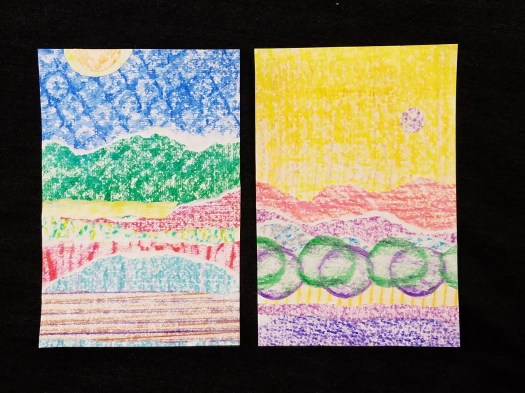
Surreal Landscape Texture based on Max Ernst’s Works. Frank Korb. 2016
How DO you draw something in 3 dimensions? What are different techniques you know? What did you do successfully yesterday that you can continue with today? What is it you need to erase, change, resolve to make the drawing today even more successful.
What is one thing you are putting into your drawing of the 3D Forms that might be related to the ELEMENTS and PRINCIPLES as the building blocks of Art – things you really need to be aware of AS you are making art. Ralph Goings:
Painting: Personal Reflection and Meaning – and PAINT!
ASSIGNMENT – Due at the END of the watercolor painting assignment October 21, 2016: Artists research on ONE of the following artists for imagery, technique, approach: Winslow Homer, Charles Demuth, Thomas Eakins, Edward Hopper, Dong Kingman, Reginald Marsh, Charles Sheeler, J.M.W. Turner, Thomas Moran, Georgia O’Keefe, James Whistler, or Andrew Wyeth.
What do you feel about talking aloud when it comes to other’s works? What are your thoughts about why you may be apprehensive or confident when discussing other individual’s work?
#2 Learn to draw. Drawing is more than a tool for rendering and capturing likenesses. It is a language, with its own syntax, grammar, and urgency. Learning to draw is about learning to see. In this way, it is a metaphor for all art activity. Whatever its form, drawing transforms perception and thought into image and teaches us how to think with our eyes. Kit White 101 Things I Learned in Art School
Join us in the Cafeteria this week for a little bit of COLLABORATIVE work on a BIG ART PROJECT!
Studio Art 360: Drawing
What do you feel is the value of practicing in a sketchbook? How can you see this as being a place that others (engineers, designers, architects, artists) might need as a valuable tool?
Ok – What kind of FUN did you have in getting back to CRAYONS, Scissors, and Glue?
Painting: Personal Reflection and Meaning – and PAINT!
ASSIGNMENT – Due at the END of the watercolor painting assignment October 21, 2016: Artists research on ONE of the following artists for imagery, technique, approach: Winslow Homer, Charles Demuth, Thomas Eakins, Edward Hopper, Dong Kingman, Reginald Marsh, Charles Sheeler, J.M.W. Turner, Thomas Moran, Georgia O’Keefe, James Whistler, or Andrew Wyeth.
How are you relating the ideas of making art to making art about yourself? Do you find this to be easy or difficult – WHY?
What strengths are you needing to continue to work on? Is it a technique? Is it a studio habit?
AP Studio Art: NATURE!
What have you been doing to try and create a work of art inspired by the outside? Where do you see this drawing / artwork going? How are you using the materials from outside to make GREAT ART?
What have you accomplished in this day of work? What do you need to get accomplished for FRIDAY when your CURRENT BREADTH work is due online? James Turrell: Sky Space:
#2 Learn to draw. Drawing is more than a tool for rendering and capturing likenesses. It is a language, with its own syntax, grammar, and urgency. Learning to draw is about learning to see. In this way, it is a metaphor for all art activity. Whatever its form, drawing transforms perception and thought into image and teaches us how to think with our eyes. Kit White 101 Things I Learned in Art School
Join us in the Cafeteria this week for a little bit of COLLABORATIVE work on a BIG ART PROJECT!
AS WE BEGIN THE WEEK: Look back to page 12 in our folder and rewrite your statement about the Artists Habits of Mind. That is it. I want you to be thinking about the techniques that we, as artists, need to be aware of and focus on as we move forward in our studio practices.
Studio Art 360: Drawing
What was the biggest challenge you found as you began to draw with PENCIL and VALUE last week?
What are 2 difficulties that you had in beginning your drawing today? Remember – DRAWING IS A CHALLENGE – let it be!
Painting: Personal Reflection and Meaning – and PAINT!
ASSIGNMENT – Due at the END of the watercolor painting assignment October 21, 2016: Artists research on ONE of the following artists for imagery, technique, approach: Winslow Homer, Charles Demuth, Thomas Eakins, Edward Hopper, Dong Kingman, Reginald Marsh, Charles Sheeler, J.M.W. Turner, Thomas Moran, Georgia O’Keefe, James Whistler, or Andrew Wyeth.
Looking at the work you have in front you, what are the aspects that you feel TRULY speak about you – socially, culturally, or historically.
My Watercolor Style Sheet – Have you seen the demo videos? Look to the Right and in the VIDEOS of this website!
What was the most challenging part of the first bit of the painting? Watercolor Techniques:
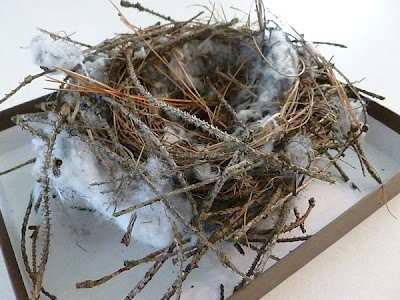
Drawing: Pencils and Paper and NESTS!
Look at your series – What are your thoughts about your techniques / compositions
What are you happiest with in regard to your drawings? What are the lessons learned as you create a series of works versus one at a time?
AP Studio Art: NATURE!
What have you been doing to try and create a work of art inspired by the outside? Where do you see this drawing / artwork going? How are you using the materials from outside to make GREAT ART?
What have you accomplished in this day of work? What do you need to get accomplished for FRIDAY when your CURRENT BREADTH work is due online? James Turrell: Sky Space:









 Art With Korb