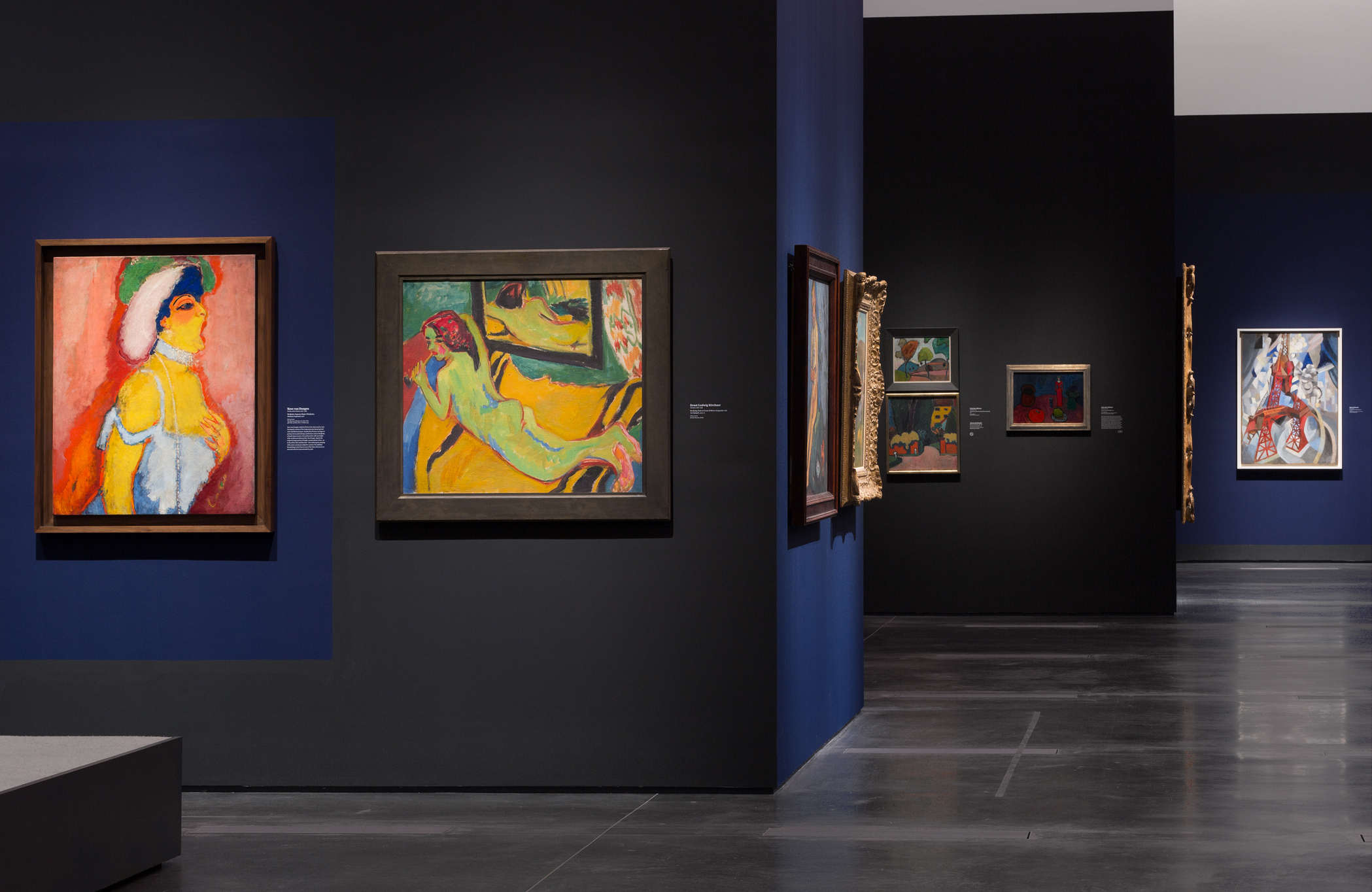
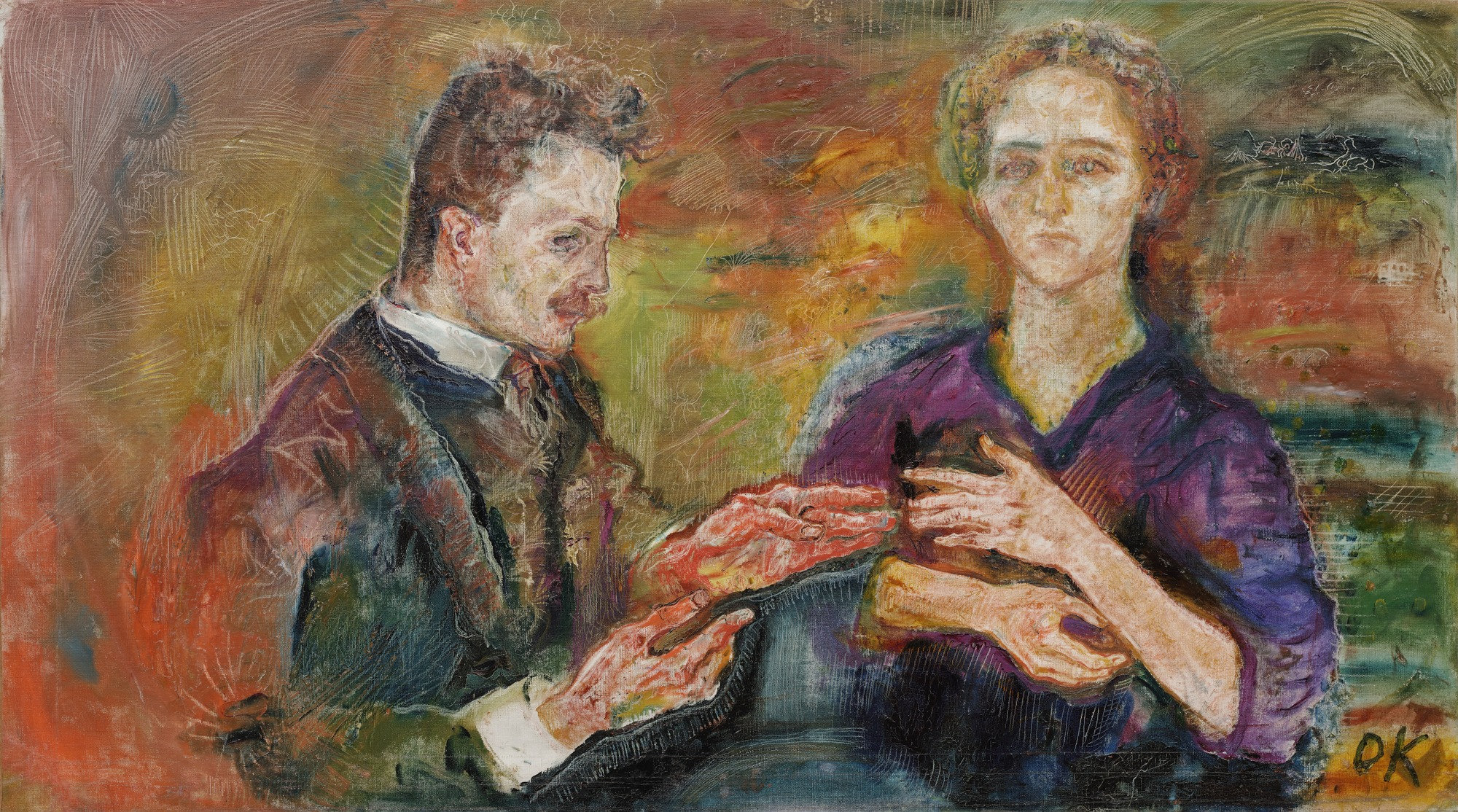
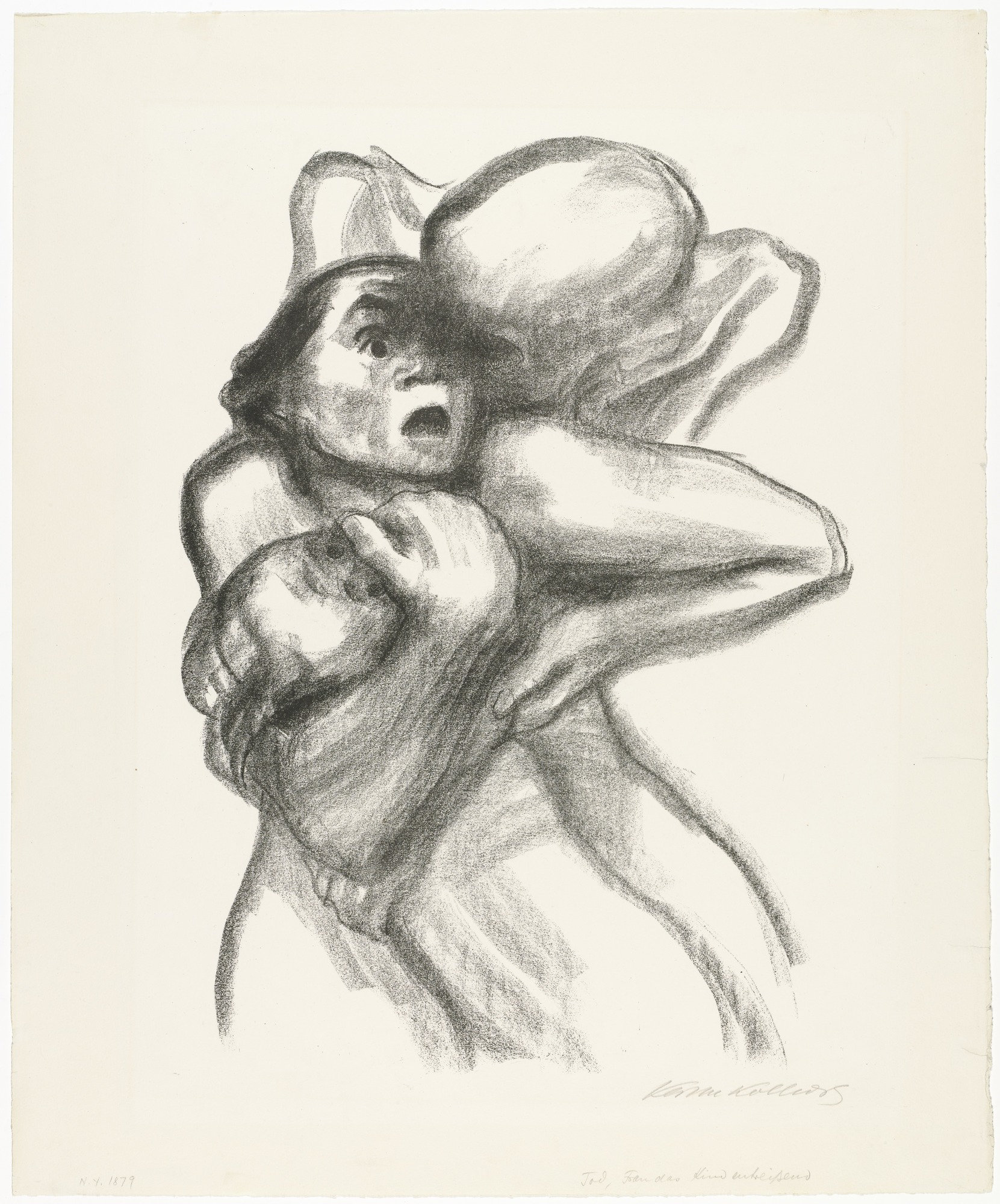
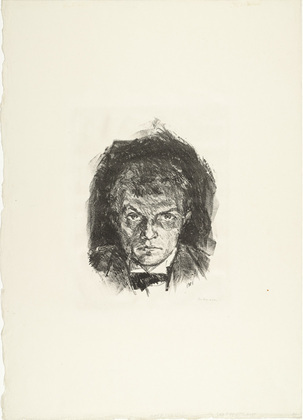
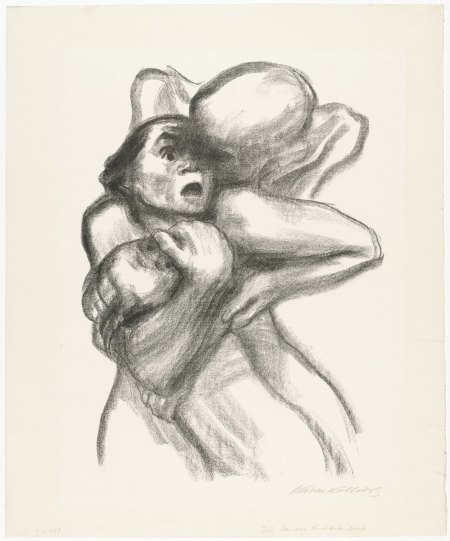
Drawing: German Expressionism – you are really getting the ideas visually.
2.1Ac: Through experimentation, practice, and persistence, demonstrate acquisition of skills and knowledge in a chosen art form.
MONDAY we are having a FINAL Crit – Step back NOW and see what you have in front of you. Today – spend a moment stepping back from your drawing FREQUENTLY as you work.
Two days left to work in the studio – what are your plans for the final minutes of this work time?
Studio Art 360: Clay and the second to last DAY!
1.2P: Shape an artistic investigation of an aspect of present-day life using a contemporary practice of art or design.
What challenges did you have in getting started last week on Friday with the clay? REQUIREMENTS FOR THIS ARTWORK: Subtractive, Additive, and Manipulation to the clay. These techniques are REQUIRED in the FINAL Sculpture.
What was the largest success you have in today’s work?
AP Studio Art: Concentration – 3 works done when you get back from Turkey Break!
1.2Ad: Choose from a range of materials and methods of traditional and contemporary artistic practices, following or breaking established conventions, to plan the making of multiple works of art and design based on a theme, idea, or concept.
What do you hope to learn / communicate in the FIRST THREE works you are presenting (Monday we are presenting the PROGRESS of the works and will be developing the RUBRIC to EVALUATE ALL THREE in the FORMATIVE end of things)
#69 Color is not Neutral: It has an emotional component. Certain colors have specific associations and induce certain responses. Learn what they are. When you use color, try to determine and understand the accompanying emotional response and how to use it effectively. Color has a visceral impact. Kit White 101 Things I Learned in Art School
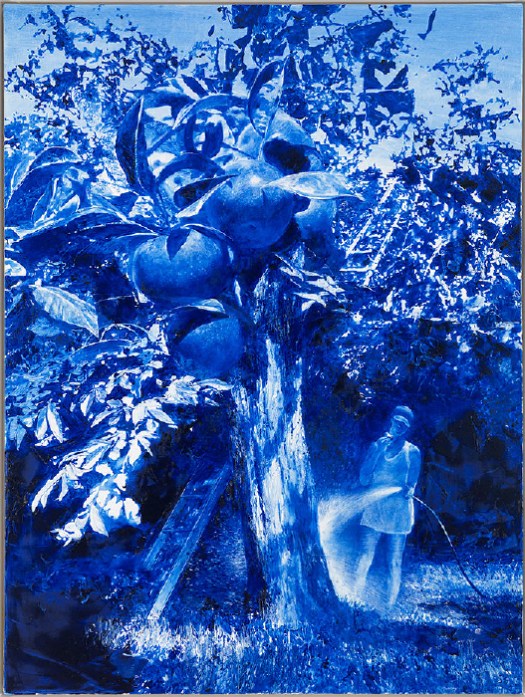
Which Color Scheme do YOU think this belongs to? Monochromatic Color Schemes
Drawing: What are your thoughts about the crit from last week Friday?
7.2Ac: Evaluate the effectiveness of an image or images to influence ideas, feelings, and behaviors of specific audiences.
Reflect on LAST WEEK’s mid crit and your initial work. What IDEAS are moving forward? How do you see the EXPRESSIVE quality in YOUR WORK?
Explain two things that you are doing well with your drawing to your tablemates. Share your ideas aloud.
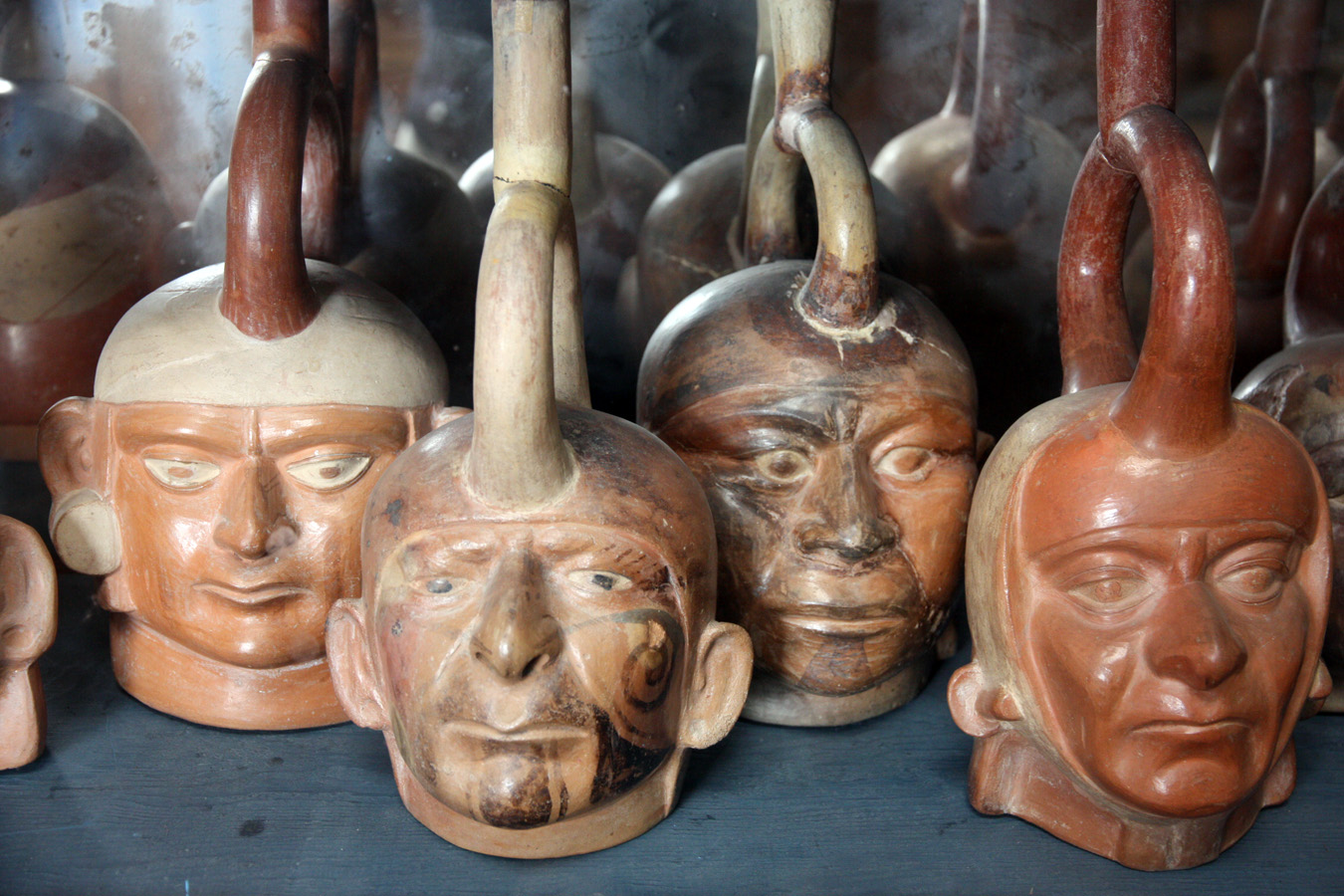
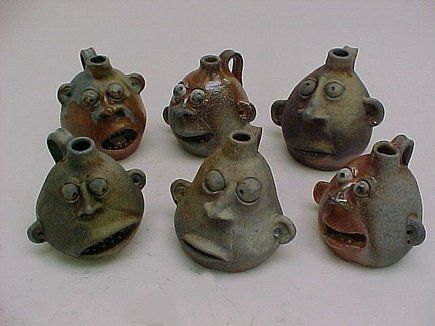
Studio Art 360: Clay – Time to make faces!
10.1P: Document the process of developing ideas from early stages to fully elaborated ideas.
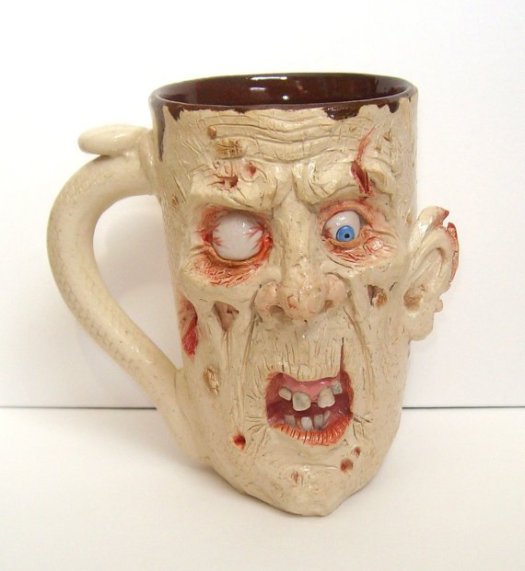
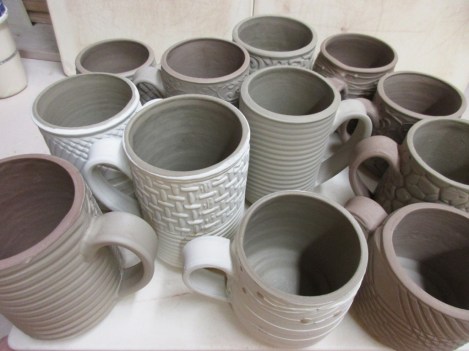
What are the challenges that you look at as you begin the process of the making of your mug? Remember that you are required to have One Eye, One Nose, One Mouth. Reference your sketches that we did on paper.
What are three challenges you see translating your researched ideas into the ceramic Sculpture?
Studio Art 360: Concentration begins TODAY!
NETS: Use digital media and environments to communicate and work collaboratively.
How do you plan on moving forward with your body of work – REVIEW THE IDEAS in the AP HANDOUT about CONCENTRATIONS – SLIDE SHOW from AP CONFERENCE. 5 thumbnails THREE FINAL WORKS in TWO WEEKS. One work a day – Never the same work two days in row. ALVERNO NOTES – Talk about the ideas of how works are developed E and E…
What is your FIRST inclination of your CONCENTRATION going to be about? SHARE YOUR IDEAS with your neighbor and MAKE A NOTE in your head as to where you are.
1 – 7:25-8:01
2 – 8:06-8:44
3 – 8:49-9:25
4 – 9:30-10:06
Assembly – 10:11-11:10
Recessional/Students Greet Vet’s in Halls to Commons – 11:10-11:20
5A Class – 11:20-11:44
5AB Class – 11:20-12:13
5BC Class – 11:49-12:42
5C Class – 12:18-12:42
A lunch – 11:20-11:44
B lunch – 11:49-12:13
C lunch – 12:18 – 12:42
6 – 12:47-1:24
7 – 1:29-2:05
8 – 2:10-2:46
Drawing: Mid Crit – Written and Oral
3.1Ac: Engage in constructive critique with peers, then reflect on, re-engage, revise, and refine works of art and design in response to personal artistic vision.
Put your work up and write out the MID CRIT part on the back of the rubric provided. We will TALK in 10 minutes.
What did you take away from this reflection today?
Studio Art 360: Demo on the Mugs – Faces
7.1P: Hypothesize ways in which art influences perception and understanding of human experiences.
What are three textures / techniques you are going to have to interpret into your facial mug from your research? N: Use of clay and creating a sculpture. Pay attention to the DEMO on the use of clay: ADDITIVE and SUBTRACTIVE methods. EMPHASIZE the NON ELEMENTARY approach to the work. Develop the materials.
What techniques are REALLY important to be using to make sure any ADDITIVE clay really HOLD TIGHT to the clay you are adding it to?
AP Studio Art: Concentration Part 2
3.1P: Apply relevant criteria from traditional and contemporary cultural contexts to examine, reflect on, and plan revisions for works of art and design in progress.
What are you focusing on with your work? How are you solving the problems of this and next weeks 3 artworks?
What are your initial thoughts on the concentration portion of the work? You are doing your OWN THING at this point forward… not making art for me. Think about the 1) Central idea behind your concentration and 2) How are you going to demonstrate the ideas and movement forward – growth and discovery!
Art has no boundaries except those imposed by the needs of the maker. Boundaries are a form of definition, nothing more. They are a way to create a hierarchy of concerns, interests and priorities. Boundaries change all the time. That is part of what art does. By defining an area of interest or by stating a new priority, art allows us to create new definitions of ourselves and the context in which we operate. To blur a boundary is to confuse the definition. To move a boundary is to make a new definition. Kit White 101 Things I Learned in Art School
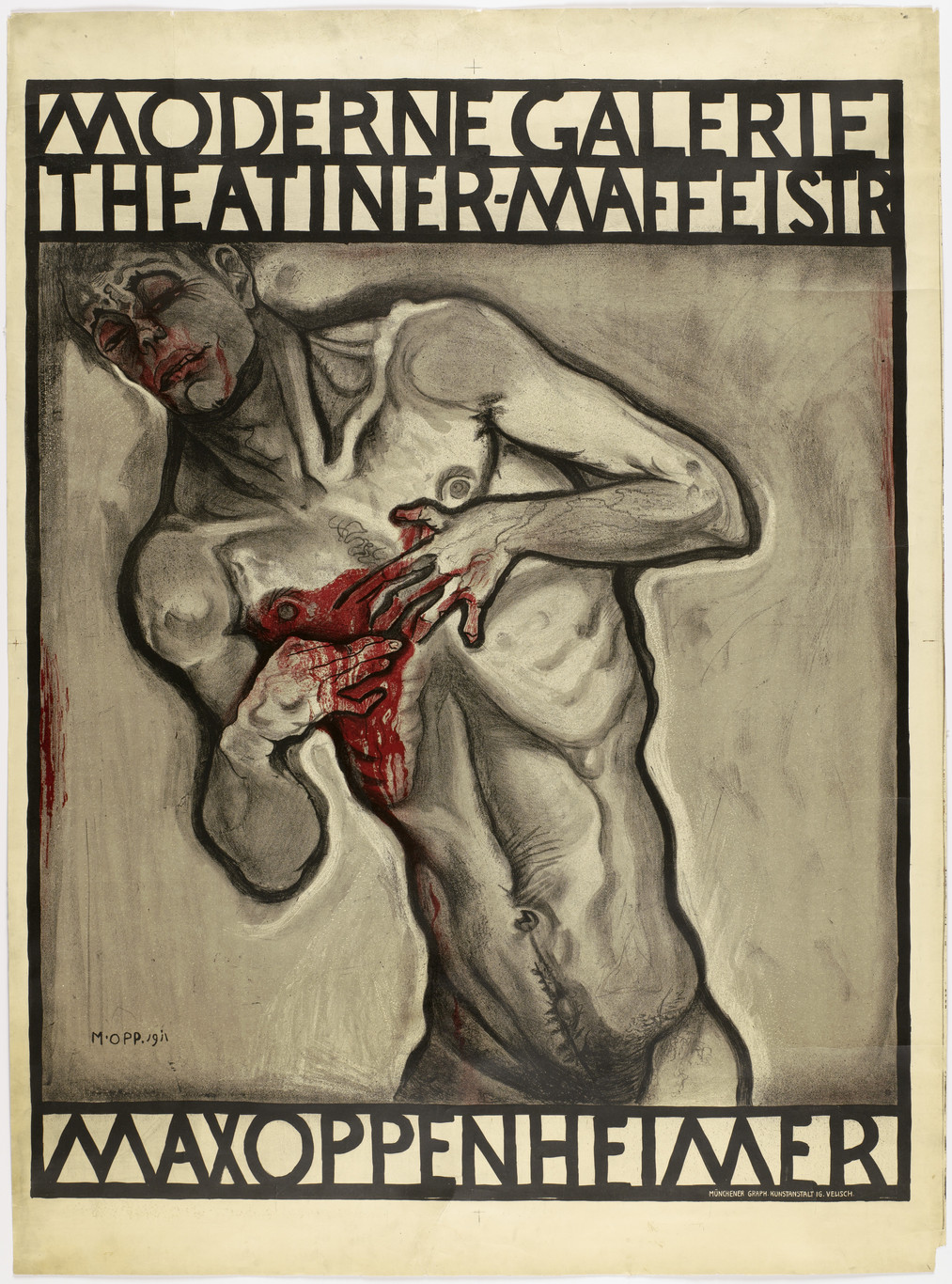
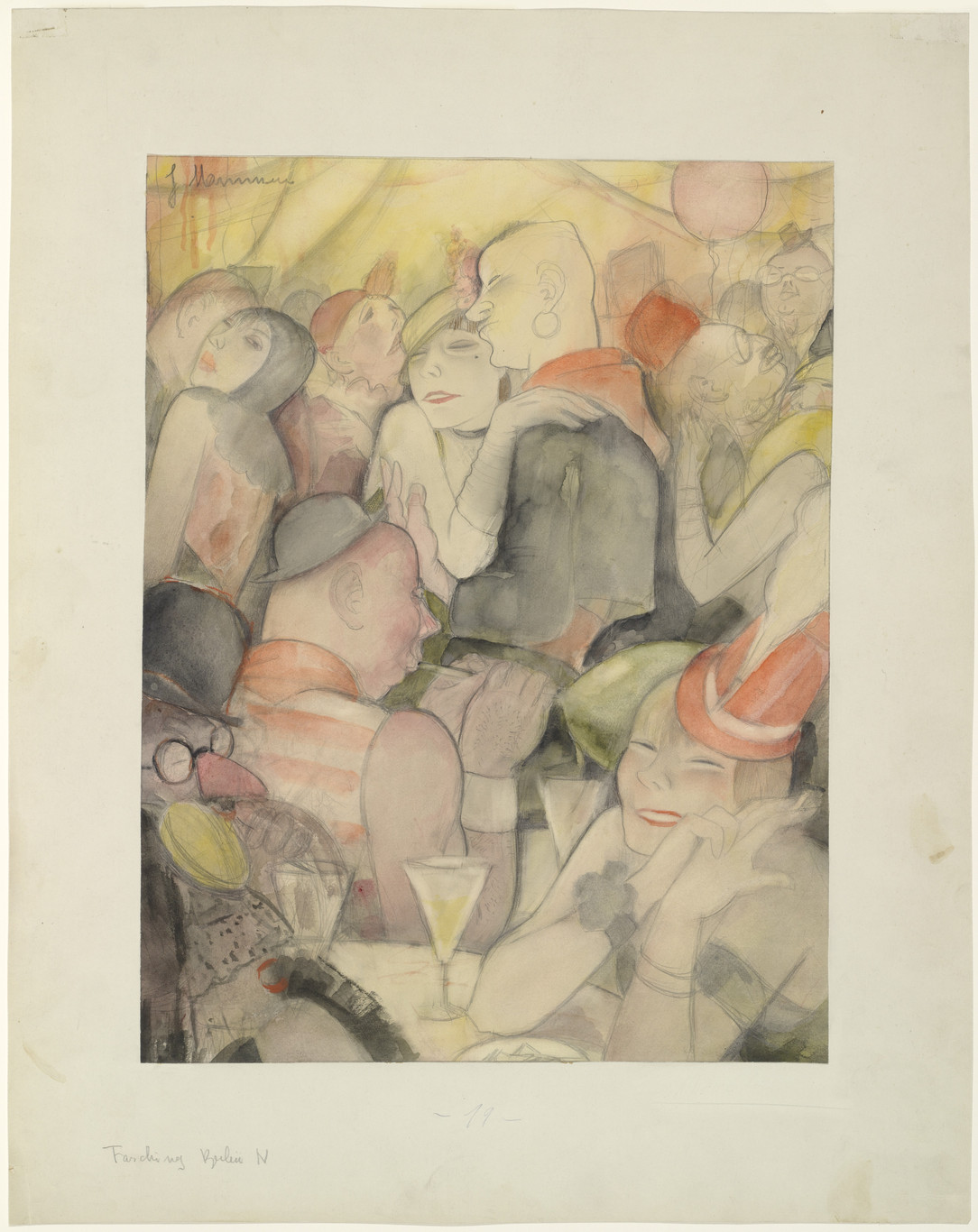
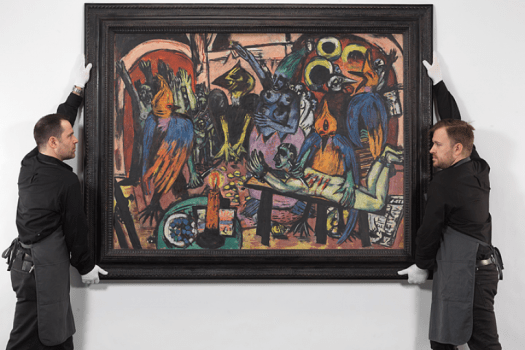
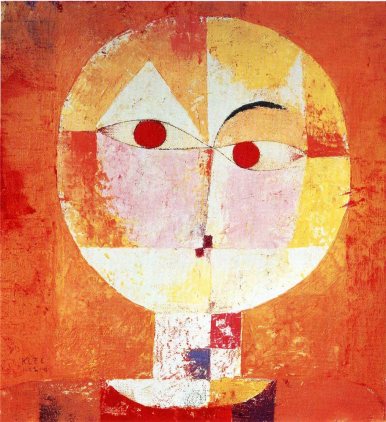
Drawing: What are you using in the art that is DRAWN from German Expressionism?
2.1Ac: Through experimentation, practice, and persistence, demonstrate acquisition of skills and knowledge in a chosen art form.
Friday we are having a Mid Crit – Step back NOW and see what you have in front of you. Begin EVERY DAY like this. Look at the work and see what you see.
What is one thing you really accomplished today? BE specific in your reflection.
Studio Art 360: Finish your CUPS
10.1P: Document the process of developing ideas from early stages to fully elaborated ideas.
Of the different ideas of faces and mugs we looked at last week – what do you think you might want to do before we begin to research? Animal, Person? One Eye, One Nose, One Mouth. Sketch it out on paper first.
What ideas did you get from the video that you are able to put into the CONCENTRATION? How are you going to use your skills / experiences / interests to create a concentration?
Art has no boundaries except those imposed by the needs of the maker. Boundaries are a form of definition, nothing more. They are a way to create a hierarchy of concerns, interests and priorities. Boundaries change all the time. That is part of what art does. By defining an area of interest or by stating a new priority, art allows us to create new definitions of ourselves and the context in which we operate. To blur a boundary is to confuse the definition. To move a boundary is to make a new definition. Kit White 101 Things I Learned in Art School
Drawing: German Expressionism – WHAT IDEA ARE YOU USING?
2.1Ac: Through experimentation, practice, and persistence, demonstrate acquisition of skills and knowledge in a chosen art form.
What advances have you made in your work since the beginning of the process? List 3 things you are doing DIFFERENTLY than you have in the past. BE SPECIFIC.
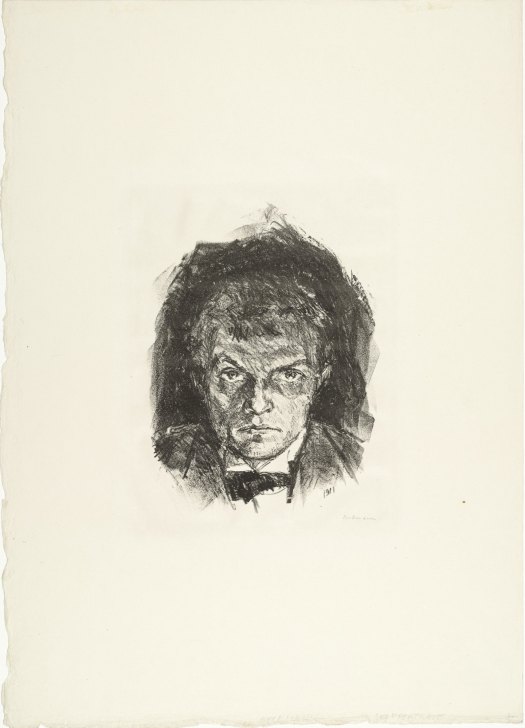
What is one thing you really accomplished today? Be specific in your reflection. Max Oppenheimer:
Studio Art 360: Let’s Make some SLAB cups today!
1.2P: Shape an artistic investigation of an aspect of present-day life using a contemporary practice of art or design. 10.1P: Document the process of developing ideas from early stages to fully elaborated ideas.
Of the different ideas of sculpture we looked at last week – what do you think you might want to do before we begin to research? Animal, Person… Something else living?
What are three challenges you see translating your researched ideas into the ceramic Sculpture?
AP Studio Art: Crit and then move on to CONCENTRATION
3.1Ad: Reflect on, re-engage, revise, and refine works of art or design considering relevant traditional and contemporary criteria as well as personal artistic vision.
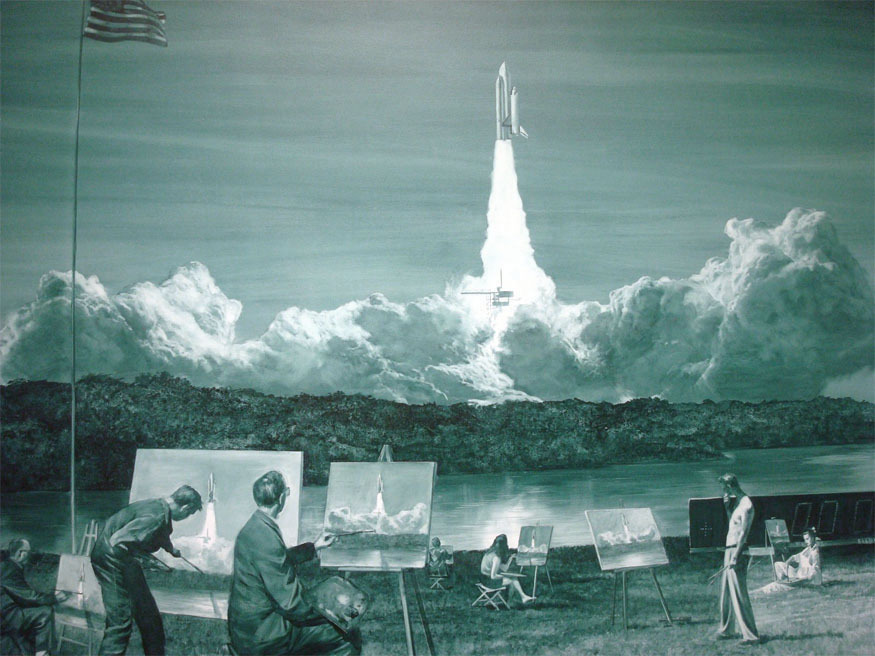
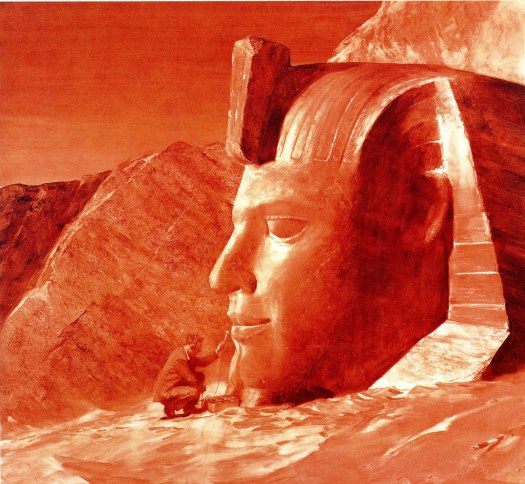
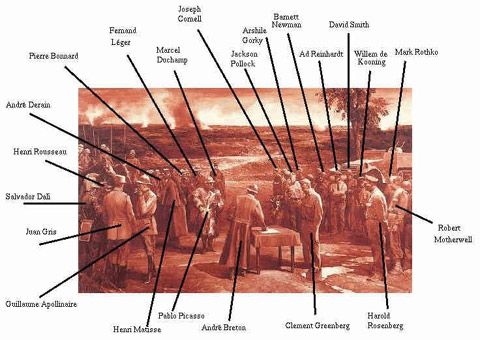
Time to CRITIQUE your Mark Tansey artworks.Are using the ideas of the rubric to push yourself – develop your ideas – Improve your work
As you look back on the development of your composition, what are especially satisfied about? What are 3 things that you feel are successful compositionally? What did you add to the critique?
Some of you had some challenges this past quarter in your art classes – some of you soared. If sketches held you back – think about what your new plan of action needs to be. If you had no issues with the practice of sketches – then no worries – your practice is strong because you know that the art requires practice. A new beginning for all – and new seating charts – WEEKLY – YEP!
Art has no boundaries except those imposed by the needs of the maker. Boundaries are a form of definition, nothing more. They are a way to create a hierarchy of concerns, interests and priorities. Boundaries change all the time. That is part of what art does. By defining an area of interest or by stating a new priority, art allows us to create new definitions of ourselves and the context in which we operate. To blur a boundary is to confuse the definition. To move a boundary is to make a new definition. Kit White 101 Things I Learned in Art School.
7.2Ac: Evaluate the effectiveness of an image or images to influence ideas, feelings, and behaviors of specific audiences.
Reflect on LAST WEEK and your initial photograph, preliminary sketches, and initial drawing before you begin today! What are your OVERALL IDEAS that you hope to communicate? What do you feel you’ll be doing with the materials that are NEW and CHALLENGING to you?
Here are the ideas for Final Product in the next assignment – you will have to use the same technique but with multiple solutions to the challenges – BRIGHT COLORS and GLAZES – Multiple Ideas – Clay Cup / Mug (Pinch Pot, Coils?) Post Modern – Neo-Pop Keith Haring and other 3D Works – Bright Colors etc..
AP Studio Art: CRIT – Hello Madeline
3.1Ad: Reflect on, re-engage, revise, and refine works of art or design considering relevant traditional and contemporary criteria as well as personal artistic vision.
Time to CRITIQUE your Mark Tansey artworks.Are using the ideas of the rubric to push yourself – develop your ideas – Improve your work.
As you look back on the development of your composition, what are especially satisfied about? What are 3 things that you feel are successful compositionally? What did you add to the critique?
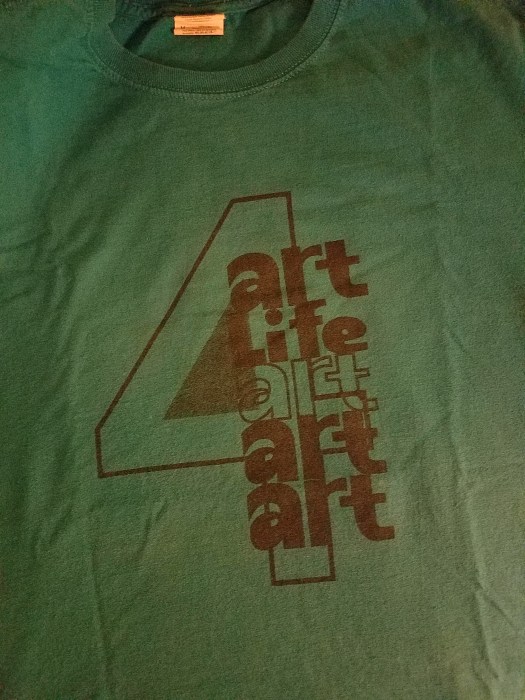
Next week Tuesday… bring in a shirt and I’ll add a print to it during Art Club.
#28: An idea is only as good as its execution. It is important that you master your medium. Poorly made work will either ruin a good idea or make the lamentable execution itself the subject. Overly finessed technique can mask a lack of content or can smother an image. At the same time, roughness and imprecision has its place in rendering. One can only gauge the need to throw technique away if one has first achieved the mastery of it. Kit White 101 Things I Learned in Art School
Drawing: German Expressionism – Time to Draw!
2.1Ac: Through experimentation, practice, and persistence, demonstrate acquisition of skills and knowledge in a chosen art form.Today we start with the portrait – in pencil or charcoal? With a half hour of work time – what can you get done / started today?
Did you meet your goal for the day? If you did not why do you feel you didn’t? What held you back.
Studio Art 360: CLAY – Let’s Play
1.2P: Shape an artistic investigation of an aspect of present-day life using a contemporary practice of art or design.10.1P: Document the process of developing ideas from early stages to fully elaborated ideas.What do you currently know about using CLAY?
Here are the ideas for Final Product in the next assignment – you will have to use the same technique but with multiple solutions to the challenges – BRIGHT COLORS and GLAZES – Multiple Ideas – Clay Cup / Mug (Pinch Pot, Coils?) Animal Sculpture (look at historical ideas – REALLY OLD sculpture – stuff), Post Modern – Neo-Pop Keith Haring and other 3D Works – Bright Colors etc…
AP Studio Art: Mr. Tansey… are you out there.
1.2Ad: Choose from a range of materials and methods of traditional and contemporary artistic practices, following or breaking established conventions, to plan the making of multiple works of art and design based on a theme, idea, or concept.Take a moment and REFLECT on how your project is moving forward. 3 things that are successful.
#28: An idea is only as good as its execution. It is important that you master your medium. Poorly made work will either ruin a good idea or make the lamentable execution itself the subject. Overly finessed technique can mask a lack of content or can smother an image. At the same time, roughness and imprecision has its place in rendering. One can only gauge the need to throw technique away if one has first achieved the mastery of it. Kit White 101 Things I Learned in Art School
Drawing: Let’s Reflect on the Charcoals and then begin the Portraits IN CHARCOAL!
G: 2.1Ac: Through experimentation, practice, and persistence, demonstrate acquisition of skills and knowledge in a chosen art form.
Before you start today – step back and review the sticky note from yesterday… what was it that you saw as successful? Do you still feel that way?
What is your largest challenge with this work today?
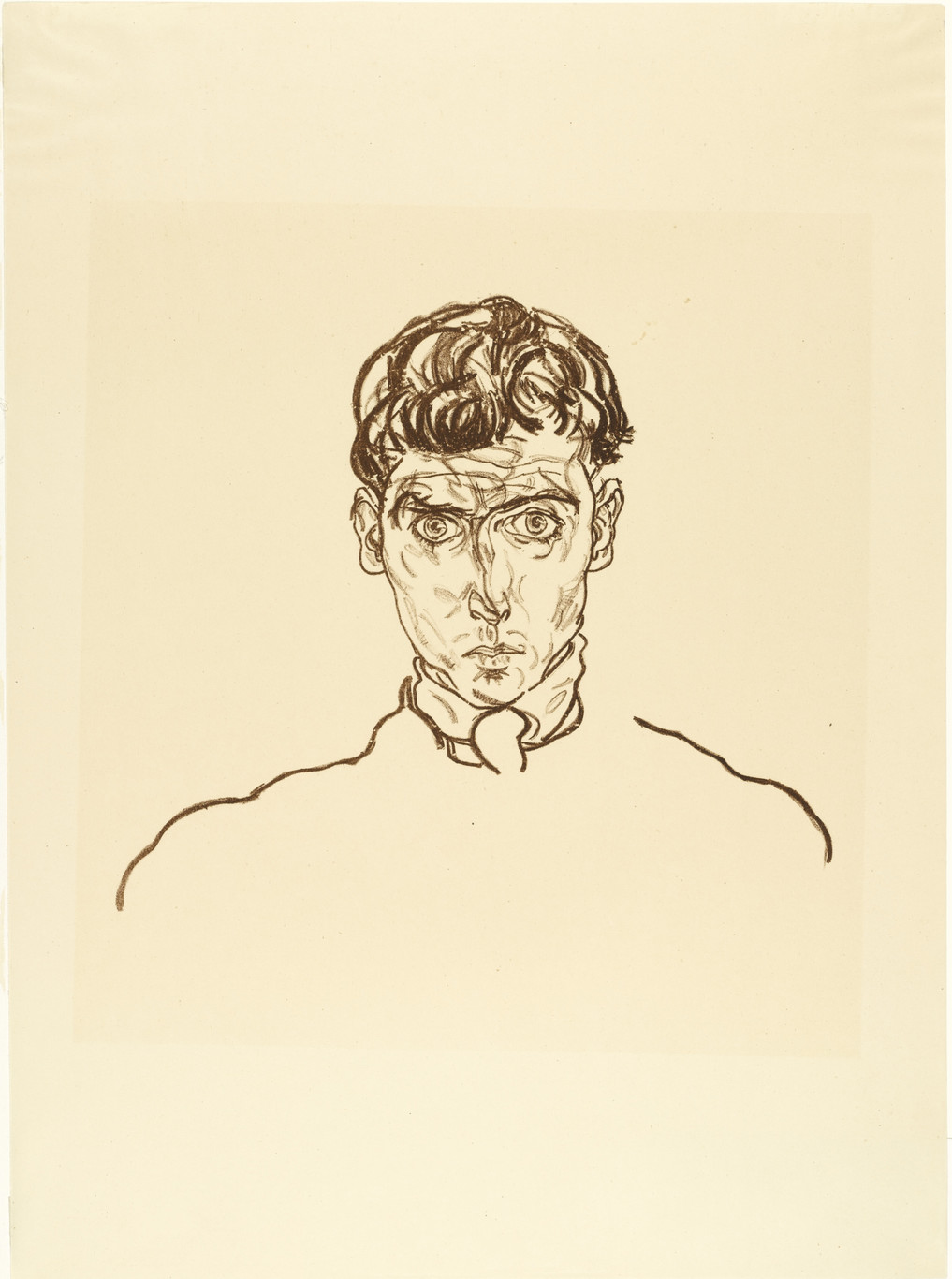
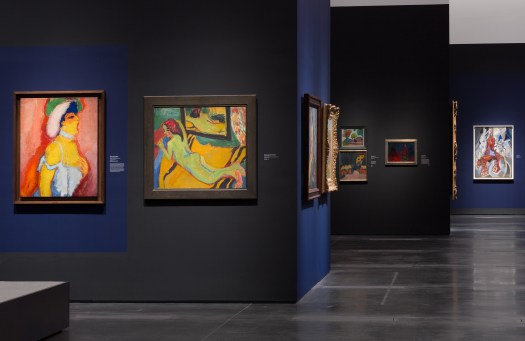
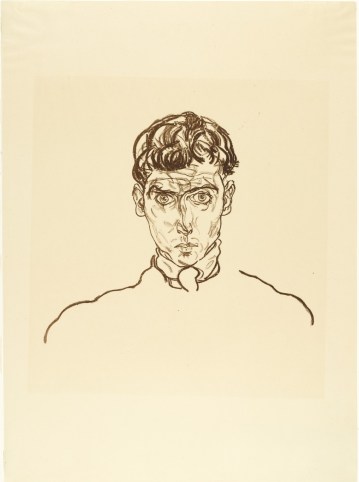
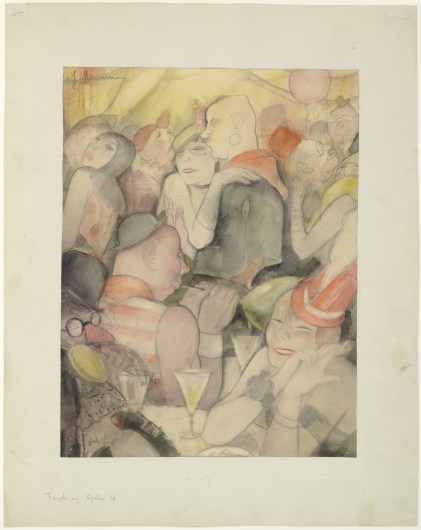
German Expressionist Portraits at the Museum of Modern Art – New York City
Studio art 360: Critique and Display your Pencil Drawings – Photograph them also.
8.1P: Interpret an artwork or collection of works, supported by relevant and sufficient evidence found in the work and its various contexts.
As you examine this work of art, what are the larger SKILLS you have developed in the process? How do you see these skills being able to be used in the future / future works?
Rubric and Self-Assessment was the reflection today – good work.
Studio Art 360: No Conversation – WORK – Due Monday!
1.2Ad: Choose from a range of materials and methods of traditional and contemporary artistic practices, following or breaking established conventions, to plan the making of multiple works of art and design based on a theme, idea, or concept.
How are you using images to create your work of art to communicate a message (not obvious and in one\’s face)?
#28: An idea is only as good as its execution. It is important that you master your medium. Poorly made work will either ruin a good idea or make the lamentable execution itself the subject. Overly finessed technique can mask a lack of content or can smother an image. At the same time, roughness and imprecision has its place in rendering. One can only gauge the need to throw technique away if one has first achieved the mastery of it. Kit White 101 Things I Learned in Art School
Drawing: Demo of Charcoal and Pencil on Paper
2.1Ac: Through experimentation, practice, and persistence, demonstrate acquisition of skills and knowledge in a chosen art form.
Using the printouts from your previous work – utilize the ideas of your research into the ideas of your portraits. Pencil – Charcoal? What choices have you made that relate to your research? What do you need to do to get started today? Tomorrow?
Look at it from arms length and then speak to your neighbor about the work. What do you need to do tomorrow to resolve the work?
AP Studio Art: Tansey – Good Conversations Ladies and Gentleman
1.2Ad: Choose from a range of materials and methods of traditional and contemporary artistic practices, following or breaking established conventions, to plan the making of multiple works of art and design based on a theme, idea, or concept.
How are you using images to create your work of art to communicate a message (not obvious and in one\’s face)?
What are you doing this weekend to begin this work? How are you going to get this done for Monday November 6? What constraints do you see in having a MONOCHROMATIC image? What benefits?
This is it folks – the final week of the quarter. I hope that you took the opportunity to get the required work done as the last days are now. WAEA Convention was a great opportunity for me to be reenergized and enthused about the next part of the year – I hope that you are also excited about the upcoming days.
#28: An idea is only as good as its execution. It is important that you master your medium. Poorly made work will either ruin a good idea or make the lamentable execution itself the subject. Overly finessed technique can mask a lack of content or can smother an image. At the same time, roughness and imprecision has its place in rendering. One can only gauge the need to throw technique away if one has first achieved the mastery of it. Kit White 101 Things I Learned in Art School
Anchor Standard 1: Generate and conceptualize artistic ideas and work.
Enduring Understanding: Creativity and innovative thinking are essential life skills that can be developed. Essential Question(s): What conditions, attitudes, and behaviors support creativity and innovative thinking? What factors prevent or encourage people to take creative risks? How does collaboration expand the creative process?
Drawing: How is your homework? Let’s take a look at the ideas you have created.
2.1Ac: Through experimentation, practice, and persistence, demonstrate acquisition of skills and knowledge in a chosen art form.
Talk to your tablemates about the artists you chose last week and how you plan on using the ideas in the drawing. Three things you would like to really explore from your inspiration artists.
What are you doing this weekend to begin this work? How are you going to get this done for Monday October 30? What constraints do you see in having a MONOCHROMATIC image? What benefits?



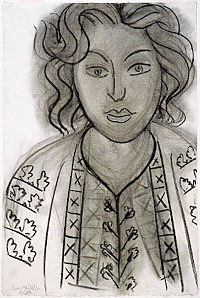
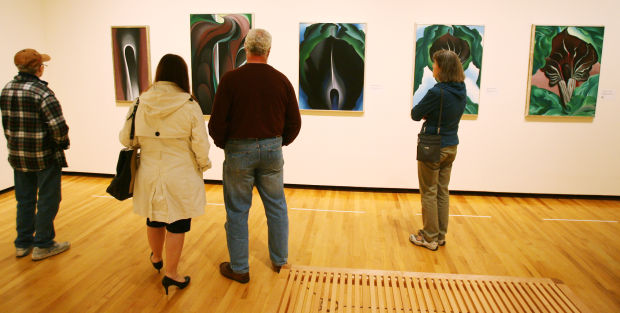
 Henri Matisse at the MET.









 Art With Korb