If you can’t fly then run, if you can’t run then walk, if you can’t walk then crawl, but whatever you do you have to keep moving forward.”― Martin Luther King Jr.
4.3 compare relationships in visual art in terms of 4.3.1 history, 4.3.2 aesthetics, 4.3.3 and culture as it relates to your own art
4.4 evaluate and interpret art for relationships in 4.4.1 form, 4.4.2 context, 4.4.3 meanings showing understanding of the work of various art professionals*
What are your QUESTIONS about SCAD or OTHER art schools? Monies? Courses? Experiences? Come on… what are your QUESTIONS?
“If you can’t fly then run, if you can’t run then walk, if you can’t walk then crawl, but whatever you do you have to keep moving forward.” ― Martin Luther King Jr.
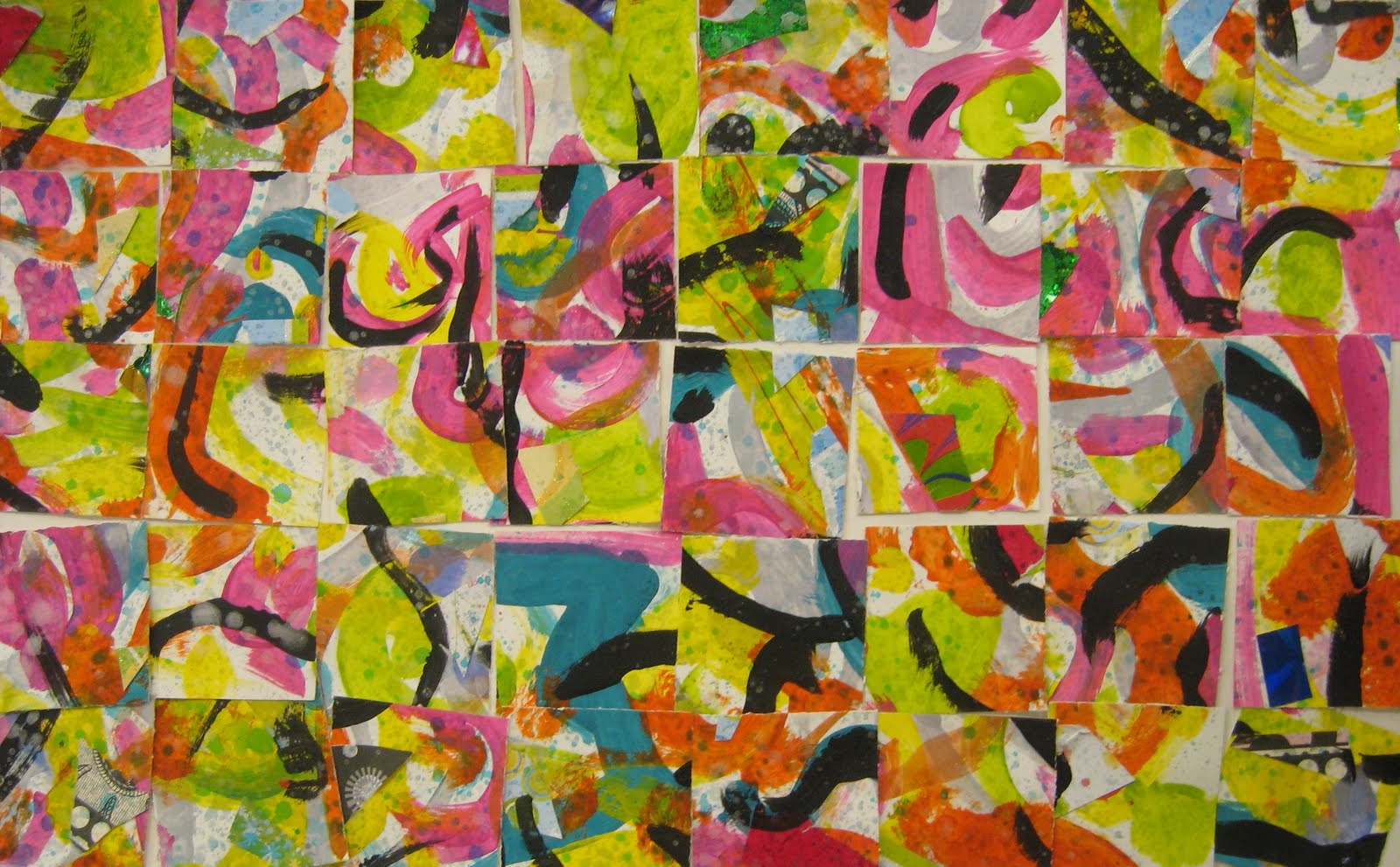
Art Foundations: Ch 1 & Ch 4 – Non-Objective Line Drawings
(4.2) describe the meaning of NON-OBJECTIVE art objects within YOUR culture and time.
What were the different kinds and variations of lines you drew with today? What qualities of lines did you use and what messages do you think they communicate to an audience? What were your responses to the drawings that we worked on and why? Reflect with your neighbors about the drawings you did in class today and be able to identify the variety of different lines
2.1 ALLOW criticism to be formed about artworks that work to accomplish 2.1.2 personal, 2.1.3 communal, 2.1.4 or other meanings (Let’s set up your exhibit with your statements and nametags.)
(1.1) Apply media, technique, and process with skill and confidence (P)
As we get to the end of the week – Share with your neighbor the plans and advancements for this and the next piece. What sort of story do you think others might be reading in your work?
“If you can’t fly then run, if you can’t run then walk, if you can’t walk then crawl, but whatever you do you have to keep moving forward.”― Martin Luther King Jr.
Work on (1.2) concentration works that demonstrate how your ideas relate to the materials and techniques that you use.
Work on (2.6) creating multiple solutions to concentration works.
What bit of advice did you get from your classmates that you will be able to put to use? What bit of advice did you give that might be used elsewhere? What are your goals for the next work(s) that will show your development?
“Never tell a young person that anything cannot be done. God may have been waiting centuries for someone ignorant enough of the impossible to do that very thing.” — John Andrew Holmes
3.2 Apply ideas in art and use skill to solve visual challenges.
6.1 compare aspects of the visual arts with aspects of other disciplines through Mathematical Ratios and Transferring images / blending colors.
What is the color scheme you are using – label on the bottom of the page. What is the reason you have chosen the image you have chosen? Share image with your classmate and explain the process of measuring and transferring image.
Advanced Drawing:Faces – Let’s begin with the Mouth
1.4 Initiate, define, and solve drawing the lips through using .4.1) analysis (.2) synthesis (.3) evaluation
. Identify the intentions and purposes behind making art.
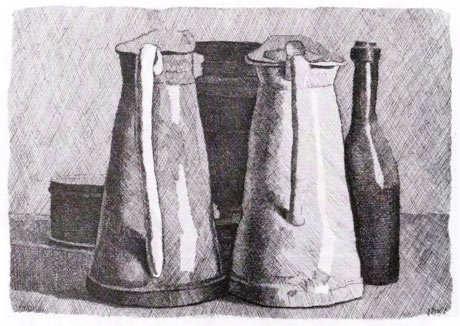
What was the most challenging way to draw? Why was this most difficult way to go? How OFF were you from the original that you drew from your memory? What is most important about drawing when it comes to observation?
2.6 create multiple solutions to visual challenges that show understanding in relationships between composition and meaning of artwork
6.1 compare aspects of the visual arts with aspects of other disciplines by being inspired by music and text.
What is your plan for accomplishing this one work in the short time allowed? What was the struggle you had in the past 2 weeks creating 2 works? What struggled? What soared? What will you have to do to adjust your working schedule.




 Art With Korb