To you, your family, and loved ones (and even those you aren’t so happy with) – Merry Christmas and Happy Holidays – however you celebrate! I wish you and all humankind that the upcoming year is full HOPE that the world can work together to bring peace, equality, and a sense of oneness as we move forward through these sometimes challenging and uncertain times into a productive and joyful future.
20 “Clear sight makes clear art.” Observation lies at the heart of the art process. Whether your art derives from mimicking nature or extrapolating a mental construct, your powers of observation are critical. Unless you can see what lies before you, you cannot describe it. Train yourself to eliminate preconceptions and received understandings when observing anything. Try to see what is before you, not what you think you see or want to see. Kit White 101 Things to Learn in Art School
Drawing: Masterworks
2.1Ac: Through experimentation, practice, and persistence, demonstrate acquisition of skills and knowledge in a chosen art form.
What struggles do you personally find in the making of a continuous line contour drawing? Two things you are challenged by – full sentences.
Write out all that you have accomplished today. When we come back we are going to be looking at landscapes and observation of that space as well as how we use line. Vincent Van Gogh and the Impressionist Drawings may be a starting point for our final artworks.
Studio Art 360: Painting
1.2P: Shape an artistic investigation of an aspect of present-day life using a contemporary practice of art or design.
What are two things that are helping you EMPHASIZING the idea of YOU as you create this self portrait?
What is one way that you feel ART be used to discuss IMPORTANT things in culture?
AP Studio Art: Concentration and WHAT ARE YOU TAKING HOME?
4.2Ad: Critique, justify, and present choices in the process of analyzing, selecting, curating, and presenting artwork for a specific exhibit or event.
Best part of yesterday? Plans for today? How’s it coming?
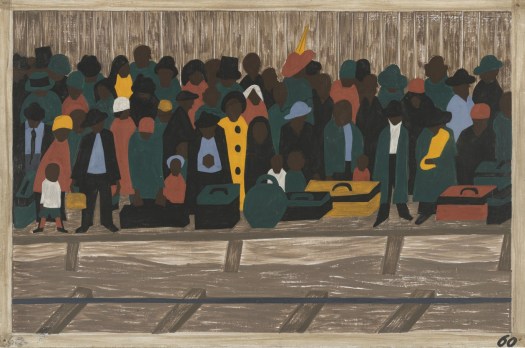
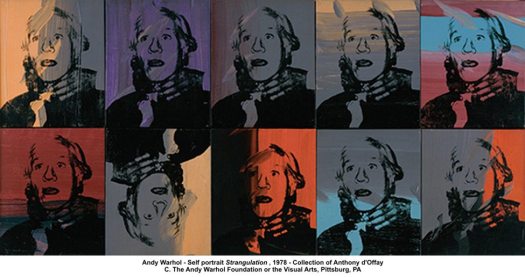
How are you moving forward in the process of developing a series of works based on someone else’s work? How are you keeping the images the SAME and how are you changing the ideas?
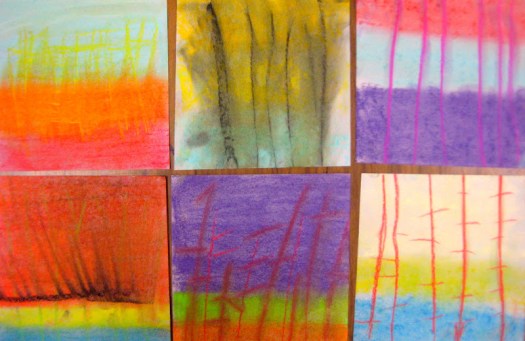
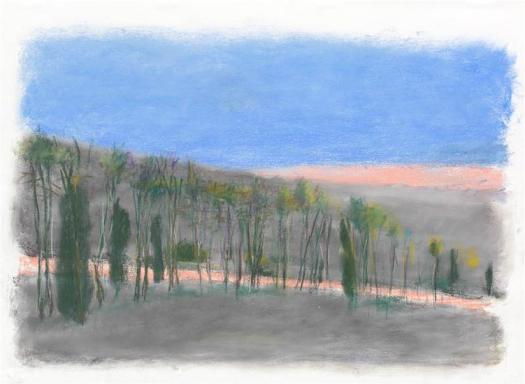
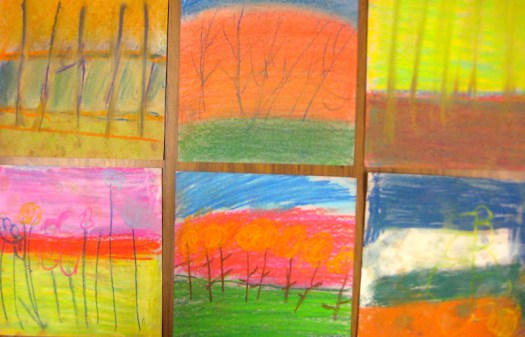
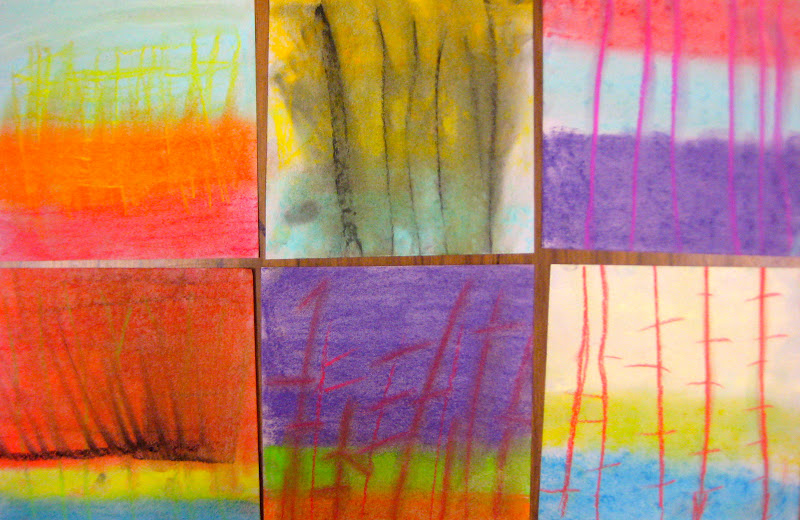
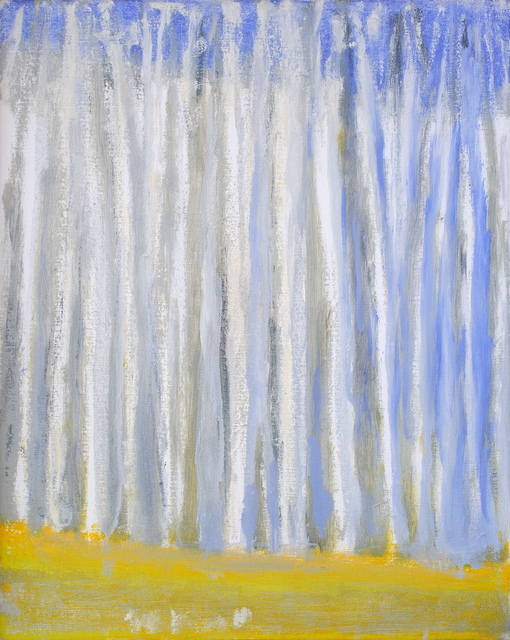
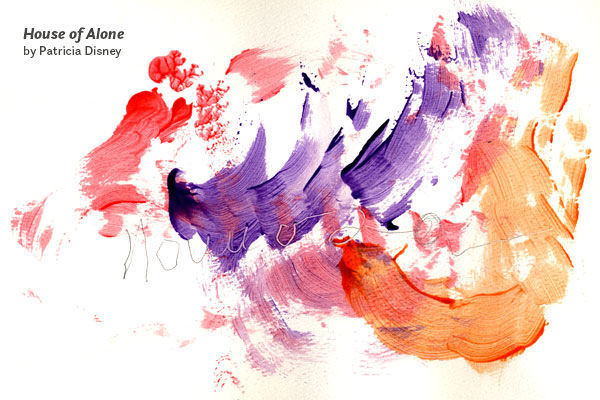
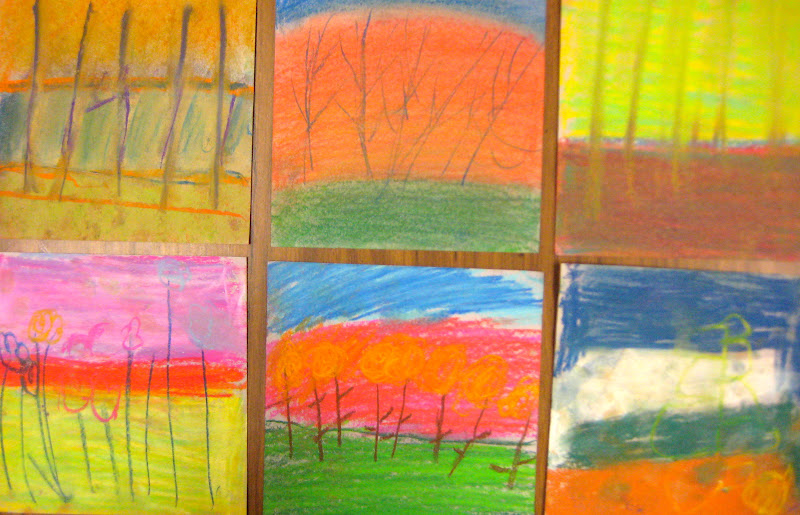
Based on my last count, I had 45 artworks (plus a few that didn’t get resolved) made over the past 4 days during my high school lunch period by many of my art students and students who were NOT art students of mine. All of these artworks will get wrapped around a can of soup and then donated to the local Waterford, WI food pantry for those in need. The images below are my contributions.
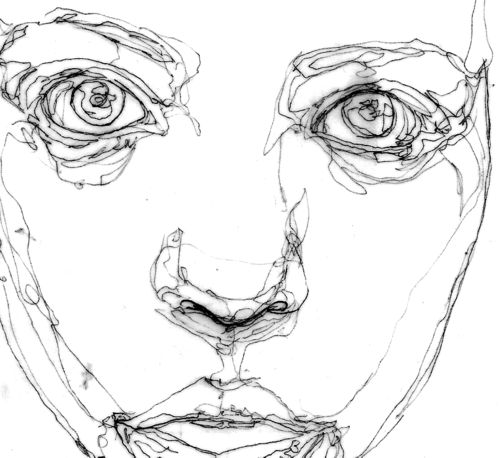
Drawing: Blind Continuous Line Drawings – OR – Timed OBSERVATION and DRAWING
1.2Ac: Choose from a range of materials and methods of traditional and contemporary artistic practices to plan works of art and design.
What struggles do you have when it comes to drawing with pencils to begin with? What struggles do you think you might have when drawing them without being able to lift your pencil? How about your sense of OBSERVATION and LOOKING CAREFULLY? What are your biggest struggles?
In the end, what was the biggest challenge / success you had today in the studio?
Studio Art 360: Paint for another day my artists.
7.1Ac: Recognize and describe personal aesthetic and empathetic responses to the natural world and constructed environments.
What are two things you think the PROCESS is going to do to help you in the creation of this artwork? How is this going to be a skill that can help you in the future with OTHER ideas and assignments (in or out of art)?
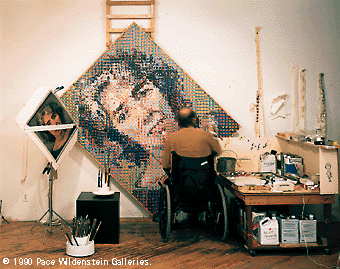
Chuck Close’s NANCY – Frank Korb Photo
What is it that you especially enjoy about the image you are creating in your painting? How do the ideas and colors RELATE to you?
AP Studio Art: Looking at sketches tomorrow – What are your ideas?
4.2Ad: Critique, justify, and present choices in the process of analyzing, selecting, curating, and presenting artwork for a specific exhibit or event.
Best part of yesterday? Plans for today? How’s it coming?
How are you moving forward in the process of developing a series of works based on someone else’s work? How are you keeping the images the SAME and how are you changing the idea?
#20 “Clear sight makes clear art.” Observation lies at the heart of the art process. Whether your art derives from mimicking nature or extrapolating a mental construct, your powers of observation are critical. Unless you can see what lies before you, you cannot describe it. Train yourself to eliminate preconceptions and received understandings when observing anything. Try to see what is before you, not what you think you see or want to see. Kit White 101 Things to Learn in Art School
Drawing: Mark making and the Pencil (crits. for those who missed it yesterday)
1.2Ac: Choose from a range of materials and methods of traditional and contemporary artistic practices to plan works of art and design.
What struggles do you have when it comes to drawing with pencils to begin with? What struggles do you think you might have when drawing them without being able to lift your pencil?
Thick and Thin – How are the colors covering the canvas / lines / underdrawing of the the painting?
AP Studio Art: Concentration and the Website – Get to it!
4.2Ad: Critique, justify, and present choices in the process of analyzing, selecting, curating, and presenting artwork for a specific exhibit or event.
Best part of yesterday? Plans for today? How’s it coming?
How are you moving forward in the process of developing a series of works based on someone else’s work? How are you keeping the images the SAME and how are you changing the idea?
#20 “Clear sight makes clear art.” Observation lies at the heart of the art process. Whether your art derives from mimicking nature or extrapolating a mental construct, your powers of observation are critical. Unless you can see what lies before you, you cannot describe it. Train yourself to eliminate preconceptions and received understandings when observing anything. Try to see what is before you, not what you think you see or want to see. Kit White 101 Things to Learn in Art School
SCHOLASTIC ARTS FOLKS – LISTEN UP! QUICK ANNOUNCEMENT – Artwork Available HERE for upload.
Drawing: Critique and then LINES and PENCIL
9.1Ac: Determine the relevance of criteria used by others to evaluate a work of art or collection of works.
Well… Grab a RUBRIC II – and begin your self evaluation – AFTER you have taken a few 15 – 20 minutes to do written evaluation of 4 works of art – make sure your written critiques use ACTIONABLE / CRITICAL / IMPROVEMENT type statements. Let’s start this critique then. Get the work up in front of us and you lead the way. KORB will sit back and listen… Keep time Korb.
#20 “Clear sight makes clear art.” Observation lies at the heart of the art process. Whether your art derives from mimicking nature or extrapolating a mental construct, your powers of observation are critical. Unless you can see what lies before you, you cannot describe it. Train yourself to eliminate preconceptions and received understandings when observing anything. Try to see what is before you, not what you think you see or want to see. Kit White 101 Things to Learn in Art School
3.1Ac: Engage in constructive critique with peers, then reflect on, re-engage, revise, and refine works of art and design in response to personal artistic vision.
Looking at the still life in front of you, what is the one aspect of it that you are most pleased with? Why are you so pleased with how you handled the materials and composition? What do you need to TOUCH UP TODAY! Crit Tomorrow!
What was it that you took away from today’s critique? How did you contribute to the success of the conversation?
Studio Art 360: Paint – Let’s get this thing done this week!
7.1Ac: Recognize and describe personal aesthetic and empathetic responses to the natural world and constructed environments.
What colors are you going to be using in this portrait? What IS your color scheme and what colors are you going to be using? This is important to know as you begin – PLANNING is essential here!
What are your thoughts about this as the work is developing as a work of art? This is the VERY BEGINNING of the process – how do you feel about the work? 3 ideas please.
AP Studio Art: Let’s INDIVIDUALLY LOOK at your pages.
2.1Ad: Experiment, plan, and make multiple works of art and design that explore a personally meaningful theme, idea, or concept.
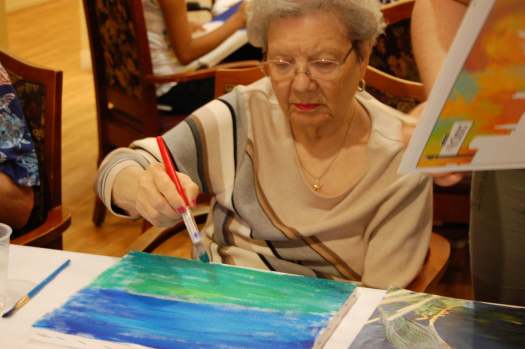
What have your previous works of art been this year and how have you been planning the NEW and Important ideas out for your work based on the work of the residents of Waterford Senior Living? HOW DOES INSPIRATION FROM OTHERS WORK HELP or CHALLENGE YOU?
What ideas have you come up with? What materials are you using that help you to challenge yourself? How does it fit into your current body of work? How does it REACH OUT into NEW IDEAS? Strong Student Work:
If you don’t like change, you’ll like irrelevance even less” General Eric Shinseki
Drawing: This is IT folks – Last day of DRAWING for the STILL LIFE
2.1Ac: Through experimentation, practice, and persistence, demonstrate acquisition of skills and knowledge in a chosen art form.
Last day in class – do you need to make photographs of your objects to help you work over the weekend? How many drawings have you got going? We are critiquing them on Monday – Get ready to TALK.
What do you need to do in order to wrap things up for Monday? Excellent job with your Observational skills. Let’s take one more day to polish up the ideas. You’ll talk about 3 of the drawings (maybe 4)… How many have you drawn?
Studio Art 360: Let the PAINTING continue! CLEAN UP THOSE BRUSHES!
7.1Ac: Recognize and describe personal aesthetic and empathetic responses to the natural world and constructed environment.
How much of your drawing have you got covered? What GOALS do you have for the drawing today? DO NOT RUSH – Keep an EYE on the LINES and EDGES. I suggest taking it home to finish the lines for MONDAY.
What struggles are you having with this drawing / beginning of the painting so far? This is DUE at the end of NEXT week. DO NOT RUSH.
AP Studio Art: Computer Work? Photography? Website? Finish the Concentration from LAST WEEK?
Research and Information Fluency – Students apply digital tools to gather, evaluate, and use information.
How have you been able to use the NEW skills you’ve developed this year and create a STRONG BODY of CONCENTRATION works? How are you being interested in the CONCENTRATION work that you are creating? How do you see your works as a whole as you are photographing and uploading your images?
Knowing that you are working on your concentration works and STRONG IDEAS with SKILL Building ideas, how are you advancing the ideas of the ARTIST’S JOB? (Or would you like to draw / make JUST TO MAKE ART TO CHALLENGE YOURSELF)?
How do you feel about the sculpture / artwork as you have now finished glazing it? What do you hope to do with it when you get it back in a week?
AP Studio Art: Work and Work and WORK some more!
Research and Information Fluency – Students apply digital tools to gather, evaluate, and use information.
Looking at the AP Rubric and Standards – how are you using traditional (or better) BREAKING contemporary art making practices? Please give 2 specifics.