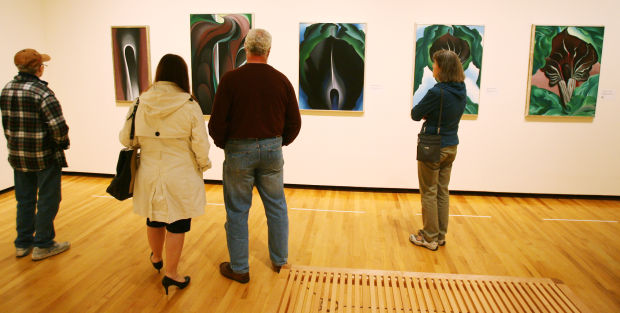
Check out this really cool video before you start your night at the Art Walk in Waterford. Save up your dollars for a bid here.
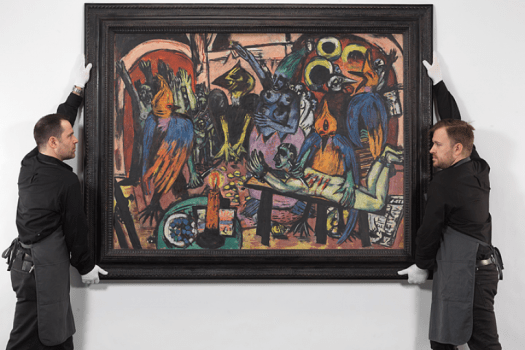
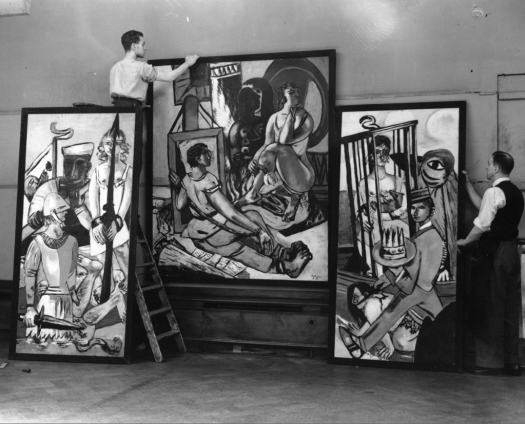
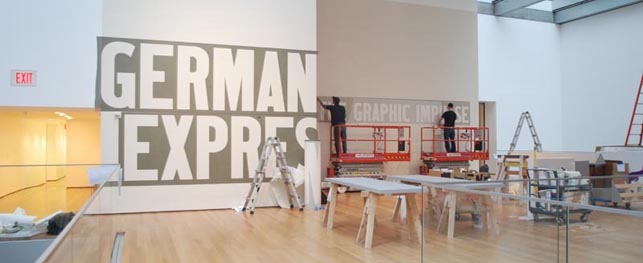
An Auction Setup at Christie’s: First a Marathon, Then a Sprint https://nyti.ms/2l1ZvsZ

Studio Art Education: Encouraging Self-Directed, Reflective, and Risk Taking Artists since 1996.
Check out this really cool video before you start your night at the Art Walk in Waterford. Save up your dollars for a bid here.
An Auction Setup at Christie’s: First a Marathon, Then a Sprint https://nyti.ms/2l1ZvsZ
Art is the product of process. “Whether conceptual, experimental, emotional, or formal, the process you develop yields the image you produce. The materials you choose, the methods of production, and the sources of the images should all reflect the interests that command your attention. The process does not stop with each work completed. It is ongoing. The cumulative result of that process is a body of work.” Kit White 101 Things I Learned in Art School
1.1Ac: Individually or collaboratively formulate new creative problems based on student’s existing artwork.
How is the Hair Line and DIRECTION of hair a different feature to draw than any other feature of the head? Please explain your ideas here.
What successes did YOU have today?
10.1P: Document the process of developing ideas from early stages to fully elaborated ideas.
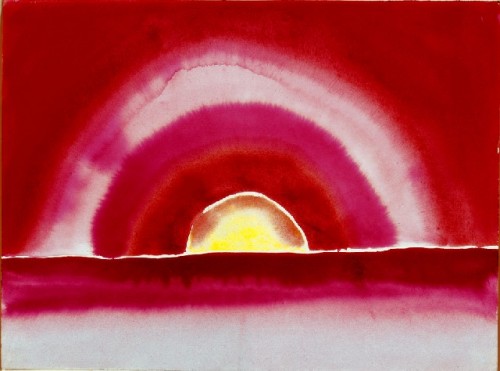
What challenges have you found in the process of drawing your still life from OBSERVATION?

Where can you see the idea of OBSERVATION as being a skill that is worthy of you focusing on?
2.1Ad: Experiment, plan, and make multiple works of art and design that explore a personally meaningful theme, idea, or concept.
Where are you struggling with ideas as you resolve your artwork and plan your next two concentration works? What is it about FINDING YOUR VOICE? What did you take away from yesterday’s crit?

What bit of advice did you get from your classmates that you will be able to put to use? What bit of advice did you give that might be used elsewhere? What are your goals for the next work(s) that will show your development? FINAL CRITIQUE on MONDAY!
Art is the product of process. “Whether conceptual, experimental, emotional, or formal, the process you develop yields the image you produce. The materials you choose, the methods of production, and the sources of the images should all reflect the interests that command your attention. The process does not stop with each work completed. It is ongoing. The cumulative result of that process is a body of work.” Kit White 101 Things I Learned in Art School
1.1Ac: Individually or collaboratively formulate new creative problems based on student’s existing artwork.
How is the EAR a different feature to draw than any other feature of the face? Please explain your ideas here.

What successes did YOU have in the ear today? What made the ear an easier feature to draw? Or WAS it?
2.1P: Engage in making a work of art or design without having a preconceived plan.
What skills do you see in yourself that are coming out in the drawing SO FAR? What strengths do you see in your drawing?

What are 2 skills you have already that are going to make your experiences in Studio Art 360 easier?
1.2Ad: Choose from a range of materials and methods of traditional and contemporary artistic practices, following or breaking established conventions, to plan the making of multiple works of art and design based on a theme, idea, or concept.
What has been successful for your outdoor work? What has FAILED you? Where do you need to go from here?

With this OUT OF THE BOX (out of the doors) assignment… What struggles are you facing? Where are you falling in the snow? What are your challenges?

PLEASE REMEMBER THE RULES ABOUT CELL PHONES. There are NO CELL PHONES in the hallways (earbuds in the ears either) and Do Not Use them without permission in the classroom either – that means do not be holding your phones under the desks and think you are getting away with something. Bags on the floors – UNDER THE DESKS – and please put your phones away. BELL TO BELL – BELL TO BELL. Questions – see me and / or check your student handbook.
Art is the product of process. “Whether conceptual, experimental, emotional, or formal, the process you develop yields the image you produce. The materials you choose, the methods of production, and the sources of the images should all reflect the interests that command your attention. The process does not stop with each work completed. It is ongoing. The cumulative result of that process is a body of work.” Kit White 101 Things I Learned in Art School
Drawing: Noses – QUICKLY
1.1Ac: Individually or collaboratively formulate new creative problems based on student’s existing artwork.
How is the NOSE such a different facial feature to draw than say the MOUTH or the EYES? Please explain your ideas here.

What mistakes did YOU make – how bad were they when it came to MOUTH?
2.1P: Engage in making a work of art or design without having a preconceived plan.
How DO you draw something in 3 dimensions? What are different techniques you know? What did you do successfully yesterday that you can continue with today? What is it you need to erase, change, resolve to make the drawing today even more successful.

What is one thing you are putting into your drawing of the 3D Forms that might be related to the ELEMENTS and PRINCIPLES as the building blocks of Art – things you really need to be aware of AS you are making art.
1.1 Ad: Visualize and hypothesize to generate plans for ideas and directions for creating art and design that can affect social change.
What have you learned from working outside of the box? Outside of your comfort zone?

What were the biggest impressions you had from going outside for ideas? What were the most difficult things you felt as you presented your work? Conversation between classmates about the 2 questions for your exam. How does this work relate to your concentration?
Art is the product of process. “Whether conceptual, experimental, emotional, or formal, the process you develop yields the image you produce. The materials you choose, the methods of production, and the sources of the images should all reflect the interests that command your attention. The process does not stop with each work completed. It is ongoing. The cumulative result of that process is a body of work.” Kit White 101 Things I Learned in Art School
1.1Ac: Individually or collaboratively formulate new creative problems based on student’s existing artwork.
When you start out drawing the MOUTH… what do you start with? Why do you feel that you start with that facial feature?

What mistakes did YOU make – how bad were they when it came to mouth?
2.1P: Engage in making a work of art or design without having a preconceived plan.
What do you feel is the value of practicing in a sketchbook? How can you see this as being a place that others (engineers, designers, architects, artists) might need as a valuable tool?

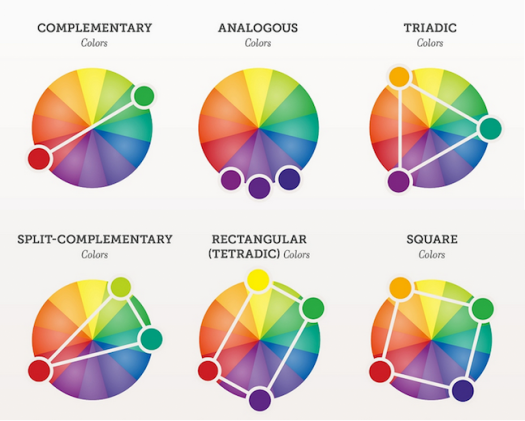
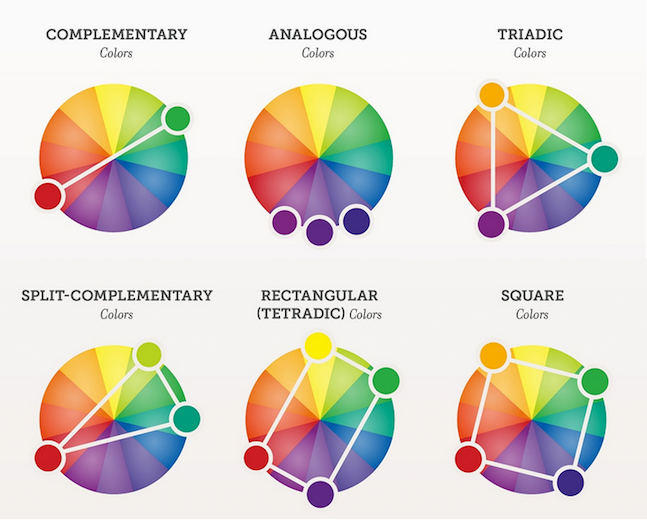
Instructions for Color:
What is your favorite color scheme? Why does it work for you so well?
7.2Ad: Determine the commonalities within a group of artists or visual images attributed to a particular type of art, time-frame, or culture.
What have you been doing to try and create a work of art inspired by the outside? Where do you see this drawing / artwork going? How are you using the materials from outside to make GREAT ART?

What have you accomplished in this day of work? What do you need to get accomplished for FRIDAY when your CURRENT BREADTH work is due online?
Rice University and James Turrell – Installation.
Art is the product of process. “Whether conceptual, experimental, emotional, or formal, the process you develop yields the image you produce. The materials you choose, the methods of production, and the sources of the images should all reflect the interests that command your attention. The process does not stop with each work completed. It is ongoing. The cumulative result of that process is a body of work.” Kit White 101 Things I Learned in Art School

1.1Ac: Individually or collaboratively formulate new creative problems based on student’s existing artwork.
What is it about the EYES that makes it EASIEST or most DIFFICULT to draw?

What mistakes did YOU make – how bad were they when it came to eyes? What struggles do you have in this process?
2.1P: Engage in making a work of art or design without having a preconceived plan.
What was the biggest challenge you found as you began to draw your objects yesterday?

What are 2 difficulties that you had in beginning your drawing today? Remember – DRAWING IS A CHALLENGE – let it be!
Reflect: Learning to think and talk with others about an aspect of one’s work or working process, and learning to judge one’s own work and working process and the work of others.
Today is a Mid-Crit with Peregrine Honig. Are you READY to share your work and ideas? I hope so.

What did you take away from the critique?

I hope to see all of the parents and guardians today. With 3 weeks left of the first quarter, now is a good time to get oneself caught up and ready for success.

Make sure you are working on the chapters in THE VIEW. Grades go in for the first 5 chapters tomorrow.

1.1Ac: Individually or collaboratively formulate new creative problems based on student’s existing artwork.
What is it about the EYES that makes it EASIEST or most DIFFICULT to draw?

What mistakes did YOU make – how bad were they when it came to eyes?
10.1P: Document the process of developing ideas from early stages to fully elaborated ideas.
What challenges have you found in the process of drawing your still life from OBSERVATION?

Where can you see the idea of OBSERVATION as being a skill that is worthy of you focusing on?
Field Trip OPEN to you on Wednesday Night from 3 – 8pm
Permission Slips – I have them…
1.2Ad: Choose from a range of materials and methods of traditional and contemporary artistic practices, following or breaking established conventions, to plan the making of multiple works of art and design based on a theme, idea, or concept.
What has been successful for your outdoor work? What has FAILED you? Where do you need to go from here? N: QUICK Classroom Critique of works. Feedback and Suggestions.

With this OUT OF THE BOX (out of the doors) assignment… What struggles are you facing? What are your challenges? What do you need to do to be ready to PRESENT YOUR WORK – Mid Crit – on Monday?

1.1Ac: Individually or collaboratively formulate new creative problems based on student’s existing artwork.
What is it about the EYES that makes it EASIEST or most DIFFICULT to draw?

What mistakes did YOU make – how bad were they when it came to eyes?

2.1P: Engage in making a work of art or design without having a preconceived plan.
What skills do you see in yourself that are coming out in the drawing SO FAR? What strengths do you see in your drawing?

What are 2 skills you have already that are going to make your experiences in Studio Art 360 easier?
1.1 Ad: Visualize and hypothesize to generate plans for ideas and directions for creating art and design that can affect social change.
What have you learned from working outside of the box? Outside of your comfort zone?

What were the biggest impressions you had from going outside for ideas? What were the most difficult things you felt as you presented your work? Conversation between classmates about the 2 questions for your exam. How does this work relate to your concentration?

1.1Ac: Individually or collaboratively formulate new creative problems based on student’s existing artwork.
When it comes to drawing the FACE, what features do you have the hardest time with? Why do you think that you have the hardest time with that feature?

What are the least successful aspect of the facial features that you drew out today? What do you feel makes them LEAST successful? Is it the same as you though in the beginning of the class?
2.1P: Engage in making a work of art or design without having a preconceived plan.
How DO you draw something in 3 dimensions? What are different techniques you know? What did you do successfully yesterday that you can continue with today? What is it you need to erase, change, resolve to make the drawing today even more successful.

What is one thing you are putting into your drawing of the 3D Forms that might be related to the ELEMENTS and PRINCIPLES as the building blocks of Art – things you really need to be aware of AS you are making art.
7.2Ad: Determine the commonalities within a group of artists or visual images attributed to a particular type of art, time frame, or culture.
What have you been doing to try and create a work of art inspired by the outside? Where do you see this drawing / artwork going? How are you using the materials from outside to make GREAT ART?

What have you accomplished in this day of work? What do you need to get accomplished for FRIDAY when your CURRENT BREADTH work is due online?