November 30, 2011 – Wednesday

AP Studio Art – Time

  1. (2.6) Create multiple solutions to specific visual challenges that show understanding in making relationships between composition and the purpose of artwork.
  2. (5.4) Reflect on various interpretations as a means for understanding and evaluating works of art.

Advacned Drawing – Student Work

  1. (1.1.1,2, and 3) Apply media, technique and process with skill, confidence and awareness so that your ideas are executed well. (P).
  2. (5.1) Identify the intentions and purposes behind making art. (D).

Painting – Jeremy Uglow

  1. (1.1) apply acrylic paint, new techniques (glazing), with (1.1.1) skill, (1.1.2),  confidence and (1.1.3). sensitivity.
  2. (1.2) Create art that demonstrates an understanding of how your ideas relate to the media, techniques, and processes you use.

Which area of your painting are you going to use glazing and why? How might the technique relate to the portion of your portrait?
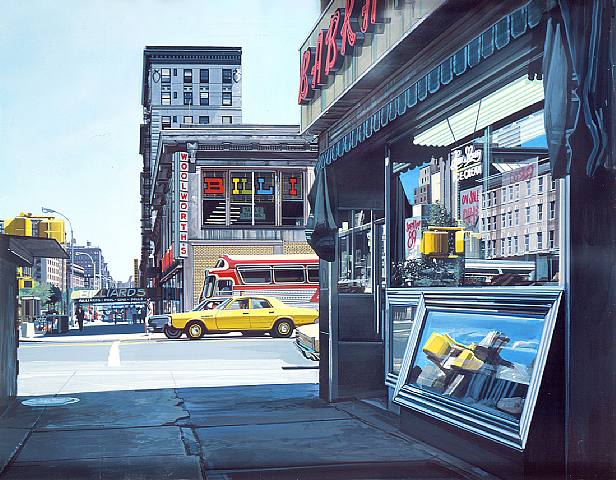
Art FoundationsRichard Estes 1, Richard Estes 2

  1. (1.2.2 and 3) Create 2 point perspective drawings that demonstrate an understanding of how your ideas relate to technique and process (P).
  2. (5.1) Identify the intentions and purposes in creating 2 point perspective / Values. (D)

November 29, 2011- Tuesday

AP Studio Art

  1. (2.6) Create multiple solutions to your three visual challenges that show understanding in making relationships between composition and the purpose of your artwork.
  2. (3.5) Evaluate and defend how subject matter, symbols, and images are used in art.

Advanced DrawingSymbolism and Portraits, Value in Drawings

  1. (1.1.1,2, and 3) Apply media, technique and process with skill, confidence and awareness so that your ideas are executed well.
  2. (5.1) Identify the intentions and purposes behind making art.  

PaintingWet-on-Wet

  1.  (1.1) Apply acrylic paint using the wet-on-wet technique and the hard edge  technique with skill, confidence, and sensitivity.
  2. (1.2) Create a portrait that demonstrates an understanding of how your ideas relate to the media, techniques, and processes you use.

Art Foundations – Richard Estes

  1. (1.2.2 and 3) Create 2 point perspective drawings that demonstrates an understanding of how your ideas relate to technique and process.
  2. Create 2 point perspective and Value drawing that uses COMPOSITION to solve visual challenges.

November 28, 2011, Monday

AP Studio Art – OPEN CANVAS: SIGN UP TODAY!

  1. (2.6) Create multiple solutions to specific visual challenges that show understanding in making relationships between composition and the purpose of artwork.
  2. (3.5) Evaluate and defend how subject matter, symbols, and images are used in art.

Advanced Drawing – Symbolism and Portraits, Value in Drawings

  1. (3.3) Describe the creation of symbolism you have chosen for your self-portrait.
  2. (1.3) Communicate symbolism and portrait at a high level of effectiveness.

Painting – Tints, Tones, and Shades

  1. (1.1) apply media, techniques, and process with skill, confidence, and sensitivity. Understand the process of mixing tints, tones, and shades.
  2. (1.2) Create art that demonstrates an understanding of how your ideas relate to the media, techniques, and processes you use

Art Foundations – Richard Estes

  1. (1.2.2 and 3)  Create 2 point perspective drawings that demonstrates an understanding of how your ideas relate to technique and process.
  2. Create 2 point perspective and value drawing that uses COMPOSITION to solve visual challenges.

November 23, 2011 – Friday, Friday, Friday… Nope it’s Wednesday

AP Studio Art – 1″ Square, Scratch Art, Scratch Art

  1. (2.6) Create multiple solutions to specific visual challenges that demonstrate competence in producing effective relationships between use of organizations and functions.
  2. Begin creating three successful compositions.

Advanced Drawing – Symbolism and Portraiture

  1. (3.5) Evaluate and defends Subjects (YOU and surroundings) symbols (that you have chosen) and images and ideas (preliminary sketches) that are used in your art. (P).
  2. (5.4) Reflect on various interpretations of symbols as a means for understanding and evaluating your PRELIMINARY works of art (D)

Painting – Lucian Freud

  1. (1.4) intiate, define, and solve visual challenges using personal skills of analysis, synthesis, and evaluation.
  2. (2.3) Students will create artworks that use organizational structures and functions to solve specific visual challenges.
Understand the process of evaluating your artwork- Evaluation: What is successful about your portrait? How does the color scheme work together? What do you need to change? Have you been using your time wisely?

Art Foundations – Richard Estes

  1. (1.2) Create 2 point perspective art that demonstrates how your ideas relate to the processes you use. (P)
  2. (5.3.1) Describe meaning (reason) of artwork by analyzing how specific works were created (2 point perspective) (D)

November 22, 2011 – Tuesday

AP Studio ArtKraft Paper

  1. (2.6) Create multiple solutions to specific visual challenges that demonstrate competence in producing effective relationships between use of organizations and functions.
  2. (1.4) Begin creating three successful compositions by initiating, defining (what are your visual challenges?), and solving visual challenges using personal skills of analysis, synthesis, and evaluation.

Advanced DrawingSymbolism and Portraits – Use the Slide Show

  1. (3.5) Evaluate and defends Subjects (YOU and surroundings) symbols (that you have chosen) and images and ideas (preliminary sketches) that are used in your art. (P).
  2. (5.4) Reflect on various interpretations of symbols as a means for understanding and evaluating your PRELIMINARY works and moving into your FINAL works of art (D)

PaintingLucian Freud

  1. (1.4) Initiate, define (what are your visual challenges?), and solve visual challenges using personal skills of analysis, synthesis, and evaluation.
  2. (2.3) Students will create artworks (Self-Portraits using abstraction)  that use organizational structures (color scheme) and functions (painterly techniques) to solve specific visual challenges.

Understand the process of evaluating your artwork – EvaluationWhat is successful about your portrait? How does the color scheme work together? What do you need to modify?

Art Foundations 2DRichard Estes

  1. (1.2) Create 2 point perspective art that demonstrates how your ideas relate to the media (Pencil), techniques (VALUE) and processes (linear perspective) you use. (P)
  2. (2.3) Create artworks that uses organization (cityscape or neighborhood COMPOSITION) and function to solve specific visual challenges. (D)

Monday, November 21, 2011 – Thanksgiving Week

NOTE: Understand the differentiation between the two types of knowledge you are using Declarative (D) and Procedural (P). What different sorts of brain / hand / thought you need to use when it comes to think and problem solve?

AP Studio Art

  1. (3.5) Evaluate and defend the manner in which subject matter, symbols, and images are used (P).
  2. (5.5.2, 5.5.5) Create related responses to works of art with various techniques for communicating ideas and intentions (P).

Advanced Drawing – Symbolism and Portraits

  1. (3.5) Evaluate and defends Subjects (YOU and surroundings) symbols (that you have chosen) and images and ideas (preliminary sketches) that are used in your art (P).
  2. (5.4) Reflect on various interpretations of symbols as a means for understanding and evaluating your PRELIMINARY works of art (D).

PaintingLucian Freud

  1. (1.4) intiate, define, and solve visual challenges using personal skills of analysis, synthesis, and evaluation.
  2. (2.3) Students will create artworks that use organizational structures and functions to solve specific visual challenges.
Understand the process of breaking the face up into 9 technique shapes- synthesis: how do your nine shapes work together to create a cohesive piece?
Art FoundationsRichard Estes
  1. (1.2) Create 2 point perspective art that demonstrates how your ideas relate to the media, techniques and processes you use. (P)
  2. (2.3) Create artworks that uses organization and function to solve specific visual challenges. (D)

November 18, 2011 – Go Wolverines

AP Studio Art

  1. (3.1)  describe the origins of images and ideas and explain why they are of value in art
  2. (5.1)    reflect on various interpretations as a means for understanding and evaluating works of art

Advanced Drawing – Symbolism and LocationJan Van EyckMark Greenwold, and Student Work

  1. (2.3) Create artworks that use organization and function to solve specific visual challenges. (P).
  2. (5.1) Identify the intentions and purposes behind making art. (D

Painting – Cubism Dora Maar, Lucian Freud – A Painter and Queen Elizabeth

  1. (5.1 )   identify the intentions and purposes behind making art
  2. (2.6) Students will create multiple solutions to specific visual challenges that demonstrate competence in producing effective relationships between use or organizational structures and artistic functions.

November 17, 2011 – Thursday

AP Studio Art

  1. (1.2) Create works of visual Art that demonstrate an understanding of how the communication of your ideas relate to the (1.2.1) media, (1.2.2) technique (1.2.3) and process you use. (P)
  2. (2.3) Create artworks that use organizational structures and functions to solve specific visual art problems (P)

Advanced Drawing – Symbolism and LocationJan Van EyckMark Greenwold, and Student Work

  1. (2.3) Create artworks that use organization and function to solve specific visual challenges. (P).
  2. (5.1) Identify the intentions and purposes behind making art. (D)

Painting – Cubism Dora Maar, Lucian Freud – A Painter and Queen Elizabeth

  1. (3.3) describe the origins of images and ideas and explain why they are of value in art
  2. (2.6) Students will create multiple solutions to specific visual challenges that demonstrate competence in producing effective relationships between use or organizational structures and artistic functions.
Art Foundations – Dion Archibald

  1. (1.4) Initiate, define, and solve visual challenges using personal skills of (1.4.1) analysis (1.4.2)synthesis (1.4.3) evaluation. (D)
  2. (5.1) identify the intentions and purposes behind making art


November 16, 2011 – Waffle Wednesday

AP Studio Art

  1. (1.2) Create works of visual Art that demonstrate an understanding of how the communication of your ideas relate to the (1.2.1) media, (1.2.2) technique (1.2.3) and process you use.
  2. (5.3.1) Describe meaning / rationale of artwork by analyzing how specific works are created. (D)
Advanced Drawing – Symbolism and Location, Jan Van Eyck, Mark Greenwold, and Student Work

  1. (2.3) Create artworks that use organization and function to solve specific visual challenges. (P).
  2. (5.1) Identify the intentions and purposes behind making art. (D)
Painting – Cubism Dora Maar, Lucian Freud – A Painter and Queen Elizabeth

  1. (3.3) describe the origins of images and ideas and explain why they are of value in art
  2. (2.6) Students will create multiple solutions to specific visual challenges that demonstrate competence in producing effective relationships between use or organizational structures and artistic functions.
Art Foundations – Dion Archibald

  1. (1.4) Initiate, define, and solve visual challenges using personal skills of (1.4.1) analysis (1.4.2) synthesis (1.4.3) evaluation. (D)
  2. (5.1) identify the intentions and purposes behind making art

November 15, 2011 – Tuesday

AP Studio Art

  1. (1.2) Create works of visual Art that demonstrate an understanding of how the communication of your ideas relate to the (1.2.1) media, (1.2.2) technique (1.2.3) and process you use.
  2. (2.3) Create artworks that use organizational structures and functions to solve specific visual art problems
  1. (2.3) Create artworks that use organization and function to solve specific visual challenges. (P).
  2. (5.1) Identify the intentions and purposes behind making art. (D)
Painting – Cubism Dora Maar, Lucian Freud – A Painter and Queen Elizabeth
  1. (2.3) Students will create artworks that use organizational structures and functions to solve specific visual challenges.
  2. (2.6) Students will create multiple solutions to specific visual challenges that demonstrate competence in producing effective relationships between use or organizational structures and artistic functions.
Art Foundations – Dion Archibald
  1. (1.4) Initiate, define, and solve visual challenges using personal skills of (1.4.1) analysis (1.4.2) synthesis (1.4.3) evaluation. (D)
  2. (2.3) Create artworks that uses organization and function to solve specific visual challenges. (P)