April 23, 2012 – Monday

“There are only two rules for any artistic process. The first is that we must choose a subject that matters to us, a subject that we care about on an intensely personal level. We cannot copy someone else’s concept or borrow an emotion. The second rule is that we must be open to criticism and participate in the discussion. By doing so, we gain insight about others and ourselves, as well as the language and power of art.” – Destiny Allison,Shaping Destiny,” 2012

Art Foundations 2D – Picasso

  1. 1.1 apply media, techniques, and processes with 1.1.1 skill 1.1.2 confidence 1.1.3 and awareness so that your ideas are executed well.
  2. Know about and work on color schemes.

What color schemes do you 1) fully understand and 2) not fully understand? If you were to be quizzed today, how many of the 8 could you list without needing to look at a notecard or back to your notes? Be honest!

AP Studio Art – Hinges

  1. 2.2 Evaluate the effectiveness of artworks.
  2.  Work on choosing quality (Concentration and Breadth) works for mailing / submission.

How far along are you in the preparation of the works for submission? What do you need to ask help on? What is it you are all set on?

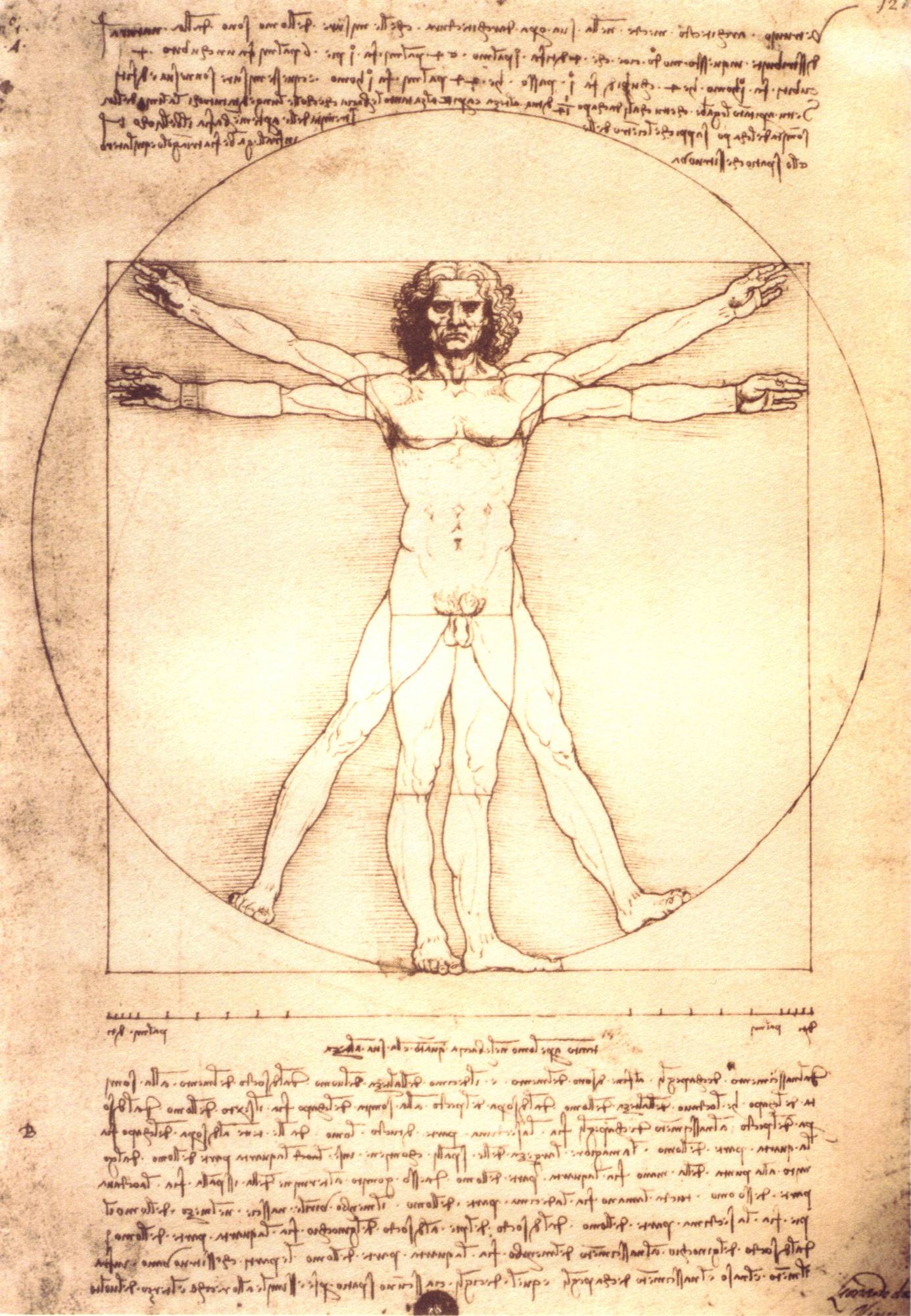
Drawing – Skeleton Proportions

  1. 1.2 Create art that demonstrates an understanding of how your ideas relate to techniques.
  2. 1.4 solve visual challenges using analysis.

What is the most challenging part of the human skeleton for you to draw? What part of the skeleton has helped you better understand the relationships of body parts to one another? What did you draw from your imagination and what did you draw from observation?

April 20 2012 – Friday!

Art Foudations 2D – Picasso – What are the dominant colors that Picasso used in this painting? How did he demonstrate a successful use of simplifying his palette in this wor<

  1. Know about and use Acrylic Paint.
  2. 1.1.3 Apply media with awareness so that your ideas are executed well.

How do you get NEUTRAL GREY? What are the 3 different ways that we learned in class? Make sure you and your neighbor know the relationship of complimentary colors and how they work together!

AP Studio ArtArtist at Work

  1. Work on Quality Mounting of artworks and final artist statement.
  2. 2.2 Evaluate the effectiveness of artworks

Remember the fun of being an artist like the one in the “Artist at work” image? What is it about being 17, 18 years old and working in an art room that takes that away? What do you have to do this weekend to get your work done? 2 Weeks is going to sneak up FAST!

DrawingSkeleton

  1. Know the correct proportion of the human figure through the skeleton.
  2. 1.2 Create art that demonstrates an understanding of how your ideas relate to the materials (charcoal and cardboard) and process (sighting in, guidelines, OBSERVATION) and subject matter (human form and skeleton).

What were the biggets challenges with the skeleton and the mannequin. What were the biggest differences? What can you do to improve your drawings as we come back to it on Monday?

April 19, 2012 – Thursday

Art Foundations 2DColor Wheel Monochromatic

  1. 1.4 Define visual challenges using analysis (what are the colors that we, as painters / drawers use to make all the other colors?)
  2. Know about various color based mediums (P).

What colors do you add to what in order to get a tint? A Shade? A Tone? How well are you able to paint in NEATLY your color wheel? What are the challenges you are facing?

AP Studio ArtHinges

  1. Work on final artist statement (What are the 2 questions?)
  2. 3.5 Evaluate and defend how subject matter and symbols are used in art.

What are your 5 works of art that you are going to mount for display? How are you going to use these works to discuss your progression / maturity (artistically, not personal).

Drawing – Drawing Mannequin

  1. Know the correct proportion of the human figure (D).
  2. 1.1 Apply media and technique with skill, confidence, and AWARENESS so that your ideas are executed well.

As you finished the mannequin drawing, what proportions did you have the hardest time with? Where do you find it easiest to use sighting in with in regard to the human body? Is the head the best unit of measure for you? Do you think there is a better one for you to use?

April 18, 2012 – Wednesday

Art Foundations – Color Wheel

  1. 1.4 Define visual challenges using analysis (what are the colors that we, as painters / drawers use to make all the other colors?)
  2. Know about the variety of color schemes (harmonies).

How do you struggle with the use of acrylic paint? What are the biggest problems you have?

AP Studio Art – Mounting Work

  1. 4.5 look at the qualities of art from various times and cultures to judge works of art.
  2. Work on and Know about the procedure for mounting works properly for presentation.

Name the 5 pieces that you will be mounting to the black mat board for mailing. What about them make them the BEST of your body of work?

DrawingHuman Proportion

  1. 1.4 solve visual challenges using analysis.
  2. Work on proper proportion of the human figure.

In your initial drawing of the human form, how many heads tall did you make the figure? In your well observed drawing of the mannequin, how many heads tall did you make it? Why do you feel you made the first one wrong (if you did that is).

April17, 2012 – Tuesday

Art Foundations – Color Wheel

  1. 1.4 Define visual challenges using analysis (what are the colors that we, as painters / drawers use to make all the other colors?)
  2. Know about the variety of color schemes (harmonies).

What are the colors that you see when white light is broken up through a prism? What are the 3 primary colors that televisions (light) use to make all other colors? What are the 3 primary colors that are used in color mixing (pigments)? What are the 4 colors that are used when printing a page on a color printer?

AP Studio Art – Deborah Butterfield – Early Work, Late Work

  1. 4.5 look at the qualities of art from various times and cultures to judge works of art.
  2. Work on and Know about the procedure for mounting works properly for presentation.

Name the 5 pieces that you will be mounting to the black mat board for mailing. What about them make them the BEST of your body of work?

Drawing – Human Proportion

  1. 1.4 solve visual challenges using analysis.
  2. Work on proper proportion of the human figure.

In your initial drawing of the human form, how many heads tall did you make the figure? In your well observed drawing of the mannequin, how many heads tall did you make it? Why do you feel you made the first one wrong (if you did that is).

April 16, 2012 – Monday

    Art FoundationsColor Prism
  1. 1.4 Define visual challenges using analysis (what are the colors that we, as painters / drawers use to make all the other colors?)

What are the colors that you see when white light is broken up through a prism? What are the 3 primary colors that televisions (light) use to make all other colors? What are the 3 primary colors that are used in color mixing (pigments)? What are the 4 colors that are used when printing a page on a color printer?

AP Studio Art –Early WorkMiddle Work –  Late Work

  1. 3.3 describe the creation of images and ideas and explain why they are of value.
  2. 4.5 look at the qualities of art from various times and cultures to judge works of art.

Name the 5 pieces that you will be mounting to the black mat board for mailing. What about them make them the BEST of your body of work?

DrawingHuman Proportion

  1. 3.3 describe the creation of images and explain why they are of value.
  2. 1.4 solve visual challenges using analysis.

In your initial drawing of the human form, how many heads tall did you make the figure? In your well observed drawing of the mannequin, how many heads tall did you make it? Why do you feel you made the first one wrong (if you did that is).

April 5, 2012 – Thursday

Art FoundationsThe Incredibles at table, Mr. and Mrs. Incredible in the Family Room

  1. 2.1 Form criticism about art works that work to accomplish personal meanings.
  2.  5.3 Describe meanings of artworks by analyzing 5.3.1 techniques.

What do you do in order to remember the rules of 2 point perspective? What do you have the hardest time with when it comes to perspective. With your neighbor, in the jpurnaling portion of the jandbook, draw out a small format box to diagram the placement of 1 and 2 point perspective and then without the use of a ruler, draw out a cube in each format box.

AP Studio ArtArtist in Studio

  1. 1.3 Communicate ideas clearly.
  2. 2.2 Evaluate the effectivemness of art.

How are the works you are completing working with and around and up from the previous works you have done this year? How are you improving? What are you taking home to work on over break?

Drawing – Artist in Studio

  1. 2.1 Form criticism about artworks that work to accomplish personal meanings (what are you trying to communicate?).
  2. 5.5 Evaluate responses to works of art for communicating rationale and ideas.

What came from this past weeks’ worth of work? What did you learn   about the ideas of your own work / ideas / work from the instructor with   specific goals and intentions in mind? Easy? Hard? What made it worthwhile?


April 4, 2012 – Wednesday

Art FoundationsRichard Estes – City scape Requirements

  1. 1.2 Create art that demonstrates an understanding of how your ideas relate to the (what process are you using TODAY?) and (what materials are you using TODAY?).
  2. 5.3 Describe the meaning of your art by analyzing how it relates you YOUR culture / interests /  theme of your city.

Do you need to take this home and work? Do you need to come in during your study hall? Do you need to be more focused next project?

AP Studio Art – Photographing Art

  1. 1.3 Communicate ideas clearly.

How are the works you are completing working with and around and up from the previous works you have done this year? How are you improving?

Drawing – Experimental Art

  1. 1.1 apply media, techniques, and processes with 1.1.1 skill , 1.1.2 confidence and 1.1.3 awareness that your ideas are executed well.
  2. 3.2 apply subjects, symbols, and ideas in art and use skill to solve visual challenges

What are the day to day goals you see for yourself? If you had to write a goal for yourself at the beginning of class, what would you write? Is it an agenda item or is it larger and more learning based? Look in the Handbook for your own goal ideas.

April 3, 2012 – Tuesday

Art Foundations – City scape Requirements – Visual Example

  1. 1.2 Create art that demonstrates an understanding of how your ideas relate to the (what process are you using TODAY?) and (what materials are you using TODAY?).
  2. 5.3 Describe the meaning of your art by analyzing how it relates you YOUR culture / interests /  theme of your city.
What are the last few things you need to do tomorrow to WRAP UP your composition of the city scape? Be ready to be finished. REVIEW your notes on the use of perspective… big part of the exam.

AP Studio Art – artinfo.com ALSO – Page 38 in the HANDBOOK – Artist Statements

  1. 1.3 Communicate ideas clearly

What article did you see in today’s artinfo.com site that caught your eye? TONIGHT… write a brief summary of that article and email it to me. (Brief summary / your thoughts sort of thing…)

Drawing – 

  1. 1.1 apply media, techniques, and processes with 1.1.1 skill , 1.1.2 confidence and 1.1.3 awareness that your ideas are executed well.
  2. 3.2 apply subjects, symbols, and ideas in art and use skill to solve visual challenges.

The arts teach students to think through and within a material. All art forms employ some means through which images become real.” What are you doing to the materials, with the materials, to make the images real? Write this is your goals page under the comments section.

April 2, 2012 – Monday

Art Foundations – Richard Estes

  1. 1.2 Create art that demonstrates an understanding of how your ideas relate to the (what process are you using TODAY?) and (what materials are you using TODAY?).

What are the big challenges you are facing with the buildings? What are the big challenges you are facing in wrapping this up in 3 days?

AP Studio Art – Art Today

  1. 1.3 Communicate ideas clearly

Have you got ANY images shot and uploaded? Demo on it today… are there any questions?

Drawing – Artmaking

  1. 1.1 apply media, techniques, and processes with 1.1.1 skill , 1.1.2 confidence and 1.1.3 awareness that your ideas are executed well.
  2. 3.2 apply subjects, symbols, and ideas in art and use skill to solve visual challenges.

What is the most difficult thing about Mr. Korb stepping out of the way? How are you going to accomplish success with this work of art?