April 30, 2012 – Monday

Art Foundations 2D – Chuck Close

  1. 3.3 Describe the creation of images and explain why they are of value.
  2. Work on Mathematical Ratios and Transferring images.

What is the color scheme you are using – label on the bottom of the page. Self – evaluation. What is the reason you have chosen the image you have chosen?

AP Studio ArtSlides / Images

  1. Work on Quality Mounting of artworks.
  2. 3.3 Describe the creation of images and ideas and explain why they are value.

How many artworks are you able to mount in one day? Should you prepare a board a day or prepare all boards at the same time? What process do you feel works best for you?

DrawingFolded Cloth

  1. Know how fabric folds and creates space / depth
  2. 2.3 Create artworks that solve visual problems.

How did you begin with light gestural / sketching drawings and did that help you push the idea and understanding as you continued working it on the paper? Share your beginning drawing with your neighbor.

April 27, 2012 – Friday, Friday, Friday!

Ms. Droske’s BFA Exhibition was great! Click HERE to see some of the works.

“There are only two rules for any artistic process. The first is that we must choose a subject that matters to us, a subject that we care about on an intensely personal level. We cannot copy someone else’s concept or borrow an emotion. The second rule is that we must be open to criticism and participate in the discussion. By doing so, we gain insight about others and ourselves, as well as the language and power of art.” – Destiny Allison,Shaping Destiny,” 2012

Art Foundations 2D – Color Schemes

  1. 1.2 Create art that demonstrates how understanding of how your ideas relate to the colored pencis and color mixing you use.
  2. Know about and work on color schemes with your classmate.

How do you feel about the differences in working with a quality colored pencil versus an acrylic paint? What causes you the mose challenge in either of the mediums? What do you like better and WHY?.

AP Studio Art – Artist at Work

  1. 5.3 describe meanings of artworks by analyzing 5.3.1 techniques 5.3.2 how they relate to history and culture.
  2. Work on final artist statement and mounting of works (and uploading the works to the online site…)
How many artworks are you able to mount in one day? Should you prepare a board a day or prepare all boards at the same time? What process do you feel works best for you?

Drawing – Skeleton Drawing

  1. 1.1 Apply media, techniques, and processes with 1.1.1 skill 1.1.2 confidence 1.1.3 and awareness so that your ideas are executed well.
  2. Work on skeletal composition that emphasizes proportion and observation and chiaroscuro.

What are the aspects of your drawing that you feel you did the best on? What are the aspects of your drawing that you still need to focus on for future drawings? Where are you “getting better” in the drawing process?

April 26, 2012 – Thursday

Ms. Droske’s BFA Exhibition was great! Click HERE to see some of the works.

“There are only two rules for any artistic process. The first is that we must choose a subject that matters to us, a subject that we care about on an intensely personal level. We cannot copy someone else’s concept or borrow an emotion. The second rule is that we must be open to criticism and participate in the discussion. By doing so, we gain insight about others and ourselves, as well as the language and power of art.” – Destiny Allison,Shaping Destiny,” 2012

Art Foundations 2D – Color Wheel

  1. 1.2 Create art that demonstrates how understanding of how your ideas relate to the colored pencis and color mixing you use.
  2. Know about and work on color schemes with your classmate.

Self – evaluation and share color scheme knowledge with your classmate and explain how they relate to one another on the color wheel.

AP Studio Art – Artist at Work

  1. 6.1 compare aspects of the visual arts with aspects of other disciplines.
  2. Work on Quality Mounting of artworks and work on final artist statement.
How many artworks are you able to mount in one day? Should you prepare a board a day or prepare all boards at the same time? What process do you feel works best for you?

Drawing – Skull

  1. 1.1 Apply media, techniques, and processes with 1.1.1skill 1.1.2 confidence 1.1.3 and awareness so that your ideas are executed well.
  2. Work on skeletal composition that emphasizes proportion and observation.

How did you begin with light sketching drawings and did that help you push the idea as you continued working it on the paper? What are you doing that demonstrates your sense of OBSERVATION and hard LOOKING in your drawing? Take a few minutes and really LOOK HARD at your drawing with your neighbor.

April 25, 2012 – Wednesday

Ms. Droske’s BFA Exhibition was great! Click HERE to see some of the works.

“There are only two rules for any artistic process. The first is that we must choose a subject that matters to us, a subject that we care about on an intensely personal level. We cannot copy someone else’s concept or borrow an emotion. The second rule is that we must be open to criticism and participate in the discussion. By doing so, we gain insight about others and ourselves, as well as the language and power of art.” – Destiny Allison,Shaping Destiny,” 2012

Art Foundations 2D – Color Wheel

  1. 1.2 Create art that demonstrates an understanding of how your ideas (and understanding) relate to materils and processes you use.
  2. Know about and work on color schemes.

Which of the color schemes were the most challenging for you to understand? What color schemes are you wearing today? Are you?

AP Studio Art – Artist at Work

  1. 5.3 describe meanings of artworks by analyzing 5.3.1 techniques 5.3.2 how they relate to history and culture.
  2. Work on choosing quality (Concentration and Breadth) works for mailing.
Think about the young artist at work from the beginning of class… what has happened that has, for some, made creating art not quite the same as when you were like this artist at work?

Drawing – Skeleton

  1. Work on all aspects of chiaroscuro.
  2. 1.4 Solve visual challenges using analysis.

What part of the skeleton has helped you better understand the relationships of body parts to one another? How did you begin with light guidelines and did that help you push the idea as you continued working it on the cardboard? Share your drawings with your neighbor and make soem critical comparisons.

April 24, 2012 – Tuesday

Ms. Droske’s BFA Exhibition was great! Click HERE to see some of the works.

“There are only two rules for any artistic process. The first is that we must choose a subject that matters to us, a subject that we care about on an intensely personal level. We cannot copy someone else’s concept or borrow an emotion. The second rule is that we must be open to criticism and participate in the discussion. By doing so, we gain insight about others and ourselves, as well as the language and power of art.” – Destiny Allison, “Shaping Destiny,” 2012

Art Foundations 2D – Picasso – Rose Period (1904 to 1906)

  1. 1.1 apply media, techniques, and processes with 1.1.1 skill 1.1.2 confidence 1.1.3and awareness so that your ideas are executed well.
  2. Know about and work on color schemes.

What color schemes do you 1) fully understand and 2) not fully understand? If you were to be quizzed today, how many of the 8 could you list without needing to look at a notecard or back to your notes? Be honest!

AP Studio Art – Borders

  1. 4.2 describe the purpose and meaning of art objects within different cultures, times, and places.
  2. Work on choosing quality (Concentration and Breadth) works for mailing.
What situation in life is it important to present yourself in the best light possible? When does it not matter so much? How does the presentation of your artwork relate?

Drawing – Skeleton

  1. 3.3 Describe the creation of images and explain why they are of value.
  2. 1.4 Solve visual challenges using analysis.

What is the most challenging part of the human skeleton for you to draw? What part of the skeleton has helped you better understand the relationships of body parts to one another? What did you draw from your imagination and what did you draw from observation?

April 23, 2012 – Monday

“There are only two rules for any artistic process. The first is that we must choose a subject that matters to us, a subject that we care about on an intensely personal level. We cannot copy someone else’s concept or borrow an emotion. The second rule is that we must be open to criticism and participate in the discussion. By doing so, we gain insight about others and ourselves, as well as the language and power of art.” – Destiny Allison,Shaping Destiny,” 2012

Art Foundations 2D – Picasso

  1. 1.1 apply media, techniques, and processes with 1.1.1 skill 1.1.2 confidence 1.1.3 and awareness so that your ideas are executed well.
  2. Know about and work on color schemes.

What color schemes do you 1) fully understand and 2) not fully understand? If you were to be quizzed today, how many of the 8 could you list without needing to look at a notecard or back to your notes? Be honest!

AP Studio Art – Hinges

  1. 2.2 Evaluate the effectiveness of artworks.
  2.  Work on choosing quality (Concentration and Breadth) works for mailing / submission.

How far along are you in the preparation of the works for submission? What do you need to ask help on? What is it you are all set on?

Drawing – Skeleton Proportions

  1. 1.2 Create art that demonstrates an understanding of how your ideas relate to techniques.
  2. 1.4 solve visual challenges using analysis.

What is the most challenging part of the human skeleton for you to draw? What part of the skeleton has helped you better understand the relationships of body parts to one another? What did you draw from your imagination and what did you draw from observation?

April 20 2012 – Friday!

Art Foudations 2D – Picasso – What are the dominant colors that Picasso used in this painting? How did he demonstrate a successful use of simplifying his palette in this wor<

  1. Know about and use Acrylic Paint.
  2. 1.1.3 Apply media with awareness so that your ideas are executed well.

How do you get NEUTRAL GREY? What are the 3 different ways that we learned in class? Make sure you and your neighbor know the relationship of complimentary colors and how they work together!

AP Studio ArtArtist at Work

  1. Work on Quality Mounting of artworks and final artist statement.
  2. 2.2 Evaluate the effectiveness of artworks

Remember the fun of being an artist like the one in the “Artist at work” image? What is it about being 17, 18 years old and working in an art room that takes that away? What do you have to do this weekend to get your work done? 2 Weeks is going to sneak up FAST!

DrawingSkeleton

  1. Know the correct proportion of the human figure through the skeleton.
  2. 1.2 Create art that demonstrates an understanding of how your ideas relate to the materials (charcoal and cardboard) and process (sighting in, guidelines, OBSERVATION) and subject matter (human form and skeleton).

What were the biggets challenges with the skeleton and the mannequin. What were the biggest differences? What can you do to improve your drawings as we come back to it on Monday?

April 19, 2012 – Thursday

Art Foundations 2DColor Wheel Monochromatic

  1. 1.4 Define visual challenges using analysis (what are the colors that we, as painters / drawers use to make all the other colors?)
  2. Know about various color based mediums (P).

What colors do you add to what in order to get a tint? A Shade? A Tone? How well are you able to paint in NEATLY your color wheel? What are the challenges you are facing?

AP Studio ArtHinges

  1. Work on final artist statement (What are the 2 questions?)
  2. 3.5 Evaluate and defend how subject matter and symbols are used in art.

What are your 5 works of art that you are going to mount for display? How are you going to use these works to discuss your progression / maturity (artistically, not personal).

Drawing – Drawing Mannequin

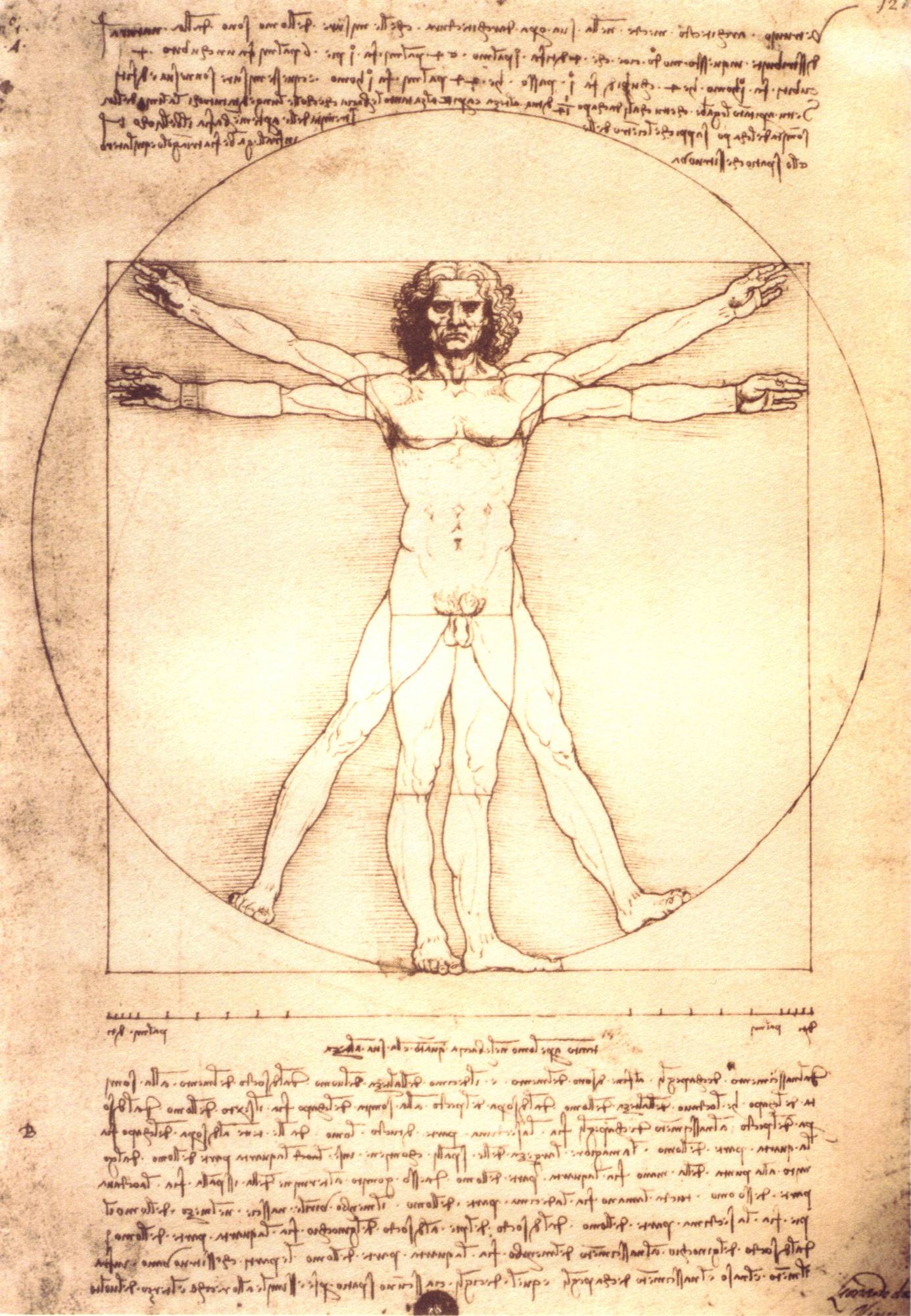
  1. Know the correct proportion of the human figure (D).
  2. 1.1 Apply media and technique with skill, confidence, and AWARENESS so that your ideas are executed well.

As you finished the mannequin drawing, what proportions did you have the hardest time with? Where do you find it easiest to use sighting in with in regard to the human body? Is the head the best unit of measure for you? Do you think there is a better one for you to use?

April 18, 2012 – Wednesday

Art Foundations – Color Wheel

  1. 1.4 Define visual challenges using analysis (what are the colors that we, as painters / drawers use to make all the other colors?)
  2. Know about the variety of color schemes (harmonies).

How do you struggle with the use of acrylic paint? What are the biggest problems you have?

AP Studio Art – Mounting Work

  1. 4.5 look at the qualities of art from various times and cultures to judge works of art.
  2. Work on and Know about the procedure for mounting works properly for presentation.

Name the 5 pieces that you will be mounting to the black mat board for mailing. What about them make them the BEST of your body of work?

DrawingHuman Proportion

  1. 1.4 solve visual challenges using analysis.
  2. Work on proper proportion of the human figure.

In your initial drawing of the human form, how many heads tall did you make the figure? In your well observed drawing of the mannequin, how many heads tall did you make it? Why do you feel you made the first one wrong (if you did that is).

April17, 2012 – Tuesday

Art Foundations – Color Wheel

  1. 1.4 Define visual challenges using analysis (what are the colors that we, as painters / drawers use to make all the other colors?)
  2. Know about the variety of color schemes (harmonies).

What are the colors that you see when white light is broken up through a prism? What are the 3 primary colors that televisions (light) use to make all other colors? What are the 3 primary colors that are used in color mixing (pigments)? What are the 4 colors that are used when printing a page on a color printer?

AP Studio Art – Deborah Butterfield – Early Work, Late Work

  1. 4.5 look at the qualities of art from various times and cultures to judge works of art.
  2. Work on and Know about the procedure for mounting works properly for presentation.

Name the 5 pieces that you will be mounting to the black mat board for mailing. What about them make them the BEST of your body of work?

Drawing – Human Proportion

  1. 1.4 solve visual challenges using analysis.
  2. Work on proper proportion of the human figure.

In your initial drawing of the human form, how many heads tall did you make the figure? In your well observed drawing of the mannequin, how many heads tall did you make it? Why do you feel you made the first one wrong (if you did that is).